How California Gardeners Can Successfully Grow Kiwi Vines In Their Backyards
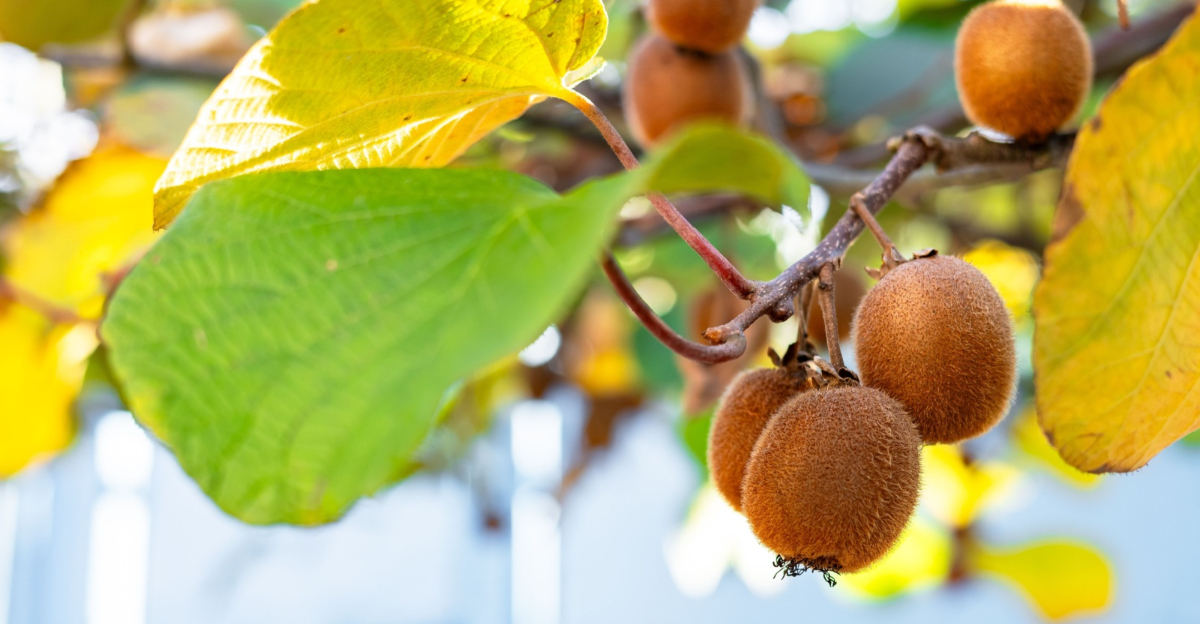
Kiwi vines are one of those backyard fruit plants that make people do a double take. Wait, I can grow that myself?
In California? Yes, actually, and the results can be genuinely impressive.
That said, kiwi vines are not exactly low maintenance, and they will let you know pretty quickly if something is not right.
Getting the correct variety for your specific climate zone, building a trellis sturdy enough to handle some serious growth, planting both a male and a female vine, and keeping up with pruning and irrigation are all part of the commitment.
California backyards span a pretty wide range of conditions, from mild coastal yards to warm inland valleys, and the encouraging part is that several kiwi types can perform well across those differences when planted thoughtfully.
Put in the effort and fresh homegrown kiwi is a very realistic reward.
1. Choose A Kiwi Type That Fits Your Climate
Not every kiwi vine will perform the same way across California, and picking the wrong type for your local conditions is one of the most common early mistakes backyard growers make.
The fuzzy kiwi, known as Actinidia deliciosa, is the large brown variety most people recognize from grocery stores.
It grows well in warmer inland California areas where winters are cool enough to provide adequate chill hours but summers are long and warm enough to ripen the fruit.
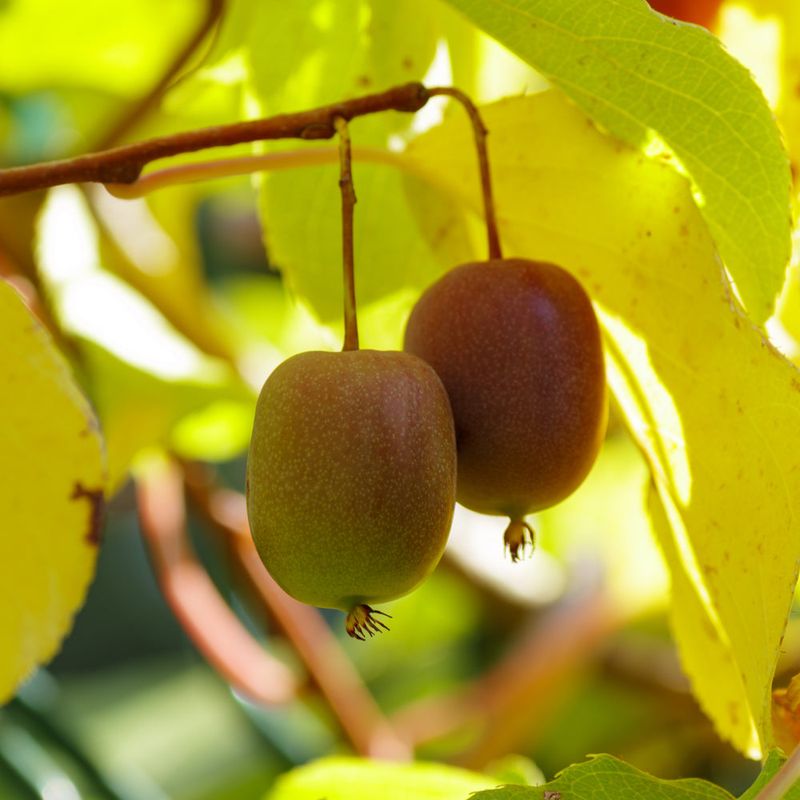
Hardy kiwi varieties, such as Actinidia arguta, handle colder winters better and can work in parts of Northern California where frosts are more frequent.
Some gardeners in mild coastal zones find that fuzzy kiwi vines struggle to get enough winter chill, which can affect how well the vine sets fruit the following season.
Checking your local chill hour averages before choosing a variety is a practical first step.
UC Cooperative Extension resources can help California gardeners figure out which variety matches their specific region. Some nurseries also carry self-fertile hardy kiwi selections that simplify the pollination question.
Matching the vine to your yard’s actual climate, rather than assuming one type fits all of California, gives you a much stronger start from planting day forward.
2. Plant A Male Vine For Pollination
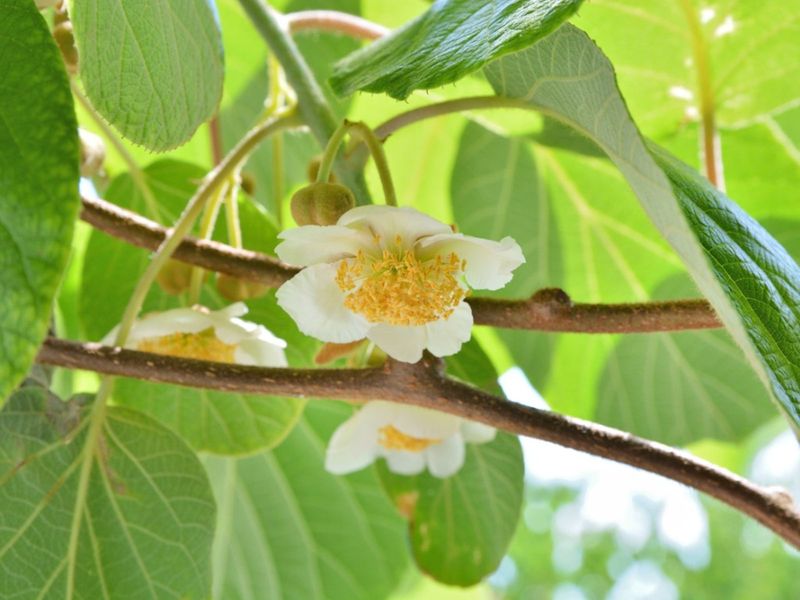
Most kiwi vines will not set fruit without a compatible male vine planted nearby to provide pollen. Female vines produce the fruit, but they rely on male flowers to complete pollination, and timing matters quite a bit.
The male vine needs to be blooming at roughly the same time as the female vine for cross-pollination to happen successfully in your backyard.
One male vine can generally support several female vines, which is useful if you have limited space but want a small harvest.
Planting the male vine within a reasonable distance of the female vine helps bees and other pollinators move pollen between the two plants during bloom.
Placing them on the same trellis structure or in adjoining sections of the garden makes the process more reliable in a typical California yard.
Some gardeners find out late that their vine has never fruited simply because they only planted a female vine without a male companion.
Your California Garden Changes Every Week. Your Plan Should Too.
Gardening in California changes quickly throughout the season. Every Friday you’ll receive a simple weekly plan showing exactly what to plant, prune, fertilize, harvest, and protect so you never miss the right timing.
Checking with your nursery at purchase time to confirm you have both a male and a compatible female variety is a straightforward way to avoid years of waiting with no reward.
A few nurseries also offer potted male vines separately, which makes adding one to an existing planting fairly simple.
3. Give The Vines A Strong Trellis
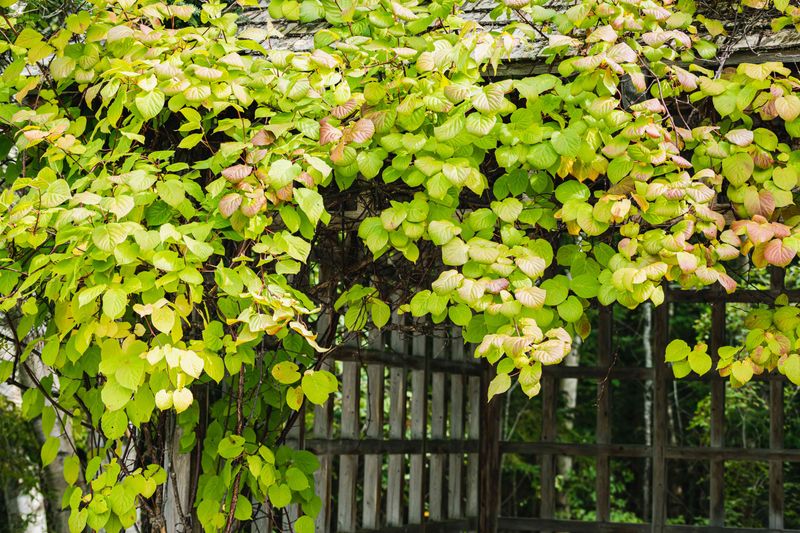
Few backyard fruit plants grow as vigorously as a mature kiwi vine, and a flimsy trellis will not hold up once the vine reaches full size.
A well-built T-bar or pergola-style structure made from sturdy lumber or metal posts with heavy-gauge horizontal wires gives the vine the kind of long-term support it needs.
Skimping on trellis materials early on often leads to costly repairs or rebuilding once the vine has settled in and started adding significant weight each season.
The trellis should be anchored securely in the ground, with end posts braced against the tension of the wires and the weight of the canopy.
Kiwi vines trained along a strong overhead structure can eventually cover a large area, which also makes them useful for creating shade over a patio or garden path in warmer California yards.
Planning the trellis layout before planting gives you a chance to orient the structure for good sun exposure and air circulation.
Training young shoots along the wires early in the vine’s life helps establish a clean framework that is easier to prune and manage as the plant matures.
Regular tying and redirecting of new growth during the growing season keeps the canopy from becoming a tangled mass that is difficult to work through when pruning time arrives in winter.
4. Pick A Sunny Sheltered Location
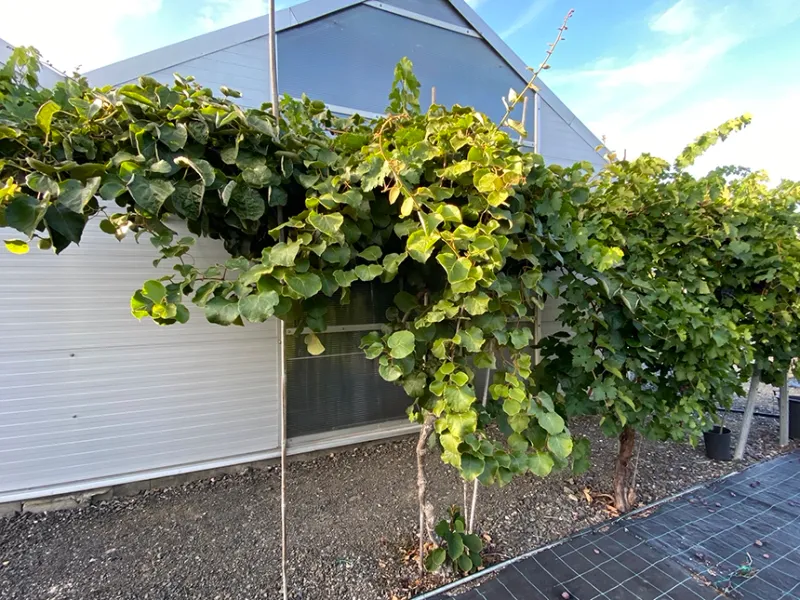
Sheltered corners of a California backyard can make a real difference for kiwi vines, especially in areas where afternoon winds or occasional late frosts are a concern.
Kiwi vines grow best with full sun exposure, meaning at least six to eight hours of direct sunlight most days during the growing season.
A south-facing wall or fence that reflects warmth and blocks cold drafts can create a noticeably more favorable microclimate for the vine than an open exposed location.
Inland California yards that get hot summers generally provide enough heat for fuzzy kiwi to ripen fruit, while coastal yards may need a particularly warm and protected spot to compensate for cooler summer temperatures.
Avoid planting kiwi in low-lying areas of the yard where cold air pools on frosty nights, since young vines and new spring growth are sensitive to late cold snaps.
Raised planting areas or spots near south-facing masonry can reduce frost risk in marginal locations.
Good air circulation around the vine also helps reduce the risk of fungal issues during wet winter months, which can be relevant in parts of Northern California.
Choosing the planting spot thoughtfully, rather than placing the vine wherever there happens to be open ground, is one of the most practical early decisions a California kiwi grower can make.
5. Avoid Poorly Drained Or Alkaline Soil
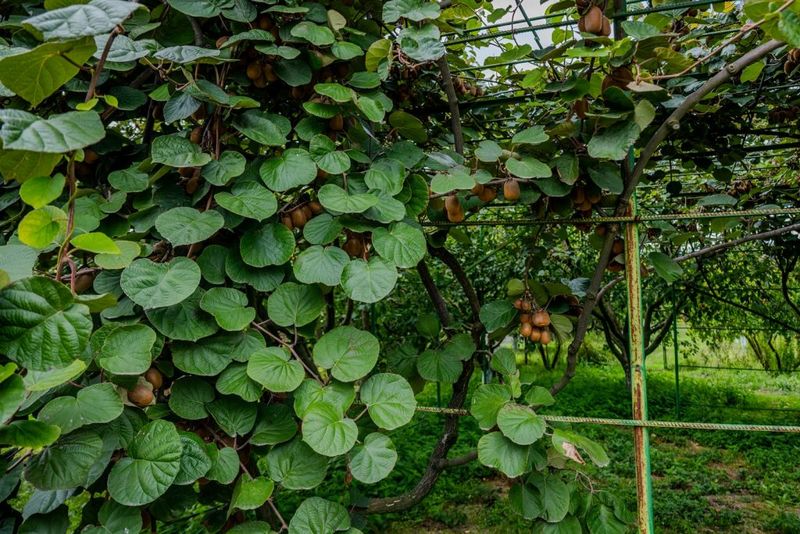
Waterlogged soil is one of the quickest ways to run into trouble with kiwi vines, since the roots need oxygen as much as they need moisture.
Standing water around the root zone after rain or irrigation can lead to root problems that weaken the vine over time and reduce its ability to take up nutrients.
Raised beds, mounded planting rows, or sloped sites that allow water to drain away from the root zone are much better choices than low spots that stay wet.
Kiwi vines prefer a slightly acidic to near-neutral soil pH, roughly between 5.5 and 7.0, and they tend to struggle in strongly alkaline soils that are common in some parts of Southern California and the Central Valley.
If your soil tests on the alkaline side, working in sulfur or acidifying amendments before planting can help bring the pH into a more suitable range.
Getting a soil test done before planting is a practical step that many home gardeners skip but often wish they had done earlier.
Adding organic matter such as compost to heavy clay soils improves both drainage and soil structure, which benefits the vine’s root development over the long term.
Sandy soils in coastal California areas may drain too quickly and benefit from organic matter additions that help retain some moisture between irrigation cycles.
6. Water Deeply During The Growing Season
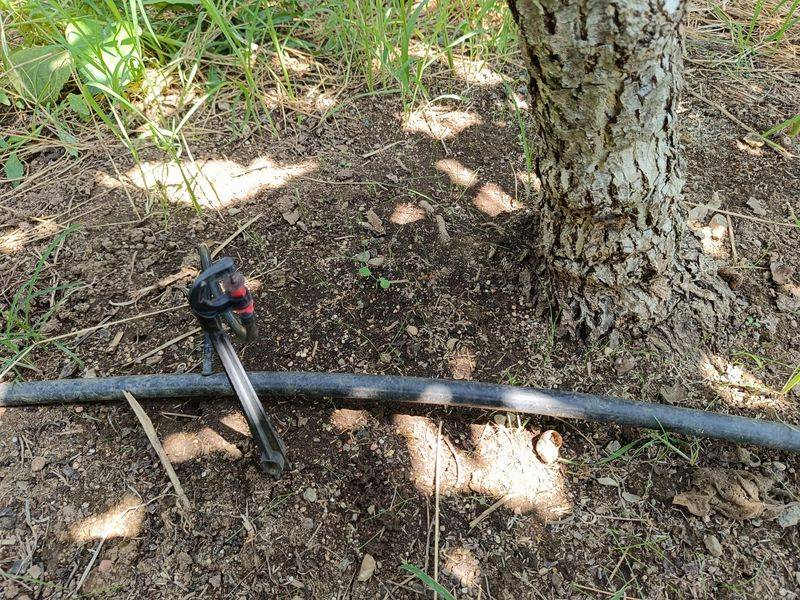
Summer in California can be long and dry, and kiwi vines need consistent moisture through the growing season to support healthy shoot growth and fruit development.
Shallow, frequent watering tends to encourage roots to stay near the surface, which leaves the vine more vulnerable during hot spells.
Deep, less frequent watering that soaks the root zone thoroughly is a more effective approach and encourages roots to grow downward where soil moisture is more stable.
Drip irrigation systems work well for kiwi vines because they deliver water directly to the root zone with less evaporation loss than overhead sprinklers, which is worth considering in water-conscious California yards.
Mulching around the base of the vine with wood chips or straw helps retain soil moisture, moderates soil temperature, and reduces how often you need to irrigate during the hottest weeks of summer.
Keep mulch pulled back slightly from the main trunk to avoid creating conditions that could affect the bark.
Monitoring the soil moisture at root depth, rather than just checking the surface, gives a more accurate picture of what the vine actually needs.
During fruit development in late summer, consistent moisture is especially useful for producing well-sized fruit.
Letting the soil dry out severely during this period can affect fruit quality and may cause some fruit to drop before it is fully ripe.
7. Prune In Winter And Summer
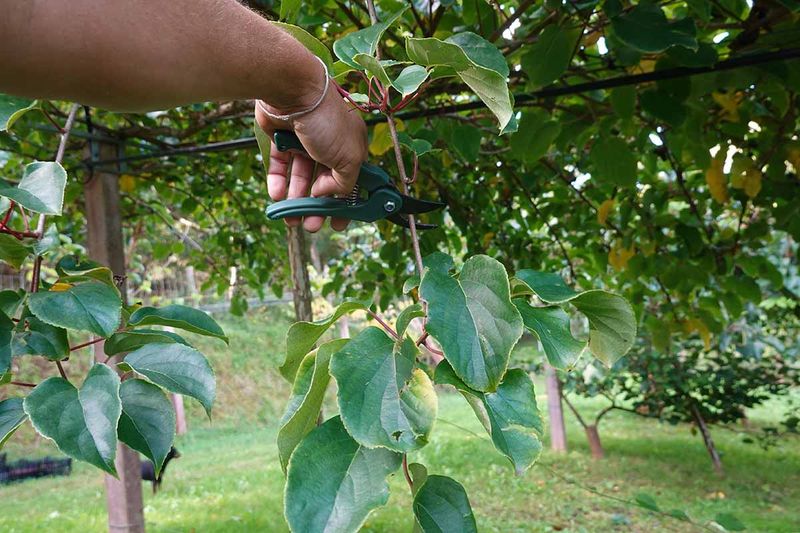
Kiwi vines are vigorous growers, and without regular pruning they can turn into a dense, unmanageable tangle that reduces fruit production and makes seasonal care much harder.
Winter pruning, done while the vine is dormant, is the main structural session where you remove old unproductive canes, thin out crowded growth, and select the strongest shoots to carry the next season’s fruit.
Waiting until the vine has fully dropped its leaves and gone dormant before starting winter cuts helps avoid excessive sap bleeding from the pruning wounds.
Summer pruning is a lighter task focused on pinching back long lateral shoots, removing water shoots that grow straight up from the main framework, and keeping the canopy open enough to let sunlight reach developing fruit.
In California’s warm growing season, kiwi vines can push out new growth rapidly, so checking the vine every few weeks during summer and removing the most vigorous unwanted shoots keeps things manageable.
Neglecting summer pruning often means a much heavier workload come winter.
Learning to distinguish between fruiting spurs, which carry the following year’s flower buds, and purely vegetative shoots helps you make smarter pruning decisions that support both vine health and fruit production.
Many California Master Gardener programs offer hands-on pruning workshops for home fruit growers that cover kiwi vine management in practical detail.
8. Give Vines Enough Space To Spread
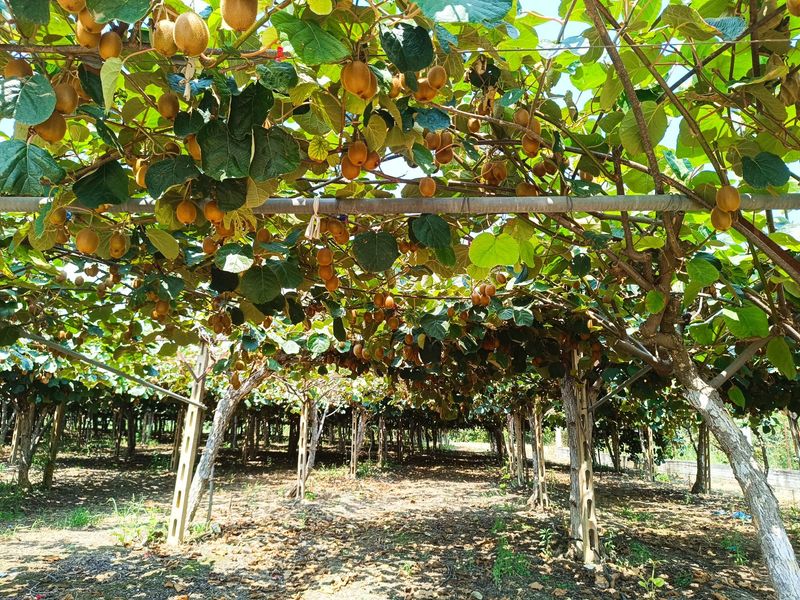
Mature kiwi vines are not small plants, and one of the surprises many backyard growers encounter is just how much space a well-established vine eventually claims.
A single fuzzy kiwi vine can spread across a very large trellis or pergola over several years, and crowding it into a tight corner or next to other plants that compete for the same space tends to create problems down the line.
Planning for the vine’s mature size before planting saves a lot of rearranging later.
In California backyards where space is limited, hardy kiwi varieties that tend to be somewhat less rampant than fuzzy kiwi can be a more practical option.
Spacing male and female vines far enough apart to allow each one room to develop its own canopy, while still keeping them close enough for pollination, is a balance worth thinking about when laying out the planting.
A general spacing guideline for fuzzy kiwi places vines roughly ten to fifteen feet apart, though actual spacing may vary depending on your trellis design.
Giving the vine room also improves air circulation through the canopy, which is helpful during the wet season in parts of California where humidity can encourage fungal issues on dense, poorly ventilated growth.
A spacious, well-planned layout simply makes every other aspect of kiwi vine care easier to manage across the life of the planting.
9. Expect Fruit Only After The Vine Matures
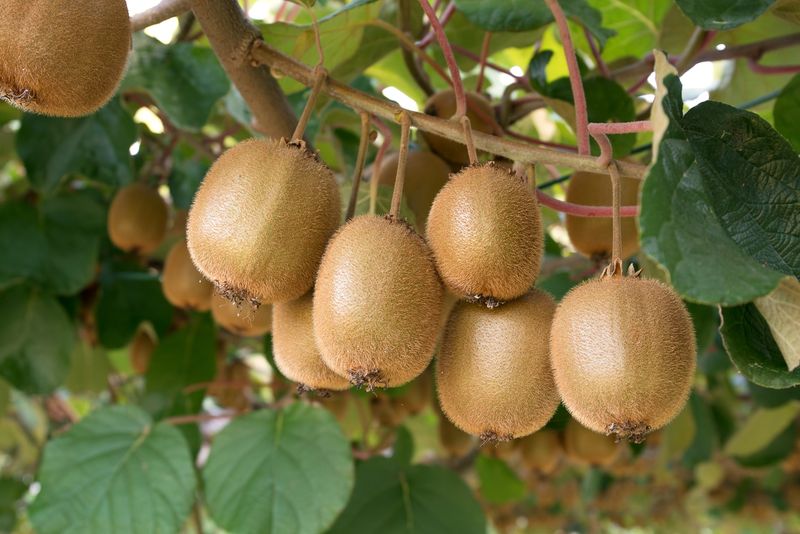
Patience is genuinely part of the kiwi-growing experience, and gardeners who expect fruit in the first year or two are likely to feel discouraged.
Fuzzy kiwi vines typically need several years from planting before they begin producing fruit in meaningful quantities, and some vines take even longer depending on growing conditions and pruning practices.
How well the male and female vines are synchronized during bloom also plays a significant role in how quickly and consistently a vine moves into reliable fruit production.
The vine spends its early years establishing a strong root system and building the woody framework it will eventually fruit from.
Hardy kiwi varieties may begin bearing fruit somewhat sooner, though they still require patience and consistent care through the establishment years. During the waiting period, focusing on building a solid trellis, developing a clean vine structure through pruning, and keeping the soil, water, and fertility conditions right puts the vine in the best position to fruit well once it reaches maturity.
Skipping steps during the early years tends to extend the time before reliable fruiting begins.
When fruit does finally arrive in a California backyard kiwi planting, the reward can be substantial. A mature, well-managed vine can produce a generous crop of fruit over many seasons, making the years of care and waiting feel entirely worthwhile.
Kiwi vines are long-lived plants, and a good start sets the foundation for many productive years ahead.