Why New York Sugar Maples Are Turning Colors Early This Summer
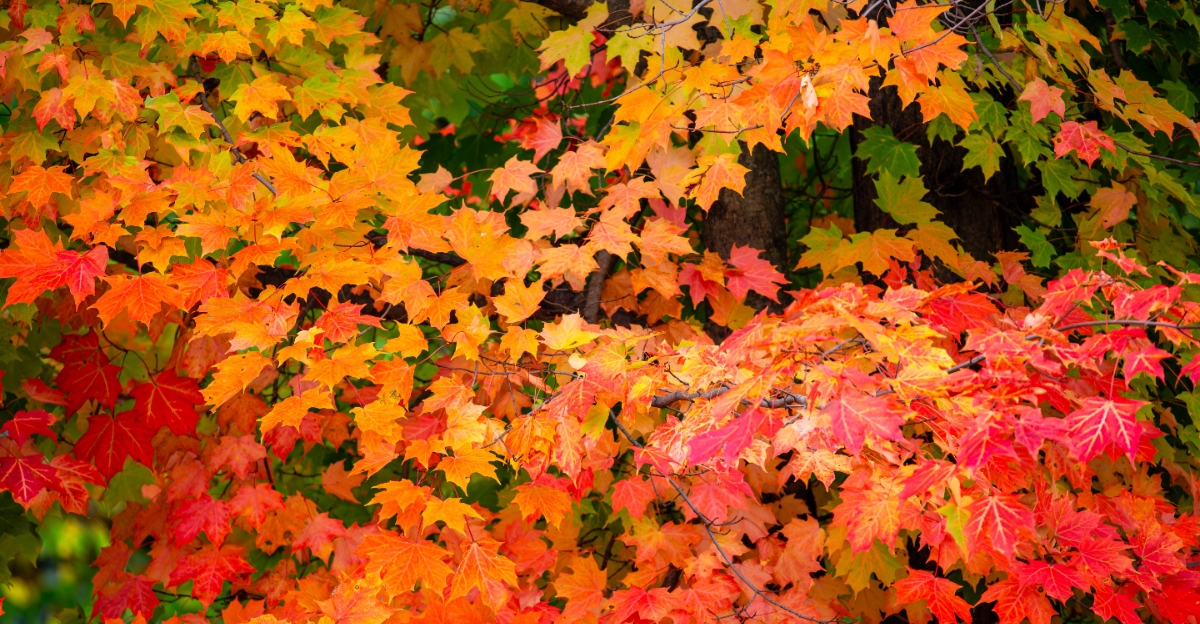
Something is off this July, and sugar maples across New York are the ones sounding the alarm. Branches that should stay green until October are already blazing crimson and gold, weeks before anyone expected color.
Neighbors are noticing it on morning walks, snapping photos of leaves that look more like mid October than midsummer. It’s not a fluke, and it’s not autumn arriving early on its own schedule.
Something else is driving this shift, and it has little to do with the calendar. The real explanation is stranger than most homeowners expect, and it says a lot about what these trees are quietly going through.
Once you see what’s behind the color, you’ll never look at an early red leaf the same way again.
Summer Drought Stress Triggers Premature Leaf Color
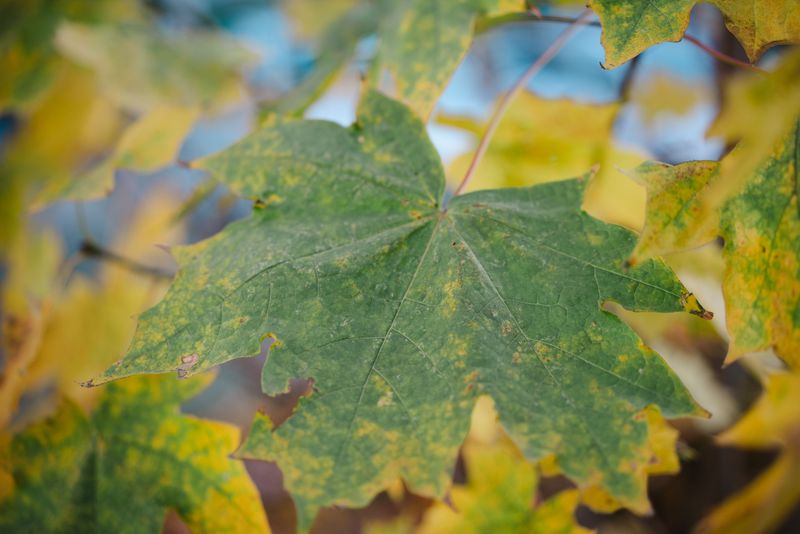
Dry ground tells a big story. When soil moisture drops below what a sugar maple needs, the tree begins redirecting its resources fast.
Sugar maples are thirsty trees by nature. They need consistent moisture throughout the growing season to keep leaves green and healthy.
When rain disappears for weeks, roots cannot pull enough water up through the trunk. The tree responds by pulling resources back toward its core.
Chlorophyll, the green pigment in leaves, requires water to stay active. Without enough moisture, chlorophyll breaks down faster than the tree can rebuild it.
Underneath that green, hidden pigments called anthocyanins and carotenoids have been there all along. Once chlorophyll fades, those reds and oranges suddenly become visible.
New York sugar maples are turning colors early this summer largely because of prolonged dry spells across the region. Several areas of upstate New York and the Hudson Valley have seen noticeably reduced rainfall this season.
The tree is not confused about the calendar. It is reacting to real physical stress in a logical way.
Think of it as the tree setting priorities. The maple lets go of the leaves it can no longer support.
Early color change caused by drought is sometimes called “drought stress coloration” by arborists. It looks like fall but feels very different to the tree.
Catching this pattern early gives you a chance to act before the situation gets worse for your maple.
Sugar Maples Shut Down Chlorophyll Production Early
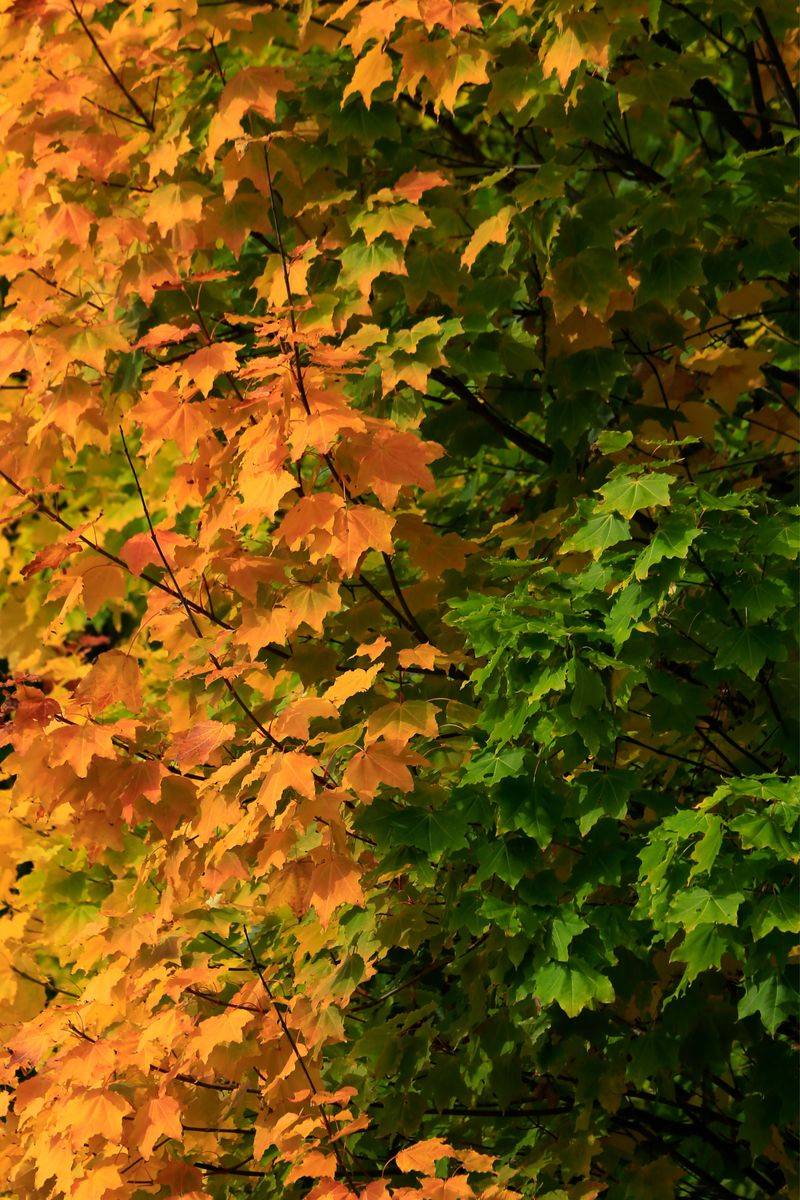
Green leaves are not permanent. They are the result of an active, ongoing chemical process that stops the moment conditions turn unfavorable.
Chlorophyll is produced continuously during the growing season. The tree invests energy into making it because chlorophyll captures sunlight and converts it into food.
When a sugar maple faces heat, drought, or soil stress, that energy investment stops abruptly. Chlorophyll production halts almost as quickly as it started.
New York sugar maples are turning colors early this summer partly because chlorophyll shutdown is happening months ahead of its normal schedule. The trigger is environmental, not seasonal.
Once production halts, existing chlorophyll degrades quickly under summer sunlight. The green color disappears from leaves within days, sometimes even hours.
Your New York Garden Changes Every Week. Your Plan Should Too.
Gardening in New York changes quickly throughout the season. Every Friday you’ll receive a simple weekly plan showing exactly what to plant, prune, fertilize, harvest, and protect so you never miss the right timing.
What remains are the underlying pigments that were always present in the leaf tissue. Yellows, oranges, and reds emerge as chlorophyll steps aside.
Arborists call this process “premature senescence.” It sounds technical, but it simply means the leaf is aging too fast.
A leaf going through premature senescence is not performing photosynthesis effectively. The tree is essentially losing its solar panels ahead of schedule.
This matters because the maple needs late-summer energy to build reserves for winter survival. Losing leaves early cuts into those critical food stores.
A tree that enters winter with low energy reserves is more vulnerable to cold damage, pests, and disease the following spring. Early shutdown has lasting consequences.
Heat Waves Compound The Effects Of Low Rainfall
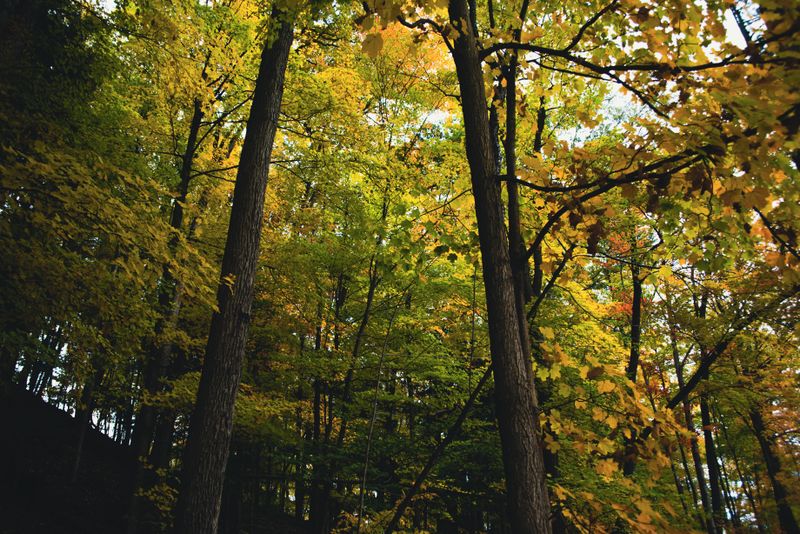
Heat and drought reinforce each other. When they arrive together, the damage to sugar maples accelerates far beyond what either would cause alone.
High temperatures increase the rate at which soil moisture evaporates. Ground that might hold water for two weeks dries out in just a few days during a heat wave.
At the same time, heat increases a tree’s demand for water. The maple needs more moisture precisely when the soil has less to offer.
Leaf pores, called stomata, close up during extreme heat to prevent water loss. But closed stomata also mean the tree cannot absorb carbon dioxide for photosynthesis.
A maple locked in survival mode during a heat wave is essentially pausing its growth. Energy production slows while stress hormones increase inside the tree.
New York experienced multiple stretches of unusually high temperatures this summer. Those stretches added further pressure to an already dry season.
Each heat wave added more strain to already stressed maples. The cumulative effect is what you are seeing in those early colored leaves.
Roots near the soil surface are especially vulnerable. They dry out first and suffer damage that limits water uptake even after rain eventually returns.
Repeated heat exposure also weakens the tree’s natural defenses. Fungal infections and insect activity become more likely when a maple is already struggling.
Protecting your tree from heat stress now can reduce the damage it carries into next season.
Soil Conditions Across New York Make Stress Worse
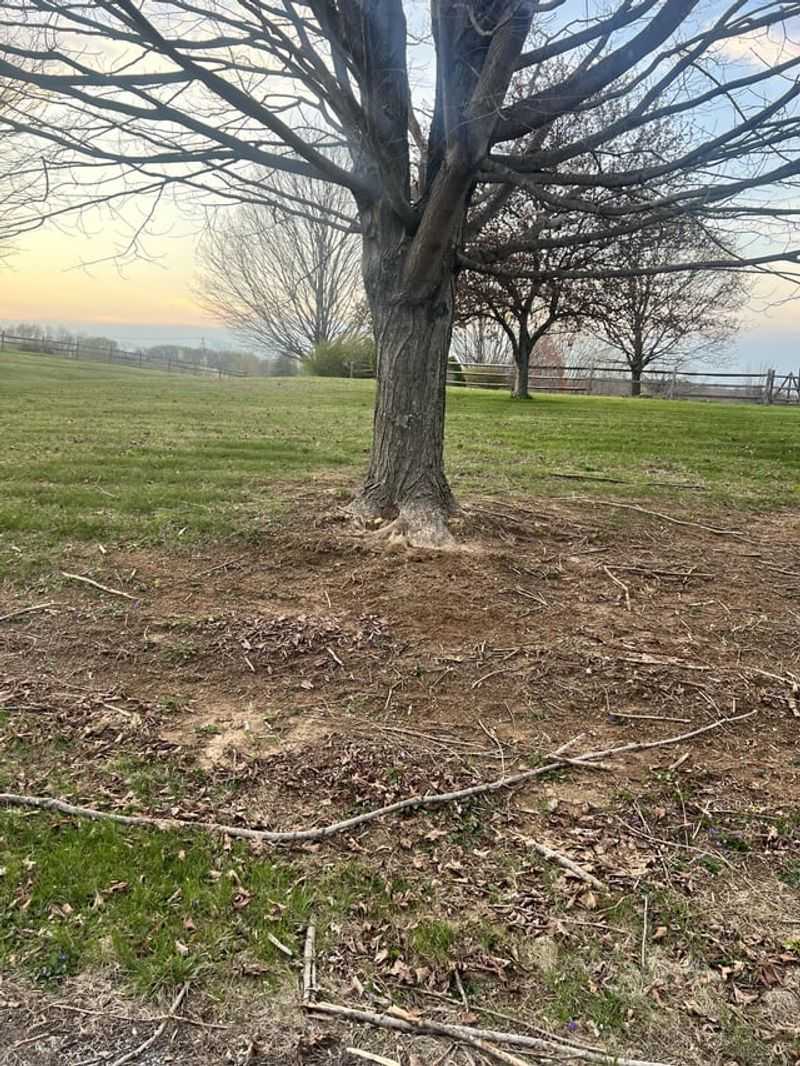
Not all ground is created equal. The soil beneath your maple plays a massive role in how well the tree handles summer stress.
Sugar maples prefer deep, well-drained, slightly acidic soil with plenty of organic matter. When those conditions are missing, the tree starts every season at a disadvantage.
Across New York, soil types vary dramatically from region to region. Clay-heavy soils in some areas hold water but deprive roots of oxygen when waterlogged during spring rains.
Sandy soils in other parts of the state drain too fast, leaving roots dry within days of a rainfall event. Neither extreme supports a thriving maple during a tough summer.
Urban and suburban settings add another layer of difficulty. Compacted soil from foot traffic, lawn equipment, and construction reduces the space roots need to spread and breathe.
Compacted soil also absorbs water poorly. Rain runs off the surface instead of soaking down to where roots can actually reach it.
Road salt from winter applications lingers in soil through summer. Salt pulls moisture away from roots through a process called osmotic stress, making drought conditions even more severe.
Soil pH that has shifted too far from the maple’s preferred range limits its ability to absorb nutrients. A stressed, nutrient-poor tree colors early and drops leaves fast.
Getting a simple soil test from your local cooperative extension office can reveal exactly what your maple is dealing with underground. Knowing the problem is the first step toward fixing it.
Early Color Does Not Always Mean A Tree In Trouble
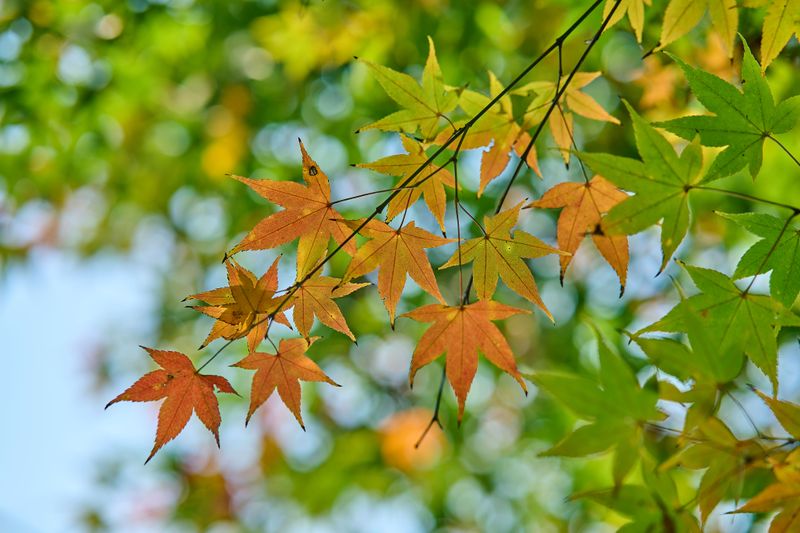
Take a breath before you panic. Seeing early color on your maple is alarming, but it does not automatically mean the tree is beyond saving.
Trees are remarkably resilient organisms. They have survived centuries of drought, disease, and climate swings long before humans started paying attention.
Early leaf color caused by summer stress is often a temporary response. Once conditions improve, many maples bounce back with surprising speed and vigor.
The key is looking at the full picture rather than just the colored leaves. Check how much of the tree is affected and how the bark and branches look.
A maple losing color on just a few outer branches is likely experiencing localized stress. That is very different from a tree dropping leaves across its entire canopy.
Bark that looks healthy, branches that are still flexible, and a root zone free of fungal growth are all encouraging signs. A stressed tree is not the same as a doomed one.
Some maples show early color every year during dry summers and then return to full health the following spring. Consistent monitoring helps you know your specific tree’s patterns.
If you are genuinely unsure, a certified arborist can assess the tree in person. An expert eye catches things a worried homeowner might misread.
Early color is a warning, not a verdict. Act on the warning, and your maple has a real fighting chance.
Steps Homeowners Can Take To Support Stressed Maples
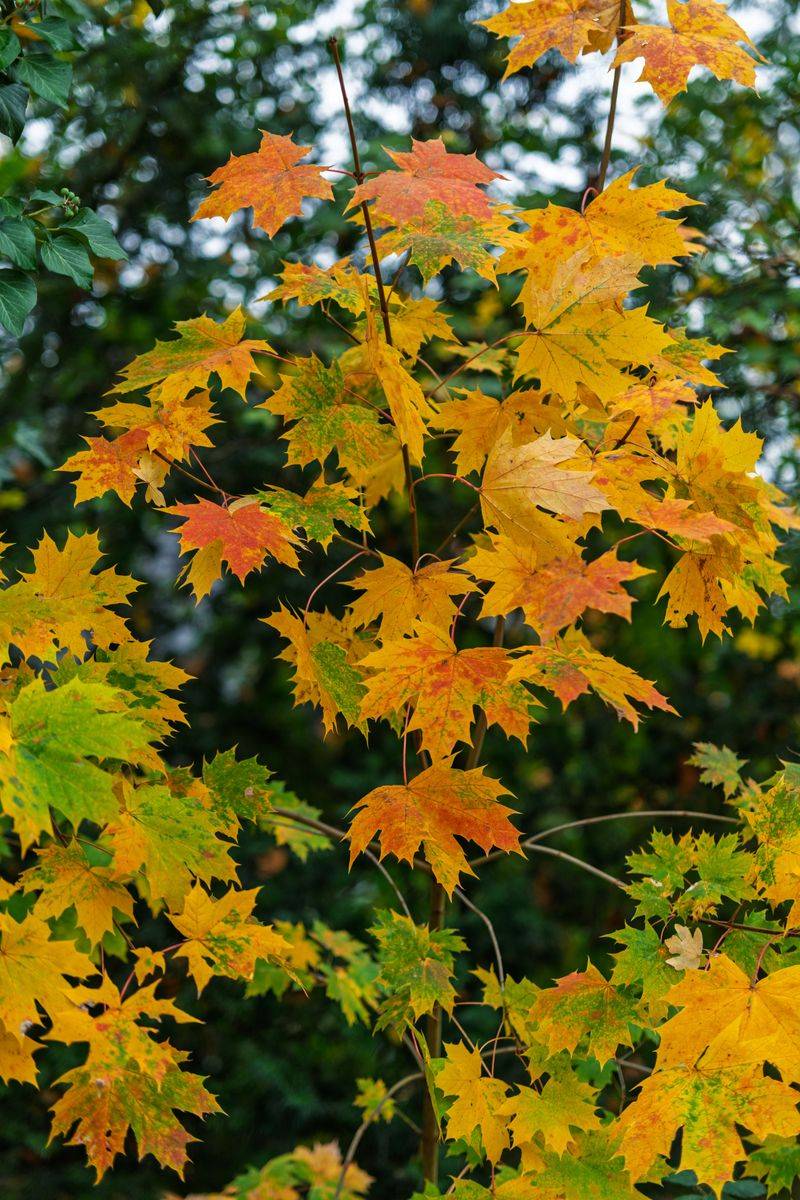
You are not powerless here. There are practical steps you can take right now to give your maple a better shot at recovery.
Start with deep watering. A slow, steady soak at the base of the tree for 30 to 45 minutes is far more effective than a quick spray.
Water should reach 12 to 18 inches below the surface to benefit the deepest roots. Shallow watering encourages surface roots that dry out faster during heat events.
Apply a thick layer of organic mulch around the base of the tree. Aim for three to four inches of wood chips spread out to the drip line of the canopy.
Mulch holds soil moisture, regulates ground temperature, and slowly adds nutrients back into the soil as it breaks down. It remains one of the simplest tools available to homeowners.
Avoid fertilizing a stressed maple during summer. Adding fertilizer when a tree is already struggling can push new growth the tree cannot support with limited water.
Keep lawn equipment away from the base of the trunk. Mower and trimmer wounds create entry points for disease and add stress to an already vulnerable tree.
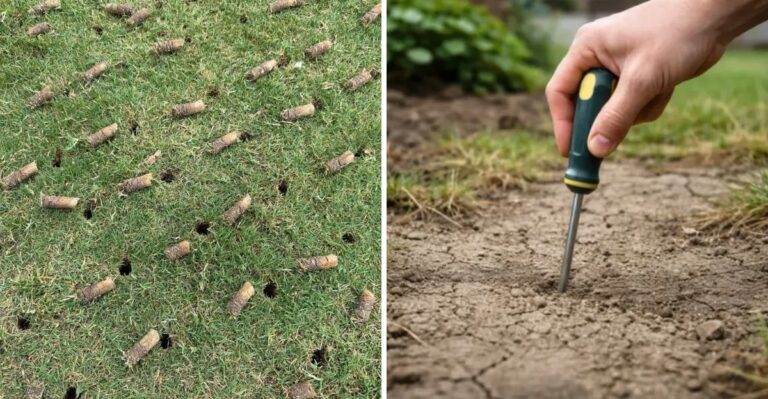
If your soil is compacted, consider hiring an arborist to perform vertical mulching or air spading. Both methods loosen compacted ground without damaging roots.
Resist the urge to prune heavily right now. Wait until the tree has stabilized before removing branches.
New York sugar maples are turning colors early this summer, but with steady care, many will reward you with a spectacular autumn show after all.