How Californians Keep Mosquitoes Out Of Their Yards Each Summer
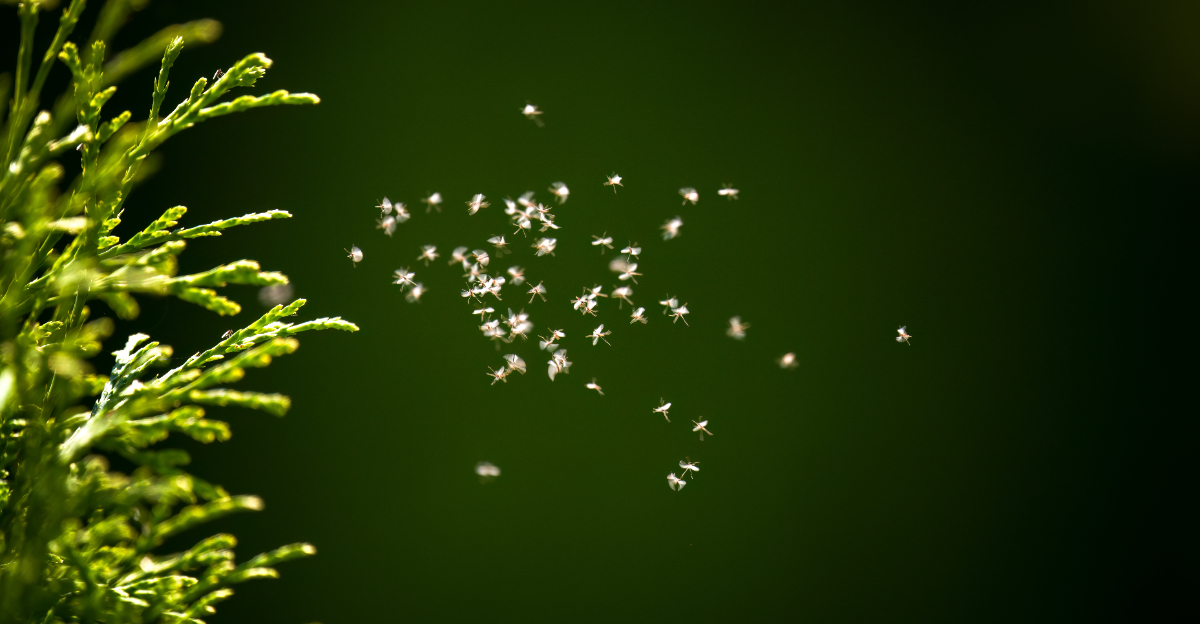
Nothing ruins a perfect California summer evening faster than that sound. You know the one.
That tiny, high-pitched whine somewhere near your ear that means you’ve got about two seconds before you’re slapping yourself in the face on your own patio. Mosquitoes are small, but their ability to completely ruin an outdoor hangout is genuinely impressive.
Grudging respect, honestly. But also no. So how do some California yards seem basically mosquito-free all summer while others feel like a full buffet the second you step outside?
It’s not luck. It’s a combination of smart habits, the right plants, and a few surprisingly simple fixes that most people have never tried.
Mosquitoes are creatures of habit and they need very specific conditions to thrive. Disrupt those conditions and they move on to easier targets.
Your yard can absolutely be that inhospitable, and getting there is way more doable than you think.
1. Dump Standing Water Weekly
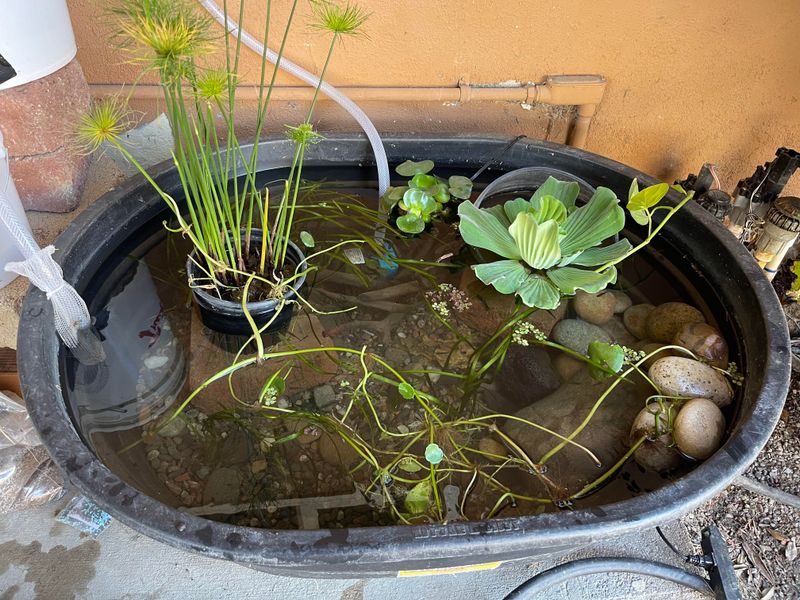
Mosquitoes need water to breed, and even a bottle cap full of water is enough for them to lay eggs. That is why one of the most popular habits among California homeowners is dumping out any standing water they find around their yard every single week.
It sounds simple, but it makes a huge difference.
Walk around your yard and look for buckets, flower pot saucers, old tires, tarps, or anything else that collects rainwater or irrigation runoff. California summers can still bring surprise moisture, especially in coastal areas, so do not skip this step just because it looks dry outside.
Kids can even help with this chore. Make it a Sunday routine and turn it into a quick yard walk-through.
The more consistent you are, the less chance mosquitoes have to set up a breeding spot. Many California neighborhoods also share tips with each other about common problem areas, like low spots in lawns or areas near garden beds.
Staying on top of standing water is hands-down one of the fastest ways to cut down on mosquito activity before it becomes a bigger problem.
2. Clean Gutters And Drains
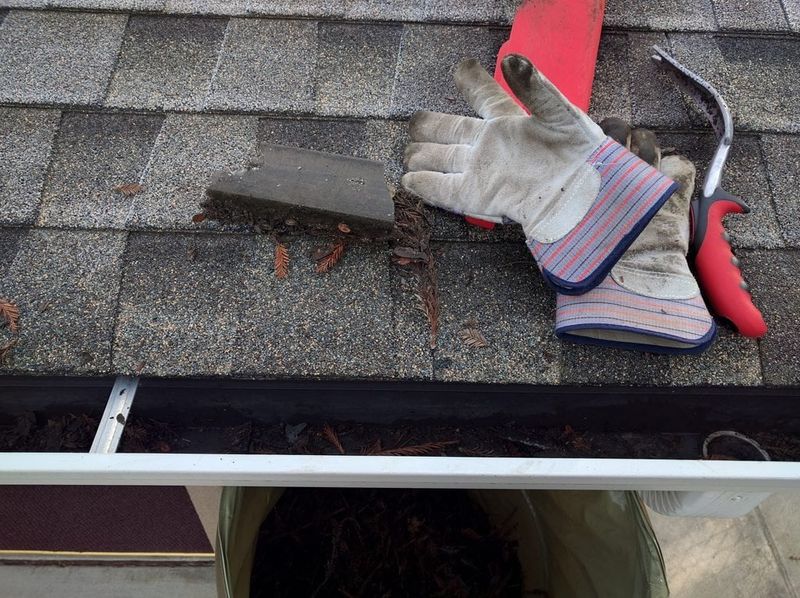
Clogged gutters are a sneaky mosquito hotspot that most people forget about. Leaves, twigs, and dirt pile up in gutters over time, and when water gets trapped in that mess, it creates a perfect breeding ground.
In California, where dry seasons are followed by sudden rain, gutters can go from fine to flooded with debris really fast.
Cleaning your gutters at least twice a year is a smart move, but checking them more often during and after rainy stretches helps even more. Make sure your downspouts are flowing freely so water does not pool near your home’s foundation.
Drains around patios and driveways deserve attention too. If a drain is blocked, water can sit there for days.
Some California homeowners install gutter guards to reduce how often they need to clean them out. These guards let water flow through while keeping leaves and junk out.
It is a small investment that pays off in fewer mosquitoes and less maintenance overall. Keeping gutters and drains clean is one of those behind-the-scenes habits that quietly keeps your outdoor space much more comfortable all summer long throughout California’s warmer months.
Your California Garden Changes Every Week. Your Plan Should Too.
Gardening in California changes quickly throughout the season. Every Friday you’ll receive a simple weekly plan showing exactly what to plant, prune, fertilize, harvest, and protect so you never miss the right timing.
3. Refresh Birdbaths Often
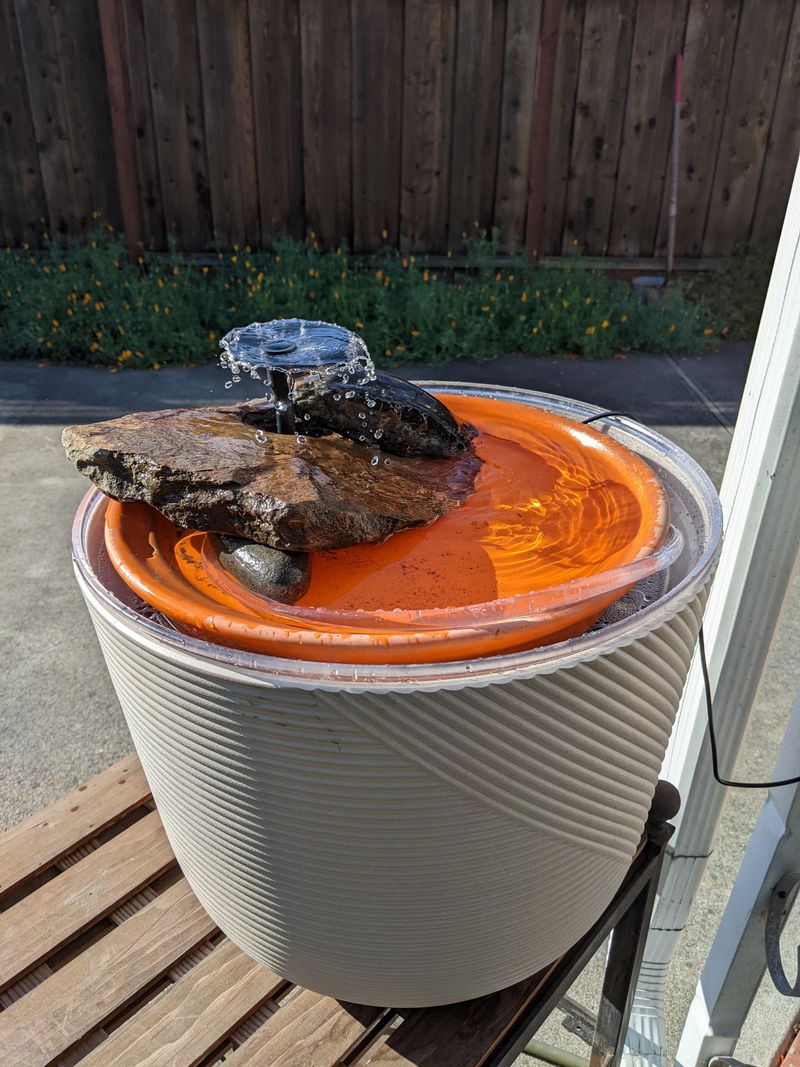
Birdbaths are a lovely addition to any California backyard, but they can quickly become a mosquito nursery if the water sits too long. Mosquitoes can start laying eggs in still water within just a day or two, so keeping that water fresh is really important if you want birds and not bugs.
The fix is easy: dump and refill your birdbath every two to three days. Give the basin a quick scrub with a brush to remove any slippery algae buildup while you are at it.
Algae creates a surface that mosquito larvae love to cling to, so a clean basin makes the whole thing less inviting for pests.
Some California gardeners take it a step further by adding a small solar-powered fountain or water wiggler to their birdbath. Moving water is much harder for mosquitoes to breed in, and birds actually prefer drinking from moving water too.
It is a win on both sides. You get to enjoy watching local birds splash around, and you cut down on the mosquito population at the same time.
Across California, this small habit keeps yards feeling like a retreat instead of a swarm zone all summer.
4. Fix Leaky Outdoor Faucets
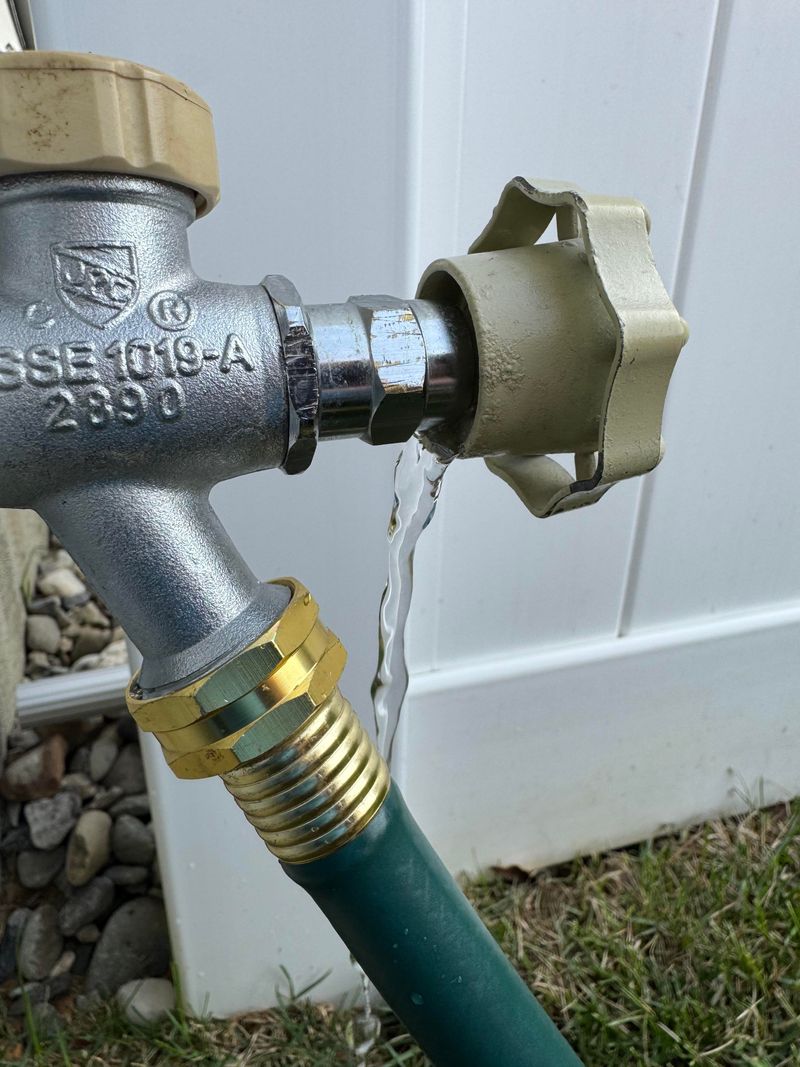
A dripping faucet might not seem like a big deal, but that slow drip creates a wet patch on the ground that never fully dries out. In California’s warm summers, that kind of consistent moisture is exactly what mosquitoes look for when they are searching for a place to breed.
Fixing leaks is one of the easiest ways to remove that temptation entirely.
Check your outdoor faucets, hose connections, and irrigation lines regularly. Even a small drip from a hose bib can soak into the soil and create a damp area that holds moisture for days.
Look around sprinkler heads too, since broken or misaligned sprinklers often leave puddles that dry slowly in shaded spots.
Most faucet leaks are simple to fix with a washer replacement or a bit of plumber’s tape. Neither requires a plumber or special tools.
California homeowners who stay on top of these small repairs often notice a big drop in the number of mosquitoes hanging around their yard. Plus, fixing leaks saves water, which is always a good thing in a state that values conservation.
It is a practical move that helps both your yard and your water bill at the same time.
5. Trim Overgrown Yard Plants

Adult mosquitoes do not spend all their time flying around looking for a meal. They actually rest in cool, shaded, and humid spots during the hottest parts of the day.
Tall grass, dense shrubs, and overgrown plants along fences and walls give them exactly the kind of hiding place they love.
Keeping your yard trimmed and tidy goes a long way toward making it less mosquito-friendly. Mow your lawn regularly, cut back thick bushes near seating areas, and clear out any weedy overgrowth along fence lines.
In California, where plants can grow quickly during the warm months, this kind of upkeep needs to happen more often than people expect.
Trimming plants also improves airflow throughout your yard, which mosquitoes dislike. They are weak fliers and struggle in breezy conditions.
When your yard is open and well-maintained, it naturally becomes a harder environment for them to settle in. Many California gardeners combine regular trimming with other prevention habits, and they notice that the combination works much better than any single method alone.
A clean, well-kept yard is honestly one of the best defenses you have against a summer full of bites and buzzing.
6. Use Fans On Patios
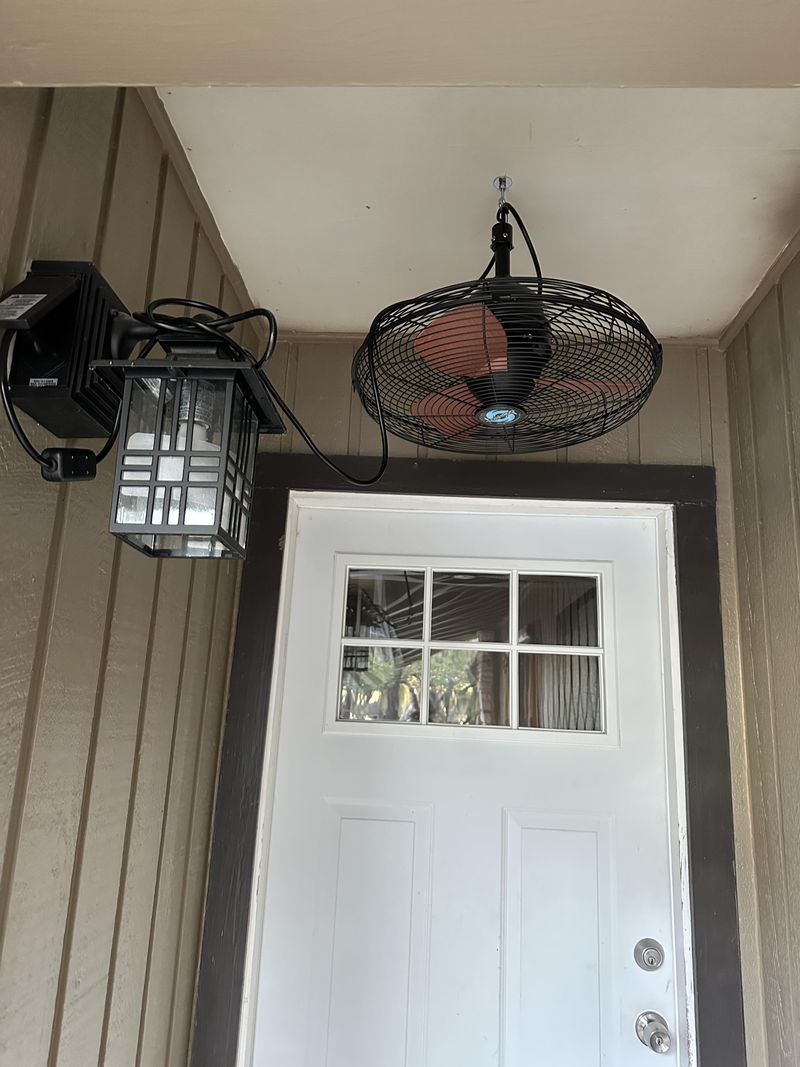
Here is something a lot of California residents swear by: running outdoor fans on their patios and decks during the evening. Mosquitoes are surprisingly poor fliers.
Even a mild breeze makes it very hard for them to land on you or hover nearby. A well-placed fan can create enough airflow to make your outdoor seating area much more enjoyable without any sprays or chemicals.
Outdoor ceiling fans work great for covered patios, and portable tower fans or box fans can work well on open decks. Point the fan low and toward the area where people are sitting.
This keeps the breeze at the level where mosquitoes tend to fly, which is close to the ground and near your ankles and legs.
Fans also help with the heat, which is always a bonus during California’s warm summer evenings. Many families in California combine fan use with citronella candles or other repellents for even better results.
The fan keeps the air moving while the candles add another layer of deterrence. It is a relaxed, low-effort approach that turns your patio into a space you can actually enjoy instead of one you rush through to avoid getting bitten.
Simple and genuinely effective.
7. Plant Mosquito-Repelling Herbs
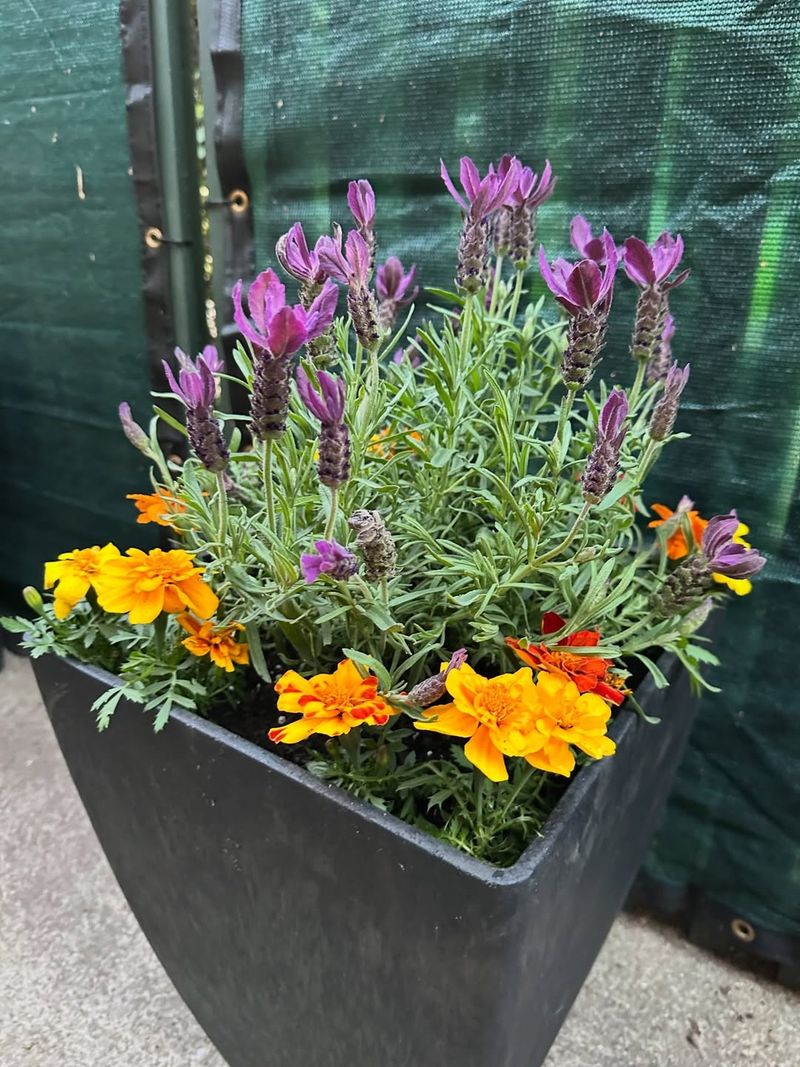
One of the most popular and pleasant ways Californians keep mosquitoes at bay is by planting herbs that naturally repel them. Plants like lavender, basil, rosemary, citronella grass, and lemon balm all release scents that mosquitoes find unpleasant.
Placing these around your patio or garden edges creates a natural barrier that works around the clock.
California’s climate is ideal for growing most of these herbs. They thrive in the warm sun, need minimal watering once established, and look beautiful in garden beds or containers.
You can line your porch steps with potted lavender, tuck basil near your outdoor dining area, or plant a row of rosemary along a walkway for both beauty and function.
Crushing a few leaves and rubbing them on your skin can also work as a quick, natural repellent when you are spending time outside. The scent does not last as long as commercial sprays, but it is a nice chemical-free option for short outdoor sessions.
Many California gardeners love this approach because it adds color, fragrance, and practical value to their yard all at once. Growing these herbs is a rewarding habit that keeps your outdoor space smelling wonderful while quietly discouraging mosquitoes from hanging around all summer long.