How Colorado Gardeners Can Grow A Plum Tree That Fruits Reliably
Frost doesn’t care about your careful plans. Colorado tests every fruit tree that blooms too soon. Weather here shifts fast, sometimes overnight, without much warning.
Gardeners across Colorado lose entire harvests before summer starts. You hold more control than you might ever realize right now. Location alone decides outcomes long before blossoms ever open.
Soil drainage alone separates thriving trees from struggling ones. Timing beats effort in this unpredictable climate. Precision matters far more than hope or good intentions.
Every mistake costs you an entire growing season. Borers, sunscald, and black knot all wait patiently. None of these problems forgive carelessness or neglect.
Plums handle stress better than peaches, apricots, or cherries. They tolerate conditions that overwhelm softer, weaker trees. Choosing wisely right now changes everything that happens next.
Nothing about growing fruit here ever rewards guessing or waiting. Your next decision truly determines whether you ever taste real success.
1. Choose A Cold-Hardy Variety
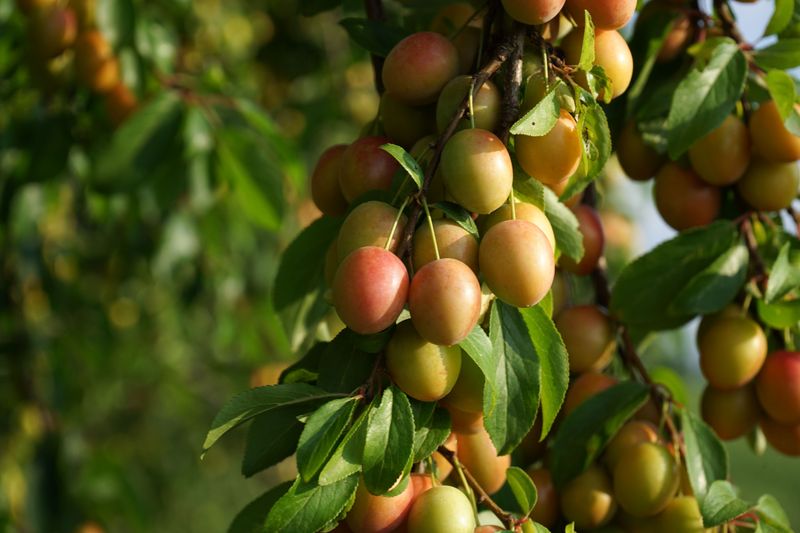
Not all plum trees are built for Colorado winters. Picking the wrong variety is the fastest way to end up with a tree that never truly establishes.
Cold-hardy varieties like ‘Toka,’ ‘Waneta,’ and ‘Alderman’ are bred to withstand harsh winters. These trees tolerate temperatures that drop far into subfreezing territory.
American hybrid plums are especially tough. They carry genes from wild native species, which means they bounce back fast after a harsh season.
European plums like ‘Stanley’ also perform well in many Colorado zones. They tend to fruit reliably and resist common diseases that plague weaker trees.
Japanese plum varieties, on the other hand, struggle with late frosts. Their bloom time is earlier, which puts them right in the path of Colorado’s unpredictable spring weather.
Before buying any tree, check its USDA hardiness zone rating for your specific area. Colorado’s zones range widely, from about 3 in high mountain areas to 6 or 7 in lower valleys, so confirm your zone rather than assuming it.
Local nurseries are your best resource here. Staff at Colorado-specific garden centers know which varieties actually thrive in your specific county and elevation.
Ask about self-fertile options too. Some plum trees need a second tree nearby to pollinate, while others can fruit on their own.
Knowing this upfront saves a lot of frustration down the road. Choosing the right variety is the single most powerful decision you will make for your plum tree’s future.
2. Plant In Full Sun With Drainage
Plum trees are sun lovers through and through. They need at least six to eight hours of direct sunlight each day to produce fruit worth bragging about.
Shady spots might look cozy, but they lead to weak growth and poor harvests. Full sun keeps the tree healthy and the fruit sweet.
Drainage matters just as much as sunlight. Plum roots struggle in soggy soil, and Colorado’s clay-heavy ground can hold water like a sponge.
Before planting, dig a test hole about twelve inches deep. Fill it with water and watch how fast it drains. As a general rule, if water sits for more than an hour, your soil likely needs amending.
Your Colorado Garden Changes Every Week. Your Plan Should Too.
Gardening in Colorado changes quickly throughout the season. Every Friday you’ll receive a simple weekly plan showing exactly what to plant, prune, fertilize, harvest, and protect so you never miss the right timing.
Mix in compost and coarse sand to loosen heavy clay. This creates a looser texture that lets roots breathe and water move through freely.
Raised beds are another smart option for Colorado gardeners. Elevating your planting area by even eight inches meaningfully improves drainage and warms the soil faster in spring.
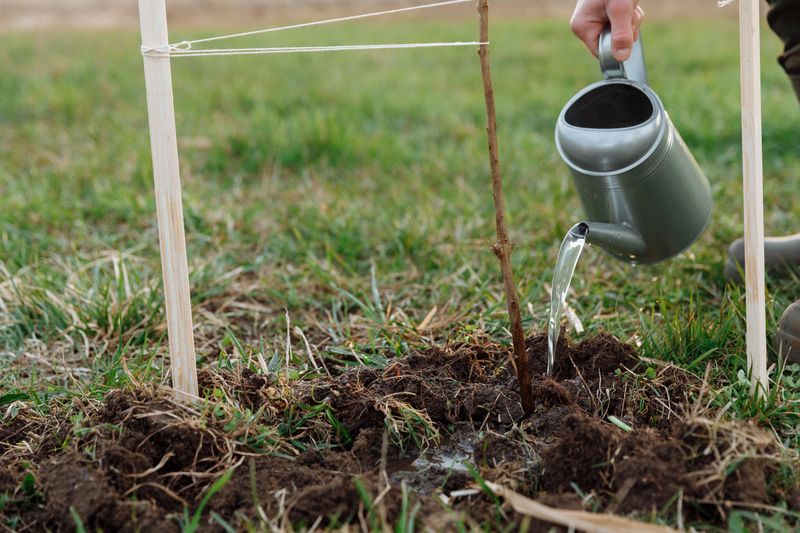
When you dig your planting hole, make it twice as wide as the root ball. Width encourages roots to spread outward rather than circling down into dense soil.
Set the tree so the graft union sits a couple of inches above the soil line. Burying it too deep can rot the trunk and invite disease.
Good sun and smart drainage give your plum tree the foundation it needs to grow strong from day one. Get these two things right, and everything else becomes much easier.
3. Pick A Frost-Protected Site
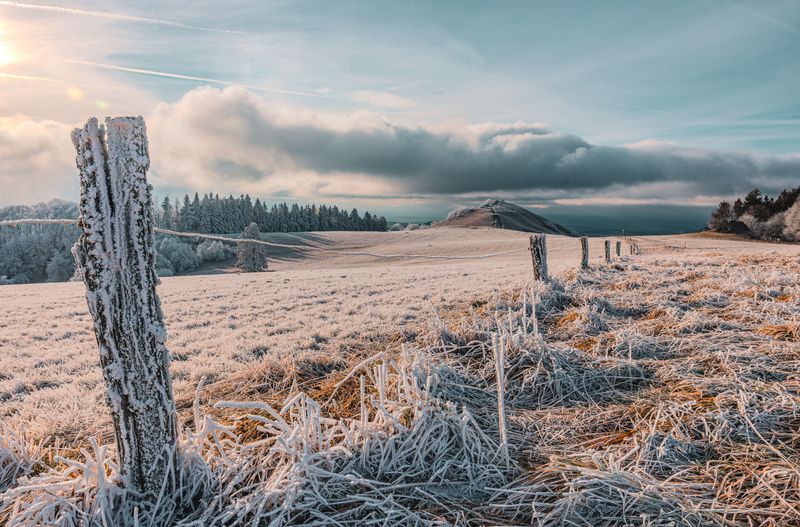
Location is everything when spring frosts threaten your blooms. A plum tree planted in the wrong spot can lose its entire flower crop in a single cold night.
Cold air flows downhill and pools in low-lying areas. Planting your tree at the bottom of a slope is basically inviting frost damage every spring.
Choose a site on higher ground or on a gentle slope where cold air drains away naturally. Even a few feet of elevation difference can protect blooms on a freezing night.
South-facing spots near a wall or fence can actually work against you. The warmth these structures hold can trick your tree into blooming too early, right into the path of a late spring frost.
North-facing slopes are usually a bad idea. They stay cooler longer in spring, which delays blooming, and if your last frost date runs late in your area, that delay can push blossoms straight into a freeze instead of helping them avoid one.
Avoid planting near large paved areas that reflect harsh afternoon heat in summer. Extreme heat stress weakens the tree and makes it more vulnerable to cold snaps later.
Windbreaks also help protect blooms. A fence, hedge, or garden wall on the north or west side of your tree blocks cold winds that can damage flowers overnight.
Take a walk around your yard on a cold spring morning. Notice where frost lingers longest and where it disappears first. That observation alone will tell you exactly where to plant.
The right site won’t guarantee a perfect harvest, but the wrong one makes failure far more likely. Choose wisely and your tree will thank you every April.
4. Water Deeply The First Two Years
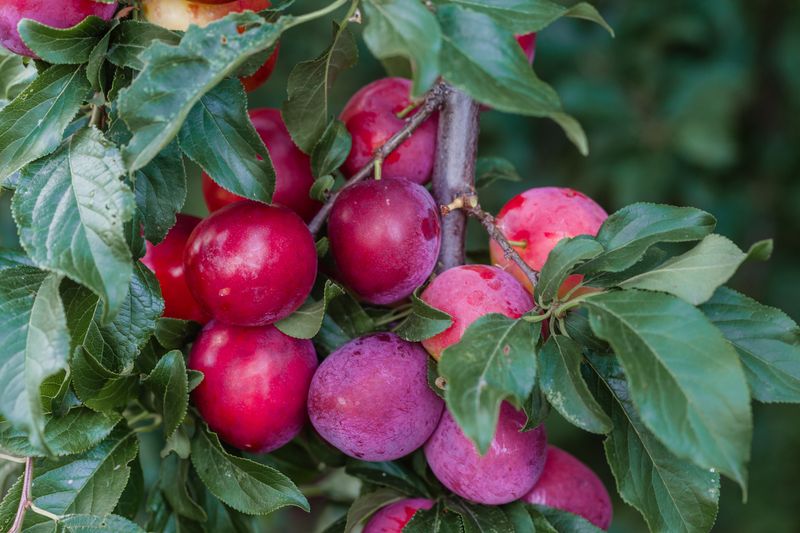
Young plum trees are thirsty, and Colorado summers are demanding. The first two years after planting are the most critical for building a strong root system.
Shallow, frequent watering is a common mistake that creates weak, surface-level roots. Deep, infrequent watering pushes roots down into cooler, more stable soil layers.
Aim to water slowly and deeply once or twice a week during dry summer months. Let the water soak at least twelve to eighteen inches into the ground each time.
A slow drip hose or soaker hose laid around the drip line of the tree works beautifully. It delivers moisture exactly where roots need it without wasting a drop.
Avoid wetting the trunk directly. Constant moisture against the bark invites rot and fungal problems that can seriously weaken even a healthy tree.
Mulching around the base of your tree helps lock in soil moisture between waterings. A three-inch layer of wood chips or straw makes a huge difference in dry weather.
Keep mulch a few inches away from the trunk itself. Piling it right against the bark traps moisture and creates a hiding spot for pests and disease.
In Colorado’s dry autumns, give your tree a deep soak before the ground freezes. This helps roots stay hydrated through winter and supports a strong spring start.
After two years, an established plum tree needs much less attention. Consistent deep watering early on is the investment that pays off in fruit for decades to come.
5. Prune Yearly For An Open Canopy
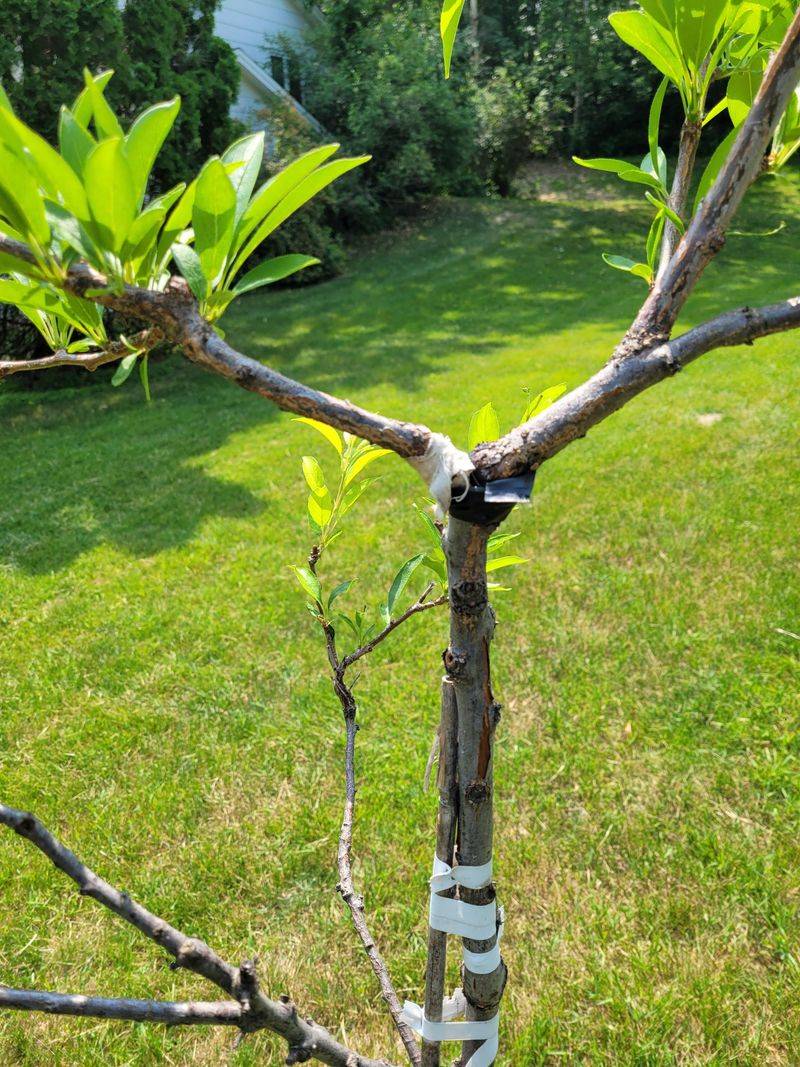
Pruning feels scary to new gardeners, but skipping it is far worse. An unpruned plum tree becomes a crowded mess that produces fewer fruits and invites disease.
The goal of pruning a plum tree is to create an open, vase-like shape. This lets sunlight and air reach every branch, which is key for healthy fruit development.
Early spring is the best time to prune, just before new buds begin to swell. Cutting at this time reduces stress on the tree and helps wounds heal quickly.
Start by removing any branches that cross or rub against each other. Friction damages bark and creates entry points for fungal infections and insects.
Next, cut out any branches growing straight up or straight toward the center of the tree. These water sprouts draw energy without contributing to fruit production.
Keep your cuts clean and angled slightly away from the bud or branch collar. Clean cuts heal faster and look better than ragged, torn wood.
Never remove more than a quarter of the tree’s total canopy in a single season. Aggressive over-pruning shocks the tree and can trigger excessive, unproductive growth.
Sharp tools are non-negotiable. Dull pruners crush wood instead of cutting it cleanly, which slows healing and opens the door to infection.
Disinfect your blades between cuts if you notice any signs of disease on branches. A quick wipe with rubbing alcohol prevents spreading problems from one limb to another.
Annual pruning keeps your plum tree productive, beautiful, and manageable for the long haul. One hour of effort each spring sets up a full season of results.
6. Fertilize Lightly Each Spring
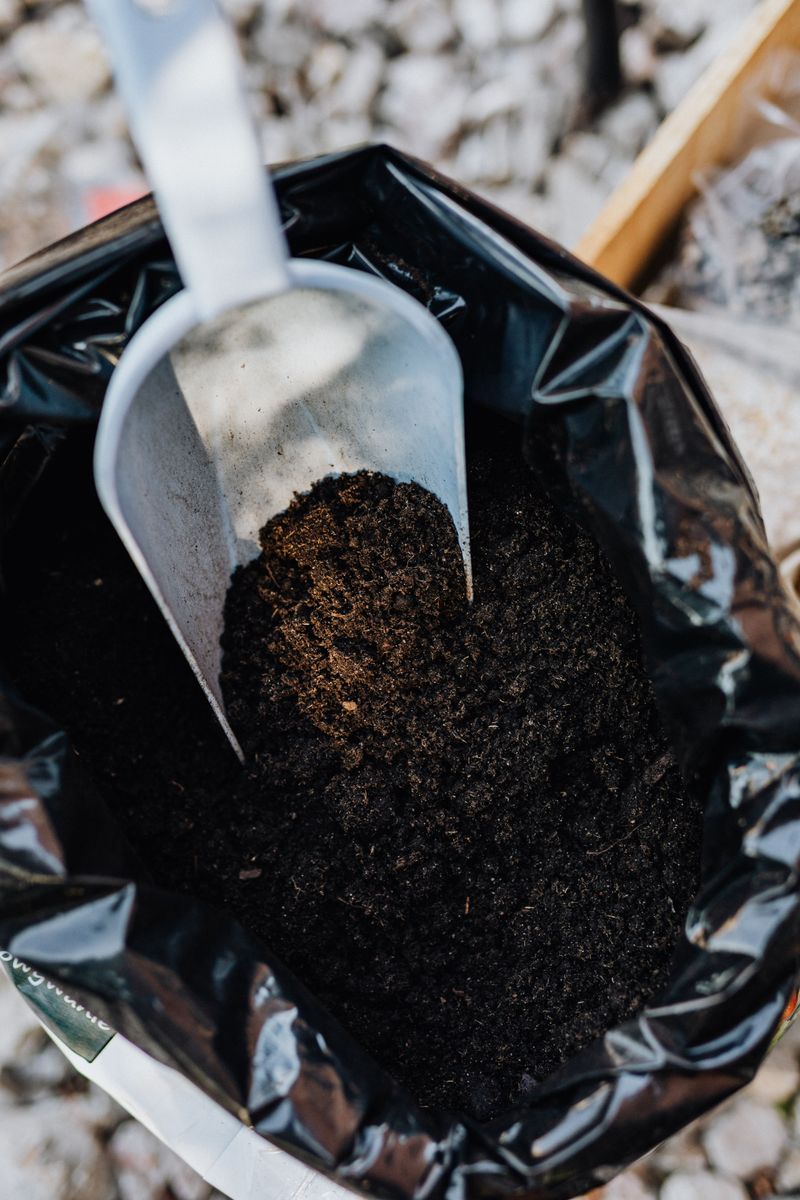
Plum trees are not heavy feeders, and overfeeding them is a surprisingly common mistake. Too much fertilizer pushes leafy growth at the expense of fruit production.
A light application of balanced fertilizer each spring gives your tree what it needs without overdoing it. Look for a product with equal parts nitrogen, phosphorus, and potassium.
Apply fertilizer just as the soil begins to warm in early spring. Timing it with the start of active growth ensures the tree can actually absorb the nutrients.
Scatter granular fertilizer evenly under the canopy, from the trunk out to the drip line. Roots spread wide, so feeding only near the trunk misses most of the action.
Avoid fertilizing after late June. Late-season feeding encourages soft new growth that cannot harden off before winter and often sustains frost damage.
Soil testing is a smart move before adding anything. Colorado soils vary widely, and a test tells you exactly what nutrients are lacking and what is already abundant.
Your local extension office can test soil samples cheaply and quickly. The results give you a precise fertilizing plan instead of a guess.
Compost is a gentler alternative to synthetic fertilizers. A two-inch layer spread under the canopy each spring feeds the tree slowly and improves soil structure at the same time.
Signs of over-fertilizing include excessive leafy growth, few flowers, and pale fruit. If you see those signs, cut back on feeding and let the tree rebalance naturally.
Light, well-timed fertilizing keeps your plum tree thriving without pushing it into overdrive. Less really is more when it comes to feeding fruit trees.
7. Thin Fruit To Avoid Overloading
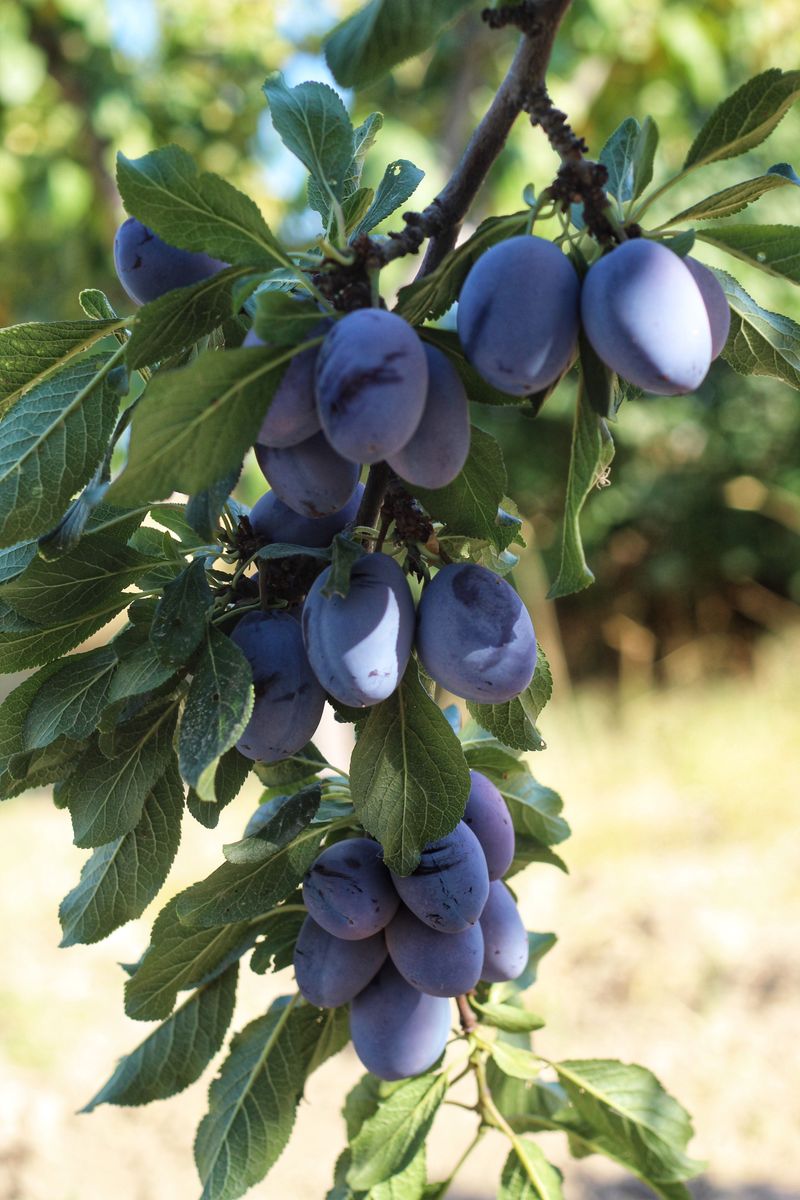
A branch sagging under hundreds of tiny plums looks impressive, but it is actually a problem. Overloaded branches break, and the tree exhausts itself producing fruit that never fully ripens.
Thinning is the practice of removing some developing fruit early in the season. It sounds counterintuitive, but removing fruit now leads to bigger, better fruit later.
Wait until the natural fruit drop happens in late spring or early summer. After that, step in and thin what remains to one fruit every three to four inches along each branch.
Use your fingers or small scissors to remove the extras. Choose the smallest, most crowded, or misshapen fruits to remove, and leave the largest and healthiest ones behind.
Thinning reduces the risk of branch breakage from heavy loads. A broken limb is a serious wound that takes years to recover from and opens the tree to disease.
It also improves air circulation inside the canopy. Better airflow means less humidity, which keeps fungal diseases like brown rot from spreading through your crop.
Fruit that has more space to grow reaches full size faster. You end up with fewer plums, but each one is noticeably sweeter, larger, and more flavorful than overcrowded fruit.
Thinning also helps your tree fruit consistently from year to year. Trees that overbear one season often rest the next, producing little or nothing as they recover.
Thinning a small tree is a quick task, often done in well under an hour. That small time investment pays off with a more balanced, productive tree that delivers a great harvest.
8. Protect Blooms From Spring Frost
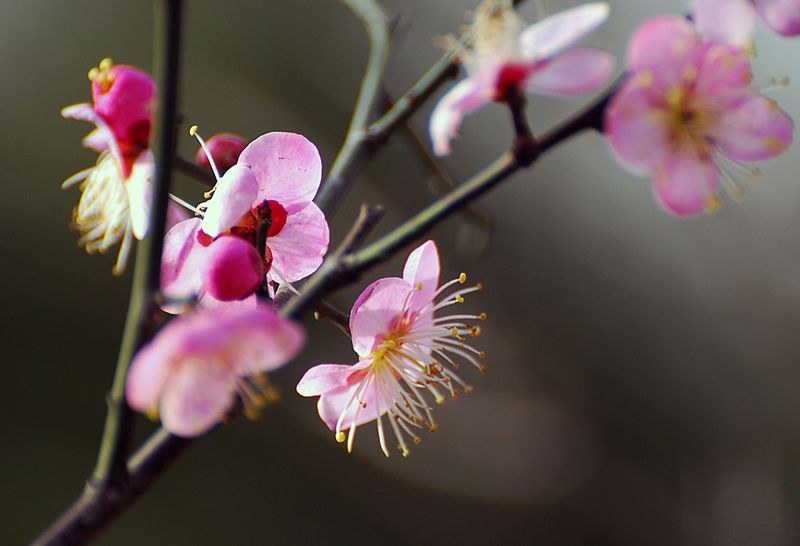
Spring in Colorado is beautiful but unpredictable at the same time. A plum tree in full bloom looks stunning, but one cold night can seriously damage the entire flower crop.
Protecting blooms during late spring frosts is one of the most important jobs a Colorado gardener has. Without blooms, there’s no fruit, so this step deserves real attention.
Watch weather forecasts closely from late March through mid-May. Any night with temperatures predicted below 28 degrees Fahrenheit puts open blossoms at serious risk.
Frost cloth or old bedsheets draped over the tree before sunset trap ground heat and keep temperatures around blooms a few degrees warmer. Even two or three degrees can save your harvest.
Remove the covering each morning once temperatures rise above freezing. Leaving fabric on during sunny days traps too much heat and can actually damage the flowers you are trying to protect.
Stringing outdoor lights through the branches is an old-school trick that still works well. The gentle warmth from incandescent bulbs raises the air temperature just enough to protect delicate blossoms.
Overhead sprinklers can also shield blooms during frost events, but only if water is applied continuously through the freeze. A thin, steadily forming layer of ice insulates the flower, while intermittent spraying can make damage worse.
Choosing a late-blooming variety reduces frost risk significantly. Trees that flower a week or two later naturally avoid the worst of Colorado’s spring freeze events.
Protecting your plum tree’s blooms is the final piece of the puzzle for growing a plum tree that fruits reliably, year after year. Guard those flowers, and your odds of a strong harvest improve dramatically.