The Deep-Watering Mistake Arizona Gardeners Make During 113° Heat
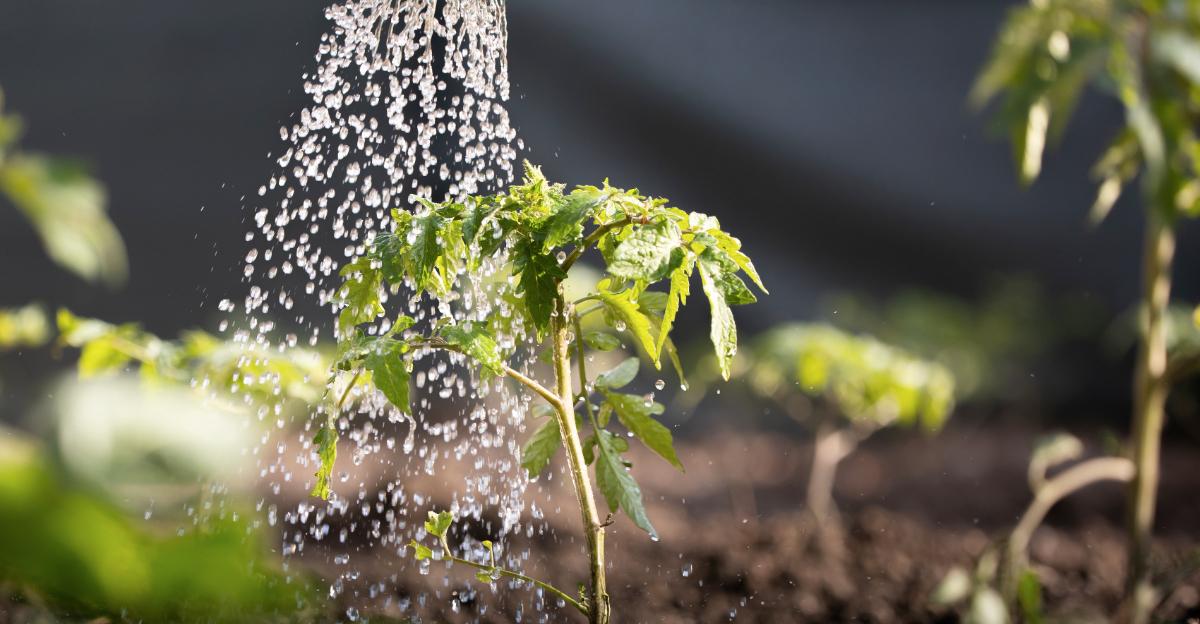
Extreme heat pushes every watering routine to its limits. One common deep-watering mistake becomes much more noticeable when temperatures reach 113°.
Giving plants extra water sounds like the safe choice. In reality, the wrong approach can leave roots under more stress instead of less.
Desert landscapes respond differently than many gardeners expect during prolonged heat. Small changes to your routine can make a much bigger difference.
Before your next watering session, take a closer look at how your plants are actually responding. The answer is not always more water.
Across Arizona, many struggling plants have less to do with dry soil than with watering habits that miss the real problem.
Understanding this common mistake can help your landscape handle extreme summer heat much more successfully.
1. Watering Too Often Keeps Roots Near The Surface
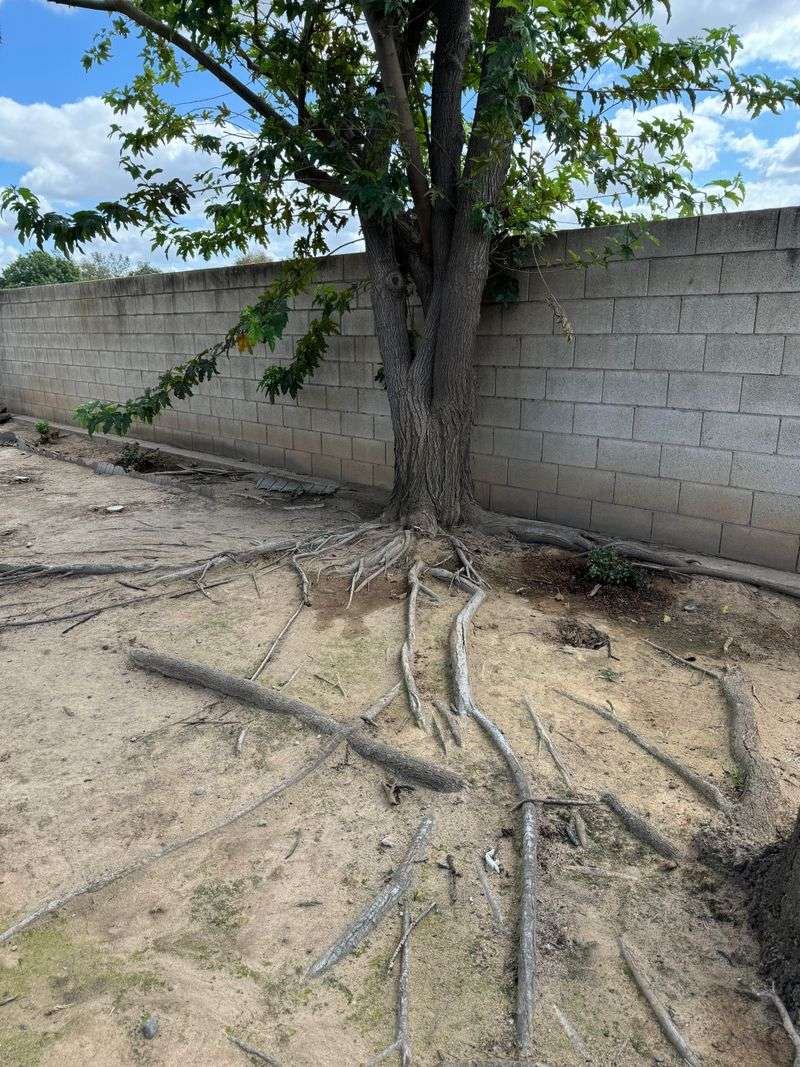
Frequent shallow watering trains roots to stay close to the surface. When water only soaks the top inch or two, roots follow it upward instead of reaching deeper into cooler, more stable soil.
Surface roots are far more vulnerable to extreme heat. Soil at the surface can reach temperatures well above air temperature during peak afternoon hours.
Roots sitting in that zone face serious stress when the sun is at its strongest.
Watering every single day might feel like the right move in brutal summer heat, but it can actually weaken your plants over time. Roots that never need to search deeper become dependent on frequent surface moisture.
A better approach is to water less often but let each session run longer. Letting the top inch of soil dry out between waterings encourages roots to push downward toward cooler, more consistently moist soil layers.
Most established desert-adapted plants in hot climates do better with deep, infrequent watering rather than daily light sessions.
Young transplants need more frequent water at first, but gradually spacing out irrigation helps them build a stronger, deeper root system over time.
2. Dry Soil Can Block Water From Reaching Roots
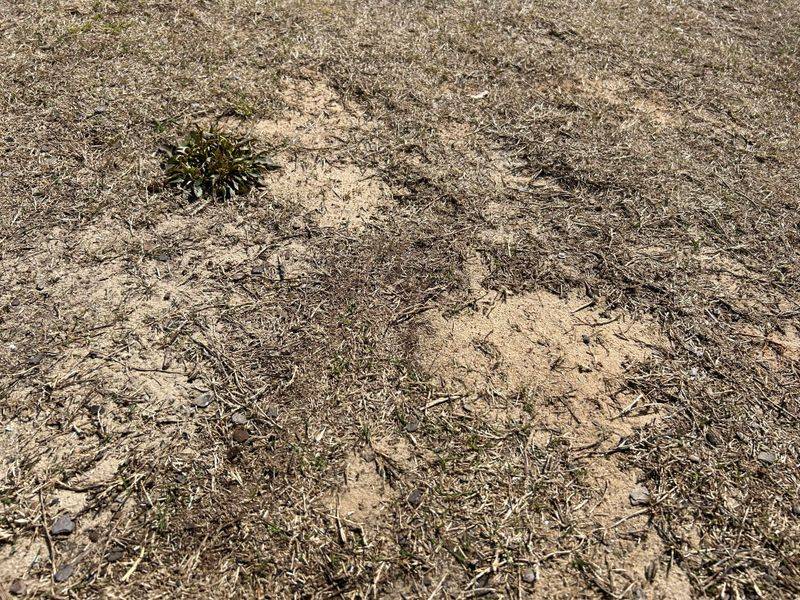
Bone-dry soil does something surprising: it repels water instead of absorbing it. When soil dries out completely, especially soil with high clay or caliche content, it can become hydrophobic.
Water poured onto that surface just runs off or pools on top. It looks like you’re watering deeply, but the moisture barely penetrates the first layer.
Roots sitting below stay completely dry despite your effort.
Caliche layers, which are common in many parts of the desert Southwest, make this problem even worse. Water hits that hard layer and spreads sideways rather than continuing downward to where roots actually are.
One way to work around this is to pre-soak the soil before a deep watering session. Run water slowly for a short burst, let it sit for 15 to 20 minutes, then run a full deep cycle.
That first pass softens the surface enough to let the second pass actually penetrate.
Adding organic matter to your soil over time can also improve absorption. Compost helps break up compacted, water-resistant layers gradually.
Drip irrigation placed directly at the root zone is more effective than overhead sprinklers when soil is this dry. Getting water to the right place matters more than how much you use.
Your Arizona Garden Changes Every Week. Your Plan Should Too.
Gardening in Arizona changes quickly throughout the season. Every Friday you’ll receive a simple weekly plan showing exactly what to plant, prune, fertilize, harvest, and protect so you never miss the right timing.
3. Slow Soaking Works Better Than Fast Watering
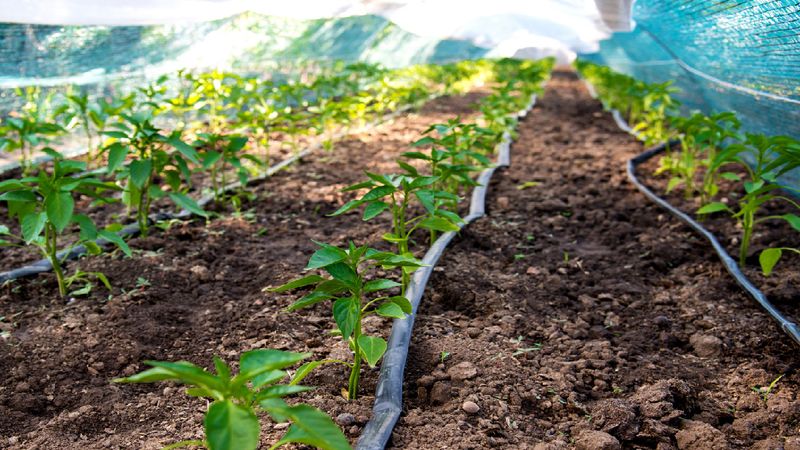
Blasting water at full pressure might feel efficient, but most of it runs off before the soil can absorb anything useful. Slow, steady delivery is what actually gets moisture down to root depth.
Drip irrigation and soaker hoses are built for exactly this kind of climate. They release water gradually at a rate the soil can keep up with.
Overhead sprinklers on a hot afternoon, by contrast, lose a significant portion of water to evaporation before it even hits the ground.
Root depth varies by plant, but most established shrubs and trees in hot desert climates have roots extending 18 inches or deeper. A fast five-minute watering session rarely gets moisture past the first few inches of soil.
Longer, slower sessions give water time to move through soil layers. Running a drip system for 45 minutes to an hour on a deep cycle is far more effective than a quick burst twice a day.
Soil type matters here too. Sandy soil drains fast, while clay-heavy soil holds water longer but absorbs it more slowly.
Matching your watering speed to your soil type is a practical step most gardeners overlook. Slowing down your irrigation, even slightly, can improve how much water actually reaches your plants during peak heat months.
4. Check Moisture Before Adding More Water
Guessing when to water is one of the easiest habits to fall into. A plant looks droopy, so you water it.
But wilting in extreme heat is not always a sign of dry soil.
Many plants, including native desert species, wilt temporarily during peak afternoon temperatures as a way to reduce water loss. It’s a survival response, not necessarily a distress signal.
Watering on top of already moist soil can cause root problems over time.
A simple finger test works well for containers and small garden beds. Push your finger two inches into the soil.
If it feels moist at that depth, hold off on watering. If it’s dry all the way down, that’s your cue to water deeply.
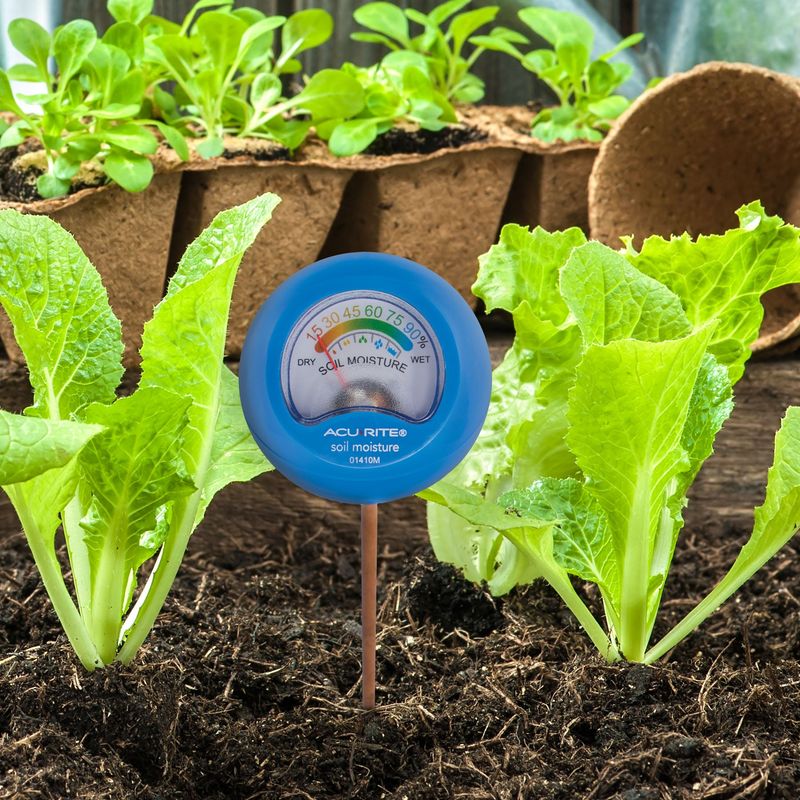
For larger garden areas or trees, a wooden dowel or a basic soil moisture meter gives a more accurate read at deeper levels. Insert it six to eight inches down and check the result before turning on any irrigation.
Moisture meters are inexpensive and easy to find at most garden centers. Getting into the habit of checking before watering saves water, reduces the risk of overwatering, and helps you understand your soil better over time.
Plants in Arizona’s heat often need less water than people assume, especially when deep watering is done correctly.
5. Adjust Irrigation As Temperatures Rise
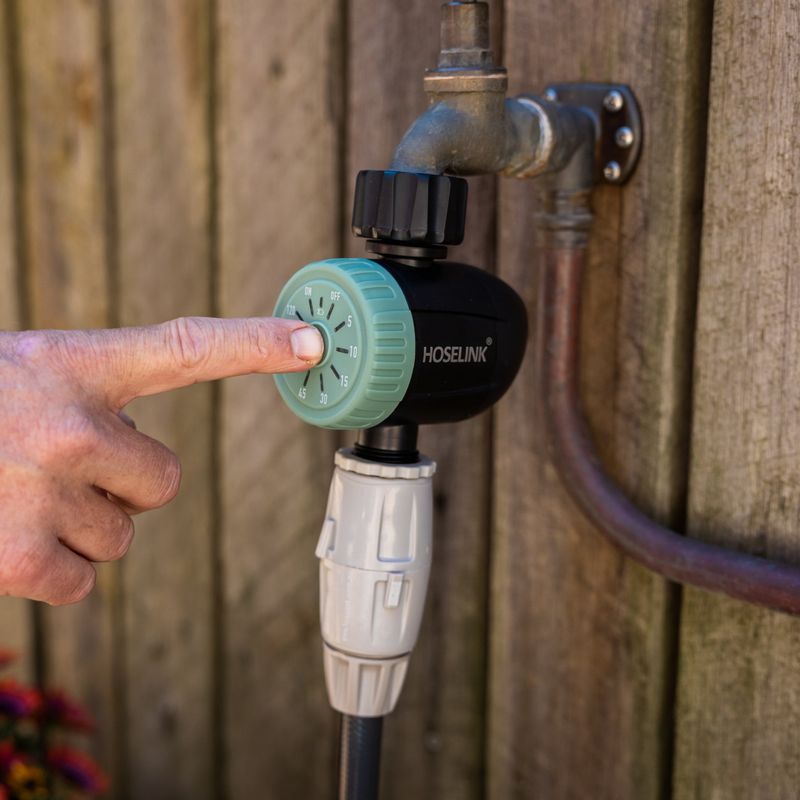
Setting your irrigation schedule in spring and forgetting it through summer is a common mistake. As temperatures push past 110°F, plant water needs shift significantly, and a schedule that worked in May may fall short by July.
Evaporation rates increase sharply as heat climbs. Soil that held moisture for three days in late spring might dry out in less than two days during peak summer.
Running the same irrigation cycle regardless of temperature means your plants may be getting far less water than you think.
Smart irrigation controllers with weather sensors can adjust run times automatically based on local conditions. They’re not perfect, but they do a better job than a fixed schedule set months in advance.
Manual adjustments work fine too if you check soil conditions regularly.
Watering in the early morning hours, before 7 a.m. when possible, reduces evaporation loss significantly. Evening watering can work in dry desert climates but may encourage fungal issues on some plants if foliage stays wet overnight.
Keeping a simple log of temperatures and watering schedules helps you spot patterns over a few seasons. You’ll start to notice when plants begin showing stress and can adjust earlier rather than reacting after damage has already set in.
Staying proactive with your schedule pays off during the hottest stretches.
6. Mulch Helps The Soil Hold Moisture Longer
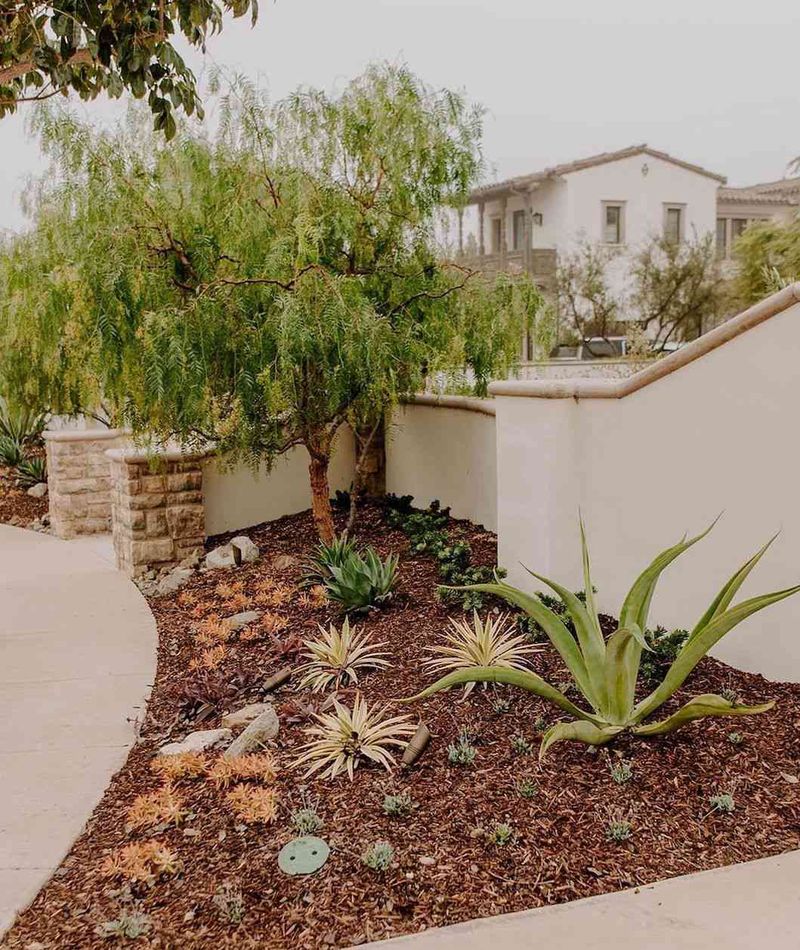
Bare soil in full sun during triple-digit heat loses moisture fast. A layer of mulch acts like a protective barrier, slowing evaporation and keeping the soil beneath noticeably cooler.
Organic mulches like wood chips or shredded bark work well in desert gardens. A three to four inch layer over the root zone can cut surface moisture loss significantly on hot days.
Gravel mulch is popular in desert landscaping but does less to reduce evaporation compared to organic options.
Mulch also moderates soil temperature swings. Soil under mulch stays more consistent throughout the day, which is easier on root systems than the extreme heating and cooling cycles bare soil goes through.
Keep mulch pulled back a few inches from plant stems and tree trunks. Mulch piled directly against stems can trap moisture against the bark and create conditions where rot or pest problems are more likely to develop.
Refreshing mulch once or twice a year keeps it effective. Organic mulch breaks down over time, which actually adds nutrients to the soil, but the layer thins out and loses its insulating effect.
Applying a fresh layer before the hottest part of summer is one of the more practical things you can do to support your garden through intense heat without adding more water to your schedule.
7. Watch Plants Instead Of Following The Calendar
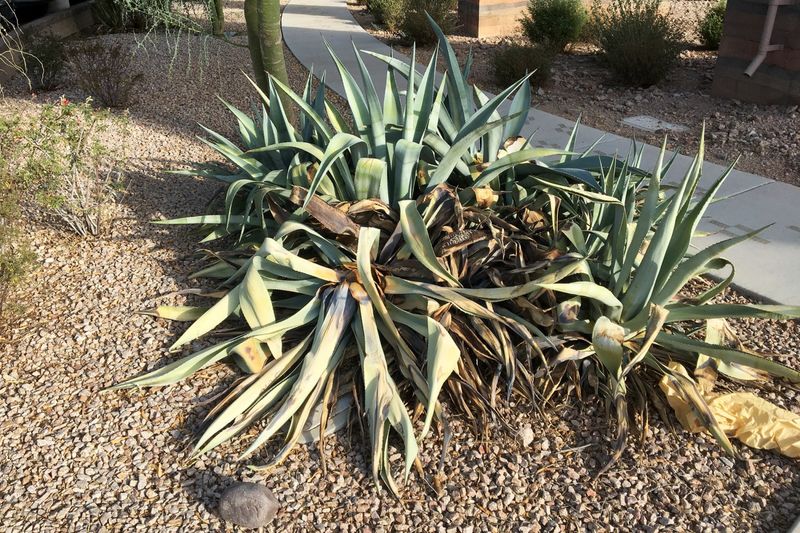
Calendars are a starting point, not a rulebook. Plants tell you what they need if you pay attention to the right signals at the right time of day.
Leaf curl, dull or grayish coloring, and crispy leaf edges can all point to moisture stress. But timing matters when reading these signs.
Check plants in the early morning, before heat peaks, for the most accurate picture of their actual condition.
A plant that looks stressed at 6 a.m. likely needs water. One that perks back up by evening after wilting in the afternoon heat may be responding normally to temperature rather than signaling a watering problem.
Different plants in your garden will also have different needs. Native desert species like palo verde or brittlebush are built to handle dry periods and may need far less irrigation than non-native plants in the same bed.
Grouping plants with similar water needs makes managing your garden much simpler.
Spending a few minutes each morning walking through your garden builds a habit of observation that no app or schedule can fully replace. Over one or two seasons, you start to recognize what normal looks like for each plant.
That knowledge helps you respond to real needs rather than watering on autopilot. Practical observation is one of the most useful tools any desert gardener can develop.