How Extreme July Heat Affects Arizona Pollinators And What Gardeners Can Do
July in Arizona has a very specific personality, and that personality is brutal.
Triple digit heat, air so dry it feels like standing next to a giant hairdryer, and a midday stillness that settles over the yard like everything outside has collectively decided to take a break.
And honestly, that’s exactly what’s happening. Bees, butterflies, hummingbirds, and other pollinators don’t just push through extreme heat the way we might expect.
They retreat, they slow down, and they actively struggle when nectar evaporates faster than flowers can produce it and water sources disappear almost overnight.
The good news is that Arizona gardeners can actually make a meaningful difference for local pollinators right in their own yards.
A few thoughtful plant choices and some simple habitat adjustments can keep your outdoor space working as a genuine summer refuge when pollinators need it most.
1. Extreme Heat Can Reduce Flower Resources
Walking through an Arizona garden on a July afternoon, you might notice that many plants have stopped blooming altogether.
Flowers that were thriving in May can shut down production during extreme heat, leaving pollinators with fewer food sources right when temperatures are at their worst.
This is one of the quieter, less obvious effects of summer heat stress in low-desert landscapes.
When soil temperatures rise and moisture evaporates quickly, many flowering plants redirect energy away from bloom production and toward basic survival. Annuals may bolt or drop their flowers early.
Even some perennials that normally bloom through summer can pause when heat becomes relentless for days in a row. The result is a landscape with noticeably fewer open flowers than pollinators need.
Gardeners in Arizona can help by choosing heat-tolerant native and adapted plants that are more likely to keep blooming through July.
Plants like desert willow, black-foot daisy, and globe mallow tend to handle the low-desert summer better than many non-native species.
Keeping plants well-watered during extreme heat can also help sustain bloom production longer, though no plant is fully immune to the effects of prolonged high temperatures.
2. Nectar And Pollen Quality Can Drop Under Stress
Most people know that pollinators need flowers, but fewer realize that extreme heat can actually change what is inside those flowers.
Nectar concentration and pollen viability can both decline when plants are under prolonged heat stress, making the flowers that do remain less nutritious for visiting bees, butterflies, and hummingbirds.
Nectar is mostly water and sugar, and when temperatures spike, the water content can evaporate faster than plants can replenish it.
This leaves behind either very concentrated nectar that is harder for some pollinators to use, or nearly empty flowers that offer little reward for the energy spent visiting them.
Pollen quality can also suffer, with viability dropping when heat stress affects the plant’s reproductive processes.
In Arizona July gardens, this means that even a yard full of blooming plants may not be providing the nutrition pollinators need during the hottest stretches.
Gardeners can support better nectar and pollen quality by keeping plants consistently watered and by choosing species that are adapted to low-desert conditions.
Your Arizona Garden Changes Every Week. Your Plan Should Too.
Gardening in Arizona changes quickly throughout the season. Every Friday you’ll receive a simple weekly plan showing exactly what to plant, prune, fertilize, harvest, and protect so you never miss the right timing.
A plant that is not fighting to survive extreme stress is generally better able to produce quality nectar and pollen for the pollinators that depend on it.
3. Pollinator Activity May Shift To Cooler Hours
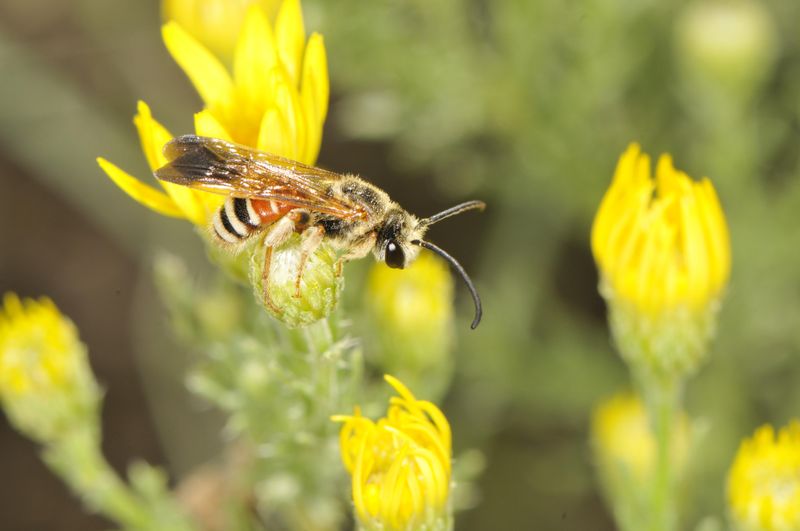
By mid-morning on a July day in Arizona, the garden can already feel empty of insect activity.
Bees, butterflies, and other pollinators are not gone, but many of them shift their foraging to early morning or late afternoon to avoid the most dangerous midday heat.
This behavioral change is a natural response, but it can catch gardeners off guard if they only check their yards during peak afternoon hours.
Native bees in Arizona are often most active in the first few hours after sunrise, sometimes finishing their foraging before temperatures climb past 100 degrees.
Hummingbirds may also adjust their feeding patterns, visiting flowers earlier and later in the day while resting in shaded spots during midday.
Butterflies tend to seek shelter in dense vegetation when the sun is at its most intense.
Understanding this shift can help gardeners make smarter choices about when to water, when to deadhead, and when to observe pollinator activity in their yards. Early morning is often the best time to see what is visiting your Arizona garden in July.
Keeping flowers fresh and open by watering before sunrise can also help ensure that pollinators find good-quality blooms during those critical cooler morning hours.
4. Shallow Water Sources Can Help Bees And Other Wildlife
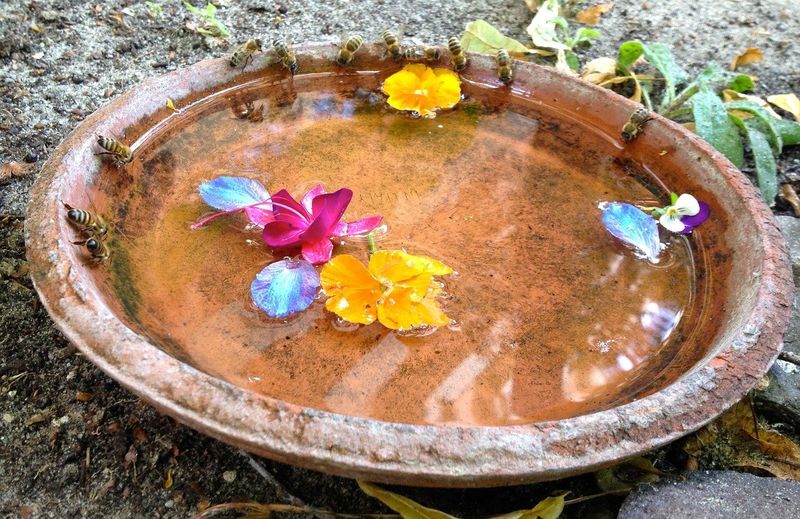
On a scorching July day in Arizona, finding water can be just as challenging for pollinators as finding food. Bees need water not only for hydration but also to help regulate the temperature inside their nests.
Without a reliable water source nearby, bees may travel much farther than usual, burning extra energy during the hottest part of the summer.
A shallow dish of water placed in a shaded or partially shaded spot can make a real difference for bees, butterflies, and even small birds visiting your yard. The key word is shallow.
Pollinators need water they can safely access without the risk of falling in. Adding small rocks, marbles, or pieces of wood to a dish gives them a safe landing surface to drink from without getting trapped.
Change the water every day or two to keep it fresh and prevent mosquito breeding. Place the dish near flowering plants or in a spot that gets morning sun and afternoon shade to keep the water cooler longer.
Arizona gardeners who add even one or two simple water stations often notice more consistent pollinator activity in their yards through July, especially from native bees that are actively foraging in the early hours.
5. Native Plants Can Support Pollinators Better In Desert Conditions
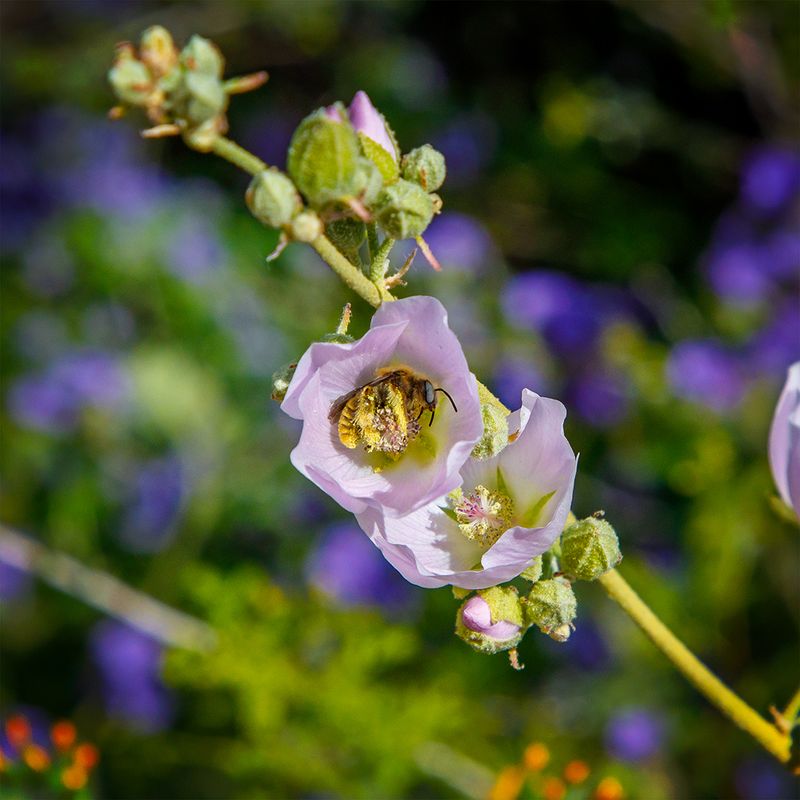
Not all plants handle Arizona’s July heat the same way, and native species have a clear advantage when temperatures push past 110 degrees.
Plants that evolved in the Sonoran Desert or the low-desert regions of Arizona are naturally adapted to survive with less water, in rocky or sandy soils, and under the kind of relentless summer sun that causes non-native plants to struggle.
Globe mallow, desert marigold, brittlebush, penstemon, and desert willow are just a few examples of Arizona native plants that can continue blooming or at least stay healthy through the summer heat.
Because they are adapted to local conditions, they tend to produce nectar and pollen more reliably during extreme temperatures than many ornamental imports.
This reliability matters a great deal when pollinators are already under stress.
Replacing even a portion of a front yard or backyard with Arizona native plants can create a more stable food source for bees, butterflies, and hummingbirds through the hottest months.
Native plants also tend to need less supplemental water once established, which makes them a practical choice for low-water Arizona landscapes.
They are not a guaranteed solution for every pollinator challenge, but they offer a strong foundation for summer habitat.
6. Continuous Bloom Matters More During Summer Stress
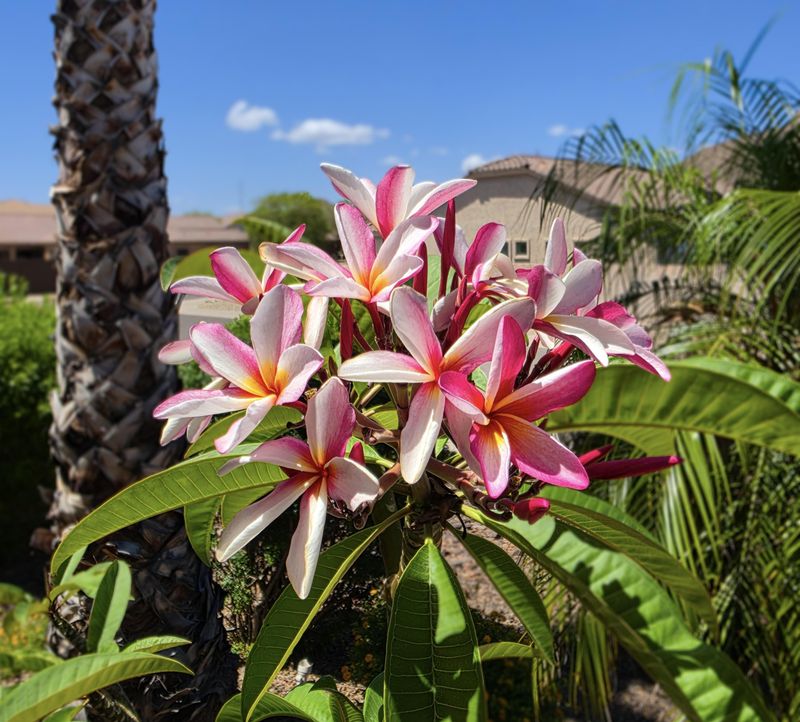
When summer heat pushes plants to the edge of their tolerance, having a single species in bloom is rarely enough to keep pollinators consistently visiting an Arizona yard.
A garden that relies on one or two plants for all its summer flowers can leave pollinators with almost nothing if those plants pause blooming during an extreme heat stretch.
Planting a mix of species that bloom at slightly different times, or that respond differently to heat stress, gives pollinators more options throughout July. Some plants bloom heavily in the morning, while others hold their flowers later.
Some may slow down during the hottest weeks and then rebound when temperatures drop slightly in late July as monsoon moisture arrives. A layered approach helps fill those gaps.
Think about including plants at different heights as well. Ground-level flowers attract certain bee species, while taller shrubs and small trees draw hummingbirds and larger butterflies.
In Arizona summer gardens, variety is one of the most practical tools a gardener has.
No single plant can carry the entire season, but a thoughtfully mixed planting scheme gives pollinators a better chance of finding something useful even during the most challenging July heat waves.
7. Shade And Shelter Can Make Gardens More Usable For Pollinators
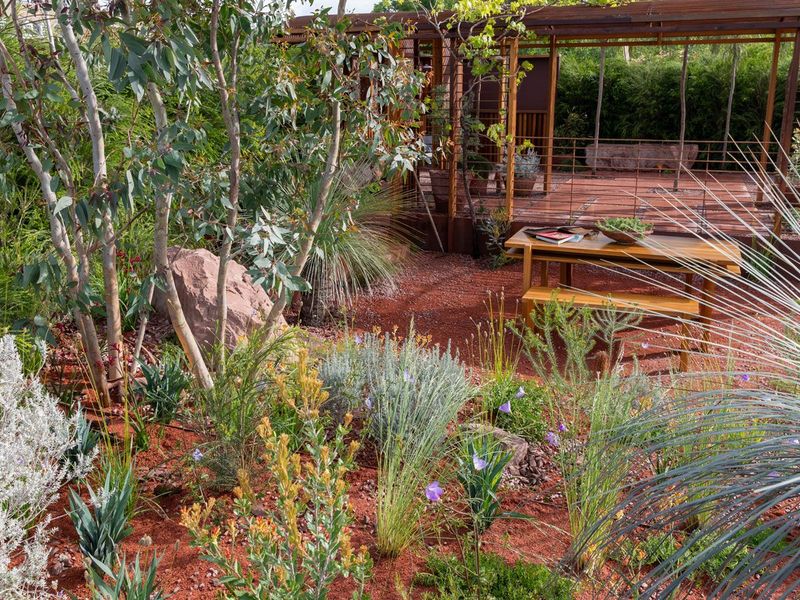
Midday in an Arizona July garden can feel more like a furnace than a habitat. Even pollinators that are well-adapted to desert conditions need spots to rest and cool down between foraging trips.
A garden that offers no shade or shelter can become effectively unusable during the hottest hours of the day, even if it is full of flowers.
Trees and large shrubs play an important role here. A palo verde, mesquite, or desert willow can cast enough dappled shade to lower the temperature beneath it by several degrees.
Placing flowering plants in these partially shaded spots gives pollinators a more comfortable place to feed during the intense summer sun.
Even a simple shade cloth over part of a patio garden can create a cooler microclimate that bees and butterflies prefer.
Dense shrubs also provide shelter for butterflies and solitary bees that need to rest between flights.
Leaving some areas of the garden slightly wilder, with layered plant growth rather than a manicured look, gives pollinators more hiding spots and reduces heat exposure.
Arizona gardeners who think about shade as part of their pollinator garden design often end up with more active yards through July than those who rely on open, fully sunny planting beds alone.
8. Pesticides Can Add Stress During Hot Weather
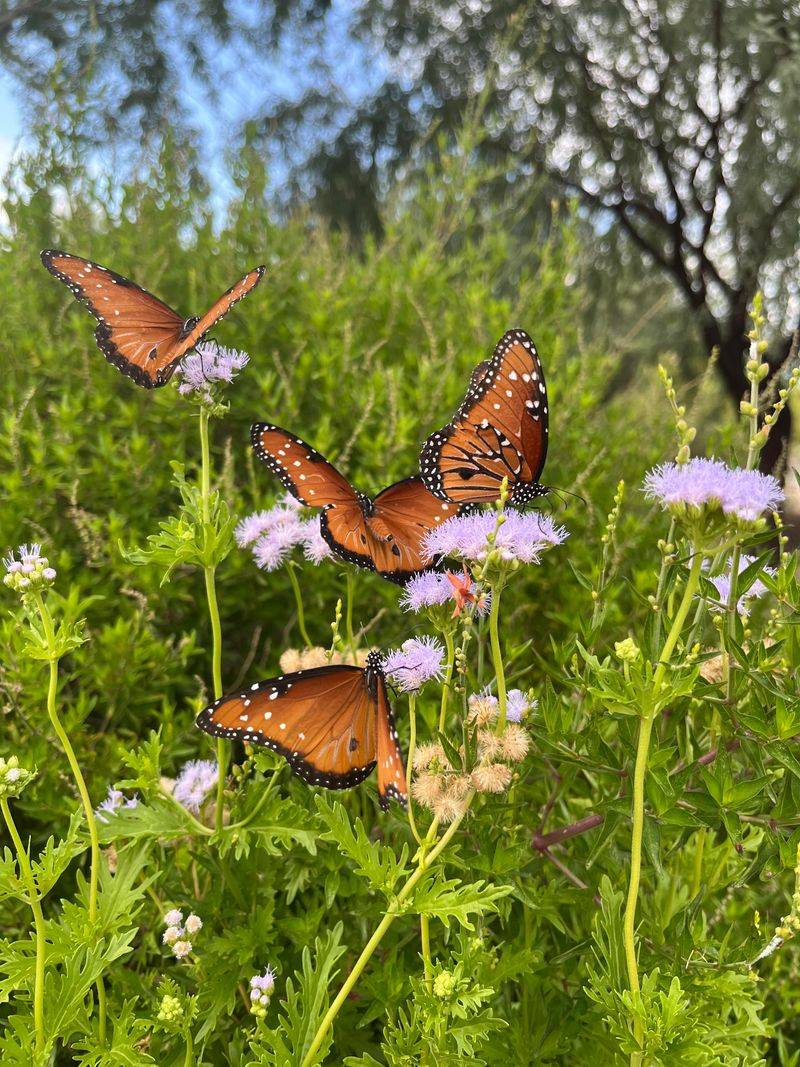
Summer pest pressure in Arizona gardens can tempt homeowners to reach for sprays, but pesticide applications during extreme heat carry extra risks for pollinators that are already under stress.
Many common insecticides are more harmful to bees and other beneficial insects when temperatures are high, because heat can intensify the effects of chemical exposure on small bodies.
Pollinators that are already working harder to find water, find food, and regulate their body temperature have less capacity to recover from even minor pesticide exposure during July.
Systemic products that move through plant tissue can affect nectar and pollen long after application, meaning that a treatment applied days earlier can still affect visiting bees and butterflies.
Gardeners in Arizona can reduce pesticide-related stress by checking plants for pest problems early in the morning, using targeted and minimal treatments only when truly necessary, and avoiding any applications during the hours when pollinators are most active.
If a treatment is needed, choosing products with lower toxicity to beneficial insects and applying them in the evening when bees have returned to their nests can help reduce contact.
Keeping a healthy, well-watered garden also tends to reduce pest pressure naturally, making heavy pesticide use less necessary through the summer months.
9. Host Plants Matter For Butterflies
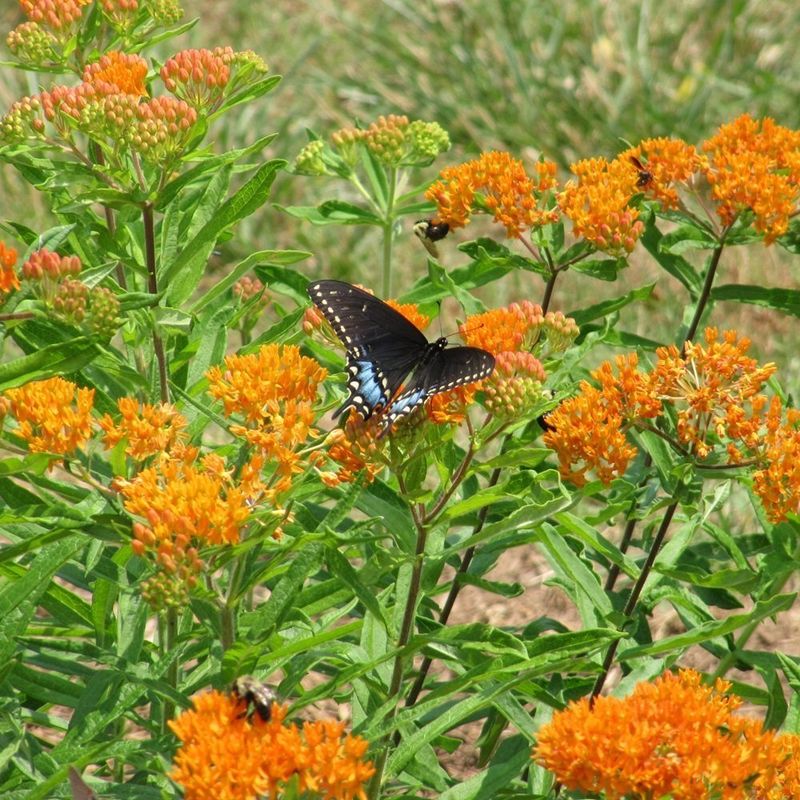
Butterflies need more from a garden than just flowers to visit. They also need host plants, which are the specific plants where females lay their eggs and where caterpillars feed as they grow.
Without host plants, butterflies may pass through an Arizona yard without ever establishing a real presence, no matter how many blooms are on offer.
In Arizona, native host plants tend to hold up better through July heat than many non-native alternatives. Milkweed species support monarch butterflies and a few other species, while pipevine supports the beautiful pipevine swallowtail.
Desert hackberry is a host for several brush-footed butterfly species found in the region. Choosing a few of these plants and placing them in spots that get some afternoon shade can help caterpillars survive the worst of the summer heat.
Gardeners sometimes worry that host plants will look messy when caterpillars are feeding on them, but that feeding is actually a sign that the garden is working.
A chewed-up milkweed plant is supporting the next generation of butterflies.
Leaving host plants in place, even when they look rough, is one of the most direct ways Arizona gardeners can contribute to butterfly populations through the challenging summer months.
10. Deep Watering And Mulch Help Keep Pollinator Plants Blooming
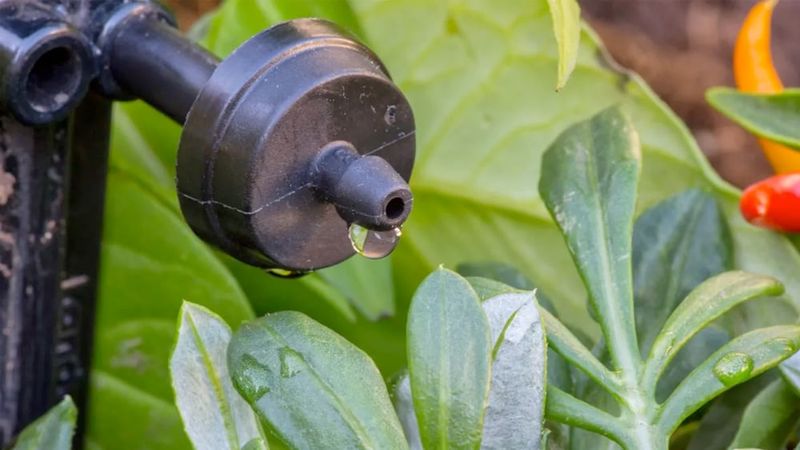
Keeping pollinator plants alive and blooming through an Arizona July takes more than just turning on a sprinkler. Shallow, frequent watering can actually encourage shallow root growth, making plants more vulnerable to heat stress rather than less.
Deep, less frequent watering encourages roots to grow deeper into the soil, where temperatures stay cooler and moisture lasts longer.
Most established native and adapted plants in Arizona low-desert gardens benefit from deep watering once or twice a week during July, depending on soil type and plant size.
Newly planted species may need more frequent attention until their roots are established.
Watering in the early morning allows moisture to soak in before the heat of the day causes rapid evaporation from the soil surface.
Mulch is one of the most effective tools an Arizona gardener has for supporting pollinator plants through summer.
A layer of organic mulch two to three inches deep around the base of plants helps hold soil moisture, moderates soil temperature, and reduces the stress that extreme heat places on root systems.
Cooler, moister soil means plants can keep producing flowers longer into July, giving pollinators a more consistent food source even during the most intense stretches of Arizona summer heat.