How Florida Gardeners Can Grow Banana Trees Outdoors Or Indoors
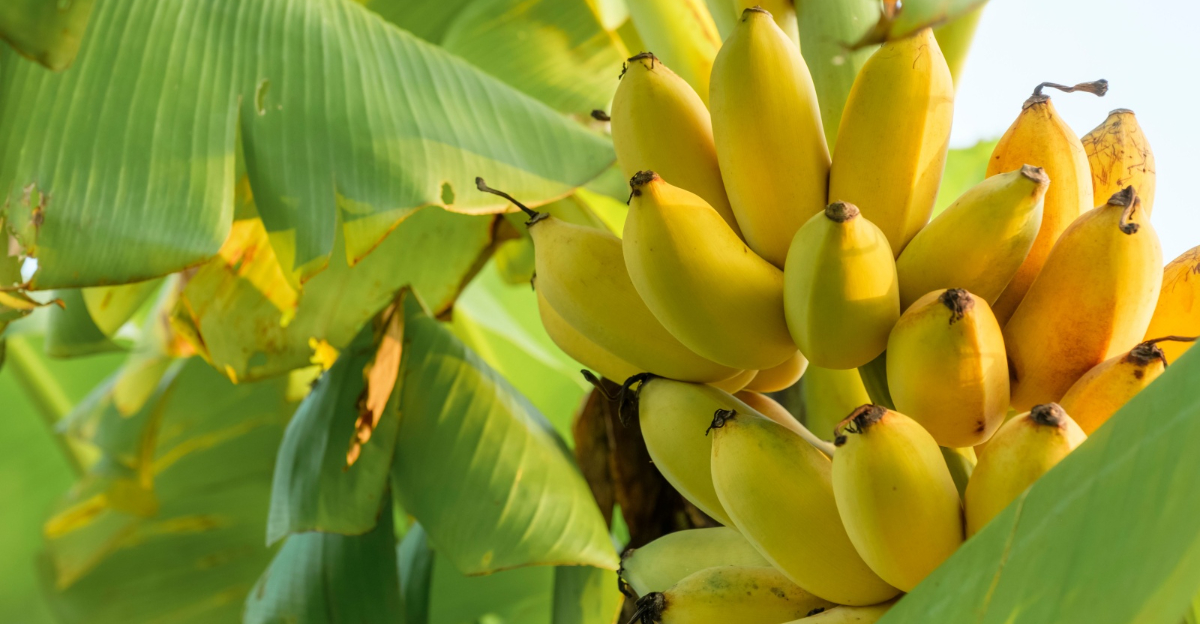
Florida is a paradise for banana growers, and it’s easy to see why.
With warm temperatures, high humidity, sandy soils, and sunshine nearly year-round, banana trees thrive like nowhere else in the U.S.
Whether you have a backyard in Tampa, a sunny patio in Miami, or a bright indoor corner in Orlando, Florida gives gardeners the perfect conditions to grow these tropical favorites.
From selecting the right variety to keeping pests in check, this guide walks you through everything you need to know to grow healthy, productive banana trees both outdoors and indoors in the Sunshine State.
1. Choose Banana Varieties Suited To Florida Climates
Florida gardeners have a real advantage when it comes to banana growing because the state’s warm, humid climate supports many banana varieties that struggle elsewhere in the country.
However, not every variety performs equally well across all Florida regions.
Choosing the right cultivar from the start saves time, effort, and frustration down the road.
For most Florida gardeners, dwarf varieties like Dwarf Cavendish, Dwarf Namwah, and Ice Cream banana are excellent choices. Dwarf Cavendish grows to about eight feet tall and produces sweet, familiar fruit similar to what you find at the grocery store.
Dwarf Namwah, also called Pisang Awak, is cold-tolerant and well-suited for North Florida winters. The Ice Cream banana, sometimes called Blue Java, produces creamy, vanilla-flavored fruit and handles occasional cool spells reasonably well.
In South Florida, larger varieties like the Lacatan or the Williams Hybrid thrive outdoors year-round without much cold protection.
Cavendish types remain among the most widely grown in Florida home gardens due to their manageable size and reliable fruit production.
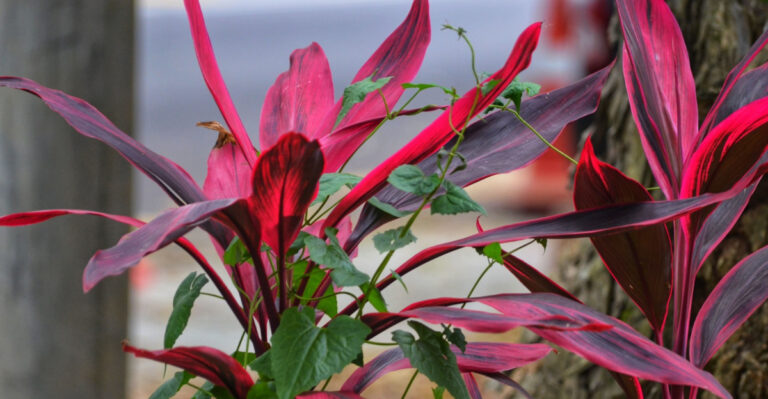
Ornamental varieties like Red Banana and Dwarf Red also grow beautifully in Florida landscapes, offering bold color even when fruit production is not the primary goal.
2. Plant In Full Sun For Maximum Growth
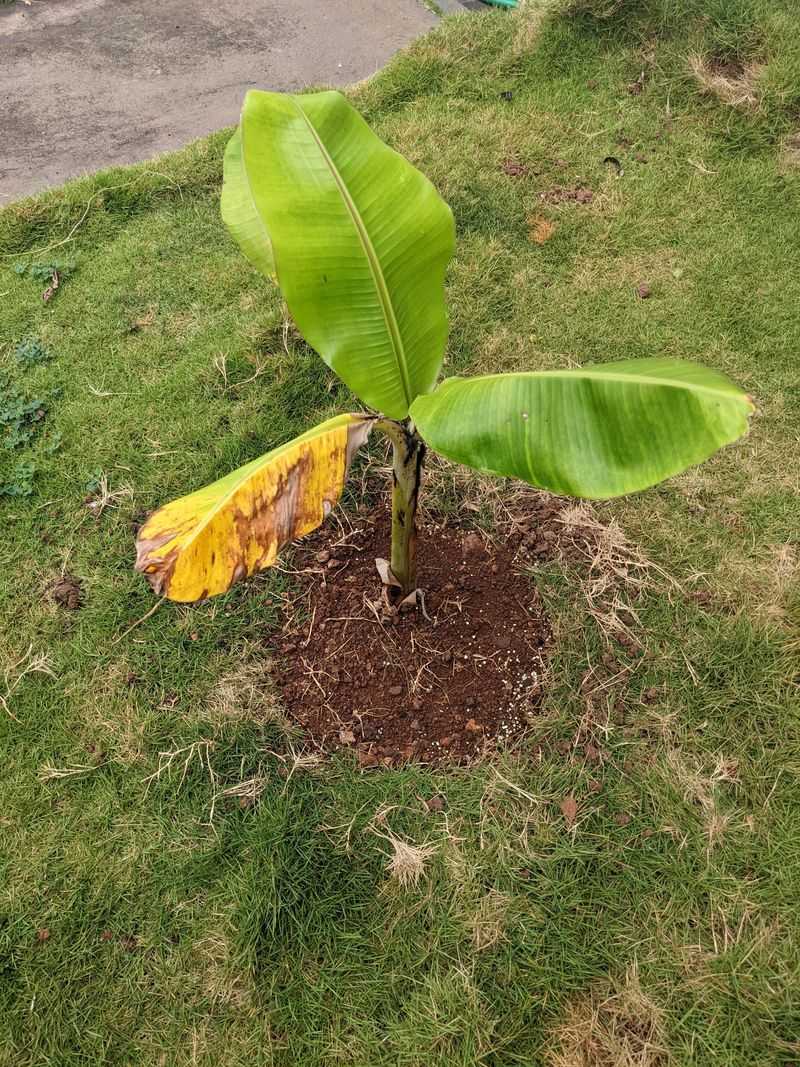
Sunlight is the engine that drives banana growth, and Florida’s generous sunshine is one of the biggest reasons these tropical plants perform so well here.
Banana trees need a minimum of six to eight hours of direct sunlight each day to grow vigorously and produce fruit.
Spots that receive less light tend to produce slower-growing, weaker plants with fewer fruiting opportunities.
When selecting a planting location in your Florida yard, look for open areas away from large shade trees or structures that block the afternoon sun.
South-facing spots typically receive the most consistent light throughout the day.
Avoid planting too close to fences or walls on the north side of a property, where shadows can limit the daily light hours your banana tree receives.
Wind protection matters just as much as sun exposure. Florida’s afternoon thunderstorms and occasional tropical systems can shred banana leaves quickly.
Planting near a windbreak like a solid fence, hedge, or wall on the windward side helps protect the foliage without blocking sunlight.
Choose planting sites that balance full sun exposure with some protection from wind, especially in coastal Florida areas where strong sea breezes are common.
3. Use Well-Draining Soil To Prevent Root Rot
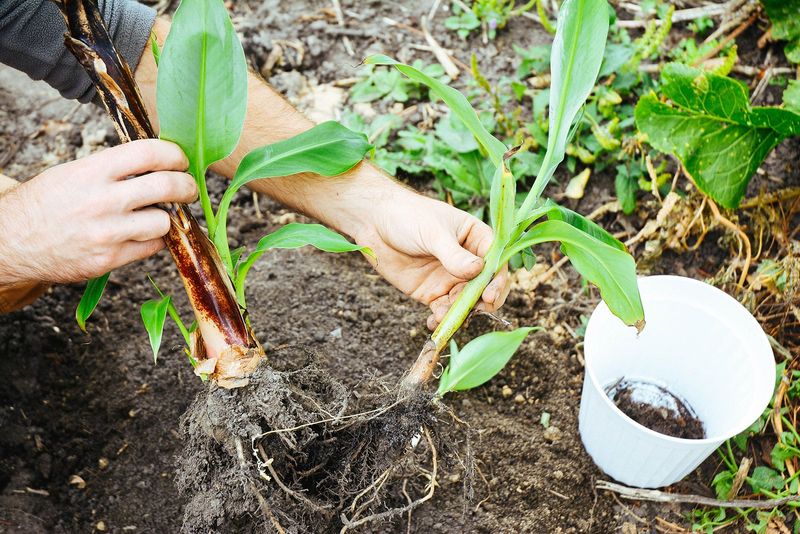
Sandy soil is one of Florida’s defining characteristics, and while it drains quickly, it also lacks the organic matter and nutrients that banana trees crave.
The good news is that with a little soil preparation, Florida’s native sandy ground can be transformed into a productive growing medium that banana roots love.
Before planting, work several inches of compost, aged manure, or other organic matter into the planting area. This improves moisture retention without causing waterlogging, which is the main culprit behind root rot in banana plants.
Raised planting mounds are another smart option, particularly in areas with high water tables or heavy clay subsoil, both of which can occasionally appear in certain parts of Florida.
A soil pH between 5.5 and 7.0 is ideal for banana trees, and most Florida soils fall within or close to this range. A basic soil test can confirm your pH and highlight any nutrient deficiencies before planting.
For container growing, a well-draining mix of potting soil, perlite, and coarse sand works well.
Avoid using heavy, moisture-retaining mixes designed for indoor tropical plants, as those can stay too wet for banana roots in Florida’s humid conditions.
4. Water Deeply But Avoid Waterlogged Roots
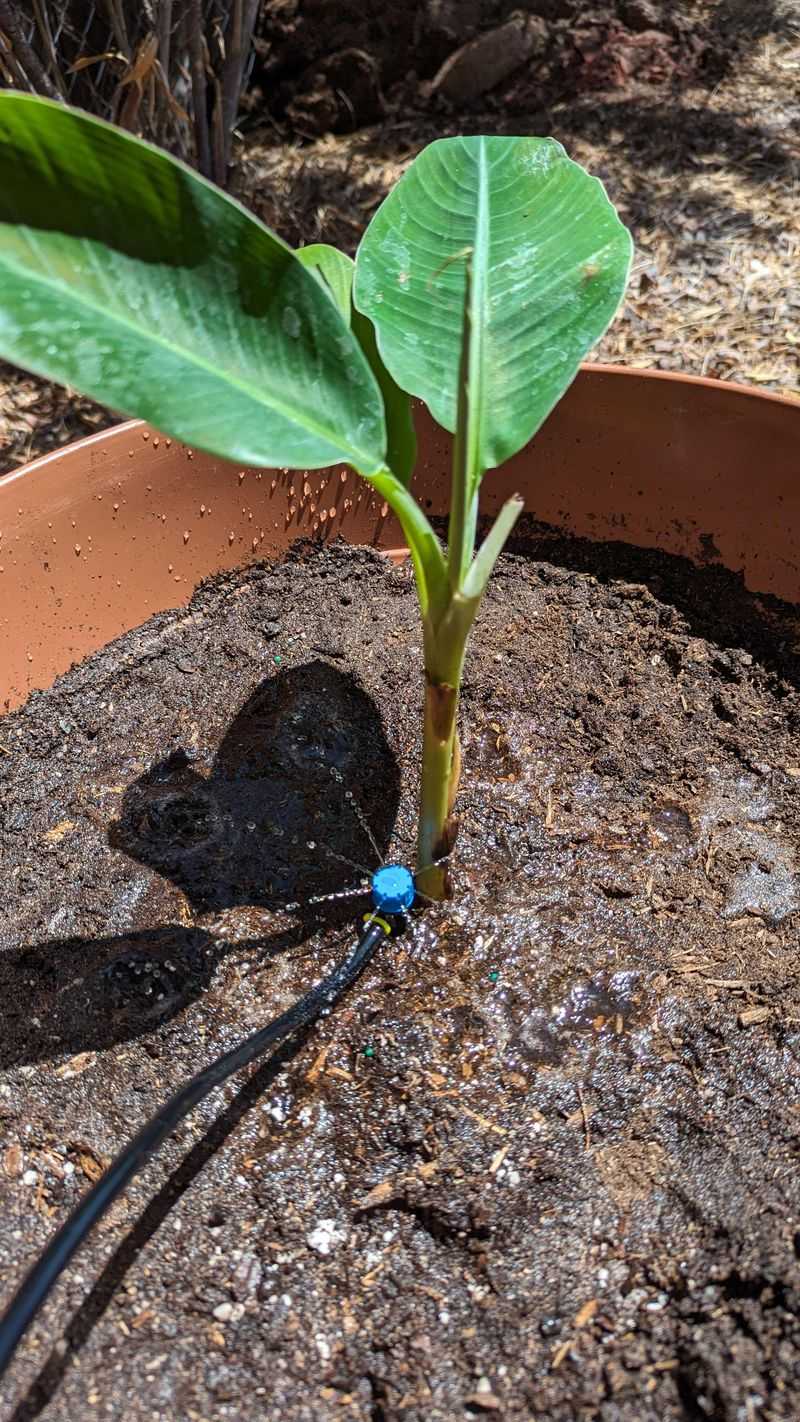
Banana trees are thirsty plants, and Florida’s hot summers can dry out even sandy soil surprisingly fast between rain events.
Deep, consistent watering encourages banana roots to grow downward, creating a stronger, more drought-tolerant root system over time.
Shallow watering, on the other hand, keeps roots near the surface where they are vulnerable to heat stress and dry spells.
During Florida’s dry season, which typically runs from November through May, banana trees in the ground may need supplemental watering two to three times per week.
During the summer rainy season, natural rainfall often handles most of the plant’s water needs, though you should monitor soil moisture during extended dry stretches between storms.
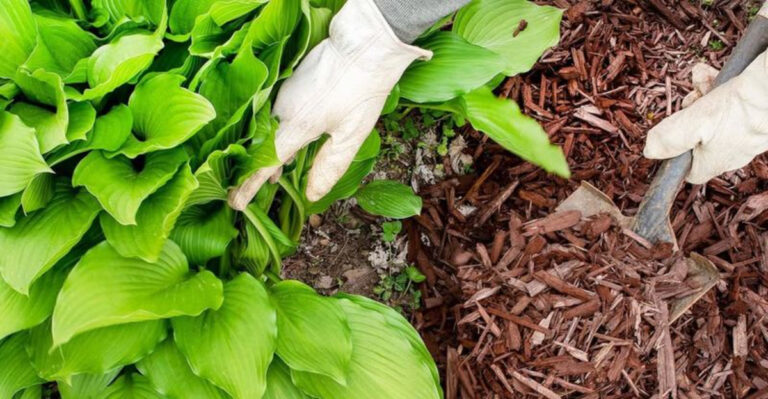
A layer of mulch three to four inches thick around the base of the plant helps retain moisture and keeps soil temperatures more stable.
Waterlogged soil is a serious concern, especially in low-lying Florida yards where water pools after heavy summer rains. Roots sitting in standing water for extended periods can develop rot, which weakens the entire plant.
If your planting area tends to collect water, consider building a raised mound six to twelve inches above the surrounding grade.
This simple adjustment dramatically improves drainage and gives banana roots the breathing room they need to stay healthy.
5. Fertilize Regularly For Strong Tropical Growth
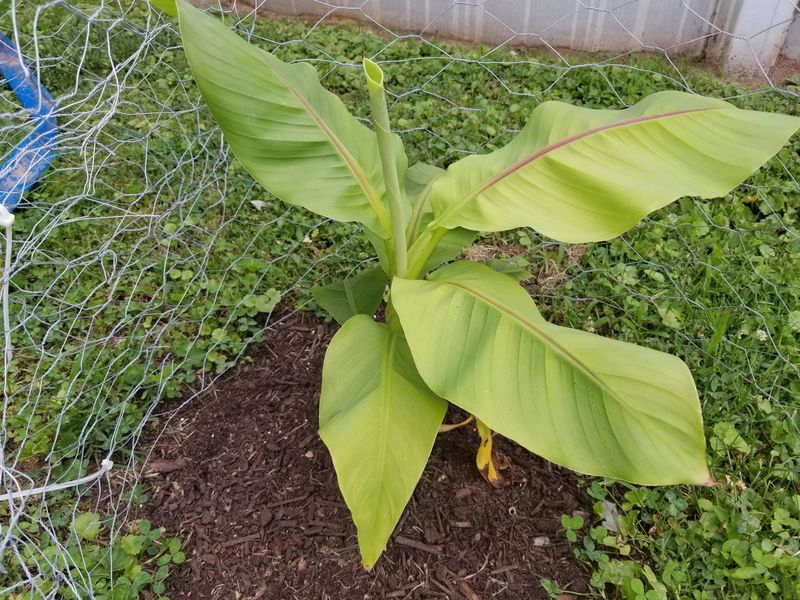
Banana trees are heavy feeders, and Florida’s sandy soils require consistent fertilization to keep up with the plant’s rapid growth rate. Without regular nutrient inputs, banana trees in Florida can show slow growth, pale leaves, and reduced fruit production.
Starting a solid fertilization routine early in the plant’s life sets the stage for strong, productive growth throughout the season.
Use a balanced fertilizer with roughly equal parts nitrogen, phosphorus, and potassium, applied monthly during the active growing season from spring through early fall.
A 6-2-12 or 8-3-9 formulation works well for banana trees in Florida home gardens.
Potassium is especially important because it supports fruit development and helps the plant manage heat and drought stress, both of which are common in Florida summers.
Micronutrients matter too. Florida’s sandy, leached soils are often low in magnesium, manganese, and zinc, all of which banana trees need for healthy leaf development and overall vigor.
Including a micronutrient supplement or using a slow-release fertilizer formulated for tropical plants can fill these nutritional gaps.
Reduce or pause fertilization during the winter months when growth naturally slows, then resume in early spring as warmer temperatures and longer days signal the start of a new growing cycle.
6. Protect Young Plants From Florida Cold Snaps
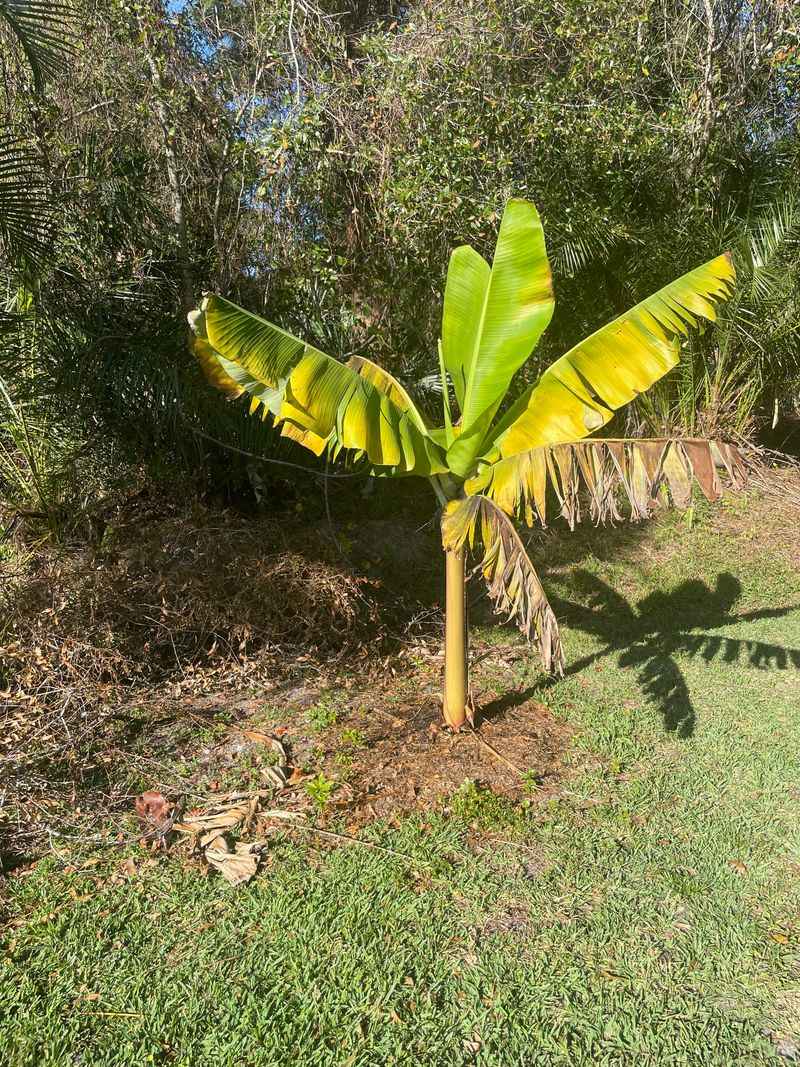
Even in the Sunshine State, cold weather can catch gardeners off guard.
North and Central Florida gardeners know that winter nights can occasionally dip below freezing, and young banana plants are particularly sensitive to temperatures below 32 degrees Fahrenheit.
While established banana plants often recover from cold damage because their underground rhizomes survive, young plants with shallow root systems need a little extra help during cold spells.
One of the simplest protective measures is mulching heavily around the base of the plant before cold weather arrives. A thick layer of wood chips, pine straw, or leaves insulates the rhizome and keeps soil temperatures more stable overnight.
For smaller plants, covering them with frost cloth, old bedsheets, or burlap on cold nights provides meaningful protection from freezing air temperatures.
Container-grown banana trees have a clear advantage here because they can simply be moved indoors or into a garage when temperatures drop.
For in-ground plants in North Florida, selecting cold-tolerant varieties like Dwarf Namwah or Rajapuri gives your plants a better chance of surviving winter without significant damage.
Banana pseudostems that experience freeze damage should be left in place until spring, when new growth from the surviving rhizome signals that the plant is ready to be cut back and encouraged to regrow.
7. Prune Old Leaves And Suckers For Healthy Canopies
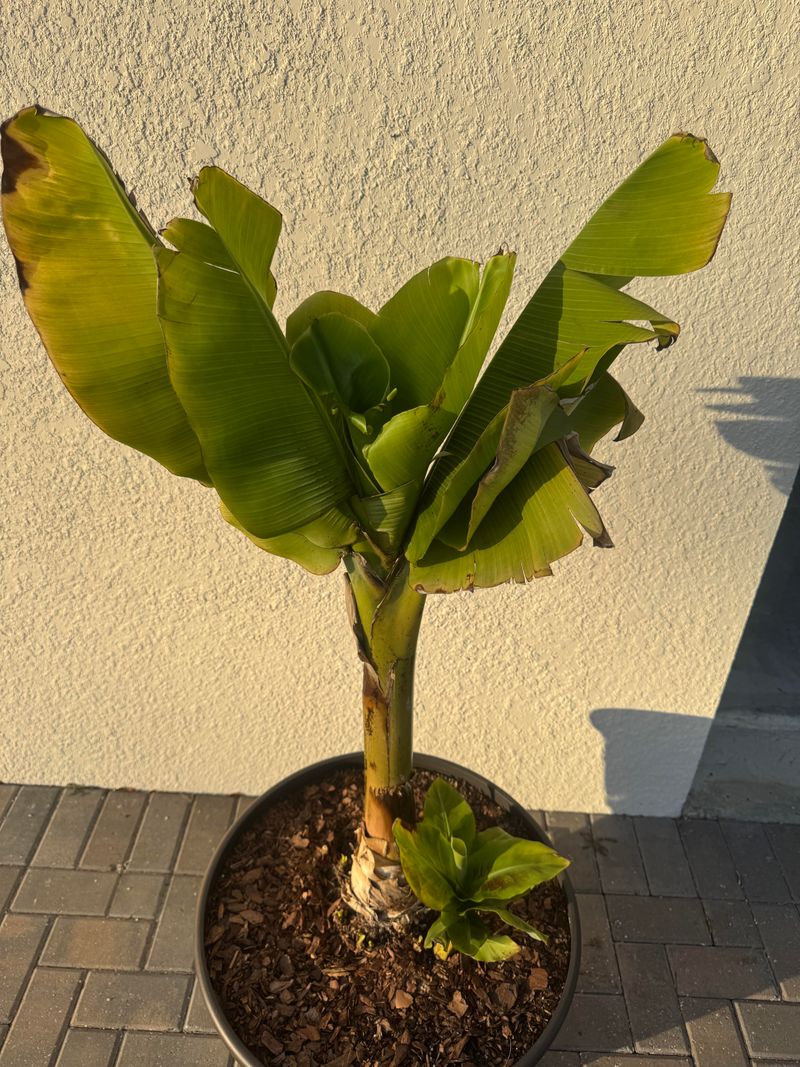
Pruning banana trees might seem intimidating at first, but it is actually one of the most straightforward parts of banana care once you understand what to remove and why.
Regular pruning keeps the plant looking tidy, improves airflow through the canopy, and directs the plant’s energy toward the most productive stems rather than spreading it thinly across too many shoots at once.
Damaged or tattered leaves should be removed as they appear throughout the year.
Florida’s frequent afternoon thunderstorms and occasional tropical systems can shred banana leaves into ribbons, and leaving compromised foliage on the plant can create entry points for fungal pathogens that thrive in the state’s humid conditions.
Use a sharp, clean blade to cut these leaves as close to the pseudostem as possible without damaging the main stalk.
Suckers, which are the small shoots that emerge from the base of the plant, also need management. Banana plants produce multiple suckers, but allowing too many to grow at once reduces fruit production and crowds the planting area.
Most experienced Florida banana growers recommend keeping one or two strong suckers as replacement plants while removing the rest at soil level.
This approach maintains a productive planting cycle while keeping the overall plant structure manageable and well-ventilated throughout the growing season.
8. Provide Support For Heavy Fruit Clusters
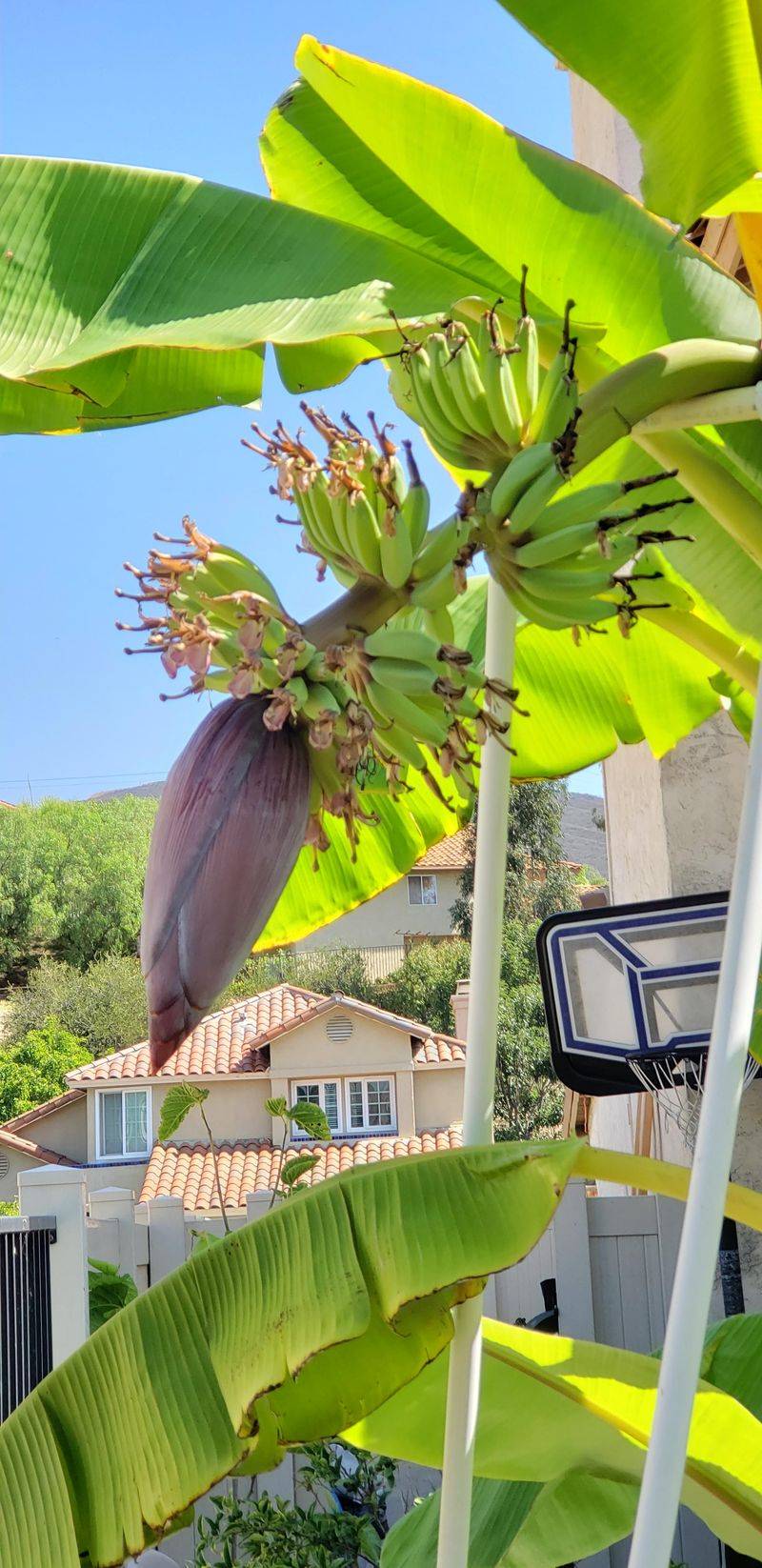
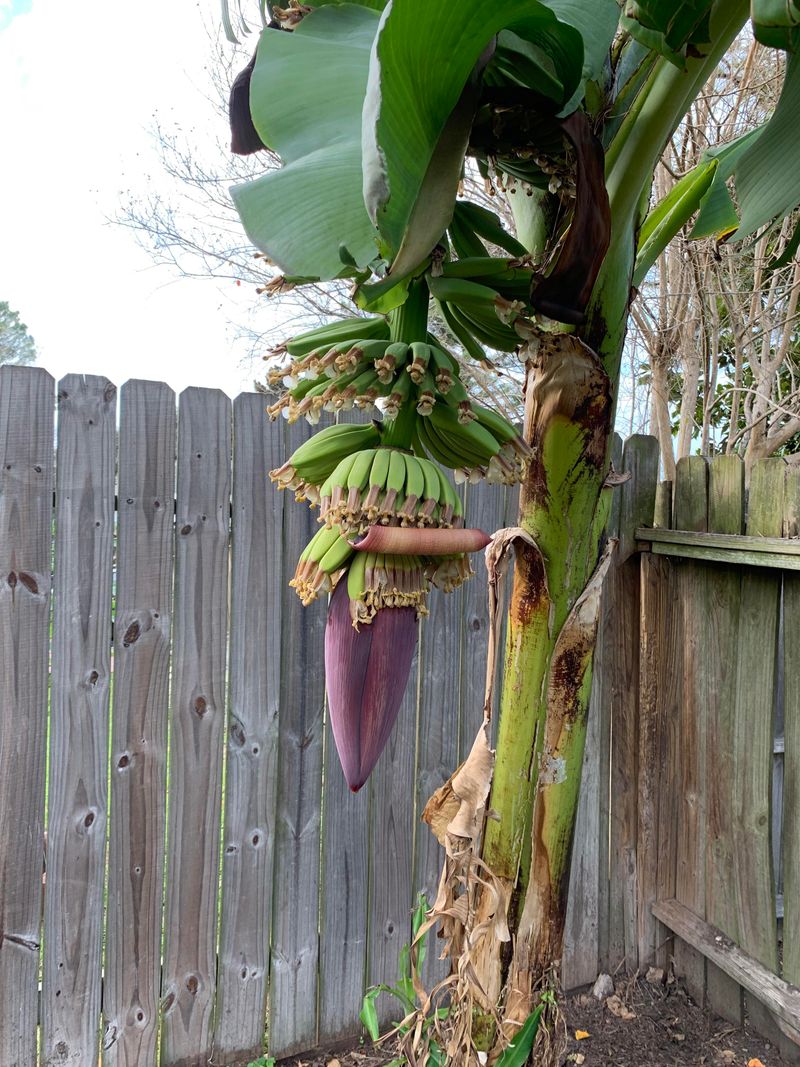
Few things are more exciting for a Florida banana grower than watching a flower stalk emerge and begin developing into a full fruit cluster.
A single bunch of bananas can weigh anywhere from 25 to 100 pounds or more depending on the variety, and that kind of weight puts real stress on the pseudostem, especially during Florida’s summer storm season when wind and rain add extra pressure to an already heavy load.
Staking is the most common and effective way to support heavy fruit clusters. Drive a sturdy wooden or metal stake into the ground near the base of the plant and tie the pseudostem to the stake using soft garden twine or flexible plant tape.
Avoid using wire or rigid ties that can cut into the soft pseudostem tissue. Some Florida gardeners use a forked branch as a natural prop under the fruit bunch itself, which takes weight off the main stalk.
Timing matters when it comes to harvest. Bananas are ready to pick when the individual fingers become plump and rounded rather than sharply angular.
Most Florida growers harvest the entire bunch while the fruit is still green and allow it to ripen indoors at room temperature.
This approach protects the fruit from birds, squirrels, and the intense summer heat that can cause fruit to split or ferment on the plant before it fully ripens.
9. Container Growing Tips For Indoor Banana Trees
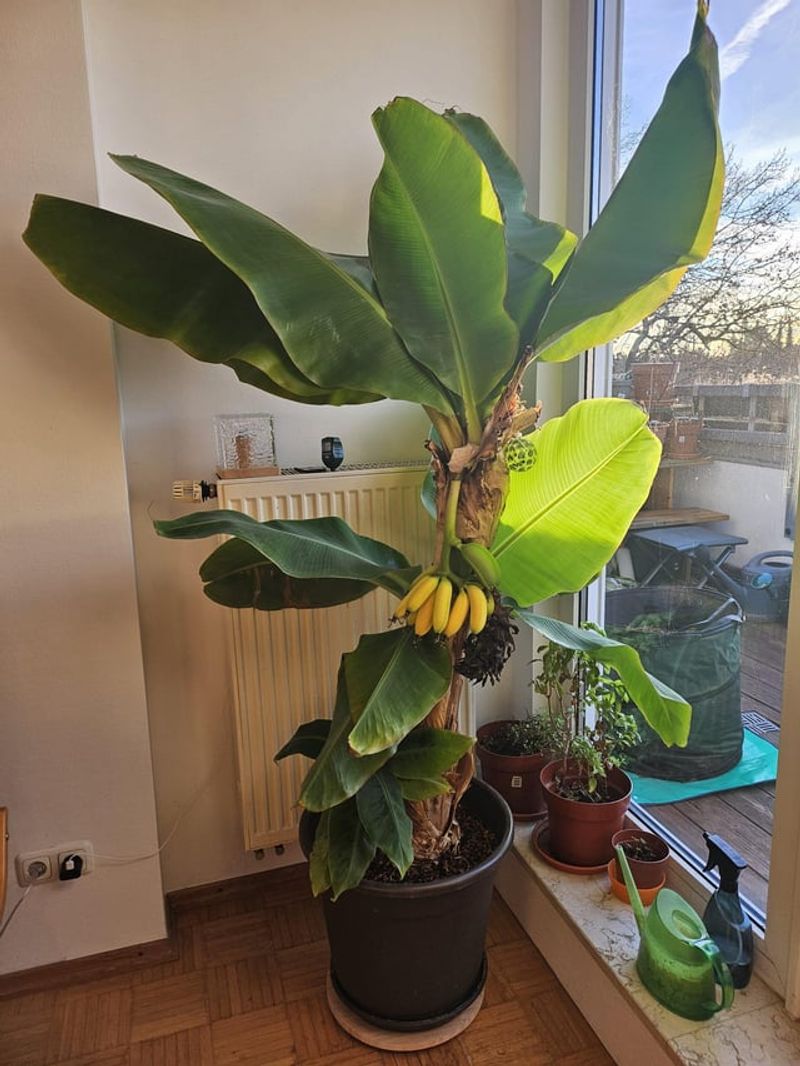
Growing banana trees indoors in containers is a genuinely rewarding option for Florida gardeners who want tropical beauty without the space demands of an outdoor planting.
Dwarf varieties like Dwarf Cavendish, Super Dwarf Cavendish, and Dwarf Red are the best choices for container life because they stay compact enough to manage inside a home or on a screened lanai.
Container selection is the starting point. Choose a pot with multiple drainage holes and a diameter of at least 15 to 18 inches for a mature dwarf banana.
Use a well-draining mix of quality potting soil, perlite, and coarse sand in roughly equal parts to ensure roots never sit in standing water.
As the plant grows, repotting into a slightly larger container every one to two years keeps growth moving in the right direction.
Light is the biggest challenge for indoor banana trees in Florida. Place the container near a south, east, or west-facing window where the plant receives as many hours of bright, indirect or direct light as possible.
If natural light is limited, a full-spectrum LED grow light positioned above the plant for 12 to 14 hours per day can supplement what the window provides.
Indoor banana trees also appreciate regular misting or a nearby humidifier, since Florida air conditioning systems can reduce indoor humidity below the 50 percent level that banana plants prefer.
10. Monitor Pests And Diseases Common In Florida
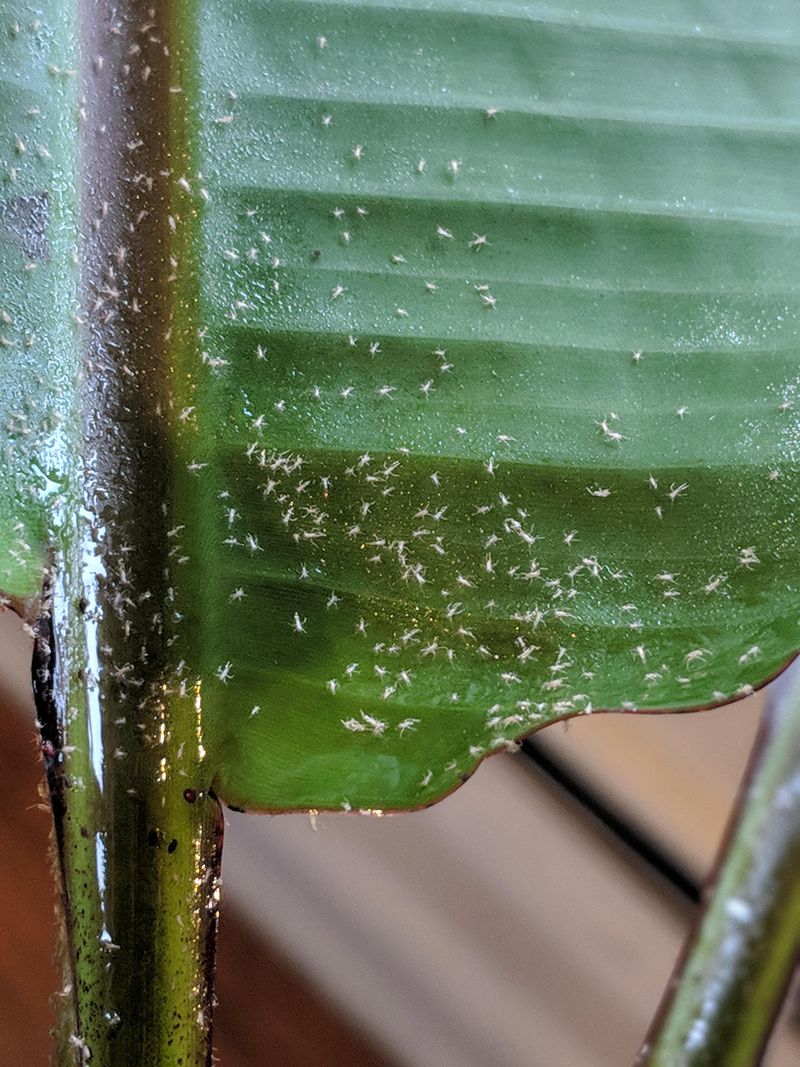
Florida’s warm, humid climate that makes banana trees flourish also creates ideal conditions for a range of pests and fungal diseases.
Staying observant and catching problems early is the most effective strategy for keeping banana plants healthy throughout the long Florida growing season.
A quick weekly inspection of leaves, stems, and the soil surface takes only a few minutes but can prevent small issues from becoming serious ones.
Banana aphids, spider mites, and banana weevils are among the most common insect pests Florida banana growers encounter. Aphids and mites tend to cluster on the undersides of leaves, causing yellowing and distortion.
A strong spray of water dislodges light infestations, while neem oil or insecticidal soap handles more persistent problems without harsh chemicals.
Banana weevils are more serious because their larvae bore into the pseudostem, weakening the plant from the inside.
Keeping the planting area clean and removing old plant material reduces weevil habitat significantly.
Fungal diseases like Sigatoka leaf spot and Fusarium wilt are real concerns in Florida’s humid summers. Sigatoka appears as yellow and brown streaks on leaves and spreads in wet, warm conditions.
Improving airflow through regular pruning and avoiding overhead watering reduces Sigatoka pressure considerably.
Fusarium wilt, a soilborne disease, has no cure once established, so planting resistant varieties and using clean, uncontaminated soil in containers remains the best long-term prevention approach.