How Florida Gardeners Can Grow More Vegetables In 4×4 Beds
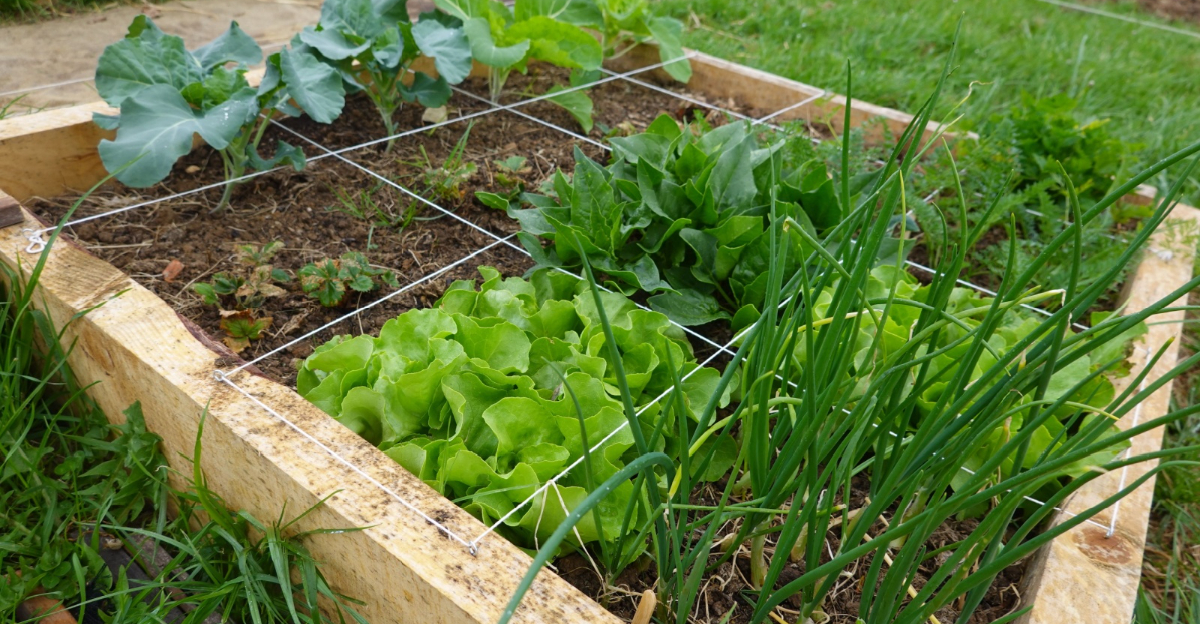
Florida gardeners enjoy the perk of growing vegetables almost year-round, but making the most of a small 4×4 raised bed can feel like a puzzle.
At first glance, that space might seem tiny, yet with smart planning and the right techniques, it can yield a surprising bounty.
Florida’s sandy soils, warm temperatures, humid subtropical air, and seasonal rains all influence how plants grow, when they thrive, and what care they need.
By understanding how your local climate shapes soil moisture, sun exposure, and nutrient needs, you can maximize every square inch.
With a few clever strategies, even the smallest raised bed can become a lush, productive garden that keeps your kitchen stocked and your green thumb happy throughout the year.
1. Plan Your Crops Before Planting
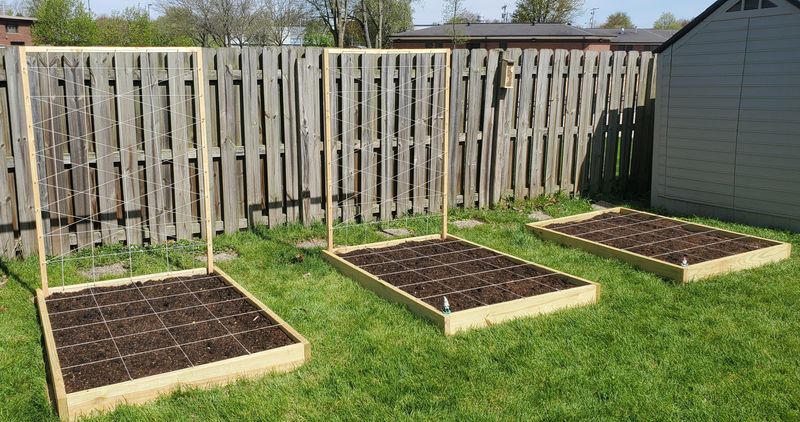
Sketching out your 4×4 bed on paper before you ever touch a trowel can save you a lot of frustration once planting season arrives. Florida has two main growing seasons, a cool season from fall through spring and a warm season from late spring through summer.
Knowing which crops belong in which season helps you plan successions that keep your bed productive all year.
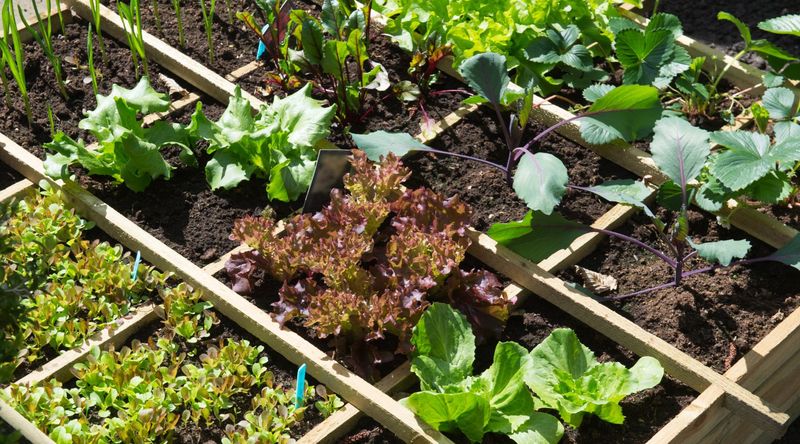
Square foot gardening is a popular method that divides a 4×4 bed into 16 individual one-foot squares. Each square gets a specific crop based on its spacing needs.
Tomatoes might take one full square, while radishes can fit 16 plants into a single square.
Drawing this grid on paper lets you visualize plant placement, sun exposure, and spacing before you commit. Florida gardeners also need to account for the intense summer heat, which can stress cool-season crops.
Planning ahead means you can time your plantings around Florida’s seasonal shifts rather than reacting to them after things go wrong.
2. Use Vertical Space With Trellises
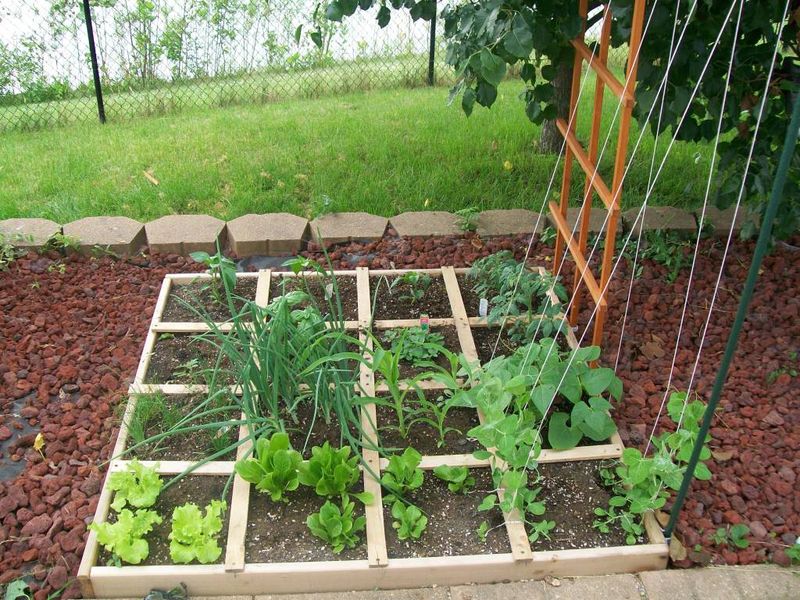
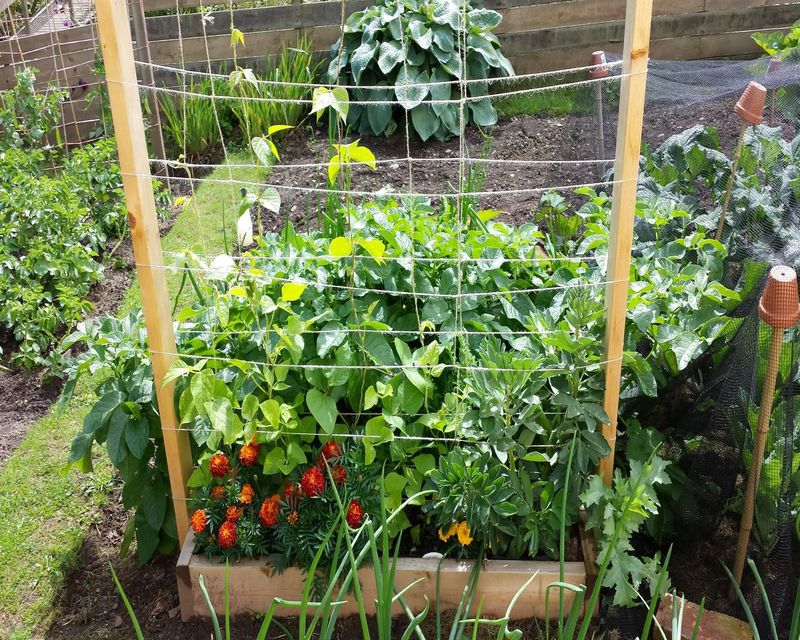
Florida backyards can get crowded fast, especially when you are working with a compact raised bed and a long growing season. Growing upward instead of outward is one of the smartest moves a small-space gardener can make.
Trellises, cages, and vertical supports let climbing plants like cucumbers, pole beans, and small melons rise above the bed without stealing ground space from other crops.
A trellis positioned on the north side of your 4×4 bed keeps tall plants from shading shorter ones growing in front of it. Florida’s sun angles vary by season, so placing vertical structures thoughtfully protects light access for leafy greens and herbs below.
Cucumbers are especially productive climbers and do well in Florida’s warm weather.
Vertical growing also improves airflow around plants, which matters a great deal in Florida’s humid climate where fungal diseases thrive in stagnant air. Fruits that hang freely tend to develop more evenly and are easier to spot when they are ready to harvest.
A simple bamboo frame or wire mesh panel is enough to get started without spending a lot of money.
3. Choose Compact Or Bush Varieties
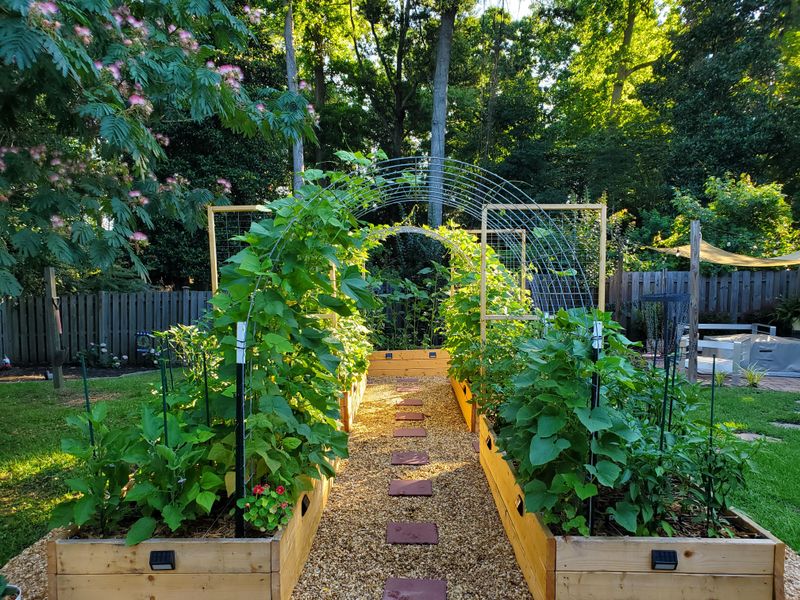
Not every vegetable variety is built for small-space gardening, and choosing the wrong one can leave your 4×4 bed feeling overwhelmed before midsummer. Compact and bush varieties are bred specifically to stay smaller while still producing generous harvests.
In Florida, where the growing season is long and the heat is intense, selecting the right variety can make the difference between a thriving bed and a tangled mess.
Bush beans like Contender and Bush Blue Lake are reliable producers that stay low and tidy. Patio tomatoes, Celebrity, and other determinate varieties stay manageable in a small bed without sprawling aggressively.
Compact zucchini varieties like Patio Star take up far less room than traditional sprawling types.
Florida gardeners also benefit from varieties that tolerate heat and humidity, traits that are often bred into Florida-friendly cultivars available at local garden centers.
Reading seed packets carefully and checking for terms like bush, dwarf, or compact will steer you toward options suited for tight spaces.
Choosing wisely at the start sets the tone for the whole growing season and keeps your bed organized and productive from the first harvest onward.
4. Rotate Crops To Preserve Soil Health
Planting the same vegetables in the same spot season after season quietly drains your soil of specific nutrients while also inviting the same pests and diseases back to familiar territory.
Crop rotation breaks that cycle by moving plant families around the bed each season.
Even in a small 4×4 space, rotating crops between quadrants makes a meaningful difference over time.
Florida’s extended growing calendar means you might fit three or even four distinct plantings into a single year. Each crop family pulls different nutrients from the soil and leaves behind different root structures.
Legumes like beans and peas actually add nitrogen back into the soil, making them excellent predecessors for heavy feeders like tomatoes or peppers.
Keeping a simple notebook or phone photo log of what grew where each season makes rotation planning much easier.
Sketching out a four-quadrant grid and rotating crops clockwise each season is a straightforward system that many Florida gardeners find easy to follow.
Healthy soil builds slowly, and rotation is one of the most effective low-cost strategies for maintaining it without relying heavily on synthetic inputs throughout the year.
5. Companion Plant For Better Growth
Some plants are simply better neighbors than others, and pairing them strategically in your 4×4 bed can boost yields, confuse pests, and improve flavor without adding extra work.
Companion planting draws on the natural relationships between plants and uses those interactions to your advantage.
Florida gardeners have long used this approach to manage the pest pressure that comes with a warm, humid climate.
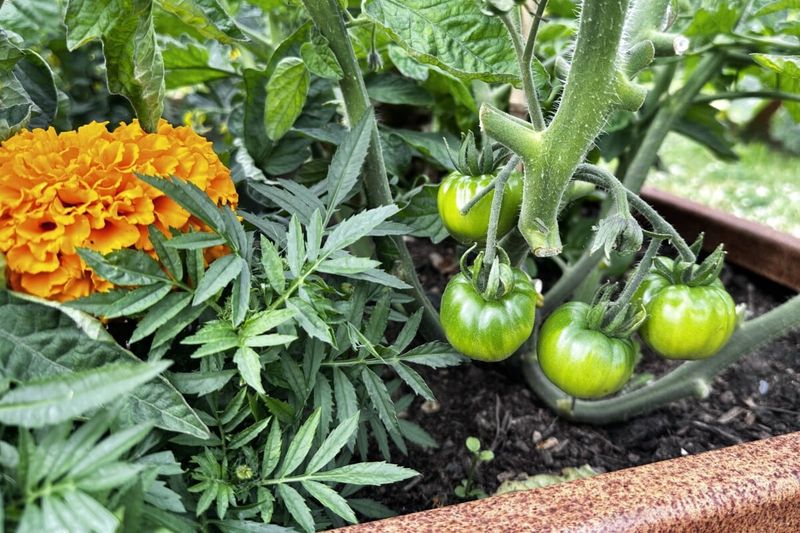
Basil planted near tomatoes is one of the most well-known pairings, with many gardeners reporting that it helps deter aphids and whiteflies while improving overall plant vigor.
Marigolds are another Florida garden staple, releasing compounds through their roots that discourage nematodes, which are a serious soil pest in Florida’s sandy soils.
Nasturtiums draw aphids away from vegetables, acting as a trap crop that protects your main harvest.
Spacing still matters even with companion planting, so resist the urge to cram too many plants together just because they are compatible. A well-thought-out companion plan works within your square foot grid and does not overcrowd the bed.
Experimenting each season helps you discover which combinations work best for your specific Florida microclimate and soil conditions.
6. Mulch To Retain Moisture And Reduce Weeds
Florida summers are relentless, and soil in a raised bed can dry out surprisingly fast when temperatures climb into the 90s and the sun beats down for hours.
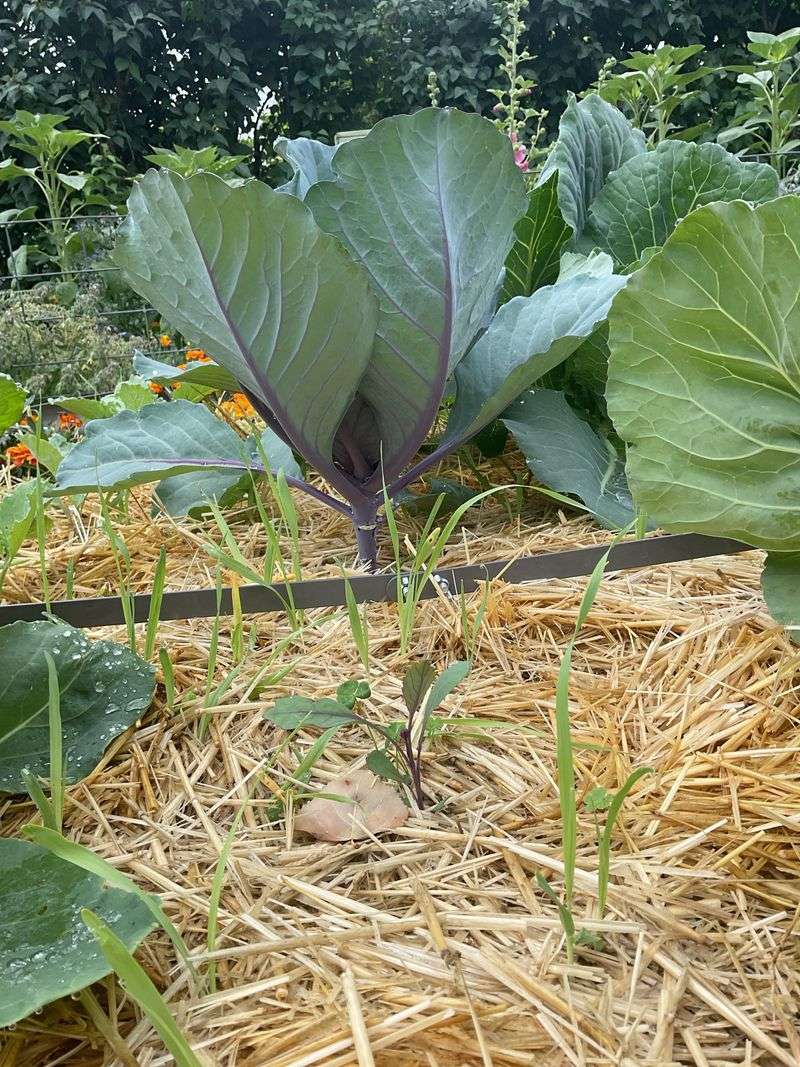
Mulching the surface of your bed creates a protective layer that slows evaporation, keeps roots cooler, and dramatically cuts down on how often you need to water.
For Florida gardeners managing a tight water budget or a busy schedule, mulch is one of the most practical tools available.
Straw, pine bark, and shredded leaves all work well as organic mulches in Florida raised beds. As they break down, organic mulches gradually add organic matter to the soil, improving its structure and water-holding capacity over time.
This is especially helpful in Florida, where native sandy soils drain quickly and struggle to hold nutrients.
Spreading two to three inches of mulch around your plants while keeping it slightly away from stems reduces fungal pressure at the soil line.
Weeds that do manage to sprout through mulch are much easier to pull than those rooted in bare soil.
Refreshing your mulch layer between plantings keeps the benefits consistent and gives your 4×4 bed a tidy, well-managed appearance throughout the season.
7. Fertilize Smartly Without Overdoing It
Raised beds naturally have limited soil volume, which means nutrients get used up faster than they would in a large in-ground garden.
Florida’s frequent summer rains also leach nutrients downward through the soil, making regular but measured fertilization important for keeping plants well-fed.
The trick is giving crops enough to thrive without pushing excessive leafy growth at the expense of fruit production.
A balanced slow-release granular fertilizer applied at the start of each planting season provides a steady nutrient base. Liquid fertilizers can then be used mid-season to give heavy feeders like tomatoes, peppers, and squash a targeted boost.
Organic options like fish emulsion and compost tea are popular among Florida gardeners who prefer to feed their soil biology along with their plants.
Yellowing leaves, stunted growth, or pale foliage often signal a nutrient deficiency, while overly lush, dark green plants that produce few fruits may be getting too much nitrogen.
Observing your plants closely each week gives you the feedback you need to adjust your fertilizing approach.
Starting conservatively and increasing as needed is a safer strategy than over-applying and trying to correct the imbalance later in the season.
8. Water Deeply And Consistently
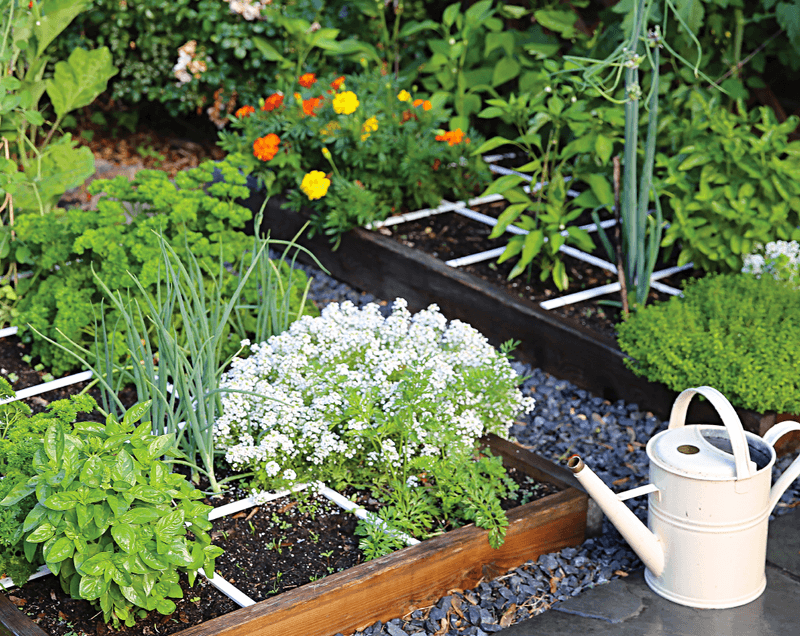
Florida’s rainfall patterns can be unpredictable, with weeks of afternoon downpours during summer followed by dry stretches that stress plants in raised beds faster than you might expect.
Because raised beds drain more freely than in-ground plots, the soil can shift from moist to dry within a day or two during hot weather.
Consistent watering that reaches the root zone, rather than just wetting the surface, keeps plants healthy and productive.
Deep watering encourages roots to grow downward rather than staying near the surface where they are vulnerable to temperature swings and rapid drying.
Drip irrigation and soaker hoses deliver water directly to the base of plants, reducing moisture on leaves and lowering the risk of fungal problems that spread quickly in Florida’s humid air.
These systems can be set on timers, which takes the guesswork out of watering on busy days.
Checking soil moisture by pressing a finger an inch or two into the soil is a reliable low-tech method before deciding whether to water.
Sandy soil in raised beds warms quickly and dries out fast, so morning watering sessions give plants the moisture they need before the afternoon heat peaks.
Consistent watering during flowering and fruiting stages supports better yields across most vegetable crops.
9. Stagger Planting To Extend Harvest
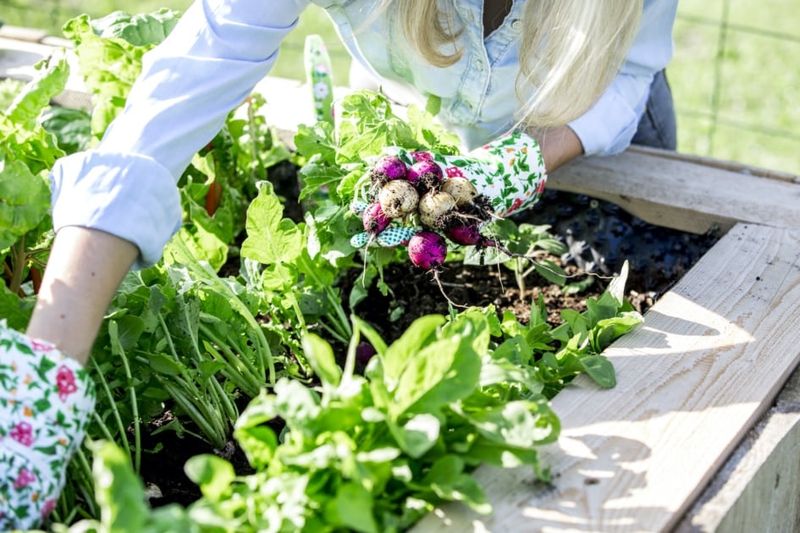
One of the most common frustrations in small-space gardening is ending up with everything ripening at the same time, leaving you overwhelmed one week and empty-handed the next.
Staggered planting, sometimes called succession planting, solves this by spreading out your sowings so that new crops are always coming along as older ones finish.
Florida’s long growing calendar makes this strategy especially rewarding because you can cycle through multiple plantings in a single season.
Instead of planting an entire row of lettuce at once, try sowing a few seeds every two to three weeks.
By the time the first batch bolts in the warming spring weather, the next planting is just hitting its stride.
The same approach works well with radishes, carrots, green onions, and bush beans, all of which have relatively short harvest windows.
Keeping a simple planting calendar helps you track what went in when and when to start the next round.
Florida gardeners can often squeeze in a late summer planting of fast-maturing crops before the fall cool season begins, which extends productivity even further.
Staggered planting transforms a modest 4×4 bed into a continuous supply of fresh vegetables rather than a one-time harvest event.
10. Monitor Pests And Protect Your Garden
Florida’s warm climate is a year-round invitation for insects, and a compact raised bed can go from healthy to heavily infested faster than most gardeners anticipate.
Regular scouting, meaning walking your garden and checking plants closely a few times each week, is the most effective early warning system you have.
Catching a pest problem when populations are small is far easier to manage than dealing with a full-scale infestation later.
Aphids, whiteflies, caterpillars, and squash bugs are among the most common visitors to Florida vegetable beds. Checking the undersides of leaves where many pests congregate is a habit worth building early in the season.
A strong spray of water from a garden hose can knock soft-bodied insects off plants without resorting to chemical treatments.
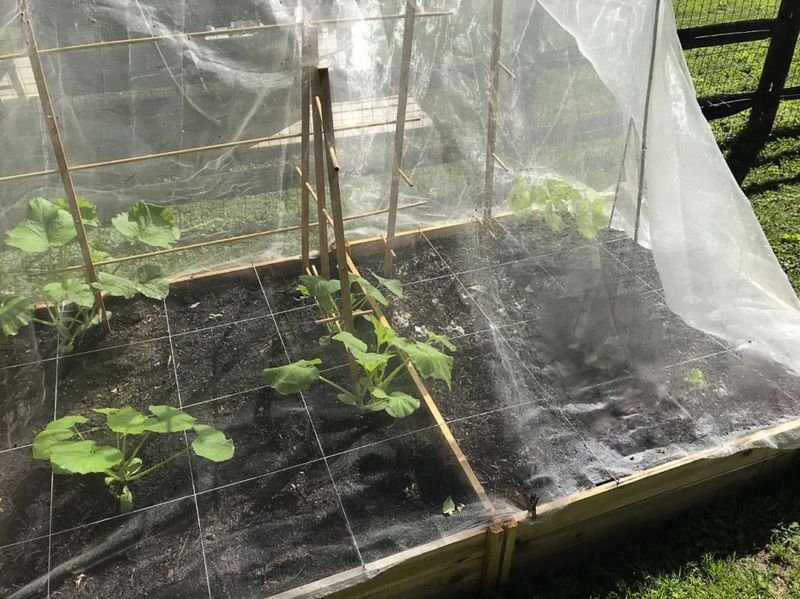
Row covers made from lightweight fabric protect young transplants from both insects and unexpected cold snaps, which do occur in northern and central Florida during winter months.
Encouraging beneficial insects like ladybugs and parasitic wasps by planting flowering herbs nearby gives your garden a natural defense team.
Responding quickly and thoughtfully when you spot trouble keeps pest pressure from undermining the productive 4×4 bed you have worked hard to build all season.