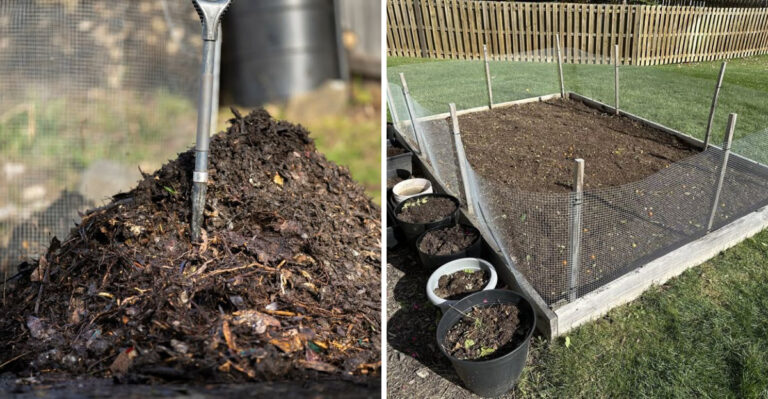
How Florida Gardeners Turn Everyday Kitchen Scraps Into Powerful Fertilizer
Stop treating your kitchen scraps like garbage – they are actually a hidden goldmine for your Florida garden.
Those banana peels, coffee grounds, and citrus rinds offer a powerhouse of nutrients that can transform lackluster sand into a thriving, productive landscape.
In a state where nutrients wash away through porous soil and the relentless subtropical heat stresses even the toughest plants, these everyday leftovers provide a vital, steady lifeline.
Turning food waste into natural fertilizer is a direct delivery system for the potassium, calcium, and nitrogen your garden craves.
Florida’s high humidity and warm March temperatures actually work in your favor, breaking down organic matter far faster than in cooler climates.
By mastering a few simple ways to transform trash into treasure, you can keep your garden lush, vibrant, and resilient all year long.
1. Banana Peels Boost Your Garden With Potassium
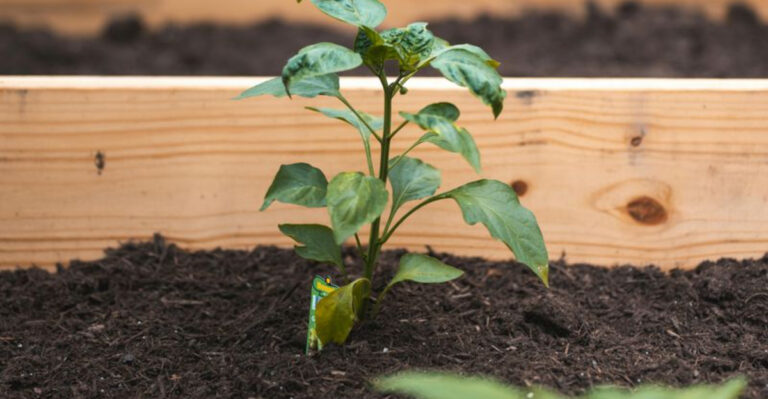
Walk through almost any Florida backyard garden in the spring, and you might notice gardeners tucking banana peels directly into the soil around their tomatoes and peppers. It sounds quirky, but there is solid science behind it.
Banana peels are loaded with potassium, a nutrient that helps plants build strong cell walls, regulate water use, and produce healthy fruit.
Florida’s sandy soils tend to drain quickly, which means potassium leaches out faster than in denser soils found in other states. Replenishing it regularly gives your plants a steady supply of what they need most during the growing season.
Potassium also helps plants manage heat stress, which is a real concern during Florida’s long, brutal summers.
To use banana peels as fertilizer, you have a few options. You can chop them into small pieces and bury them a few inches deep near the base of your plants.
Another method is to dry the peels, grind them into a powder, and sprinkle the powder around your garden beds.
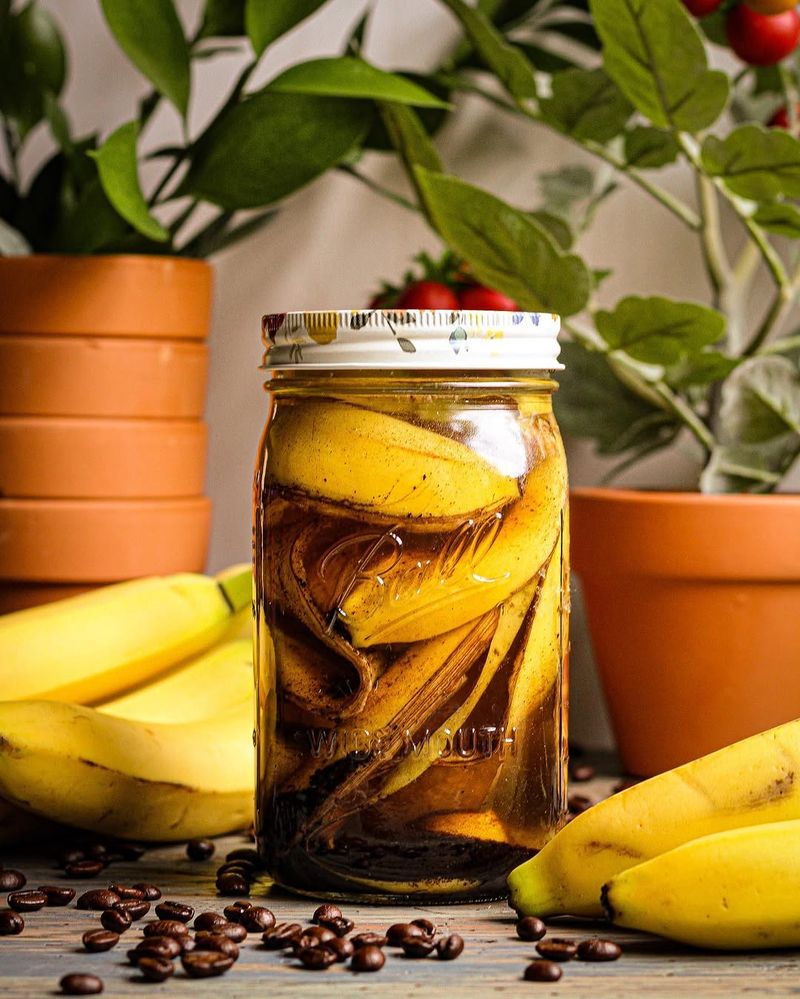
Some Florida gardeners soak the peels in water for two to three days to create a simple potassium-rich liquid that can be poured directly onto the soil.
Tomatoes, roses, squash, and beans respond especially well to this treatment. Try applying banana peel fertilizer every two to three weeks during the growing season for the best results in Florida’s warm climate.
2. Coffee Grounds Feed Your Soil And Attract Worms
Some of the most productive Florida gardens have a secret weapon sitting right next to the coffee maker every morning.
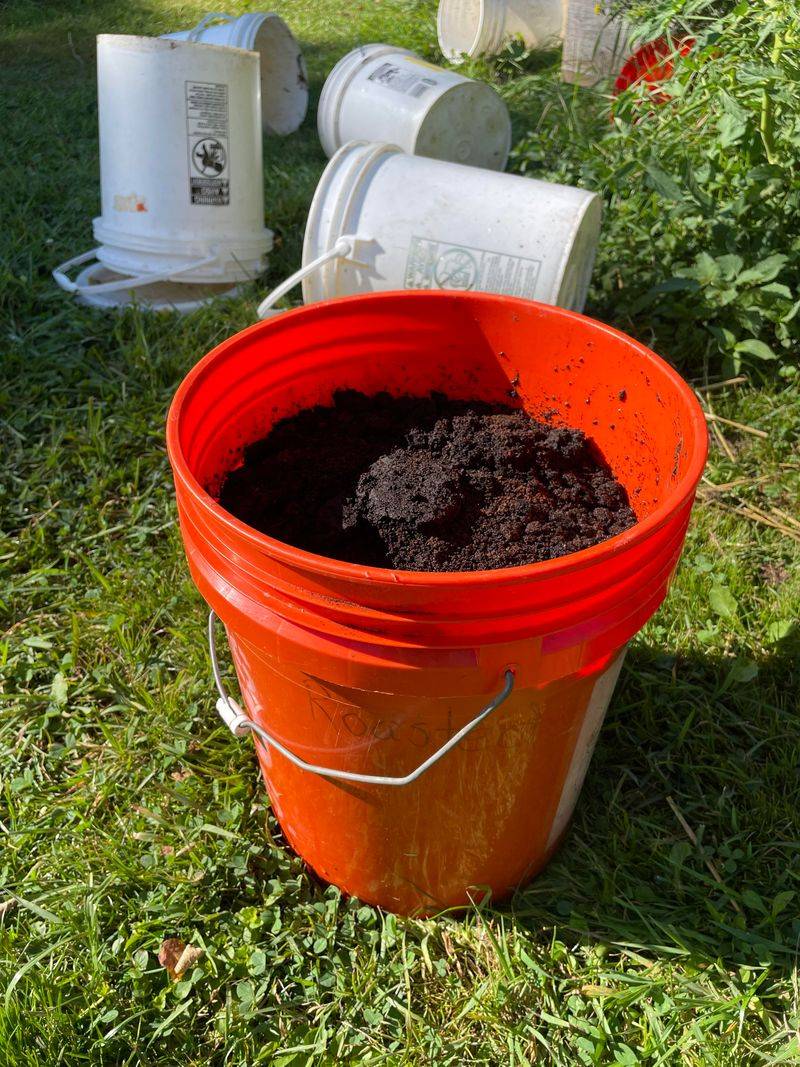
Used coffee grounds are one of the most versatile and widely available kitchen scraps you can add to your garden, and Florida’s warm, moist conditions make them especially effective.
Coffee grounds contain a modest but meaningful amount of nitrogen, which is one of the three major nutrients plants need for leafy, vigorous growth.
When worked into the soil, they break down gradually and release nitrogen over time, feeding your plants without the risk of burning roots the way synthetic fertilizers sometimes can.
They also improve soil texture by adding organic matter to Florida’s notoriously sandy ground.
One of the biggest benefits of coffee grounds in Florida gardens is their ability to attract earthworms. Worms are drawn to coffee grounds, and their activity helps aerate the soil and create natural tunnels that improve drainage and root penetration.
More worms generally means healthier, more biologically active soil.
Acid-loving plants like blueberries, azaleas, and camellias thrive when coffee grounds are mixed into the soil around them, since the grounds can slightly lower soil pH over time.
Sprinkle a thin layer around your plants or mix them into your compost pile.
Avoid piling them too thickly, because a dense layer can become compacted and repel water rather than absorbing it.
3. Eggshells Strengthen Plants With Natural Calcium
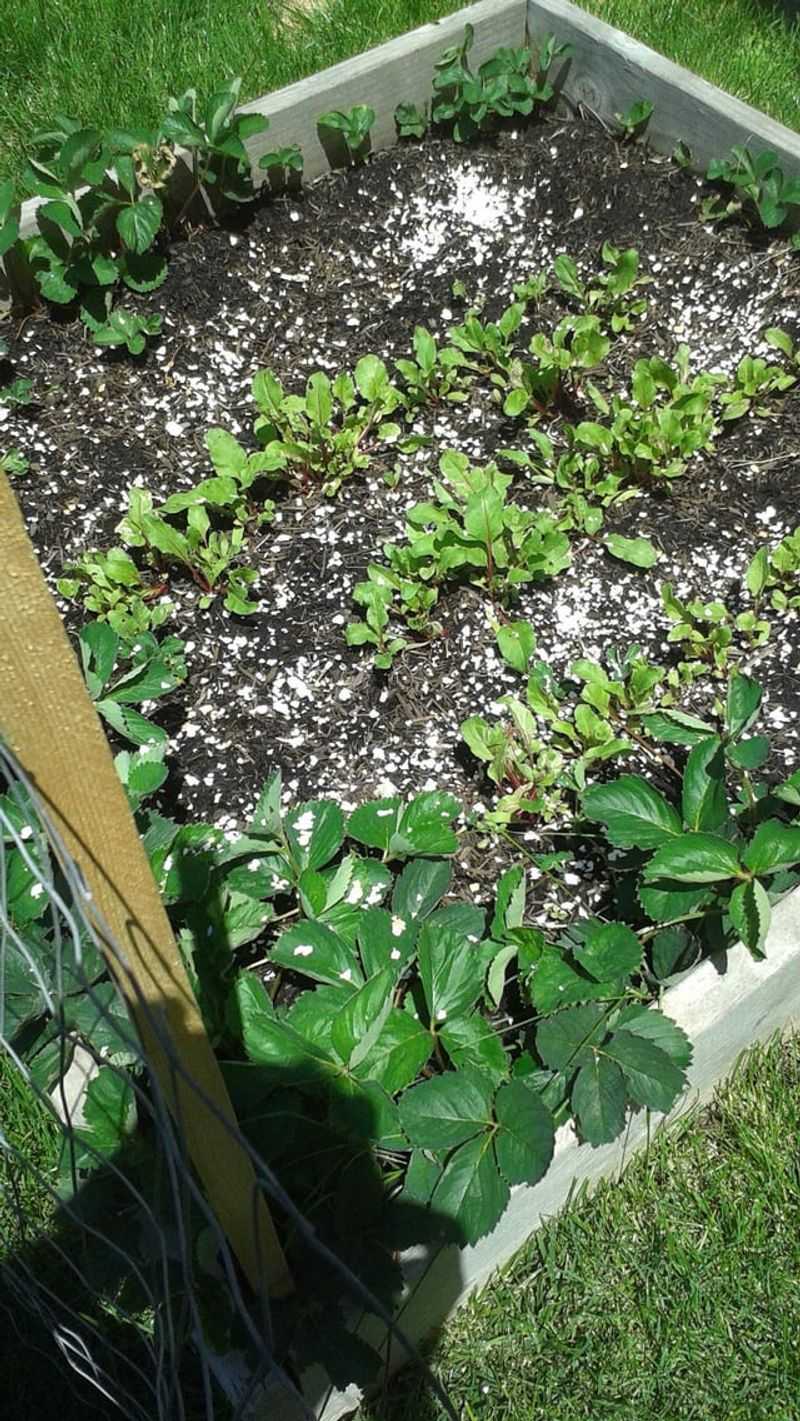
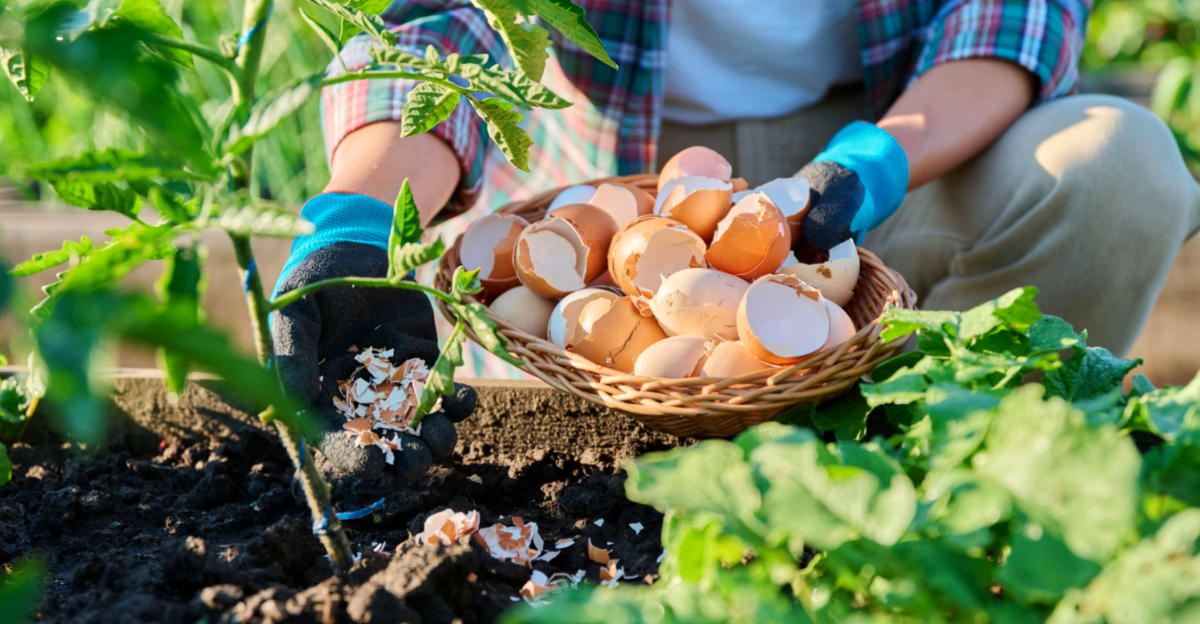
Cracking eggs for breakfast might feel like a small, ordinary moment, but for Florida gardeners, those empty shells represent something genuinely useful.
Eggshells are made up of roughly 95 percent calcium carbonate, making them one of the richest natural sources of calcium you can find in your kitchen.
Calcium plays a critical role in plant development. It helps build strong cell walls, supports root growth, and prevents a common problem in Florida tomatoes and peppers called blossom end rot.
This condition shows up as a dark, sunken spot on the bottom of the fruit, and it is often caused by a calcium deficiency or inconsistent watering that prevents the plant from absorbing calcium properly.
To use eggshells effectively, rinse them first to remove any egg residue, then let them dry completely. Once dry, crush them into small pieces or grind them into a coarse powder using a blender or food processor.
The finer the grind, the faster they will break down and release calcium into the soil.
Work the crushed shells into the soil around your plants at planting time, or top-dress established beds throughout the season.
You can also add them to your compost pile, where they will break down alongside other organic materials.
In Florida’s acidic, sandy soils, a regular addition of eggshells can help raise pH slightly and improve overall soil health for a wide range of vegetables and flowering plants.
4. Vegetable Scraps Make Nutrient-Rich Compost Fast
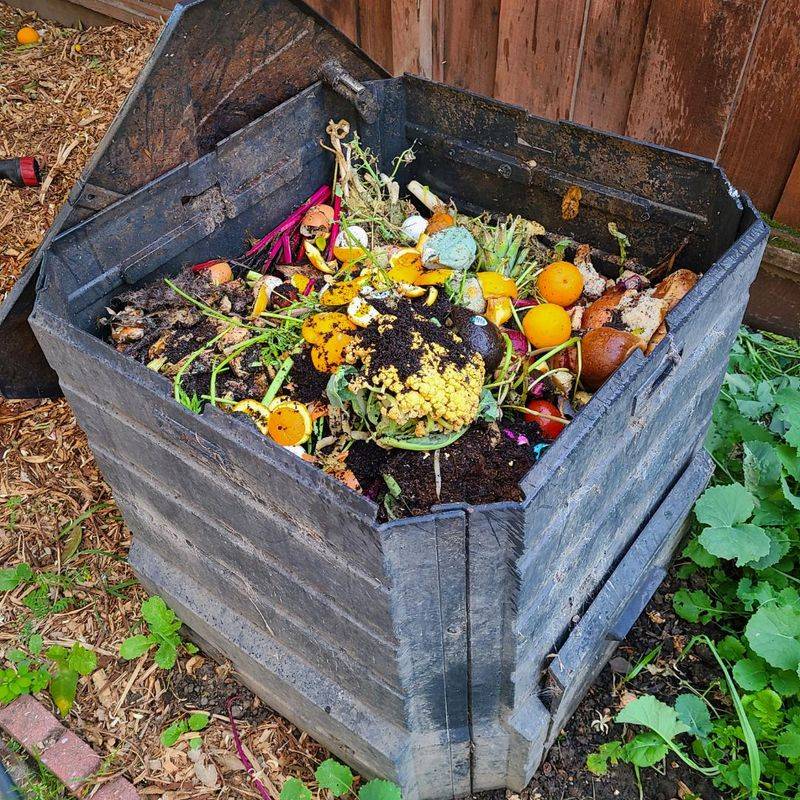
Florida’s heat is often seen as a challenge for gardeners, but when it comes to composting vegetable scraps, that same warmth becomes a real advantage.
Organic matter breaks down much faster in Florida’s subtropical climate than it does in cooler northern states, meaning you can go from kitchen scraps to finished compost in a matter of weeks rather than months.
Carrot tops, lettuce leaves, pepper cores, zucchini ends, and onion skins are all fair game for the compost bin. These scraps are rich in nitrogen, potassium, phosphorus, and a range of micronutrients that synthetic fertilizers often skip.
When they decompose, they release those nutrients slowly into the soil, feeding your plants over a long period of time.
Building a good compost pile in Florida means balancing green materials like vegetable scraps with brown materials like dried leaves, cardboard, or straw.
A rough ratio of one part greens to two parts browns keeps the pile from getting too wet and smelly during Florida’s rainy season.
Turn the pile every week or two to speed up decomposition and add oxygen.
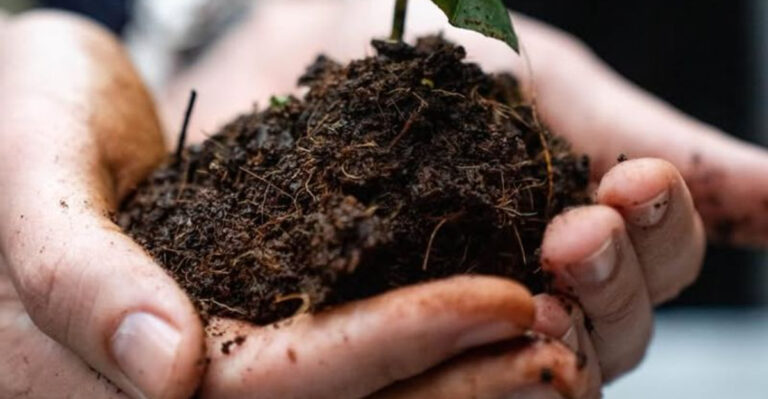
Once your compost looks dark, crumbly, and smells like fresh earth, it is ready to use. Spread a two-to-three-inch layer over your garden beds before planting, or mix it into the top several inches of soil.
Florida’s sandy ground soaks up compost beautifully, holding moisture and nutrients far better than untreated soil ever could.
5. Citrus Peels Add Acidity And Fragrant Energy
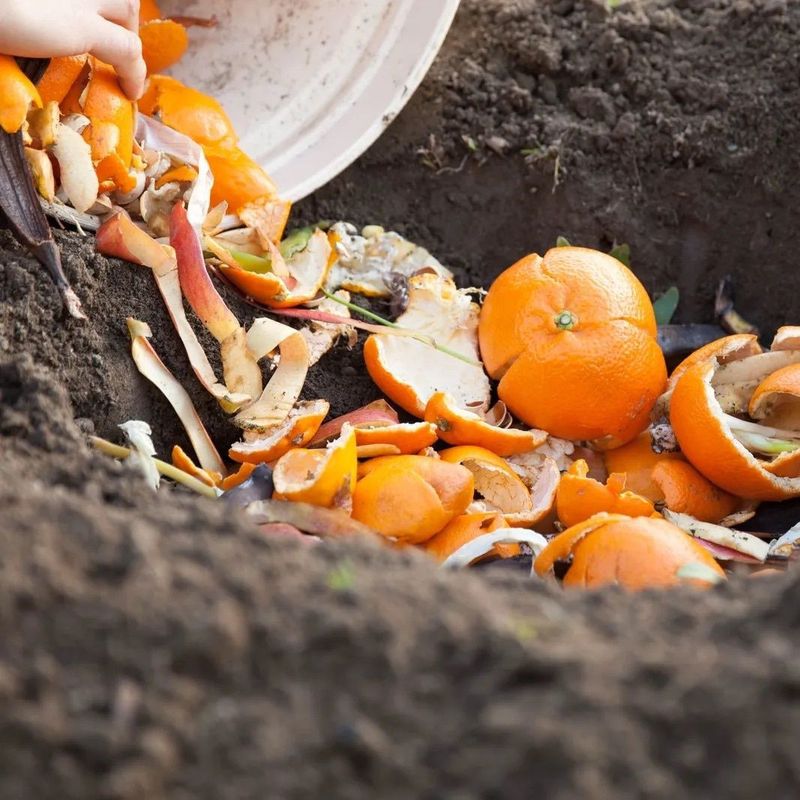
Florida is practically synonymous with citrus, and that means most Florida households go through a steady supply of oranges, lemons, limes, and grapefruits throughout the year.
Rather than tossing those peels in the trash, savvy Florida gardeners have found ways to put them to work in the garden.
Citrus peels contain nitrogen, phosphorus, and potassium in modest amounts, along with natural compounds that can help repel certain pests.
The oils found in citrus rinds are known to deter ants, aphids, and some fungal pathogens, giving your plants a small but welcome layer of natural protection.
One of the most useful qualities of citrus peels for Florida gardens is their mild acidity.
Florida soils already tend toward the acidic side in many regions, and acid-loving plants like blueberries, gardenias, and ixora thrive with a slightly lower pH.
Adding chopped citrus peels to the soil around these plants can help maintain the conditions they prefer.
To use citrus peels safely, chop or shred them into small pieces before adding them to your compost pile or burying them in garden beds. Whole peels take much longer to break down and can attract unwanted wildlife.
You can also blend citrus peels with water to create a fragrant liquid spray that deters some common garden pests.
Avoid applying large quantities of fresh peels directly to the soil, as they can temporarily disrupt the soil’s microbial balance during decomposition.
6. Tea Leaves Improve Soil Texture And Microbes
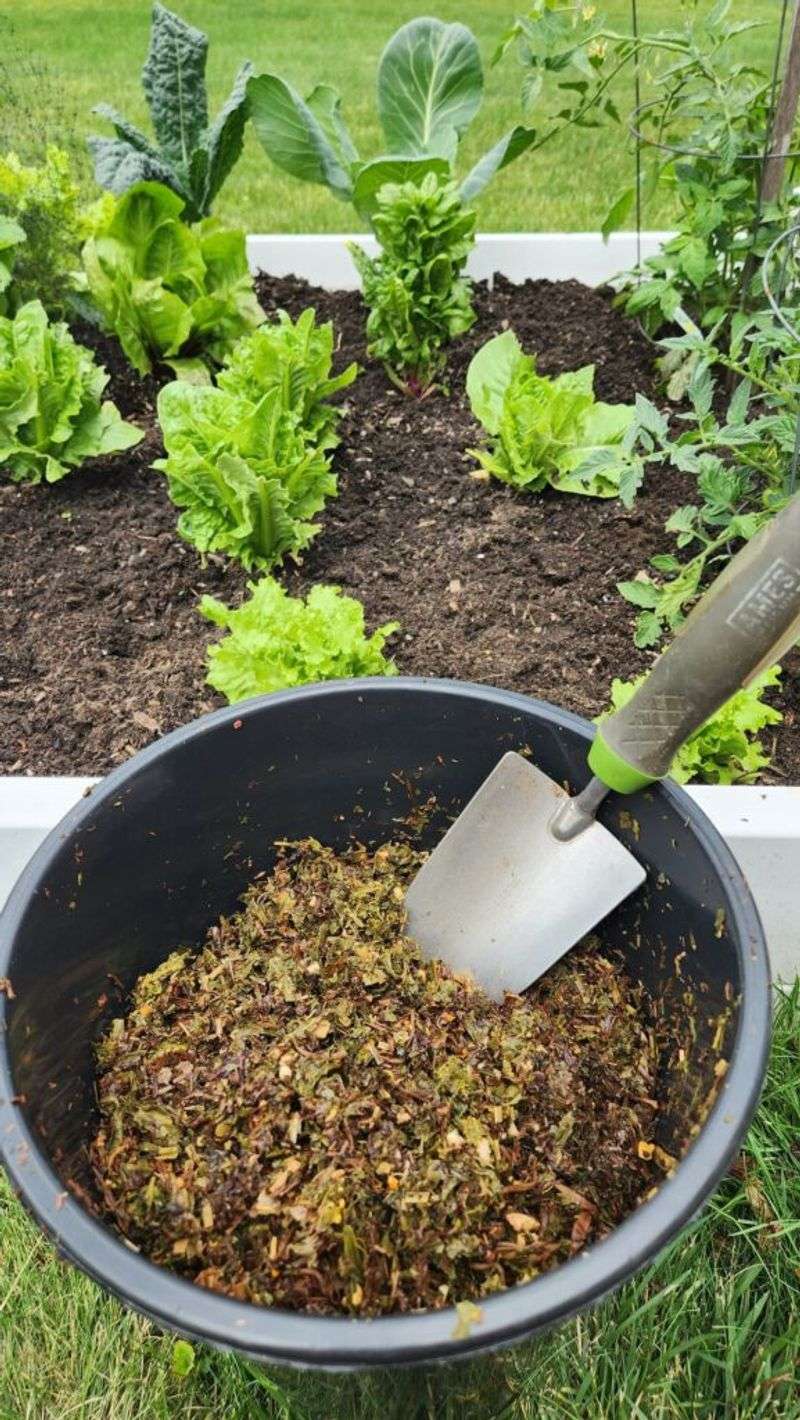
Not every Florida gardener reaches for coffee first thing in the morning. For the tea drinkers out there, those damp, spent leaves at the bottom of the cup are worth holding onto before they hit the trash can.
Used tea leaves are a surprisingly effective soil amendment, particularly in Florida’s depleted sandy soils.
They contribute organic matter that improves the soil’s ability to hold moisture and nutrients, two things Florida sandy soils struggle with during the dry season.
As the leaves break down, they feed beneficial bacteria and fungi that help create a living, thriving soil ecosystem.
Tea leaves also contain tannins, which are natural compounds that can help suppress certain soil pathogens and improve soil structure over time.
The gentle acidity they provide suits many Florida garden plants, including ferns, bromeliads, and flowering shrubs that prefer slightly lower pH levels.
Green tea leaves tend to have higher nutrient content than black tea leaves, though both are useful.
To apply, simply scatter loose tea leaves directly around your plants and work them lightly into the top inch of soil.
If you use tea bags, check the bag material first, since some synthetic mesh bags should be removed before composting the leaves inside.
Paper tea bags can go directly into the compost pile. Applying tea leaves as a mulch layer around container plants is another great option for Florida gardeners who grow herbs and tropicals on patios or screened lanais.
7. Fruit Cores Help Create Homemade Liquid Fertilizer
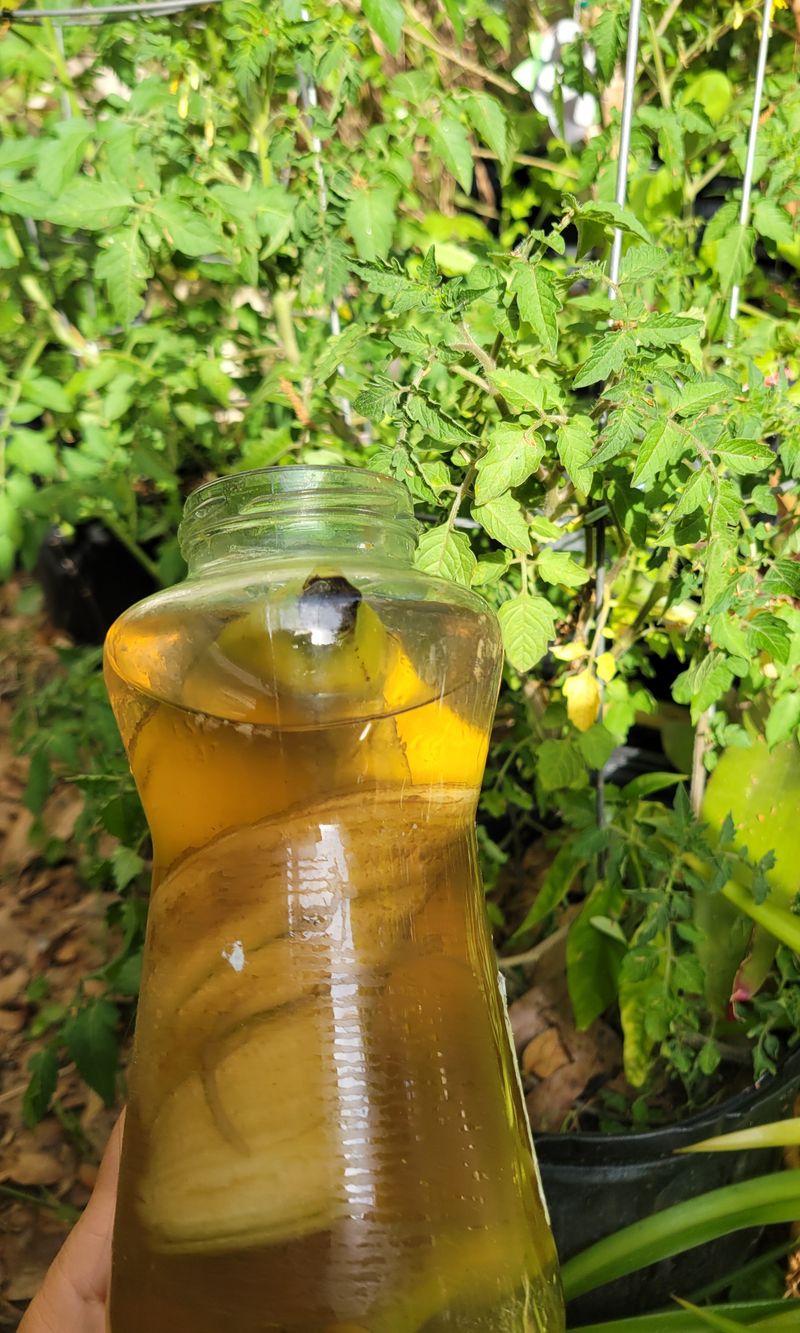
Apple cores, pear centers, mango seeds, and the fibrous hearts of pineapples might seem like they belong in the trash, but Florida gardeners have found a clever way to squeeze one more use out of them.
Fruit cores and seed cavities are packed with sugars, trace minerals, and beneficial microbes that make them ideal candidates for homemade liquid fertilizer.
The process is simple and requires almost no equipment. Fill a large glass jar or bucket with water, drop in your fruit cores and scraps, and let the mixture sit for three to five days at room temperature.
During that time, natural fermentation begins as wild yeasts and bacteria break down the fruit material and release nutrients into the water.
Once the liquid smells slightly sour and starts to look cloudy, it is ready to strain and use. Dilute one part fruit scrap liquid with ten parts water before applying it to your plants.
Pouring it directly at full strength can be too acidic and may stress roots, especially during Florida’s hot summer months when plants are already working hard to stay hydrated.
This liquid fertilizer works well as a soil drench applied around the root zone of vegetables, fruit trees, and flowering plants.
Florida gardeners who grow papayas, bananas, and tropical fruit trees have found that regular applications throughout the growing season support strong fruiting and overall plant vigor.
Make fresh batches every week or two for the best results.
8. Mixing Scraps The Right Way For Maximum Growth
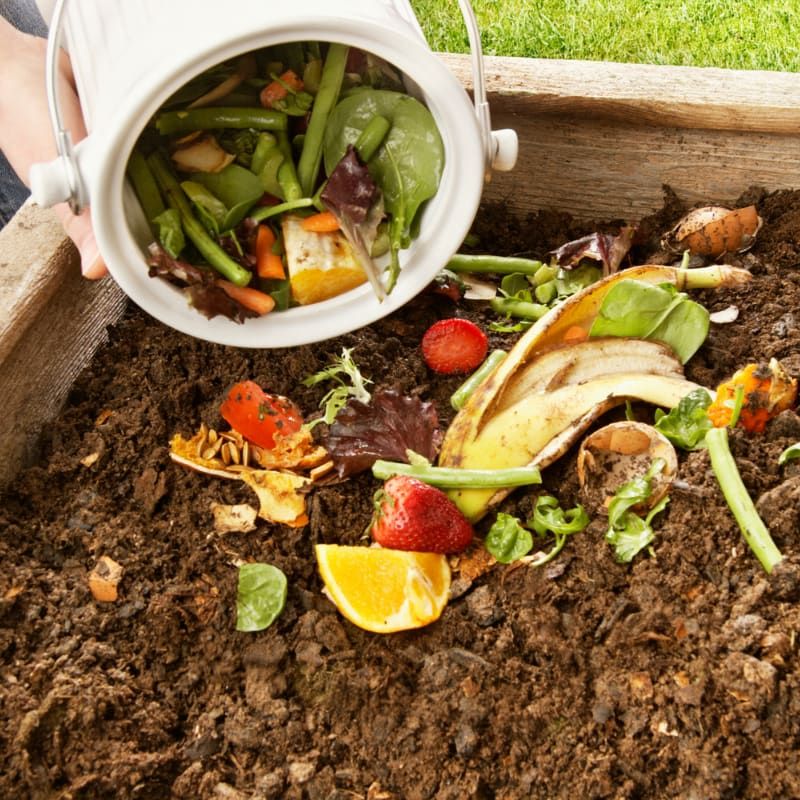
Using individual kitchen scraps is a great start, but combining them thoughtfully is where Florida gardeners really begin to see impressive results.
Different scraps bring different nutrients to the table, and layering them together creates a more balanced, complete soil amendment than any single ingredient can provide on its own.
A practical approach is to collect a week’s worth of scraps, including banana peels for potassium, coffee grounds for nitrogen, eggshells for calcium, and vegetable trimmings for general organic matter. Then, add them all to your compost pile or a dedicated mixing bucket.
Chop or blend everything into smaller pieces first so the material breaks down more quickly in Florida’s warm, humid conditions.
Timing matters when applying mixed scraps to your garden. The weeks just before planting are ideal for working blended compost or scrap mixtures into your beds, giving the nutrients time to integrate with the soil before your plants go in.
During the growing season, lighter top-dressings every two to three weeks can keep nutrient levels steady without overwhelming the soil.
Florida’s rainy season, which typically runs from June through September, can wash nutrients out of sandy soil quickly. Applying mixed scrap fertilizer in smaller, more frequent amounts during this period helps replace what rain removes.
Covering amended beds with a layer of mulch slows nutrient runoff significantly. With a little planning and a consistent routine, kitchen scraps can dramatically improve the health and productivity of any Florida garden.