How Florida Residents Improve Soil Carbon In Their Yards
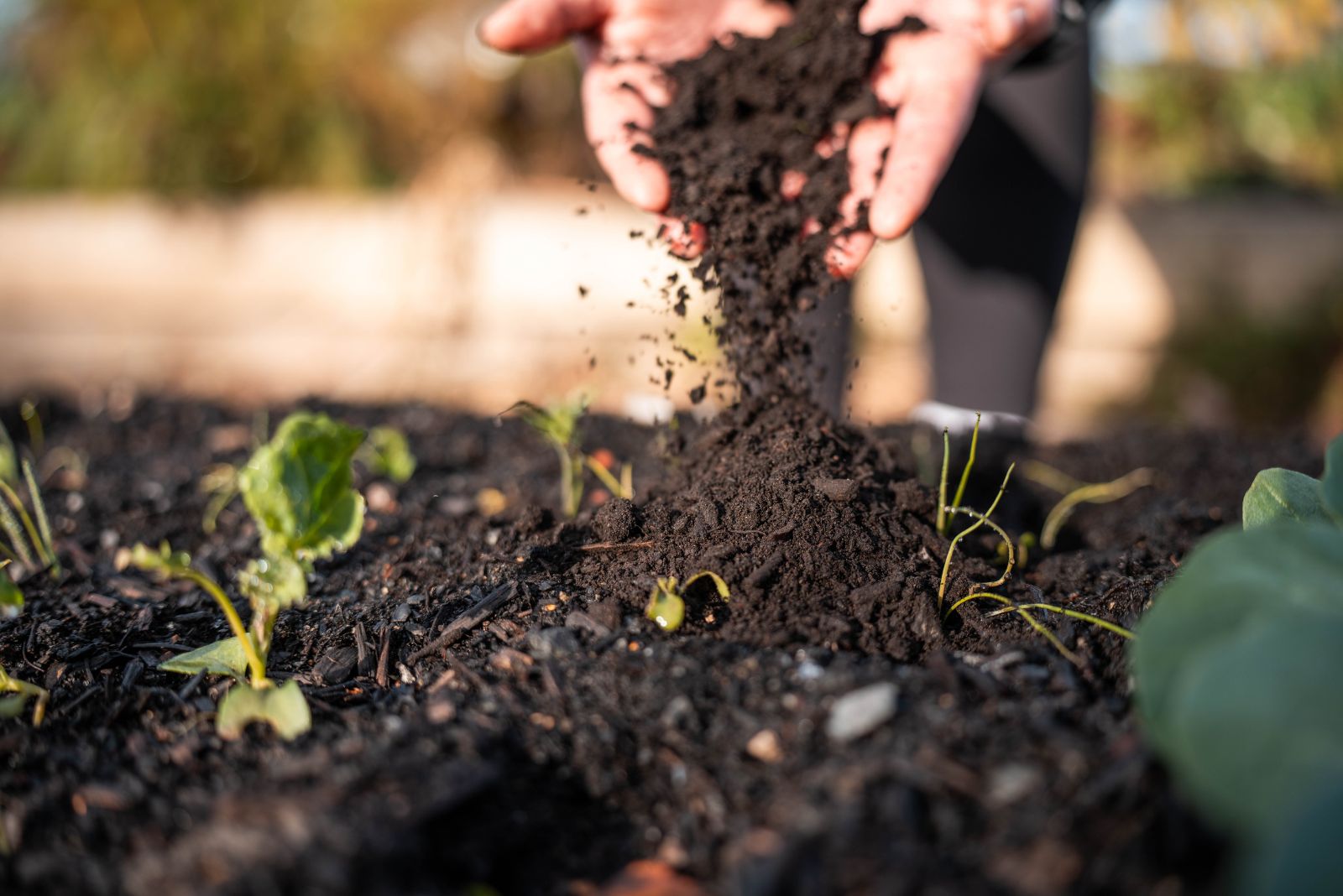
Florida yards can do more than look good on the surface.
With a little know-how, homeowners across the state are turning their soil into a richer, more resilient base that works hard behind the scenes.
Boosting soil carbon has become a quiet game changer, giving gardens the strength to handle heat, heavy rains, and shifting seasons.
A yard with healthy carbon levels holds moisture like a sponge, feeds plants more steadily, and supports a web of life beneath every step.
Floridians are finding that small habits carry big weight, from adding organic matter to choosing plants that play well with sandy soil.
Each step builds a deeper, darker, more fertile foundation that pays off in stronger roots, brighter blooms, and steadier growth all year long.
Improving soil carbon turns a yard into a living system that grows richer over time, helping both the landscape and the environment stay a step ahead of Florida’s wild weather.
1. Add Compost Regularly To Your Garden Beds
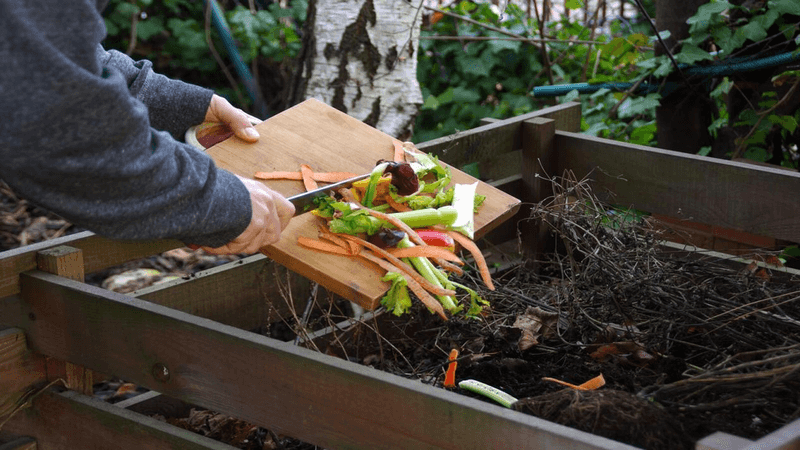
Compost is like black gold for Florida yards, packed with organic matter that breaks down into carbon-rich humus over time.
When you spread a layer of finished compost across your garden beds, you’re feeding the soil with decomposed plant materials, food scraps, and other organic waste that microorganisms love.
This process adds significant amounts of carbon while improving soil structure, which is especially helpful in Florida’s naturally sandy soils that tend to drain too quickly.
Many Florida gardeners start their own compost piles using yard waste like grass clippings, fallen leaves, and vegetable scraps from the kitchen.
The warm climate speeds up decomposition, so you can produce finished compost in just a few months compared to cooler regions where it might take a year.
Turning your pile regularly and keeping it moist helps beneficial bacteria and fungi work faster.
Applying compost twice a year, once in spring and once in fall, gives your soil a consistent boost of carbon.
Spread a two to three-inch layer over your beds and gently work it into the top few inches of soil.
This practice not only increases carbon content but also helps your plants access nutrients more easily.
Florida residents from Jacksonville to Key West report healthier plants and reduced fertilizer needs after making compost a regular part of their yard care routine.
The investment of time pays off with soil that holds moisture better and supports a thriving community of beneficial organisms.
2. Plant Cover Crops During The Off-Season
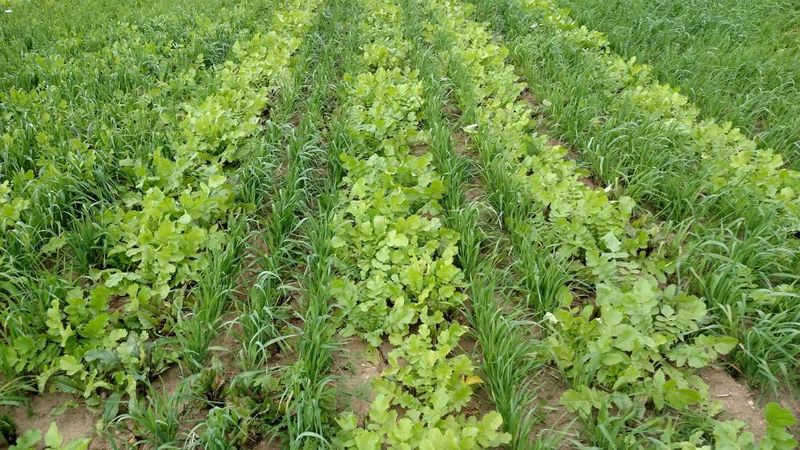
Cover crops work like living blankets that protect and enrich your soil when your main garden isn’t growing.
These plants send roots deep into the ground, pulling carbon from the air through photosynthesis and storing it below the surface.
When you eventually cut down the cover crop and let it decompose, all that captured carbon becomes part of your soil, building up organic matter that improves fertility.
Florida’s mild winters make it perfect for growing cool-season cover crops like clover, rye, or vetch.
These plants thrive when temperatures drop and your summer vegetables have finished producing.
Planting them in October or November gives them time to establish before any cold snaps, and they’ll grow steadily through winter months when your beds might otherwise sit empty.
The roots of cover crops also create channels in the soil that improve drainage and aeration, which is particularly beneficial in Florida’s compacted clay areas or water-logged spots.
As roots grow and then decompose, they leave behind organic matter that feeds earthworms and beneficial microbes.
This biological activity continues to build soil carbon long after you’ve tilled the cover crop back into the ground.
Homeowners across central Florida have found that rotating cover crops with their vegetable gardens reduces erosion during heavy summer rains.
The practice also cuts down on weeds and reduces the need for synthetic fertilizers, making your yard more sustainable and environmentally friendly over time.
3. Mulch Around Trees And Shrubs With Organic Materials
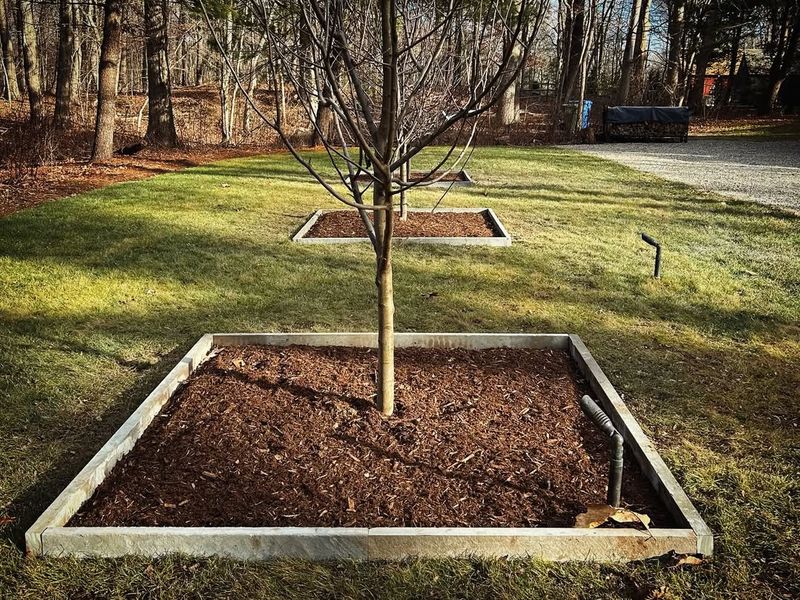
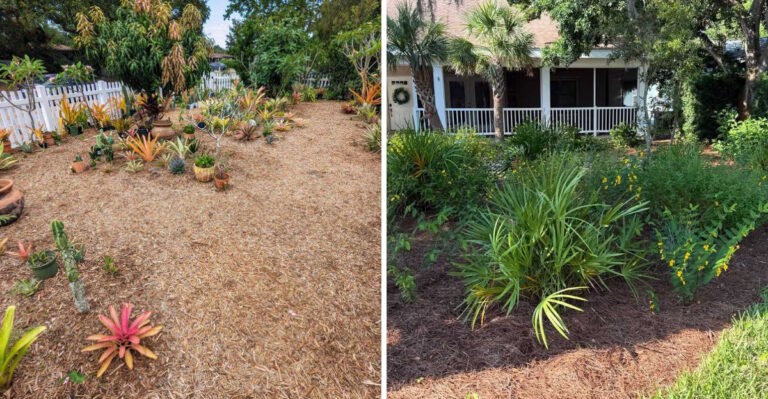
Organic mulch creates a protective barrier that slowly breaks down and feeds carbon directly into your soil.
Materials like wood chips, pine needles, shredded leaves, and bark gradually decompose thanks to moisture and microorganisms, releasing carbon compounds that improve soil health.
This natural process happens continuously, especially in Florida’s warm, humid climate where decomposition occurs faster than in cooler states.
Spreading a three to four-inch layer of mulch around your trees, shrubs, and flower beds helps keep soil temperatures more stable during hot summer days.
The mulch acts as insulation, preventing moisture from evaporating too quickly and reducing the stress on plant roots.
As the bottom layer breaks down into the soil, it adds carbon while the top layer continues protecting against erosion and weed growth.
Florida residents often use pine straw because it’s readily available and breaks down at a moderate pace, providing steady carbon input without disappearing too quickly.
Wood chips from local tree services are another popular choice, and many companies will deliver them for free if you ask.
Just avoid placing mulch directly against tree trunks, as this can trap moisture and encourage rot.
Refreshing your mulch layer once or twice a year ensures continuous carbon addition to your soil.
Homeowners in Tampa and Orlando have noticed that consistent mulching leads to healthier plants with stronger root systems and soil that feels richer and more crumbly when you dig into it.
4. Leave Grass Clippings On Your Lawn After Mowing
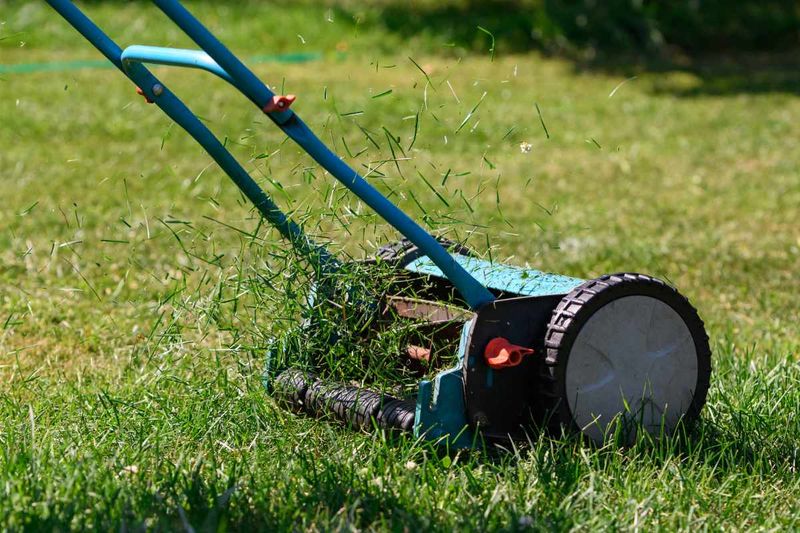
Bagging up grass clippings and hauling them to the curb removes valuable organic matter that could be feeding your soil instead.
When you leave clippings where they fall, they quickly break down and return carbon and nitrogen back into the lawn.
This practice, called grasscycling, is one of the easiest ways Florida homeowners can build soil carbon without any extra work or expense.
Fresh grass clippings are about 85 percent water and decompose rapidly in Florida’s heat, usually disappearing within a few days.
As they break down, they release nutrients that grass roots can absorb, reducing the amount of fertilizer you need to apply throughout the year.
The carbon in the clippings also feeds soil microbes, which create stable organic matter that improves soil structure over time.
Some people worry that leaving clippings will cause thatch buildup, but this is actually a myth.
Thatch comes from tough plant parts like stems and roots, not from soft grass blades that decompose quickly.
Mowing regularly so you’re only cutting off about one-third of the grass height ensures clippings are small and break down even faster.
Florida lawn care experts recommend grasscycling as a simple way to keep lawns healthy while supporting the environment.
Residents in communities from Fort Lauderdale to Pensacola report greener, more resilient lawns after adopting this practice, along with noticeable improvements in soil quality that make grass more drought-tolerant during dry periods.
5. Grow Deep-Rooted Perennial Plants Throughout Your Yard
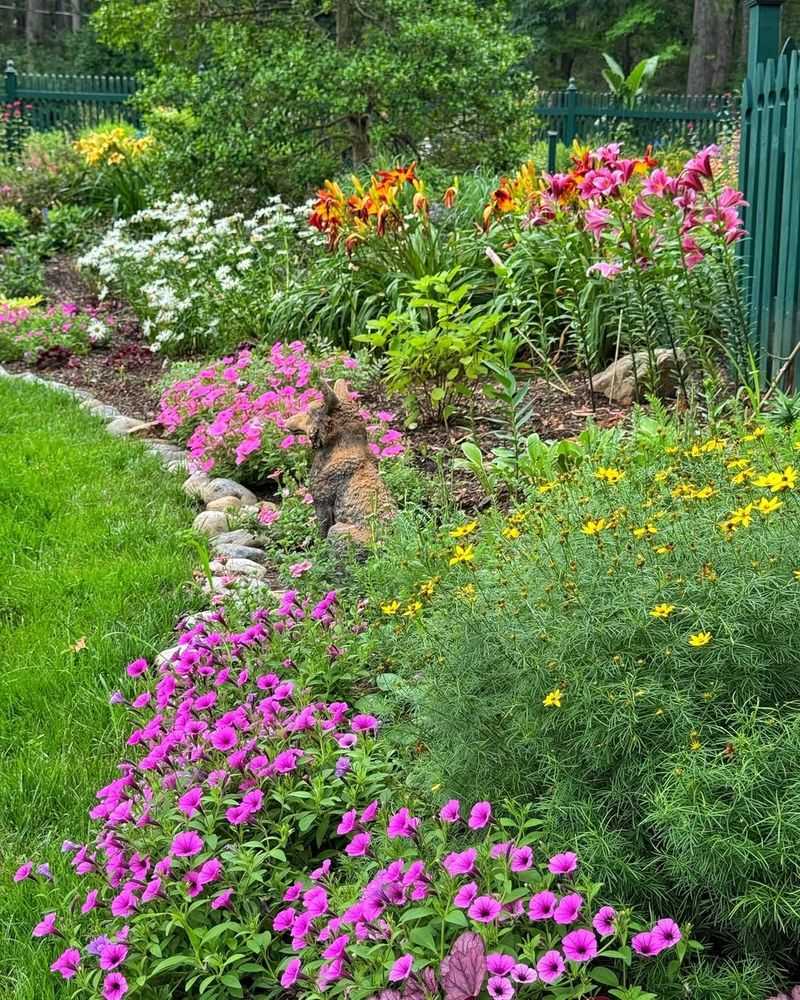
Perennial plants that come back year after year develop extensive root systems that reach deep into the soil, storing carbon far below the surface where it remains stable for decades.
Unlike annual plants that you replant each season, perennials invest energy into building roots that penetrate compacted layers and create pathways for water and air.
These roots constantly shed cells and release compounds that feed soil organisms, which convert them into long-lasting carbon stores.
Florida offers excellent conditions for growing perennials like coontie, muhly grass, blanket flower, and beach sunflower.
These native plants are adapted to local conditions and require minimal care once established.
Their roots can extend several feet down, reaching moisture and nutrients that shallow-rooted plants miss while simultaneously pumping carbon into deeper soil layers through root exudates and decomposing root material.
Replacing sections of traditional lawn with perennial gardens reduces maintenance while dramatically increasing soil carbon over time.
The diverse root structures of different perennial species work at various depths, creating a layered effect that builds carbon throughout the soil profile.
This diversity also supports beneficial fungi and bacteria that form networks connecting plant roots and helping them share resources.
Homeowners across south Florida have transformed their yards by incorporating more perennials into their landscapes.
They report lower water bills, less time spent on yard work, and soil that becomes noticeably darker and richer as years pass, showing visible evidence of increased organic matter and carbon content beneath the surface.
6. Create A Worm Composting System For Kitchen Scraps
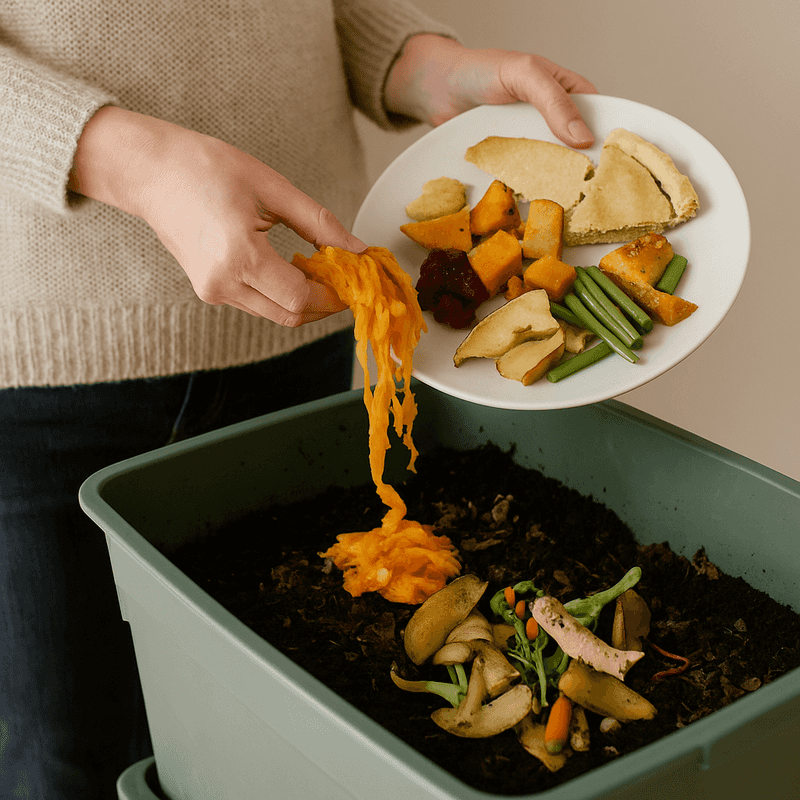
Worms are nature’s recycling champions, transforming kitchen waste into nutrient-rich castings that are loaded with stable carbon compounds.
Setting up a worm bin allows Florida residents to process food scraps right at home, producing high-quality compost that adds significant amounts of carbon to garden soil.
Worm castings contain more carbon in forms that resist breaking down quickly, meaning they provide long-term benefits to soil structure and fertility.
Red wiggler worms thrive in Florida’s climate and can live comfortably in a simple bin kept in a garage, under a porch, or in a shaded outdoor area.
These worms eat roughly half their body weight in food scraps daily, converting vegetable peels, coffee grounds, and fruit waste into dark, crumbly castings.
The process happens without odors when managed properly, and the resulting material is one of the best soil amendments you can use.
Adding worm castings to your garden beds or mixing them into potting soil introduces beneficial microorganisms along with carbon-rich organic matter.
The castings improve water retention and provide slow-release nutrients that plants access over time.
Many Florida gardeners harvest castings every few months and spread them around their most prized plants for an extra boost.
Residents in urban areas like Miami and Tampa find worm composting especially valuable because it handles food waste without taking up much space or requiring a large outdoor compost pile.
The carbon captured in worm castings helps build healthier soil even in small container gardens or raised beds common in city yards.
7. Reduce Tillage And Avoid Disturbing Soil Unnecessarily
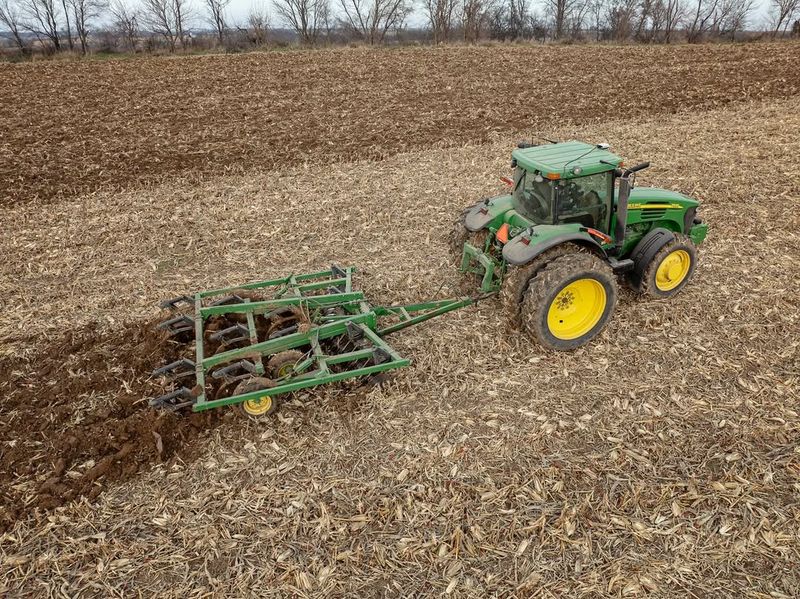
Every time you turn over soil with a tiller or shovel, you expose carbon to air and speed up its breakdown by microorganisms.
This releases carbon dioxide into the atmosphere instead of keeping it stored safely underground.
Minimizing soil disturbance is one of the most effective strategies for protecting and building soil carbon, allowing organic matter to accumulate naturally without being disrupted.
No-till or low-till gardening has gained popularity among Florida homeowners who want healthier soil with less work.
Instead of turning over beds each season, you simply add layers of compost or mulch on top and let worms and microbes incorporate it naturally.
This approach preserves the soil structure, keeps beneficial organisms undisturbed, and maintains the networks of fungal threads that help plants access nutrients while storing carbon.
When you absolutely need to plant something, use a narrow trowel or dibber to make just a small hole rather than turning over entire sections.
This targeted approach minimizes disruption while still allowing you to add new plants.
Over time, undisturbed soil develops better structure with more pore spaces that hold both air and water, creating ideal conditions for root growth and carbon storage.
Florida gardeners practicing no-till methods report soil that becomes increasingly easy to work with as earthworms and other organisms do the heavy lifting.
Communities throughout the state have embraced these techniques, finding that reduced tillage leads to less erosion during heavy rains and soil that retains its carbon content year after year.
8. Incorporate Biochar Into Your Planting Areas
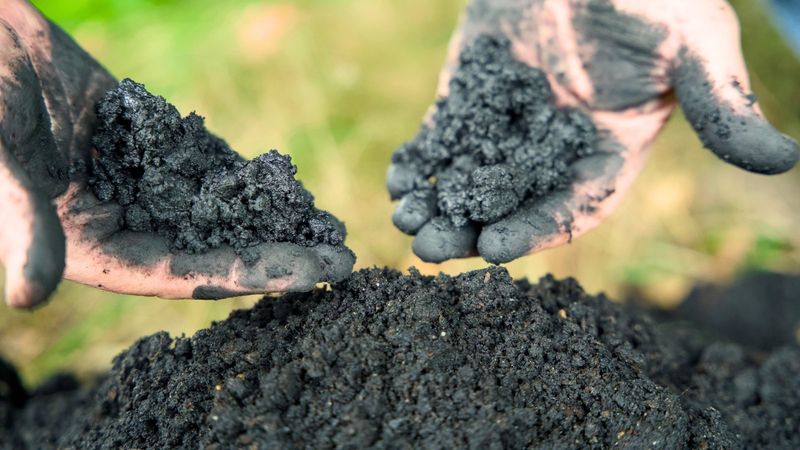
Biochar is charcoal made specifically for soil improvement, created by heating organic materials in a low-oxygen environment.
This process locks carbon into a stable form that can remain in soil for hundreds or even thousands of years, making it an incredibly effective tool for long-term carbon storage.
When mixed into garden beds, biochar creates tiny pockets that hold water and nutrients while providing habitat for beneficial microorganisms.
Florida’s sandy soils benefit tremendously from biochar because it improves water retention and nutrient-holding capacity.
The porous structure of biochar acts like a sponge, capturing moisture during rainy periods and releasing it slowly during dry spells.
This characteristic is especially valuable during Florida’s intense summer heat when plants can quickly become stressed without adequate moisture.
You can purchase biochar from garden centers or make your own using approved methods, though buying it is usually more convenient for most homeowners.
Mix biochar into the top six inches of soil at a rate of about 5 to 10 percent by volume, or blend it with compost before applying.
The carbon in biochar won’t break down like regular organic matter, so it provides permanent improvement to soil structure.
Gardeners throughout Florida have experimented with biochar and noticed that plants grow more vigorously in amended areas.
The material also reduces nutrient leaching, which is a common problem in sandy soils where fertilizers wash away quickly.
By keeping nutrients available longer and storing carbon permanently, biochar offers a powerful solution for building healthier, more productive Florida yards.