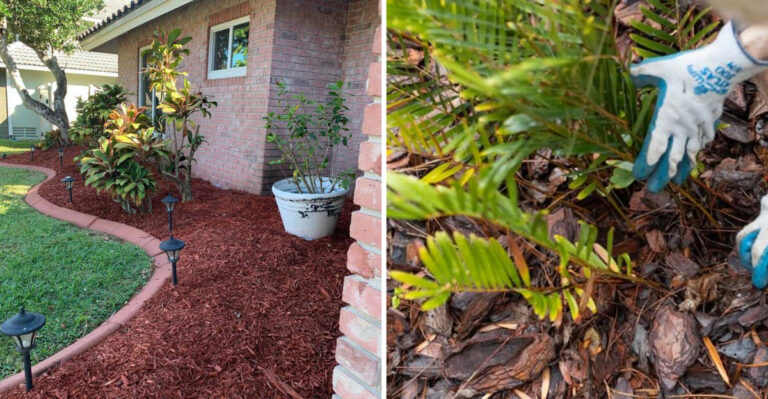
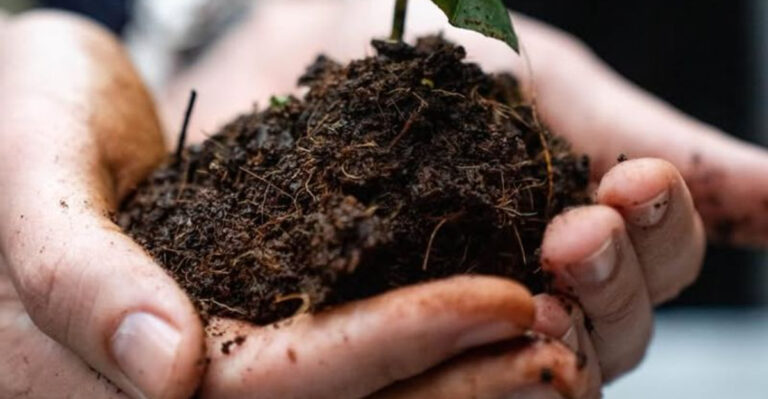
How Floridians Are Making Their Christmas Cactus Bloom Like Crazy

Floridians unlock a powerhouse display from their Christmas cactus each holiday season, and the results stop guests in their tracks.
Homes across the state now showcase plants that burst into bloom with bold reds, pinks, and whites that rival any festive décor.
Coastal humidity, warm days, and clever light control give these cacti the exact cues they crave, and Floridians take full advantage of every natural advantage the climate offers.
A simple shift in placement, a steady routine, and a knack for timing turn an ordinary plant into a showpiece that steals the spotlight.
As the holidays draw near, residents across the Sunshine State proudly reveal dazzling cascades of flowers that prove a Christmas cactus can outshine the tree itself when cared for with skill, patience, and a little Florida magic.
Managing Light Exposure with Florida’s Intense Sunshine
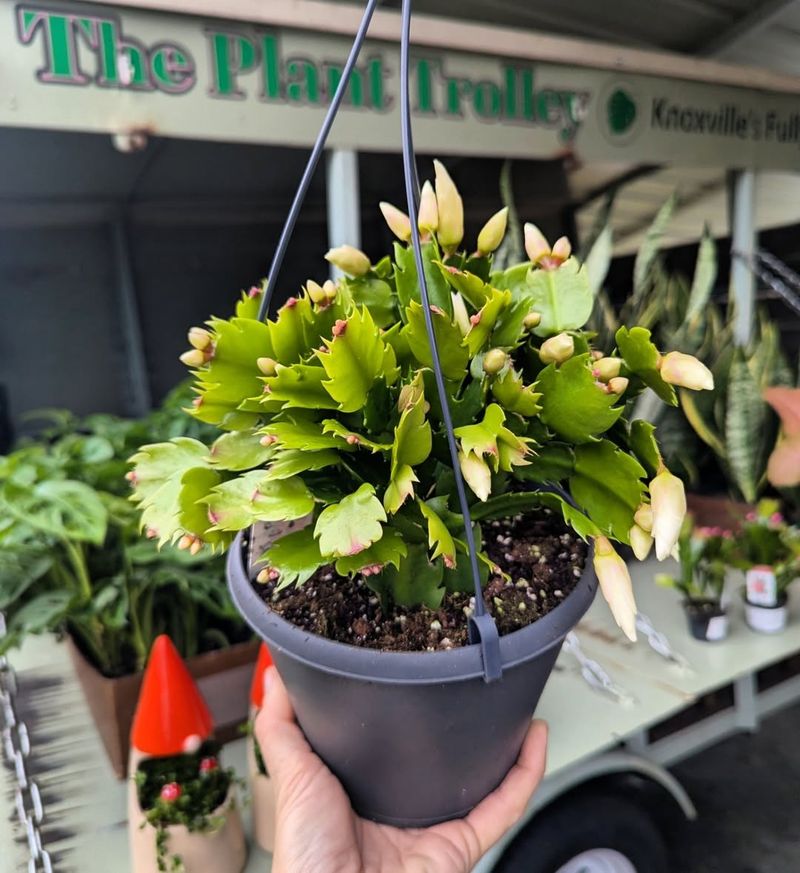
Bright but indirect light makes all the difference when growing Christmas cacti in the Sunshine State.
Florida’s powerful sun can easily scorch these delicate plants if they receive too much direct exposure.
Many successful growers place their cacti near east-facing windows where morning light is gentler, or they use sheer curtains to filter harsh afternoon rays.
Some creative Floridians position their plants under covered patios or beneath larger trees that provide natural shade throughout the day.
This mimics the plant’s native Brazilian rainforest environment where dappled sunlight filters through the canopy.
The key is finding that sweet spot where your cactus gets enough brightness to photosynthesize but not so much that its segments turn reddish or develop brown spots.
During fall months when you want to trigger blooming, reducing light exposure to around 12-14 hours of darkness each night becomes crucial.
Many Florida gardeners move their plants to spare bedrooms or closets during evening hours to ensure complete darkness.
This light manipulation signals the plant that shorter days have arrived, prompting it to produce those gorgeous blooms.
Consistency matters more than perfection, so stick with your lighting routine for at least six weeks before expecting buds to form.
Temperature Tricks That Trigger Abundant Flowering
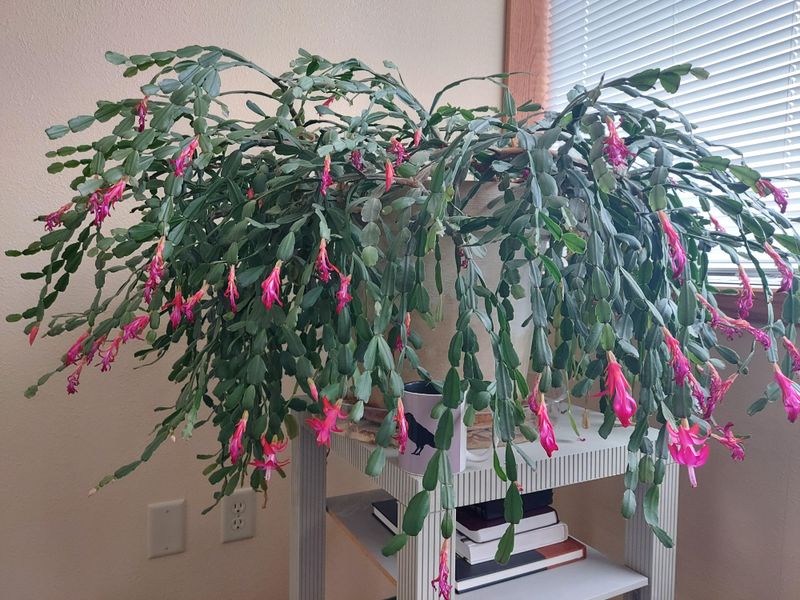
Cool nighttime temperatures work like magic for encouraging Christmas cactus blooms, and Florida evenings provide the perfect opportunity.
Even in the subtropics, temperatures during October and November often drop into the comfortable 55-65 degree range at night.
Smart growers take advantage of this natural cooling by placing their plants outdoors on screened porches or covered lanais during these months.
The temperature difference between day and night acts as a natural signal that winter is approaching, which prompts the cactus to start forming flower buds.
This mimics the seasonal changes these plants experience in their native mountain habitats.
If you live in South Florida where nights stay warmer, consider moving your plant to the coolest room in your house, perhaps one with air conditioning set to a moderate temperature.
Avoid placing your Christmas cactus near heating vents, fireplaces, or appliances that generate warmth during the bud formation period.
Sudden temperature fluctuations can cause buds to drop before they open, which is heartbreaking after weeks of careful preparation.
Maintaining stable conditions once buds appear is just as important as the initial cooling period.
Many Floridians find that their plants naturally receive perfect temperatures on enclosed porches where they’re protected from extreme weather but still experience seasonal changes.
Watering Wisdom For Florida’s Humidity Levels
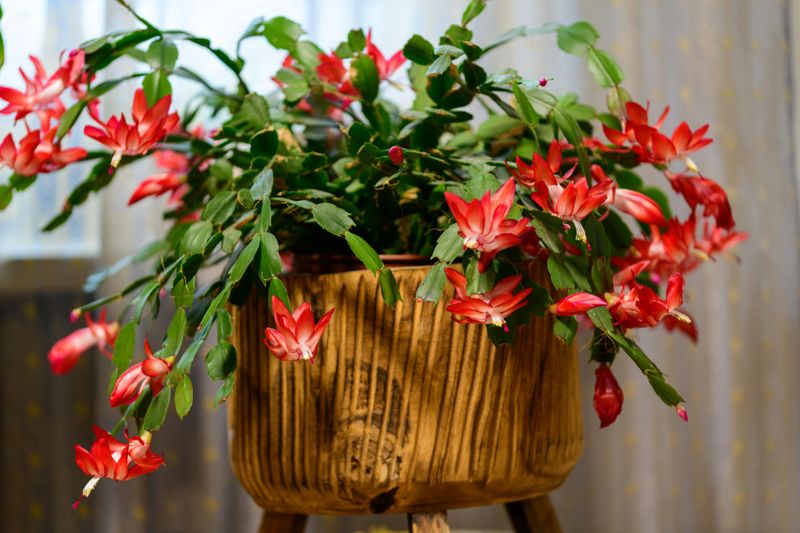
Balancing moisture needs in Florida’s humid climate requires a different approach than in drier regions.
Christmas cacti are epiphytes that naturally grow on trees, so they prefer their roots to dry out slightly between waterings.
Florida’s high humidity means the soil stays moist longer, so many growers here water less frequently than care guides typically recommend.
Experienced plant owners check their cacti by feeling the soil an inch below the surface before adding water.
If it feels damp, they wait another few days.
During the fall bloom-triggering period, slightly reducing water intake can actually help stimulate flower production, though you never want the segments to shrivel or wrinkle.
The type of water you use matters too, especially in areas with hard tap water.
Some Floridians collect rainwater during afternoon thunderstorms to give their plants a mineral-free drink.
Others let tap water sit overnight so chlorine can evaporate before using it on their precious cacti.
When buds start forming, return to regular watering schedules to support the energy-intensive blooming process.
Consistent moisture during flowering helps blooms last longer and appear more vibrant.
Always use pots with drainage holes because sitting in waterlogged soil is one of the fastest ways to damage your plant’s root system, even in Florida’s forgiving climate.
Fertilizing Schedules That Fuel Flower Production
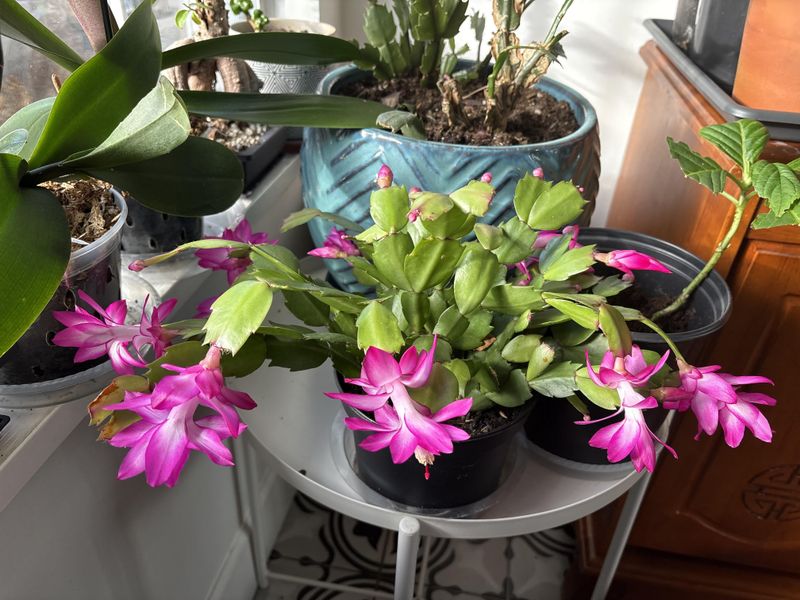
Proper nutrition gives your Christmas cactus the energy reserves needed to produce impressive flower displays.
Florida growers have learned that timing fertilizer applications makes a huge difference in bloom quantity and quality.
During spring and summer growing seasons, feeding every two to four weeks with a balanced, water-soluble fertilizer helps build strong, healthy segments.
Many successful gardeners switch to a bloom-boosting formula higher in phosphorus starting in late August or early September.
This prepares the plant for the upcoming flowering season by providing nutrients specifically needed for bud development.
Look for fertilizers labeled for flowering houseplants with an NPK ratio like 10-30-20 or similar formulations.
Come October, stop fertilizing altogether to help trigger the blooming cycle.
This rest period combined with reduced light and cooler temperatures signals the plant to shift from vegetative growth to reproductive mode.
Once buds have formed and started opening, you can resume very light feeding to help sustain the blooms.
Always dilute fertilizer to half the recommended strength because Christmas cacti are sensitive to salt buildup, which Florida’s naturally mineral-rich water can compound.
Flushing the soil with plain water every few months helps prevent fertilizer accumulation.
Organic options like diluted fish emulsion or worm tea work beautifully and are gentler on these somewhat delicate plants.
Choosing The Right Potting Mix For Drainage

Soil composition can make or break your Christmas cactus success, especially in Florida’s moisture-heavy environment.
Regular potting soil holds too much water for these epiphytic plants, leading to root problems and poor blooming.
The best mixes combine ingredients that provide excellent drainage while still retaining some moisture between waterings.
Many Florida gardeners create custom blends using equal parts quality potting soil, perlite, and orchid bark.
This combination allows air to circulate around roots while preventing the soggy conditions that these plants absolutely cannot tolerate.
Some add a handful of coarse sand or pumice for even better drainage, which is particularly helpful during Florida’s rainy season.
Commercial cactus and succulent mixes work well too, though Christmas cacti prefer slightly more organic matter than desert cacti.
You can improve bagged cactus mix by adding about 20 percent regular potting soil or coconut coir.
The goal is creating a growing medium that drains within seconds of watering but doesn’t become bone dry immediately.
Repotting every two to three years in fresh mix keeps your plant healthy and blooming reliably.
Choose a container only slightly larger than the current one because Christmas cacti actually bloom better when slightly rootbound.
Spring, right after flowering finishes, is the ideal time for repotting since the plant has months to establish before the next bloom cycle begins.
Protecting Plants From Florida’s Unpredictable Weather
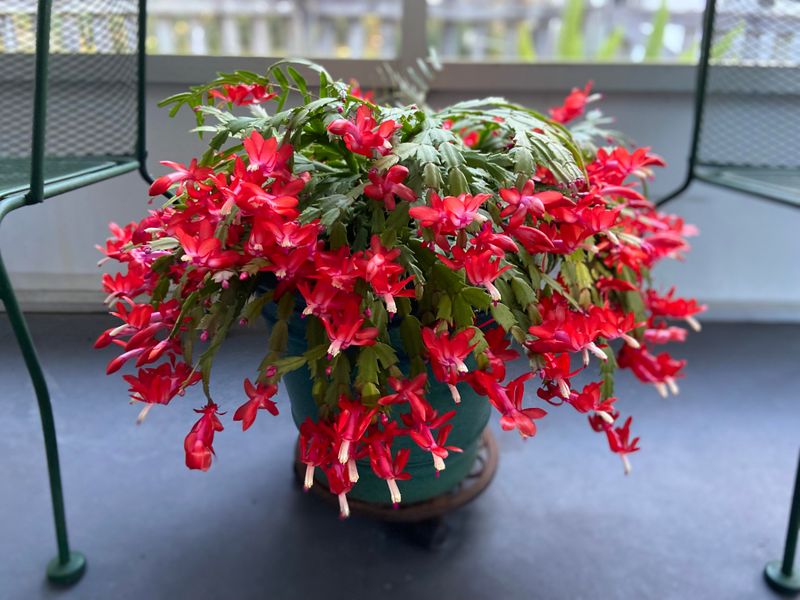
Weather in the Sunshine State can change dramatically within hours, and your Christmas cactus needs protection from these extremes.
While cooler fall temperatures benefit bloom production, sudden cold snaps can damage or stress plants left outdoors.
Floridians who keep their cacti outside during optimal months stay vigilant about weather forecasts, especially from November through March.
Screened enclosures and covered patios offer ideal protection, shielding plants from direct rainfall while allowing them to enjoy natural temperature fluctuations.
Too much rain can oversaturate the soil, leading to root issues that prevent blooming.
During particularly wet periods, some growers temporarily move their plants under deeper overhangs or bring them indoors until conditions improve.
Strong winds from tropical storms and hurricanes pose another risk, potentially breaking the brittle segments or knocking over pots.
Securing plants in protected areas before storms arrive prevents damage that could set back blooming for an entire season.
After any severe weather event, check your cactus carefully for broken segments or signs of stress.
In North Florida where occasional freezes occur, bringing plants indoors when temperatures threaten to drop below 50 degrees is essential.
Even brief exposure to freezing conditions can cause permanent damage.
Many gardeners keep their Christmas cacti mobile by using wheeled plant stands, making it easy to shuttle them between indoor and outdoor locations as weather dictates.
Pruning And Shaping For Maximum Bud Development
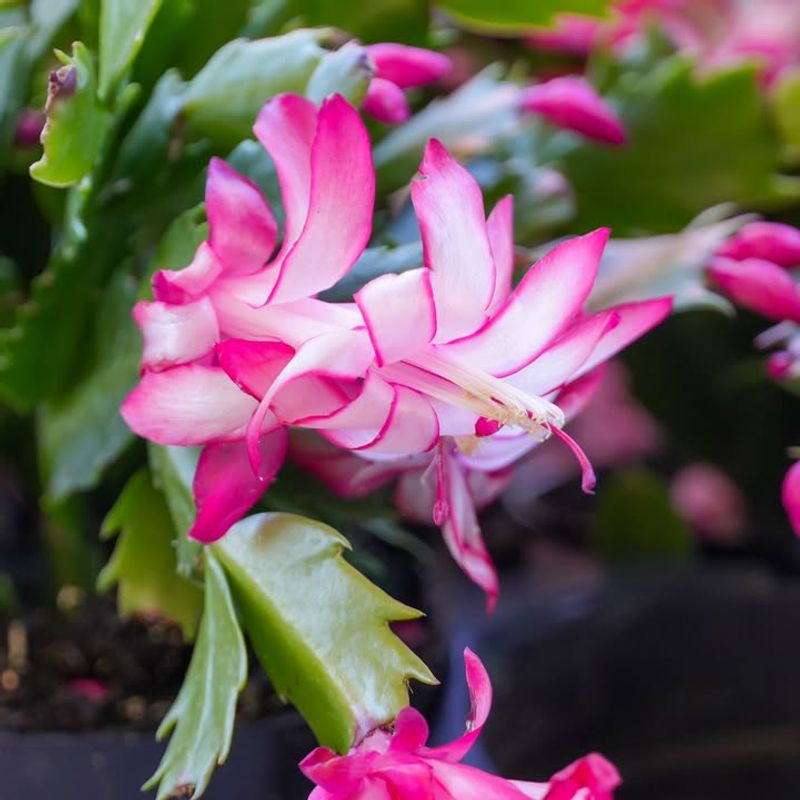
Strategic trimming encourages bushier growth and more flowering points on your Christmas cactus.
The best time for pruning is late spring or early summer, right after the plant finishes blooming and before new growth begins.
This gives your cactus plenty of time to develop new segments that will produce flowers during the next bloom cycle.
Simply twist off segments at their natural joints rather than cutting them with scissors or shears.
Removing one or two segments from each stem encourages the plant to branch out, creating a fuller appearance with more potential bloom sites.
Those removed pieces can be rooted in moist soil to create new plants, which many Floridians do to expand their collections or share with friends.
Leggy or uneven growth benefits from more aggressive shaping to maintain an attractive form.
Don’t worry about being too harsh because these resilient plants bounce back quickly in Florida’s favorable growing conditions.
Some growers remove up to a third of the plant’s total length during annual pruning sessions.
Throughout the growing season, pinch off any damaged or discolored segments to keep your plant looking its best.
This also redirects energy toward healthy growth rather than maintaining struggling parts.
Come fall, resist the urge to prune because any segments removed close to bloom time represent lost flowering opportunities.
Patience during autumn months pays off with spectacular displays of colorful blooms.