How Georgia Gardeners Are Adjusting Watering As Spring Warms Up
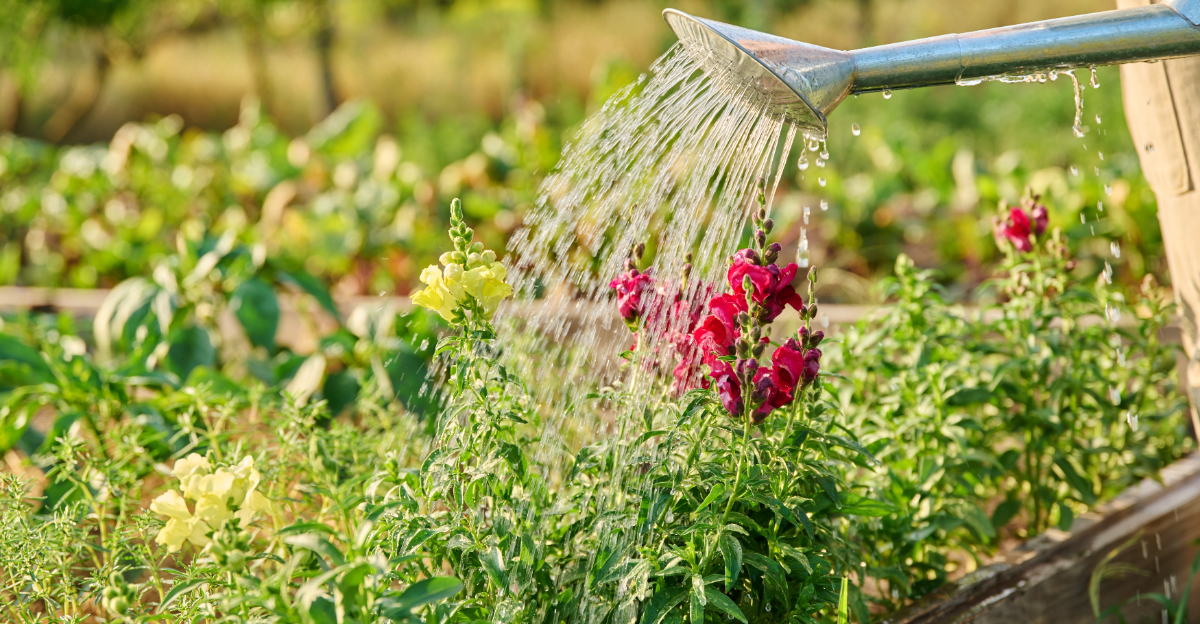
Watering habits in Georgia tend to shift as spring warms up, even when everything looks fine at first. What worked earlier in the season does not always match what plants need once temperatures rise and soil starts to dry out faster.
You can see the change in how quickly moisture disappears and how plants respond from one week to the next. The same routine can suddenly feel off without any clear warning.
Many gardens stay steady through this transition because small adjustments are made at the right time. Others fall out of balance simply because watering does not keep up with changing conditions.
That shift becomes more noticeable as the season moves forward, especially when warmer days start to settle in.
1. Watering Less Often But More Deeply As Temperatures Rise
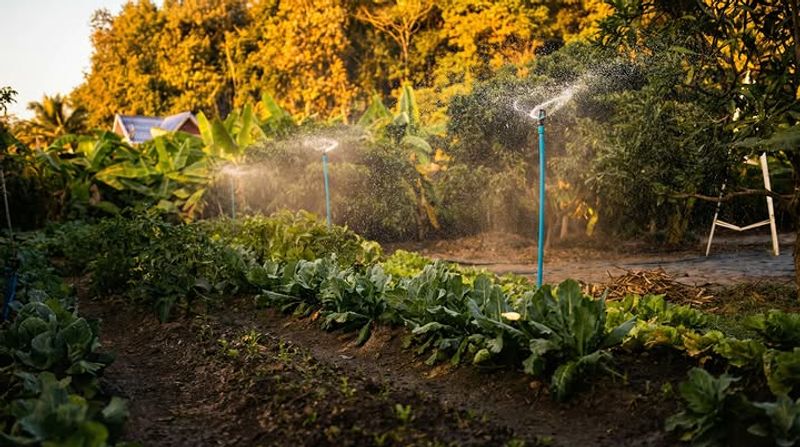
Shallow watering is one of the sneakiest ways to stress your garden without even realizing it. When you only wet the top inch or two of soil, roots stay close to the surface where the heat hits hardest.
As Georgia temperatures climb through spring, that surface moisture vanishes fast, leaving roots exposed and plants struggling before the afternoon even peaks.
Deep watering means soaking the soil down six to eight inches so roots follow moisture downward. That depth keeps them cooler and more stable during the warm stretches Georgia sees from April onward.
A slow, steady soak works far better than a quick spray, especially in the red clay soils common across middle and north Georgia where water needs time to actually penetrate.
Cutting back watering frequency while increasing the amount per session is the practical adjustment most experienced Georgia gardeners make as spring heats up.
Instead of watering every day for five minutes, try every three to four days for twenty to thirty minutes depending on your soil type and plant needs.
Sandy soils drain faster and may need more frequent sessions, while clay holds moisture longer but can also waterlog if overdone.
Checking how deep the water actually reaches after each session helps you fine-tune your schedule. Push a wooden dowel or screwdriver into the soil after watering.
2. Checking Soil Moisture Before Reaching For The Hose
Grabbing the hose out of habit is something almost every gardener has done, but watering on a schedule without checking actual soil conditions often causes more harm than skipping a day.
Overwatering is a surprisingly common problem in Georgia spring gardens, especially during years with unpredictable rainfall mixed in between dry spells.
The simplest check costs nothing. Push your finger about two inches into the soil near the root zone of your plants.
If it feels moist and cool, hold off watering. If it comes out dry and crumbly, it’s time.
That two-second test can save gallons of water and prevent the root problems that come with soggy, poorly aerated soil.
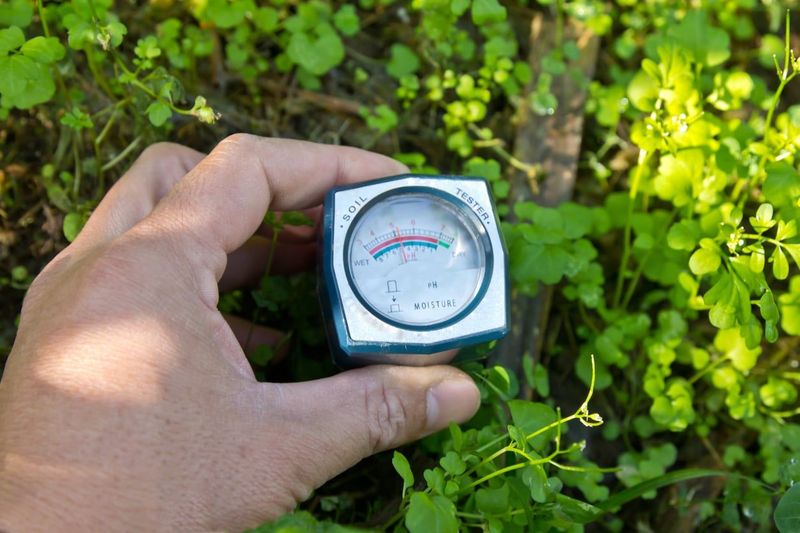
Soil moisture meters are worth considering if you want a more consistent read, especially for containers or raised beds where moisture levels shift faster than in-ground gardens.
Your Georgia Garden Changes Every Week. Your Plan Should Too.
Gardening in Georgia changes quickly throughout the season. Every Friday you’ll receive a simple weekly plan showing exactly what to plant, prune, fertilize, harvest, and protect so you never miss the right timing.
Basic meters run inexpensive at most garden centers across Georgia and give you a reliable reading without guesswork.
They’re particularly useful for newer gardeners still learning how their specific soil behaves.
Keep in mind that different plants in the same bed can have very different moisture needs. Tomatoes want consistent moisture, while herbs like rosemary and thyme prefer drying out between waterings.
3. Switching To Early Morning Watering To Reduce Loss
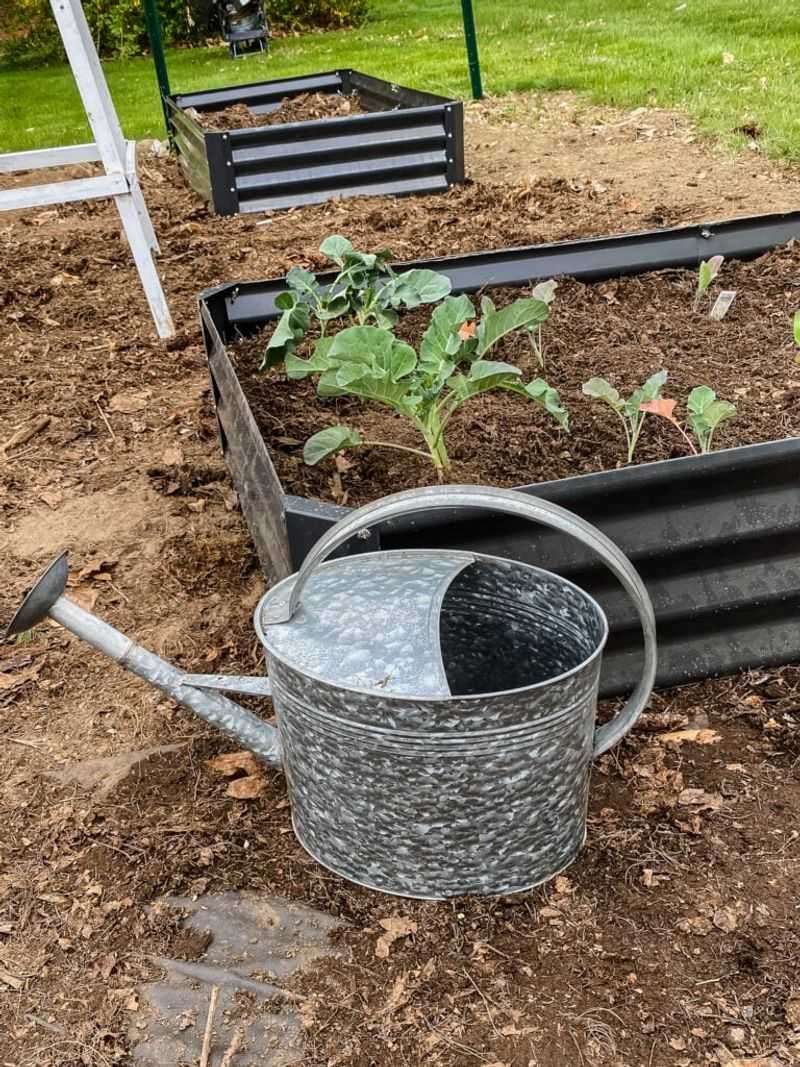
Watering at the wrong time of day quietly wastes more water than most people expect.
When you water during midday or early afternoon in Georgia, evaporation pulls a significant portion of that moisture off the soil surface before roots ever get the chance to absorb it.
On a hot spring day, that loss adds up fast.
Early morning, somewhere between 6 and 9 a.m., is the sweet spot for Georgia gardeners. Temperatures are cooler, wind is usually calm, and the soil has had the night to cool down slightly, which means water soaks in more efficiently.
Plants also start their most active growth period in the morning, so having moisture available right at that window supports healthy development.
Evening watering is often suggested as an alternative, but it carries a real downside in Georgia’s humid spring climate. Wet foliage sitting overnight in warm, humid air creates conditions where fungal issues like powdery mildew and leaf spot can develop more easily.
Morning watering gives leaves time to dry out naturally as the day warms up, which reduces that risk considerably.
Adjusting your routine to mornings might take a bit of habit-building, especially if you’re used to evening garden sessions. Setting a simple reminder or prepping your hose and drip system the night before makes the switch easier.
4. Adjusting Watering Based On Rainfall Changes
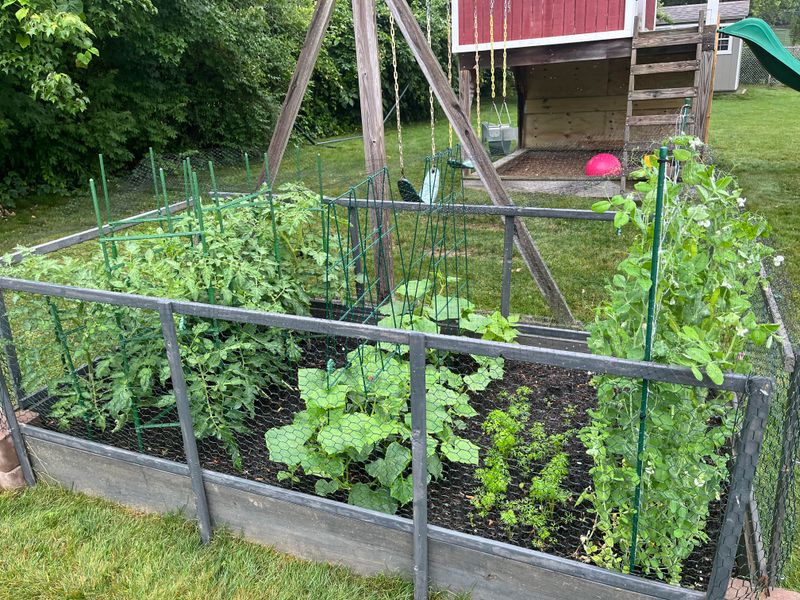
Spring rainfall in Georgia is anything but predictable. One week might bring two inches of rain, and the next three weeks could be bone dry.
Treating your watering schedule like a fixed routine without accounting for actual rainfall is one of the fastest ways to either underwater or overwater your plants during this season.
A simple rain gauge is one of the most useful tools you can add to a Georgia garden. Placed in an open spot away from trees and roof overhangs, it gives you an honest measure of how much rain actually reached your soil after each storm.
An inch of rainfall typically means you can hold off watering for a day or two, depending on temperature and soil type.
Pairing rainfall tracking with soil moisture checks gives you the clearest picture of what your garden actually needs. Rain can look heavy but deliver less water than expected if it falls fast and runs off rather than soaking in.
Rainfall can vary even within the same yard, especially near trees or structures that block or redirect water. Paying attention to how different areas respond after a storm helps you avoid overwatering spots that already stay damp longer.
Over time, this simple habit makes your watering routine more accurate and keeps plants from slipping into stress as conditions shift.
5. Watching Plants Closely For Early Signs Of Stress
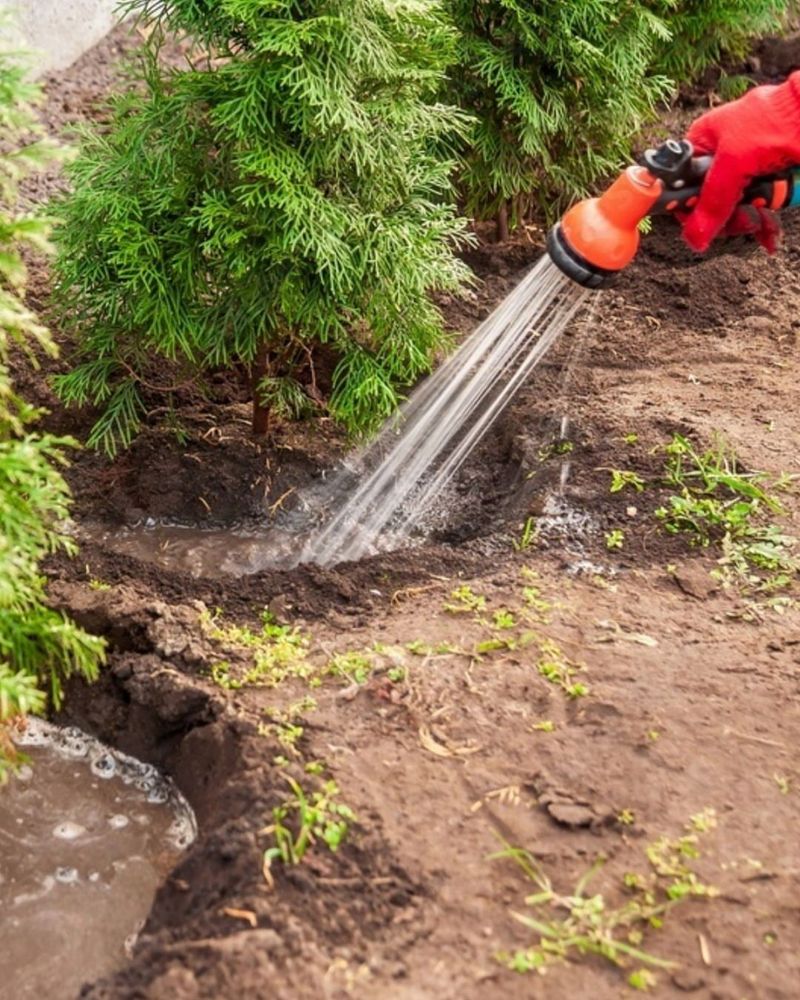
Plants communicate more clearly than most people give them credit for.
Catching stress signals early in spring, before they escalate into serious problems, is one of the most valuable skills a Georgia gardener can develop as temperatures start climbing toward summer levels.
Wilting is the most obvious sign, but context matters. If leaves droop during the hottest part of a Georgia afternoon and then recover by evening, that’s often normal heat response rather than a water shortage.
Wilting that persists into the cooler evening hours is a stronger indicator that the plant genuinely needs water and isn’t just reacting to midday heat.
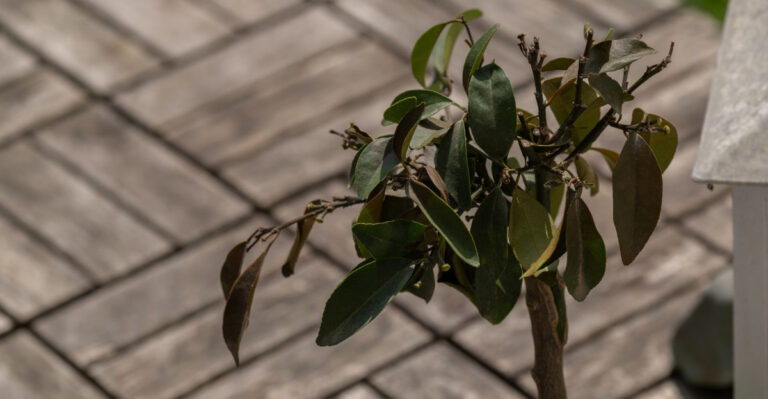
Leaf edges that curl inward, turn slightly yellow, or develop a dull rather than glossy appearance are subtler signs worth noting. These changes can signal moisture stress building up over several days rather than showing up all at once.
Catching them early means you can adjust your watering before root systems are significantly affected.
Soil pulling away from container edges or cracking around in-ground plants is another reliable visual cue that moisture levels have dropped too low. In Georgia’s clay-heavy soils, visible cracking often means the upper root zone has been dry for longer than ideal.
6. Adding Mulch To Help Soil Hold Moisture Longer
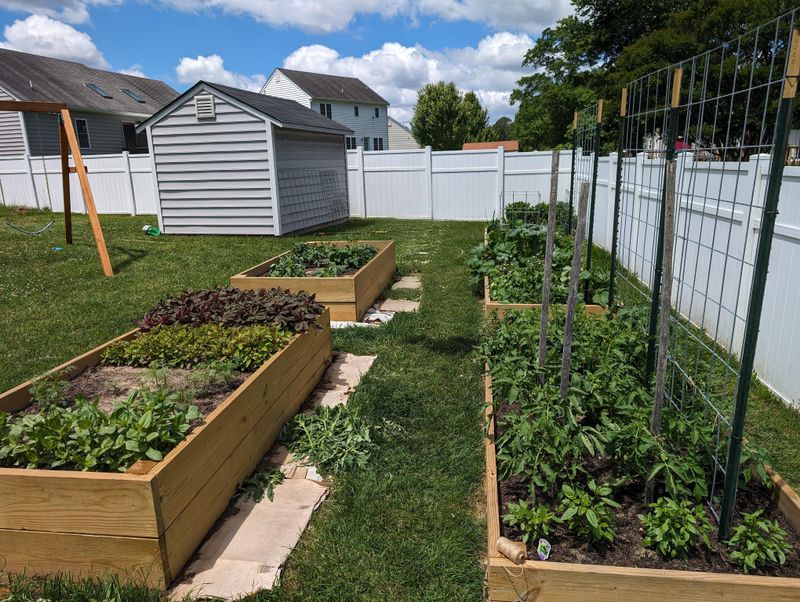
Bare soil in a Georgia spring garden loses moisture faster than most gardeners expect.
Direct sun and warm breezes pull surface water out of unprotected soil within hours of watering, which means your plants spend more time moisture-stressed between sessions than they need to.
A two to three inch layer of mulch changes that dynamic significantly. It shades the soil surface, slowing evaporation and keeping root zones noticeably cooler during warm spring afternoons.
Pine straw is widely used across Georgia because it’s affordable, breaks down slowly, and stays in place without compacting.
Shredded hardwood bark and wood chip mulches work well too, particularly in vegetable beds where you want a bit more moisture retention.
Keeping mulch a few inches away from plant stems matters more than many people realize. Mulch packed directly against stems can trap moisture against tender tissue and encourage rot, which is especially worth watching in Georgia’s humid spring air.
A small gap around each stem lets air circulate while still protecting the surrounding soil.
Applying mulch right after watering, when the soil is already moist, locks that moisture in from the start rather than trying to retain soil that’s already partially dried out.
Refreshing your mulch layer at the beginning of spring, before temperatures really climb, gives your garden a head start on moisture management for the whole season.
7. Reducing Frequent Light Watering As Heat Builds
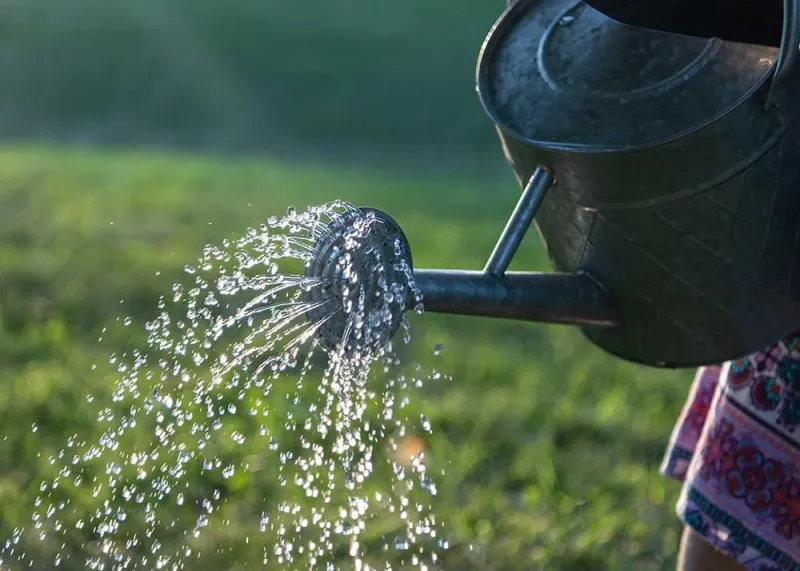
Light, frequent watering feels like attentive gardening, but as Georgia spring temperatures build toward summer, it actually works against your plants more than it helps.
Wetting only the top layer of soil repeatedly trains roots to stay shallow, which leaves them more vulnerable when heat intensifies and surface moisture disappears quickly.
Switching from daily light watering to less frequent but deeper sessions is an adjustment that pays off noticeably by late spring.
Roots that are encouraged to grow deeper find cooler, more stable soil moisture that doesn’t fluctuate as dramatically with daily temperature swings.
Georgia’s red clay soils can hold moisture well at depth, but only if you’re actually getting water down that far.
A useful way to transition is to start stretching your watering intervals by one day at a time while increasing the duration of each session.
If you’ve been watering every day for ten minutes, try every two days for twenty minutes and observe how your plants respond over the following week.
Most established vegetables and flowering plants handle that shift well once their root systems have time to adjust.
Containers and newly planted seedlings are exceptions worth noting. They dry out faster than in-ground plants and may still need attention every day or two during warm Georgia spring weather.