How Georgia Gardeners Are Using Rain Barrels To Cut Watering Costs
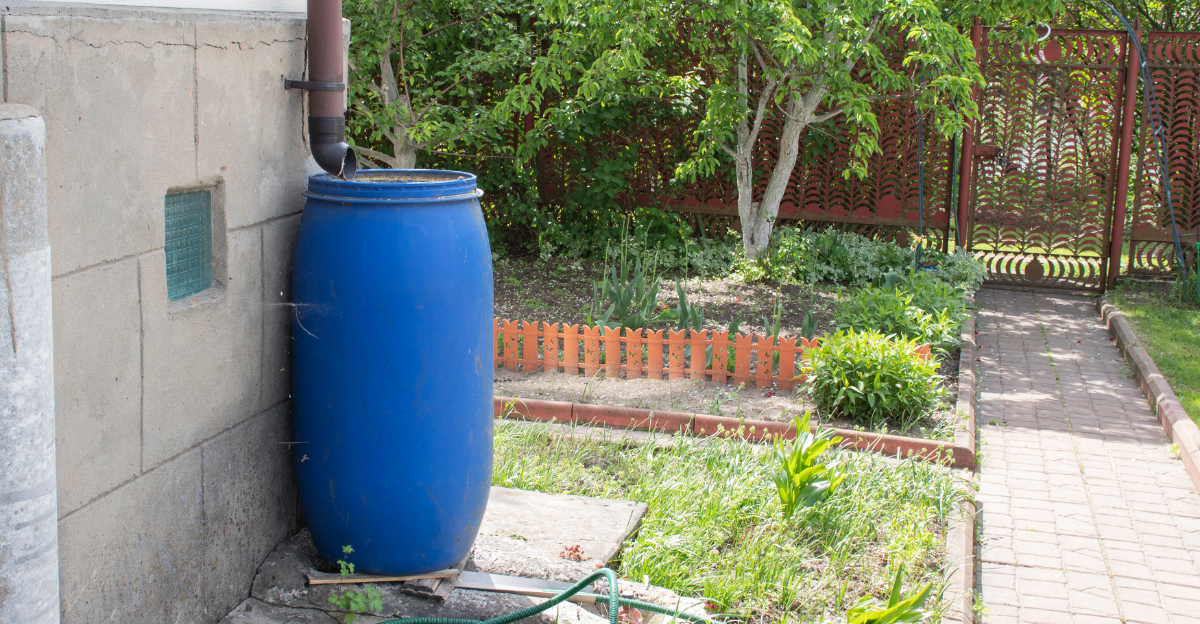
Watching the water bill climb after every hot week gets frustrating fast. Many gardens need extra watering, but that does not mean every drop has to come from the hose.
A simple change can stretch your budget while keeping plants healthy. Smart gardening is not always about spending more.
Sometimes it starts with using the rain that already falls in your yard.
Rain barrels are becoming a practical solution for many Georgia gardens during the growing season. Collected rainwater helps reduce outdoor water use and keeps extra money in your pocket over time.
The setup is easier than many expect, and the benefits start with the very first storm. A few simple changes today can make watering easier through the hottest weeks ahead.
1. Rainwater Can Replace Part Of Your Outdoor Water Use
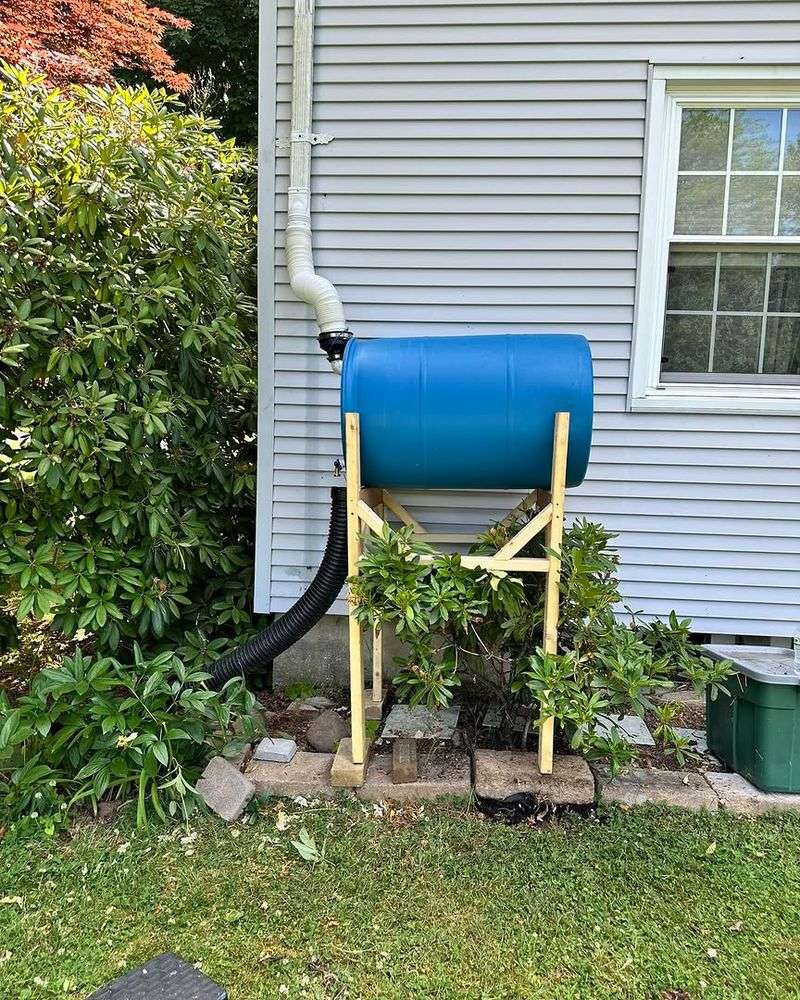
Outdoor watering is one of the biggest drivers of high summer water bills. A standard rain barrel holds around 50 to 75 gallons, and that adds up quickly over a season.
Captured rainwater works well for garden beds, container plants, and lawn edges. It won’t cover every watering need, but it can meaningfully reduce how often you pull from the tap.
Depending on your roof size and local rainfall, you could collect hundreds of gallons per month. A 1,000-square-foot roof sheds roughly 600 gallons for every inch of rain that falls on it.
That’s not a small amount. Paired with smart watering habits, a barrel or two can offset a noticeable chunk of your outdoor water use.
Keep realistic expectations, though. During dry stretches, barrels empty fast.
Supplementing with tap water during droughts is normal and expected.
Rain barrels work best as one part of a broader water-saving plan. Used consistently, they reduce pressure on your main water supply and lower monthly costs in a gradual, dependable way.
2. Roof Runoff Provides A Steady Source Of Free Water
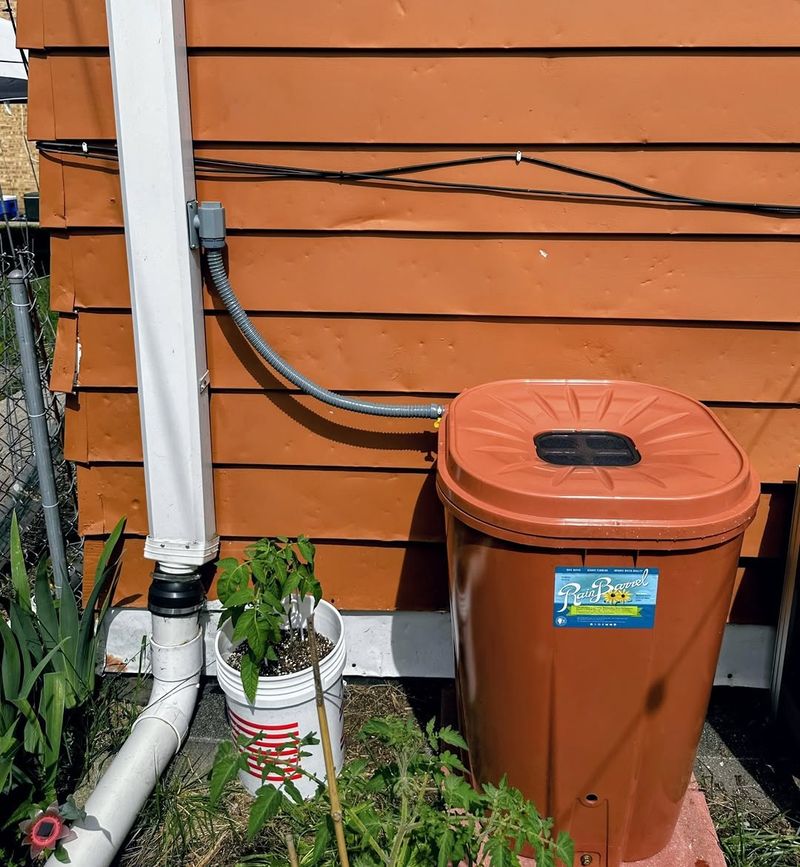
Your roof is already doing the collection work every time it rains. A downspout diverter simply redirects that flow into a barrel instead of letting it drain into the yard.
Asphalt shingles are the most common roofing material, and they work fine for collecting garden-use water. Just avoid using roof runoff on edible plants if your shingles are older or treated with algae-resistant coatings containing copper or zinc.
Gutter condition matters a lot here. Clogged or leaky gutters reduce how much water actually reaches your barrel and can introduce debris that clogs your spigot.
Cleaning gutters before rainy season helps maximize what you collect. A mesh screen at the barrel’s inlet also keeps out leaves, insects, and sediment.
In Georgia, spring and early fall tend to bring the most consistent rainfall. Setting up barrels before those seasons means you capture the most water when it’s available.
Positioning matters too. Barrels placed directly under a downspout fill faster and more efficiently than those set off to the side.
A well-positioned setup can fill a 55-gallon barrel in under an hour during moderate rain.
3. Stored Water Works Best On The Right Plants
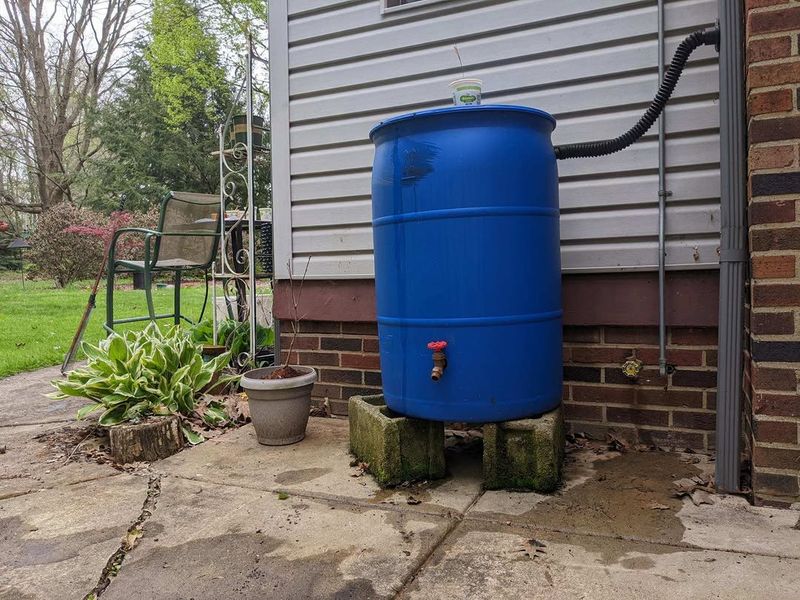
Not every plant benefits equally from stored rainwater, and knowing the difference saves both water and effort. Vegetables, herbs, flowers, and shrubs are all solid candidates.
Your Georgia Garden Changes Every Week. Your Plan Should Too.
Gardening in Georgia changes quickly throughout the season. Every Friday you’ll receive a simple weekly plan showing exactly what to plant, prune, fertilize, harvest, and protect so you never miss the right timing.
Rainwater is naturally soft and slightly acidic, which many garden plants prefer over treated tap water. Acid-loving plants like blueberries, azaleas, and gardenias tend to respond especially well to it.
Avoid using barrel water on seedlings that need sterile conditions or on plants already showing signs of root stress.
Stored water can carry low levels of bacteria and organic matter, which is generally fine for established plants but worth considering for delicate starts.
Lawn grass is a lower priority for barrel water simply because it requires so much volume. Focus stored water on high-value spots like raised beds and container gardens where every gallon counts most.
Fruit trees and berry bushes are great candidates too. They’re drought-tolerant once established but respond well to consistent moisture during fruiting season.
Matching your stored water to the right plants makes your barrel supply go much further. A little planning upfront means less waste and better results across your garden beds.
4. Simple Placement Improves How Much Water You Collect
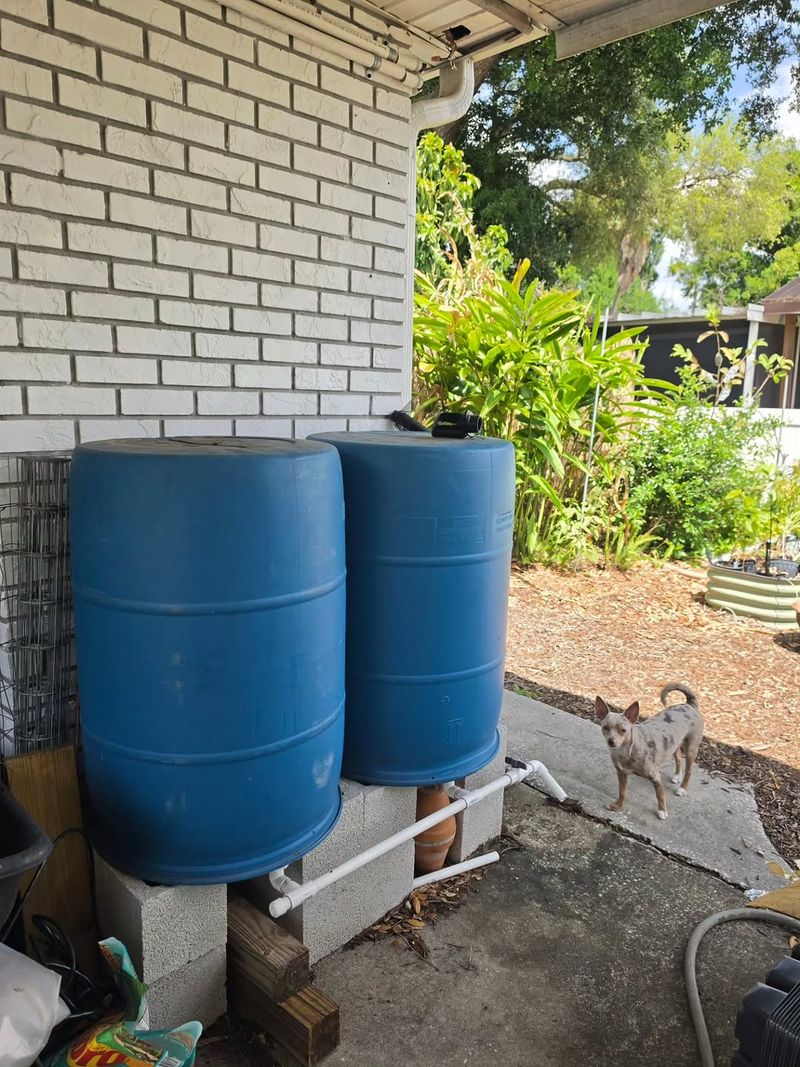
Where you put your barrel changes how well the whole system works. Placement affects both collection speed and how easily water flows out when you need it.
Set the barrel on a raised platform like cinder blocks or a sturdy wooden stand. Even six inches of elevation creates enough gravity pressure to fill a watering can without a pump.
Shade helps slow algae growth inside the barrel. Positioning near a north-facing wall or under a tree keeps the barrel cooler, especially during Georgia’s long, hot summers.
Pick a spot close to the garden you water most often. Hauling a heavy watering can across a large yard gets old fast, and a shorter path means you’ll actually use the system more consistently.
Make sure the ground beneath the barrel is level and firm.
An unstable surface under a full barrel creates a tipping risk, and a 55-gallon barrel full of water weighs over 450 pounds.
Check that the overflow outlet points away from your home’s foundation. Directing overflow toward a garden bed or lawn area puts extra water to use instead of letting it pool near the house.
5. Connecting Barrels Increases Water Between Rainstorms
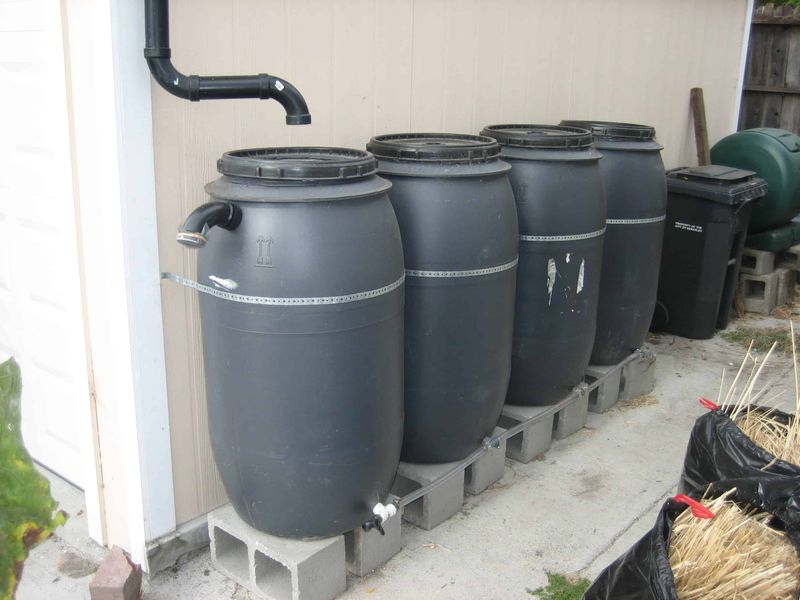
One barrel fills up faster than you’d expect. Linking two or more barrels together is one of the easiest ways to store more water without buying a completely new setup.
A simple overflow connector joins barrels at the same height so water flows between them automatically. When the first barrel reaches capacity, it feeds directly into the second one instead of spilling onto the ground.
Linked barrels are especially useful in areas that get heavy rainfall in short bursts. A single storm can fill a 55-gallon barrel in minutes, but two connected barrels double your storage without much extra cost.
Use food-grade hose or fittings rated for water storage when connecting barrels. Low-quality connectors can leach chemicals into the water or fail under pressure, so it’s worth spending a little more on reliable parts.
Keep both barrels on level, stable ground. Uneven surfaces can cause unequal filling and put stress on the connecting hose over time.
During dry spells across the South, having extra storage capacity means you’ll still have water on hand well after rainfall stops.
Two linked 55-gallon barrels can supply a modest garden for several days between storms, depending on plant type and watering frequency.
6. Basic Maintenance Keeps Stored Water Usable
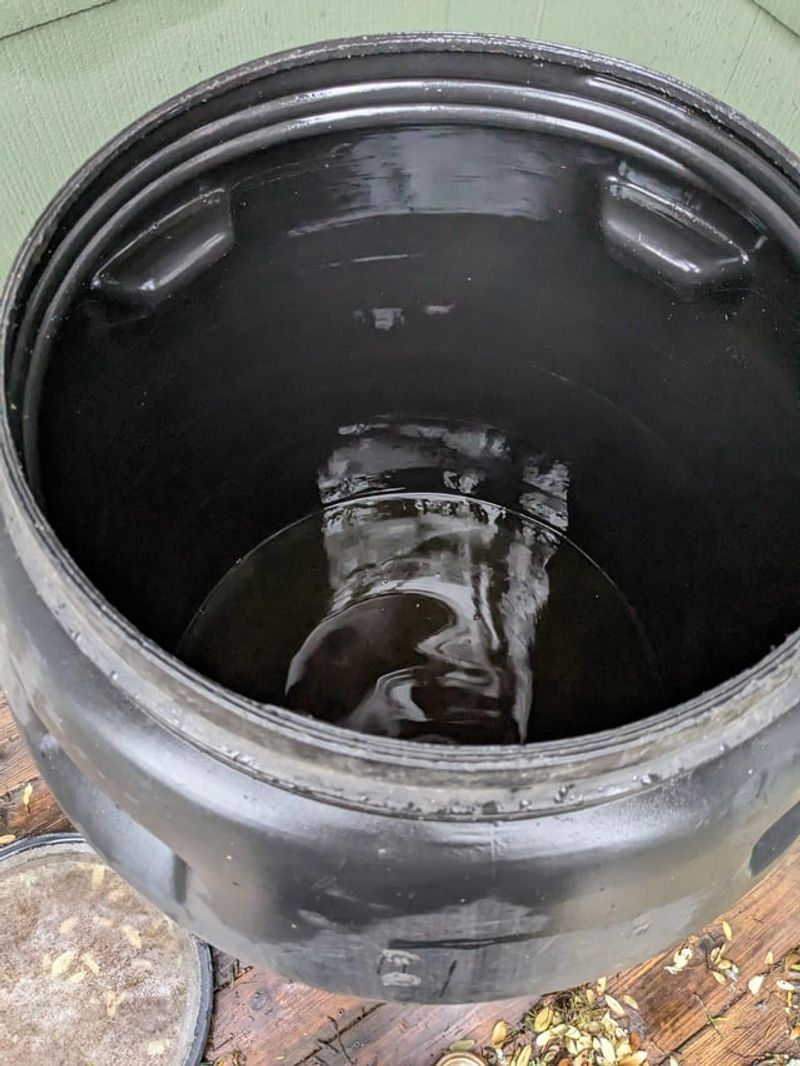
A rain barrel that isn’t maintained stops being useful pretty quickly. Sediment builds up, screens clog, and water quality drops if the barrel is ignored for too long.
Flush the barrel completely at least once or twice a season. Rinse out debris, check the spigot for blockages, and inspect the lid seal to make sure insects can’t get inside.
Mosquitoes breed in standing water within a week under warm conditions. A tight-fitting lid and a fine mesh screen over the inlet are your best defenses against turning your barrel into a breeding ground.
If algae appears inside the barrel, a diluted white vinegar rinse can help clear it without leaving harmful residue on garden plants. Avoid bleach in barrels used for edible garden watering.
Before winter, drain the barrel fully and store it upside down or bring it indoors. Freezing water expands and can crack plastic barrels, which shortens their lifespan significantly.
Check all fittings and hose connections at the start of each new season. Small leaks waste water and can erode the ground around the barrel base over time.
A quick seasonal inspection takes about ten minutes and keeps the whole system running smoothly year after year.
7. Smart Watering Habits Help Every Gallon Go Further
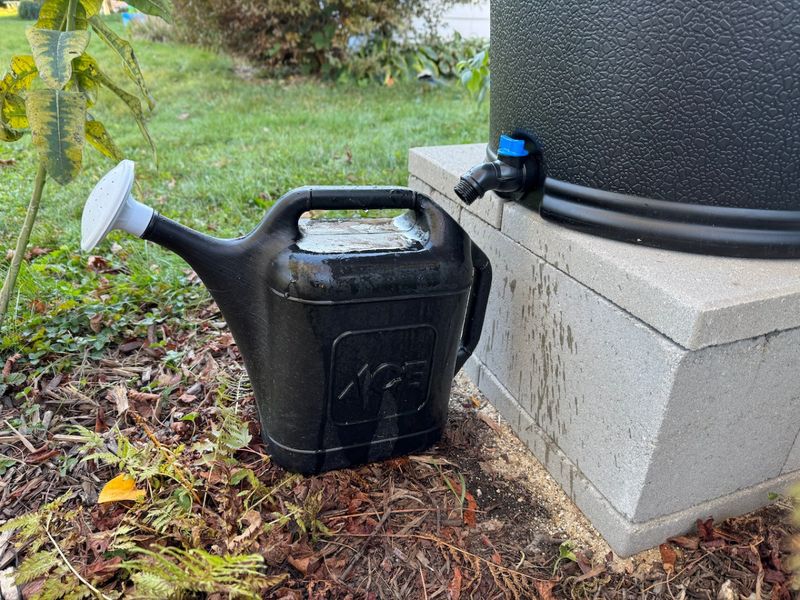
Having a rain barrel is only half the equation. How and when you water makes a huge difference in how far your stored supply actually reaches.
Water in the early morning when temperatures are cooler. Evaporation rates drop significantly before 9 a.m., so more water reaches plant roots instead of disappearing into warm air.
Water at the base of plants, not overhead. Wetting leaves wastes water and can encourage fungal problems, especially during humid stretches common across the South.
Use a watering can with a narrow spout for targeted delivery. A slow, direct pour at the root zone uses far less water than a sprinkler or a wide-spray hose attachment.
Mulching around plants helps retain soil moisture between watering sessions.
A two to three inch layer of wood chips or straw can noticeably reduce how often plants need water during dry periods.
Group plants with similar water needs together in the same beds. Watering a mixed bed where some plants need more and others need less leads to either overwatering or underwatering across the group.
Small adjustments to your watering routine, combined with a well-placed barrel, can stretch your collected rainwater through even a dry Georgia summer stretch without running short.