The Best Time Of Day To Water Tomatoes In Michigan To Prevent Blossom End Rot
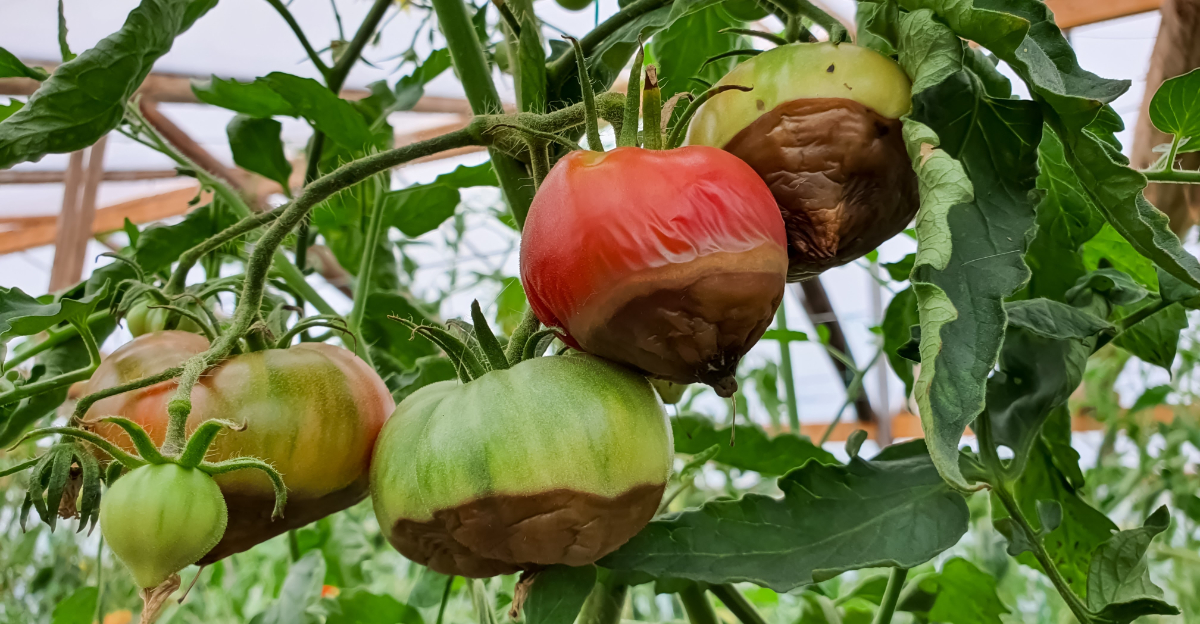
Blossom end rot frustrates Michigan tomato growers every summer, and most of them reach for calcium supplements as the first response without addressing the real driver behind the problem.
Calcium deficiency in tomato fruit is almost always a delivery problem rather than a soil shortage.
The plant cannot move calcium into developing fruit when water uptake is inconsistent, and inconsistent water uptake in Michigan summer conditions is directly connected to when water gets applied during the day.
Watering at the wrong time creates exactly the boom-and-bust moisture cycle that prevents steady calcium movement through the plant.
One timing adjustment keeps soil moisture stable enough that the plant can do what it needs to do without intervention beyond basic consistent care.
1. Morning Is The Best Time To Water Tomatoes
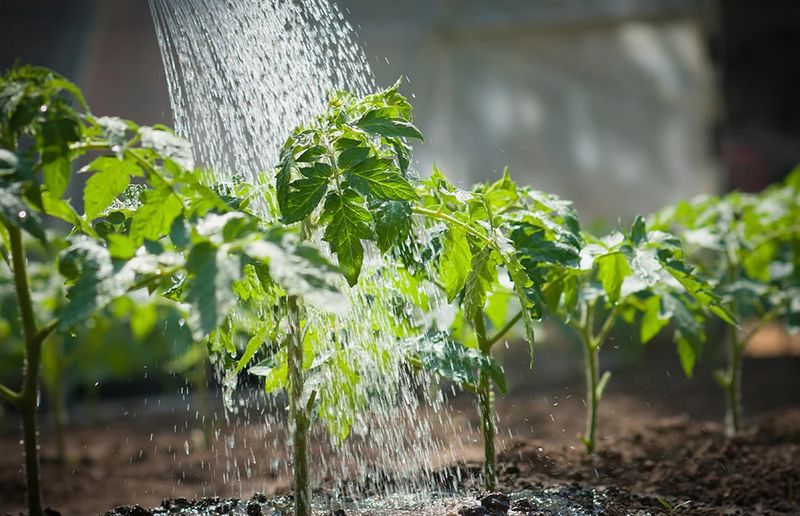
Picture this: the sun is just coming up, the air is still cool, and your tomato plants are ready to soak in the day ahead.
Morning is hands-down the best time to water tomatoes, and Michigan gardeners who stick to this habit tend to grow healthier, more productive plants.
Watering early gives moisture the best chance to move deep into the soil and reach the root zone before the afternoon heat has a chance to pull it back out through evaporation.
When you water in the morning, any water that accidentally splashes onto leaves has time to dry off naturally as the day warms up.
Wet foliage that stays damp through the night is a welcome mat for fungal issues like early blight, which is already a common concern in Michigan’s humid summers.
Morning watering keeps the leaves drier by the time evening rolls around, which works in your favor in a big way. Another bonus of watering in the morning is that your plants start the day fully hydrated.
Tomatoes move a lot of water through their systems during hot afternoons, and having a well-moistened root zone from the start helps them handle heat stress much better.
Consistent moisture in the root zone is also what allows calcium to travel up into developing fruit, which directly helps prevent blossom end rot.
Starting your garden day early is one of the simplest and most effective habits you can build as a Michigan tomato grower.
2. Blossom End Rot Is About Moisture Consistency
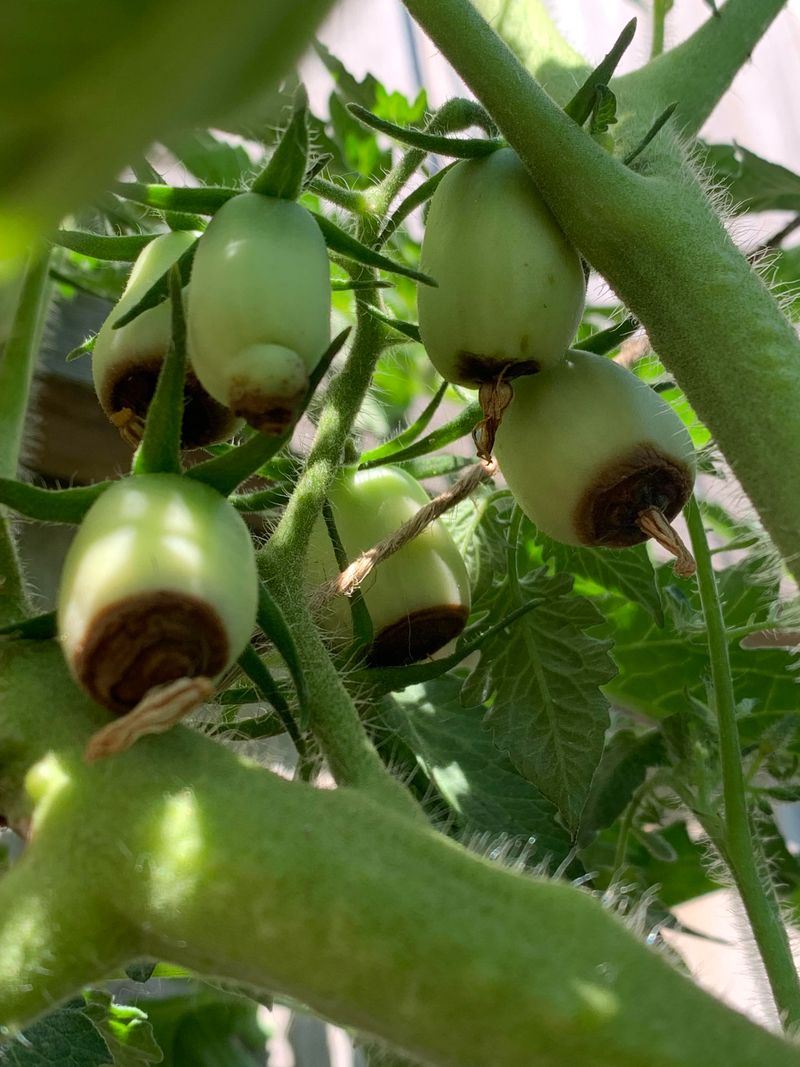
Blossom end rot often gets blamed on watering at the wrong time of day, but the real story is a little more nuanced than that.
The actual cause is a calcium deficiency inside the developing fruit, and calcium does not move well through a plant when the moisture supply keeps going up and down.
Uneven watering is the main trigger, and morning watering only truly helps when it is part of a steady, consistent routine.
Calcium travels through the plant dissolved in water, moving from the roots up through the stems and into the fruit. When the soil swings between too dry and too wet, that flow gets interrupted.
The young fruit at the end of the vine, which is farthest from the roots, is the first to suffer when calcium delivery breaks down.
Your Michigan Garden Changes Every Week. Your Plan Should Too.
Gardening in Michigan changes quickly throughout the season. Every Friday you’ll receive a simple weekly plan showing exactly what to plant, prune, fertilize, harvest, and protect so you never miss the right timing.
That soft, dark spot you see is tissue that never got the calcium it needed during a critical growth window.
Michigan soils can vary a lot from yard to yard, with some areas holding moisture well and others draining quickly after rain.
Knowing your soil type matters because sandy soils dry out faster and may need more frequent watering, while clay-heavy soils hold moisture longer but can become compacted.
The goal is not just to water in the morning but to keep the root zone at a steady, even moisture level throughout the entire growing season.
That consistency is what keeps calcium moving and your tomatoes growing strong without that dreaded dark spot ruining the harvest.
3. Avoid The Dry Then Soaked Cycle
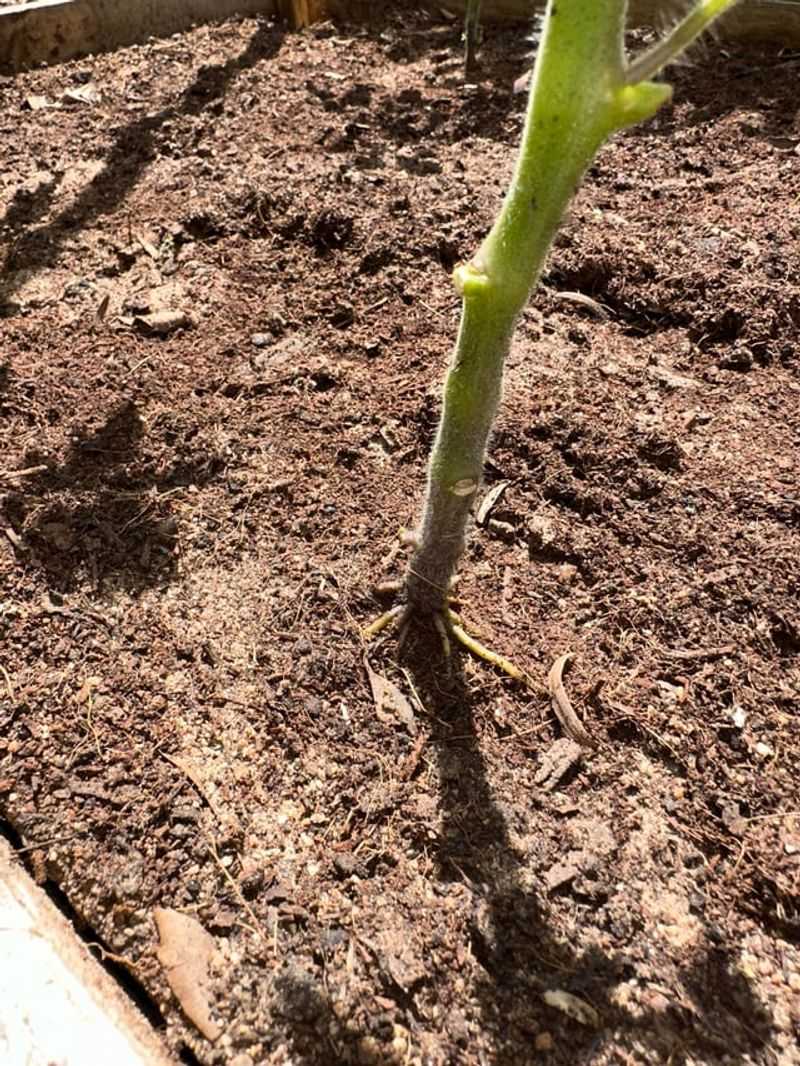
Few things stress a tomato plant out more than going from bone-dry soil to a sudden flood of water.
This boom-and-bust watering pattern is one of the most common mistakes home gardeners make, and it is a major reason blossom end rot shows up even in gardens that seem well cared for.
Tomatoes are creatures of habit, and their internal systems work best when moisture levels stay relatively stable from day to day.
When the soil dries out severely, the plant starts to shut down certain processes to conserve water.
Then when a big rain or heavy watering hits, the plant tries to take up a large amount of water very quickly.
That sudden rush of water actually dilutes and disrupts the flow of calcium, making it harder for developing fruit to get what it needs.
The fruit that was already forming during the dry spell often ends up with the telltale sunken spot at the bottom.
Michigan summers can be unpredictable, with long dry stretches followed by heavy rainstorms rolling in off Lake Michigan or Lake Huron.
Paying attention to the weather forecast and adjusting your watering schedule accordingly helps you stay ahead of these swings. On a week where rain is expected, hold back on watering to avoid oversaturating the soil.
During hot, dry stretches, water more frequently in smaller amounts rather than waiting and then dumping a huge amount all at once. Keeping things steady is the real secret to protecting your tomato crop all season.
4. Water At The Base Instead Of Over The Leaves
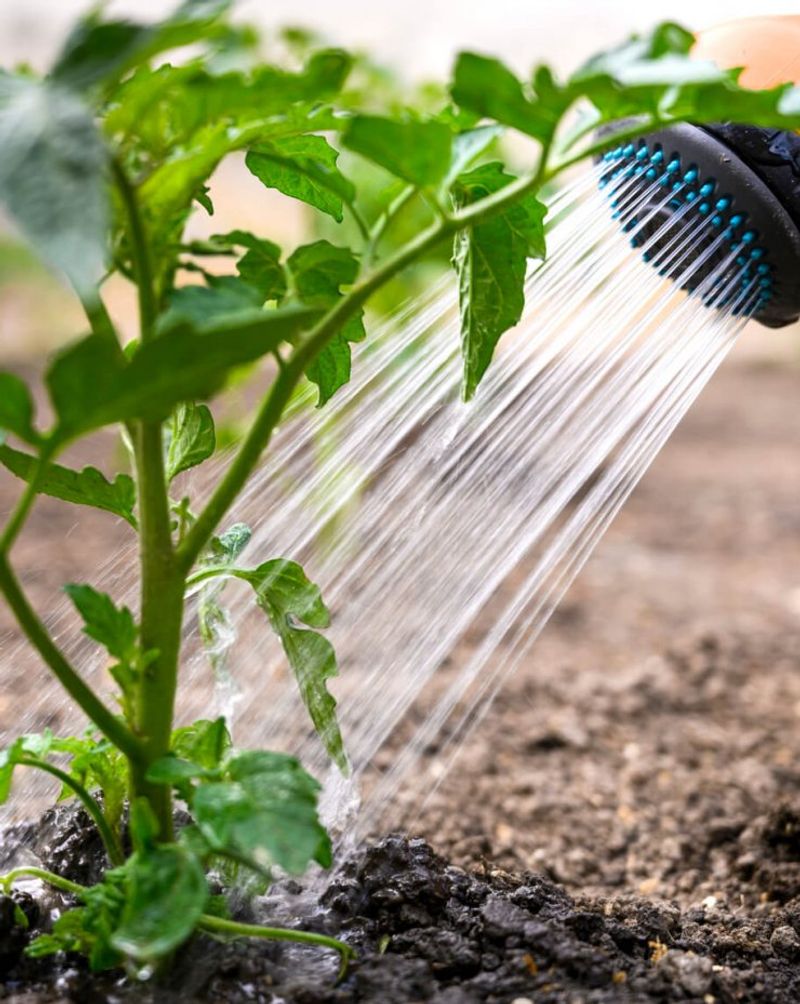
Where the water lands matters just as much as when it lands. Spraying water over the tops of tomato plants might feel thorough, but it actually creates more problems than it solves.
Overhead watering wets the foliage, and wet leaves in Michigan’s warm, sometimes humid summers create ideal conditions for fungal diseases like Septoria leaf spot and early blight to spread fast through your garden.
Watering at the base of the plant, right at soil level, sends moisture exactly where the roots need it. A soaker hose laid along the base of your tomato row is one of the most efficient tools a Michigan gardener can use.
It delivers a slow, steady trickle of water directly to the root zone, keeps the leaves dry, and helps maintain the even moisture levels that calcium needs to move properly through the plant.
Drip irrigation systems work on the same principle and are worth the investment if you grow a lot of tomatoes each year.
Even if you water by hand with a regular hose or watering can, aim the water at the soil surface near the base of the stem rather than raining it down over the whole plant.
Try to avoid splashing soil up onto the lower leaves, since soil particles can carry fungal spores that cause leaf disease.
Taking a few extra seconds to water carefully and deliberately at the base of each plant adds up to a healthier garden overall.
Your tomatoes will reward that extra care with stronger growth and fewer disease problems through the season.
5. Check Soil Before The Afternoon Heat
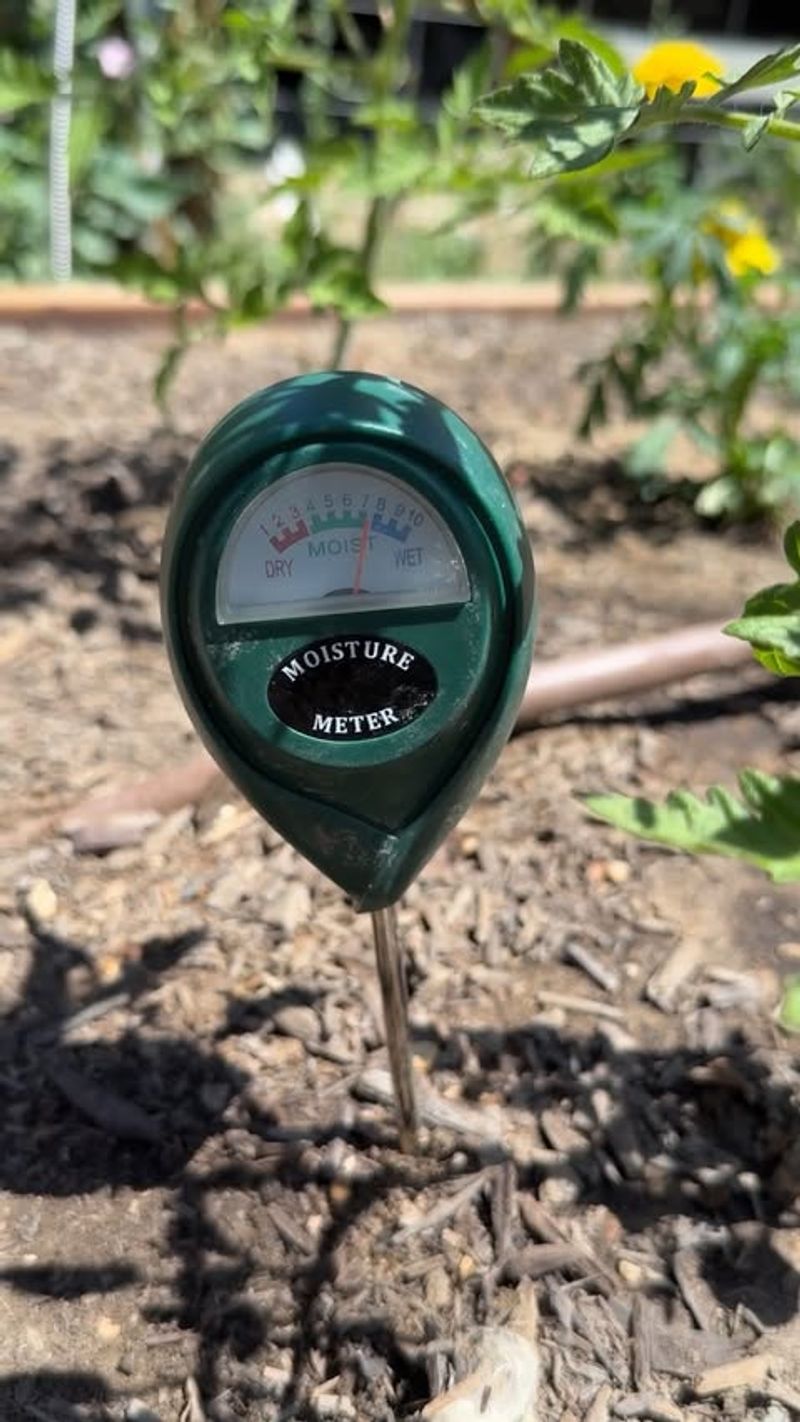
One of the most useful habits a Michigan tomato grower can develop is checking soil moisture in the morning before the day heats up.
It sounds simple, but a lot of gardeners skip this step and end up either overwatering or underwatering without realizing it.
The surface of the soil can look completely dry and powdery while just a few inches down, there is still plenty of moisture available to the roots. The finger test is the easiest way to check.
Push your finger or a small stick two to three inches into the soil near the base of the plant, staying close to where the roots are actively growing.
If the soil feels moist at that depth, the plant likely has enough water to get through the morning without needing more.
If it feels dry that far down, it is time to water thoroughly before the afternoon sun arrives and starts pulling more moisture out of the ground.
Michigan summers can be sneaky because a few hot and windy days in a row can dry out the root zone faster than you might expect, even if you watered recently.
Checking the soil every morning takes less than a minute and gives you accurate, real-time information about what your plants actually need.
Relying on a schedule alone, such as watering every other day no matter what, can lead to over or under watering depending on the weather.
Trusting what the soil is telling you every single morning is always more reliable than guessing from the outside.
6. Mulch Helps Morning Water Last Longer
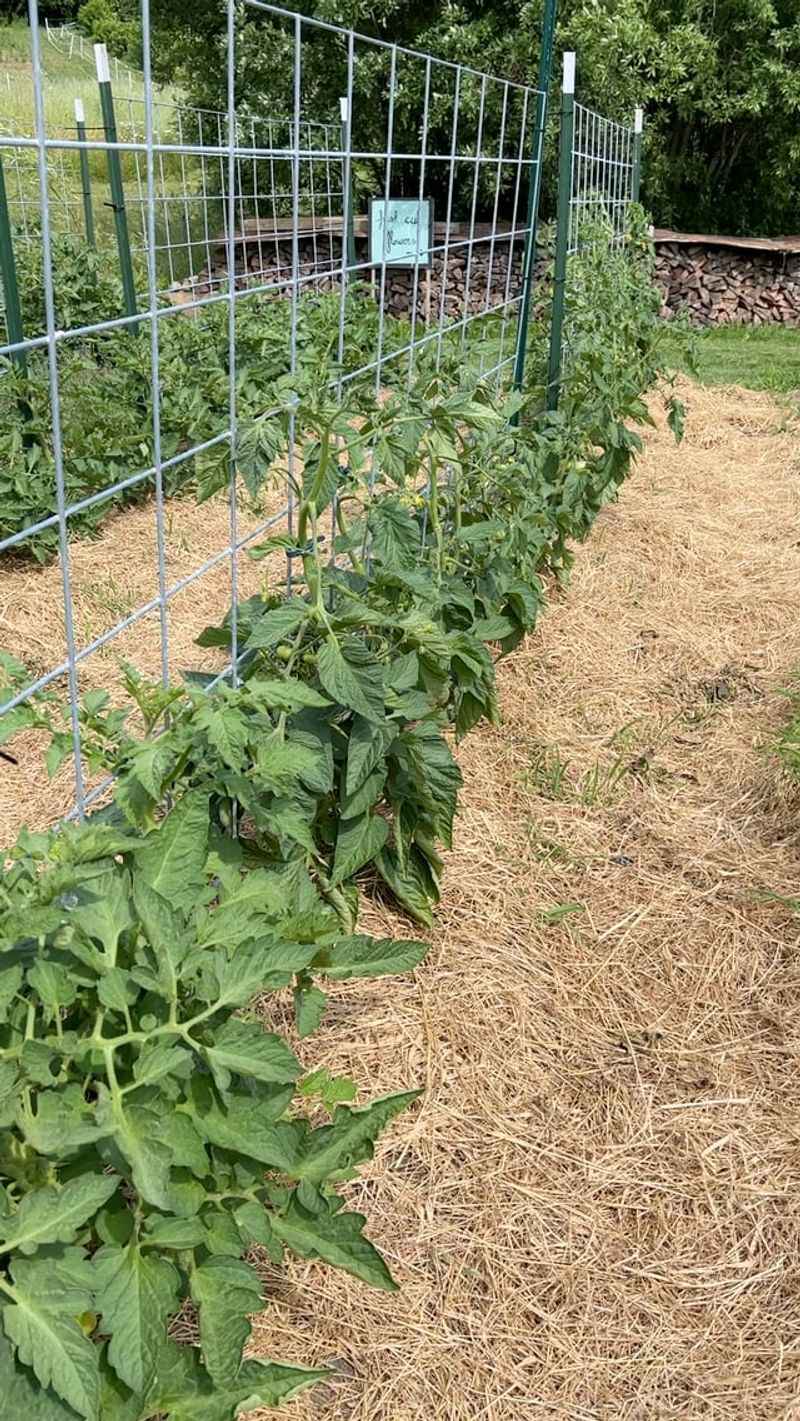
Here is a gardening tip that pays off all season long: lay down a good layer of organic mulch around your tomato plants and watch how much easier keeping them healthy becomes.
Mulch acts like a protective blanket over the soil, slowing down evaporation and helping the moisture you put in during your morning watering stick around much longer through the heat of the day.
For Michigan gardeners dealing with warm summers and unpredictable rainfall, mulch is one of the smartest tools available.
Straw, shredded leaves, wood chips, and even grass clippings all work well as organic mulch around tomatoes.
Aim for a layer about two to three inches thick around the base of each plant, keeping the mulch a couple of inches away from the main stem to allow air circulation.
As organic mulch breaks down over the season, it also adds nutrients back into the soil, which is an added bonus for long-season crops like tomatoes.
One important step that many gardeners overlook is making sure the soil is already well-watered before applying mulch.
If you put mulch down over dry soil, you essentially lock that dryness in and make it harder for water to penetrate down to the roots. Water deeply first, then mulch.
After that, your morning watering sessions will go much further because the mulch is holding that moisture in place rather than letting it evaporate by midday.
Even moisture levels are exactly what your tomatoes need to move calcium into the fruit and stay free of blossom end rot all summer.
7. Containers May Need Closer Morning Checks
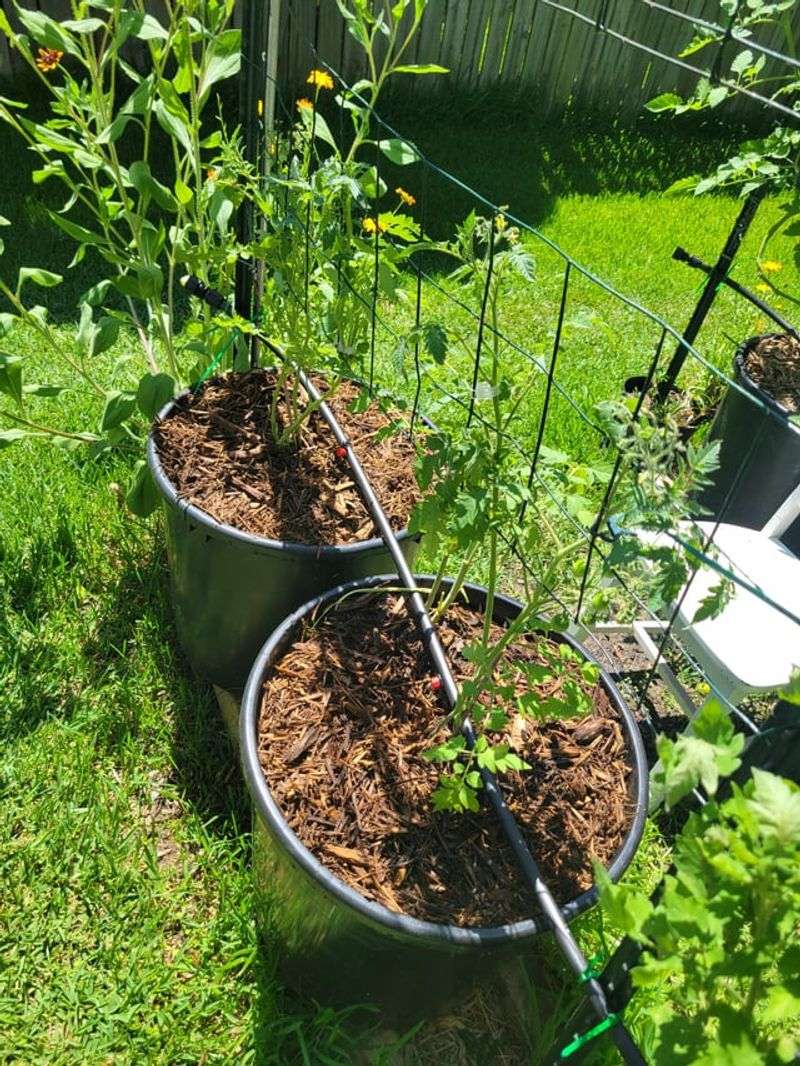
Growing tomatoes in containers is popular with Michigan gardeners who have limited yard space or want the flexibility to move plants around the patio.
Container tomatoes can be incredibly productive, but they come with one big challenge that in-ground plants do not have: they dry out much faster.
A pot sitting in full sun on a warm Michigan afternoon can go from adequately moist to dangerously dry within just a few hours, especially on windy days near the Great Lakes.
Because of how quickly containers lose moisture, checking them every single morning is not just a good idea, it is essential. Press your finger into the potting mix at least two to three inches deep.
If it feels dry at that depth, water the container thoroughly until water runs freely out of the drainage holes at the bottom.
That deep watering encourages roots to grow down into the container rather than staying near the surface, which makes the plant more resilient during hot spells.
Blossom end rot is actually more common in container tomatoes than in garden beds, and the reason is almost always inconsistent moisture. The smaller volume of soil in a pot means there is less of a buffer when conditions change.
Choosing a larger container, at least five gallons and ideally ten or more for big tomato varieties, gives the roots more room and helps hold moisture more steadily.
Adding a layer of mulch on top of the potting mix also helps slow evaporation. Checking your containers every morning is one of the most impactful things you can do to protect your harvest.
8. The Best Routine Is Morning Plus Even Moisture
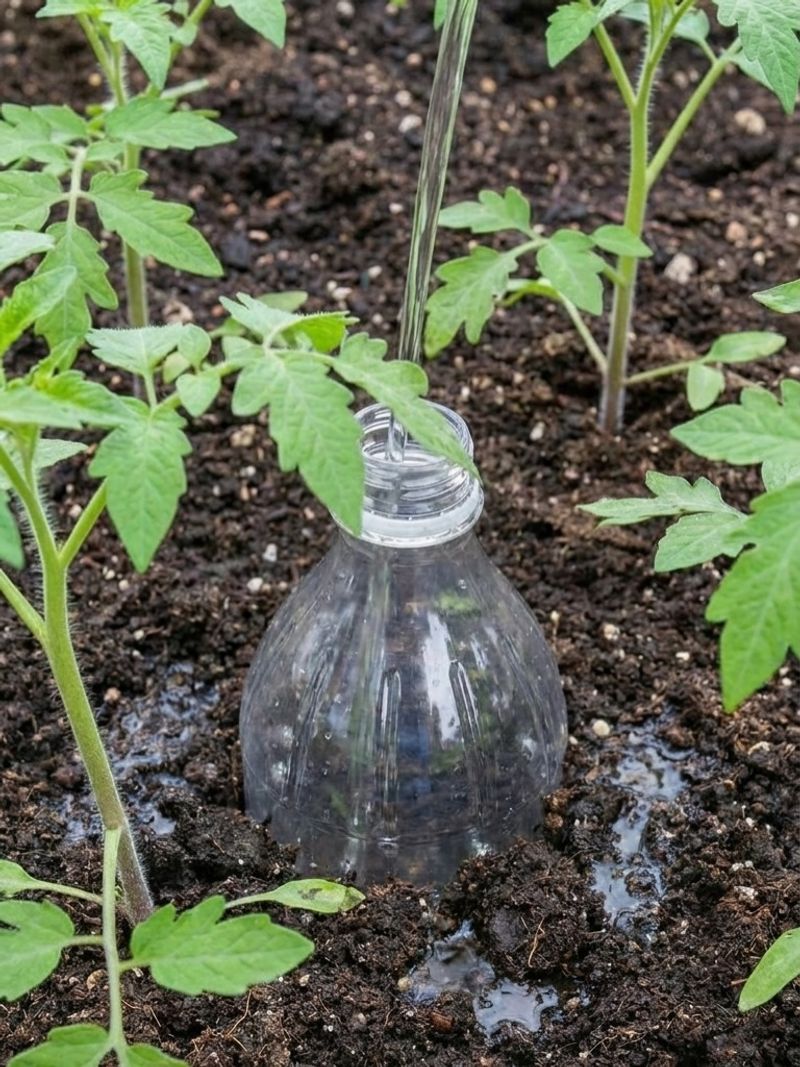
Putting it all together, the best watering routine for Michigan tomatoes comes down to a few core habits practiced consistently throughout the season.
Water in the morning so the root zone is hydrated before the heat of the day arrives. Water at soil level rather than over the leaves to keep foliage dry and reduce disease pressure.
Use a soaker hose or drip line if possible, and always mulch around the base of your plants to hold that morning moisture in place longer. Staying aware of the weather is also a key part of the routine.
Michigan summers bring a mix of hot dry stretches, humid spells, and heavy rain events, sometimes all in the same week.
On rainy weeks, skip your watering sessions and let nature do the work, but check the soil anyway to make sure water is actually reaching the root zone and not just sitting on top of compacted soil.
During hot, windy stretches, you may need to water more frequently than usual, especially for container plants.
Soil type, plant size, container volume, and sun exposure all influence how often your tomatoes need water, so there is no single schedule that works perfectly for every garden.
What does work universally is the commitment to keeping moisture levels steady and avoiding the wide swings that trigger blossom end rot.
Adjust your routine as conditions change, trust what the soil tells you each morning, and your Michigan tomatoes have every chance of producing a full, healthy, and delicious harvest from July all the way through September.