How Georgia Gardeners Can Propagate Some Shrubs From Cuttings This May
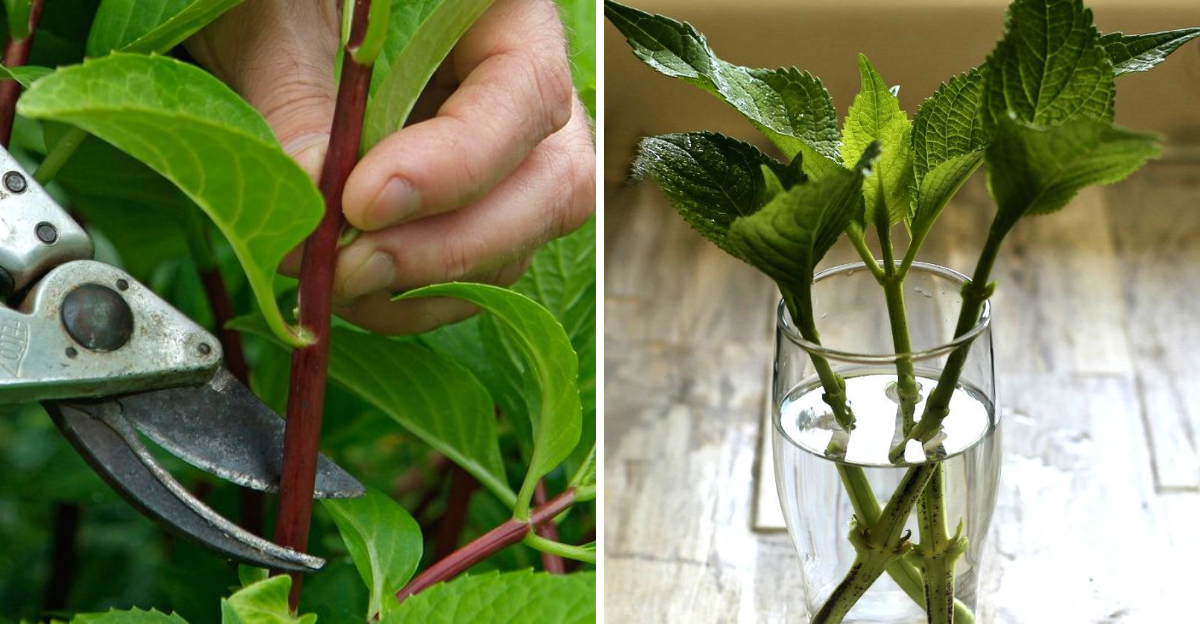
Free plants. That’s really what this is about.
May in Georgia happens to be a surprisingly good time to take softwood cuttings from shrubs, and if things go well, one healthy plant in your yard can turn into several new ones without spending a single dollar.
The fresh spring growth pushing out right now is flexible, full of energy, and responds well to propagation when you handle it right.
Warm temps, longer days, and decent moisture levels all create a pretty favorable environment for rooting. Now, it does take a little patience and some attention to detail, but nothing about it is complicated once you know the basics.
So if you’ve got azaleas, gardenias, or other shrubs looking lush right now, May is a great time to start experimenting.
1. Start With Softwood Cuttings From New Spring Growth
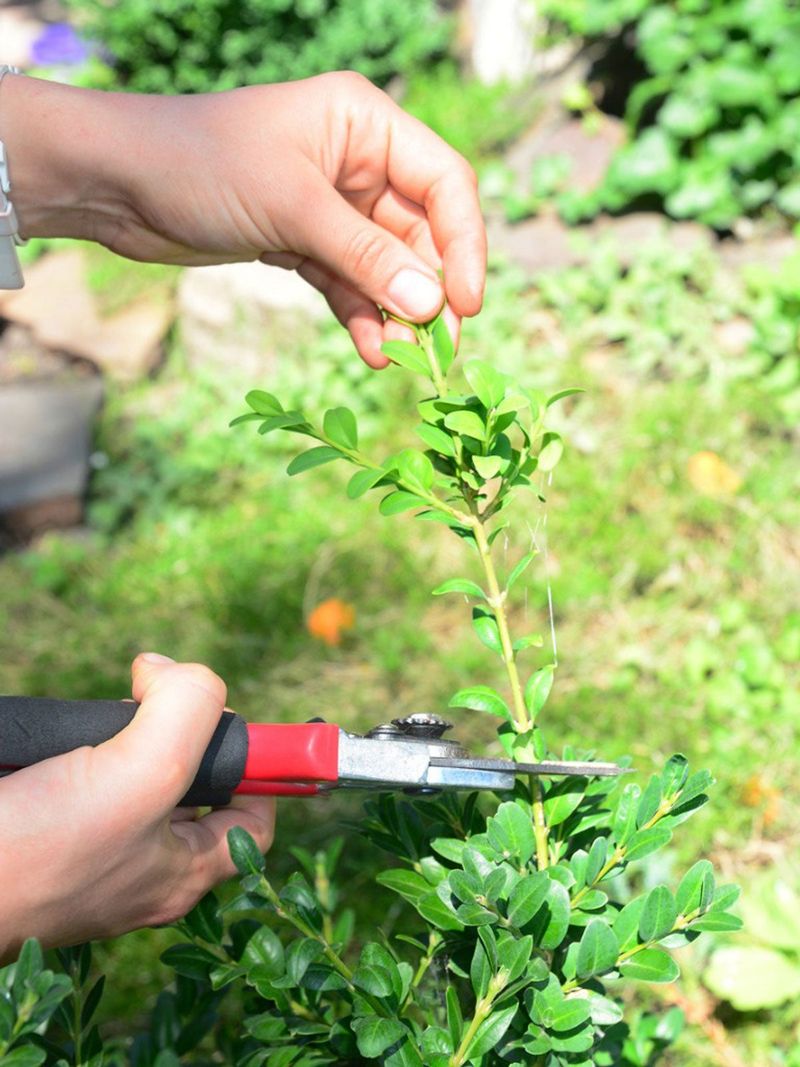
Soft, flexible stems full of fresh spring energy are exactly what you want when starting shrub cuttings in May.
Softwood refers to the new growth that has pushed out since late winter, and by May in Georgia, many shrubs have produced several inches of this pliable material.
It bends without snapping and feels noticeably different from the firm, woody stems lower on the plant.
When selecting softwood, look for shoots that are green and slightly firm but not brittle. Stems that are too young may be too tender to handle well, while stems that have already turned brown and hardened may not root as readily during this window.
The sweet spot is somewhere in the middle, where the growth still looks fresh but has enough structure to hold up during propagation.
Georgia gardeners working in May have a useful advantage because the warm season encourages active growth on many ornamental shrubs. Checking your shrubs early in the morning when temperatures are cooler can help you spot the best candidates.
Taking cuttings during the cooler part of the day may also help reduce stress on the plant material before you get it into your propagation setup.
2. Choose Shrubs That Root From May Or Early Season Cuttings
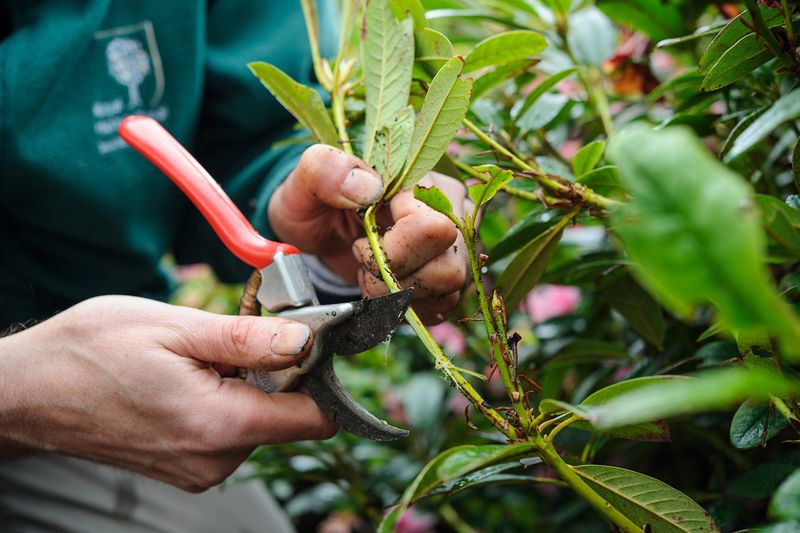
Not every shrub in a Georgia garden responds equally well to softwood cuttings taken in May, so knowing which ones tend to root during this window can save a lot of guesswork.
Shrubs like azalea, gardenia, oakleaf hydrangea, crape myrtle, and abelia are among those that Georgia gardeners often have success with when taking cuttings from fresh spring growth.
Some shrubs root more reliably from cuttings taken a bit later in the season once growth has firmed up slightly, while others respond better to early softwood material. Getting familiar with the shrubs already growing in your yard gives you a good starting point.
If a neighbor or friend has had success propagating a particular shrub in Georgia, that local experience can be just as useful as a general guideline.
Matching your timing to the specific shrub you are working with matters more than following a strict calendar date.
In Georgia, May conditions can vary from the northern mountain counties to the coastal plain, so observing the growth stage of your specific plant is more reliable than going by the date alone.
Your Georgia Garden Changes Every Week. Your Plan Should Too.
Gardening in Georgia changes quickly throughout the season. Every Friday you’ll receive a simple weekly plan showing exactly what to plant, prune, fertilize, harvest, and protect so you never miss the right timing.
Fresh, active growth on a healthy plant is usually a better indicator than the calendar.
3. Use Healthy Parent Plants Before Taking Cuttings
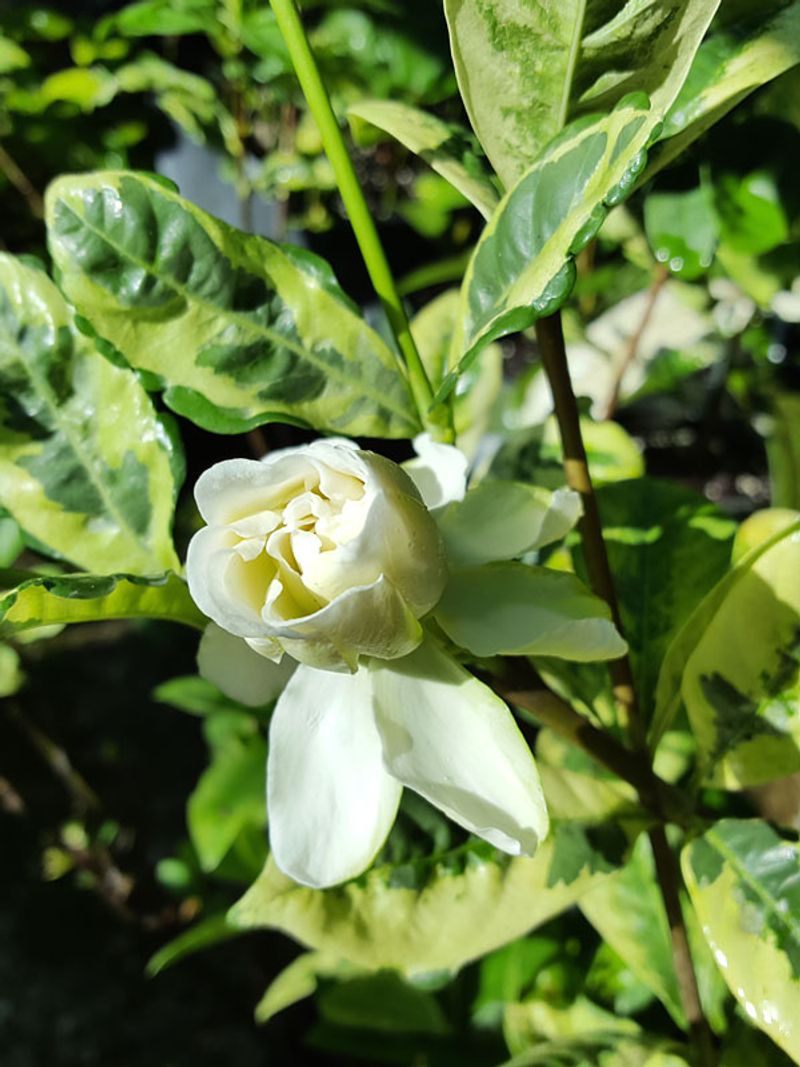
Before reaching for your pruners, take a close look at the shrub you plan to take cuttings from. A healthy parent plant gives your cuttings the best possible start, since the material you collect carries the same energy and resilience as the plant it came from.
Shrubs that are stressed, showing yellowed leaves, or struggling with pests are not ideal candidates for propagation this time of year.
Georgia gardens in May can sometimes harbor early pest pressure from aphids, scale, or spider mites, especially on ornamental shrubs.
A quick inspection of the stems and undersides of leaves before you take any cuttings can help you avoid spreading problems to your propagation setup.
Choosing shoots that look clean, green, and vigorous gives you better material to work with from the start.
Watering the parent plant a day or two before you plan to take cuttings can help ensure the stems are well hydrated. Cuttings taken from a plant that has had consistent moisture tend to hold up better once they are removed and placed in a propagation mix.
In Georgia’s warm May weather, keeping the parent plant in good shape leading up to cutting day is a simple step that can support better results.
4. Take Cuttings With At Least Two Nodes
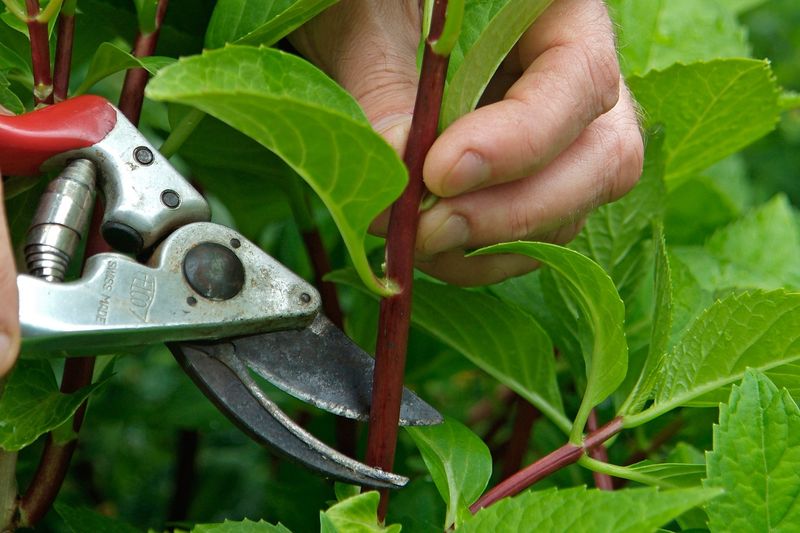
Nodes are the small bumps or joints along a stem where leaves attach and where roots are most likely to form.
When taking cuttings for propagation, including at least two nodes on each cutting gives roots a couple of spots to develop from, which tends to produce stronger results than a cutting with only one node.
A cutting that is roughly three to five inches long and includes two or more nodes is a practical target for most ornamental shrubs in Georgia. Cut just below a node at the bottom and just above a node at the top so both ends are close to active growth tissue.
Using a sharp, clean blade helps make a smooth cut rather than a ragged one, which can affect how well the cutting settles into the propagation mix.
In Georgia’s May heat, getting cuttings into a moist medium quickly after taking them from the plant helps reduce wilting.
Some gardeners prepare their propagation containers before heading out to take cuttings so there is minimal time between cutting and planting.
Keeping a damp cloth or small cooler nearby to hold cuttings for a few minutes while you finish collecting can also help protect the material until you are ready to plant.
5. Remove Lower Leaves And Any Flowers Or Seed Heads
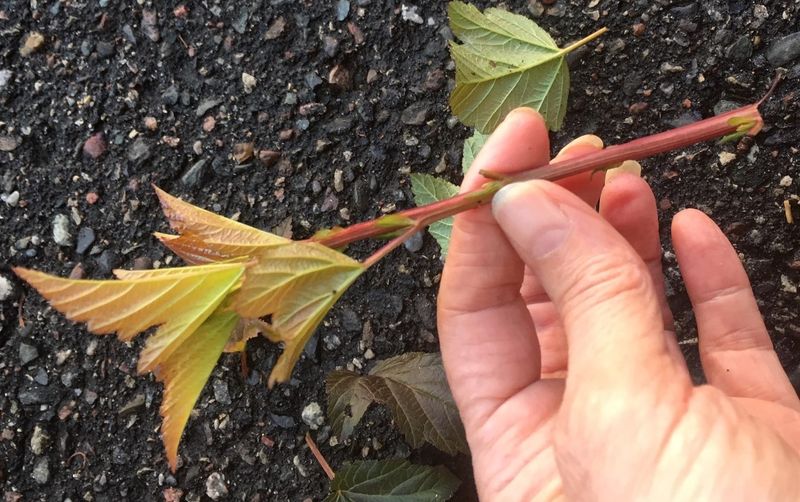
Stripping the lower leaves from a cutting before placing it in the propagation mix is one of the more straightforward steps, but it makes a real difference.
Leaves buried in the mix can break down and introduce moisture problems, which is something you want to avoid in a propagation setup during Georgia’s warm and humid May weather.
Leave two or three small leaves at the top of the cutting so the stem can still photosynthesize, but remove everything from the lower half that would end up below the surface of the mix.
If the remaining leaves are large, cutting them in half crosswise can help reduce how much moisture the cutting loses through its leaves while it is working on producing roots.
Any flowers or seed heads on the cutting should also come off before you plant it. A cutting that is putting energy into blooming or setting seed has less to spend on rooting, so removing that material encourages the cutting to focus on root development instead.
For Georgia gardeners working with gardenias or azaleas that may still be carrying blooms in May, this step is especially worth remembering before placing cuttings into the propagation tray.
6. Use A Clean Well Draining Propagation Mix
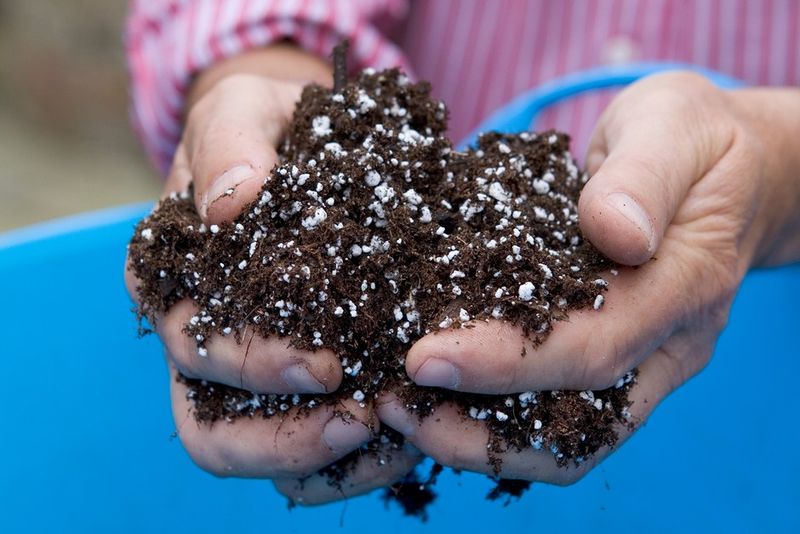
The medium you root your cuttings in plays a big role in how well the process goes. A mix that holds too much moisture can cause stem rot, while one that dries out too fast will not give roots the consistent humidity they need to form.
A blend of perlite and peat moss, or perlite and coarse sand, tends to work well for many shrub cuttings because it drains freely while still holding some moisture.
Avoid using garden soil straight from the ground, which can be too dense and may carry pathogens that affect tender cuttings.
Purpose-made propagation mixes are available at most Georgia garden centers, or you can put together your own blend at home with a few basic ingredients.
Whatever you use, make sure the mix is light enough that you can press a finger in easily and that water moves through it without pooling.
Moisten the mix before inserting your cuttings so it is damp but not soggy. In Georgia’s May warmth, a mix that starts out too wet and sits in a warm spot can become problematic quickly.
Using containers with drainage holes and checking the moisture level every couple of days helps you keep conditions in the right range while roots are forming.
7. Apply Rooting Hormone When It Fits The Shrub
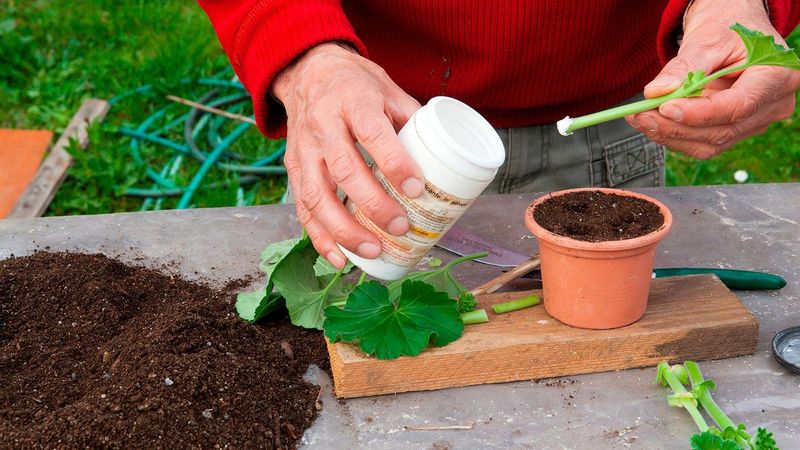
Rooting hormone is a powdered or liquid product that contains compounds designed to encourage root development at the base of a cutting.
For some shrubs, applying it to the cut end before inserting the cutting into the propagation mix can speed up rooting and improve the number of cuttings that take hold.
For others, especially easier-rooting shrubs, it may not make a dramatic difference either way.
Softwood cuttings from shrubs like gardenias or oakleaf hydrangeas may benefit from a light application of rooting hormone, while plants like forsythia or crape myrtle sometimes root readily with or without it.
Dipping the cut end into the powder and tapping off the excess before inserting the cutting is a common approach.
Avoid applying too much, since a heavy coating does not necessarily improve results and can sometimes interfere with rooting.
Rooting hormone products are widely available at garden centers across Georgia and come in several formulations. Powder forms are among the easiest to use for home gardeners.
Store the product in a cool, dry spot and avoid double-dipping cuttings directly into the container to prevent contamination. A small amount tapped onto a separate surface for each session keeps the main supply clean and usable for future propagation projects.
8. Keep Cuttings Humid While Roots Form
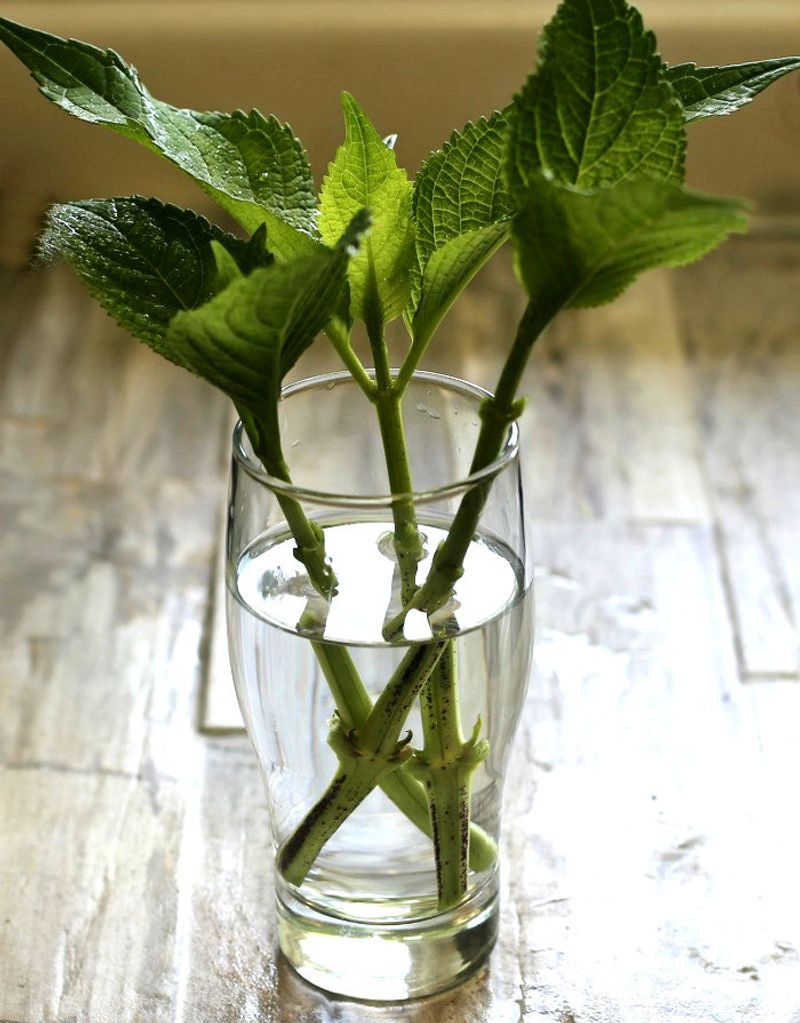
One of the trickier parts of propagating shrubs from cuttings is keeping humidity levels consistent while the cuttings work on producing roots.
Without roots, a cutting cannot pull water up from the mix the way an established plant does, so it relies on moisture in the air around its leaves to stay hydrated.
Letting cuttings dry out before roots form is one of the more common reasons propagation does not succeed.
A simple humidity dome, which is just a clear plastic cover placed over the propagation tray, can help hold moisture in the air around the cuttings. Clear plastic bags, plastic wrap stretched over a frame, or repurposed clear plastic containers can all work for this purpose.
The goal is to create a small environment where the air stays moist without becoming completely stagnant.
Georgia’s warm May weather means a covered tray in direct sun can overheat quickly, so placing your setup in bright indirect light or under a shaded porch roof tends to work better than full sun.
Lifting the cover briefly each day to let fresh air in and checking the moisture level of the mix helps prevent conditions that might encourage mold or stem softening.
A light mist of water on the leaves can also help if the foliage looks like it is drying out.
9. Sanitize Tools And Containers First
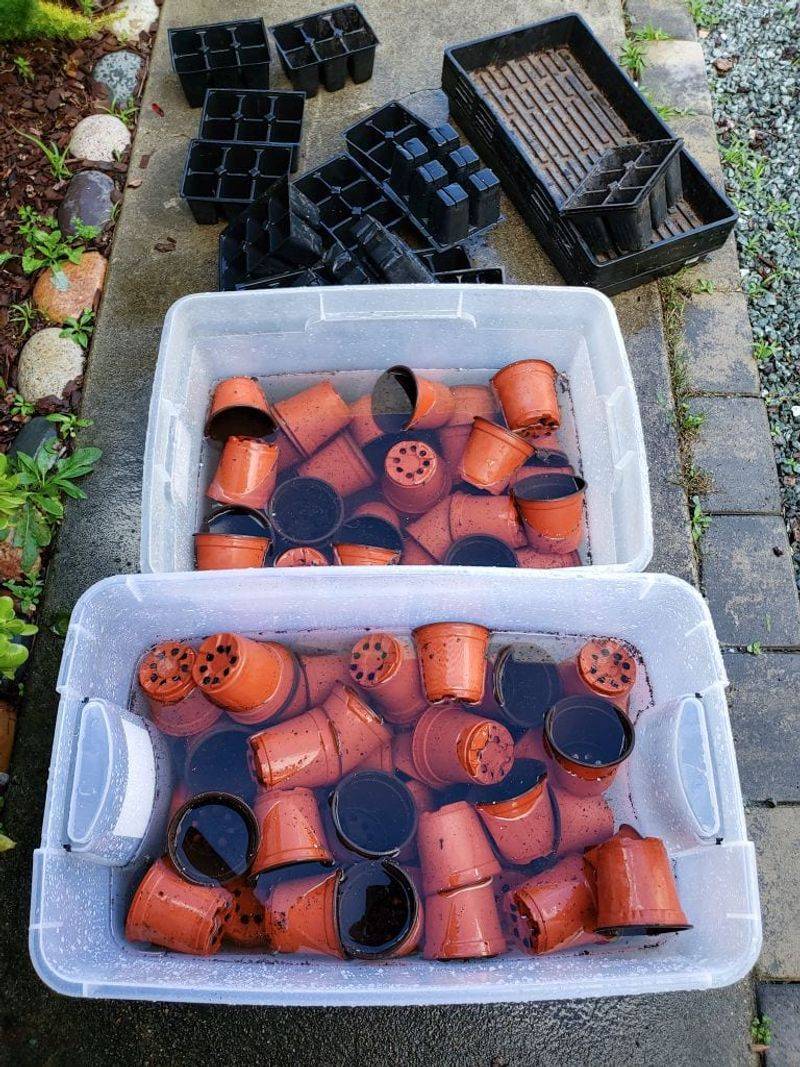
Clean tools and containers are one of the most practical things a Georgia gardener can bring to a propagation session.
Pruners, knives, or scissors that carry residue from previous garden work can introduce pathogens to fresh cuttings at exactly the moment when those cuttings are most susceptible.
A quick wipe with rubbing alcohol between cuts takes only a few seconds and can make a noticeable difference in outcomes.
Containers that have been used for propagation or potting in previous seasons should be washed with soap and water and rinsed well before reuse.
Some gardeners follow that up with a diluted bleach rinse to address any lingering concerns, then let the containers air dry completely before filling them with fresh propagation mix.
Brand new containers from the store are ready to use without extra preparation.
In Georgia, where warm, humid conditions from May onward can encourage the growth of mold and other issues in propagation setups, starting with clean equipment is especially worth the effort.
It takes only a few minutes to prep tools and containers before a propagation session, and it removes one of the more preventable reasons cuttings might not perform well.
Keeping a small spray bottle of diluted alcohol nearby during a propagation session makes it easy to clean between plants.
10. Harden Off Rooted Cuttings Before Planting Outside
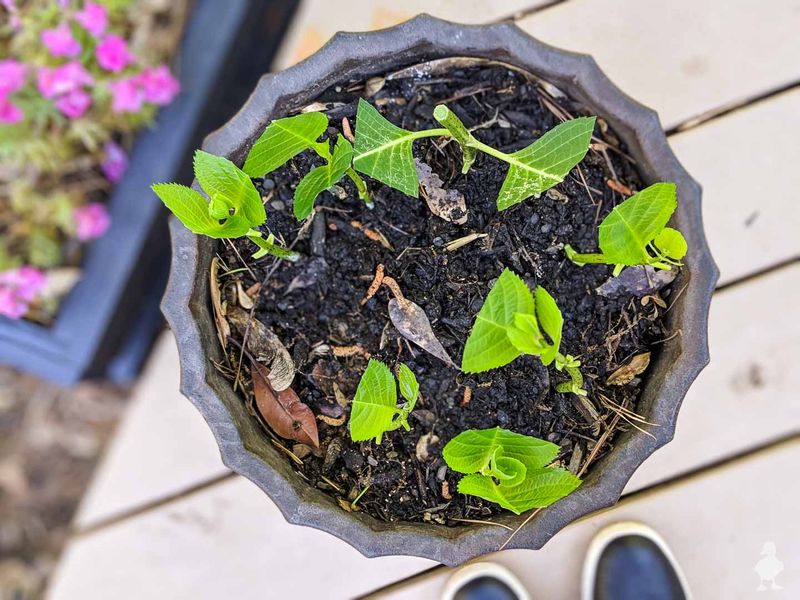
After weeks of sitting in a humid, sheltered propagation setup, rooted cuttings need a gradual introduction to outdoor conditions before going into the ground or a permanent container.
Moving them directly from a humidity dome into full Georgia sun and open air can stress them significantly, since they have been growing in a protected environment and have not yet adjusted to stronger light, wind, or variable moisture.
Hardening off is the process of slowly exposing rooted cuttings to outdoor conditions over the course of one to two weeks.
Start by setting them outside in a shaded, sheltered spot for a few hours each day, then gradually increase the time and the amount of light they receive.
Bringing them back inside or under cover at night during the first week is a reasonable approach, especially if temperatures are still fluctuating.
Georgia gardeners who skip this step sometimes notice that otherwise healthy-looking cuttings struggle after transplanting, with leaves showing signs of sunscald or wilting that takes a long time to recover from.
A patient, gradual transition gives the young plants time to build up the toughness they need for life in the landscape.
Once they handle a full day of outdoor conditions without wilting, they are likely ready for their permanent spot in the garden.