How Georgia Residents Create That Perfect Plant Aesthetic
Georgia residents have really mastered that perfect plant aesthetic, and it shows the moment you spot a yard where everything looks calm, lush, and effortlessly put together.
You start noticing how a few intentional choices—colors that blend, shapes that balance, and plants that thrive in the heat—create a look that feels both natural and styled.
It’s a vibe that grabs you fast, and you might catch yourself imagining how your own yard could pull off the same easy, picture-ready charm.
1. Choosing Native Plants for Easy Care
Southern gardeners in Georgia have discovered that native plants require less maintenance while providing stunning visual appeal throughout every season of the year.
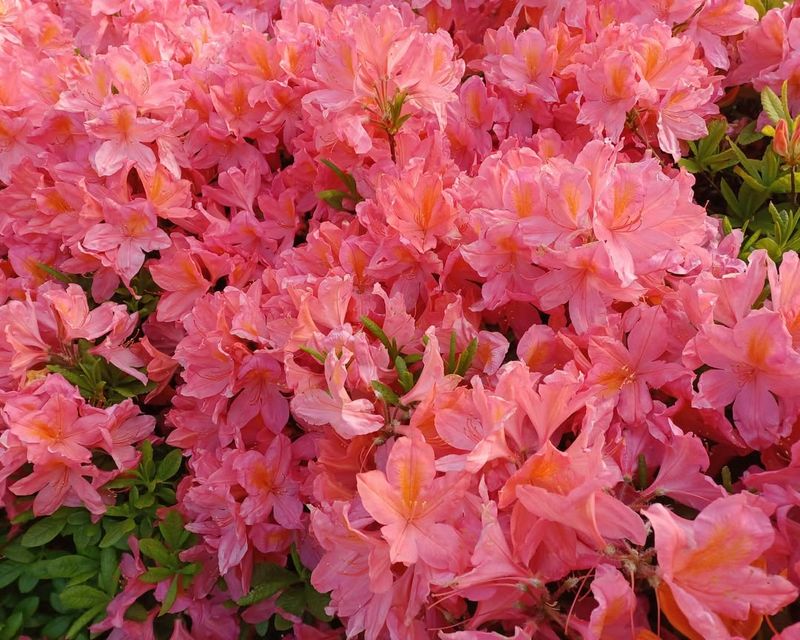
Cherokee roses, azaleas, and magnolias grow naturally in this region, adapting perfectly to local soil conditions and weather patterns without much fuss.
These plants evolved over centuries to handle Georgia summers, meaning they need less water and fewer chemicals to stay healthy and beautiful always.
Homeowners save time and money by selecting varieties that already thrive in their backyard climate instead of fighting against nature every single day.
Native species also attract local butterflies, bees, and birds, creating a lively ecosystem that adds movement and sound to your outdoor living space.
Garden centers across Georgia stock these varieties year-round, making it simple to find exactly what you need for your specific landscaping project today.
Planting native species supports local wildlife while reducing your environmental footprint, which makes your green space even more meaningful and purposeful for everyone.
2. Layering Plants by Height for Visual Interest
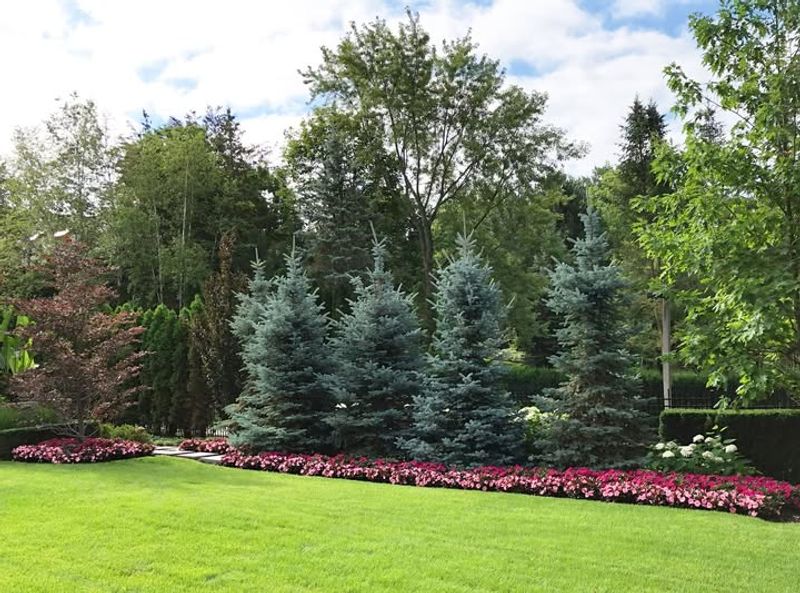
Creating depth in your garden involves arranging plants from shortest to tallest, which draws the eye upward and makes small spaces feel larger overall.
Georgia gardeners place ground covers in front, followed by medium shrubs, then tall trees or climbing vines to create a balanced, professional-looking arrangement.
This technique mimics natural forest settings, giving your yard an organic feel that looks effortless even though it requires careful planning and thoughtful design.
Layering also ensures every plant receives adequate sunlight, preventing smaller varieties from getting overshadowed by taller neighbors that block essential light rays.
Residents across Georgia use this method in both indoor and outdoor settings, stacking potted plants on shelves or stands for similar dramatic effects.
Mixing textures and leaf shapes at different heights adds complexity and keeps your display interesting from every angle you view it throughout the day.
This strategy works year-round, allowing you to swap seasonal blooms while maintaining the overall structure that makes your garden feel cohesive and intentional.
3. Using Decorative Containers for Style
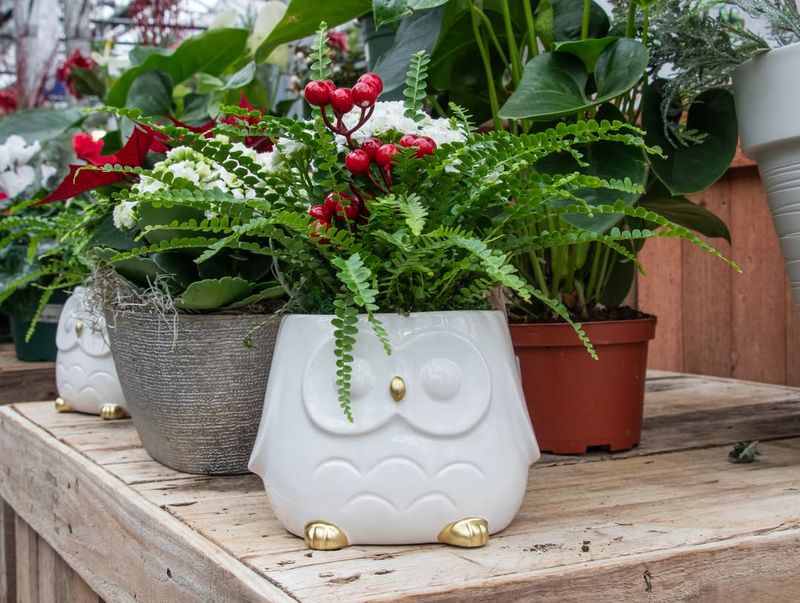
Containers offer endless possibilities for expressing personal style while keeping your plants healthy and mobile, which Georgia residents absolutely love for their versatility today.
Terra cotta pots provide classic Southern charm, while modern ceramic planters add contemporary flair that complements any architectural style found throughout the state.
Mixing different container sizes, colors, and materials creates visual excitement without overwhelming your space, making even simple plants look more expensive and curated.
Georgia homeowners often repurpose vintage items like old watering cans, wooden crates, or metal buckets to give their plant displays unique character and personality.
Drainage holes remain essential regardless of style, preventing root rot and ensuring your plants stay healthy despite Georgia humidity and unpredictable rainfall patterns here.
Grouping containers in odd numbers (three, five, or seven) creates more pleasing arrangements that feel natural rather than forced or overly symmetrical to viewers.
Elevating some pots on stands or hanging them at different heights adds dimension and draws attention to your carefully chosen collection of greenery.
4. Incorporating Hanging Plants for Vertical Impact
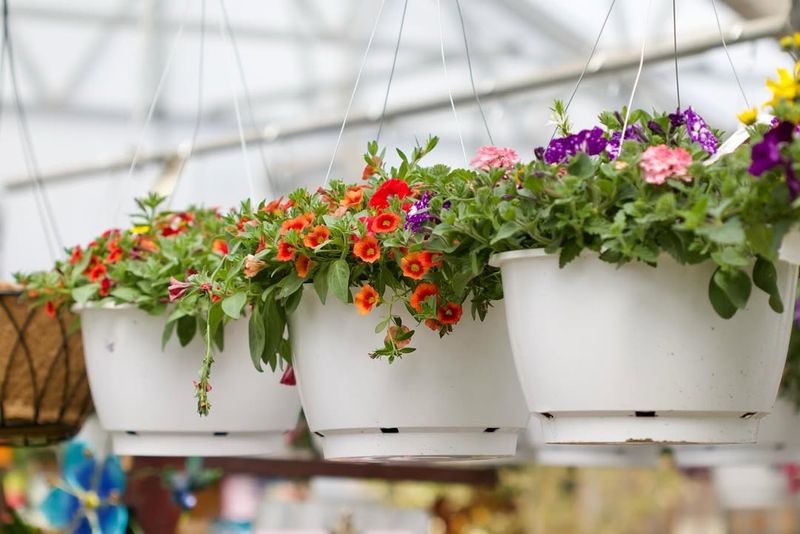
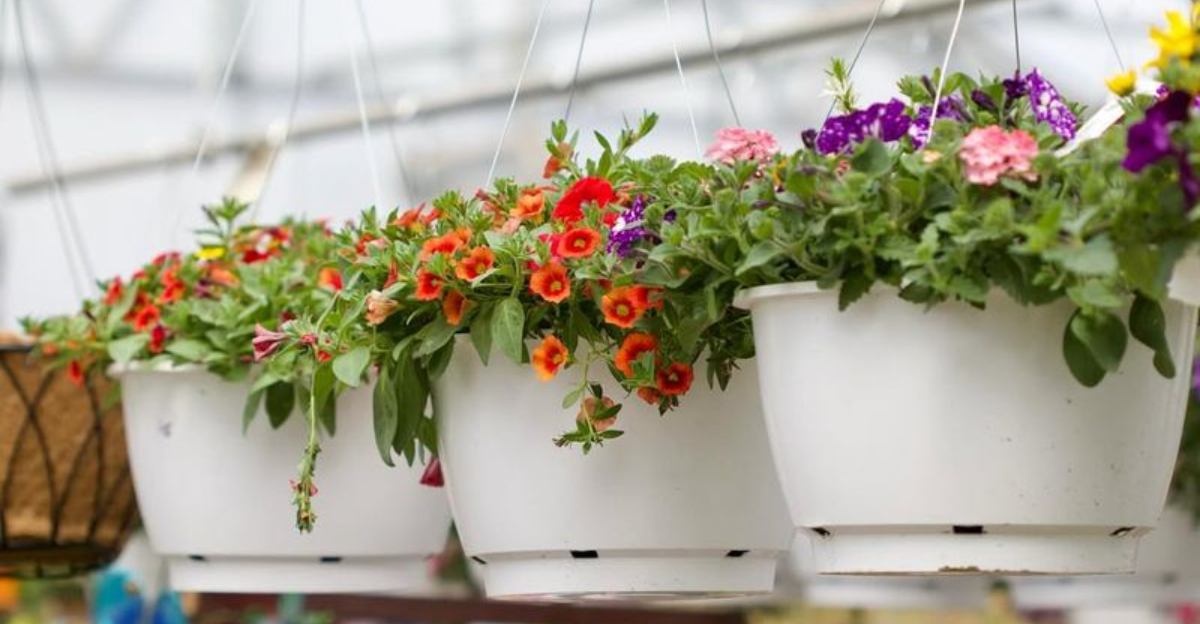
Vertical gardening maximizes limited space while adding unexpected beauty overhead, something Georgia residents use to transform porches, patios, and even indoor rooms dramatically.
Boston ferns, pothos, and spider plants cascade beautifully from hanging baskets, creating living curtains that soften hard architectural lines and add movement naturally.
Hanging plants also improve air quality by filtering toxins, making your home healthier while looking absolutely stunning from every angle you view them daily.
Residents across Georgia install hooks on porch ceilings or use freestanding plant stands to avoid drilling holes in walls or damaging rental properties permanently.
Watering hanging plants requires special attention since they dry out faster than ground-level varieties, especially during hot Georgia summers when evaporation increases rapidly.
Rotating your hanging plants weekly ensures all sides receive equal sunlight, preventing lopsided growth that makes your display look unbalanced and poorly maintained over time.
Combining trailing and upright plants in the same basket creates fuller, more interesting arrangements that look professionally designed even if you assembled them yourself.
5. Creating Focal Points with Statement Plants
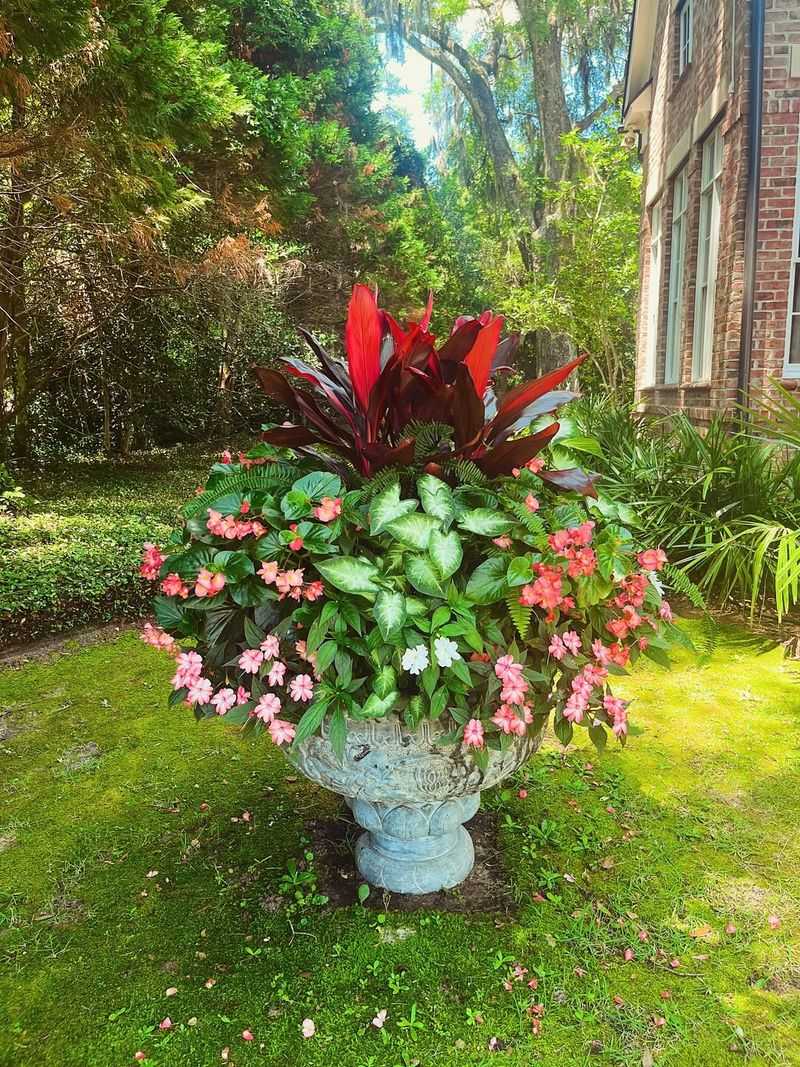
Every great plant display needs a star attraction that immediately captures attention and anchors the entire design, which Georgia gardeners understand perfectly well today.
Large fiddle leaf figs, bird of paradise, or dramatic palms serve as statement pieces that set the tone for your entire space indoors or outdoors.
Placing your focal plant in a prominent location ensures it gets noticed first, guiding visitors through your garden or room with intentional visual flow.
Georgia residents often choose plants with bold leaves, unusual shapes, or striking colors that contrast beautifully with surrounding greenery for maximum impact always.
Statement plants require prime real estate with adequate light and space to grow, so plan your layout carefully before committing to a specific location.
Surrounding your focal plant with smaller, simpler varieties prevents competition and allows the star to shine without visual clutter distracting from its beauty.
Seasonal blooms can temporarily steal the spotlight, but your statement plant provides consistent year-round interest that keeps your display looking intentional and well-planned always.
6. Mixing Textures for Depth and Dimension
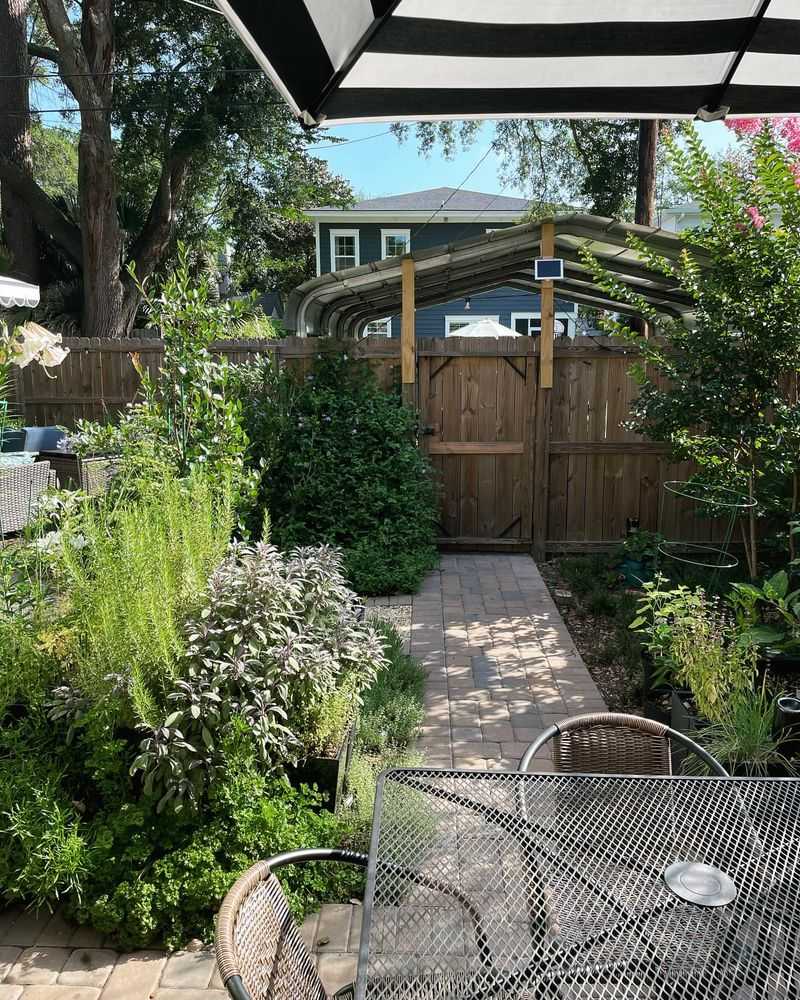
Combining plants with different leaf shapes, sizes, and surface textures creates visual richness that makes your garden feel more sophisticated and professionally designed overall.
Smooth, glossy leaves contrast beautifully with fuzzy or rough foliage, while feathery ferns soften the bold lines of architectural plants like snake plants.
Georgia gardeners experiment with variegated leaves, silver-toned foliage, and deep burgundy accents to add color variety beyond traditional green shades found everywhere.
Texture mixing works indoors and outdoors, transforming simple plant collections into dynamic displays that engage multiple senses and keep viewers interested longer than expected.
Residents across Georgia find that textural contrast becomes especially important in monochromatic green gardens where color variation might be limited throughout most seasons.
Touching different plant textures can be therapeutic, adding a sensory element to your garden that goes beyond visual appeal and engages visitors more deeply.
Balancing soft and hard textures prevents your display from feeling too uniform or boring, creating subtle tension that makes the overall composition more memorable.
7. Understanding Sunlight Needs for Placement
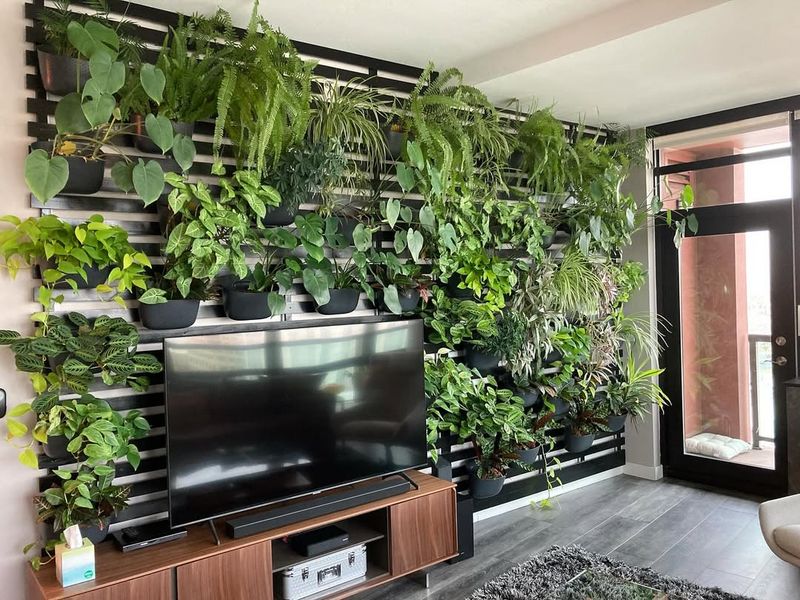
Matching plants to their ideal light conditions determines success or struggle, something every experienced Georgia gardener learns through observation and occasional trial and error.
South-facing windows provide intense light perfect for succulents and cacti, while north-facing spots suit shade-loving ferns and peace lilies beautifully throughout the year.
Georgia homes with large trees casting shade require different plant selections than properties with full sun exposure all day long during summer months.
Observing how sunlight moves through your space throughout the day helps you place plants exactly where they will thrive rather than just survive.
Indoor plants often need rotation to ensure all sides receive adequate light, preventing them from leaning awkwardly toward windows in search of rays.
Residents across Georgia use sheer curtains to filter harsh afternoon sun, protecting delicate plants from scorching while still providing necessary light for photosynthesis.
Understanding light requirements saves money and frustration by preventing plant purchases that were never suited for your specific environment from the very beginning.
8. Adding Seasonal Color with Annuals
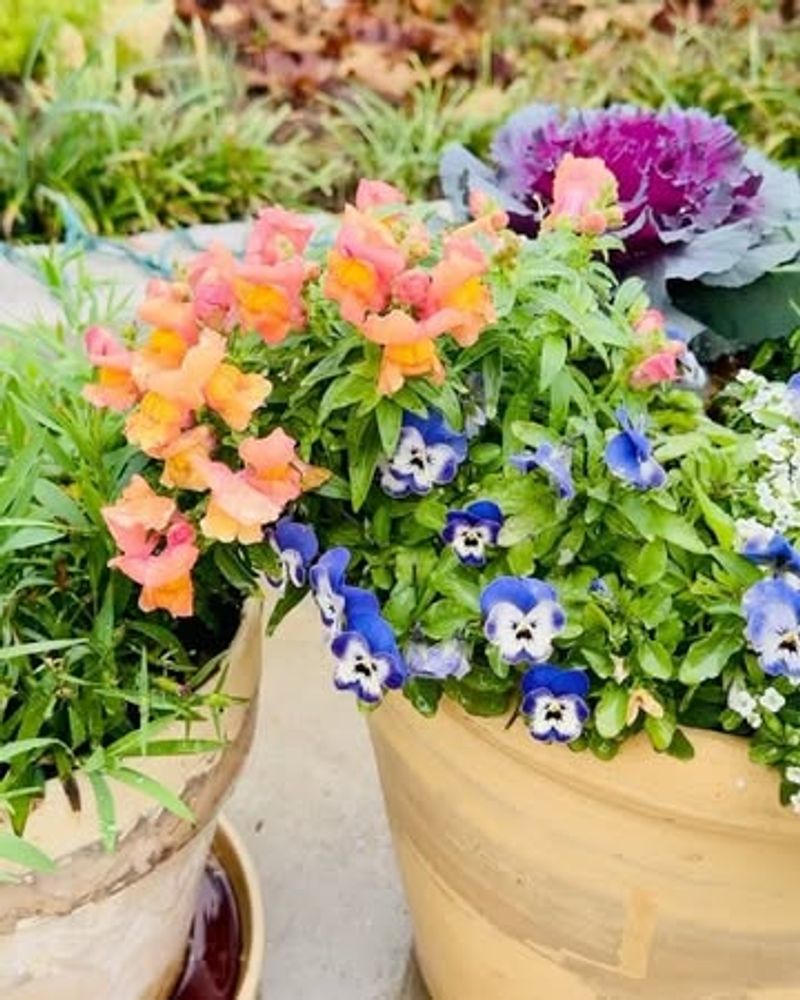
Annual flowers provide bursts of seasonal color that keep your plant displays fresh and exciting throughout the year, which Georgia residents embrace enthusiastically always.
Petunias, marigolds, and zinnias thrive during Georgia summers, offering vibrant blooms that complement your permanent greenery with temporary but spectacular color displays.
Swapping annuals seasonally allows you to experiment with different color schemes without committing to permanent plants that might not match your evolving style.
Fall brings pansies and ornamental cabbages that tolerate cooler Georgia temperatures, extending your garden color well beyond summer into late autumn months beautifully.
Residents across Georgia plant annuals in containers for easy swapping, keeping their core landscape intact while refreshing the overall look multiple times yearly.
Annuals often bloom more prolifically than perennials, providing constant color that makes your garden look vibrant and well-maintained throughout their entire growing season.
Combining annuals with evergreen perennials creates a balanced landscape that offers both consistency and seasonal excitement, satisfying your need for variety and stability simultaneously.
9. Incorporating Edible Plants for Function
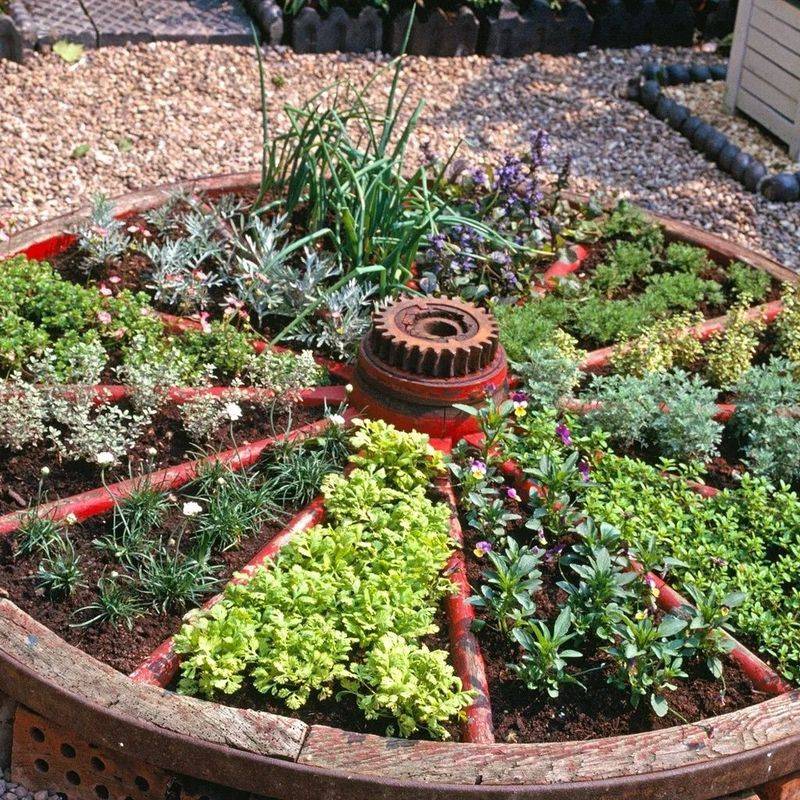
Blending herbs and vegetables into ornamental displays creates beautiful, functional gardens that serve multiple purposes, which Georgia residents find incredibly practical and rewarding.
Basil, rosemary, and thyme offer attractive foliage and wonderful scents while providing fresh ingredients for cooking delicious meals throughout the growing season.
Cherry tomatoes and colorful peppers add pops of red, yellow, and orange that rival any purely decorative plant while yielding tasty homegrown produce.
Georgia gardeners plant edibles in decorative containers near kitchen doors, making it convenient to snip fresh herbs while cooking dinner every single evening.
Mixing edibles with ornamental plants confuses pests naturally, reducing the need for chemical treatments while keeping your garden organic and environmentally friendly throughout.
Residents across Georgia appreciate edible plants for teaching children about food sources, making gardening educational and engaging for the entire family together daily.
Edible flowers like nasturtiums and pansies add unexpected beauty to salads and desserts, impressing dinner guests with your creative culinary and gardening skills.
10. Maintaining Consistent Watering Routines
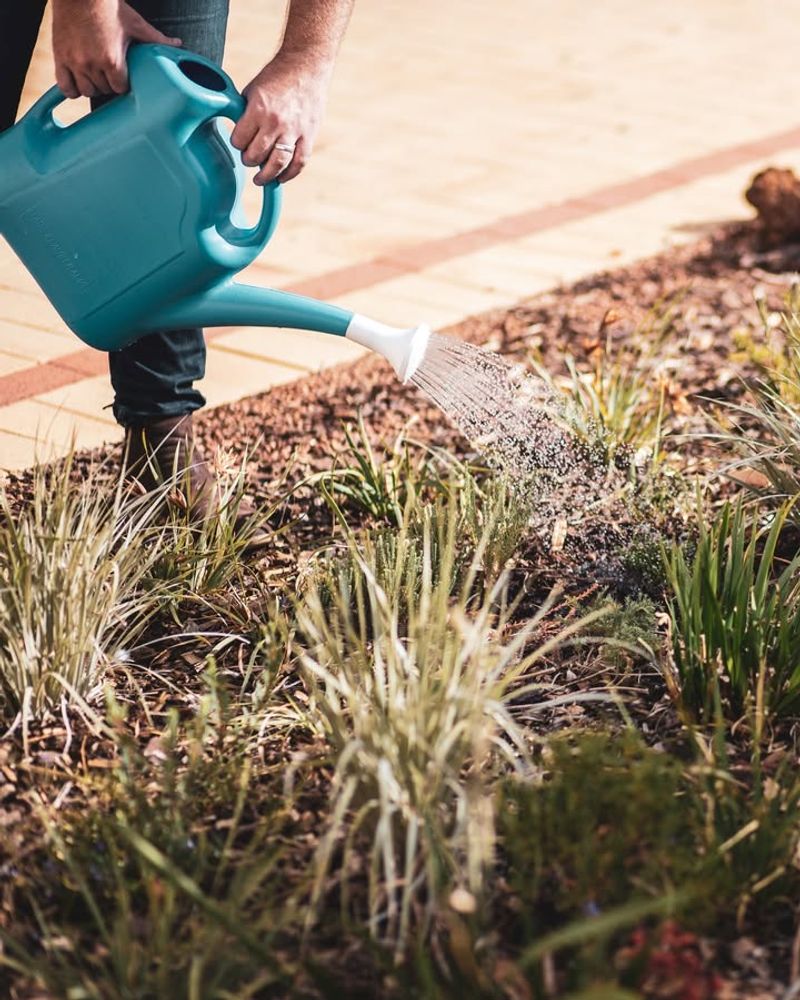
Establishing regular watering schedules keeps plants healthy and prevents the stress caused by inconsistent moisture levels, which Georgia gardeners prioritize for long-term success.
Most plants prefer deep, infrequent watering over shallow daily sprinkling, encouraging roots to grow deeper and making them more drought-resistant during hot spells.
Georgia summers can be brutal, so early morning watering reduces evaporation and ensures plants have moisture reserves before afternoon heat arrives with full intensity.
Using your finger to test soil moisture prevents overwatering, which causes more plant problems than underwatering despite what many beginning gardeners mistakenly believe.
Residents across Georgia install drip irrigation or soaker hoses for consistent moisture delivery, saving time while ensuring every plant receives exactly what it needs.
Grouping plants with similar water needs simplifies maintenance, preventing you from accidentally overwatering drought-tolerant varieties or underwatering moisture-loving ones by mistake regularly.
Adjusting watering frequency seasonally reflects changing weather conditions, helping your plants thrive year-round rather than following a rigid schedule that ignores environmental changes.