How Illinois Gardeners Can Get More Blooms From Dahlias In July
Illinois gardeners expect their dahlias to put on a show by mid-July, yet plenty of beds tell a different story this year. Buds stay tight, stems stretch thin, and the color payoff feels smaller than the effort behind it.
That gap between expectation and reality usually traces back to a handful of overlooked habits rather than bad luck. A pinch here, a feeding schedule there, and the whole plant shifts into a different gear.
None of the fixes below require special equipment or a lifetime of gardening experience. They’re simple weekend adjustments, with results showing up within days.
1. Remove Spent Blooms Every Week
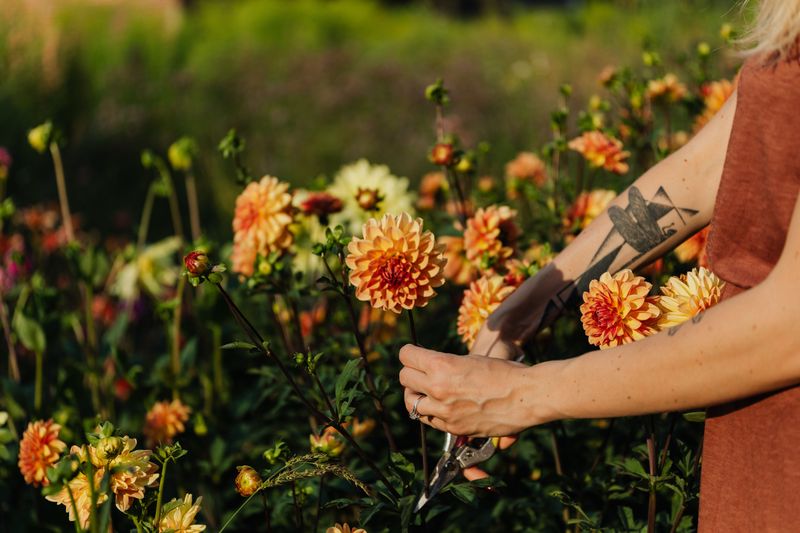
Faded flowers are energy thieves. Every spent bloom left on your dahlia plant is quietly draining resources that could go toward fresh, new flowers.
Removing spent blooms means snipping off faded flowers before they form seeds. When a dahlia starts making seeds, it believes its job is done for the season.
Snipping off old flowers tricks the plant into thinking it needs to keep producing. That simple act of weekly maintenance can noticeably increase the number of blooms you see over a single month.
Use sharp, clean scissors or pruning shears for this job. Dull blades can crush stems and invite disease, so keep your tools in good shape.
Cut the faded flower back to the nearest set of leaves or side shoot. Do not just pinch off the petals and leave the base behind.
The base, called the calyx, will still try to form a seed if left in place. Getting the whole thing off is what sends the right signal to your plant.
Make removing spent blooms a weekly ritual every Saturday morning or Sunday evening. Consistency is what keeps dahlias pumping out blooms in the heat of an Illinois July.
You will notice new buds forming faster after just one or two rounds of regular removal. Keep at it, and your dahlia patch will reward you with waves of color all the way through fall.
2. Disbud Side Buds For Fewer But Bigger Flowers
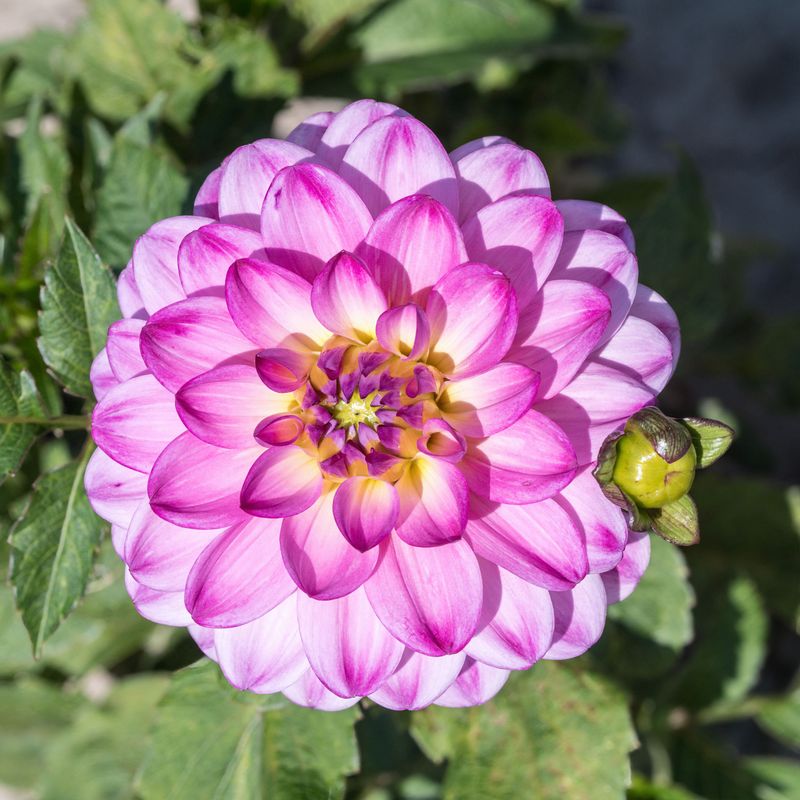
Sometimes less really is more. Disbudding is a technique that serious dahlia growers swear by, and it produces impressively large blooms.
Each dahlia stem typically grows one central bud flanked by two smaller side buds. If you leave all three, you get three decent-sized flowers.
Remove the two side buds early, and that central flower becomes enormous. All the plant’s energy rushes into a single spectacular bloom instead of being split three ways.
This is the secret behind those giant dinner-plate dahlias you see at state fairs and flower shows. The technique is simple but the results are hard to miss.
To disbud correctly, pinch or snip the small side buds off when they are still tiny, about the size of a pea. The earlier you catch them, the better the outcome.
Do not wait until they are half-developed because the plant will have already divided its energy. Early removal gives the central bud a head start it will use beautifully.
Your Illinois Garden Changes Every Week. Your Plan Should Too.
Gardening in Illinois changes quickly throughout the season. Every Friday you’ll receive a simple weekly plan showing exactly what to plant, prune, fertilize, harvest, and protect so you never miss the right timing.
This approach works especially well for large-flowering dahlia varieties like cafe au lait or Thomas Edison. Smaller pompom types do not need this treatment as much.
Try disbudding just half your plants and leaving the other half alone. Comparing the two groups side by side will show you exactly how powerful this simple technique can be for getting more blooms from dahlias in July.
3. Feed With A High Potassium Fertilizer
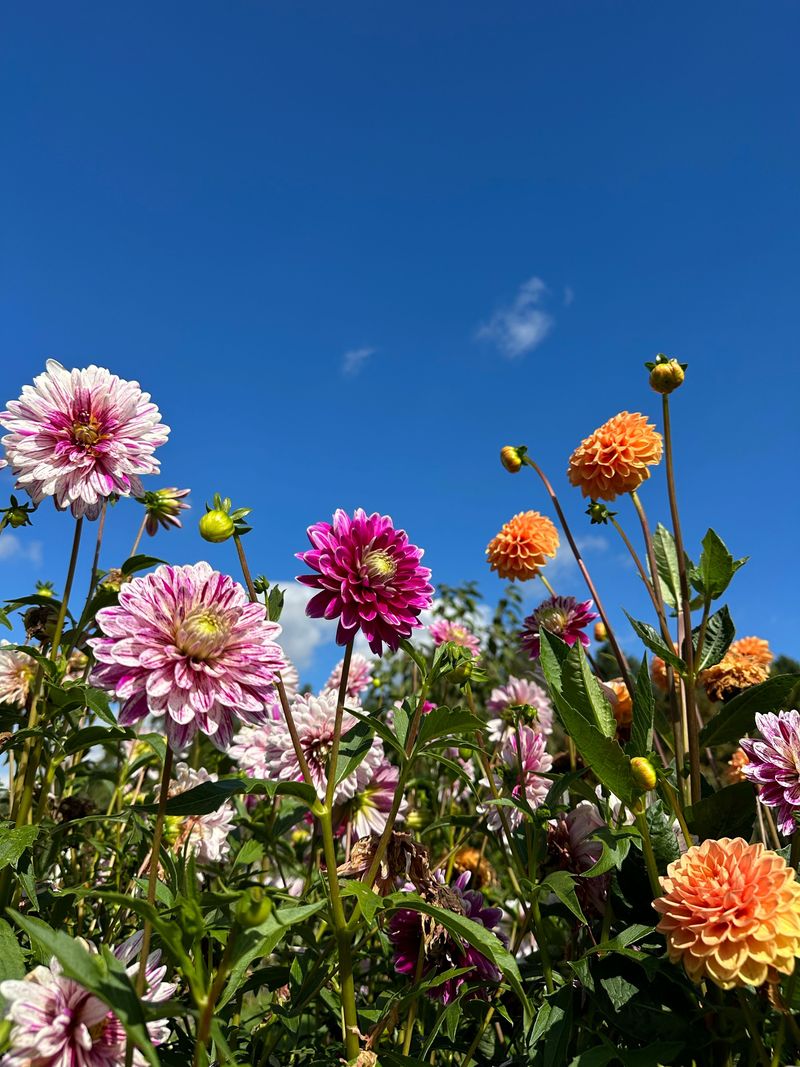
Hungry plants bloom poorly. Dahlias are heavy feeders, and July is exactly when they need the right nutrients to keep flowering at full speed.
Most gardeners reach for a balanced fertilizer and call it a day. But dahlias in full bloom actually need something more specific than that.
A fertilizer high in potassium, also called potash, is what supports strong flower production. Look for a product where the third number on the label is the highest of the three.
Common options include tomato fertilizers or bloom-booster formulas, which are widely available at garden centers across the state. These are formulated specifically to push plants into flower mode.
Avoid fertilizers that are high in nitrogen during July. Too much nitrogen makes dahlias grow lush, leafy, and green while producing far fewer actual flowers.
Think of nitrogen as the leafy green food and potassium as the flowering fuel. Your dahlias already have their leaves; now they need the fuel.
Apply a liquid fertilizer every two weeks for the best results. Liquid formulas absorb quickly and give plants a fast boost right when they need it most.
Granular slow-release options also work well if you prefer a low-maintenance approach. Just scratch them into the soil around the base of each plant and water them in thoroughly afterward.
Consistent feeding through July keeps energy levels high and flowers coming in steady, colorful waves all season long.
4. Water Deeply Two To Three Times A Week
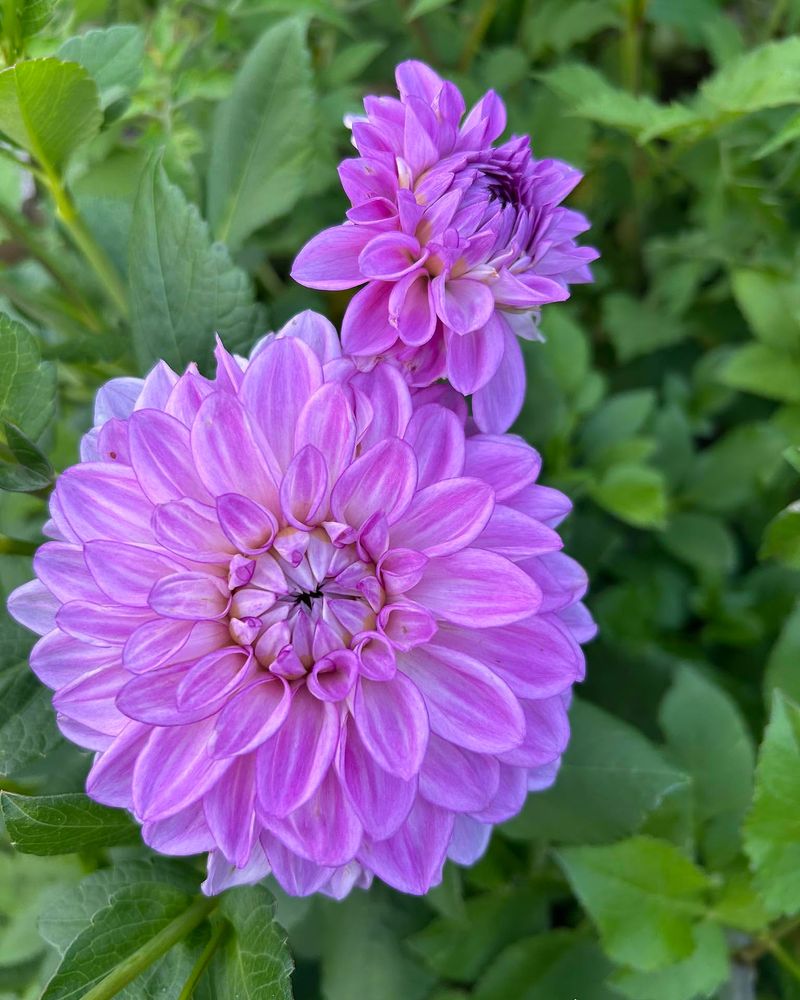
Shallow watering creates shallow roots. And shallow roots mean stressed plants that stop blooming the moment the temperature spikes in an Illinois July.
Dahlias want water delivered slowly and deeply, soaking all the way down to where their tubers are anchored. A quick sprinkle on the surface barely helps at all.
Water two to three times per week depending on how hot and dry conditions are in your area. During a heat wave, three times is the right call.
Each watering session should last long enough to push moisture at least six to eight inches into the ground. That depth encourages roots to grow down where temperatures stay cooler.
Avoid overhead watering whenever possible because wet foliage invites fungal problems. A soaker hose or drip irrigation system delivers water right where it belongs, at the base of the plant.
Water in the morning so any moisture that does splash on leaves can dry off before evening. Wet leaves sitting overnight are an open invitation for mildew and rot.
Check your soil moisture before each watering by pushing a finger two inches into the ground near the base of the plant. If it feels dry at that depth, it is time to water.
A consistent watering schedule keeps dahlias calm, hydrated, and focused on the one job you want them doing. Well-watered plants bloom longer and recover faster from summer heat stress.
5. Stake Tall Stems To Prevent Snapping
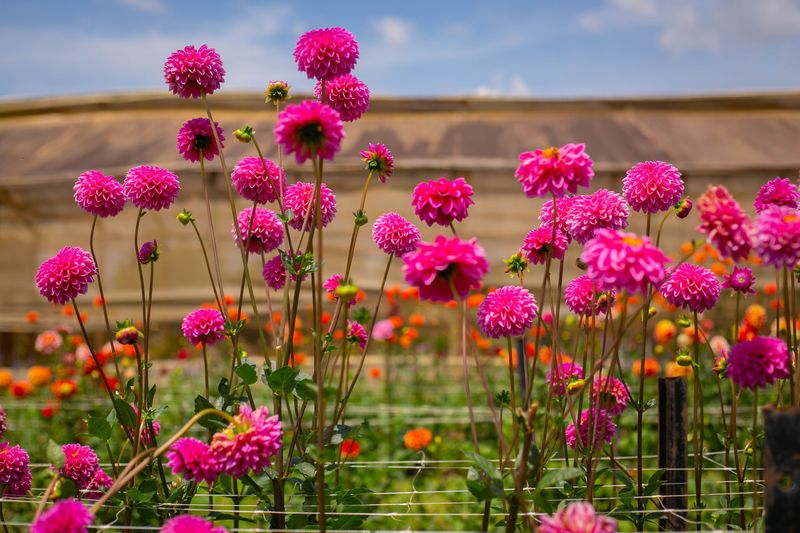
A snapped stem is a lost bloom. Tall dahlia varieties can grow four to six feet high, and without support they are vulnerable to a single strong storm.
Illinois July weather is notorious for sudden afternoon thunderstorms with strong gusts. Those gusts can easily snap an unsupported dahlia stem.
Staking is one of those tasks that feels unnecessary until the moment you need it. By then, it is already too late to save the flower.
Install your stakes early in the season, ideally when you first plant the tubers. Pushing stakes into the ground later risks damaging the tubers hiding just below the surface.
Bamboo stakes, metal garden stakes, or wooden dowels all work well for this purpose. Choose a stake that stands at least as tall as your dahlia variety is expected to grow.
Tie the stem to the stake using soft garden twine or strips of stretchy fabric. Avoid wire or anything rigid that could cut into the stem as the plant sways.
Use a figure-eight tie pattern so the stem has a little room to move naturally. A knot that is too tight can damage the stem and restrict the flow of water and nutrients.
Check your ties every couple of weeks as the plant grows taller. Adjusting and adding new ties as needed keeps stems upright and blooms pointing proudly toward the sky all month long.
6. Harvest Flowers Often To Keep Plants Producing
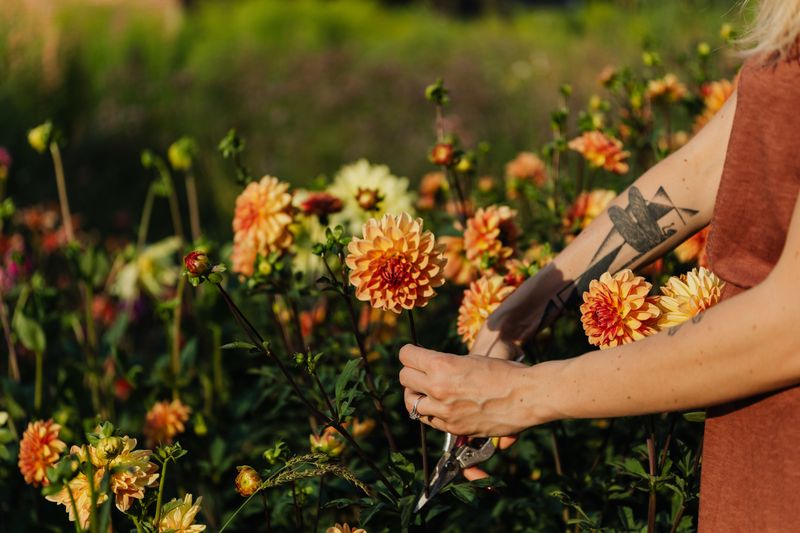
Cutting flowers for a vase is not selfish. It is actually one of the best favors you can do for a dahlia plant that you want to keep blooming all July.
When you harvest a flower, you send the same signal as removing spent blooms. The plant registers that its bloom is gone and immediately sets to work making another one.
Dahlias are what growers call cut-and-come-again flowers. The more you cut, the more they produce, and the cycle continues as long as conditions stay favorable.
Harvest flowers in the early morning or late evening when stems are fully hydrated. Cutting during the heat of midday causes stems to wilt quickly and shortens vase life significantly.
Choose blooms that are just fully open or slightly past bud stage. Flowers cut too early often fail to open fully once they are in a vase.
Bring a bucket of cool water into the garden with you and plunge each stem in immediately after cutting. That quick hydration step keeps flowers fresh and perky for days.
Cut stems at an angle using sharp, clean shears to maximize the surface area for water uptake. A clean cut also reduces the chance of bacterial buildup inside the stem.
Arrange your harvested dahlias in a cool room away from direct sunlight and ripening fruit. Ripening fruit releases a gas that shortens the life of cut flowers faster than you might expect.
7. Mulch To Lock In Moisture And Cool The Soil
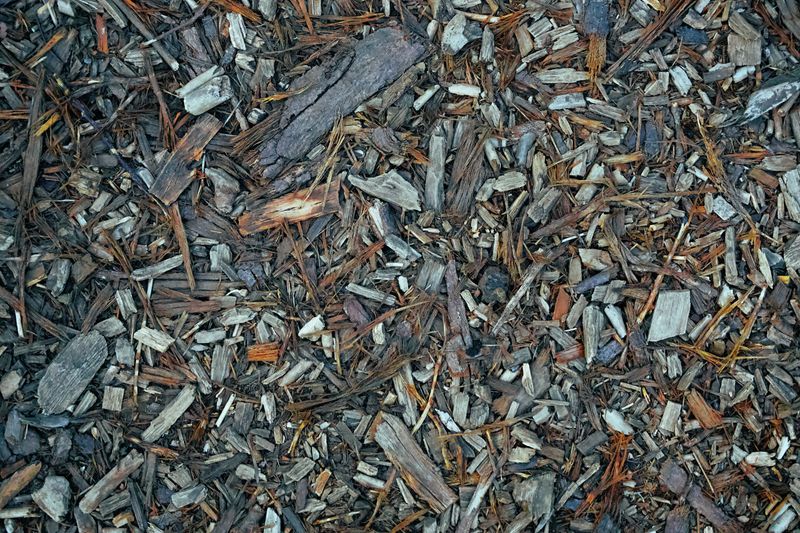
Hot soil is stressed soil. When July temperatures climb into the nineties, the ground around your dahlias can heat up enough to slow root function and shut down blooming.
Mulch acts like a blanket in reverse, keeping the soil underneath cool and moist even when the sun beats down hard all afternoon. It is one of the simplest tools in any gardener’s kit.
Spread a two-to-three-inch layer of organic mulch around the base of each dahlia plant. Keep the mulch a couple of inches away from the main stem to allow for airflow.
Wood chips, straw, shredded leaves, or grass clippings all make excellent mulch options. Each one breaks down slowly and adds organic matter back into the soil over time.
Mulch also reduces how often you need to water by slowing evaporation from the soil surface. During a hot Illinois summer, that can mean the difference between daily watering and watering every other day.
Weeds are another problem mulch handles quietly and efficiently. A thick layer blocks sunlight from reaching weed seeds, cutting down on the competition your dahlias face for water and nutrients.
Refresh your mulch layer mid-season if it starts to thin out or decompose quickly in the heat. Keeping it at a consistent depth maintains all those protective benefits through the rest of summer.
Cool, moist soil equals happy roots, and happy roots equal a plant that stays focused on producing more blooms from dahlias all the way through August.
8. Cut Stems Deep To Encourage Longer New Growth
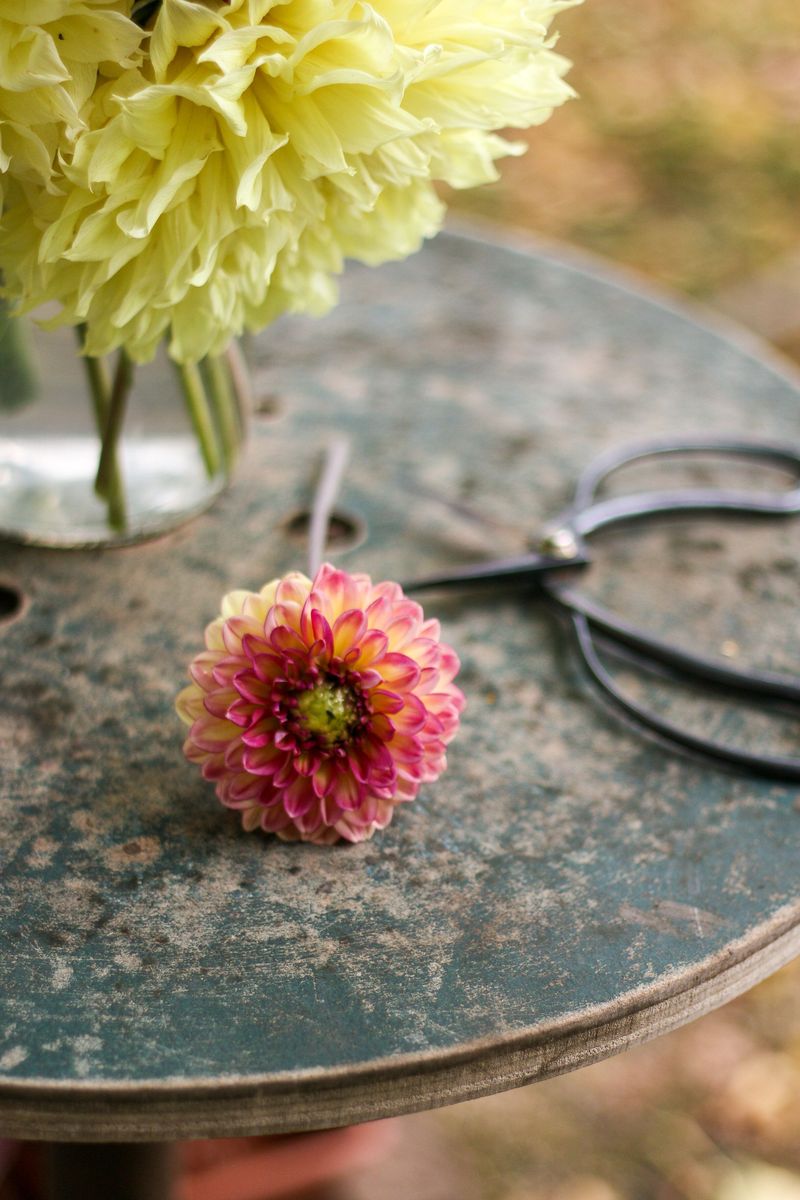
Where you cut matters as much as when you cut. Many gardeners snip dahlia stems just below the flower, but that habit actually works against you in the long run.
Cutting deep into the plant, down to the next set of leaves or a major branching point, encourages stronger and longer new growth to emerge. That new growth carries more flower buds.
Think of it like pruning a tree. The deeper and more deliberate your cut, the more vigorous the response from the plant. Dahlias respond to confident cuts with enthusiastic regrowth.
Aim to cut at least one to two nodes below the spent or harvested flower. A node is the point on the stem where a set of leaves attaches.
Cutting at a node signals the plant to push new growth from that exact spot. Two new shoots often emerge from a single well-placed cut, meaningfully increasing your future bloom count.
Sharp tools make a real difference with this technique. A dull blade crushes plant tissue and leaves ragged edges that take longer to heal and are more vulnerable to infection.
Wipe your shears with diluted bleach or soapy water between plants to avoid spreading any disease from one stem to another.
Deep, strategic cutting is the final key to getting more blooms from dahlias in July and beyond. Master this move, and your plants will reward you with an abundance of flowers all season long.