Why Michigan Gardeners Are Moving Their Bird Feeders And How It Helps Reduce Ticks
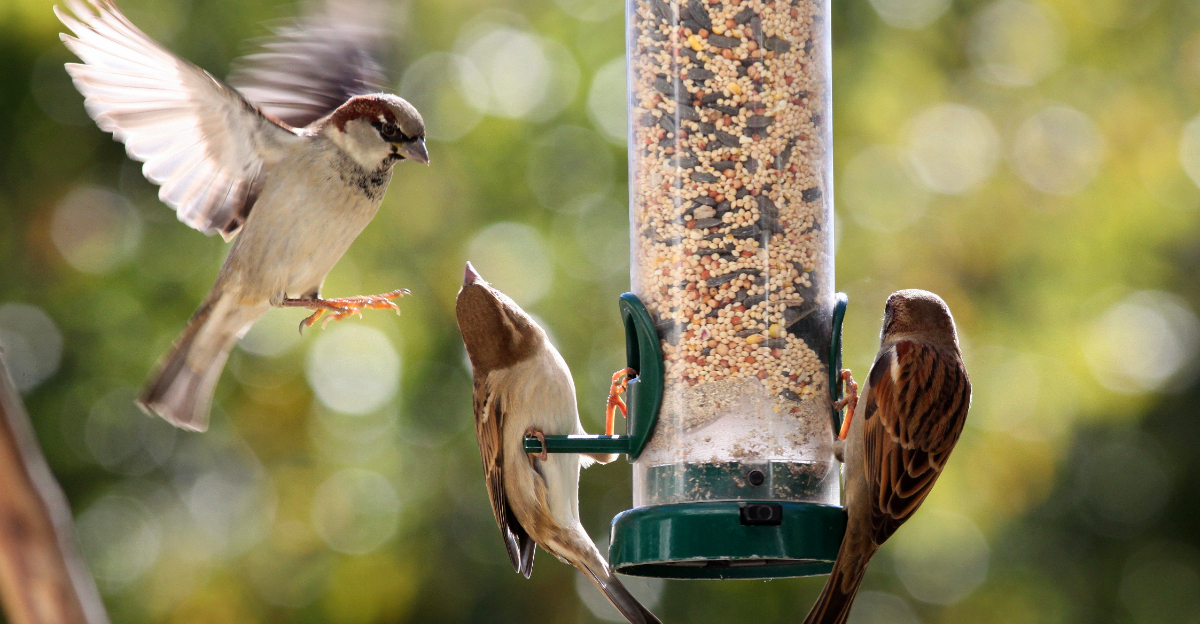
Bird feeder placement feels like a decision made entirely for the benefit of the birds and the people watching them.
Where you place a bird feeder in your Michigan yard directly affects local tick activity. Most people put feeders in spots that actually create the highest risk of tick exposure for their families.
The connection between feeder location and tick habitat is direct and well-supported, rooted in the ground-level activity that feeders generate beneath them.
Moving a feeder does not require any new equipment or significant effort, and the tick management benefit it produces is one of the more surprising and immediately actionable pieces of backyard wildlife knowledge Michigan gardeners have been acting on.
1. Bird Feeders Can Draw Tick Carrying Wildlife Closer To Garden Beds
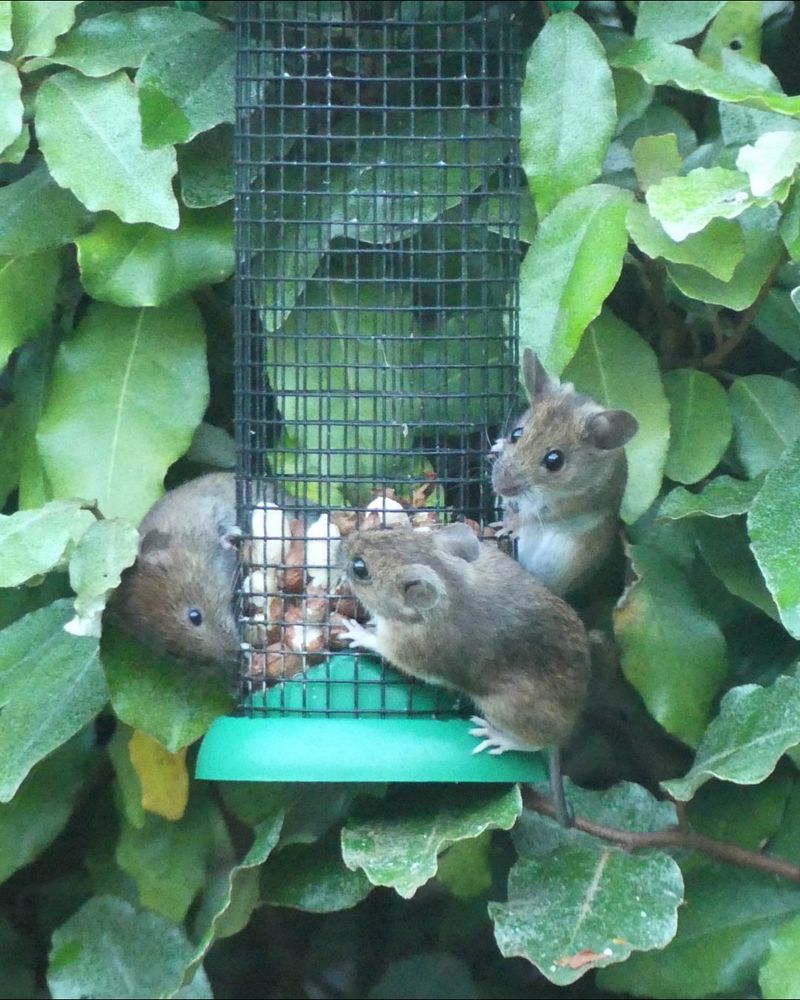
Most people hang bird feeders with one goal in mind: watching colorful birds from the window. What many gardeners do not realize is that feeders attract a much wider crowd.
Mice, chipmunks, squirrels, and even deer are all regular visitors to spots where seed is available, and ticks frequently travel on these animals.
Ticks do not jump or fly. They hitch rides on warm-blooded hosts, which means every mouse darting under your feeder or every deer pausing nearby could be dropping ticks right into your garden space.
When feeders hang directly over vegetable beds or flower gardens, the wildlife traffic runs right through the areas where you kneel, weed, and harvest every week.
Michigan has a growing population of blacklegged ticks, also called deer ticks, which can carry Lyme disease.
Moving a bird feeder just 20 to 30 feet away from your raised beds, patios, or play areas can meaningfully reduce how often wildlife wanders through those high-use zones.
It does not eliminate the issue entirely, but it creates more separation between wildlife paths and the spots where people spend their time.
Think of it as redirecting foot traffic. You are not removing the animals from your yard, you are simply encouraging them to gather in a different part of it.
Gardeners who have made this shift often notice fewer signs of small animal activity near their beds. That small change can add up to a noticeably more comfortable and lower-risk gardening experience throughout Michigan’s warmer months.
2. Spilled Seed Can Turn One Spot Into A Wildlife Gathering Area
There is something happening under your bird feeder that most people overlook completely. Every time birds toss seed aside or a gust of wind tips the tray, a pile of food lands on the ground below.
That scattered seed is basically a standing invitation for small wildlife to gather, and they accept it enthusiastically.
Mice and chipmunks are especially drawn to these seed piles. They are quick, low to the ground, and very good at finding food sources.
Once they discover a reliable spot under your feeder, they return again and again, sometimes bringing friends.
The problem is that these small animals are common tick hosts, and a busy gathering spot under your feeder can become a hot zone for tick activity in your yard.
Your Michigan Garden Changes Every Week. Your Plan Should Too.
Gardening in Michigan changes quickly throughout the season. Every Friday you’ll receive a simple weekly plan showing exactly what to plant, prune, fertilize, harvest, and protect so you never miss the right timing.
Reducing spilled seed is one of the simplest ways to make that spot less attractive. Switching to a feeder with a built-in tray catcher helps collect fallen seed before it hits the ground.
You can also choose no-mess seed blends made with hulled seeds, which birds eat more cleanly and waste far less of. Cleaning up beneath the feeder regularly, even just once a week, removes the food reward that keeps small animals coming back.
When there is nothing on the ground to eat, mice and chipmunks have less reason to linger in that specific spot. Fewer animals gathered in one place means less tick activity concentrated in your yard.
It is a small habit shift with a genuinely practical payoff for anyone who gardens or spends time outside in Michigan.
3. Feeders Near Brushy Edges Can Make Tick Habitat More Active
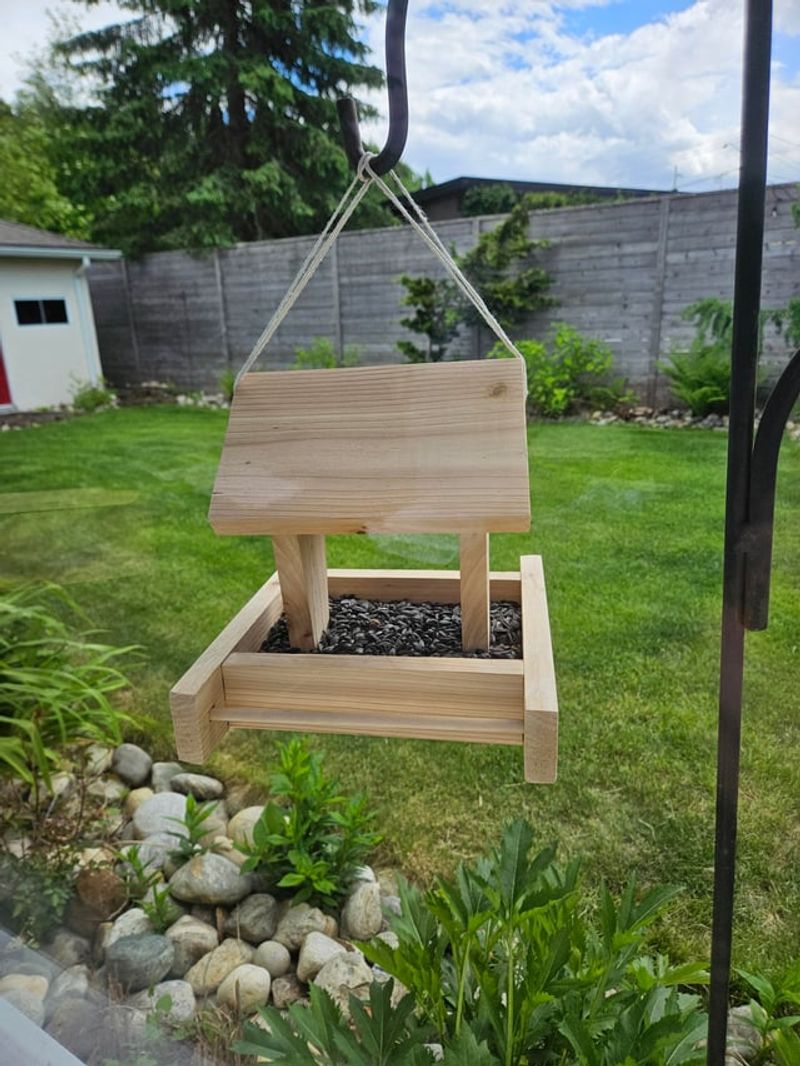
Picture the edge of your yard where the lawn meets the woods, or where tall grass and shrubs grow thick and tangled. That zone is exactly where ticks thrive.
It offers shade, moisture, leaf litter to hide in, and a steady stream of wildlife moving through. Hanging a bird feeder right in or next to that zone is like adding a magnet to an already busy area.
Ticks do not roam far on their own. They climb to the tips of grass blades and low brush, then wait for a passing host.
When wildlife frequently moves through a brushy edge to reach a feeder, that movement stirs up the area and increases the chances of ticks hitching a ride on animals that then wander closer to your home or garden.
The feeder pulls animals in, and the brushy habitat around it keeps ticks well supplied.
Michigan’s wooded and rural areas already support high tick populations, particularly in the lower peninsula where blacklegged ticks have expanded their range significantly over the past decade.
Placing feeders near these edges adds unnecessary wildlife traffic to zones that already pose the most risk. Moving the feeder toward a more open, sunny area of the yard can help break that cycle.
Open sunny spots are naturally less favorable for ticks because they dry out quickly and offer less cover.
Relocating your feeder even 15 to 20 feet away from a brushy edge, into a cleaner part of the yard, can help steer wildlife away from the highest-risk zones while you still enjoy watching birds from a safer vantage point.
4. Moving Feeders Away From Patios Helps Separate Wildlife From People
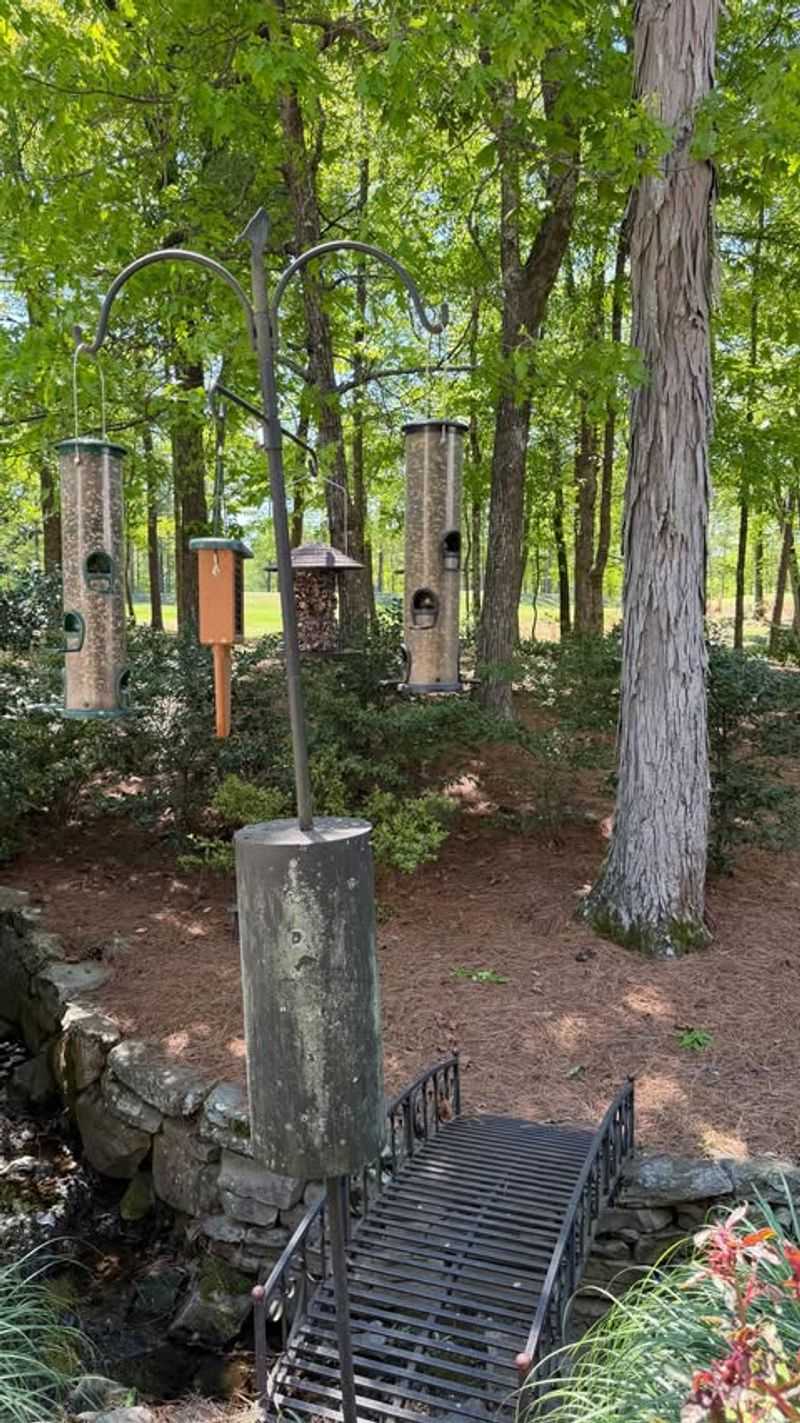
Outdoor spaces like patios, decks, and seating areas are meant to be places where you relax, not places where you have to worry about what the local wildlife is dragging in.
When a bird feeder hangs right above or beside these spaces, it naturally draws animals into the exact spots where people sit, walk, and spend their evenings.
Squirrels hop along deck railings. Deer wander up to feeders just feet from your back door.
Chipmunks dart under patio chairs looking for dropped seed. Every one of those animals could be carrying ticks, and the closer they get to your seating and walking areas, the higher the chance that a tick ends up somewhere you do not want it.
This is especially worth thinking about if children or pets use those areas regularly. Moving the feeder 25 to 30 feet away from the patio does not mean giving up birdwatching. You can still see the feeder from a window or from the yard.
What changes is the wildlife traffic pattern. Animals gather around the feeder rather than near your chairs, and the space where you actually spend time becomes a little calmer and a little safer.
No single step removes every tick from a Michigan yard, and that is important to keep in mind. But creating physical separation between where wildlife gathers and where people gather is a smart, low-effort strategy.
Paired with other habits like checking yourself after yard time and keeping grass trimmed, moving the feeder away from the patio is one of the easiest changes a gardener can make with real practical value.
5. Cleaner Feeder Areas Leave Fewer Places For Small Animals To Hide
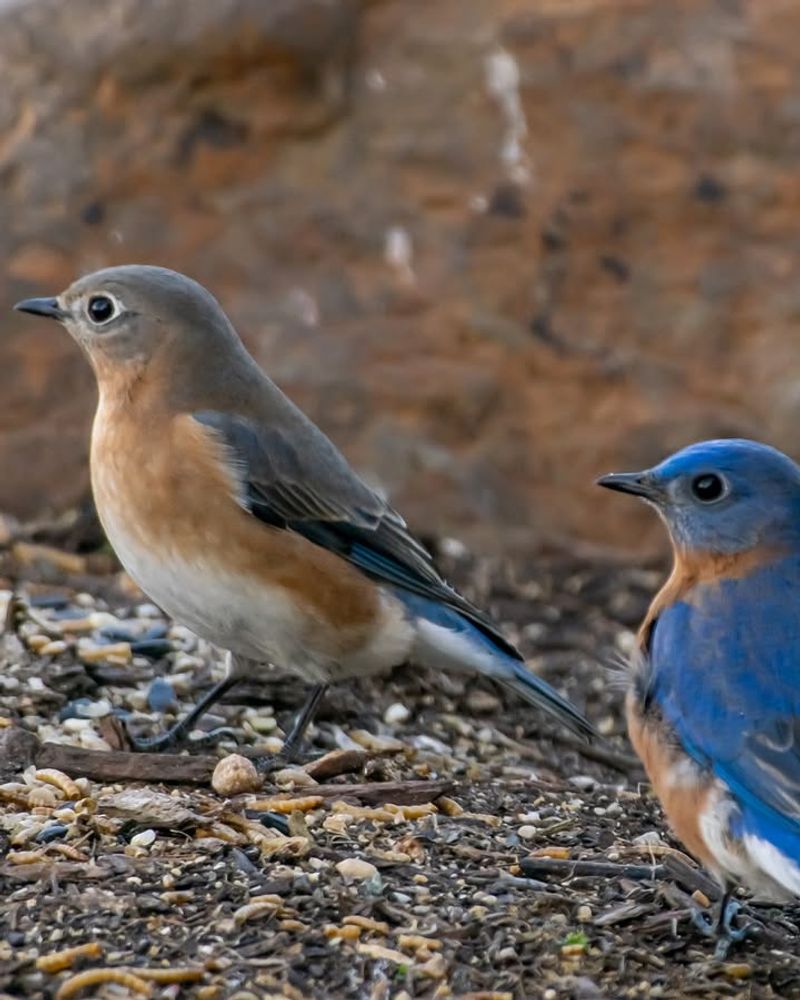
Walk up to almost any bird feeder that has been in the same spot for a season and you will likely find a mess below it. Old seed husks, leaf litter, clumps of weeds, and general clutter tend to build up fast.
That debris is not just an eyesore. It creates exactly the kind of cool, moist, sheltered environment that ticks favor and that small animals love to hide and nest in.
Mice and chipmunks are attracted to cluttered ground cover. They use leaf piles and seed debris as cover while they forage, and they may even nest in heavily littered areas.
Keeping the ground below a feeder clean and raked removes a lot of that appeal. Without the cover, small animals are more exposed and less likely to linger in that spot for long periods.
Ticks also benefit from moist, shaded ground. Leaf litter and dense debris hold moisture and block sunlight, creating the exact microclimate ticks need to stay active and survive.
Clearing that material away, even just within a few feet of the feeder base, can make the area noticeably less hospitable for both ticks and the animals that carry them.
A simple weekly routine of raking beneath the feeder, pulling any weeds that sprout up, and removing old seed buildup makes a real difference over a season. You do not need any special equipment or products.
A rake, a compost bin for the debris, and about ten minutes a week is enough to keep the feeder area tidier and far less inviting to the wildlife and tick activity you are trying to reduce.
6. Less Messy Feeder Choices Can Help Lower The Problem
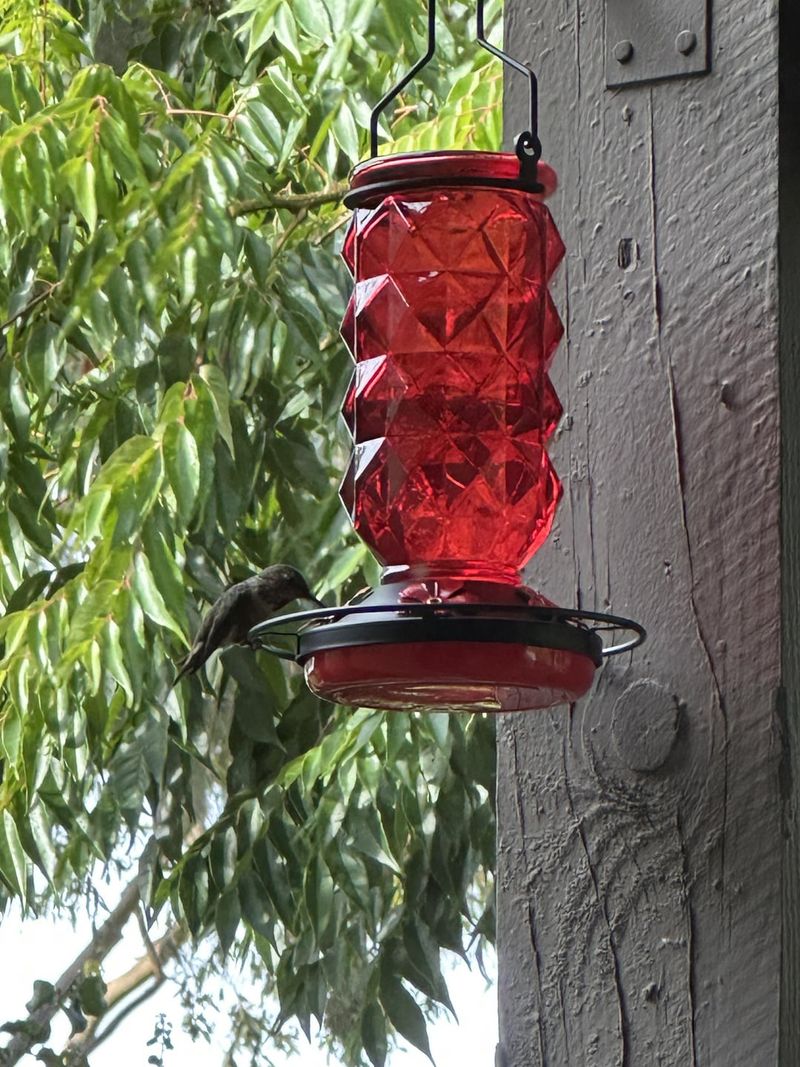
Not all bird feeders are created equal when it comes to mess. The classic tube feeder filled with mixed seed sounds great in theory, but birds are picky.
They toss out seeds they do not want, and those rejected seeds pile up on the ground below. That ground pile is exactly what keeps mice and chipmunks returning to your feeder area day after day.
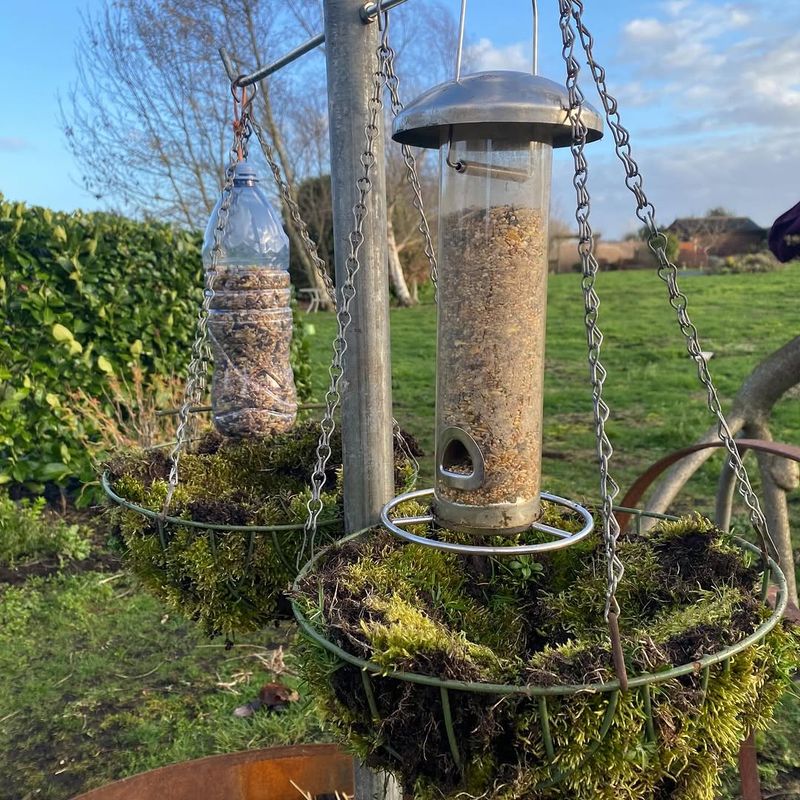
Switching to smarter feeder setups can dramatically cut down on that problem. Tray catchers attach below standard feeders and collect fallen seed before it hits the ground.
No-mess seed blends use hulled seeds that birds consume completely, leaving little to no shell debris behind.
Suet feeders are another solid option because suet produces almost no ground mess and tends to attract woodpeckers and nuthatches rather than seed-tossing sparrows.
Cornell’s Integrated Pest Management program suggests that if too many mice or chipmunks gather under your feeders, you should switch to less messy food. If that doesn’t work, remove the feeders entirely until the rodents move on.
That guidance is practical and worth keeping in mind, especially during spring and fall when small mammal populations peak in Michigan yards.
Regular cleanup is just as important as the feeder type you choose. Even the cleanest feeder setup benefits from a weekly ground check.
Removing any seed that does accumulate, wiping down feeder surfaces, and keeping the pole and surrounding area tidy all contribute to making the spot less attractive to wildlife that might carry ticks.
Small upgrades to your feeder routine can add up to a noticeably cleaner and more manageable yard.
7. Feeder Placement Works Best With A Bigger Tick Smart Yard Plan
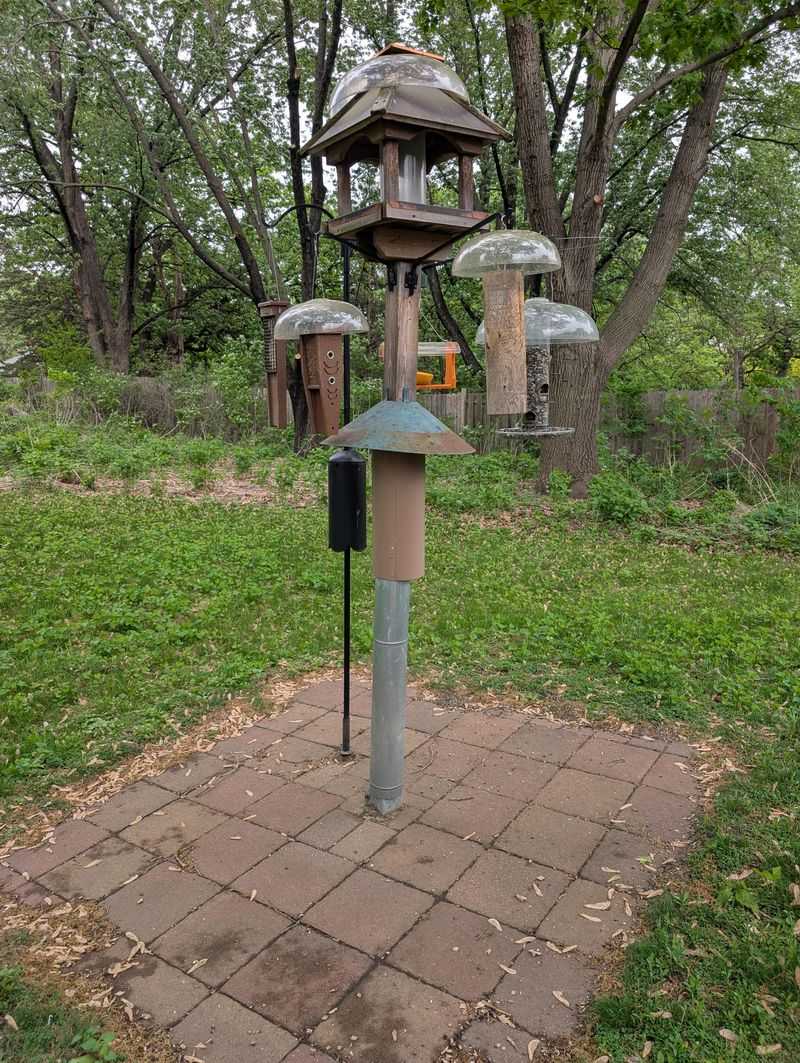
Moving your bird feeder is a smart first step, but it works best when it is part of a bigger picture. Ticks do not come from one single source, and no single action removes them from a yard entirely.
Building a yard that is genuinely less friendly to ticks means layering several simple habits together, and each one adds to the overall effect.
Mowing your lawn regularly is one of the most effective things you can do. Short grass dries out quickly and gives ticks far less cover to hide in.
Clearing leaf litter from garden beds and along fence lines removes another favorite hiding spot. Trimming back brush, overgrown shrubs, and low-hanging branches near the yard edges reduces the shaded, moist zones where ticks tend to concentrate.
Wood piles are another thing worth thinking about. Keeping them dry, stacked neatly, and stored away from the house reduces the chance of mice nesting nearby, which in turn reduces tick hosts close to your home.
The CDC and Michigan State University Extension both recommend creating a three-foot barrier of gravel or wood chips between your lawn and any wooded or brushy edges.
That dry, open strip makes it harder for ticks to migrate into your yard from surrounding habitat.
Checking yourself, your children, and your pets after spending time outdoors is one of the most reliable habits you can build. Ticks need time to attach before they can transmit anything, so catching them early matters.
When feeder placement, yard maintenance, and personal checks all work together, you end up with a yard that is much more enjoyable and much more comfortable all season long.