How Long To Wait Before Cutting Cold Damaged Plants In Florida
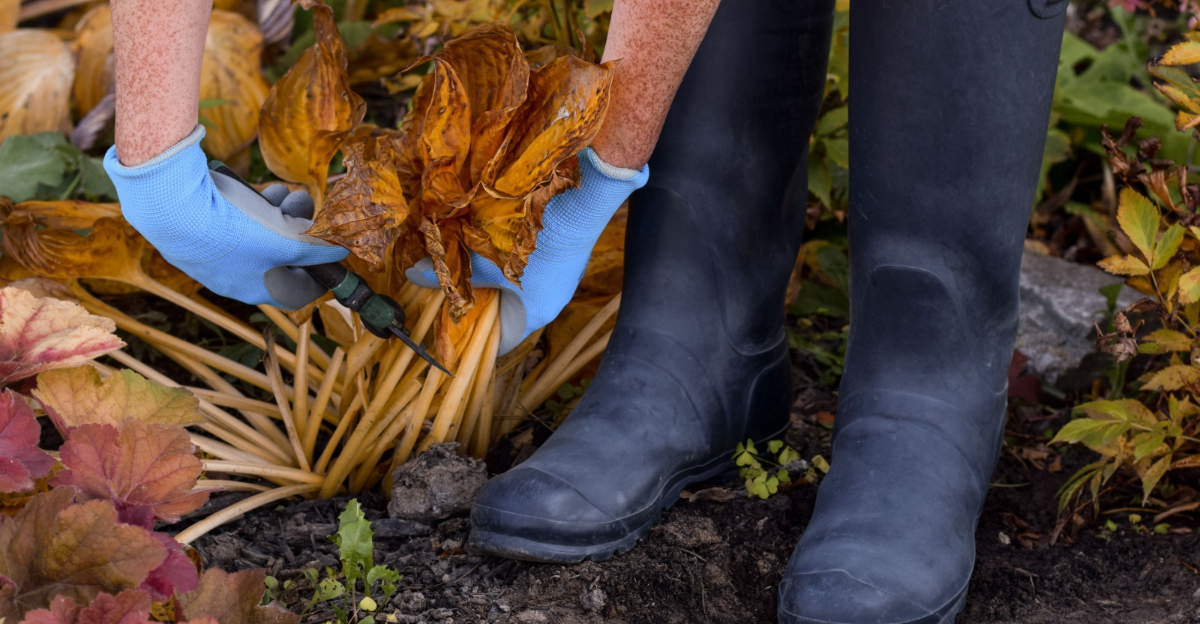
Stop before you grab the pruners. Cold snaps across Florida left gardens brown, limp, and painful, yet an early cut can destroy plants that still hold life inside.
Patience is the secret weapon after frost. Hidden buds often survive beneath damaged tips, and wait for warmth to return.
The right timing protects roots, saves blooms, and prevents permanent loss. Many gardeners rush outside after a freeze and make one mistake that costs an entire season.
One rule Florida pros trust nails the timing, guides every cut, and saves plants that still have a fighting chance. A few extra days can mean the difference between recovery and regret.
Your landscape can bounce back stronger, greener, and fuller than before, and it starts with one smart decision at the perfect moment. Protect your garden, restore its beauty, and give your plants the fresh start they deserve!
1. Delay Cutting Until The Last Frost Date Passes
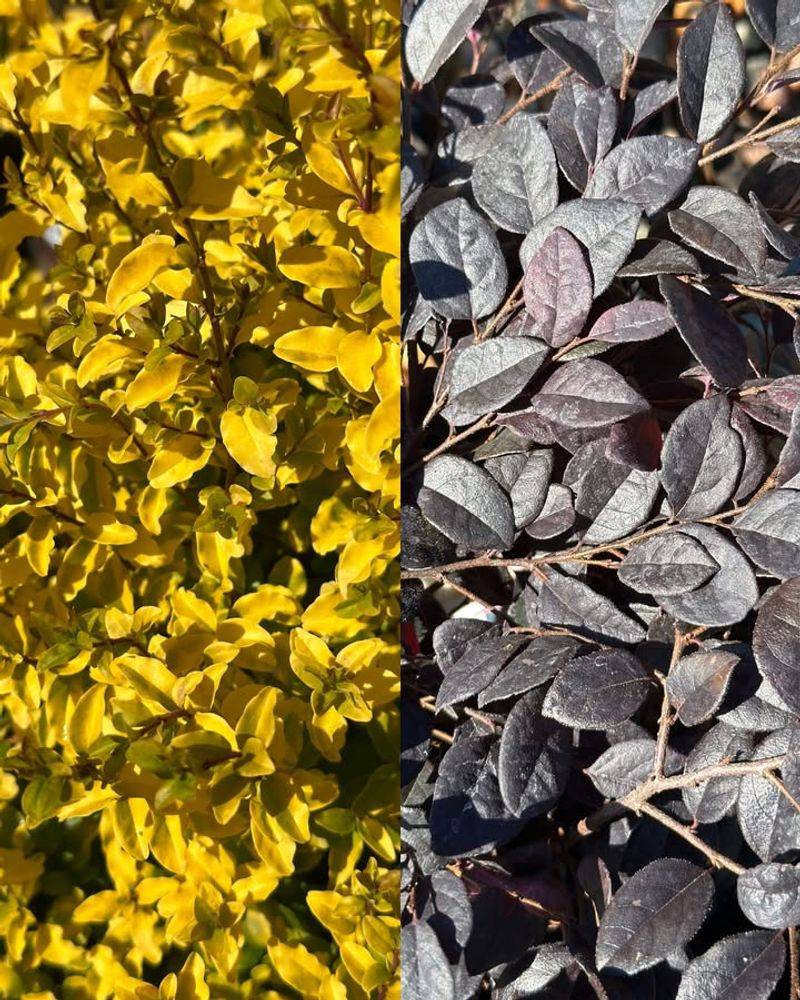
Waiting until all danger of frost has passed protects your plants from additional stress during their most vulnerable recovery period. When you prune cold damaged tissue, you expose fresh cuts that become entry points for new damage if another freeze arrives unexpectedly.
Florida typically sees its last frost dates ranging from late January (or none in many years) in South Florida, early to mid-February in Central Florida, and late February to early March in North Florida.
Your local frost date serves as a reliable starting point for planning any major pruning work. Plants need this waiting period because they’re actively working to seal off damaged areas and redirect energy toward healthy tissue.
Cutting before the frost season ends forces plants to heal wounds while still defending against potential cold, which drains their limited energy reserves unnecessarily.
Checking your specific county’s average last frost date through University of Florida IFAS Extension resources gives you accurate local timing. Even after that date passes, waiting an additional two to four weeks provides extra insurance against late season cold snaps.
This patient approach might feel frustrating when looking at brown, damaged foliage, but it significantly improves your plants’ chances of full recovery and vigorous spring growth once warmer weather arrives for good.
2. Follow The Standard Timing Rule For Pruning
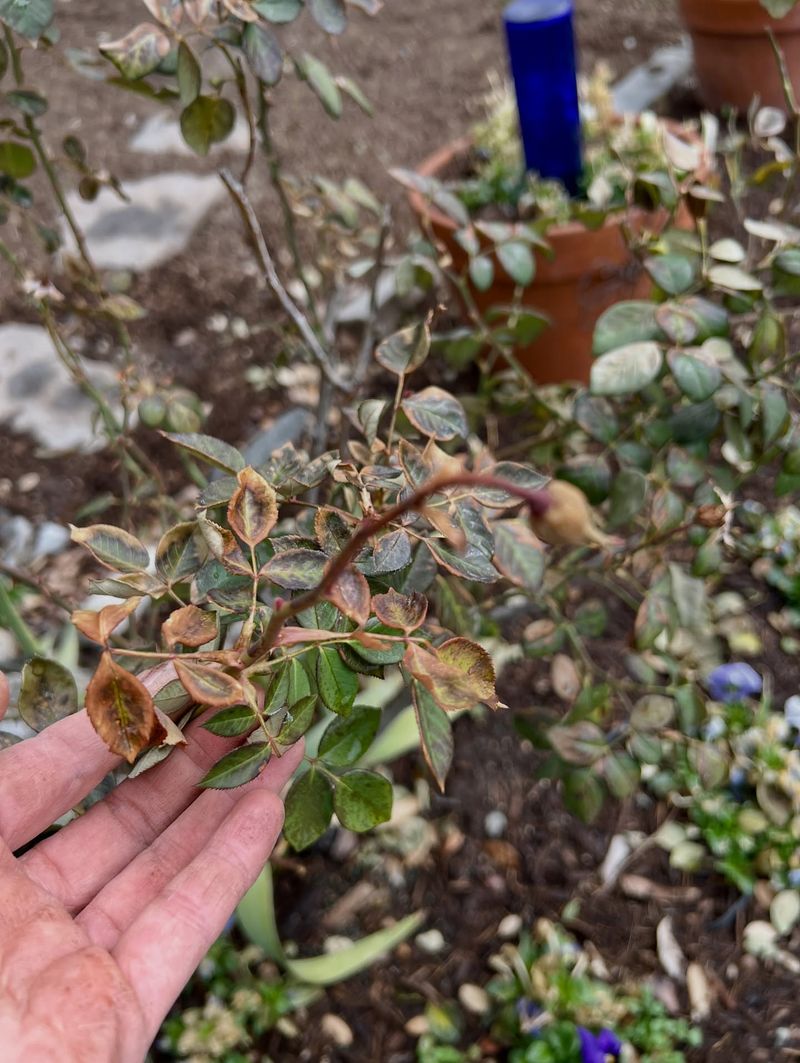
Many horticulturists recommend waiting until new growth appears, which often takes four to eight weeks or longer depending on the plant and severity of the freeze. This timeframe allows plants to show clear signals about which parts survived and which tissue actually needs removal.
Rushing this process often results in cutting away stems that look damaged on the outside but remain alive and capable of producing new growth from dormant buds.
The standard waiting period gives plants time to break dormancy and start their natural spring growth cycle. During these weeks, damaged tissue becomes more obviously distinct from healthy wood, making your pruning decisions much more accurate.
You’ll notice green tissue emerging from unexpected places, showing you exactly where the plant retained life despite surface damage.
Some Florida gardeners extend this waiting period to ten or twelve weeks for very frost-tender plants. The extra time provides more certainty and reduces the risk of removing viable growth points.
While your garden might look messy during this waiting period, remember that those brown leaves actually provide some protection for tender new shoots emerging underneath, serving a useful purpose even in their damaged state.
3. Identify Living Tissue Before Making Cuts
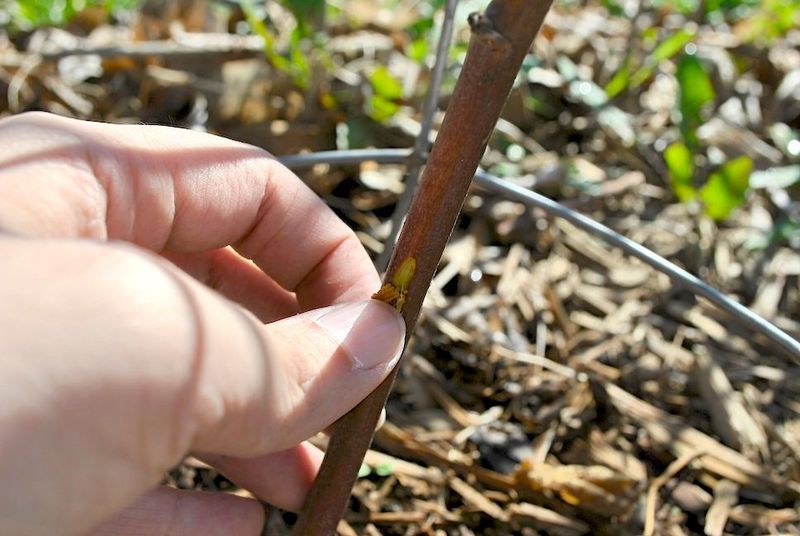
Learning to distinguish between living and truly damaged tissue prevents you from removing parts of your plants that can still recover and grow. The scratch test provides a simple, reliable method for checking stem viability on woody plants.
Gently scrape a small section of bark with your thumbnail or a knife, looking for green or cream-colored tissue underneath, which indicates the stem remains alive.
Brown, dry, brittle tissue all the way through the stem signals that particular section won’t recover and can be safely removed. Start your scratch tests at the tips of branches and work your way down toward the main trunk or base, marking where you find living tissue.
This systematic approach helps you determine exactly how far back you need to prune without guessing or cutting too aggressively.
Herbaceous perennials and soft-stemmed tropicals show their recovery differently, often pushing new growth directly from the crown or base while top growth remains brown. For these plants, wait until you see new shoots emerging before removing old foliage, as the damaged leaves continue protecting the crown.
Patient observation beats premature cutting every time, giving you confidence that your pruning actually helps rather than harms your recovering plants.
4. Prune Different Plant Types At The Right Time
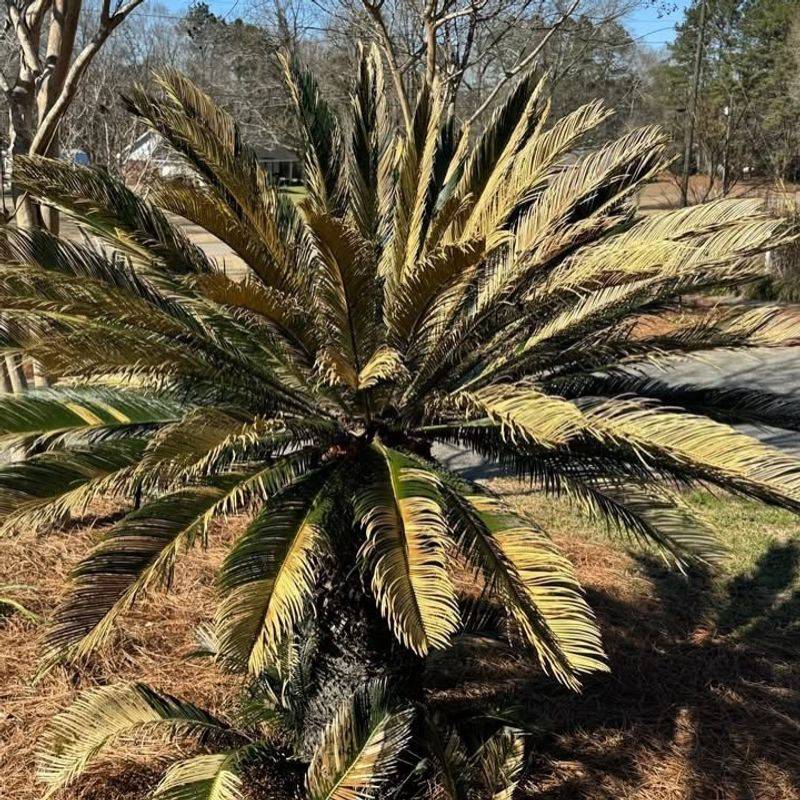
Different categories of plants follow their own recovery timelines after cold damage, requiring adjusted pruning schedules based on their growth habits and cold tolerance. Palms need especially careful timing because their single growing point makes them vulnerable to improper pruning.
Delay major pruning on palms until warm weather returns, removing only completely brown fronds while leaving any partially green fronds in place, as they still photosynthesize and feed the plant. Avoid heavy pruning of palms after cold damage, as palms can take several months to show the full extent of injury.
Citrus trees benefit from delayed pruning until after spring growth begins (typically March–April, depending on location and weather). Fruit trees often look worse than they actually are after a freeze, with damaged leaves masking healthy branches underneath.
Removing damaged citrus wood too early stimulates new tender growth that remains vulnerable to any lingering cold weather.
Tropical and subtropical ornamentals like hibiscus, bougainvillea, and ixora typically show new growth by late March in most Florida regions, signaling readiness for cleanup pruning. Native and cold-hardy plants often recover fastest, sometimes showing new leaves within weeks of a freeze.
Grouping your plants by type and cold-hardiness helps you create a logical pruning schedule that respects each plant’s natural recovery pace and specific needs.
5. Watch For New Growth Before Trimming
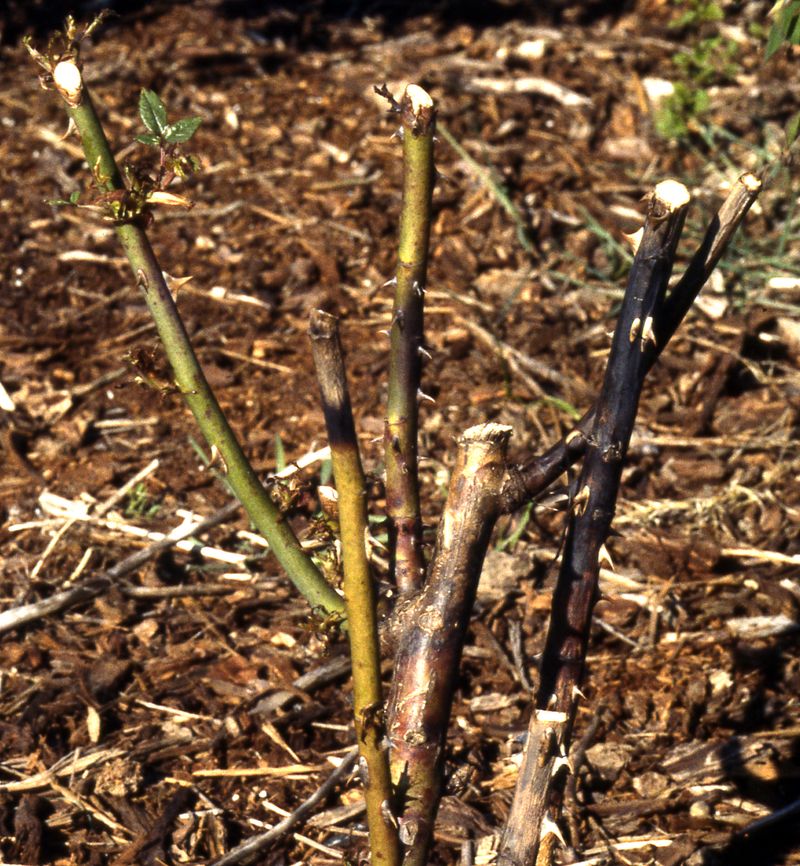
New growth serves as your plant’s way of communicating that it’s ready for cleanup and has enough stored energy to handle pruning. Fresh shoots, buds swelling, or tiny leaves appearing along stems tell you exactly where the plant remains viable and actively growing.
These visual signals take the guesswork out of pruning decisions, showing you precisely what to keep and what to remove.
Watching for growth requires regular garden walks during late winter and early spring, checking your cold-damaged plants every few days. You’ll notice that growth doesn’t appear all at once but emerges gradually over several weeks as soil temperatures warm and days lengthen.
Some plants surprise gardeners by pushing new shoots from seemingly lifeless-looking wood, demonstrating why patience pays off.
Once you see consistent new growth appearing, you can confidently prune back to just above those active growth points. Make clean cuts at a slight angle about a quarter inch above the new shoots or buds, avoiding damage to the emerging tissue.
Plants with vigorous new growth at the base but no signs of life higher up may need more severe pruning, cutting back to the lowest point where you see activity.
Letting the plant show you where it’s recovering creates better results than making assumptions based only on appearance.
6. Avoid The Risks Of Pruning Too Early
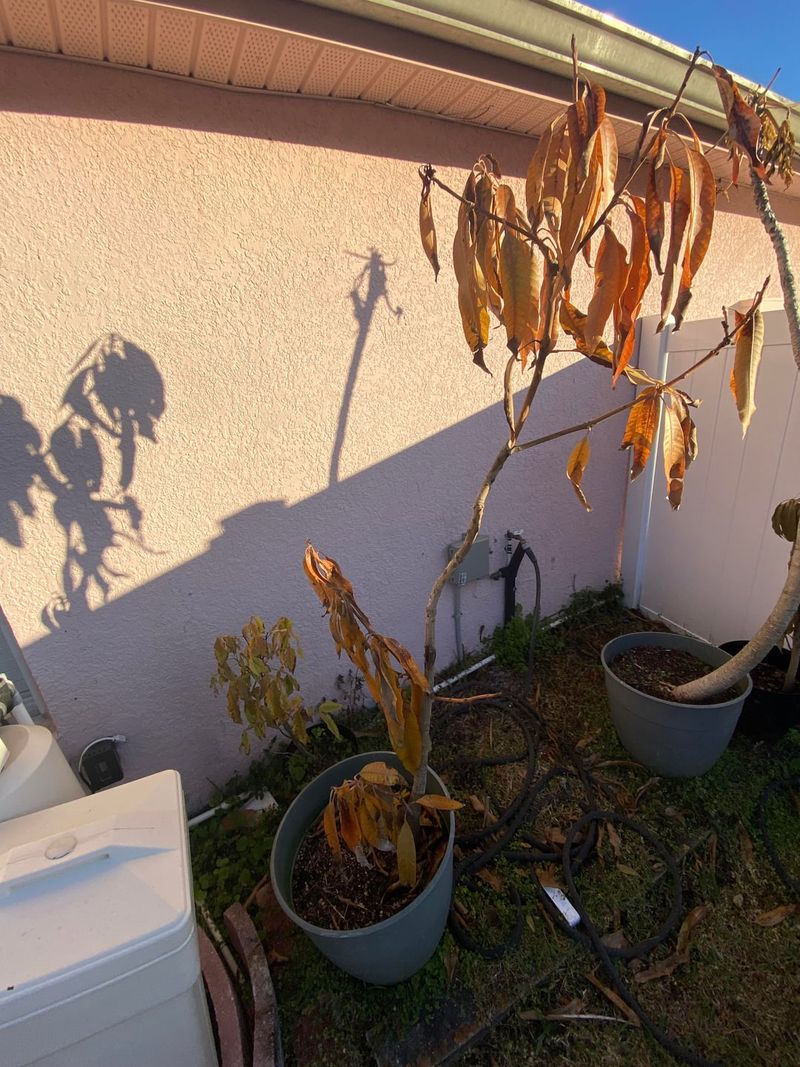
Cutting cold-damaged plants too soon creates several problems that can slow recovery or cause additional stress during an already difficult time. Early pruning removes protective damaged foliage that shields tender new growth from late cold snaps and intense spring sun.
Those brown leaves might look unattractive, but they serve as insulation and shade for delicate emerging shoots that aren’t yet hardened off.
Premature cuts also remove stems that might have recovered given more time, permanently reducing your plant’s size and shape unnecessarily. You can’t reattach branches once cut, making patience a safer choice than aggressive early pruning.
Fresh pruning wounds created too early in the season remain open longer before callusing over, providing entry points for diseases and pests during cool, damp spring weather.
Plants pruned too early often respond by pushing out weak, spindly growth that lacks the vigor of growth emerging on its natural schedule. This forced growth drains energy reserves at a time when plants need those resources for root recovery and overall system repair.
By waiting for clear signals from your plants, you avoid these risks and support stronger, healthier regrowth. The temporary messiness of waiting beats the long-term setbacks of cutting too soon, even though the damaged appearance tests your patience.
7. Adjust Timing Based On Florida Climate Zones
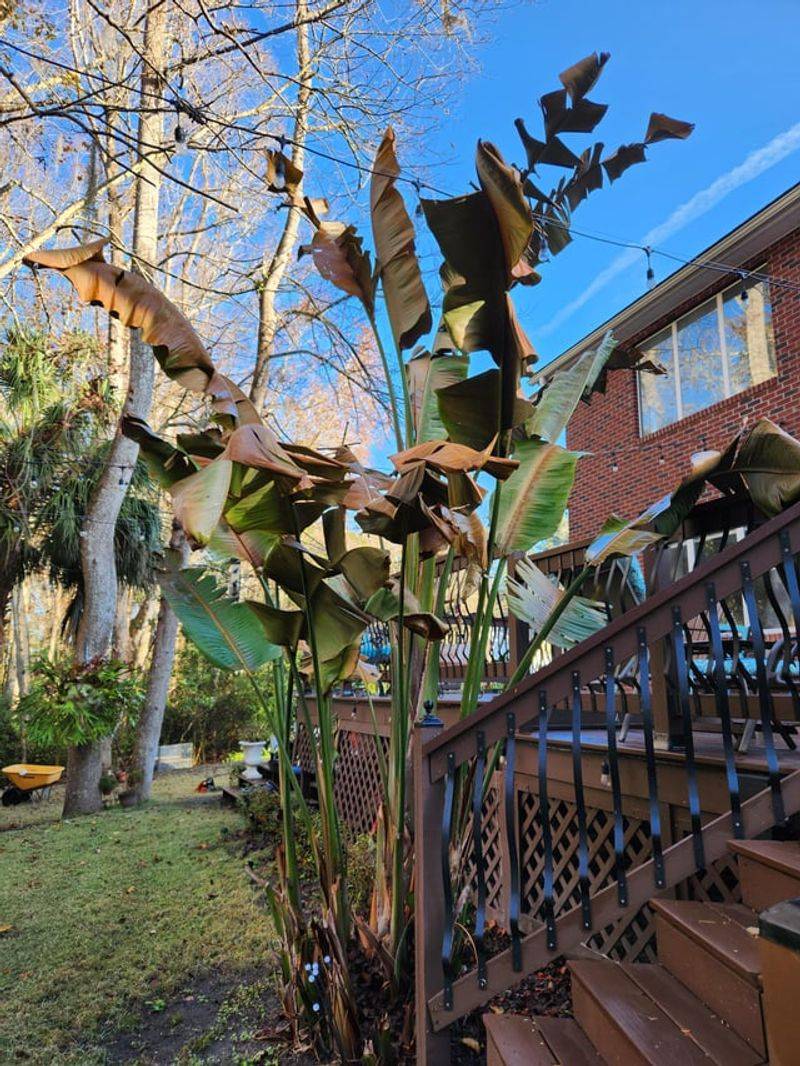
Florida’s diverse climate zones create different freeze risks and recovery timelines, requiring adjusted pruning schedules depending on where you garden. North Florida gardeners typically wait until mid to late March before major pruning, as this region experiences the coldest temperatures and latest frost dates.
Central Florida falls in the middle, with safe pruning usually beginning in early to mid-March for most cold-damaged plants.
South Florida rarely experiences damaging freezes, and when cold events do occur, plants often recover more quickly due to warmer soil and longer growing seasons. Coastal areas throughout Florida generally warm faster than inland locations, allowing earlier safe pruning by a week or two compared to properties further from moderating ocean influences.
Microclimates within your own yard also matter, with protected areas near buildings or under tree canopies recovering sooner than exposed locations.
Checking with your local UF IFAS Extension office provides specific guidance tailored to your exact location and current season conditions. County extension agents understand local weather patterns and can offer advice based on how the current year’s winter compared to typical conditions.
Using zone-appropriate timing rather than generic advice ensures your pruning schedule matches your plants’ actual recovery pace and local climate realities.
8. Support Plants Through A Careful Recovery Period
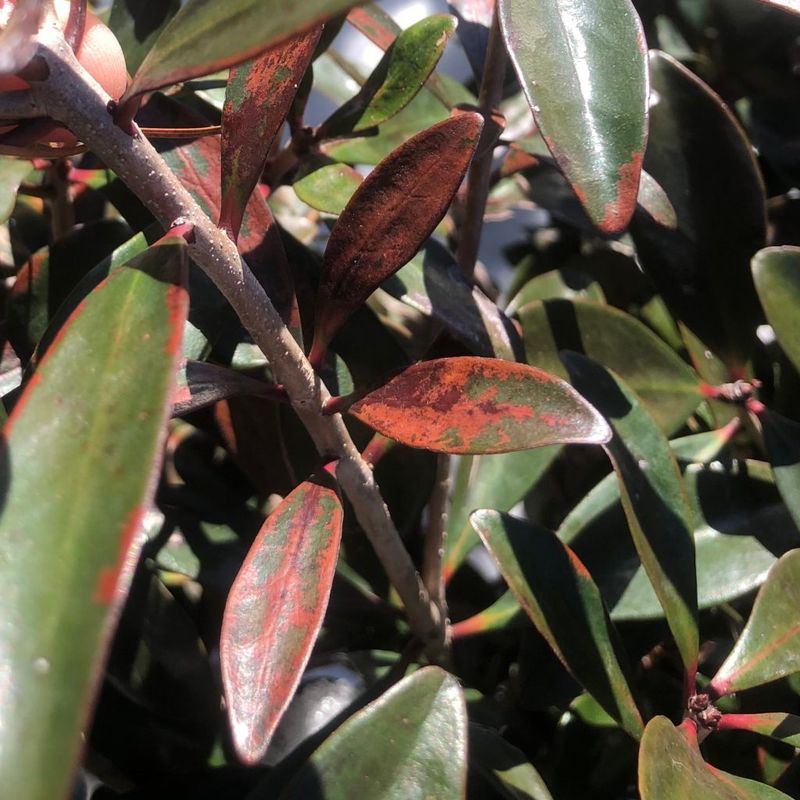
Beyond proper pruning timing, your cold-damaged plants need supportive care that helps them rebuild strength and recover their former vigor. Light fertilization with a balanced, slow-release product can begin once plants resume active growth.
Avoid fertilizing too soon after a freeze, as damaged roots may not be able to absorb nutrients.
Consistent watering becomes especially important during recovery, as plants with damaged foliage have reduced ability to take up and transport water efficiently.
Check soil moisture regularly, keeping it evenly moist but never waterlogged, which stresses roots already working hard to support new growth.
Mulching around the base of recovering plants helps maintain steady soil moisture and temperature while suppressing weeds that compete for resources.
Watch for pest and disease issues, as stressed plants become more susceptible to problems they’d normally resist. Remove any truly damaged tissue once safe pruning time arrives, as this material can harbor diseases and pests.
Some tropical plants may wither to the ground after a freeze but can regrow from the base once warm weather returns.
Keep your expectations realistic, understanding that full recovery may take an entire growing season or longer for severely damaged plants.
Patience, observation, and gentle care help your Florida garden bounce back from cold damage stronger and more resilient than aggressive intervention ever could.