How Many Plants Should You Put In A Container? 5 Must Know Tips For Texas Gardeners
A container can look perfectly planted on day one and still turn into a mess once Texas heat takes over. That is where many gardeners get tripped up.
Packing too many plants into one pot may seem like the fastest way to get a full, colorful look, but it often leads to stressed roots, faster drying soil, and weaker growth by midsummer.
In Texas, where containers heat up quickly and water disappears fast, plant spacing matters more than many people expect.
The right number depends on pot size, mature plant spread, and how thirsty those plants will be once summer settles in.
Get that balance right, and your containers can stay healthy, lush, and much easier to manage from spring through fall.
1. Match Plant Count To Container Size
A common mistake many patio gardeners make is choosing a container based on how it looks rather than how much root space it actually offers.
Container width and depth both matter because roots need room to spread out, absorb water, and anchor the plant through wind and heat.
When roots run out of space, the whole plant suffers, no matter how much you water or fertilize.
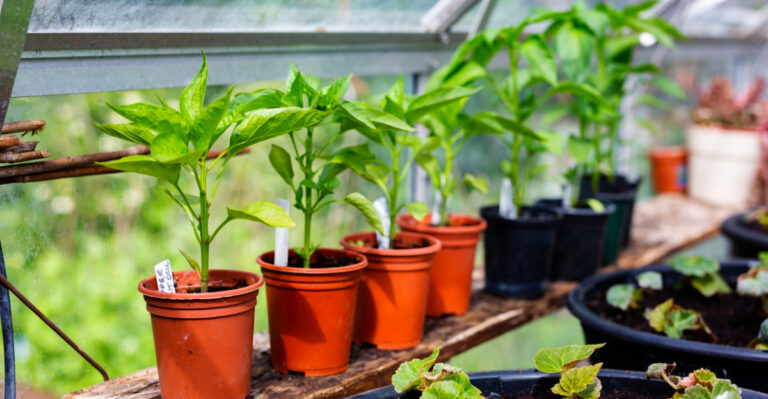
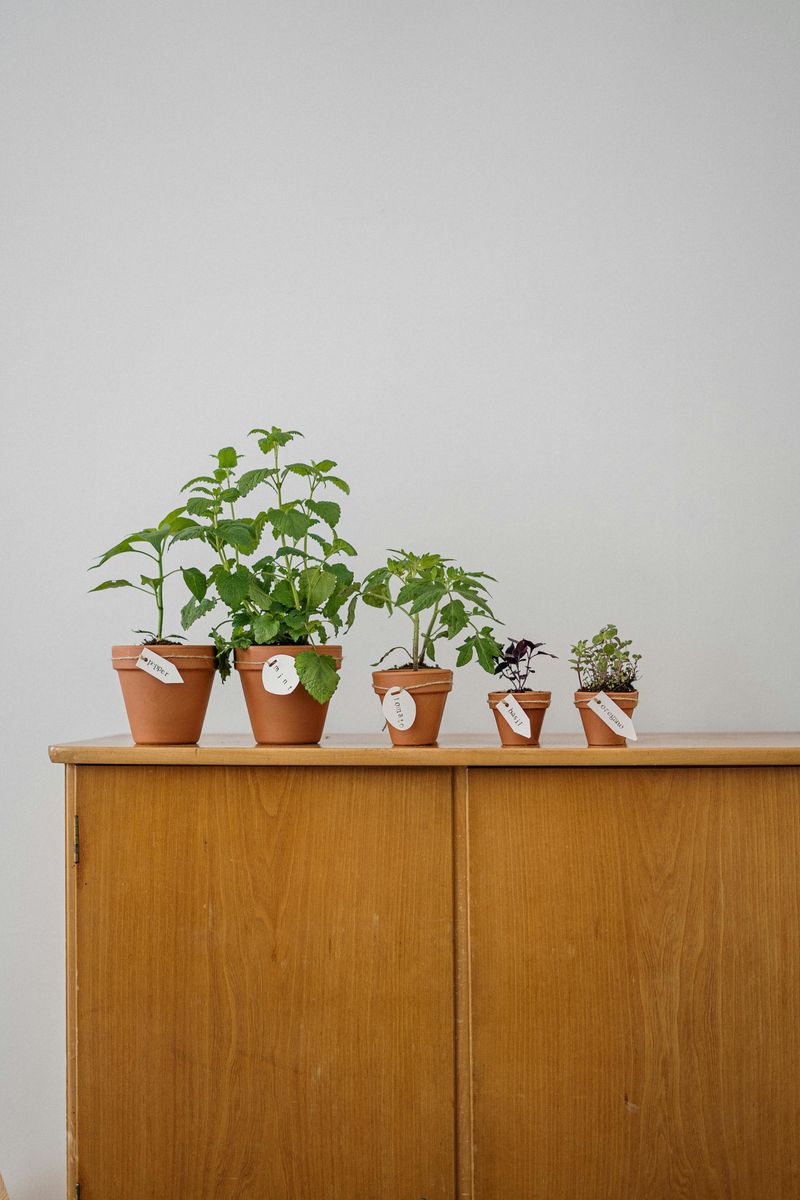
As a general guide, a 6-inch pot works well for one small herb or compact annual. A 12-inch container can comfortably support two to three small plants or one medium-sized plant with a modest spread.
Step up to a 14-to-16-inch pot and you have enough room for three to five small or medium plants arranged with some breathing space between them.
Depth matters just as much as width, especially for vegetables. Tomatoes and peppers need at least 12 inches of soil depth for healthy root development, while lettuce and herbs can manage with 6 to 8 inches.
Shallow containers look fine at first but limit how far roots can go, which leads to faster wilting on hot Texas afternoons.
Wider containers also hold more soil volume, which means more moisture retention between waterings. That extra buffer is genuinely valuable in Texas summers when containers baking in full sun can dry out in less than a day.
Matching your plant count to the actual volume of your container, rather than just its diameter, sets every plant up for a more successful growing season.
2. Follow Spacing Guidelines Loosely Not Strictly
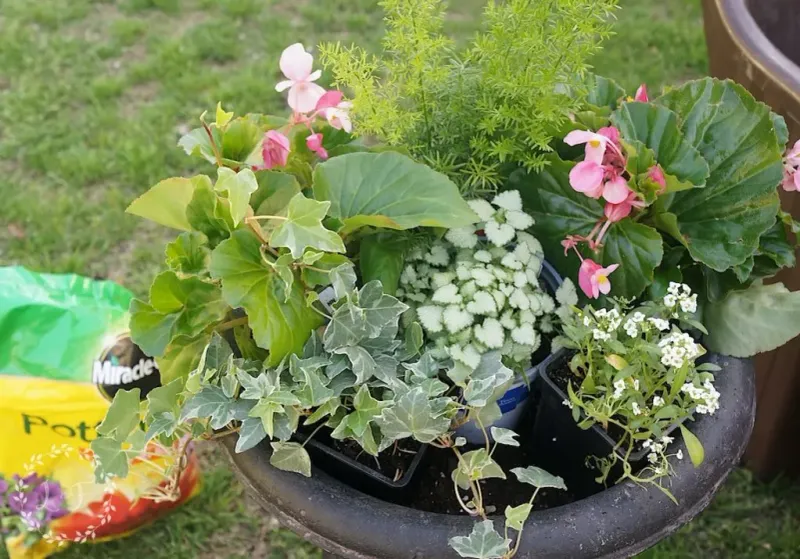
Seed packets and plant tags are written for in-ground gardens, not containers, and following them to the letter in a pot often leaves you with a sparse, underwhelming arrangement.
Container gardening gives you more flexibility with spacing because you control the soil quality, drainage, and water supply in ways that an open garden bed simply cannot match.
A tighter arrangement can actually look intentional and lush when it is managed well.
That said, tighter spacing does raise the stakes. Plants sharing close quarters compete more directly for moisture and nutrients, which means you need to fertilize more consistently and water more frequently.
In Texas heat, a crowded 12-inch pot can need water every single day during July and August, while a more loosely planted container might go a day or two longer between waterings without stress.
A practical approach is to reduce standard in-ground spacing by about 25 to 30 percent for container arrangements. So if a plant label recommends 12 inches between plants in a bed, aim for roughly 8 to 9 inches in a container.
This creates a fuller look without pushing plants so close together that airflow suffers and fungal problems develop.
Airflow is worth protecting, especially in humid East Texas or during the rainy stretches that hit central and coastal areas.
Leaves that stay wet overnight in a crowded pot are more vulnerable to powdery mildew and other fungal issues.
Slightly relaxed spacing keeps plants close enough to look great while still letting air move freely through the foliage.
3. Use The Thriller Filler Spiller Method
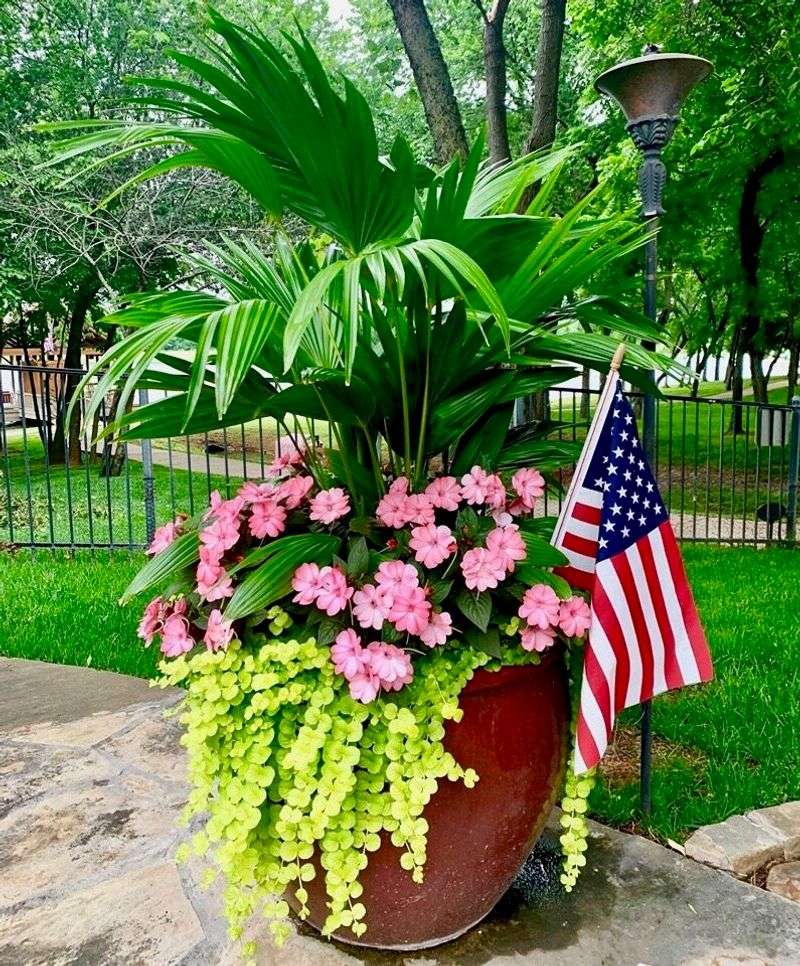
Professional container designers have long relied on a three-part formula that makes even simple pots look intentional and polished.
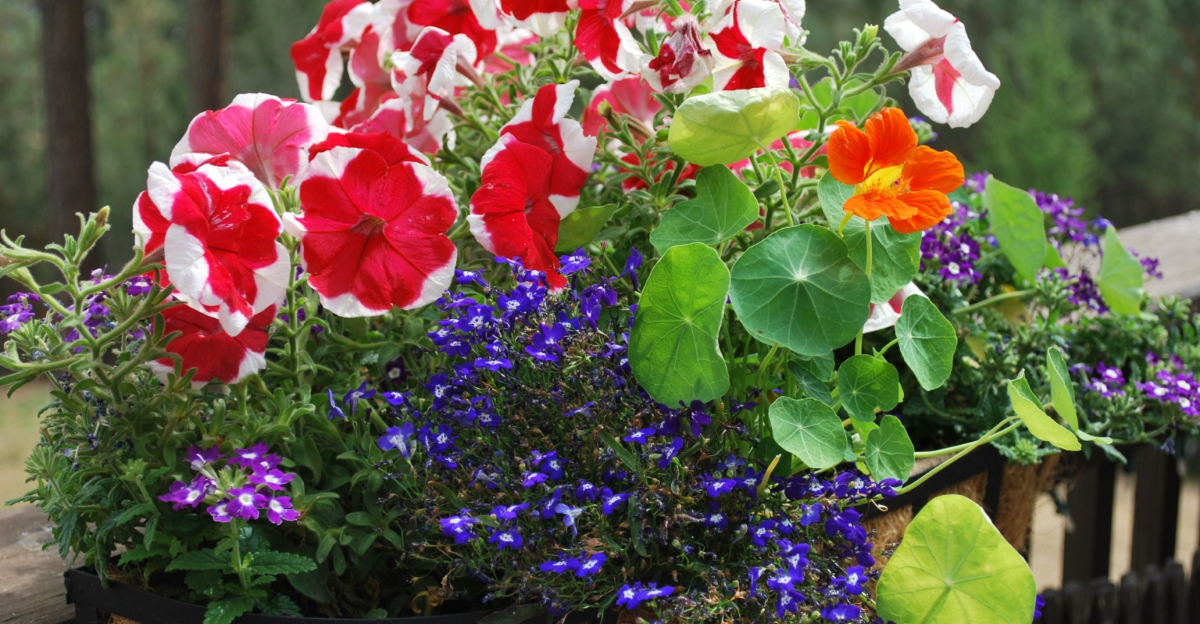
The thriller, filler, spiller approach divides your container into three roles: one bold upright plant that draws the eye, several mid-height plants that fill in the gaps, and at least one trailing plant that softens the edges and spills gracefully over the rim.
When all three roles are filled, a container looks balanced, layered, and full without being overcrowded.
For Texas gardeners, choosing plants that can handle heat and sun for each role is the key to making this method work through summer. Good thriller choices include ornamental grasses, tall salvias, or bold-leafed caladiums in shaded spots.
Reliable fillers for sunny Texas containers include pentas, vinca, and lantana, all of which tolerate intense heat remarkably well.
Sweet potato vine, trailing verbena, or creeping Jenny work beautifully as spillers along the container edge.
In a standard 14-to-16-inch container, one thriller, three fillers, and one spiller is a manageable plant count that stays within the realistic capacity of the pot.
Larger containers, such as 18-to-24-inch pots, can support one thriller, four to five fillers, and two spillers without crowding the root zone too severely.
The beauty of this method is that it naturally guides how many plants you choose rather than leaving you guessing.
You stop filling a pot randomly and start thinking about layers, which almost always results in a healthier and more visually satisfying container for your porch or patio.
4. Account For Texas Heat And Water Needs
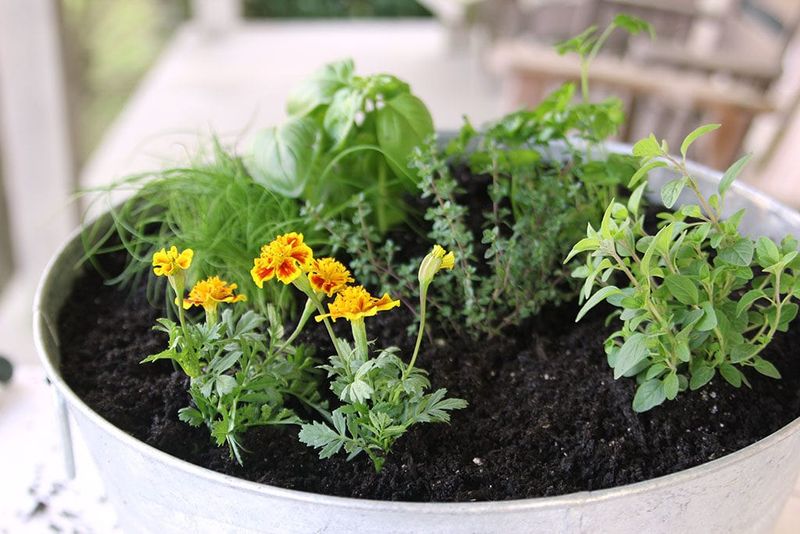
Anyone who has grown plants on a Texas patio in July knows that the sun does not just warm the soil, it bakes it.
Dark-colored containers sitting on concrete can reach internal temperatures well above 90 degrees Fahrenheit, stressing roots even when the surface of the soil feels moist.
Adding more plants to a pot might seem like it would help shade the soil, but it also multiplies the water demand at exactly the time of year when keeping up with watering is already a challenge.
Each plant in a container draws moisture from the same limited volume of soil. A pot with five plants will dry out noticeably faster than the same pot with two or three plants.
During peak Texas summer heat, a crowded container may need water twice a day to stay adequately hydrated, which is simply not practical for most gardeners who have jobs, travel, or other responsibilities pulling their attention away from daily plant care.
Choosing plants with similar water needs is just as important as choosing the right number of plants.
Mixing a drought-tolerant succulent with a moisture-loving impatiens in the same container creates a situation where one plant is always either too wet or too dry.
Grouping plants with matching water and sun requirements reduces stress across the whole container and makes your watering routine more consistent.
Mulching the top of the soil with a thin layer of pine bark or coconut coir can help slow evaporation noticeably in hot weather.
Even a half-inch layer makes a meaningful difference in how long soil holds moisture between waterings, which benefits every plant sharing that container.
5. Consider Mature Size Not Seedling Size
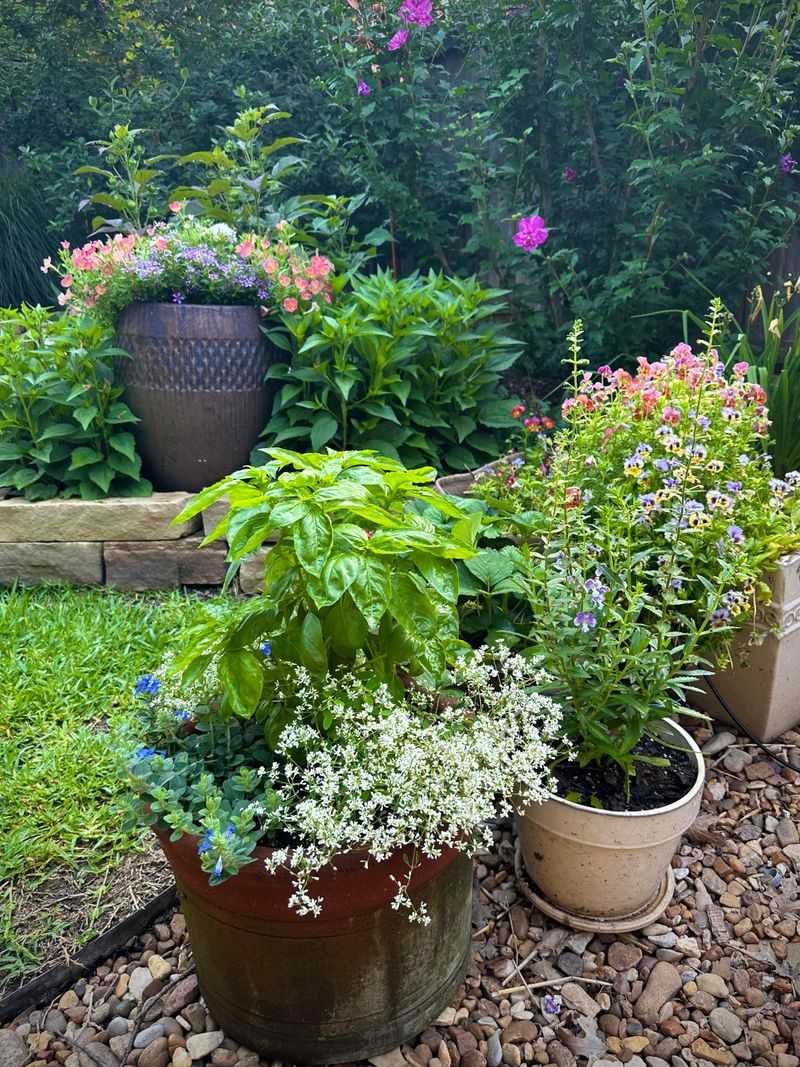
Walking through a nursery in early spring, it is easy to underestimate how large plants will eventually become.
A four-inch pot of lantana looks modest and manageable sitting on a display table, but that same plant can spread 18 to 24 inches wide by midsummer in a Texas garden.
Planting based on how big something looks at purchase rather than how large it will grow is one of the most common reasons containers end up overcrowded by July.
Every plant tag includes a mature spread measurement, and that number is the one that should guide your planting decisions.
If a plant is listed as spreading 18 inches wide at maturity, it needs roughly that much horizontal space to develop without pressing against its neighbors.
Crowding two plants of that size into a 12-inch container will create serious competition for root space within just a few weeks of planting.
Annuals grown in Texas heat often reach their mature size faster than you might expect.
The long warm season accelerates growth, so a plant that takes three months to mature in a cooler northern climate might reach full size in six to eight weeks in Central Texas.
Planning for that faster timeline helps you avoid the surprise of a container that looks great in April but becomes a tangled, struggling mess by June.
Herbs like basil, mint, and rosemary also expand more aggressively in warm weather than their small nursery pots suggest.
Giving each herb its own dedicated container, or pairing only one or two herbs in a larger pot, keeps them productive and prevents one fast-growing plant from overtaking its slower neighbors entirely.