How Often You Should Really Be Watering Your Vegetables In Oregon
Watering vegetables sounds like the most straightforward part of gardening until you realize half your plants are struggling and you genuinely can’t tell if you’re giving them too much or not nearly enough.
Overwatering looks a lot like underwatering. Yellowing leaves, wilting, stunted growth, all of it can point in either direction.
It’s one of the most common sources of confusion for Oregon vegetable gardeners, and the answer is rarely as simple as “water every day.”
The truth is that there is no single magic number that works for every garden, every vegetable, or every time of year. Soil type, plant size, sun exposure, temperatures, and the time of season all factor into how thirsty your vegetables actually are on any given week.
Oregon’s famously unpredictable weather adds another layer to figure out. But there are some clear, reliable guidelines that take the guesswork out of it, and once you understand what your vegetables are actually telling you, getting the watering right becomes a whole lot easier.
1. Start With The Soil Check
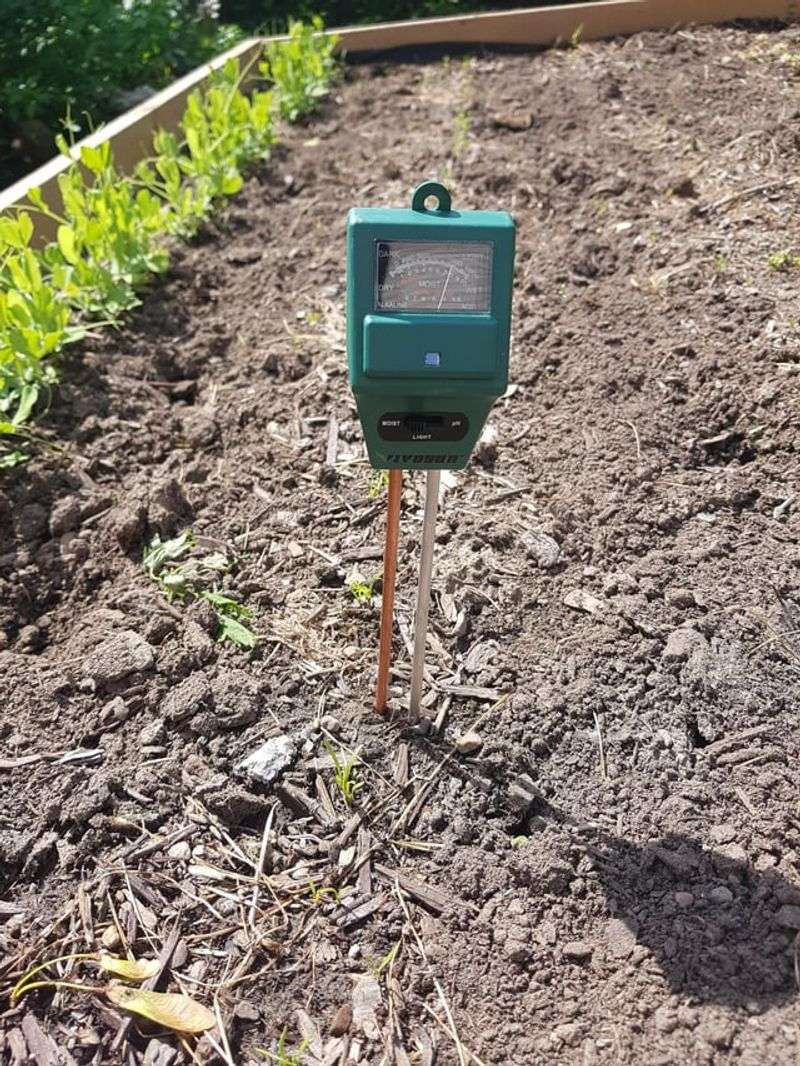
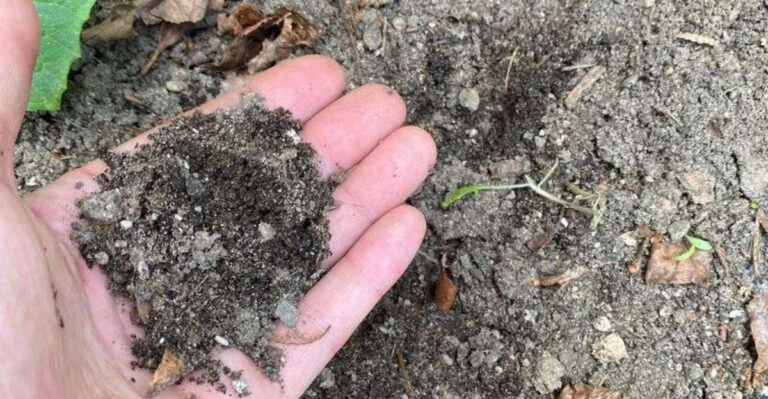
Before you even pick up a hose, check your soil first. Stick your finger about two inches into the ground near your plants.
If the soil feels dry at that depth, it is time to water. If it still feels cool and moist, you can wait another day.
Many Oregon gardeners make the mistake of watering on a fixed schedule without ever checking the soil. That leads to overwatering, which is just as harmful as underwatering.
Soggy soil pushes oxygen out and suffocates plant roots over time.
In western Oregon, spring rain often keeps the soil moist longer than you think. A quick soil check each morning takes only seconds and saves you a lot of trouble.
Eastern Oregon dries out faster, so checks there may need to happen twice a day during warm spells. Making this simple habit part of your routine will help you water smarter, not harder, and your vegetables will thank you for it with stronger growth and better harvests all season long.
2. Water Deeply, Not Daily
Most people think watering every single day is the right move, but that actually does more harm than good. Shallow, frequent watering trains plant roots to stay near the surface.
Surface roots are vulnerable to heat and dry spells, especially during Oregon’s hot July and August months.
Deep watering, done less often, encourages roots to grow downward into the soil where moisture lasts longer. A good rule of thumb for most vegetables in Oregon is to water deeply two to three times per week during dry summer weather.
Each session should soak the soil at least six inches deep.
You can test this by pushing a stick or wooden dowel into the ground after watering. If it comes out damp six inches down, you have done a great job.
Sandy soils in parts of eastern Oregon drain faster and may need watering every other day. Clay-heavy soils in the Willamette Valley hold moisture longer, so you can stretch your watering days out a bit more.
Your Oregon Garden Changes Every Week. Your Plan Should Too.
Gardening in Oregon changes quickly throughout the season. Every Friday you’ll receive a simple weekly plan showing exactly what to plant, prune, fertilize, harvest, and protect so you never miss the right timing.
Deep roots equal stronger plants that handle drought stress far better throughout the growing season.
3. Give Seedlings Steady Moisture
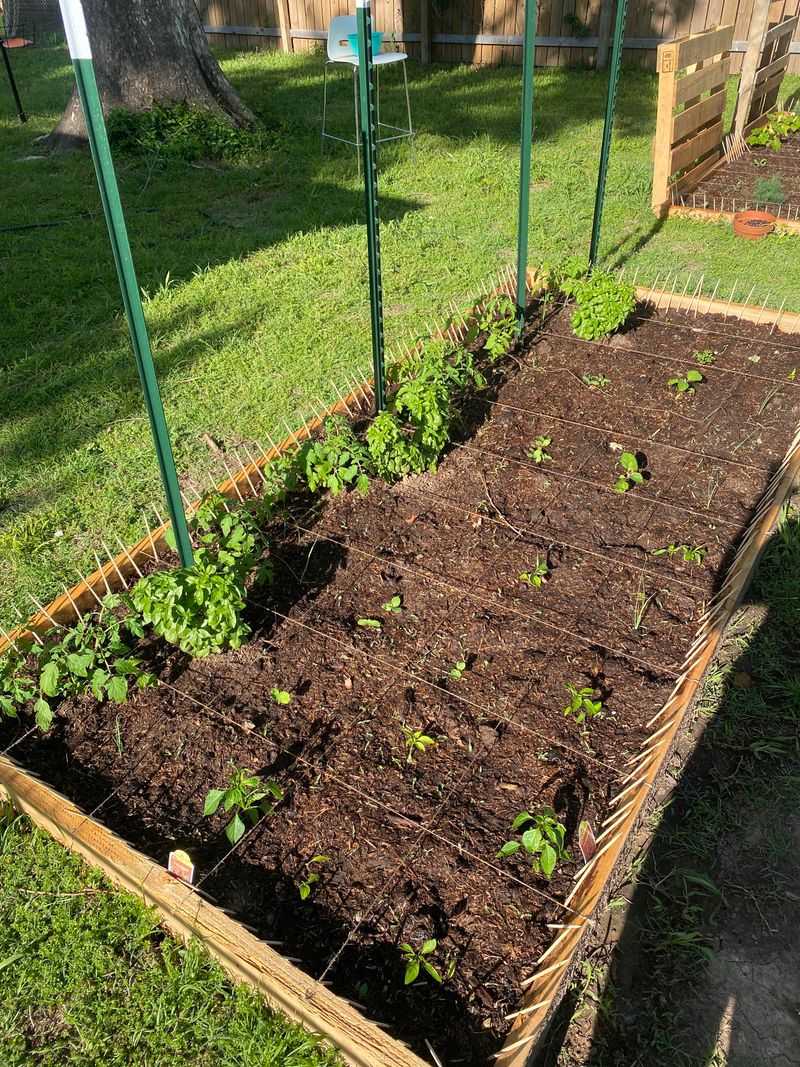
Young plants are fragile and need a little extra attention during their first few weeks in the ground. Seedlings have very small root systems that cannot reach deep into the soil for water.
That means the top inch or two of soil must stay consistently moist without becoming waterlogged.
In Oregon, spring planting often happens when temperatures are still cool and rain is common. That can help keep seedlings hydrated naturally.
But once warmer weather arrives, the top layer of soil dries out quickly, and you may need to water seedlings lightly every day or even twice a day during hot afternoons.
Morning watering is best for seedlings because it gives the soil time to absorb moisture before the afternoon heat hits. Avoid watering late in the evening since wet leaves overnight can encourage mold and fungal problems.
A gentle watering can with a rose-head nozzle works perfectly for young starts because it delivers water softly without disturbing the soil. Once seedlings are established and a few inches tall with visible new growth, you can begin transitioning to a deeper, less frequent watering routine that builds stronger roots over time.
4. Water More During Heat Waves
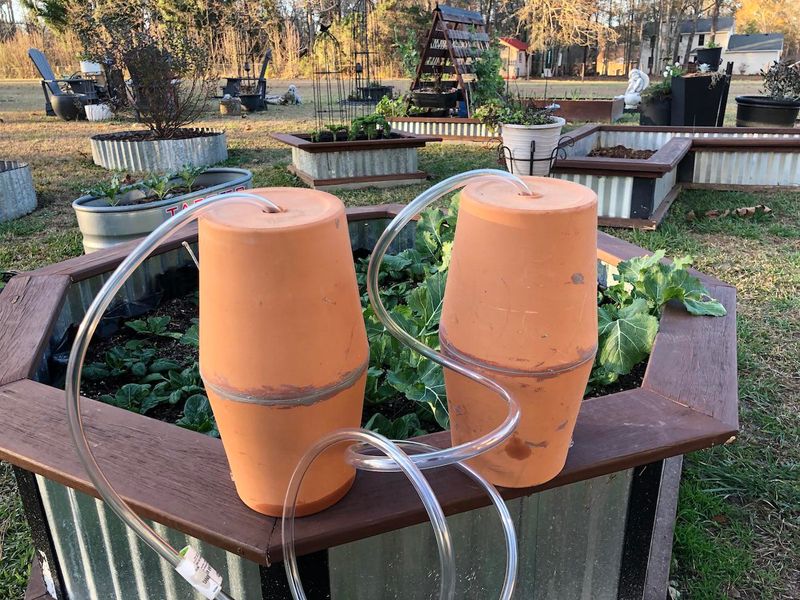
Oregon summers can surprise even experienced gardeners with sudden heat waves that push temperatures well above 90 degrees. During these spells, vegetables lose moisture through their leaves much faster than usual.
Without extra water, plants wilt, stop producing, and can suffer serious damage within just a day or two.
When a heat wave hits, check your garden morning and evening. Even if you watered deeply the day before, the soil surface can dry out fast in extreme heat.
Leafy greens like lettuce and spinach are especially sensitive and may need water every single day during a hot stretch.
Fruit-bearing plants like tomatoes, peppers, and zucchini also struggle with inconsistent moisture during heat waves. Uneven watering during high heat can cause problems like blossom drop and cracked fruit.
In places like Medford and Grants Pass in southern Oregon, summer heat waves are common and can last for weeks at a time. Shading your most sensitive plants with a light row cover during peak afternoon hours can help reduce water loss.
Combining shade with consistent watering during heat events gives your vegetables the best chance of staying productive through the hottest days of the Oregon summer season.
5. Adjust For Clay Soil
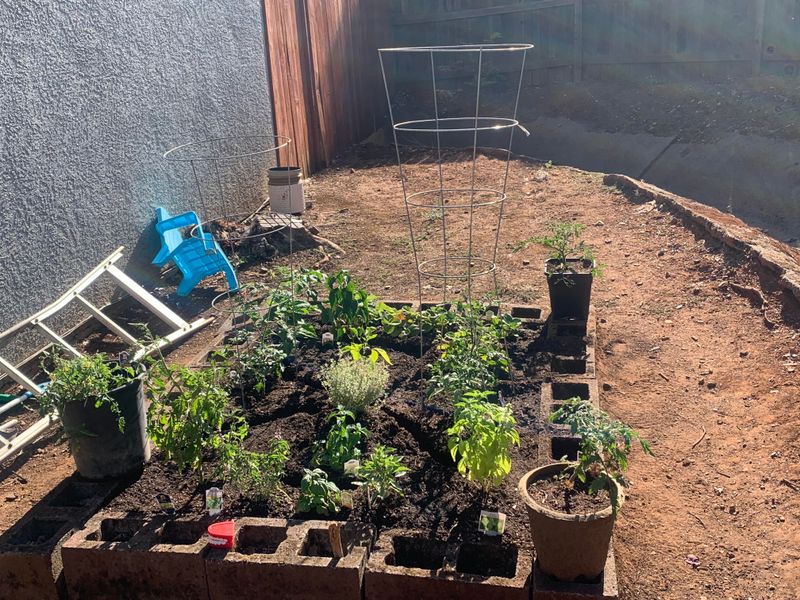
Clay soil is common across much of the Willamette Valley and other parts of Oregon. It holds water longer than sandy or loamy soils, which sounds great at first.
But clay can also become waterlogged easily, and when it dries out completely, it turns into a hard, cracked surface that repels water instead of absorbing it.
If your garden has heavy clay soil, you need to water slowly and less frequently. Fast watering causes runoff because the water cannot soak in quickly enough.
A slow drip system or a soaker hose works much better than a sprinkler for clay-heavy beds.
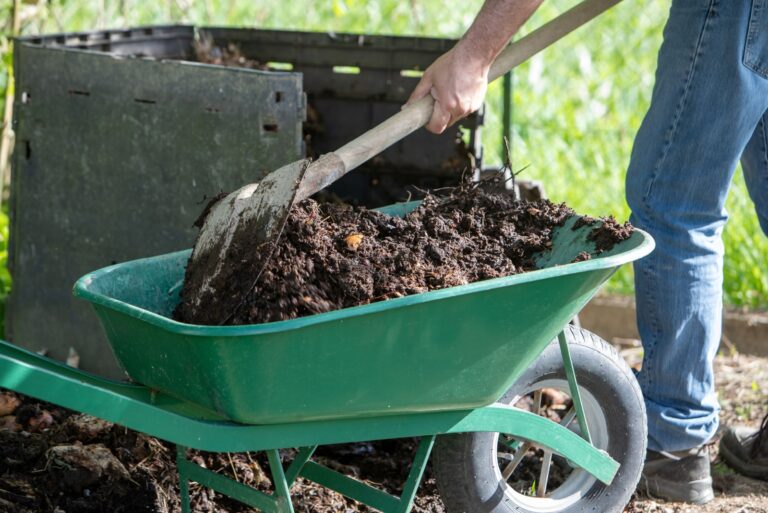
Adding compost to clay soil every season improves its structure over time. Better structure means water moves through it more evenly and roots can spread more freely.
In clay soil, watering once or twice a week deeply is usually enough during mild Oregon weather. During summer heat, bump it up to every two to three days and always check the soil before adding more water.
Overwatering clay soil is a common mistake that leads to root problems and stunted plant growth. Getting to know your specific soil type is one of the most valuable skills any Oregon vegetable gardener can develop.
6. Watch Raised Beds Closely
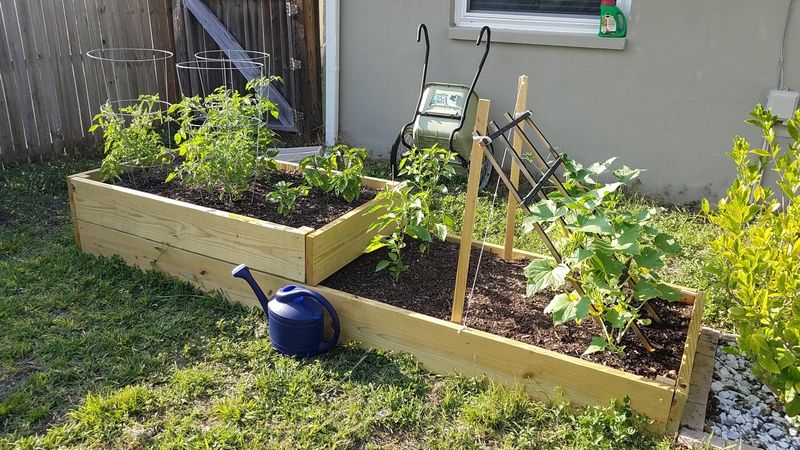
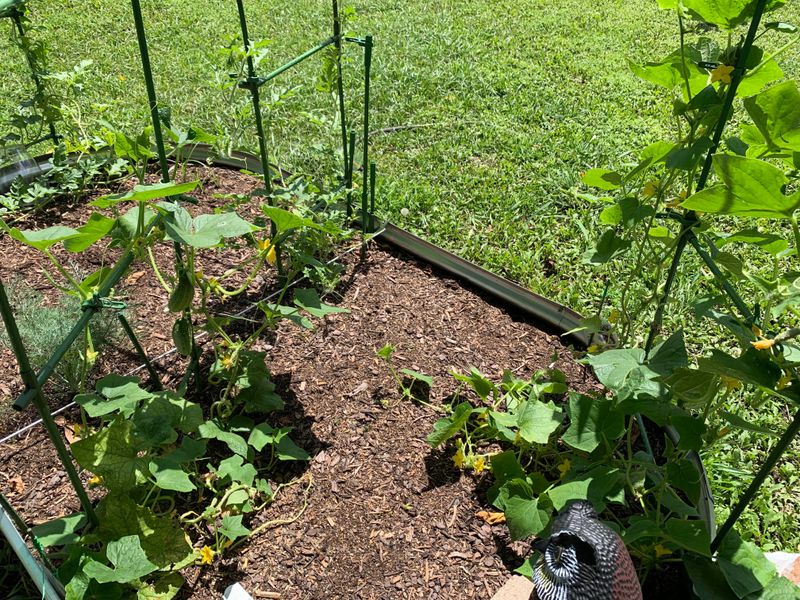
Raised beds are popular with Oregon gardeners because they offer great drainage and warm up faster in spring. But that same drainage comes with a catch: raised beds dry out much faster than in-ground gardens.
The soil in a raised bed is exposed on all sides, and heat pulls moisture out quickly during warm weather.
Plan to water raised beds more often than traditional garden rows. During an Oregon summer, raised beds may need water every one to two days depending on the heat and what you are growing.
Tomatoes, peppers, and cucumbers are especially thirsty and will show signs of stress quickly if the bed gets too dry.
Installing a drip irrigation system in your raised beds is one of the smartest moves you can make. It delivers water right to the root zone with very little waste.
Set a timer so your beds get watered in the early morning before the sun gets too intense. If you are using a hand hose, water slowly and thoroughly until you see moisture starting to drain from the bottom of the bed.
Checking raised beds daily during Oregon’s dry season is the best way to catch moisture problems early and keep your harvest going strong.
7. Water Roots, Not Leaves
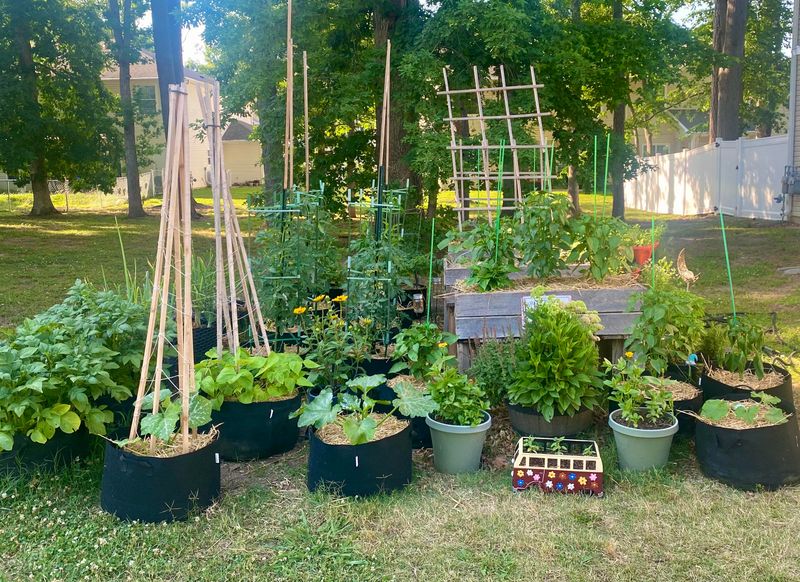
Spraying water all over your vegetable plants might feel satisfying, but it is not the most effective method. Leaves cannot absorb water the way roots can.
Wet foliage, especially when it stays damp overnight, creates perfect conditions for fungal diseases like powdery mildew and blight, which are already common in Oregon’s moist climate.
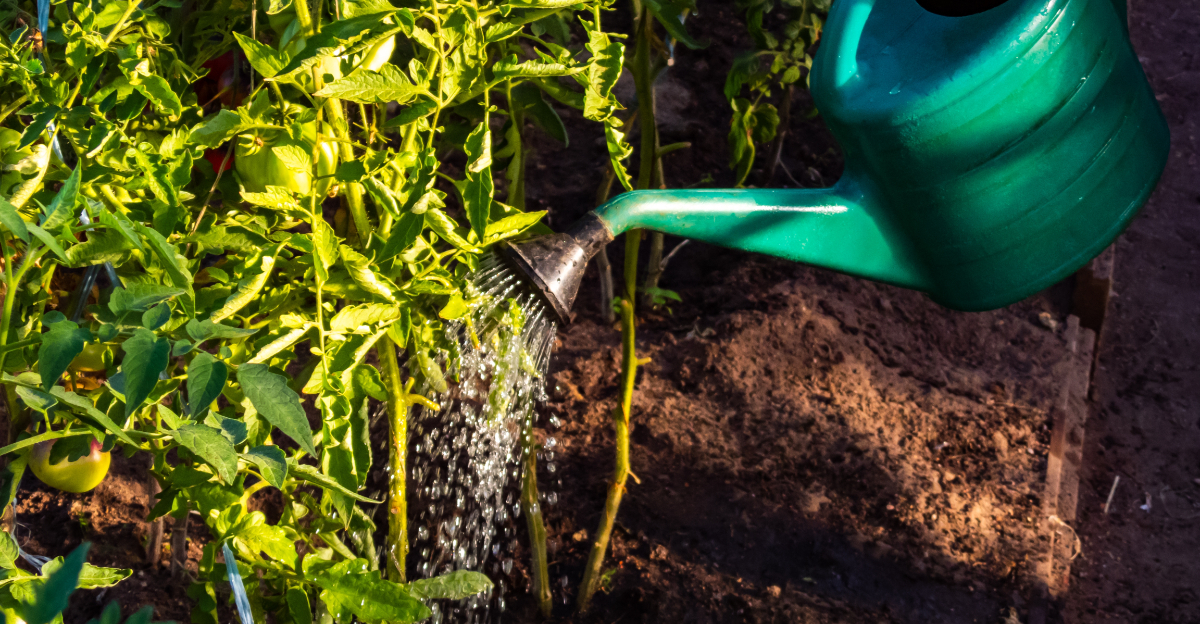
Always aim your water at the base of the plant, right at the soil level. Soaker hoses and drip systems do this automatically and are great investments for any Oregon vegetable garden.
If you use a handheld hose, angle the nozzle low and let the water flow gently into the soil around the plant’s base.
Watering at the roots also means less water is wasted through evaporation off leaf surfaces. More water reaches the root zone where it is actually needed.
This method also reduces the chance of sunscald, which can happen when water droplets on leaves act like tiny magnifying glasses under bright sunlight. In Oregon’s coastal regions where humidity is already high, keeping leaves dry is especially helpful for preventing disease.
Root-level watering keeps your plants healthier, uses less water overall, and leads to more consistent growth throughout the entire vegetable growing season.
8. Let Mulch Stretch Moisture
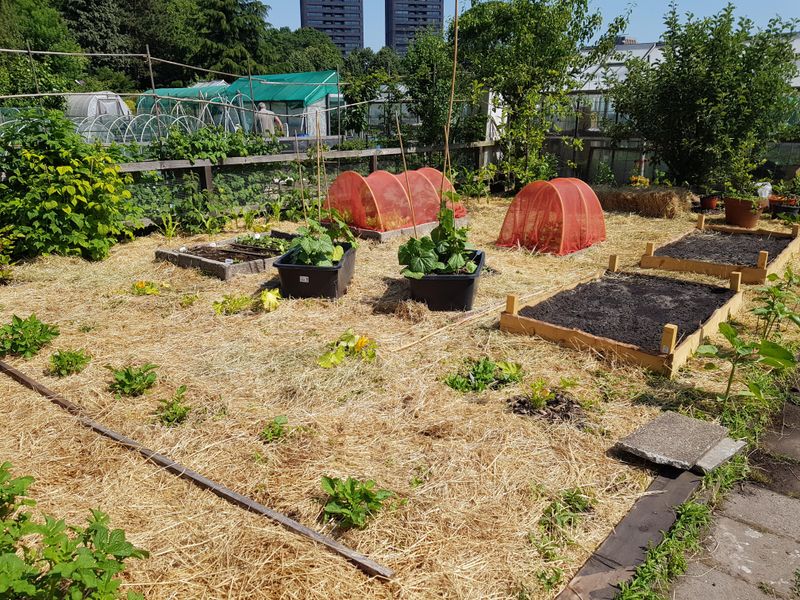
Mulch is one of the most underused tools in Oregon vegetable gardening. A two to three inch layer of straw, shredded leaves, or wood chips spread around your plants can dramatically slow down how fast the soil loses moisture.
On a hot Oregon summer day, mulched soil can stay moist twice as long as bare soil.
Besides holding in moisture, mulch also keeps soil temperatures stable. Roots prefer consistent temperatures, and mulch acts like a blanket that buffers against extreme heat or sudden cool nights.
That stability helps plants focus their energy on producing vegetables instead of surviving stress.
Organic mulches like straw and shredded leaves also break down slowly over time and add nutrients back into the soil. That is a bonus for any Oregon gardener trying to build healthy, productive garden beds year after year.
Apply mulch after your first deep watering of the season to lock that moisture in right from the start. Pull mulch slightly away from plant stems to prevent rot at the base.
With good mulching in place, you may find yourself watering one to two fewer times per week, saving both time and water. It is one of the simplest ways to garden smarter in Oregon.