These Under-$30 Raised Beds Are Popping Up All Over Colorado This May
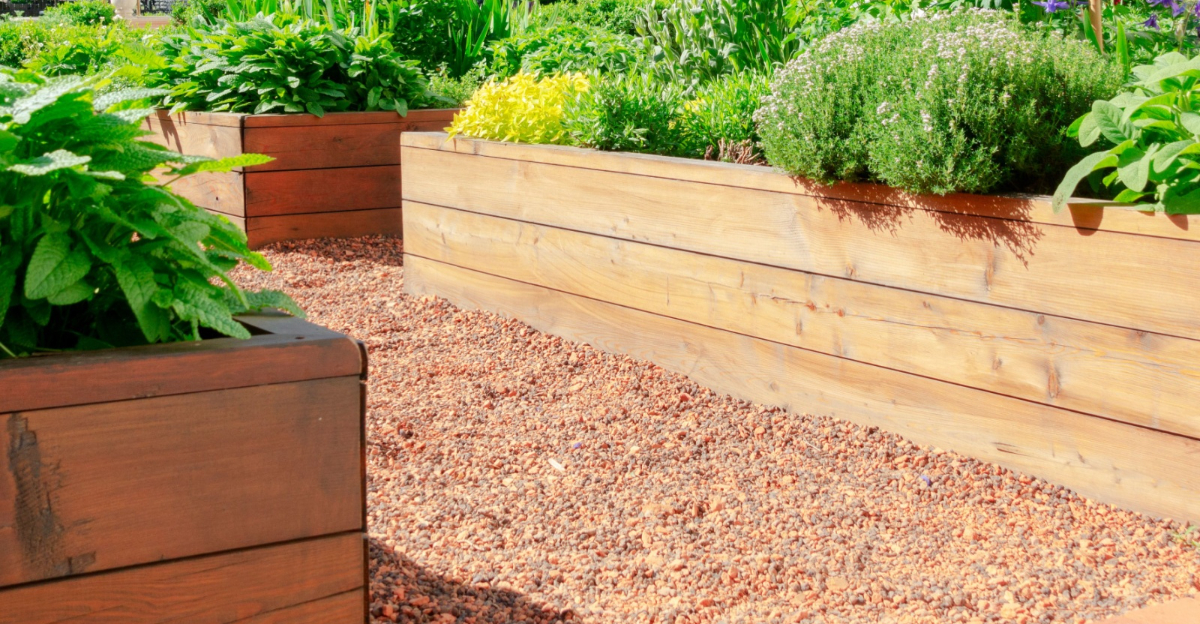
Nobody warns you that Colorado gardening is basically a fight with the ground, the weather, and the calendar all at once. It is enough to make anyone question why they even bought those tomato seedlings. That is where raised beds come in.
Not as a miracle fix, but as a genuinely smart workaround for everything Colorado throws at you. You fill them with a soil mix that actually works, they warm up weeks before the ground does, and they drain like a champ when that random Tuesday afternoon storm rolls through.
The best part? You can build one this weekend for under $30.
No contractor, no complicated tools, no prior experience required. Just a few boards, some screws, and a good reason to spend a Saturday outside.
Colorado Soil Works Against You

Dig a shovel into most Colorado backyards and you will not find fluffy, rich garden soil. What you will hit is dense, sticky clay that clumps together and barely lets water pass through.
Roots struggle to push through it, water pools on the surface instead of soaking in, and nutrients get locked away where plants cannot reach them.
On top of the clay problem, most native ground here is highly alkaline. A pH above 7.5 makes it hard for vegetables like tomatoes and peppers to absorb iron and other key nutrients.
You end up with yellowing leaves and stunted crops even when you water and fertilize correctly.
Amending the ground is possible, but it takes years of adding compost and organic matter before things really improve. Most gardeners do not want to wait that long.
A raised bed lets you skip all of that frustration entirely and start with a solid growing medium on day one.
Raised Beds Warm Up Faster In Spring
Spring in Colorado is a tricky season. The calendar says April, but a late snowstorm can show up without warning well into May.
The official last frost date in many parts of the state falls somewhere between mid-April and late May, depending on your elevation.
The ground takes a long time to warm up after winter. Cold earth slows seed germination and shocks transplants, which sets your growing season back by weeks.
That matters a lot when you are already working with a short window between last frost and first fall frost.
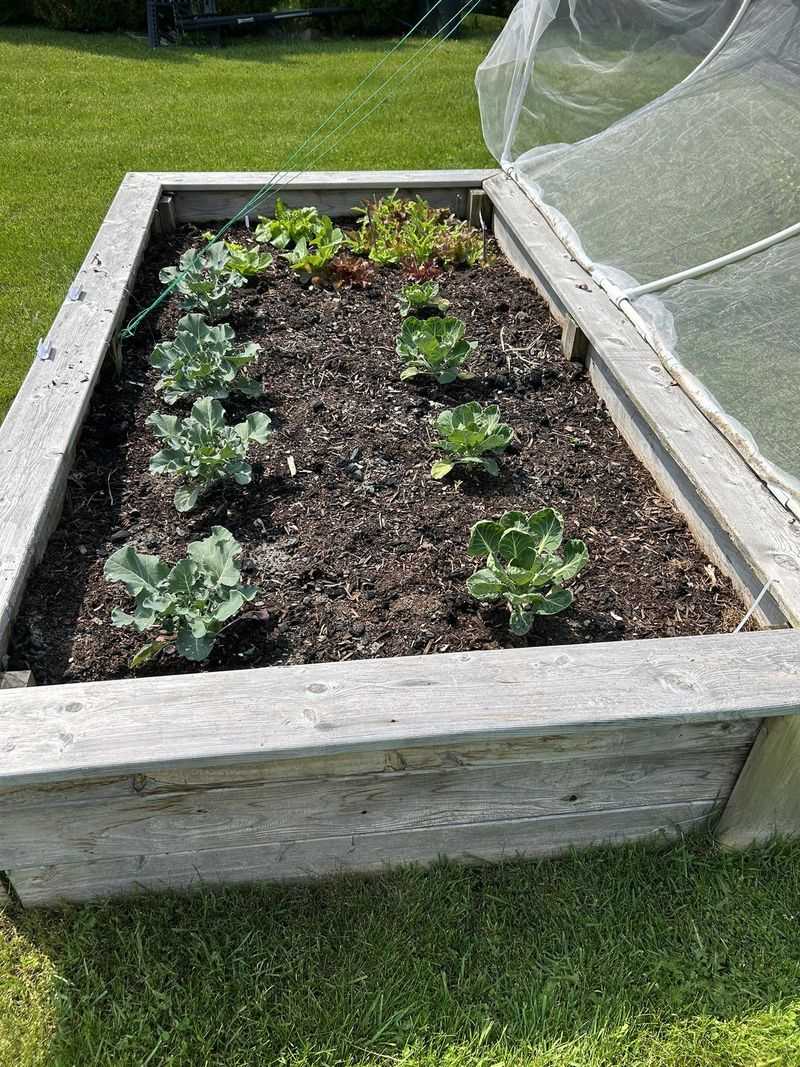
Raised beds solve this naturally. Because the mix sits above ground level, it is exposed to sunlight on multiple sides, absorbs heat faster, and stays warmer longer into the evening, which gives your seeds and seedlings a real head start.
A raised bed can run several degrees warmer than the ground in early spring, and for warm-season crops like squash, beans, and cucumbers, that can mean weeks of extra growing time. In a state with unpredictable springs, every warm day counts.
You Control The Soil From Day One
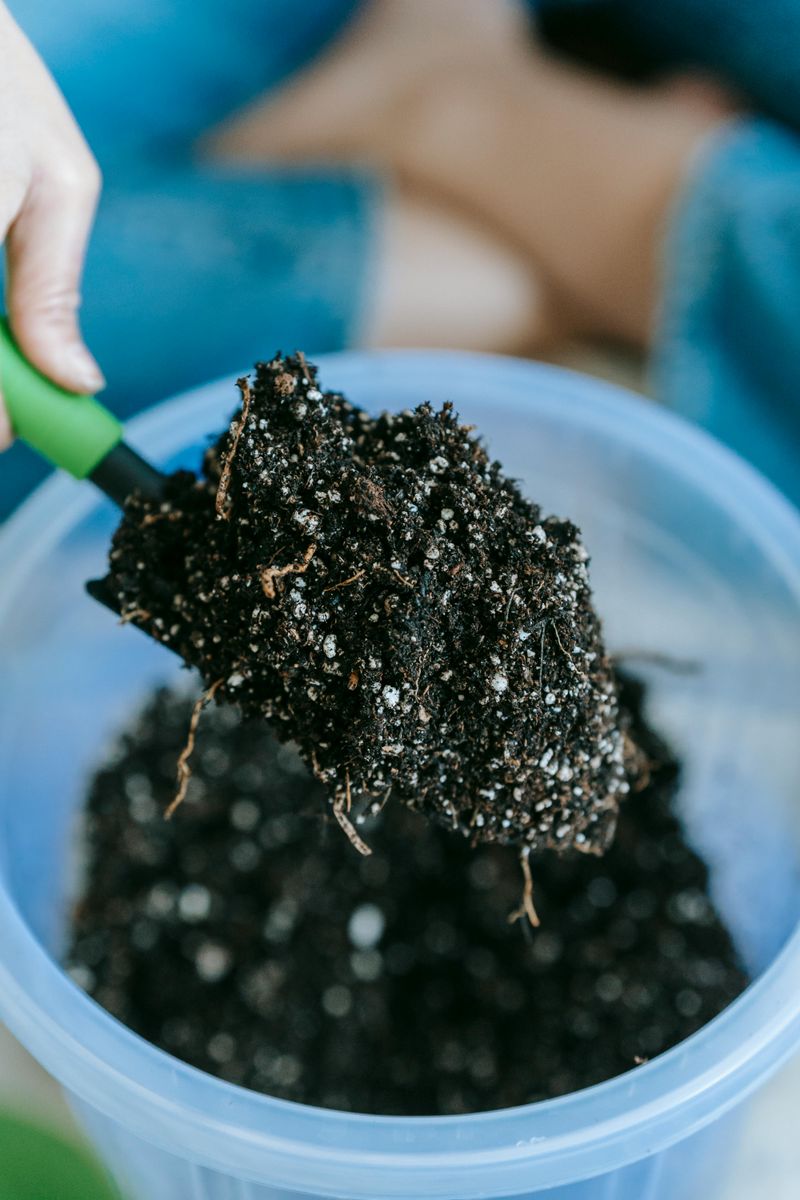
One of the best things about a raised bed is that you are not stuck with whatever the ground gives you. You build the mix yourself, and that means you get to choose exactly what goes in it.
Your Colorado Garden Changes Every Week. Your Plan Should Too.
Gardening in Colorado changes quickly throughout the season. Every Friday you’ll receive a simple weekly plan showing exactly what to plant, prune, fertilize, harvest, and protect so you never miss the right timing.
No surprises, no guessing, no waiting years for things to improve.
The classic blend used by experienced gardeners combines one-third topsoil, one-third compost, and one-third coarse sand or perlite. It drains well, holds moisture without getting soggy, and gives roots the loose, airy texture they love.
Topsoil provides the base structure. Compost adds nutrients, beneficial microbes, and organic matter that feeds your crops all season long.
Coarse sand or perlite keeps things from compacting over time, which is a common problem in regular in-ground beds.
You can buy all three ingredients at a local garden center or home improvement store. For a standard 4×8-foot bed about 10 inches deep, you will need roughly 20 to 25 cubic feet total.
Most stores sell them in bags that are straightforward to load into a car. Mixing your own blend is genuinely one of the most satisfying parts of the whole process.
Better Drainage During Summer Storms
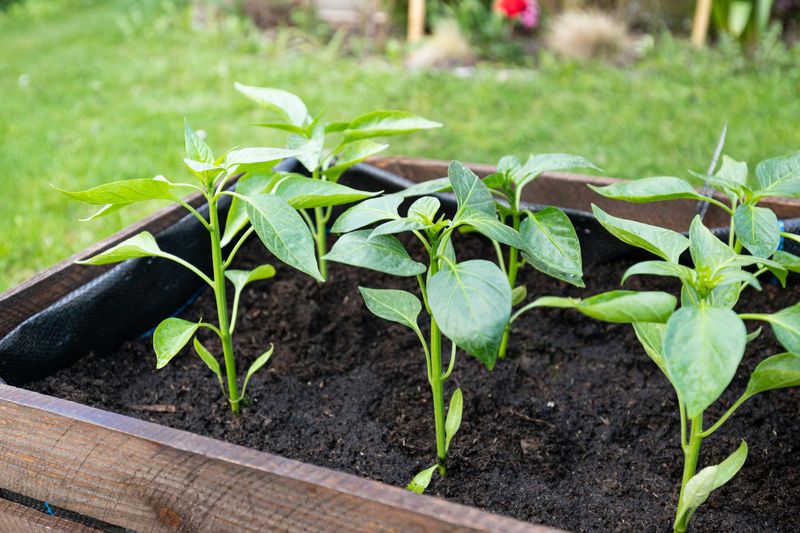
Anyone who has gardened here during July or August knows what an afternoon thunderstorm looks like. The sky turns dark in minutes, and then the rain comes down hard and fast.
Some storms drop an inch in under an hour.
In a traditional in-ground garden, that kind of downpour can be a disaster. Clay cannot absorb water quickly enough, so it pools on the surface.
Roots sit in standing water, oxygen gets cut off, and rot sets in fast.
Raised beds handle heavy rain much better. The elevated position and loose mix allow water to drain through and away from roots quickly.
By the time the storm clears, your crops are fine and the ground is just moist enough, not soaked. That matters especially for tomatoes, peppers, and herbs, which are very sensitive to waterlogged roots, those can go from healthy to stressed in just a day or two.
A raised bed gives them the drainage they need without any extra work from you. Summer storms become less of a worry and more of a free watering session when your setup is right.
Roots Stay Safe From Temperature Swings
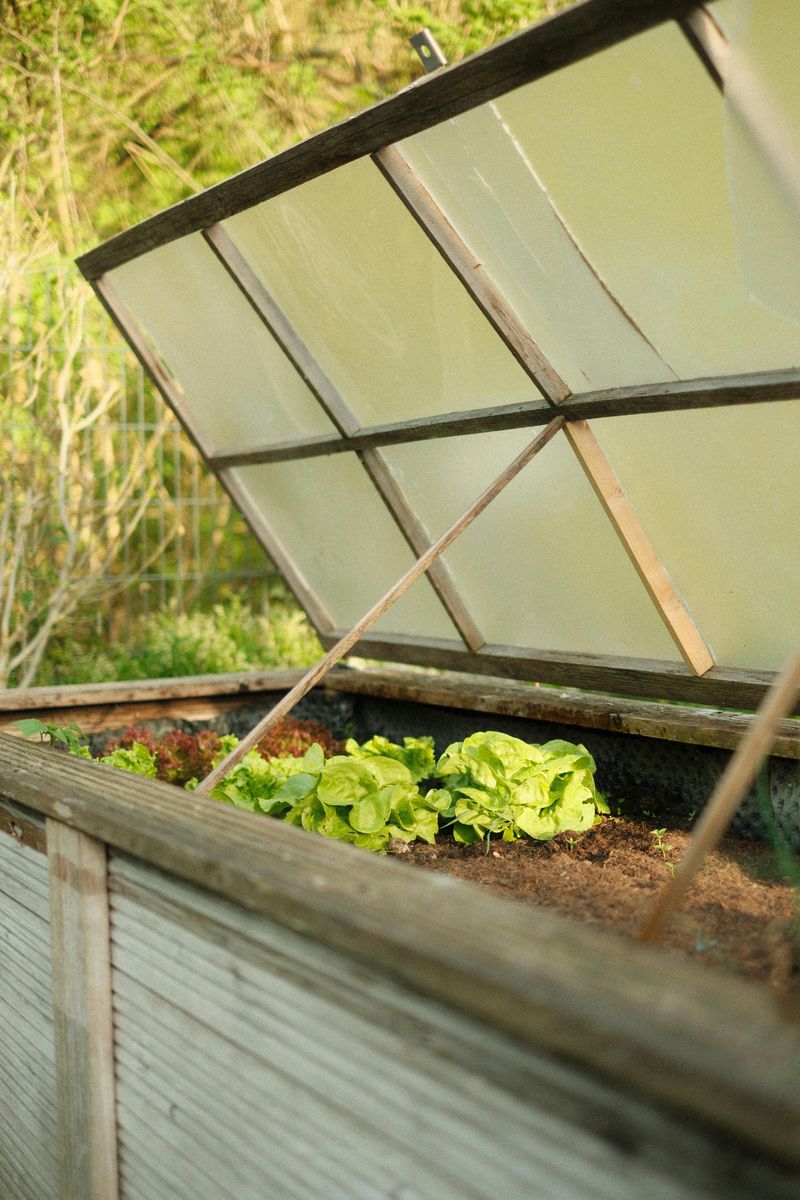
High-elevation living comes with some wild temperature swings, especially in spring. It is not unusual to have a sunny 70-degree afternoon followed by a night that drops below 40.
That kind of shift is hard on young plants, and it can slow growth or cause stress damage to roots.
The ground does not buffer temperature changes very well. The top few inches can go from warm to cold quickly, and shallow-rooted seedlings feel every degree of that shift.
For cool-season crops that is manageable, but warm-season vegetables really struggle.
Raised beds act like a small insulating layer between your crops and the extreme outdoor temperatures. The volume of soil in the bed holds heat longer than the thin surface layer of bare ground.
Even when air temperatures drop at night, the earth inside a raised bed stays warmer for longer. A layer of mulch on top locks that heat in even further, straw, wood chips, or shredded leaves all work well.
Covering the bed with a row cover on especially cold nights adds another layer of protection. With a couple of those steps in place, your raised bed becomes a stable, sheltered environment that your plants will genuinely thrive in.
Fewer Weeds, Fewer Pests
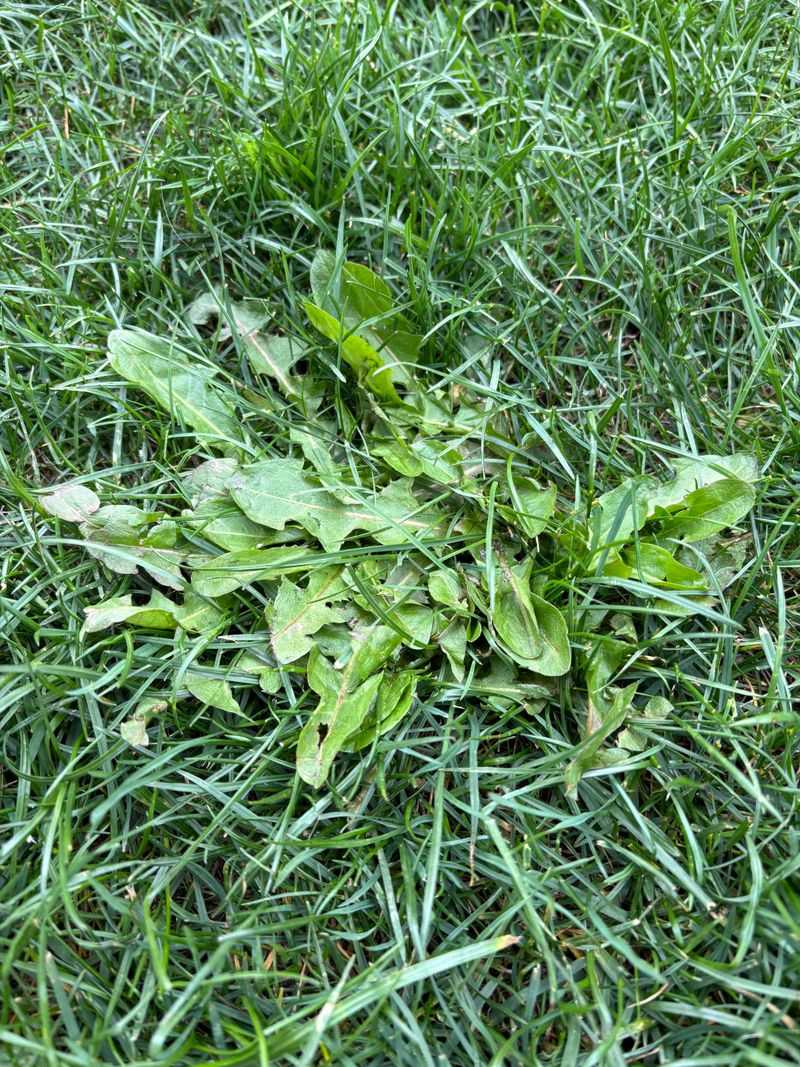
Weeds are exhausting. Pulling them out of a traditional garden bed feels like a never-ending chore, especially when the ground is full of weed seeds just waiting to sprout.
Raised beds cut that workload down dramatically.
When you fill a raised bed with a fresh mix, you are not bringing in a load of weed seeds the way you would if you were working with native ground soil. Fewer seeds means fewer weeds popping up week after week.
The ones that do appear are easy to spot and pull because the soil stays loose and soft.
Pest pressure is also lower. Slugs and some soil-dwelling insects have a harder time moving from the ground into an elevated bed.
You can also add a hardware cloth bottom to the frame before filling it, which blocks burrowing pests like voles and gophers from getting to your roots.
Companion planting is another good way to keep pests away naturally, marigolds, basil, or nasturtiums around the edges confuse and repel the most common culprits. Less weeding, less pest damage, and more time actually enjoying your garden sounds like a pretty good trade.
More Food, Less Space
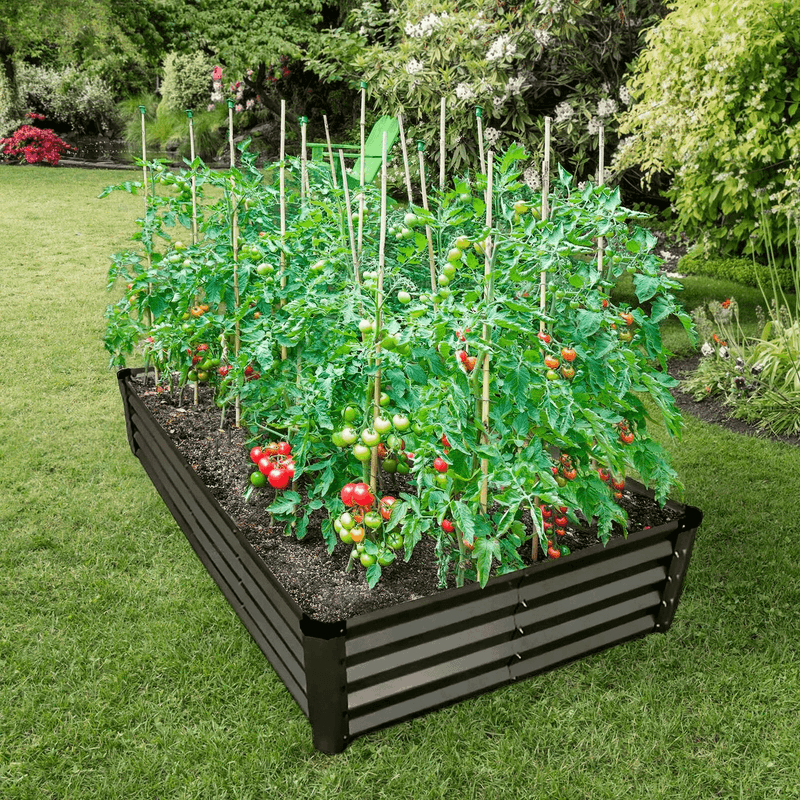
The growing season here is short. Depending on where you live, you might have anywhere from 90 to 150 frost-free days to work with.
That makes every square foot of garden space extremely valuable.
Raised beds are built for efficiency. Because you can reach the center of a 4-foot-wide bed from either side without stepping in, you never compact the soil.
Loose, aerated ground means roots grow deeper and crops can be spaced closer together than they could in a traditional row garden.
A method called square-foot gardening works perfectly here. You divide the bed into a grid of one-foot squares and plant a different crop in each.
According to square-foot gardening methods, this approach can produce significantly more food per square foot than a conventional row garden. For a short growing window, that kind of productivity actually matters.
You can pack in lettuce, radishes, green onions, herbs, kale, and even a compact tomato variety all in one 4×8-foot bed. Succession planting, replanting a square as soon as one crop finishes, keeps things producing from May through September.
Small space, big harvest, and a growing season that actually feels worth the effort.
How to Build One For Under $30
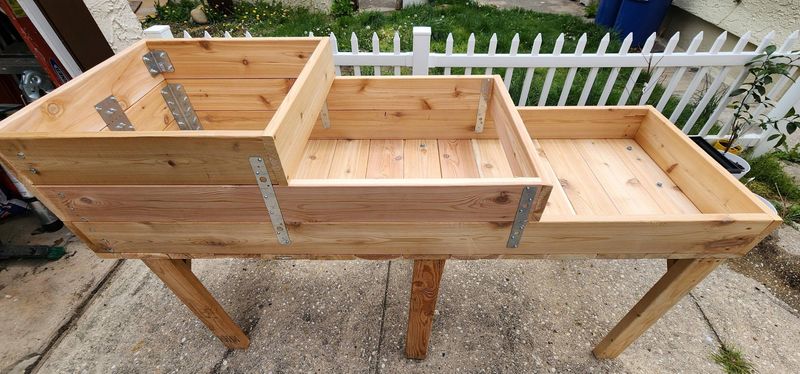
Building a raised bed does not require carpentry skills, a truck full of supplies, or a big weekend project.With a few boards, some screws, and an afternoon, you can have a fully functional bed ready to fill and plant.
The total cost for materials lands comfortably under $30 when you shop smart.
The most affordable option is untreated pine.It is widely available at home improvement stores, easy to cut, and light enough to carry on your own.
Pine will last about three to five years before it starts to break down, which is plenty of time to get serious value out of your garden.
Cedar is the upgrade option.It naturally resists rot and insects without any chemical treatment, and a cedar raised bed can last ten years or more.
The trade-off is cost, since cedar boards typically run two to three times the price of pine.For a first bed on a tight budget, pine is a perfectly solid choice.
Avoid pressure-treated lumber for vegetable beds.The chemicals used to preserve the wood can leach into your soil over time and end up in your food.
Stick with untreated wood and you will have nothing to worry about from season to season.
Pick Your Wood And Cut Your Boards
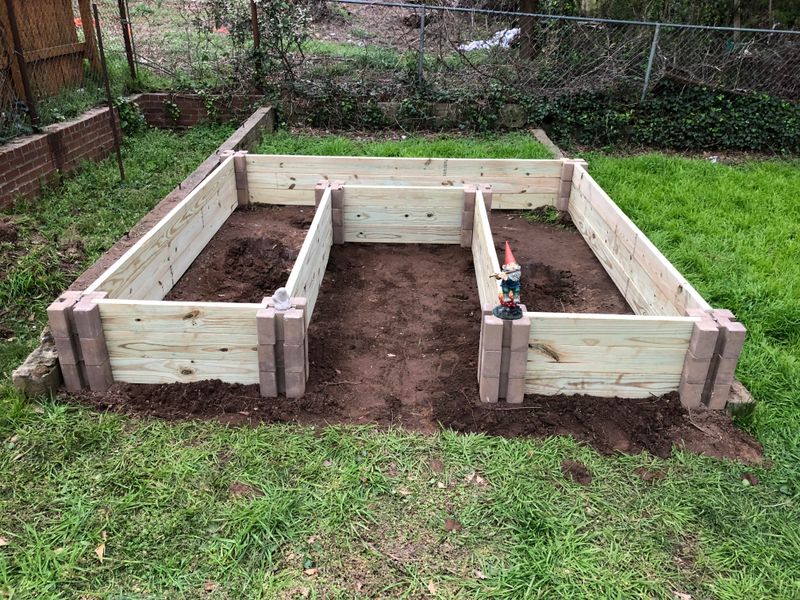
The standard raised bed size is 4 feet wide by 8 feet long.That width is important because it means you can reach the center from either side without ever stepping inside the bed.
Stomping around in the soil compacts it, which is exactly what you are trying to avoid.
For the height, a 6-inch-deep bed works for shallow-rooted crops like lettuce and herbs.But a 10 to 12-inch depth is better if you want to grow tomatoes, carrots, or peppers.
Deeper beds also hold more soil volume, which means they stay warmer and hold moisture more consistently.
At the hardware store, look for 2×6 or 2×8 pine boards.A standard 8-foot board costs around $4 to $7 depending on the store and the current lumber prices.
For a basic 4×8 frame using two boards per side, you will need two 8-foot boards and two 4-foot boards, which you can cut from a single 8-footer.
Most home improvement stores will cut lumber for you for free or a small fee.Bring your measurements written down and let them do the cutting.
You walk out with boards ready to assemble, no saw required at home.
Screw It Together, Fill It Right, And Plant
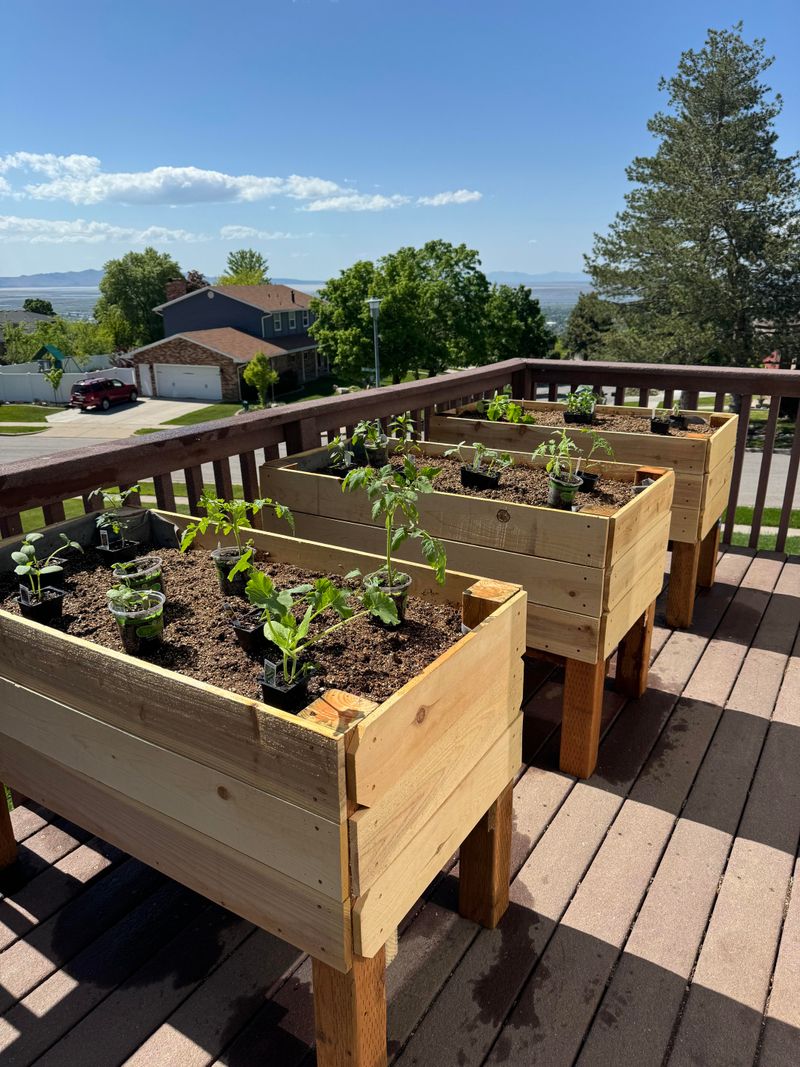
Assembly is the easiest part of the whole build.Once your boards are cut to size, stand them on edge and line up the corners.
Use 3-inch exterior screws, two or three per corner, to attach the boards together.No special tools needed, just a basic power drill or even a manual screwdriver.
Once the frame is built, set it in your chosen spot and level it as best you can.Fill it with your soil mix: one-third topsoil, one-third compost, and one-third coarse sand or perlite.
That blend gives roots everything they need, good structure, nutrients, and excellent drainage.
Now for the fun part: planting.In May, cool-season crops like lettuce, spinach, kale, and radishes can go in right away.
Warm-season crops like tomatoes, peppers, and squash should wait until after your last frost date, or be protected with a row cover if you want to push things a little early.
Great starter choices for a May raised bed include ‘Patio’ tomatoes, ‘Black Seeded Simpson’ lettuce, ‘Bloomsdale’ spinach, and any bush bean variety.Herbs like basil, parsley, and chives are easy wins too.
Get the bed filled, get it planted, and watch something incredible happen in your own backyard.