How Painting Fruit Trees Helps Them Grow Better In Texas
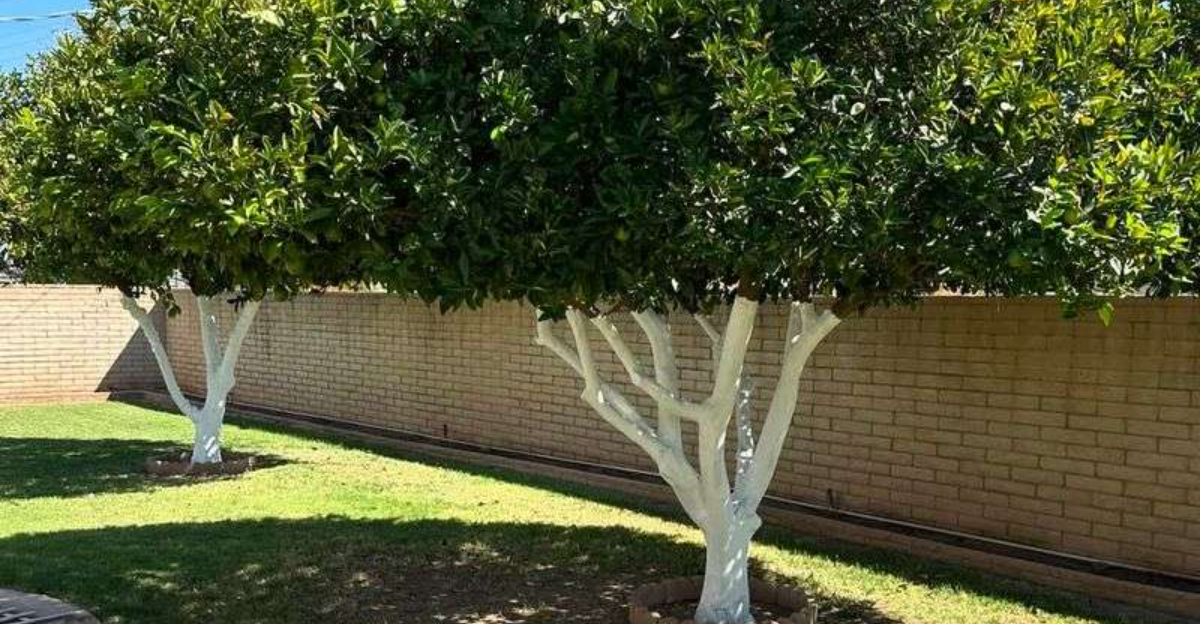
Texas summers can be brutal on fruit trees, especially when intense sun and heat stress bark and young trunks. Many gardeners are surprised to learn that a simple coat of paint can make a real difference.
Painting fruit trees has become a quiet but effective practice across Texas orchards and home gardens.
Strong sunlight in Texas can cause bark damage that slows growth and weakens trees over time.
White paint reflects heat and helps keep trunk temperatures more stable.
This temperature control reduces stress during long stretches of extreme heat. Healthier bark allows nutrients and water to move more efficiently through the tree.
Texas gardeners also use paint to protect trees from sudden temperature swings in late winter and early spring. Those swings can crack bark and create long-term problems.
Young fruit trees benefit the most because their bark is thinner and more sensitive.
When done correctly, painting fruit trees supports steadier growth and stronger structure.
1. White Paint Reflects Sunlight and Prevents Sunscald
Sunscald happens when intense rays hit the bark and cause damage similar to a sunburn on human skin. In Texas, where summer temperatures regularly climb above 100 degrees, young trees especially suffer from this problem.
The bark can crack and peel, creating openings for pests and diseases to invade.
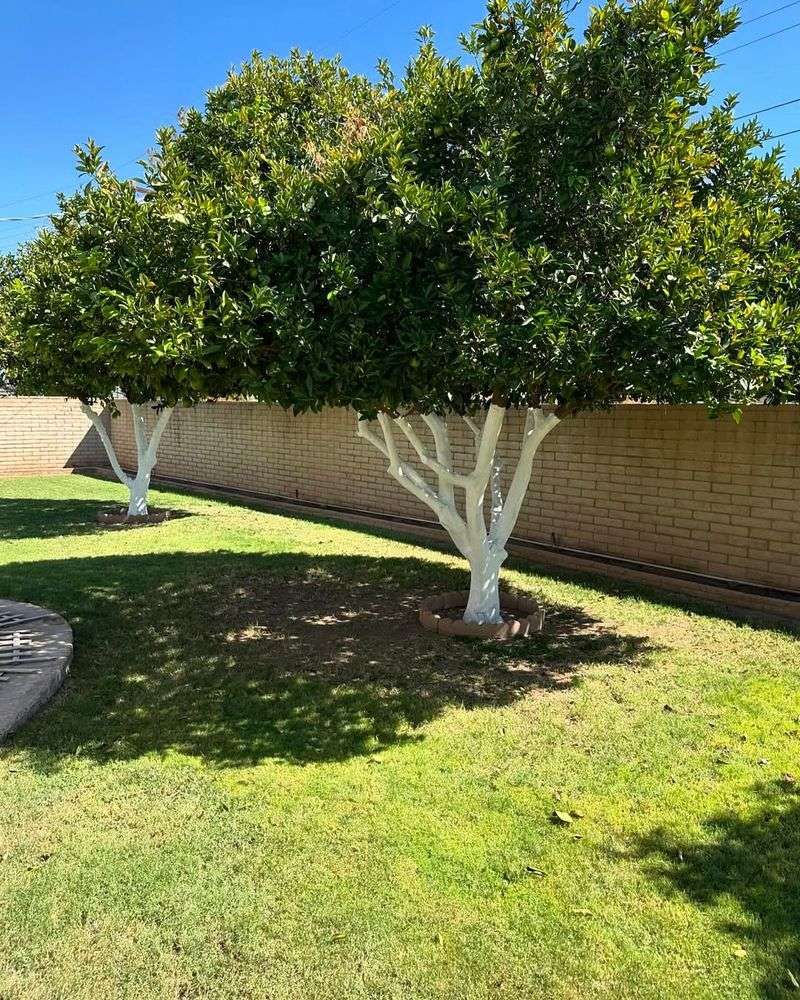
Applying white paint or whitewash creates a protective barrier that reflects harsh sunlight away from the trunk. This keeps the bark cooler and prevents the temperature swings that cause splitting.
Many Texas orchardists use latex-based white paint diluted with water for this purpose.
Younger trees with thin bark benefit most from this treatment since their protective layers haven’t fully developed yet. Older trees with thick, rough bark can handle sun exposure better, but painting still helps.
The white coating acts like sunscreen for your trees, giving them a fighting chance against the relentless Texas heat.
Most gardeners across the state apply this coating in late winter or early spring before temperatures spike. Regular reapplication every year or two maintains the protective effect and keeps your orchard thriving.
This simple practice also reduces stress during heat waves, helping trees focus energy on growth instead of damage repair.
Over time, protected trunks develop stronger, healthier bark that better withstands Texas’s extreme sun exposure.
2. Protection Against Winter Temperature Fluctuations
Texas winters bring wild temperature swings that confuse fruit trees and cause serious harm. A warm afternoon might reach 70 degrees, then plummet to freezing overnight.
These rapid changes cause the bark to expand and contract quickly, leading to cracks and splits that weaken the tree.
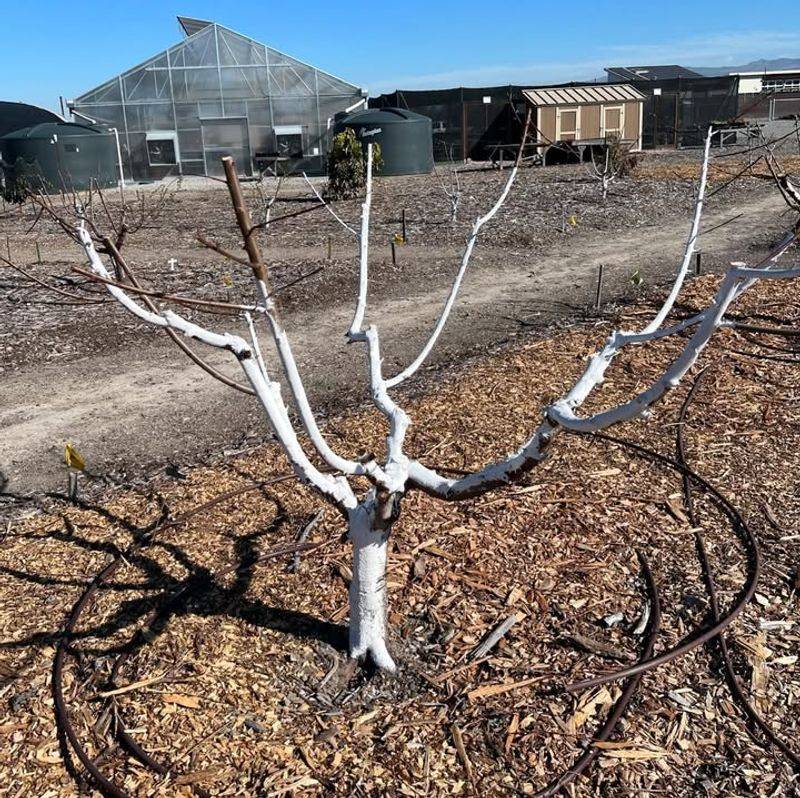
Painting trunks white helps moderate these temperature shifts by reflecting sunlight during warm days. This prevents the bark from heating up too much when the sun shines brightly in winter.
When night falls and temperatures drop, the painted trunk stays more stable instead of experiencing extreme cooling.
Fruit trees in central and northern Texas face the biggest risk from these fluctuations since cold fronts arrive suddenly. The white coating keeps the bark temperature more consistent, reducing stress on the tree.
This protection is especially important for stone fruits like peaches and plums, which are popular in Texas orchards.
Many experienced growers recommend painting in late fall before the first freeze hits. The coating stays effective throughout winter, guarding against damage during the most vulnerable months.
Healthy bark means better nutrient flow and stronger growth when spring arrives.
3. Discourages Boring Insects from Attacking the Trunk
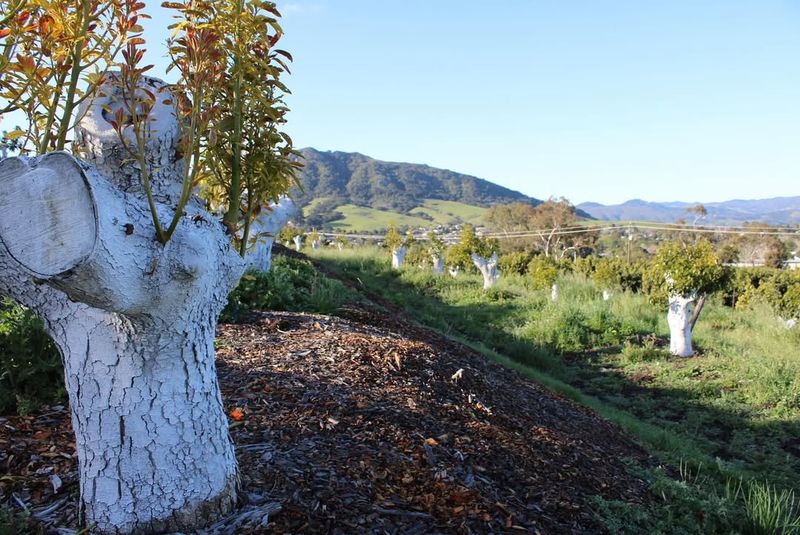
Boring insects like flatheaded borers and bark beetles cause massive damage to fruit trees by tunneling through the bark and wood. These pests prefer stressed trees with damaged bark, making sunscald and cracks an open invitation.
Once they burrow inside, they disrupt the flow of water and nutrients, weakening the entire tree.
White paint creates an unwelcoming environment that discourages these insects from choosing your trees as hosts. The bright surface makes it harder for borers to land and establish themselves.
Additionally, the paint seals small cracks where insects might otherwise gain entry.
Texas orchards deal with particularly aggressive borer populations during hot, dry periods when trees are already stressed. Painted trunks give an extra layer of defense that complements other pest management strategies.
Some gardeners mix in natural repellents with the paint for added protection.
Regular inspection of painted trunks helps catch any insect activity early before major damage occurs. The white surface also makes it easier to spot sawdust-like frass that indicates boring insect presence.
Keeping your trees painted is a simple preventive measure that saves you from costly pest problems down the road.
This preventive step reduces the chances of infestations taking hold during peak insect activity seasons.
Healthy, protected trunks make fruit trees far less attractive targets for destructive borers in Texas orchards.
4. Reduces Risk of Bark Splitting and Cracking
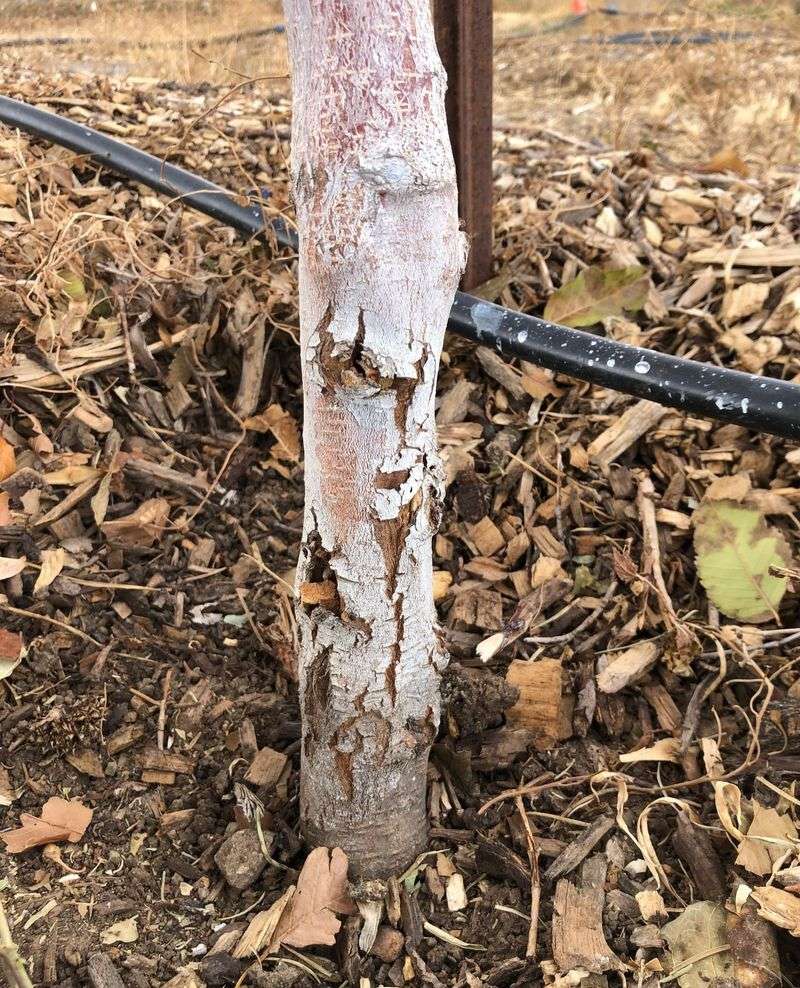
Bark splitting creates serious problems that compromise tree health and open pathways for diseases to enter. Extreme temperature changes cause the wood beneath the bark to expand and contract at different rates than the outer layer.
This tension results in vertical cracks that can extend deep into the trunk.
White paint minimizes these temperature extremes by keeping the bark cooler and more stable throughout the day. Texas summers are brutal, with afternoon heat causing rapid warming followed by cooler evenings.
Painted trunks experience gentler temperature transitions, which means less stress on the bark structure.
Split bark allows moisture to escape and pathogens to invade, creating a cascade of health problems. Young trees with smooth bark are most vulnerable since they lack the thick, protective outer layers of mature specimens.
Painting offers crucial protection during these early years when the tree is establishing itself.
Many Texas fruit growers report fewer cracking issues after starting a regular painting routine. The practice is especially valuable for trees planted in exposed locations where sun intensity is strongest.
Healthy, intact bark supports better growth and higher fruit production over the tree’s lifetime.
5. Helps Young Trees Establish Stronger Root Systems
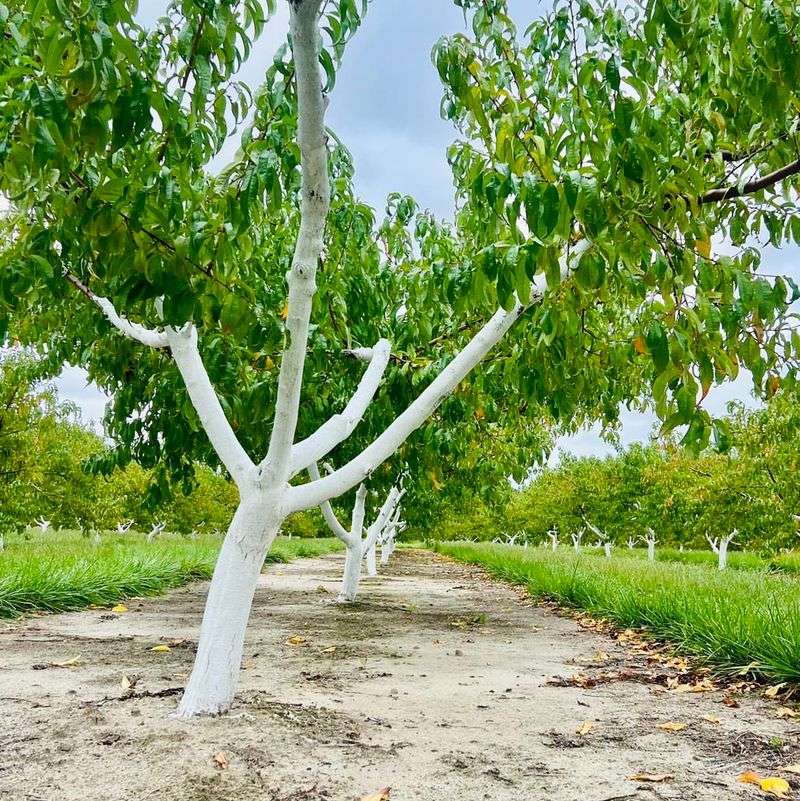
Root development depends heavily on the overall health and stress levels of the tree above ground. When bark damage occurs, the tree diverts energy toward healing instead of growing strong roots.
This slows establishment and makes the tree more vulnerable to drought and other stresses common in Texas.
Protecting the trunk with white paint allows the tree to focus its resources on building a robust root network. Healthy bark means efficient transport of sugars produced in the leaves down to the roots.
This steady flow of nutrients supports rapid root expansion during the critical first few years after planting.
Texas soils vary widely, from heavy clay to sandy loam, and young trees need strong roots to access water and minerals. Painted trunks reduce stress from sun and temperature swings, which translates to better below-ground growth.
Gardeners who paint their young trees often notice faster establishment and earlier fruit production.
The first three years are crucial for root development, making trunk protection especially important during this period. A well-established root system helps the tree survive droughts and storms that frequently challenge Texas orchards.
Simple trunk painting is an investment that pays off with healthier, more resilient trees.
Stronger roots also improve nutrient uptake, which supports more balanced growth above ground as the tree matures.
By reducing early stress, trunk protection helps young trees settle in faster and perform more reliably in Texas conditions.
6. Improves Overall Tree Vigor and Fruit Production
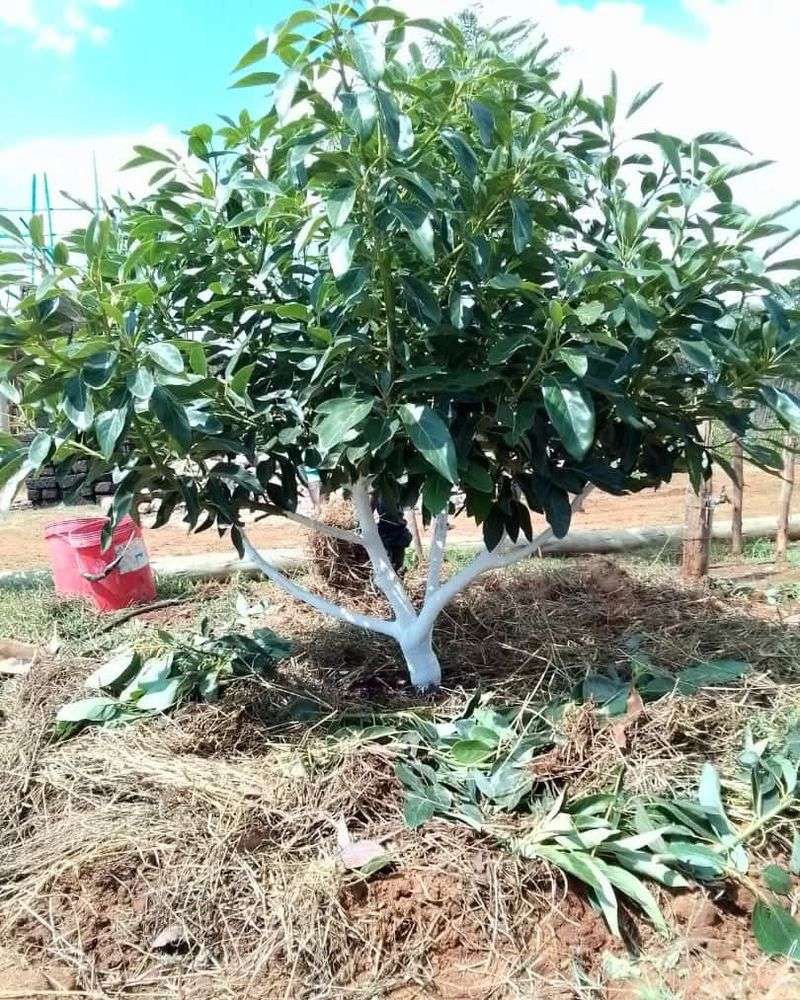
Vigorous trees produce more fruit and higher-quality harvests, which is the ultimate goal for any Texas orchard owner. Stress from sun damage, temperature swings, and pest attacks drains energy that could otherwise go into flowering and fruiting.
Protecting the trunk with paint removes these stressors and allows the tree to thrive.
Healthy bark supports efficient nutrient and water transport between roots and leaves, which directly impacts fruit development. When trees aren’t fighting to heal bark damage or fend off insects, they channel resources into producing abundant blossoms and fruit.
Texas growers who maintain painted trunks consistently report better yields compared to unpainted trees.
The connection between trunk health and fruit quality is clear when you compare painted and unpainted orchards side by side. Trees with protected bark show fuller canopies, stronger branch growth, and more consistent fruiting patterns.
This is especially noticeable in varieties sensitive to environmental stress like apricots and cherries.
Regular painting becomes part of a comprehensive care routine that includes proper watering, fertilizing, and pruning. Together, these practices create optimal conditions for fruit production throughout the growing season.
Investing time in trunk protection delivers measurable returns in the form of larger, tastier harvests year after year.
7. Choosing the Right Type of Paint or Whitewash
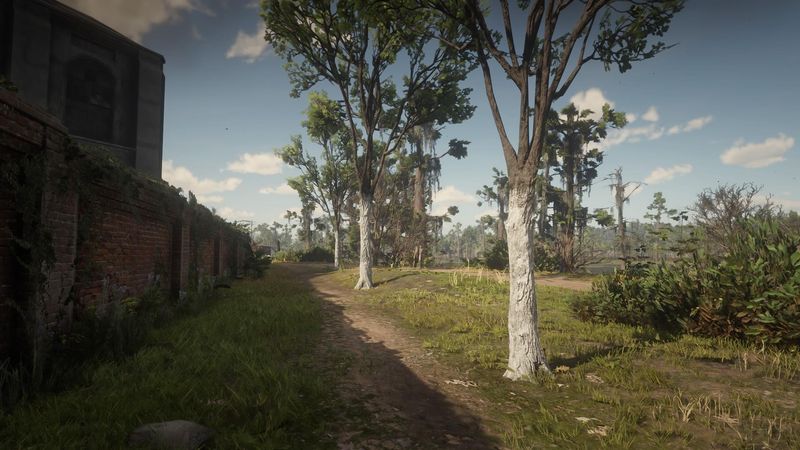
Not all paints work well for protecting fruit trees, and using the wrong type can actually cause harm. Latex-based white paint diluted with water is the most common and effective choice for Texas orchards.
Oil-based paints should be avoided since they don’t allow the bark to breathe and can trap moisture underneath.
Commercial tree paint products are available at garden centers and come pre-mixed for convenience. These formulations often include additives that enhance adhesion and durability.
However, many experienced growers make their own whitewash using hydrated lime, water, and sometimes salt for better sticking power.
The paint should be thin enough to brush on easily but thick enough to provide good coverage. A consistency similar to skim milk works well for most applications.
Some Texas gardeners add a small amount of white glue or casein to help the mixture adhere better during rainy periods.
Whatever product you choose, make sure it’s labeled as safe for plants and doesn’t contain harmful chemicals. Testing a small area first ensures the mixture won’t damage sensitive bark.
The right paint provides protection without interfering with the tree’s natural processes, giving you the best results for your Texas orchard.
Applying the paint evenly from the soil line up to the first set of branches ensures the most vulnerable areas receive full protection.
Taking a few extra minutes to use the proper materials helps avoid setbacks and keeps young fruit trees healthy under Texas conditions.
8. Proper Application Techniques for Best Results
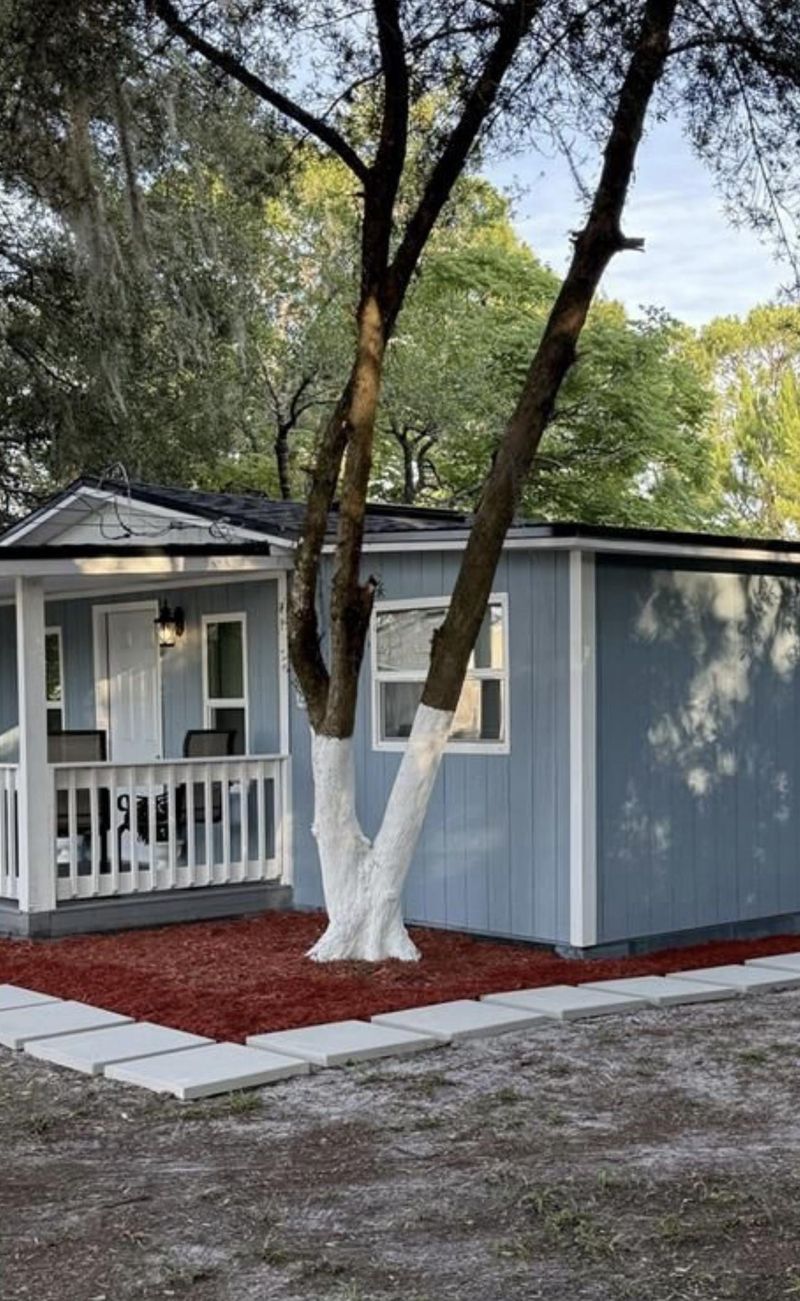
Application method matters just as much as the paint you choose when protecting fruit trees in Texas. Start by cleaning the trunk with a soft brush to remove loose bark, dirt, and debris.
This helps the paint adhere properly and ensures even coverage across the entire surface.
Apply paint from the ground level up to where the first major branches begin, typically covering the lower three to four feet of trunk. Use a wide brush or even a paint roller for larger trees to speed up the process.
Make sure to coat the trunk evenly without leaving thick drips or thin spots that reduce effectiveness.
Timing your painting for a dry day with mild temperatures ensures the coating dries properly and lasts longer. Early morning or late afternoon works best in Texas to avoid working in intense midday heat.
Some growers apply two thin coats rather than one thick layer for better durability and coverage.
Avoid painting during active growth periods when new bark is forming, as this can interfere with natural development. Late fall and late winter are ideal times for application in most Texas regions.
Reapply the coating every one to two years, or whenever you notice it wearing thin or flaking off significantly.
9. Common Mistakes to Avoid When Painting Fruit Trees
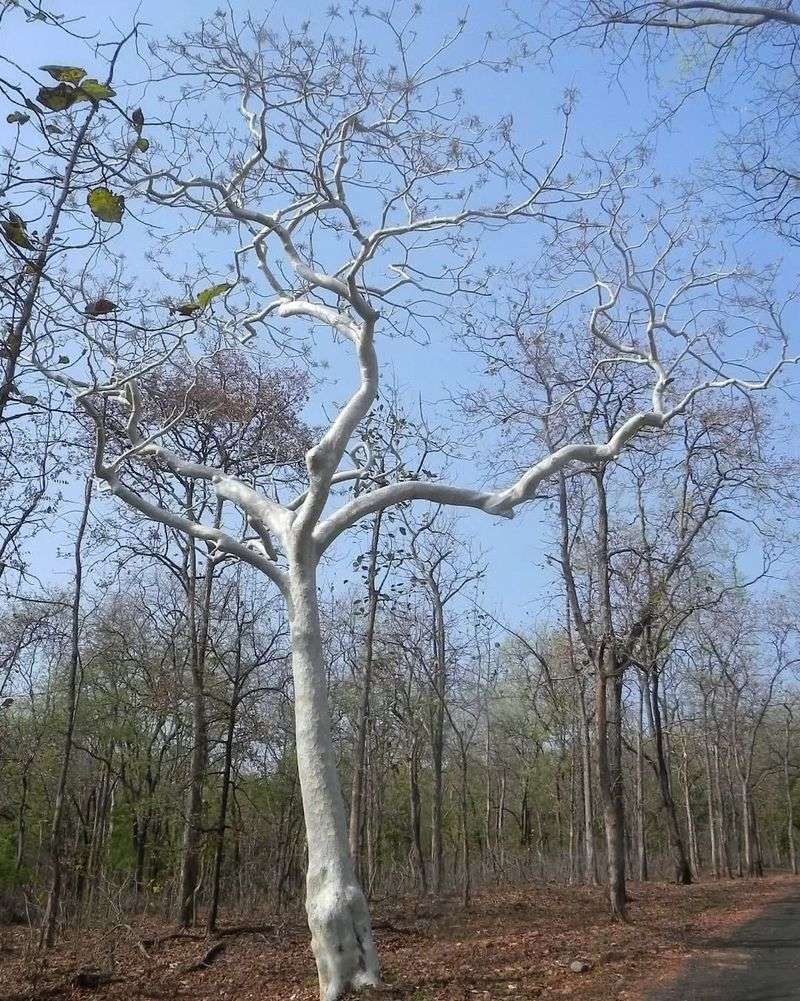
Many well-meaning gardeners make errors that reduce the effectiveness of trunk painting or even harm their trees. Using undiluted latex paint is a common mistake that creates a coating too thick for the bark to breathe properly.
This can trap moisture and create conditions that encourage fungal growth rather than preventing problems.
Painting too high up the trunk or coating branches is unnecessary and wastes paint while potentially interfering with normal growth. Focus on the lower trunk where sun exposure and temperature stress are greatest.
Another error is painting newly planted trees immediately without letting them adjust to their new environment first.
Skipping trunk cleaning before painting means the coating won’t adhere well and will flake off quickly. Taking a few extra minutes to prep the surface makes a significant difference in how long the protection lasts.
Some Texas growers also forget to reapply paint regularly, leaving trees vulnerable once the coating wears away.
Applying paint during wet weather or when rain is forecast wastes effort since the coating won’t dry properly. Choosing paint colors other than white reduces the reflective benefit that makes this practice effective.
Avoiding these common pitfalls ensures your effort translates into real protection and better tree health throughout the seasons.
Paying attention to timing, preparation, and materials turns trunk painting into a reliable protective practice instead of a missed opportunity.
When done correctly, this simple step supports healthier bark and steadier growth for fruit trees facing Texas heat year after year.