How Texans Should Prune Hydrangeas Without Losing Next Year’s Flowers
Have you ever trimmed your hydrangeas only to wonder why they barely bloomed the following year? Many Texas gardeners have faced that exact frustration.
Hydrangeas are known for their large, beautiful flower heads, but they can be surprisingly sensitive when it comes to pruning. One wrong cut at the wrong time can remove the buds that were meant to become next season’s flowers.
That is why understanding how and when to prune hydrangeas is so important. Some varieties develop their flower buds months before they bloom, which means careless trimming can quietly erase an entire season of color.
It is easy to assume that cutting back a plant will encourage more growth, but hydrangeas follow their own rules.
Texas weather adds another twist because mild winters and early warmth can influence when plants begin preparing for new growth.
With the right pruning approach, gardeners can keep their hydrangeas healthy while still enjoying those big, showy blooms year after year.
Why Hydrangea Pruning Timing Matters?
Most gardeners assume that pruning is simple, but with hydrangeas, timing is everything. These flowering shrubs have a unique growth habit that sets them apart from many other plants in your yard.
Get the timing wrong, and you could be cutting off the very buds that would have given you a stunning display of flowers next season.
Hydrangeas produce flowers on either old wood or new wood, depending on the variety. Old wood refers to stems that grew during the previous season.
New wood refers to fresh stems that grow in the current year. If you prune an old-wood bloomer at the wrong time, you remove the buds already forming on those older stems.
In Texas, this mistake happens more often than you might think. Gardeners see a plant that looks overgrown or scraggly after summer, and they reach for the pruning shears.
But cutting back too aggressively in fall or early winter can seriously reduce next year’s flower count.
Understanding the biology of your hydrangea helps you make smarter decisions. Once you know whether your plant blooms on old or new wood, the timing becomes much clearer.
Pruning at the right moment keeps the plant healthy and ensures it has every chance to produce an amazing flower show the following year.
Texas summers are tough on all plants. Giving your hydrangeas the best possible start by pruning correctly means they spend their energy on blooming rather than recovering from unnecessary cuts.
A little patience and knowledge goes a long way in the garden.
Identify The Type Of Hydrangea In Your Garden
Walk through almost any Texas neighborhood and you will spot hydrangeas in all shapes and sizes. But not every hydrangea is the same, and that matters a lot when it comes to pruning.
Knowing exactly which variety you have growing in your yard is the single most important step before you ever pick up your pruning shears.
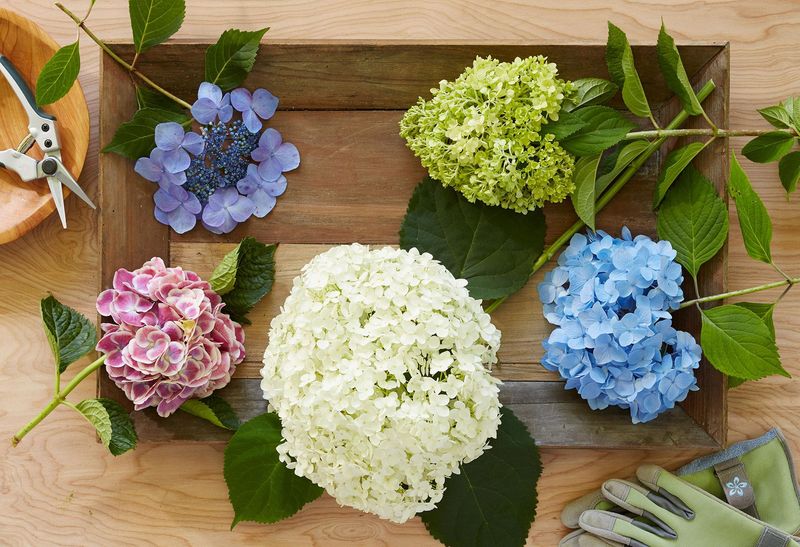
Bigleaf hydrangeas, sometimes called mophead or lacecap hydrangeas, are extremely popular across Texas. They bloom on old wood, which means their flower buds form on stems that grew the previous year.
Oakleaf hydrangeas, named for their distinctive leaf shape, also bloom on old wood and are well-suited to the Texas climate.
Panicle hydrangeas are a bit different. They bloom on new wood, forming their cone-shaped flower clusters on fresh growth each season.
Smooth hydrangeas, like the popular Annabelle variety, also bloom on new wood. These two types are more forgiving when it comes to pruning because you are not risking next year’s buds with a winter trim.
If you are not sure which type you have, check the flower shape. Round, globe-like blooms usually indicate a bigleaf variety.
Cone-shaped or elongated flower clusters point to a panicle hydrangea. Flat-topped or lacy flower heads suggest a lacecap bigleaf type.
Many Texas garden centers also label their plants clearly, so check any tags you saved when you planted. Getting this identification right from the start saves you a lot of frustration and helps you build a pruning plan that actually works for your specific plant.
The Best Time Texans Should Prune Hydrangeas
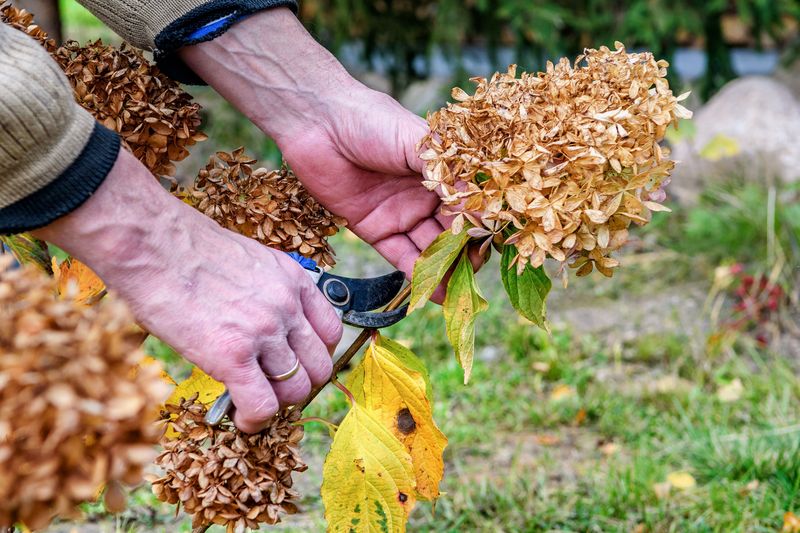
Timing your pruning cuts around the Texas calendar makes a real difference in how well your hydrangeas perform.
Unlike gardeners in cooler states, Texans deal with a long growing season, intense summer heat, and mild winters that can confuse plants into growing at unusual times. Knowing the right window for each hydrangea type helps you stay one step ahead.
For bigleaf and oakleaf hydrangeas that bloom on old wood, the best time to prune is right after they finish flowering. In most parts of Texas, that window falls somewhere in late June through July.
Pruning immediately after bloom allows the plant to spend the rest of summer producing new stems that will carry next year’s buds.
Panicle and smooth hydrangeas that bloom on new wood can be pruned in late winter or very early spring, typically from late January through early March in Central and South Texas.
North Texas gardeners might wait until mid-February or later to avoid any lingering cold snaps that could stress the freshly pruned plant.
Avoid pruning any hydrangea in fall. Even though it might feel like a good time to tidy up the garden, cutting in fall removes protective growth and can expose the plant to cold damage during unexpected Texas freezes.
One helpful tip is to watch your plant closely. When the last flowers start to fade and petals begin dropping, that is your signal to make your post-bloom cuts for old-wood bloomers.
Staying observant rather than following a rigid calendar works especially well across the varied climates of North, Central, and South Texas.
How To Prune Hydrangeas Without Removing Flower Buds?
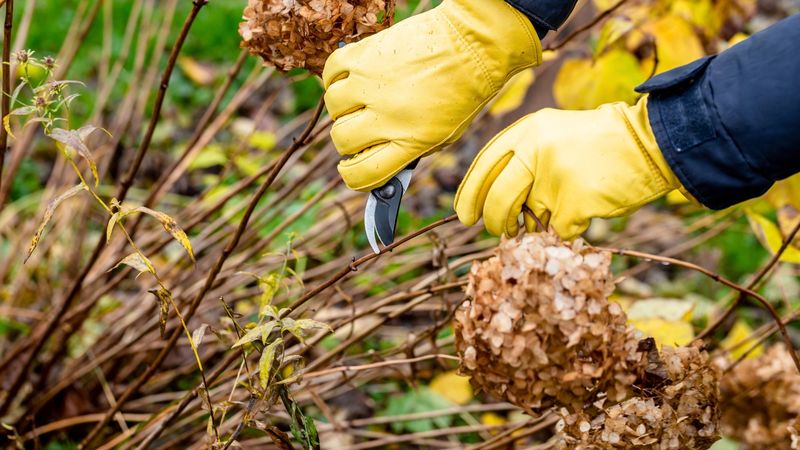
Even once you know the right timing, the actual technique of pruning matters just as much. Many Texas gardeners accidentally remove healthy flower buds simply because they do not know exactly where to make their cuts.
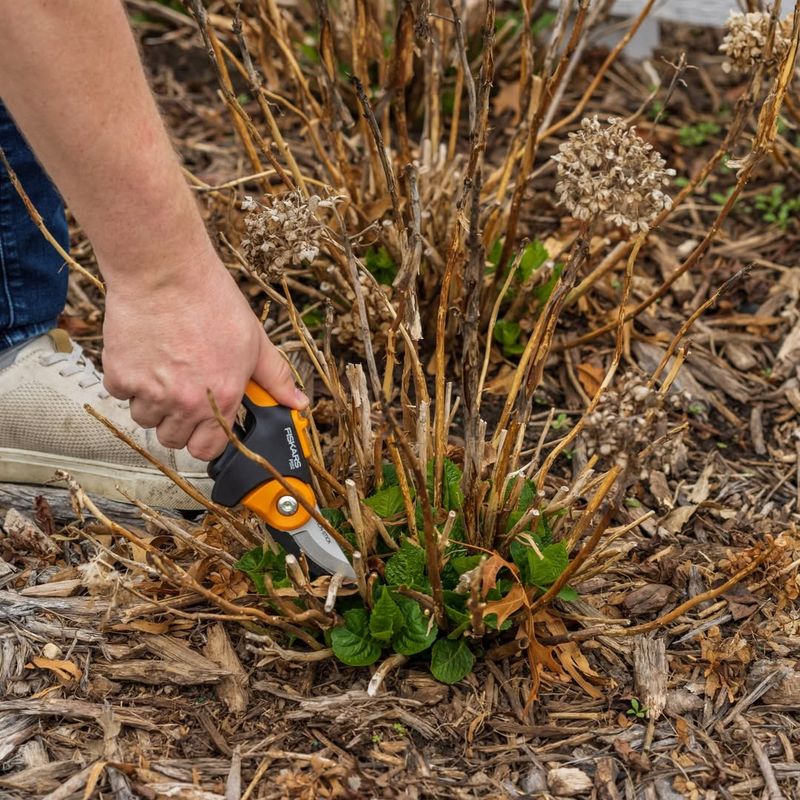
A few simple guidelines can help you avoid that frustrating mistake. Start by looking for dry, damaged, or weak stems. These are the first ones to remove, regardless of the time of year or the type of hydrangea you have.
Dry stems are usually dry, brown, and hollow. Removing them opens up the plant and improves airflow, which helps prevent disease in the humid parts of Texas.
When cutting healthy stems on old-wood bloomers, make your cut just above a set of healthy leaves or a visible bud.
You will often see small, rounded buds forming along the stem even in winter. These are the buds that will become next year’s flowers, so never cut below them.
For new-wood bloomers like panicle and smooth hydrangeas, you have a bit more freedom. You can cut these stems back more aggressively in late winter, reducing them to about one-third of their height.
This encourages strong new shoots and often results in bigger, showier flower clusters when summer arrives.
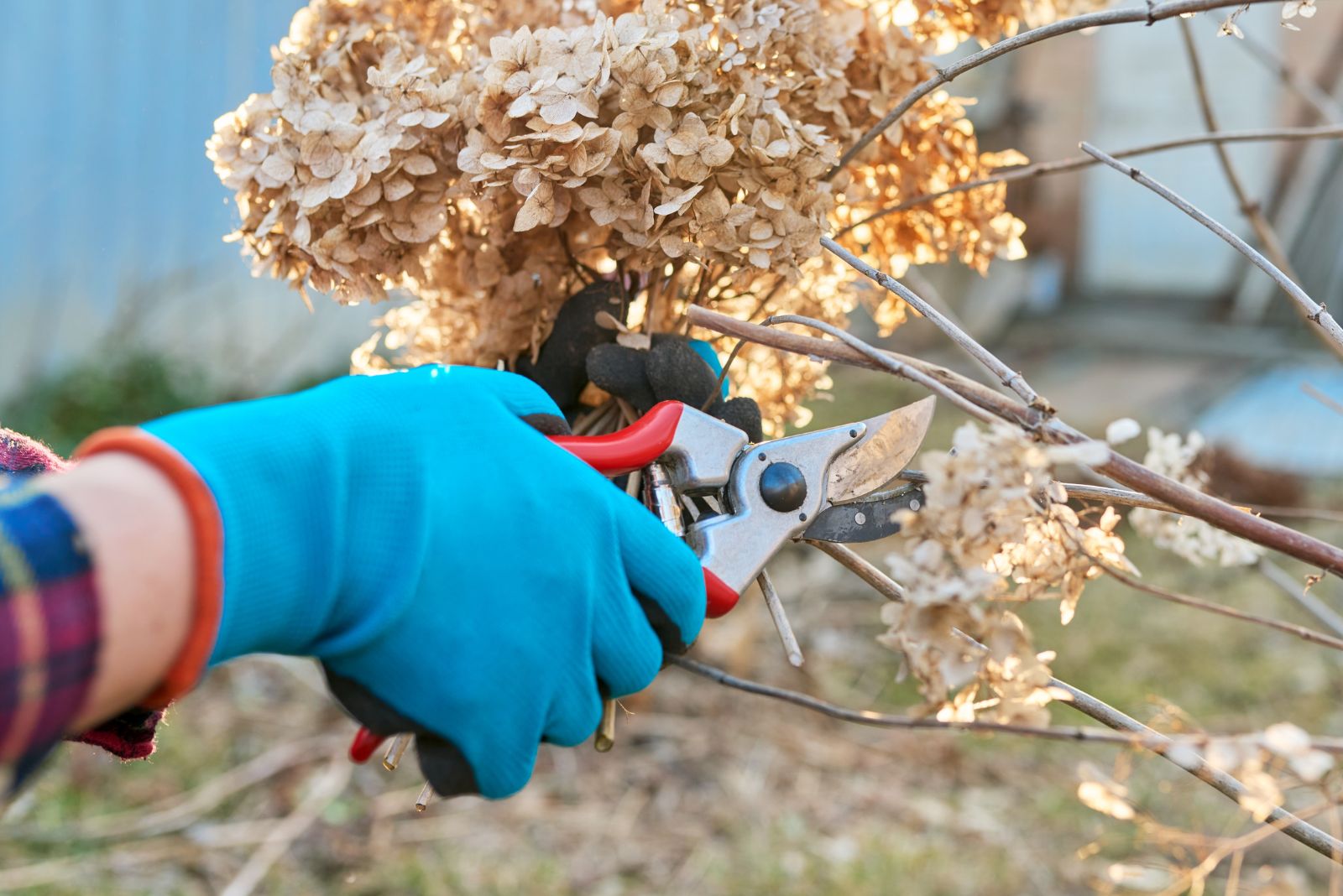
Always use clean, sharp pruning shears. Dull blades crush the stem rather than cutting it cleanly, which can invite disease into the wound.
Wipe your blades with rubbing alcohol between plants to avoid spreading any issues from one shrub to another. Texas gardeners who take these small steps consistently see much healthier plants and more reliable blooms year after year.
Common Pruning Mistakes Texas Gardeners Make
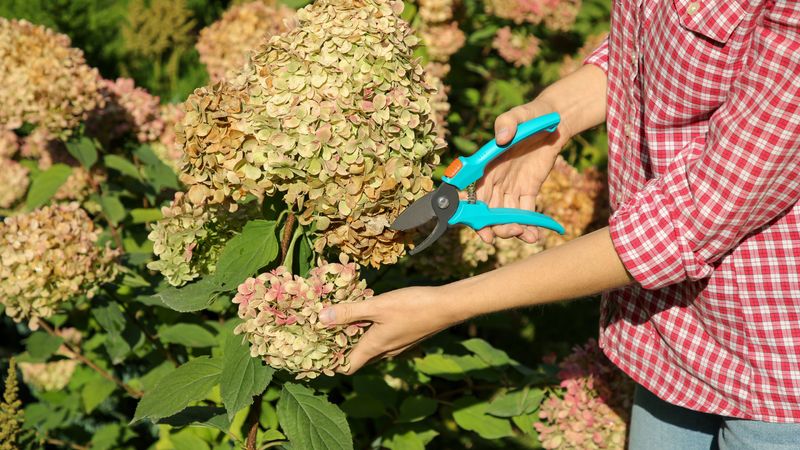
Plenty of experienced gardeners have made at least one of these pruning mistakes, and it is hard not to when hydrangeas can be so confusing.
The good news is that once you know what to avoid, fixing your approach is straightforward. Recognizing these common errors is a big step toward a healthier, more colorful garden.
One of the most frequent mistakes across Texas is cutting hydrangeas back hard in late fall or winter. It feels like the right time because the plant looks dormant and scraggly.
But for old-wood bloomers, those stems are holding the buds for next year. A heavy winter pruning can mean almost no flowers come spring and summer.
Another common error is treating all hydrangeas the same way. A Texas gardener who prunes a bigleaf hydrangea the same way they prune a panicle hydrangea is almost guaranteed to be disappointed.
Each variety has its own needs, and lumping them all together leads to poor results. Removing too many healthy stems at once is another pitfall. Some gardeners go overboard trying to shape the plant, cutting away far more than necessary.
A light, targeted approach almost always works better than aggressive reshaping, especially with varieties that bloom on old wood.
Finally, many Texas gardeners forget to remove spent flower heads after blooming. Leaving old blooms on the plant can actually slow down new growth and reduce the number of buds the plant sets for next season.
Deadheading spent flowers right after they fade is a simple habit that pays off with more blooms down the road.
Tips To Encourage More Hydrangea Blooms
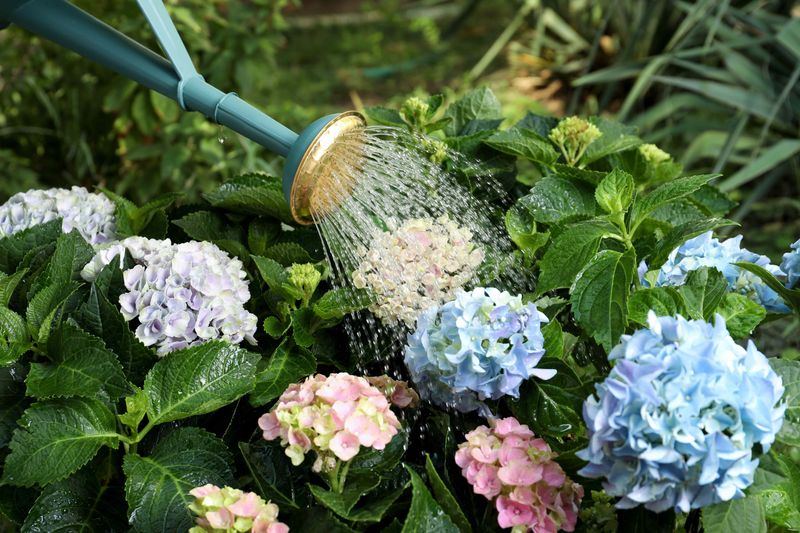
Getting your pruning right is only part of the story. Hydrangeas in Texas need a bit of extra care to truly thrive and produce the kind of flower display that stops neighbors in their tracks.
A few consistent habits throughout the growing season can make a noticeable difference in bloom quality and quantity.
Watering is one of the most critical factors, especially during hot Texas summers. Hydrangeas are thirsty plants, and they show stress quickly when the soil dries out.
Deep watering two to three times per week during peak summer heat helps keep the roots healthy and supports strong bud development for the following year.
Adding a generous layer of mulch around the base of each plant is another smart move for Texas gardeners. Mulch helps the soil hold moisture, keeps root temperatures more stable during extreme heat, and slowly breaks down to add nutrients to the soil.
Aim for a layer about three inches thick, keeping the mulch a few inches away from the main stem to prevent rot.
Fertilizing lightly in spring gives your hydrangeas a nutritional boost right when they need it most. Use a balanced, slow-release fertilizer applied in early spring before new growth really takes off.
Avoid fertilizing in late summer or fall, as this can push tender new growth that gets damaged by unexpected Texas cold snaps.
Afternoon shade is also a game-changer in Texas. Planting hydrangeas where they receive morning sun and afternoon shade protects the blooms from scorching.
If your current plants are struggling with too much direct sun, consider adding a shade structure or nearby taller plants to filter that intense afternoon light.