How Texas Cold Snaps Affect Bluebonnet Blooms
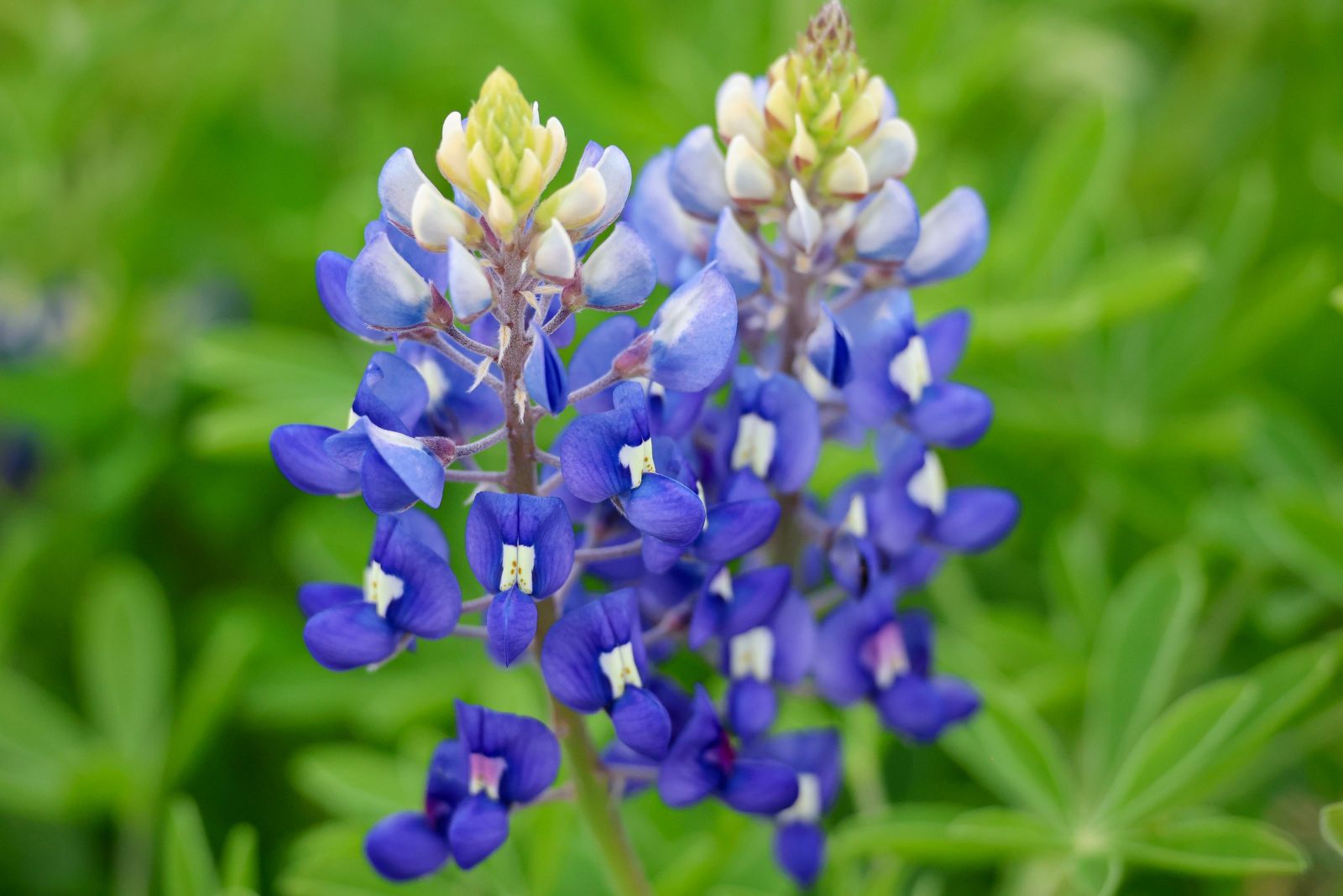
Texas weather is famous for changing fast, and cold snaps can arrive when you least expect them. For bluebonnet lovers, this can raise a lot of questions and concerns.
One sudden drop in temperature can make gardeners worry about damaged buds or delayed blooms. Since bluebonnets are such an important part of Texas spring, many homeowners want to know how cold weather really affects these iconic flowers.
Do they survive freezes, or can one cold night ruin the season’s display? The truth is, bluebonnets are tougher than they look, but timing and temperature still matter.
Understanding how cold snaps impact growth and blooming can help you better care for your plants and set realistic expectations.
If you’ve ever wondered why bluebonnets bloom later some years or seem weaker after winter, you’re about to get some helpful answers.
1. Delayed Bloom Times Create Later Spring Shows
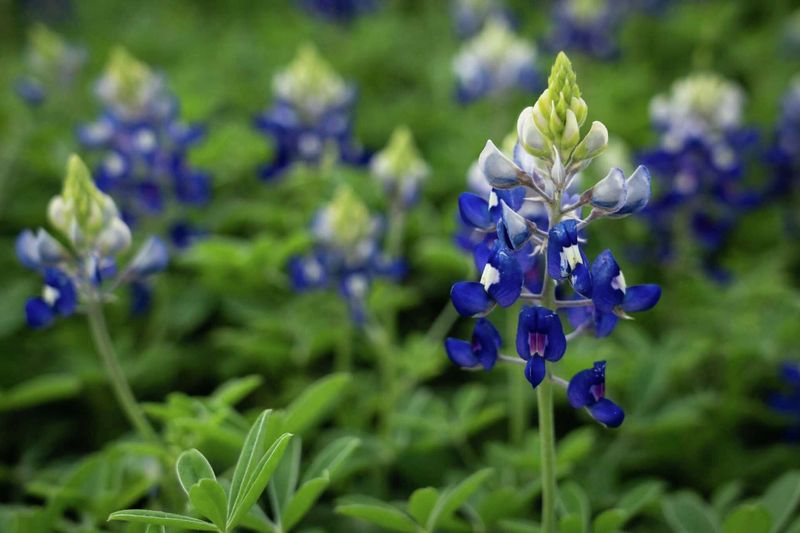
Cold snaps that hit Texas in late winter or early spring can push back bluebonnet blooming schedules by several weeks. When temperatures drop below freezing, these plants basically hit the pause button on their growth.
The flower buds that were getting ready to open suddenly stop developing until warmer weather returns.
This delay might seem disappointing at first, but it actually extends the wildflower season across Texas.
Instead of all bluebonnets blooming at once in March, cold weather can stretch the display into April or even early May in some areas. This gives more people the chance to enjoy the spectacular views along Texas highways.
The timing varies depending on where you live in Texas. Northern regions around Dallas and Fort Worth typically see later blooms than southern areas near San Antonio or Austin.
A cold snap in February might not affect southern bluebonnets much, but it could significantly delay flowers in central Texas.
Plants respond to accumulated warm days, not just the calendar date. Each bluebonnet needs a certain amount of warmth to trigger blooming.
When cold snaps interrupt this process, the plants simply need more time to gather enough warm days. This natural system ensures that flowers open when conditions are right for their survival.
Many Texas photographers and wildflower enthusiasts actually appreciate these delays. Later blooms often coincide with other spring wildflowers like Indian paintbrush and wine cups, creating even more colorful displays across the Texas landscape.
2. Vernalization Requirements Get Fulfilled
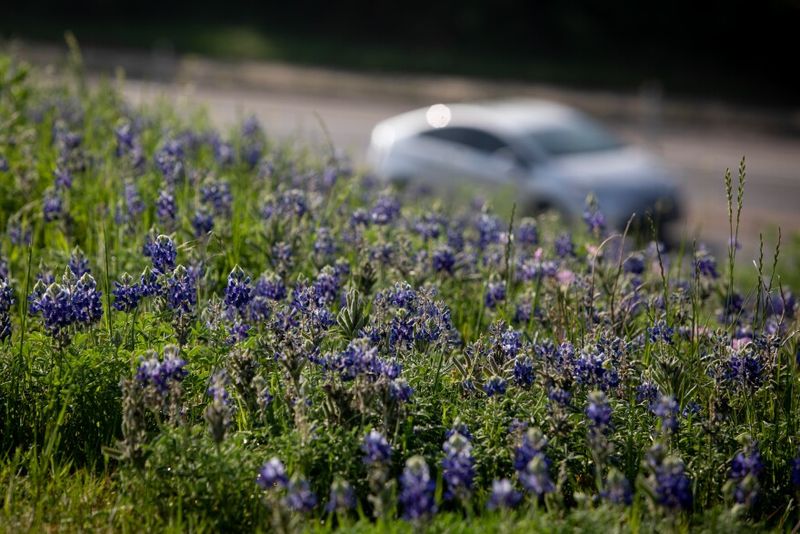
Bluebonnets actually need cold weather to bloom properly. Scientists call this process vernalization, which is just a fancy word for cold treatment that triggers flowering.
Without enough chilly days, bluebonnet seeds might sprout and grow leaves but never produce those gorgeous blue flower spikes.
The seeds require exposure to temperatures between 35 and 50 degrees Fahrenheit for several weeks.
This cold period signals to the plant that winter has happened and spring is coming. Think of it as nature’s alarm clock that tells bluebonnets when it’s safe to make flowers.
Texas normally provides plenty of cold weather for vernalization between November and February. However, unusually warm winters can actually cause problems for bluebonnet blooms.
When cold snaps arrive during these warm winters, they help ensure the plants get the chilling hours they need.
Different bluebonnet varieties across Texas have slightly different cold requirements. The Texas bluebonnet found in central regions needs about 60 days of cool temperatures.
Cold snaps help accumulate these necessary chilling hours even in areas where winters are generally mild.
Gardeners who want to grow bluebonnets in their yards need to understand this requirement. Simply planting seeds in spring won’t work because the plants never experienced winter.
Cold snaps during the growing season reinforce the natural cycle that makes bluebonnets such reliable bloomers across the Texas landscape year after year.
3. Root Systems Strengthen During Cold Periods
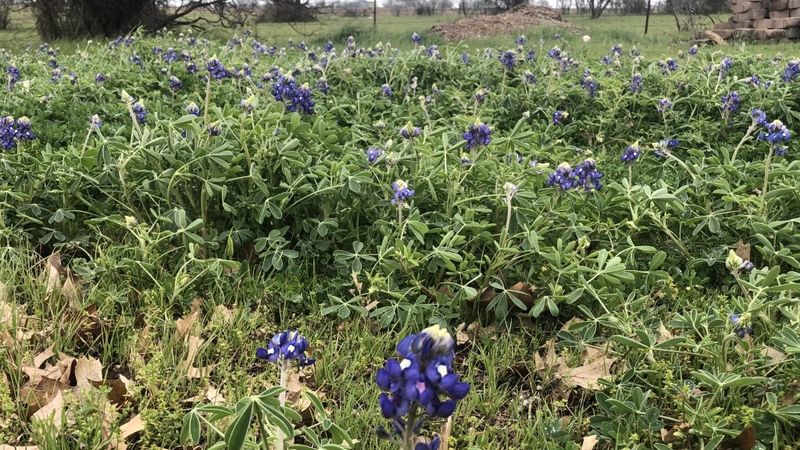
While cold snaps might freeze the tops of bluebonnet plants, something amazing happens underground. The roots keep growing and spreading even when temperatures drop.
This underground growth during cold periods creates stronger, healthier plants that produce better blooms when spring finally arrives.
Bluebonnet roots can continue developing in soil temperatures above 40 degrees. Even when the air feels freezing, the ground often stays warmer.
This allows the root system to expand and establish itself while the visible parts of the plant remain dormant.
Strong roots mean better access to water and nutrients. Plants that experience cold snaps often develop deeper root systems than those growing in constantly mild weather.
These deeper roots help bluebonnets survive the hot, dry Texas summers that come after the spring blooming season ends.
The relationship between cold weather and root growth explains why bluebonnets planted in fall often outperform spring plantings. Fall-planted seeds experience winter cold snaps that encourage robust root development.
By the time spring arrives, these plants have extensive underground systems ready to support abundant flowering.
Texas gardeners and highway maintenance crews take advantage of this natural process. They plant bluebonnet seeds in October or November, knowing that winter cold snaps will help create healthier plants.
The temporary stress from cold weather actually makes the plants tougher and more resilient for the growing season ahead.
4. Pest Populations Decrease Significantly
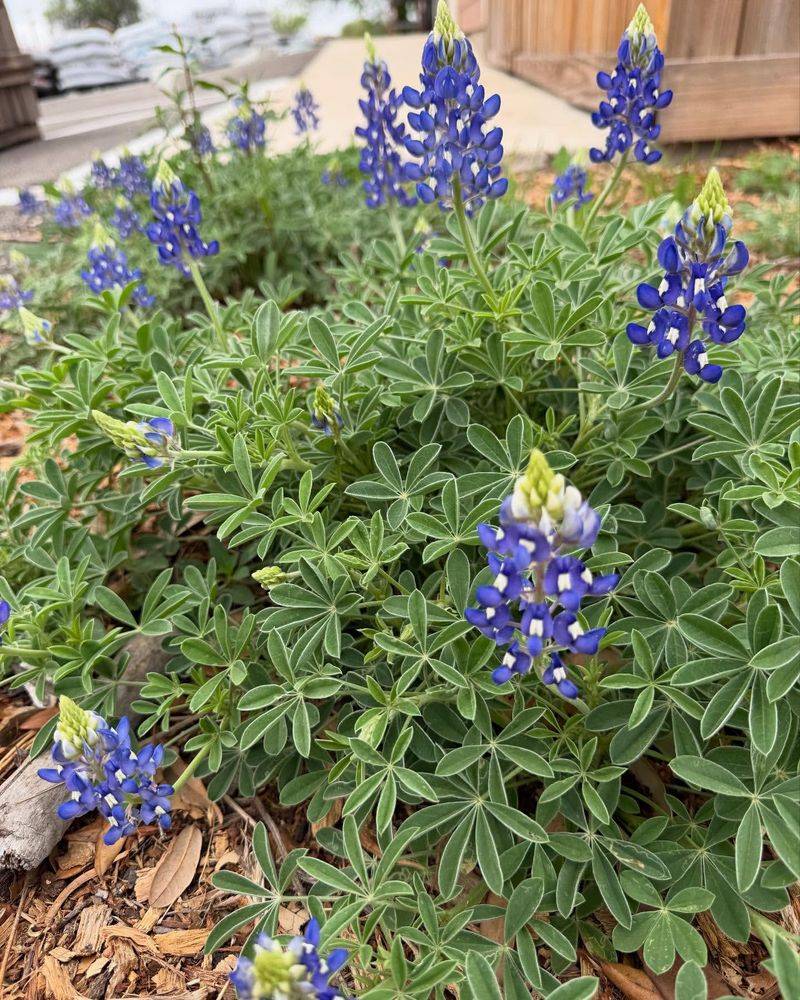
One surprising benefit of cold snaps is their effect on insects and other pests that bother bluebonnets. Aphids, caterpillars, and other bugs that feed on these plants can’t survive hard freezes.
When temperatures plunge, pest populations crash, giving bluebonnets a chance to grow without constant attack.
Aphids are particularly troublesome for young bluebonnet plants. These tiny insects suck sap from leaves and stems, weakening the plants and spreading diseases.
A good cold snap can wipe out entire aphid colonies, protecting bluebonnets during their critical early growth stages.
The timing of cold snaps matters for pest control. Freezes in January or February are most effective because they hit pests before they can reproduce in spring.
This natural pest management helps bluebonnets across Texas thrive without human intervention or pesticides.
Beneficial insects like bees and butterflies are better adapted to survive cold weather than many plant pests. They hibernate or enter dormant states during winter, emerging when temperatures warm up.
This means cold snaps reduce harmful bugs while preserving the helpful pollinators that bluebonnets need.
Highway departments in Texas have noticed that bluebonnet displays are often more impressive following winters with several cold snaps.
The reduced pest pressure allows plants to put more energy into producing flowers instead of fighting off insects. This creates those stunning roadside displays that make Texas famous every spring.
5. Soil Moisture Levels Improve From Freeze-Thaw Cycles
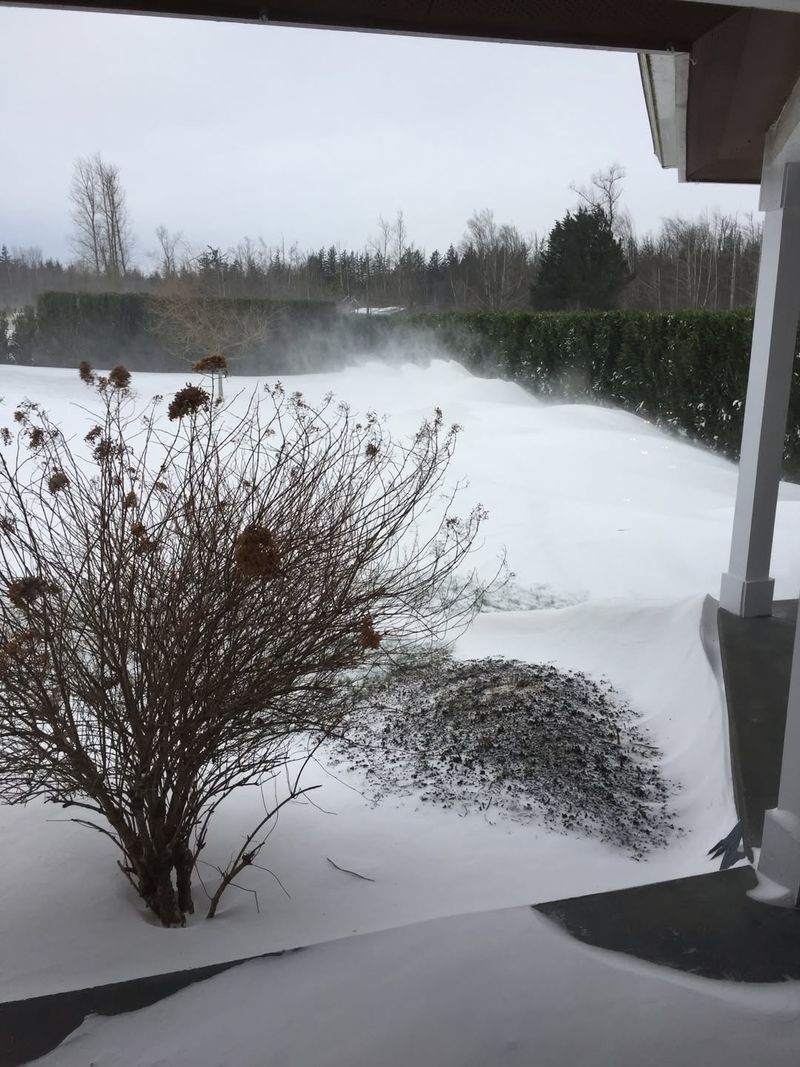
Cold snaps bring more than just low temperatures to Texas. They often include precipitation in the form of sleet, freezing rain, or snow.
Even light winter precipitation provides crucial moisture that bluebonnets need for spring growth and flowering.
The freeze-thaw cycle that happens during cold snaps actually improves soil structure. When water in the soil freezes, it expands and creates tiny spaces.
These spaces help the soil hold more moisture and allow air to reach plant roots more easily.
Texas soils can become compacted and hard, especially in areas with heavy clay content. Cold snaps that cause freezing and thawing naturally break up this compacted soil.
The improved soil structure benefits bluebonnets by making it easier for their roots to spread and access nutrients.
Winter moisture from cold snaps gets stored in the soil and remains available as temperatures warm. This stored water helps bluebonnets through dry spells in early spring.
Plants with adequate moisture produce more flowers and maintain their blooms longer than water-stressed plants.
The Hill Country region of Texas particularly benefits from this moisture boost. This area is known for spectacular bluebonnet displays, and cold snaps that bring winter precipitation help ensure those displays happen.
Ranchers and farmers in Texas have long observed that good winter moisture leads to better wildflower years.
Without adequate soil moisture, bluebonnets might sprout but produce few flowers. Cold snaps that include precipitation essentially set the stage for successful blooming seasons across the Texas landscape.
6. Weed Competition Reduces After Hard Freezes
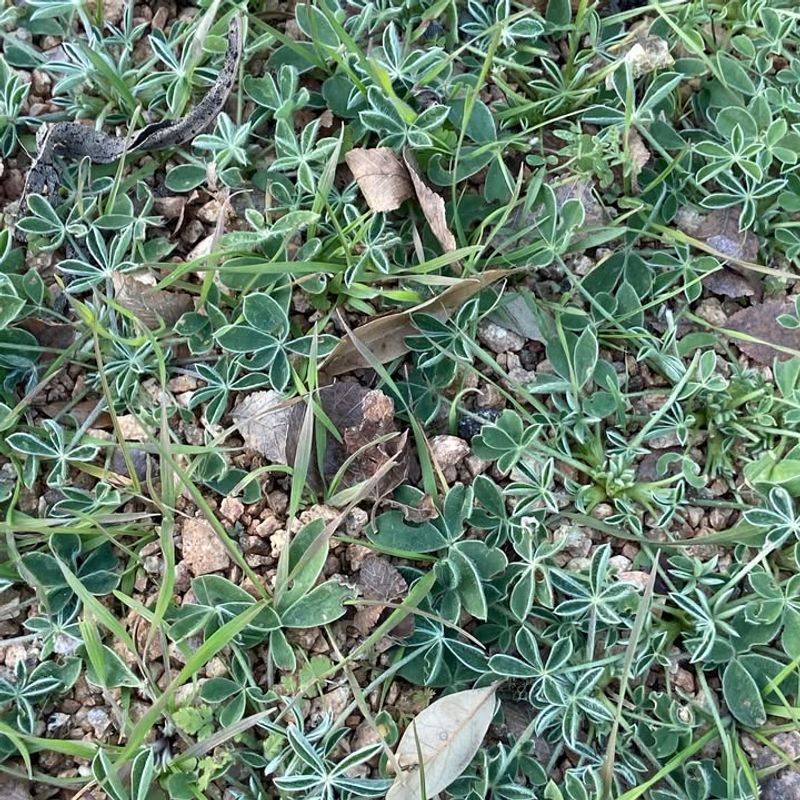
Bluebonnets face competition from various weeds and grasses that try to occupy the same space. Cold snaps give bluebonnets an advantage because these native Texas plants are better adapted to handle freezing temperatures than many competing species.
Annual weeds that germinate in fall often get knocked back by hard freezes. While bluebonnets can tolerate temperatures down to the low twenties, many weeds cannot.
This natural selection process reduces competition and gives bluebonnets more room to grow.
Rescue grass and ryegrass are common competitors in Texas bluebonnet areas. These grasses can grow quickly and shade out wildflowers if left unchecked.
Cold snaps slow the growth of these grasses, allowing bluebonnets to catch up and establish themselves before the spring growth race begins.
The timing of cold snaps influences which plants gain the advantage. Early winter freezes tend to favor bluebonnets because they’re already established.
Late winter cold snaps can slow down both bluebonnets and weeds, but bluebonnets typically recover faster once warm weather returns.
Land managers in Texas sometimes struggle to maintain good wildflower displays because of aggressive weeds. Cold snaps provide natural weed control without herbicides or manual removal.
This is especially important along Texas highways where bluebonnet displays attract tourists and support local economies.
Native plants like bluebonnets evolved alongside Texas weather patterns, including occasional hard freezes. This evolutionary history makes them resilient survivors that can outlast less adapted competitors when cold snaps strike the Lone Star State.
7. Bloom Density Increases With Proper Cold Exposure
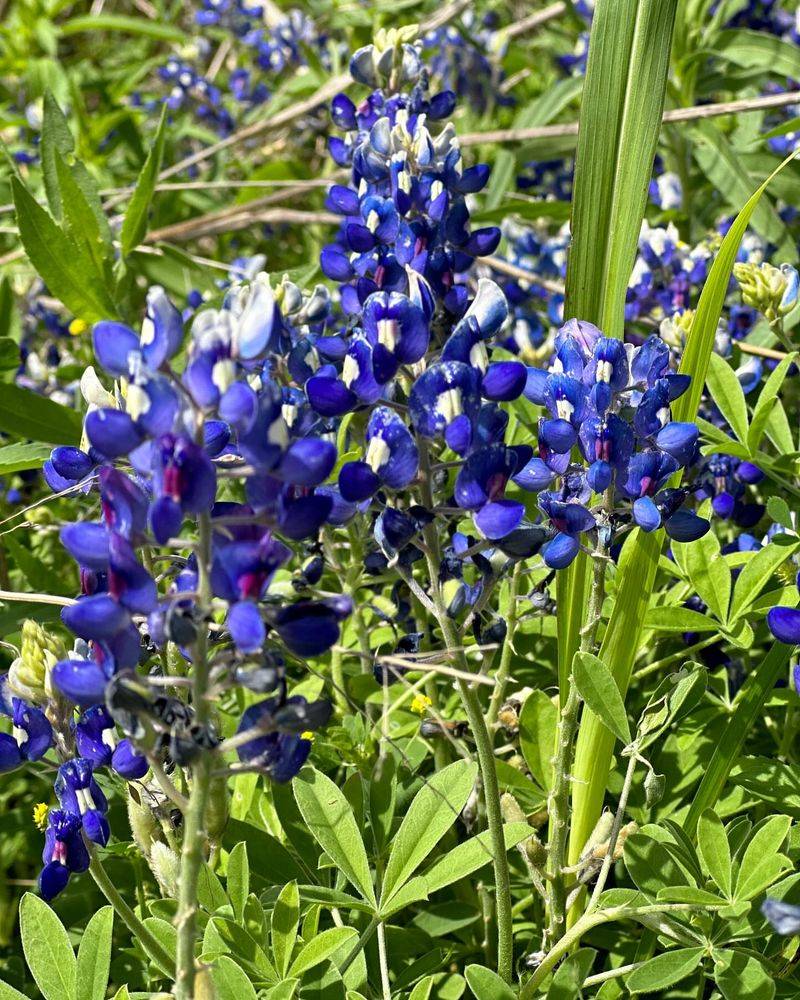
Perhaps the most exciting effect of cold snaps is their impact on bloom density. Bluebonnets that experience adequate cold weather produce more flower spikes per plant.
Instead of a few scattered blooms, properly chilled plants create those thick carpets of blue that Texas is famous for.
Each bluebonnet plant can produce multiple flowering stems, but the number depends on growing conditions. Cold exposure signals the plant to invest energy in reproduction, which means more flowers.
Plants that miss out on sufficient cold weather might bloom sparsely even if they’re otherwise healthy.
The difference between adequate and inadequate cold exposure can be dramatic. A field of bluebonnets that experienced several good cold snaps might have three or four times as many flowers as a field that had a warm winter.
This explains why some years produce spectacular displays while other years seem disappointing.
Central Texas locations like Burnet County and the Willow City Loop are famous for their bluebonnet displays. These areas typically receive enough cold weather to trigger maximum flowering.
When winters are particularly cold with multiple snaps, the resulting spring displays can be absolutely breathtaking.
Photographers and tourists planning trips to see Texas bluebonnets should pay attention to winter weather patterns. Years with several good cold snaps typically produce the best displays.
This knowledge helps people time their visits to catch peak blooming periods when flower density is highest across the Texas landscape.