How Texas Garden Ponds Attract Beneficial Toads And Frogs
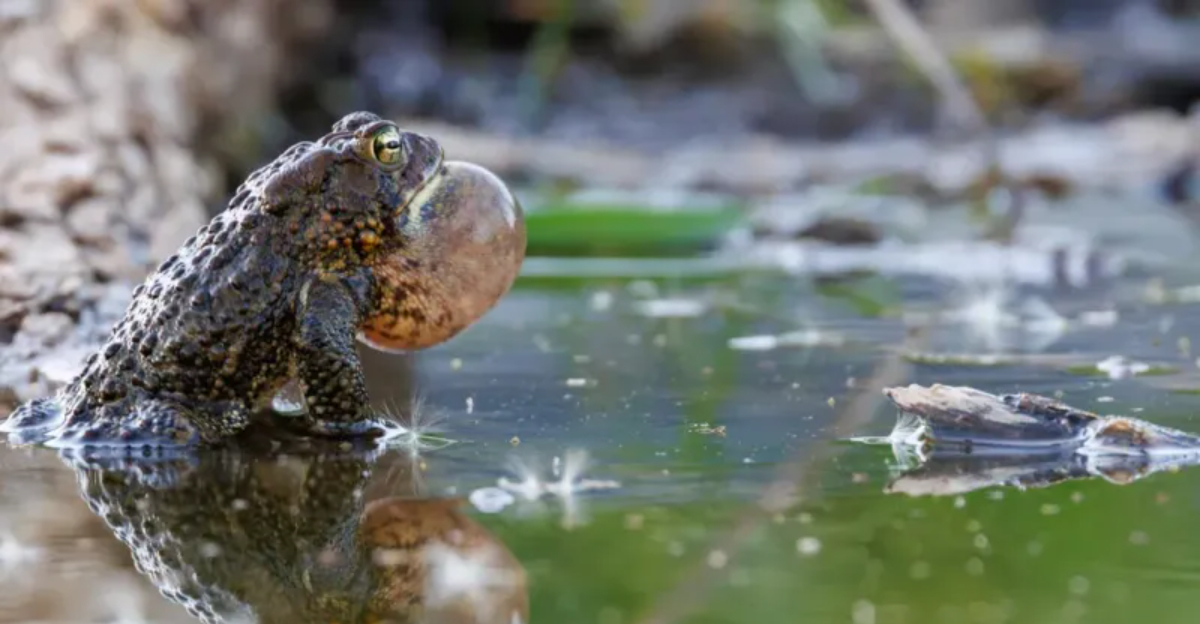
A garden pond in Texas can be more than a quiet water feature.
It often becomes a magnet for life, especially toads and frogs that show up like clockwork once the setup feels right.
One small pond can turn a yard into a lively nighttime chorus and a natural helper zone rolled into one.
Toads and frogs do not wander in by accident.
They follow signs that promise water, shelter, and a steady food supply.
Texas gardens with shallow edges, native plants, and clean water send out the right signals.
In return, these amphibians pull their weight by feeding on insects that cause trouble in beds and lawns.
Warm evenings, humid air, and long growing seasons make Texas a perfect fit for amphibians.
A pond offers relief from heat and a safe place to hide when the sun gets harsh.
The presence of toads and frogs often hints at a balanced space where nature feels welcome.
Gardeners who understand how ponds attract these helpful visitors enjoy quieter pest problems and a healthier outdoor rhythm.
When done right, a pond becomes a win-win, adding charm to the yard while inviting some of nature’s hardest workers to stick around.
1. Shallow Water Zones Provide Safe Entry And Exit Points
Amphibians aren’t strong swimmers like fish,so they need easy ways to get in and out of the water without struggling.
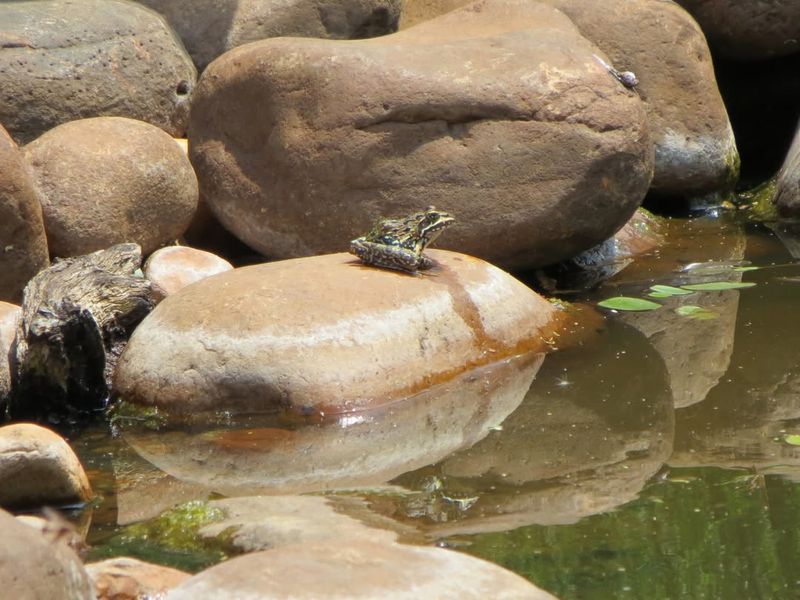
A pond with gradually sloping edges or strategically placed rocks creates the perfect access points that toads and frogs desperately need.
When you design your Texas garden pond with shallow zones that measure just a few inches deep,you’re building a safety feature that prevents these creatures from getting trapped.
Think of it like having stairs instead of a steep cliff, much easier for small legs to navigate!
Many Texas homeowners make the mistake of creating ponds with straight,vertical walls that look clean but actually create barriers for wildlife.
Frogs and toads need to haul themselves out of the water regularly to bask in the sun,hunt for food on land,or simply rest in a drier spot.
Without gentle slopes or stepping stones,they can exhaust themselves trying to climb out,especially younger or smaller individuals.
The shallow areas also serve another crucial purpose:they warm up faster in the Texas sunshine,creating temperature zones that amphibians find comfortable for different activities.
Tadpoles particularly love these warmer,shallow sections where algae and tiny organisms flourish,providing them with abundant food sources.
When planning your pond,aim to include at least one side with a beach-like slope that extends from the deepest part all the way to dry land.
Adding flat rocks or textured surfaces in these zones gives frogs and toads even better grip as they move between water and land.
This simple design choice transforms your pond from just a water feature into a true amphibian habitat that serves their biological needs perfectly.
2. Aquatic Plants Create Essential Hiding Spots And Egg-Laying Sites
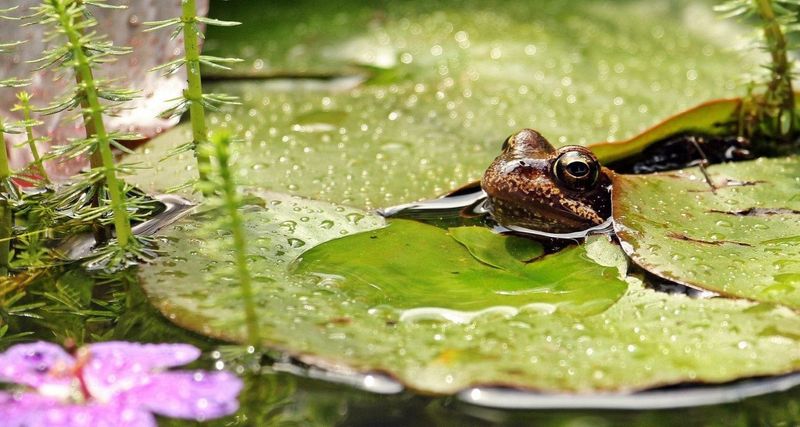
Vegetation in and around your pond works like an apartment complex for amphibians,offering multiple levels and rooms for different purposes.
Submerged plants provide attachment points where female frogs can secure their egg masses,keeping them safely anchored rather than floating away.
Floating plants like water lilies create shaded platforms where frogs can rest while staying partially submerged and protected from predators overhead.
Emergent plants such as cattails and rushes give toads and frogs vertical hiding spaces where they can cling and watch for passing insects to snatch.
Texas native plants work especially well because they’re adapted to local conditions and support the insects that amphibians feed on.
When you fill your pond with a variety of plant types,you’re essentially building a buffet and bedroom combined, everything an amphibian could want in one location.
Dense vegetation also provides crucial cover from predators like birds,snakes,and raccoons that might otherwise make your pond feel too dangerous for frogs and toads to visit.
The more complex your plant structure,the more microhabitats you create,which means your pond can support a greater diversity and number of amphibians.
Plants also improve water quality by absorbing excess nutrients and producing oxygen,creating healthier conditions that benefit all pond life.
In Texas heat,aquatic plants help moderate water temperature by providing shade,preventing the water from getting too warm for sensitive amphibian skin.
Consider adding a mix of marginal plants around the edges,floating plants on the surface,and submerged oxygenators throughout the pond.
This layered approach mimics natural wetlands that Texas frogs and toads would seek out in the wild,making your garden pond feel like home.
3. Chemical-Free Water Ensures Safe Breeding Conditions
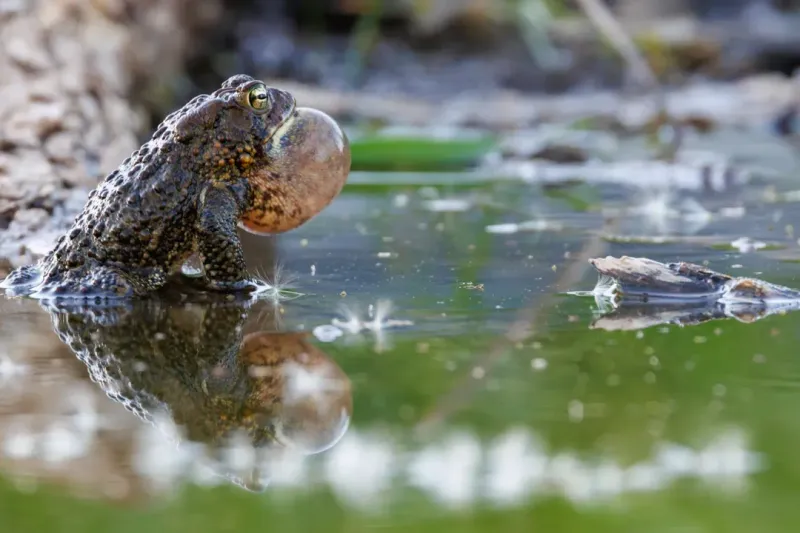
Amphibian skin works like a super-absorbent sponge,soaking up whatever’s in the water around them, good or bad.
This makes frogs and toads extremely sensitive to chemicals that many people routinely add to garden ponds,like chlorine,algaecides,or fertilizers.
Even small amounts of these substances can harm adult amphibians or prevent their eggs from developing properly.
When you commit to maintaining a chemical-free pond,you’re creating a safe haven where these creatures can breed without exposing their offspring to toxic substances.
Texas garden ponds that rely on natural filtration methods,beneficial bacteria,and balanced ecosystems become prime real estate for local frog and toad populations.
Instead of reaching for chemicals when algae appears,consider adding more plants or introducing snails that naturally consume excess algae.
Barley straw is another natural option that releases compounds to control algae growth without harming amphibians.
The tadpole stage is particularly vulnerable because these developing creatures spend all their time in the water,breathing through gills that directly expose them to whatever’s dissolved in their environment.
Contaminated water can cause developmental problems,prevent metamorphosis,or simply make the pond uninhabitable for breeding.
If you’ve been treating your pond with chemicals,it may take time for amphibians to discover and trust your water feature after you stop using them.
Be patient, once word gets out in the amphibian community that your Texas pond is safe,you’ll likely see more visitors each season.
Clean water also means healthier insects and other pond organisms that form the base of the food web supporting your amphibian residents.
4. Moist Surrounding Landscape Provides Daytime Shelter
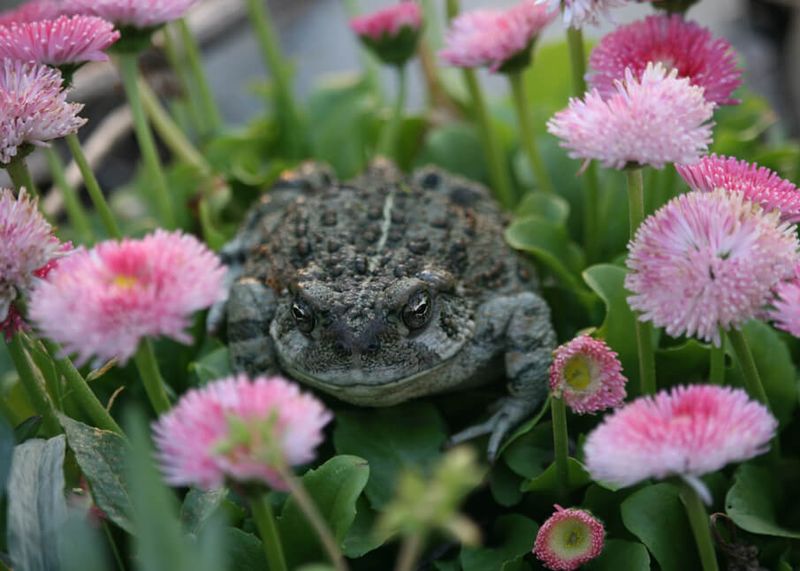
Frogs and toads don’t spend all their time in water, they actually need cool,damp hiding places on land where they can rest during hot Texas days.
Creating a moisture-rich zone around your pond is like building a comfortable hotel right next to a favorite restaurant.
Amphibians will stay close to areas where they can easily move between water and terrestrial hiding spots without crossing long stretches of dry,dangerous ground.
Mulched garden beds,piles of flat stones,overturned clay pots,and dense ground cover plants all create the shady,humid microhabitats that toads particularly love.
During the brutal Texas summer heat,amphibians need these refuges to prevent their skin from drying out,which can be life-threatening.
By maintaining moist soil and vegetation within hopping distance of your pond,you’re extending the usable habitat far beyond just the water itself.
Consider planting ferns,hostas,or other moisture-loving plants around your pond’s perimeter to create natural shelter.
Log piles and rock walls also provide excellent hiding spots with the added bonus of creating spaces between materials where toads can squeeze in for protection.
The more varied your landscape texture near the pond,the more amphibians you’ll attract because different species prefer different types of cover.
Some Texas toads spend most of their adult lives on land,only returning to ponds for breeding,so these terrestrial features are absolutely essential.
Watering your garden regularly helps maintain the moist conditions that keep amphibians comfortable and encourages them to stick around your property.
When the area around your pond stays damp and cool,it becomes a year-round habitat rather than just a seasonal breeding site.
5. Night Lighting Draws Insects That Attract Hungry Amphibians
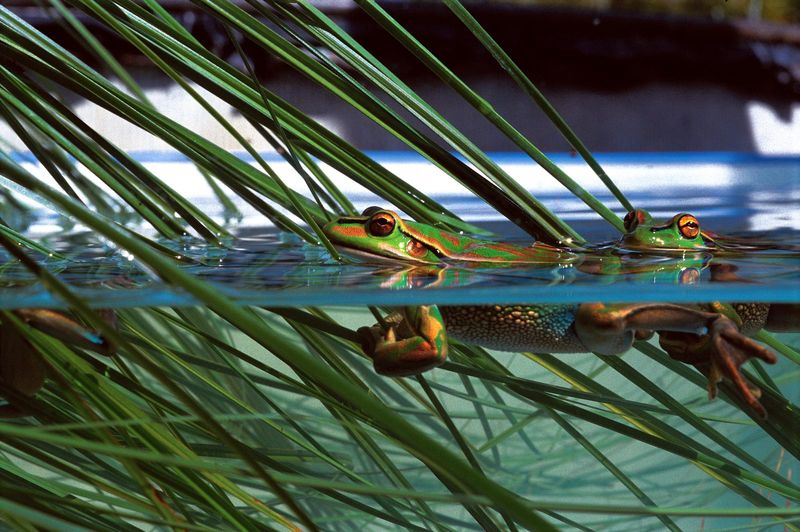
Here’s a fascinating connection:outdoor lights near your pond don’t just help you see at night, they create an all-night diner for frogs and toads.
Insects can’t resist flying toward light sources,and when you position lighting strategically near your Texas garden pond,you’re essentially ringing the dinner bell for hungry amphibians.
Moths,beetles,flies,and other flying insects swarm around lights,and clever frogs quickly learn to station themselves nearby for easy hunting.
This doesn’t mean you should flood your entire yard with bright lights,which can actually disrupt natural behaviors and bother your neighbors.
Instead,use subtle,warm-toned lighting positioned low near the water’s edge or focused on specific features like a waterfall or plant grouping.
Solar-powered lights work wonderfully for this purpose,providing just enough illumination to attract insects without creating a harsh,unnatural environment.
Watch your pond on a summer evening in Texas,and you’ll likely spot frogs perched near light sources,their throats puffing as they snatch insects from the air.
Toads are particularly efficient hunters who will return night after night to productive feeding spots near your pond lights.
The combination of water,vegetation,and insect-attracting lights creates what biologists call an ecological trap in the best possible way, trapping insects where amphibians can easily catch them.
Just remember to keep some areas of your pond completely dark,as amphibians also need shadowy zones where they feel safe from predators.
Balancing light and darkness around your water feature gives amphibians both hunting opportunities and security.
This simple addition to your pond area can significantly increase amphibian activity and make your evenings more entertaining as you watch nature’s pest control in action.
6. Year-Round Water Availability Supports Complete Life Cycles
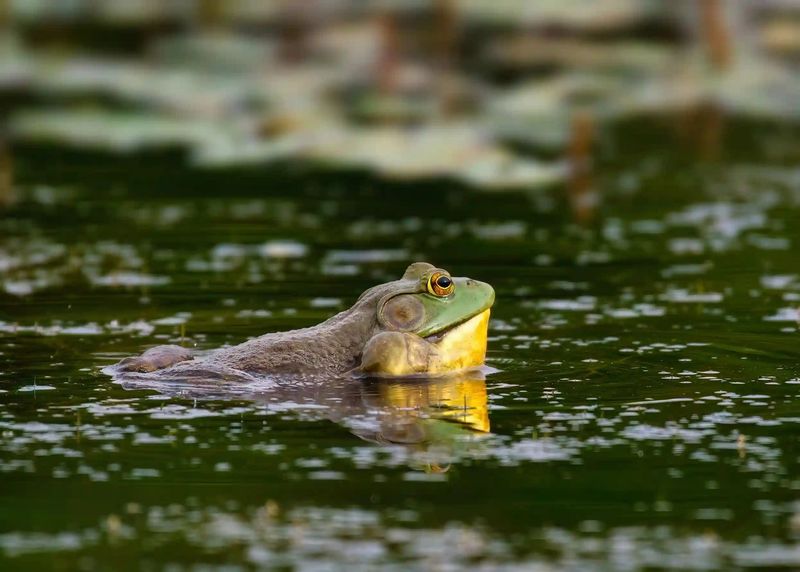
Temporary puddles might work for some amphibian species,but a permanent water source that lasts through all seasons makes your pond infinitely more valuable.
Many Texas frogs and toads need several months of standing water to complete their entire life cycle from egg to tadpole to adult.
When your pond maintains consistent water levels year-round,it becomes a reliable breeding site that amphibians will return to season after season.
Ephemeral ponds that dry up during Texas droughts can trap developing tadpoles,leaving them stranded before they’ve grown legs and lungs.
A permanent pond eliminates this risk and allows multiple generations to thrive in the same location.
Some species take longer to develop than others,with certain tadpoles needing three to four months before they’re ready to leave the water.
Your consistently filled pond also provides drinking water and moisture for adult amphibians during dry periods when natural water sources disappear.
In Texas,where summer heat can evaporate small water bodies quickly,maintaining your pond’s water level through regular topping-off becomes crucial.
Installing a pond liner and choosing an appropriate depth(at least 18-24 inches in the deepest section)helps prevent complete evaporation.
Even during winter months when amphibian activity slows down,having water available means they can remain in or near your pond rather than migrating elsewhere.
Some species actually overwinter in pond mud or beneath underwater debris,staying semi-dormant until spring warmth triggers breeding behavior.
The reliability of your water feature sends a signal to local amphibian populations:this is a safe place to invest their reproductive energy.
7. Absence Of Fish Allows Tadpoles To Develop Safely
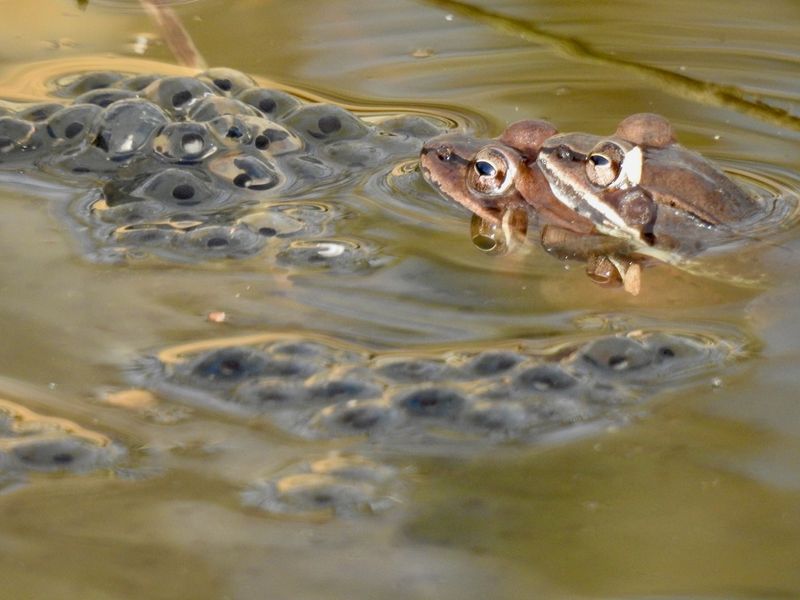
This might surprise you,but one of the best things you can do to attract frogs and toads is to skip adding fish to your Texas garden pond.
While goldfish and koi are beautiful,they’re also efficient predators that view tadpoles and frog eggs as tasty snacks.
Even small fish can decimate an entire generation of developing amphibians before they have a chance to grow.
Amphibians instinctively avoid laying eggs in water bodies where they detect fish,since it would essentially be sentencing their offspring to become fish food.
If your goal is to create a true amphibian habitat,keeping your pond fish-free dramatically increases its appeal and success rate for breeding.
Without fish competition,tadpoles can feed freely on algae and organic matter,growing faster and stronger.
They can also use the entire pond without fear,rather than hiding constantly in vegetation to avoid predators.
Many Texas homeowners want both fish and frogs,but unfortunately,these goals often conflict unless you have a very large pond with extensive hiding places.
In smaller backyard ponds,you’ll need to choose which type of wildlife you want to prioritize.
Fish-free ponds develop their own fascinating ecosystems with dragonfly larvae,water beetles,snails,and other invertebrates that create a balanced food web.
These creatures coexist with tadpoles much more peacefully than fish do,and they provide additional food sources for adult frogs and toads.
If you already have fish and want to attract amphibians,consider creating a second,smaller pond specifically for wildlife.
The investment in a fish-free habitat pays off when you see your Texas pond teeming with tadpoles each spring, knowing you’ve helped support local amphibian populations.