How Texas Residents Are Embracing Green Roofs For Cooler Homes
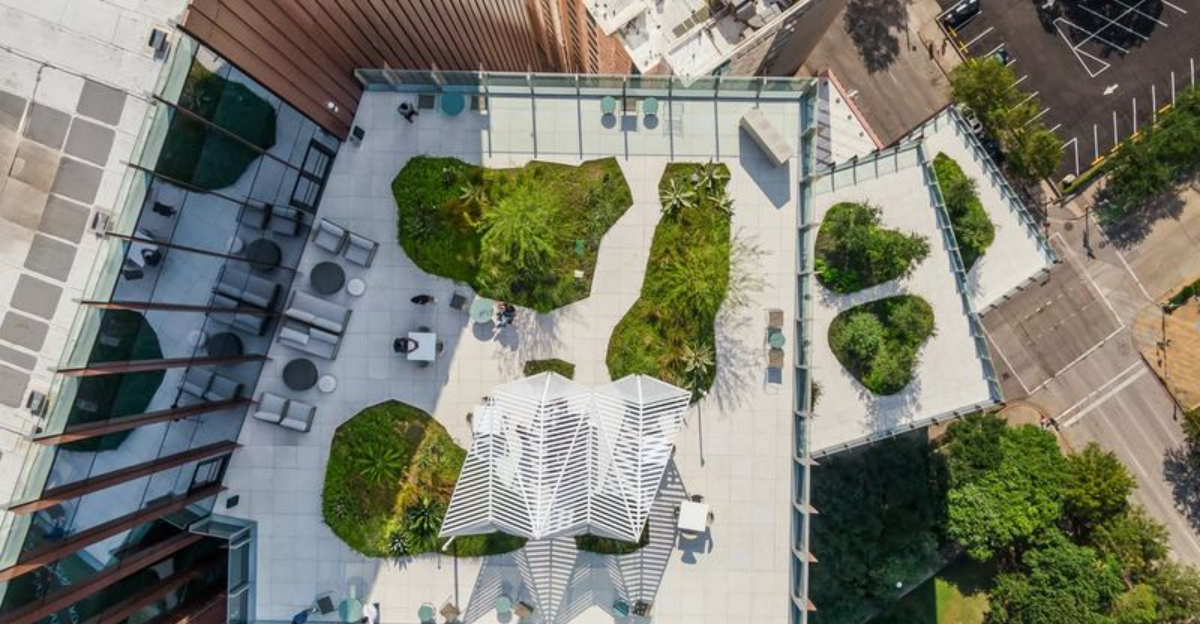
Texas residents are turning over a new leaf as green roofs sweep across the state, turning ordinary homes into cooler, calmer retreats.
This growing trend gives rooftops a fresh purpose, replacing heat-soaked shingles with living layers of plants that work around the clock.
Homeowners see these green blankets as a breath of fresh air, bringing shade, insulation, and a touch of nature to places long ruled by scorching sun.
Each rooftop garden becomes a small oasis, trimming energy costs while adding beauty that stops neighbors in their tracks.
As temperatures climb and summer stretches its legs, more Texans realize that a simple patch of greenery overhead can make a world of difference indoors.
The movement keeps gaining ground, one home at a time, proving that smart design and natural solutions can go hand in hand.
Green roofs are no longer a novelty in Texas; they are becoming a smart way to beat the heat.
1. Installing Native Drought-Resistant Plants
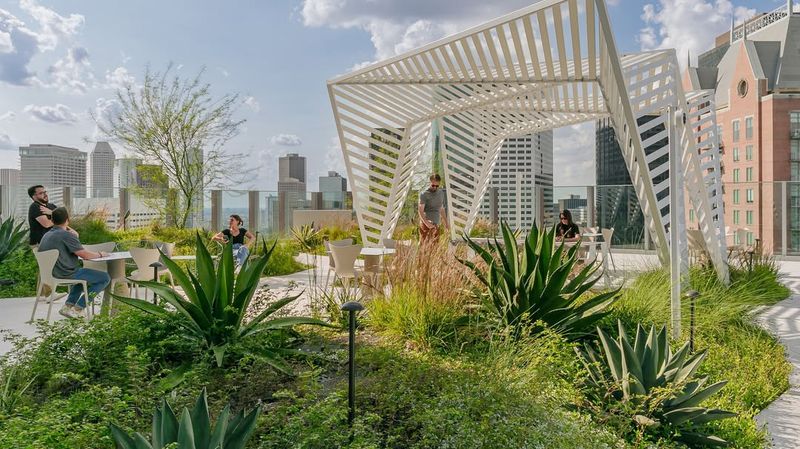
Texans know their climate demands tough plants that can survive scorching summers with minimal water.
Native succulents like sedums, Texas sage, and prickly pear cacti thrive on green roofs without constant irrigation.
Many homeowners are choosing these hardy species because they handle the intense sun and occasional drought periods naturally.
Local nurseries report increased demand for native plants specifically for rooftop gardens.
Landscape designers recommend mixing different textures and colors to create visual interest while maintaining low water needs.
Some popular combinations include blue grama grass with Mexican feathergrass and various agave species.
Installation typically happens in spring or fall when temperatures are milder.
Professional installers use specialized growing mediums that drain well and provide adequate nutrients.
The root systems help insulate buildings, reducing indoor temperatures by up to 10 degrees during peak summer months.
Maintenance involves occasional weeding and trimming, but these native plants mostly take care of themselves.
Rain barrels connected to gutters can provide supplemental water during dry spells.
The plants naturally adapt to seasonal changes, requiring less attention than traditional gardens while delivering significant cooling benefits year-round.
2. Creating Community Cooling Centers On Public Buildings
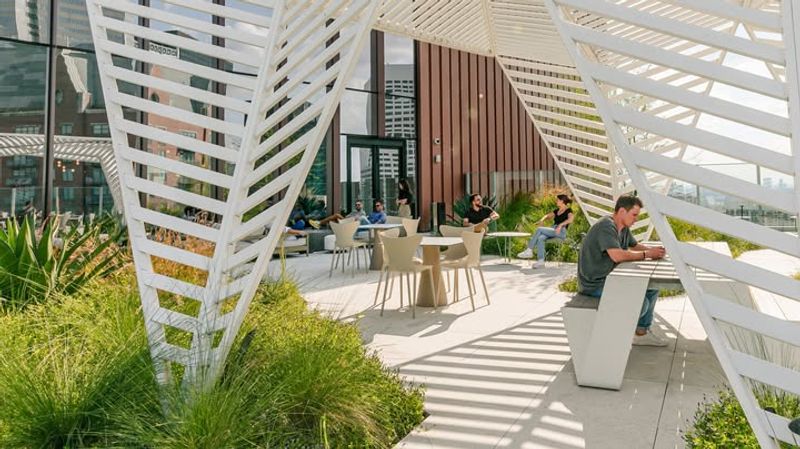
City planners across Texas are transforming municipal building rooftops into green spaces that serve double duty.
Libraries, community centers, and government buildings now feature lush rooftop gardens that lower air conditioning costs while creating outdoor gathering spots.
Austin leads the way with over a dozen public green roofs that residents can visit during hot afternoons.
Houston recently completed a project on their downtown library, featuring shaded seating areas surrounded by native grasses and flowering plants.
The space stays noticeably cooler than surrounding concrete areas, sometimes by 15 degrees.
Families gather there for reading programs and community events during summer evenings.
San Antonio partnered with local schools to install educational green roofs where students learn about sustainable building practices.
Kids measure temperature differences and study plant growth patterns as part of their science curriculum.
Teachers report increased engagement when lessons move to these unique outdoor classrooms.
Funding often comes from green infrastructure grants and energy efficiency programs.
Cities calculate savings from reduced cooling costs, which typically pay back installation expenses within seven to ten years.
Beyond financial benefits, these spaces strengthen community bonds by providing free, accessible outdoor areas during Texas’s long, hot seasons.
3. Reducing Urban Heat Island Effect In Major Cities
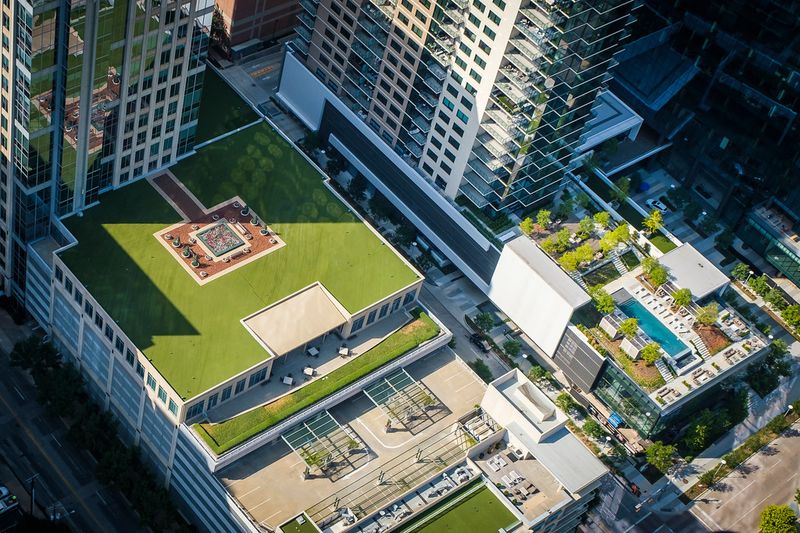
Dallas and Houston face serious urban heat island problems where downtown areas can be 10-20 degrees hotter than surrounding suburbs.
Concrete and asphalt absorb heat all day and release it at night, making sleep difficult and driving up energy bills.
Green roofs offer a powerful solution by replacing heat-absorbing surfaces with cooling vegetation.
Research from Texas A&M University shows that widespread green roof adoption could lower city temperatures by 3-5 degrees.
Even a single green roof creates a microclimate effect, cooling the air directly above it and nearby buildings.
Wind carries this cooler air through neighborhoods, benefiting everyone.
Business districts in Fort Worth are incentivizing property owners to install green roofs through tax breaks and expedited permitting.
Office buildings with green roofs report lower employee complaints about overheated workspaces.
Some companies advertise their green roofs as employee amenities, using them for lunch breaks and casual meetings.
Environmental groups track temperature data across cities, comparing areas with and without green roofs.
The results consistently show meaningful cooling effects that extend beyond individual buildings.
As more property owners participate, the cumulative impact grows stronger, making entire neighborhoods more comfortable during brutal Texas summers and reducing strain on the electrical grid.
4. Lowering Energy Bills Through Natural Insulation
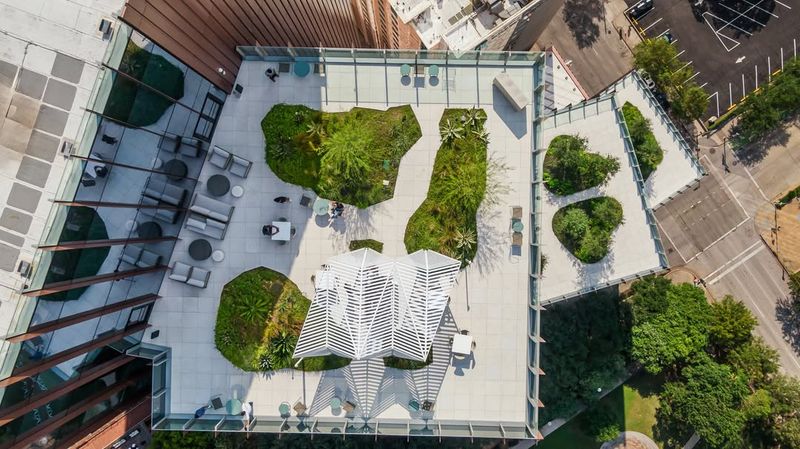
Air conditioning costs dominate Texas household budgets during summer months, with some families spending $400 or more monthly.
Green roofs act as natural insulation, blocking heat before it penetrates into living spaces.
The soil and plant layers create a barrier that keeps roofs up to 40 degrees cooler than traditional materials.
Homeowners in Plano and Frisco report 20-30% reductions in cooling costs after installing green roofs.
The insulation effect works both ways, also keeping homes warmer during occasional winter cold snaps.
This year-round benefit appeals to budget-conscious families looking for long-term savings.
Energy auditors now recommend green roofs as part of comprehensive home efficiency upgrades.
Combined with proper attic ventilation and quality windows, they create a complete thermal envelope.
Utility companies sometimes offer rebates for installations that measurably reduce peak electricity demand.
Commercial property owners see even bigger savings due to larger roof areas.
Warehouse and retail businesses with green roofs report decreased HVAC maintenance needs because systems run less frequently.
The investment typically breaks even within 8-12 years, after which the savings become pure profit while extending roof membrane life by protecting it from UV damage and temperature extremes.
5. Supporting Local Wildlife And Pollinators
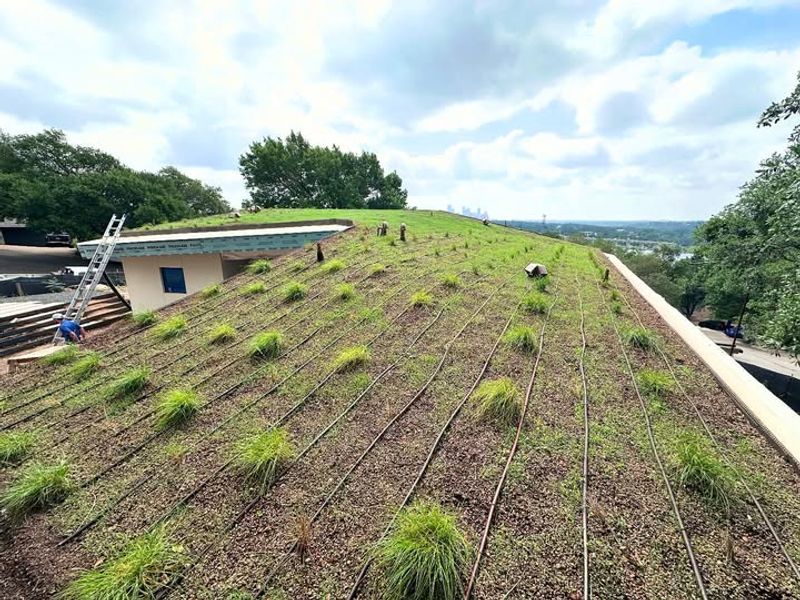
Monarch butterflies and native bees are struggling as natural habitats disappear across Texas.
Green roofs provide unexpected oases for these important pollinators, especially in urban areas where green space is limited.
Homeowners plant milkweed, bluebonnets, and other native flowers that attract butterflies, bees, and hummingbirds throughout the growing season.
Wildlife biologists praise green roofs as stepping stones that connect fragmented habitats.
Birds use them as resting spots during migration, and some species even nest among the vegetation.
Residents enjoy watching nature from their windows, bringing a bit of the countryside into city living.
El Paso’s green roof initiative specifically focuses on pollinator-friendly plants to support declining bee populations.
Local beekeepers partner with building owners to install hives on larger green roofs, producing urban honey while improving pollination in surrounding gardens.
The bees stay cooler on vegetated roofs compared to traditional surfaces.
Children get excited about spotting butterflies and birds on rooftop gardens, creating teachable moments about ecology and conservation.
Schools with green roofs incorporate wildlife observation into their curriculum, using trail cameras and observation logs.
Beyond cooling benefits, these spaces reconnect Texans with nature and remind them why protecting the environment matters for future generations.
6. Managing Stormwater Runoff During Flash Floods
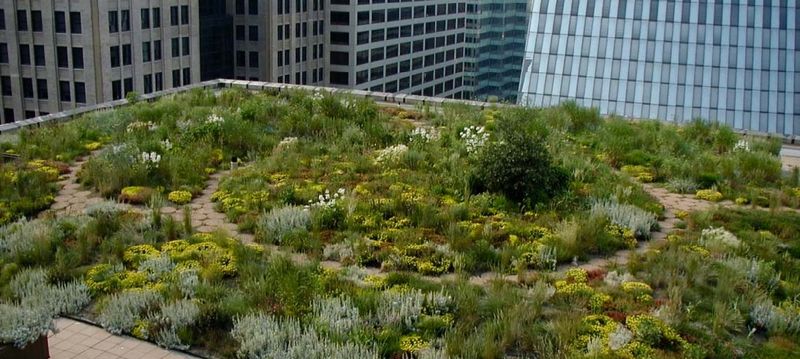
Flash floods pose serious dangers in Texas cities where storm drains quickly overwhelm during heavy rains.
Green roofs absorb significant amounts of water, releasing it slowly over time rather than contributing to sudden runoff.
A typical green roof retains 40-80% of rainwater, depending on plant types and soil depth.
Austin’s watershed protection department actively promotes green roofs in flood-prone neighborhoods.
During typical summer thunderstorms, these roofs prevent thousands of gallons from immediately entering overloaded drainage systems.
The plants and soil act like sponges, holding water that would otherwise rush into streets and creeks.
Property owners in low-lying areas combine green roofs with rain gardens and permeable pavement for comprehensive stormwater management.
Insurance companies are starting to recognize these efforts, offering reduced premiums for properties with documented flood mitigation features.
The green roof component particularly impresses underwriters because it addresses problems at the source.
Engineers calculate that widespread green roof adoption could reduce peak stormwater flows by 20-30% in developed areas.
During Hurricane Harvey, buildings with green roofs experienced less water intrusion and drainage backup.
While not a complete solution, green roofs meaningfully reduce flood risks while simultaneously cooling buildings and beautifying neighborhoods throughout the year.
7. Extending Roof Lifespan By Protecting Membrane
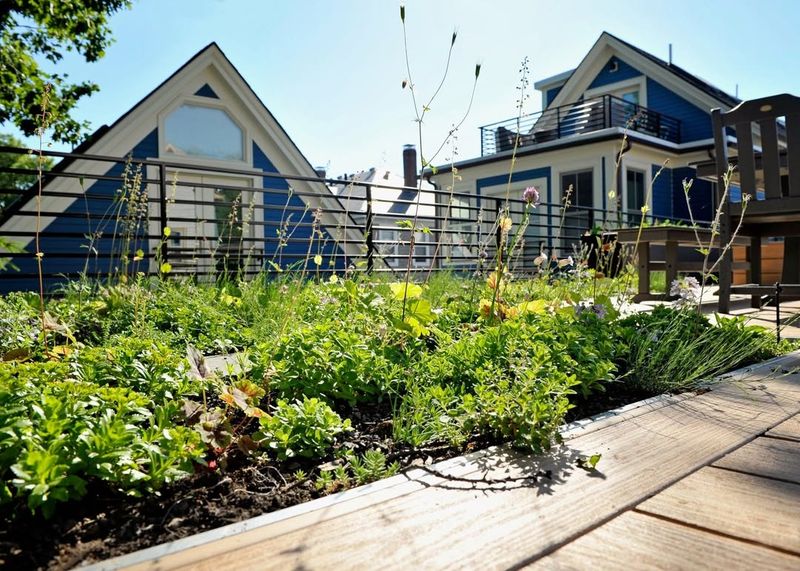
Traditional Texas roofs take brutal punishment from intense UV radiation and extreme temperature swings.
Asphalt shingles and membrane materials deteriorate quickly, often requiring replacement every 15-20 years.
Green roofs protect the underlying waterproof layer from sun exposure and temperature extremes, potentially doubling its functional life.
Roofing contractors report that membranes under green roofs show minimal degradation even after decades of service.
The vegetation and soil maintain relatively stable temperatures year-round, eliminating the expansion and contraction cycles that crack traditional roofing materials.
Property owners appreciate avoiding disruptive and expensive roof replacements.
Commercial building managers calculate long-term costs when choosing roofing systems.
While green roof installation costs more upfront, the extended lifespan makes them economically attractive over 30-40 year periods.
Maintenance involves plant care rather than patching leaks and replacing damaged sections.
Corpus Christi’s coastal buildings face additional challenges from salt air and hurricane-force winds.
Green roofs there use specialized wind-resistant plants and enhanced anchoring systems.
Owners report that protected membranes resist salt corrosion better than exposed materials.
The vegetation also provides some wind resistance, reducing uplift forces during storms while continuing to deliver cooling benefits and aesthetic improvements throughout the building’s extended service life.
8. Growing Fresh Produce In Rooftop Gardens
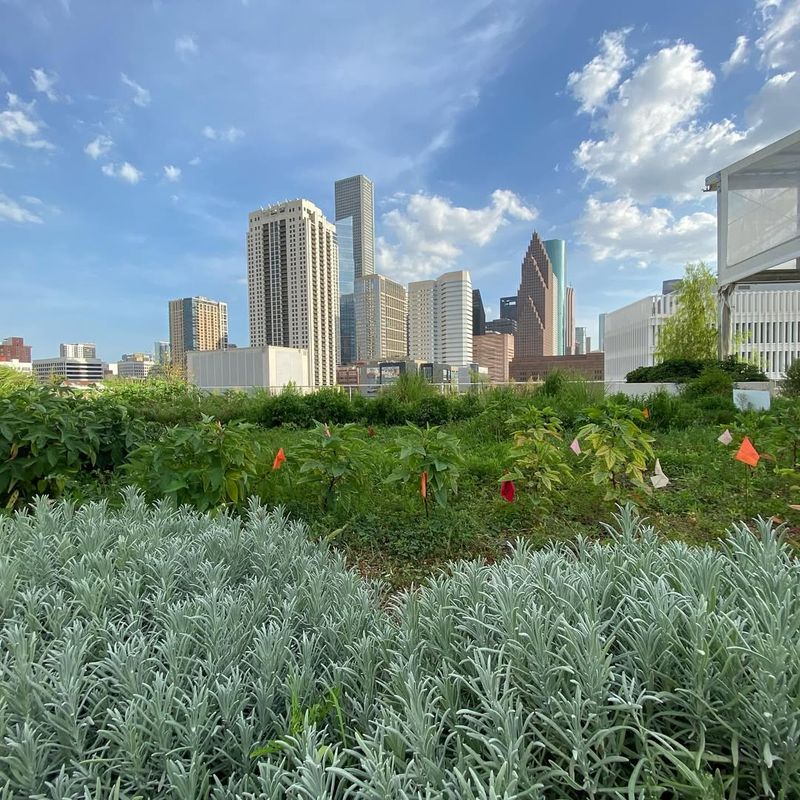
Food deserts affect many Texas neighborhoods where fresh produce is expensive or unavailable.
Enterprising residents are converting green roofs into productive vegetable gardens, growing tomatoes, peppers, herbs, and leafy greens.
Rooftop gardens receive abundant sunlight and avoid many ground-level pests, making them surprisingly productive.
Community organizations in South Dallas teach residents how to build and maintain rooftop gardens that provide fresh food while cooling buildings.
Families save money on groceries while eating healthier meals made with vegetables picked just steps from their kitchens.
Children who help tend the gardens develop better eating habits and learn valuable skills.
Restaurants in trendy neighborhoods advertise rooftop-grown ingredients, creating farm-to-table experiences without leaving the building.
Chefs appreciate having fresh herbs and specialty greens available year-round in Texas’s long growing season.
The gardens become conversation pieces that attract customers interested in sustainability.
Apartment complexes install communal rooftop gardens where residents share plots and harvest responsibilities.
These spaces foster neighborly connections while producing food and cooling buildings simultaneously.
Extension agents from Texas A&M provide workshops on container gardening techniques suited for rooftop conditions, helping ensure success for beginners while maximizing both food production and temperature reduction benefits.