How To Boost Spring Flowering In Florida Without Overfeeding
It is easy to think more fertilizer means more flowers, especially when spring rolls around and everything starts waking up again. Many Florida gardeners reach for that extra boost, hoping for bigger blooms and fuller plants that stand out right away.
Sometimes, though, it backfires in ways you do not expect.
Too much feeding can push plants to grow fast but not necessarily better. You might end up with lots of leafy growth and fewer flowers, or plants that seem stressed once the heat kicks in and conditions get tougher.
It can be frustrating when the effort does not match the results you were counting on.
The good news is that strong spring flowering in Florida often comes down to timing, balance, and a few simple adjustments that make a real difference in how plants respond.
1. Start With The Right Plant In The Right Place
Matching your plant to its environment is honestly the single best thing you can do before spending a dollar on fertilizer. In Florida, the combination of sandy soil, intense sun, and high humidity means not every flowering plant will thrive everywhere.
Planting a sun-lover in the shade or a drought-tolerant shrub in a constantly wet spot sets it up for struggle from day one.
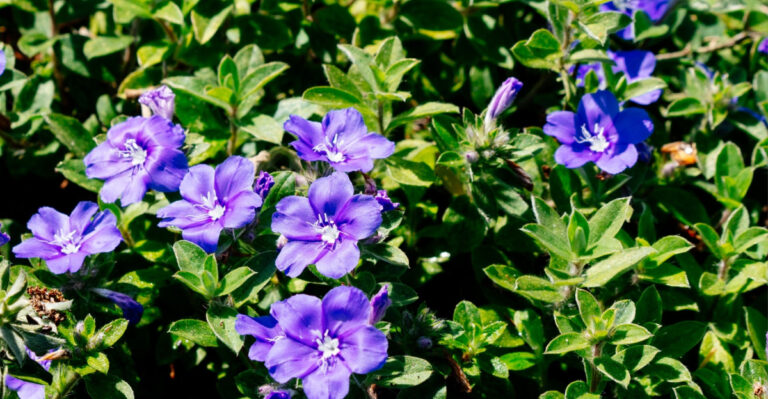
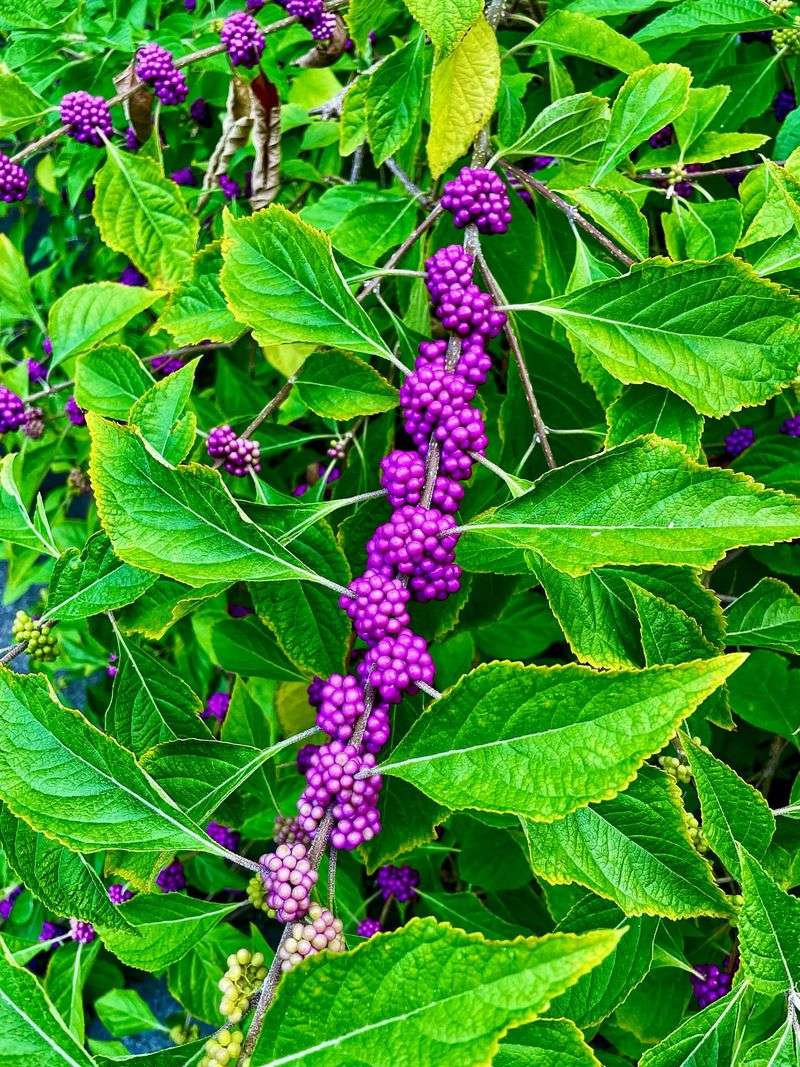
Native Florida plants like firebush and beautyberry are well adapted to the local climate, while blue porterweed is often used in Florida landscapes but is not native to the state. They tend to bloom generously without needing heavy feeding because they evolved right here.
Choosing well-adapted varieties means less intervention on your part and more natural, consistent flowering season after season.
Before you plant anything new, pay attention to the sunlight your beds receive throughout the day. South and west-facing spots in Florida get intense afternoon heat, which can stress certain bloomers.
Group plants with similar water and light needs together so each one gets exactly what it requires.
Soil drainage also plays a huge role. Florida’s sandy soils drain fast, which some plants love, while others prefer slightly richer ground.
Amending a small planting area with compost before putting a new plant in the ground gives roots a healthy head start. When a plant feels at home in its spot, it naturally puts energy into producing flowers rather than just surviving.
2. Feed Only When Plants Actually Need It
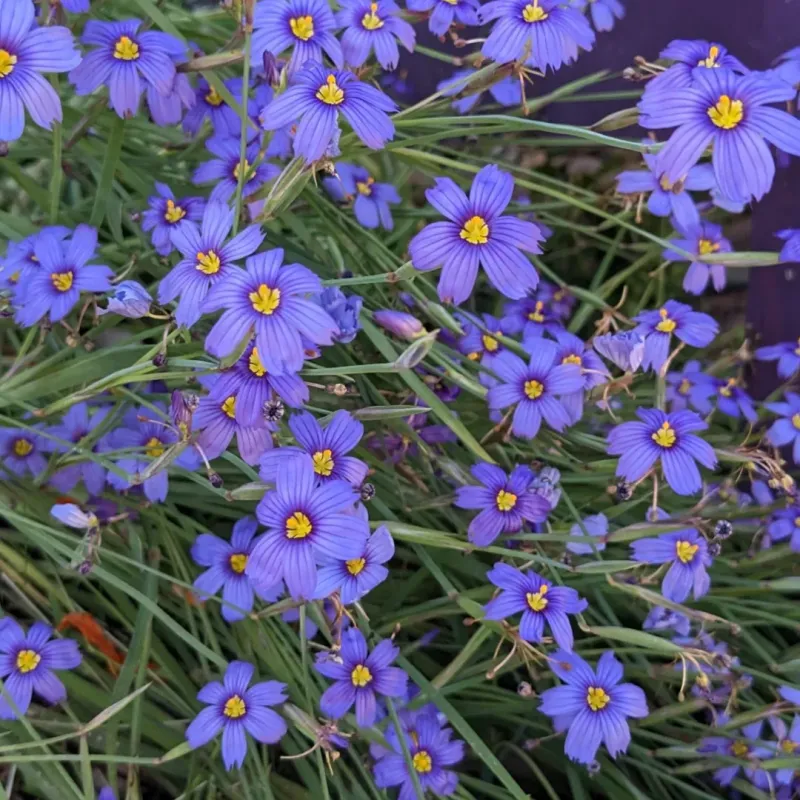
One of the most common gardening mistakes in Florida is feeding plants on a rigid calendar schedule rather than watching what the plant is actually telling you. Plants show clear signs when they genuinely need nutrients: pale or yellowing leaves, slow new growth, or noticeably fewer buds than the previous season.
Spotting these clues saves you money and protects your garden from overfeeding damage.
Feeding a healthy, actively blooming plant more fertilizer will not make it bloom harder. In fact, a nitrogen boost at the wrong time often pushes a plant to grow more leaves and stems instead of flowers.
Florida’s warm temperatures already speed up plant metabolism, so the demand for nutrients shifts throughout the year in ways that differ from northern gardens.
Spring is generally a good time to give flowering plants a light feeding as new growth begins to emerge. However, if your plants look lush, green, and full of buds already, hold off.
Adding fertilizer to a plant that does not need it just creates unnecessary salt buildup in the soil over time.
A quick visual check every couple of weeks during the growing season is all it takes to stay on top of things. Look at the color of new leaves, the pace of bud development, and overall plant energy.
Feeding only when there is a real need keeps your Florida garden healthier and your flowering more consistent without the risk of overdoing it.
3. Use A Controlled-Release Fertilizer Instead Of Heavy Quick Feeds
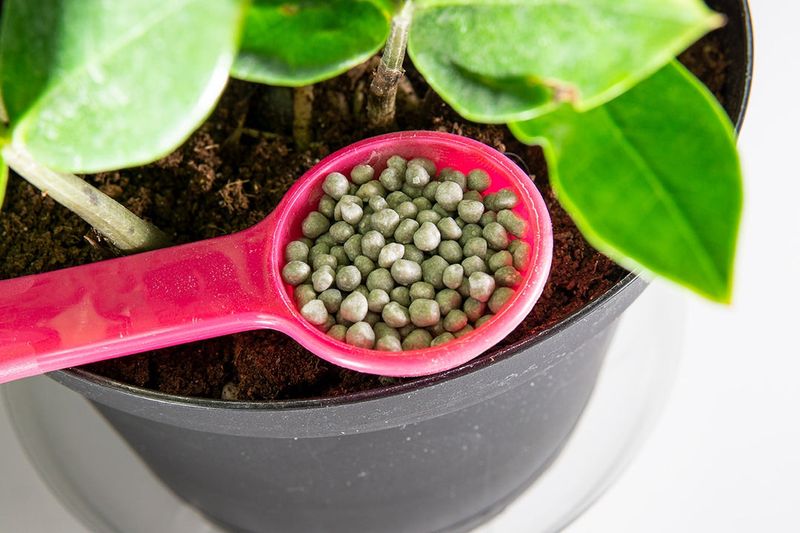
Quick-release fertilizers deliver a big rush of nutrients all at once, which sounds helpful but can easily overwhelm roots, especially in Florida’s sandy, fast-draining soils. When nutrients move through the soil faster than roots can absorb them, they end up leaching away or causing fertilizer burn.
Controlled-release options solve this problem by feeding plants slowly and steadily over several weeks or months.
Slow-release granules work by coating nutrients in a special shell that breaks down gradually with moisture and soil temperature. Since Florida stays warm for most of the year, these products tend to perform really well here.
Plants get a consistent, gentle supply of what they need rather than a feast-or-famine cycle that stresses them out.
For spring flowering plants, apply a controlled-release fertilizer with a lower nitrogen number and a solid potassium level. Potassium supports strong stems, better water use, and improved resistance to Florida’s summer heat and storms, all of which help plants stay in blooming condition longer.
Products labeled for flowering shrubs or palms often have a good nutrient ratio for this purpose.
Apply granules according to the package directions, which usually means spreading them evenly around the drip line of the plant rather than right against the trunk or stem. Water the area lightly afterward to help the granules settle into the soil.
One good spring application can carry most flowering plants through several months without needing another round of feeding.
4. Skip Extra Phosphorus Unless A Soil Test Shows A Need
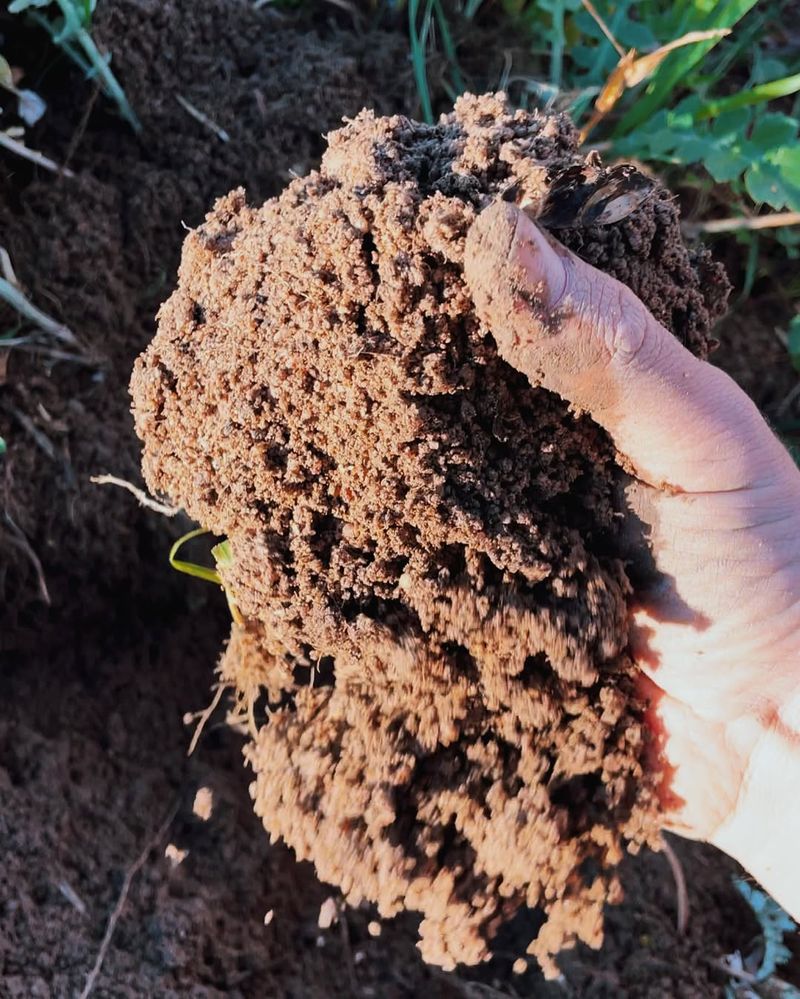
Phosphorus gets a lot of attention in gardening circles because it is linked to root development and flower production. Many gardeners assume that adding more phosphorus automatically means more blooms, but that logic breaks down quickly in Florida.
Some Florida soils are naturally higher in phosphorus, and adding more when it is not needed can interfere with the uptake of certain micronutrients.
Too much phosphorus in the soil locks out micronutrients like iron, zinc, and manganese, which flowering plants in Florida rely on to stay healthy and vibrant. An iron deficiency, for example, shows up as yellowing leaves with green veins, a common problem in Florida landscapes that gardeners sometimes try to fix with more fertilizer when the real issue is a nutrient imbalance caused by excess phosphorus.
A simple soil test from your local University of Florida IFAS extension office or a garden center test kit takes the guesswork out of this entirely. The test tells you exactly what your soil has too much or too little of, so you can fertilize with precision rather than guessing.
Many Florida soils require little to no added phosphorus, depending on local conditions and soil test results.
Choosing a fertilizer labeled with a zero in the middle number, such as 8-0-12, is often the smarter choice for Florida flower gardens. Skipping unnecessary phosphorus protects soil health, reduces runoff into Florida’s sensitive waterways, and encourages your plants to make the most of the nutrients that are genuinely available to them.
5. Deadhead Faded Flowers To Keep New Buds Coming
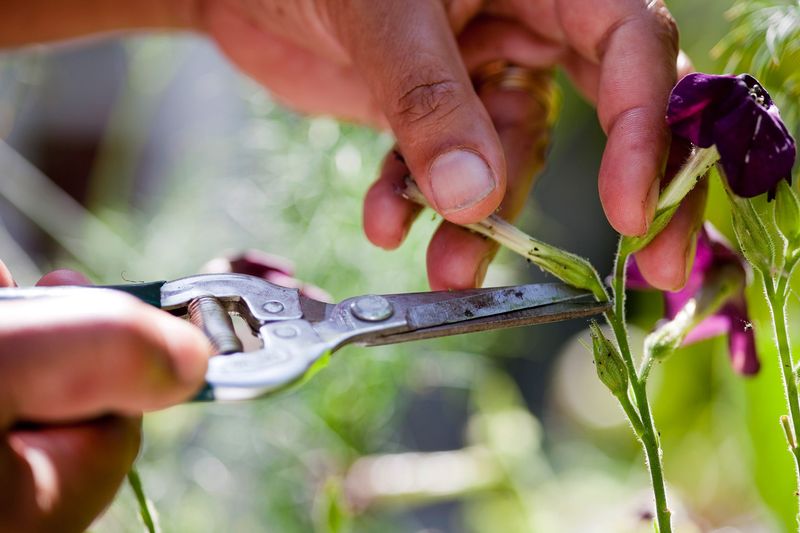
There is something almost magical about how removing a spent flower can convince a plant to keep producing more. Deadheading, which simply means pinching or cutting off faded blooms before they go to seed, redirects the plant’s energy away from seed production and back into creating new buds.
For Florida gardeners hoping to stretch the spring flowering season as long as possible, this is one of the most effective tools in the shed.
When a flower fades and the plant begins forming seeds, it essentially signals that its job is done for that cycle. By removing that signal, you are encouraging the plant to keep working.
Many popular Florida flowering plants, including pentas, salvia, and lantana, respond to deadheading with a noticeable flush of new blooms within just a week or two.
You do not need any fancy equipment for this task. A pair of clean, sharp pruning snips or even your fingers work perfectly well for most plants.
Snip just below the spent flower head, back to a healthy leaf node or side bud. For plants with lots of small flowers, like verbena or sweet alyssum, a light overall trim with garden scissors does the job faster.
Making deadheading a quick habit during your regular garden walks, maybe two or three times a week, keeps beds looking tidy and continuously colorful. In Florida’s long growing season, this simple practice can extend a plant’s blooming period by weeks, giving you more color for zero extra cost in fertilizer or effort.
6. Prune Spring Bloomers Right After They Flower
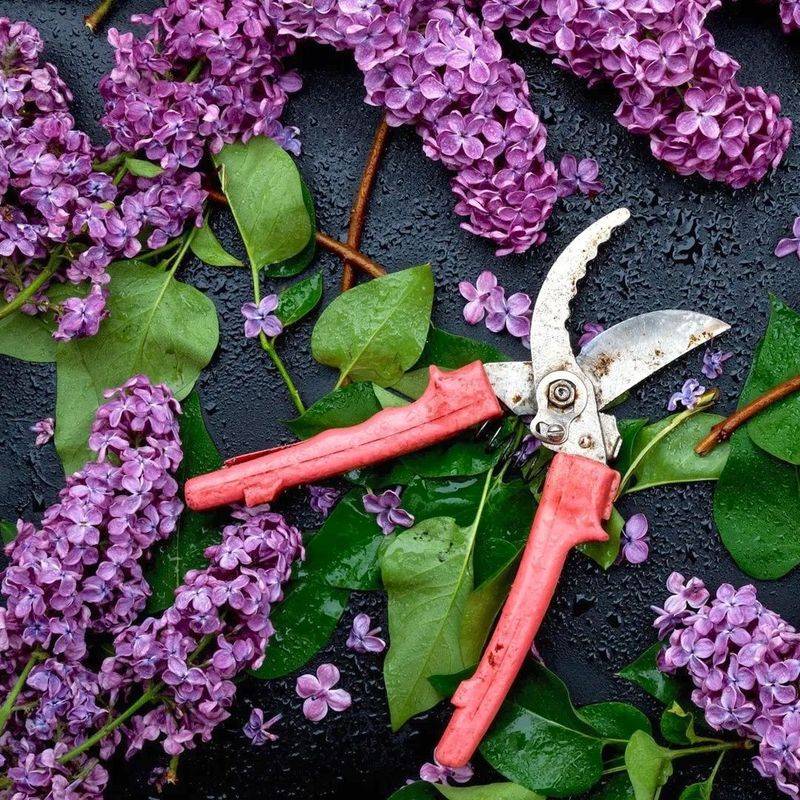
Timing your pruning correctly is one of those gardening details that separates a thriving Florida yard from one that seems to struggle year after year. Spring-blooming shrubs like azaleas, loropetalum, and spirea set their flower buds during the previous fall and winter.
If you prune them before they bloom or wait too long into summer, you end up cutting off the very buds that were going to give you next spring’s show.
The sweet spot is right after the flowers fade, usually within a few weeks of the last bloom dropping. At this point, the plant has done its flowering work and is just starting to push out new growth.
Pruning now shapes the plant, removes any crossing branches, and gives it the rest of the growing season to develop strong new shoots that will carry next year’s buds.
In Florida, where the growing season stretches long and warm, plants have plenty of time to recover and set buds again before cooler weather arrives. A good post-bloom pruning also improves airflow through the plant, which helps reduce fungal issues that are common in Florida’s humid summers.
Keep pruning cuts clean and angled to help water run off the cut surface. Never remove more than one-third of a plant’s overall size in a single pruning session, as taking too much at once stresses the plant.
A well-timed, thoughtful pruning session each spring sets your Florida flowering shrubs up for a gorgeous return performance the following year.
7. Water Deeply Without Keeping Beds Constantly Wet
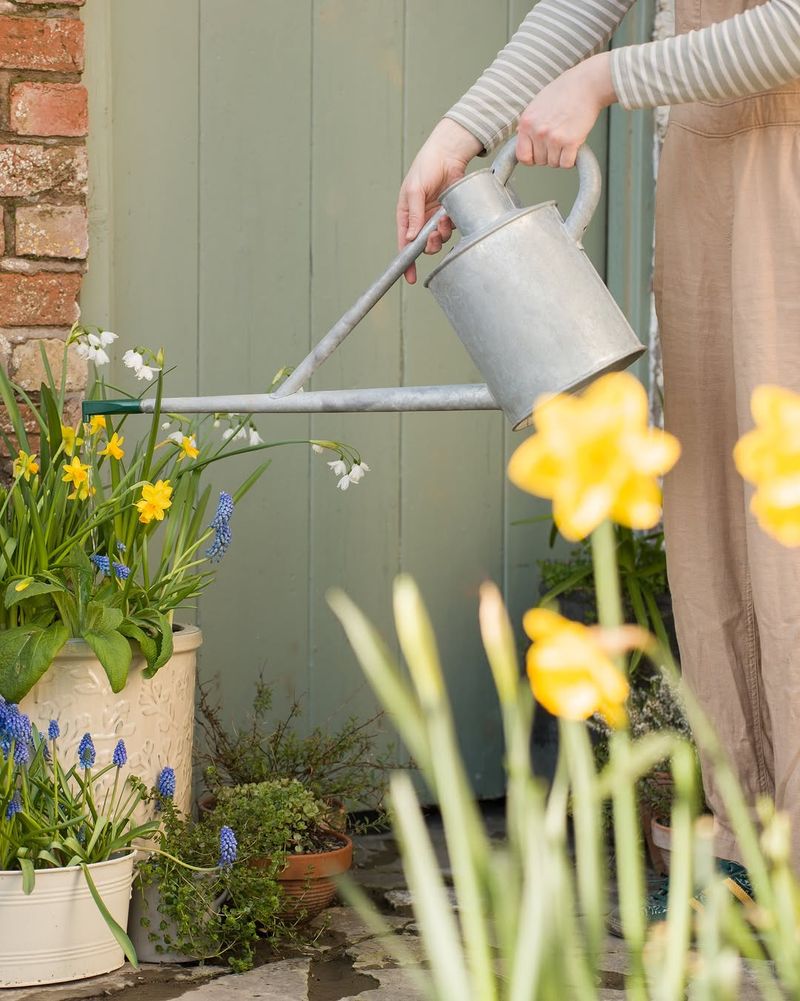
Watering is one of those topics where more does not always mean better, especially for flowering plants in Florida. Roots need moisture to absorb nutrients and support blooms, but they also need oxygen.
Constantly saturated soil cuts off that oxygen supply and creates conditions where root problems and fungal diseases thrive, both of which will shut down flowering fast.
Deep, infrequent watering is the approach that works best for most flowering plants in Florida’s climate. Instead of watering a little every day, water thoroughly two or three times a week, allowing the soil to dry out slightly between sessions.
This encourages roots to grow deeper into the soil in search of moisture, making plants more resilient and better able to support heavy flowering.
Florida’s sandy soils drain quickly, which means water moves through the root zone fast. Watering slowly and deeply, using drip irrigation or a soaker hose, gives roots more time to absorb moisture before it drains away.
Overhead sprinklers wet the foliage, which increases the risk of fungal leaf spots in Florida’s humid conditions, so low-to-the-ground irrigation is a smarter choice for flowering beds.
Check your soil moisture by pushing a finger about two inches into the ground near your plants. If it feels dry at that depth, it is time to water.
If it still feels damp, wait another day. Getting this balance right means your plants stay healthy and energized for blooming without sitting in the wet conditions that cause more harm than good.
8. Improve The Bed Before You Reach For More Fertilizer
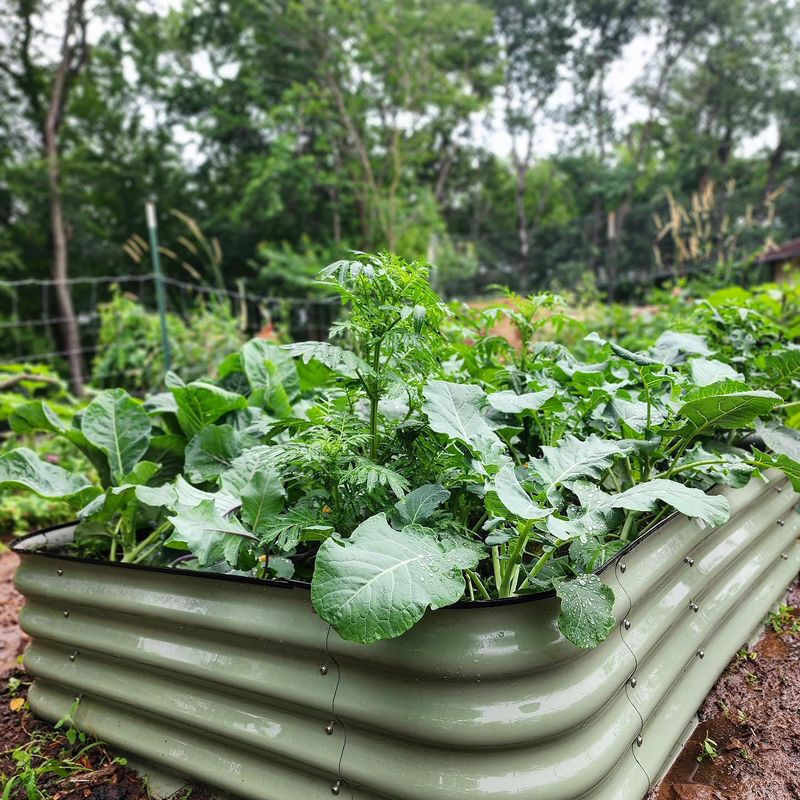
Before adding any fertilizer to a struggling garden bed, take a step back and look at what the soil itself is doing. In Florida, years of sandy soil, heavy rain, and heat can leave garden beds depleted of organic matter, which is the foundation that supports healthy root activity, beneficial soil organisms, and natural nutrient cycling.
A bed with poor structure will not hold onto fertilizer well no matter how much you apply.
Adding a few inches of quality compost to the top of your bed and working it lightly into the soil can transform how plants perform. Compost improves water retention in sandy soils, feeds beneficial microbes, and slowly releases a balanced range of nutrients that plants can access naturally over time.
Many Florida gardeners find that after amending their beds with compost, their flowering plants perform noticeably better without any added synthetic fertilizer.
Mulch is another underrated bed improver that does quiet but important work. A two to three inch layer of organic mulch like pine bark or shredded leaves keeps soil moisture stable, moderates soil temperature during Florida’s hot days, and breaks down over time to add organic matter back into the ground.
Keep mulch a few inches away from plant stems to prevent moisture-related issues at the base.
Improving the physical and biological health of your soil creates the conditions where flowers naturally want to bloom. Healthy soil grows healthy plants, and healthy plants in Florida’s spring climate are primed to put on a stunning floral display with minimal extra help from a fertilizer bag.