How To Bring More Bats To Your Ohio Garden And Cut Down On Mosquitoes
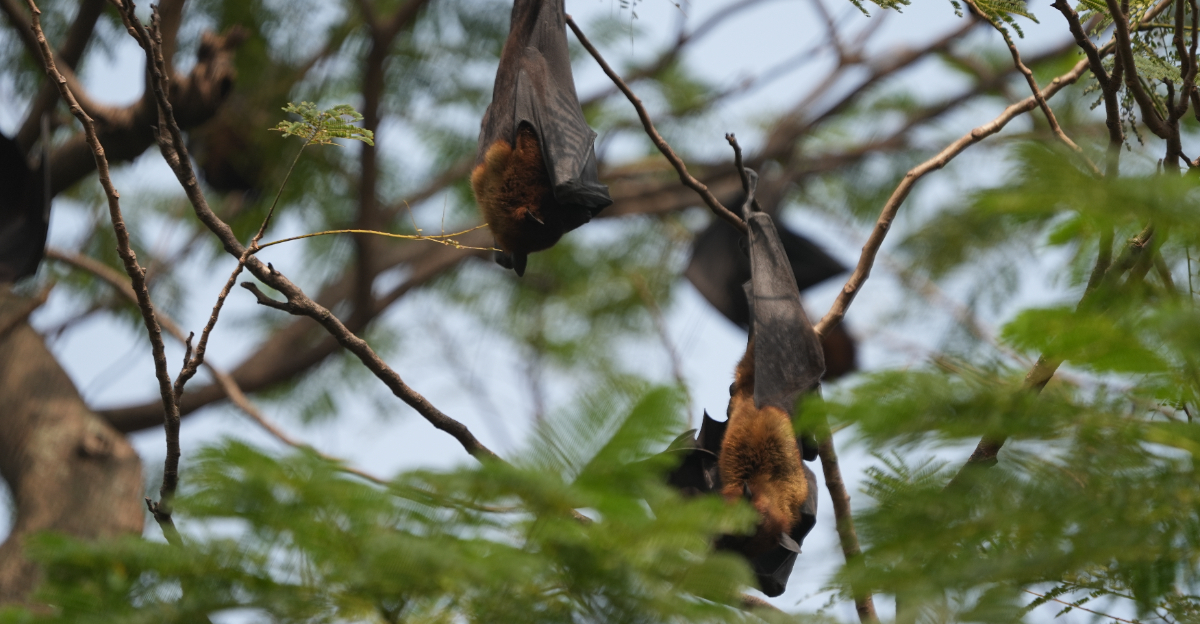
Bats get a bad reputation that they have done almost nothing to earn.
The Hollywood version of a bat, swooping and threatening and generally causing chaos, has very little to do with the creatures actually spending their evenings over Ohio backyards doing quiet, unglamorous, genuinely useful work.
Specifically, eating night-flying insects, including mosquitoes. Ohio has a real mosquito problem in summer.
Anyone who has tried to enjoy a backyard after dusk between June and September knows the drill. Citronella candles, sprays, zappers, all of it working at partial capacity while the mosquitoes carry on largely unbothered.
The most effective mosquito control most Ohio gardeners will ever have access to is already flying overhead and asking for almost nothing in return. Attracting bats to an Ohio garden is less complicated than most people assume.
They are not looking for much. The right roosting option, a water source, and a yard that gives them something worth hunting over.
Take those three boxes and check them thoughtfully and bats will find the space on their own terms, usually faster than expected.
The payoff in mosquito reduction is real, measurable, and far more satisfying than anything that runs on batteries or comes in an aerosol can.
1. Start By Planting For Night Flying Insects
A lot of gardeners assume bats show up simply because there is a yard to explore. The truth is bats follow food, and food means insects.
Ohio bats, including little brown bat and big brown bat, are insectivores that hunt night-flying moths, beetles, midges, flies, and yes, mosquitoes. Supporting a healthy population of night-flying insects in your garden gives bats a reason to show up and stick around.
Mosquitoes are only one small piece of a bat’s nightly diet. Bats are not selective hunters that zero in on mosquitoes alone.
They sweep through the air catching whatever insects are flying, so a garden that supports a broader range of insects will naturally support more bat activity than one that only draws a single pest species.
The goal with planting is to create a food web, not a mosquito trap. Reduce pesticide use, add layers of plants, and let a little wildness into your yard.
Bats thrive in gardens where caterpillars, moths, and native flies have somewhere to live. A rich nighttime insect community is the single best invitation you can extend to local bats.
2. Choose Native Flowers That Feed The Food Web

Native plants do something that most ornamental garden flowers simply cannot match.
They have evolved alongside local insects over thousands of years, which means they support caterpillars, native bees, moths, and other wildlife far more effectively than many imported ornamentals.
A garden full of goldenrod, native asters, milkweed, mountain mint, bee balm, and purple coneflower is feeding a food web that eventually reaches bats.
Goldenrod and asters are especially valuable here because they bloom late in the season, supporting insects well into fall when other flowers have faded. Mountain mint and bee balm attract a wide range of pollinators during summer.
Your Ohio Garden Changes Every Week. Your Plan Should Too.
Gardening in Ohio changes quickly throughout the season. Every Friday you’ll receive a simple weekly plan showing exactly what to plant, prune, fertilize, harvest, and protect so you never miss the right timing.
Milkweed supports monarch caterpillars and many other insects that contribute to the broader insect community bats depend on.
None of these plants directly attract bats the way a flower attracts a bee. What they do is sustain the insects that bats pursue after dark.
A planting scheme that prioritizes Ohio-native species over purely decorative cultivars builds a healthier, more interconnected yard.
Over time, that richer ecosystem means more insect activity at night, and more reason for bats to patrol your garden on warm evenings.
3. Add Evening Bloomers That Draw Moths Near The Garden
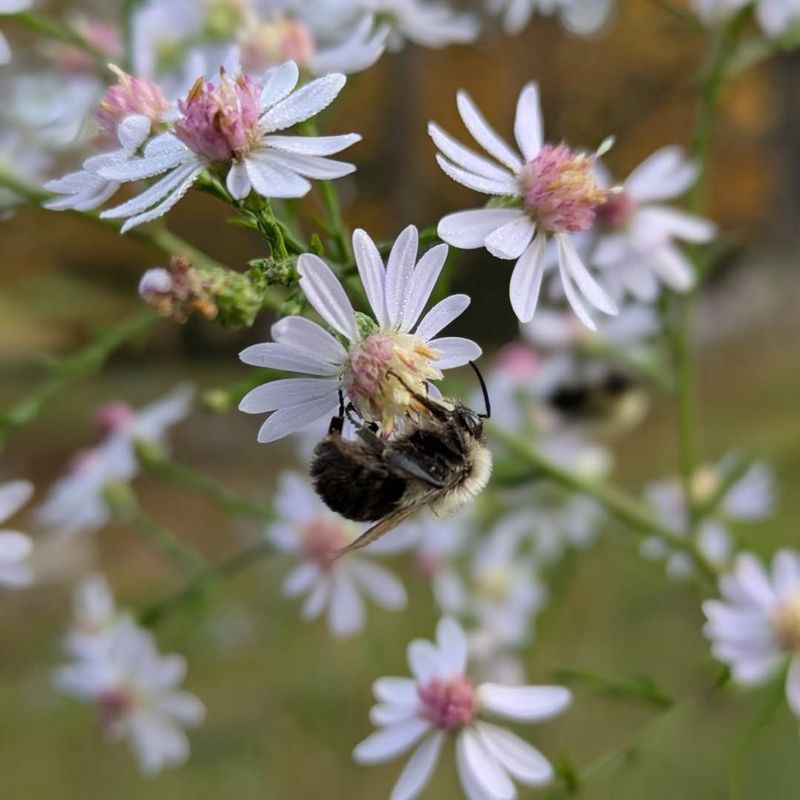
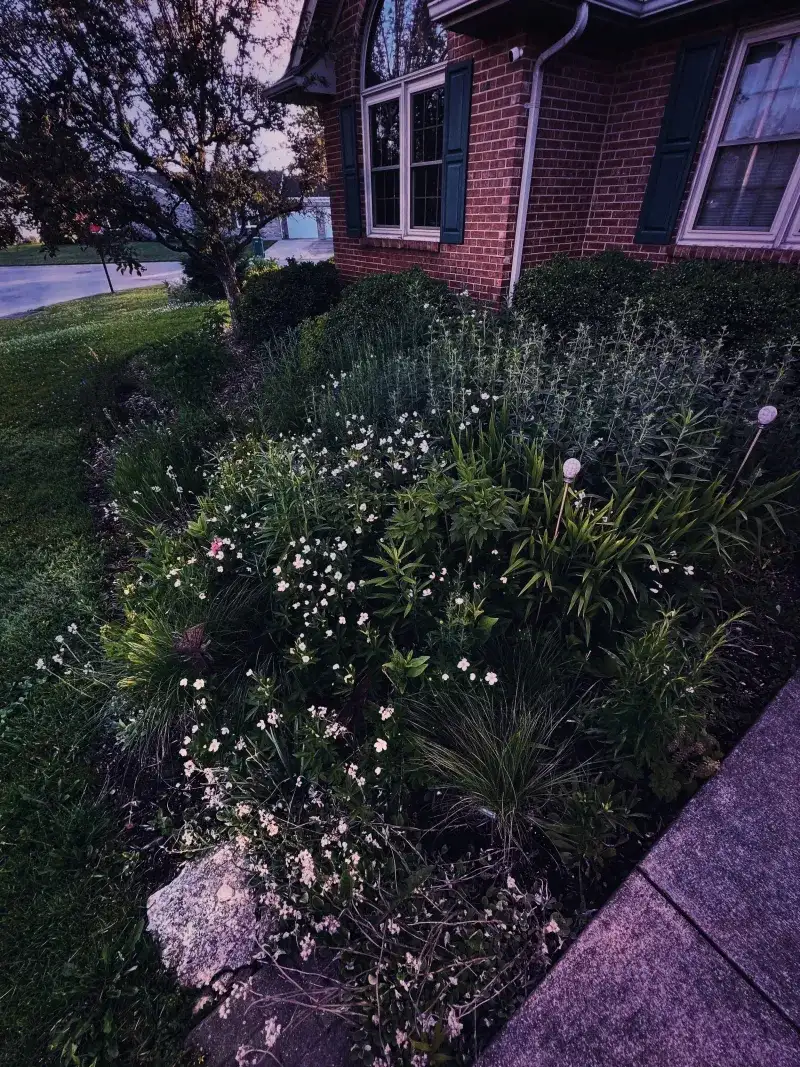
Moths are one of the most important food sources for Ohio bats, and moths are drawn to fragrant, pale, or white flowers that open in the evening.
Planting a section of your garden with evening bloomers is a practical way to increase moth activity right where bats are likely to hunt.
More moths in the air at night means more hunting opportunity for bats passing through your yard.
Evening primrose is a native wildflower that opens its yellow blooms at dusk and attracts sphinx moths and other night pollinators. Moonflower vine produces large white blooms with a sweet fragrance after sunset.
Native white phlox and white wild bergamot can also extend evening insect activity when planted in spots with good drainage and adequate sun during the day.
Avoid recommending or planting invasive species just because they bloom at night. Stick to plants that are verified as non-invasive and suitable for growing conditions, including your hardiness zone, soil type, and average summer humidity.
A modest patch of evening bloomers near an open area of lawn or near a water feature gives moths a gathering point, and gives bats a reliable hunting corridor on warm nights throughout summer.
4. Keep Pesticides Away From Bat Friendly Plantings
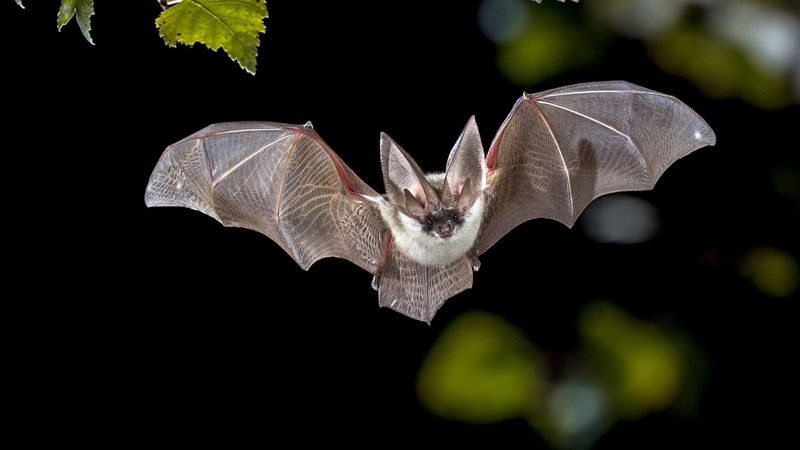
Broad-spectrum insecticides do not distinguish between pest insects and the moths, beetles, and midges that bats depend on for food.
Spraying your garden heavily, especially around blooming plants or near water, can reduce the very insect populations you are trying to support.
A yard that smells like a chemical application is not going to attract the nighttime insect community that makes bat activity possible.
Before reaching for any spray, take time to actually identify what is causing plant damage. Ohio State University Extension recommends integrated pest management, which means starting with the least disruptive options first.
Hand-picking, row covers, water sprays, and encouraging beneficial predators are all practical starting points before chemical treatment becomes necessary.
If treatment is unavoidable, avoid spraying during the evening hours when moths and other night-flying insects are most active. Never spray blooming plants, since that directly harms pollinators visiting the flowers.
Spot-treat only the affected area rather than blanketing the entire garden.
Reducing pesticide pressure across your yard over time builds a healthier insect community, which supports a healthier food web, which gives bats more reason to spend their nights hunting in your neighborhood rather than somewhere else.
5. Give Bats A Safe Water Source Nearby
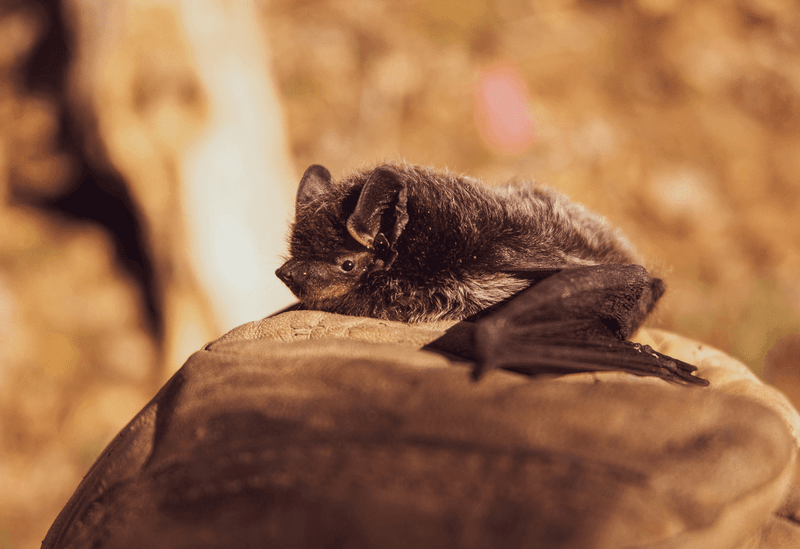
Bats need water, and they get it by swooping low over open water surfaces to drink mid-flight. In the wild, bats use ponds, rivers, wetlands, and calm streams as drinking spots.
If your yard is near a natural water source, you already have an advantage. For everyone else, keeping any water features clean and refreshed makes your yard more hospitable to bats passing through on warm nights.
A birdbath can serve double duty as a bat-friendly water source, but only if the water is changed every two to three days. Stagnant birdbath water becomes a mosquito breeding site, which is the opposite of what you want.
Shallow garden ponds with moving water, such as a small pump or fountain, are more bat-friendly and less likely to breed mosquitoes than still containers.
Avoid leaving any open containers, buckets, or low dishes of water sitting stagnant near the garden. Every container of standing water is a potential mosquito nursery.
Bats benefit from clean open water, but the water management side of your yard needs to serve both goals at once: accessible water for wildlife and zero stagnant breeding spots for mosquitoes. Refreshing water regularly keeps both goals in balance.
6. Leave Mature Trees And Roosting Habitat When Safe

Mature trees are some of the most valuable bat habitat in any yard. Many Ohio bat species, including little brown bats and big brown bats, roost under loose bark, in tree cavities, and in the dense canopy of large deciduous trees during warmer months.
A yard with a single old oak or shaggy-barked maple offers far more natural roosting potential than a freshly landscaped lot with only young ornamental trees.
Preserving mature trees where it is safe to do so is one of the most straightforward things a homeowner can do for local bat populations. Wooded rural properties across central and southern Ohio may already have abundant natural roost sites.
Suburban yards in Columbus, Dayton, or Cleveland suburbs often have fewer old trees, which is part of why bat houses can help fill that gap.
Safety always comes first. Storm-damaged trees, trees leaning toward structures, and trees with significant decay near walkways or play areas should be evaluated by a certified arborist before any decision is made.
Not every old tree can or should be kept. Where preservation is reasonable, though, leaving mature trees intact supports not only bats but also birds, native insects, and a more resilient yard ecosystem across all four seasons.
7. Install A Bat House In The Right Sunny Spot
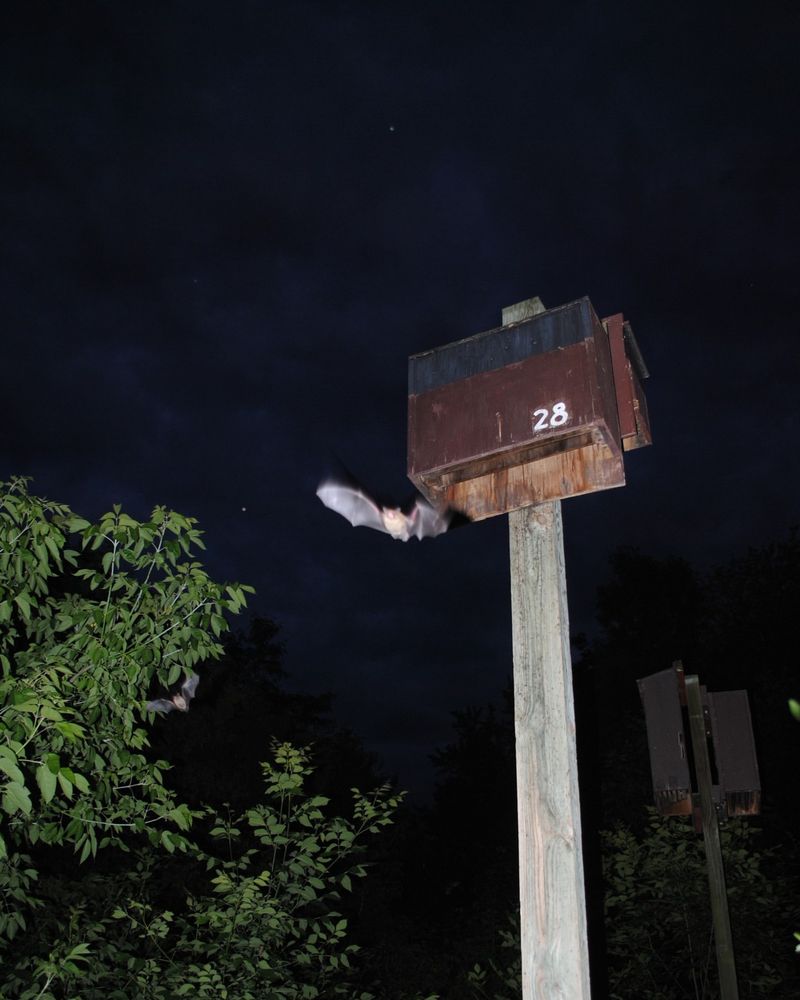
Bat houses get ignored more often than they get used, and the most common reason is poor placement.
A bat house tucked under a shaded tree canopy, mounted too low on a fence post, or bolted to the north side of a garage wall is not going to attract Ohio bats no matter how well it is built.
Placement matters more than almost any other factor when it comes to bat house success.
Bat houses should receive six to eight hours of direct sun daily, which typically means a south or southeast-facing location. Mounting height matters too.
The Ohio Bat Working Group and similar wildlife resources recommend placing bat houses at least twelve to fifteen feet above the ground, with clear open space below for bats to drop and take flight. Proximity to water sources improves the odds of occupancy.
Keep the bat house away from bright security lights, which can disrupt roosting behavior. Avoid locations too close to busy human foot traffic, since bats prefer undisturbed roost sites.
A bat house on a freestanding pole in a sunny part of the yard, facing south, near a water source, is your best setup in a suburban yard. Patience is required.
Occupancy can take a full season or longer to happen.
Never handle bats with bare hands or try to move bats yourself. All Ohio bat species are protected by law, and bat exclusions from buildings are restricted during certain times of year.
If a bat is found indoors, injured, or acting strangely, contact your local health department, Ohio Department of Natural Resources, or a permitted wildlife professional.
8. Dim Outdoor Lights So Bats Can Hunt More Easily
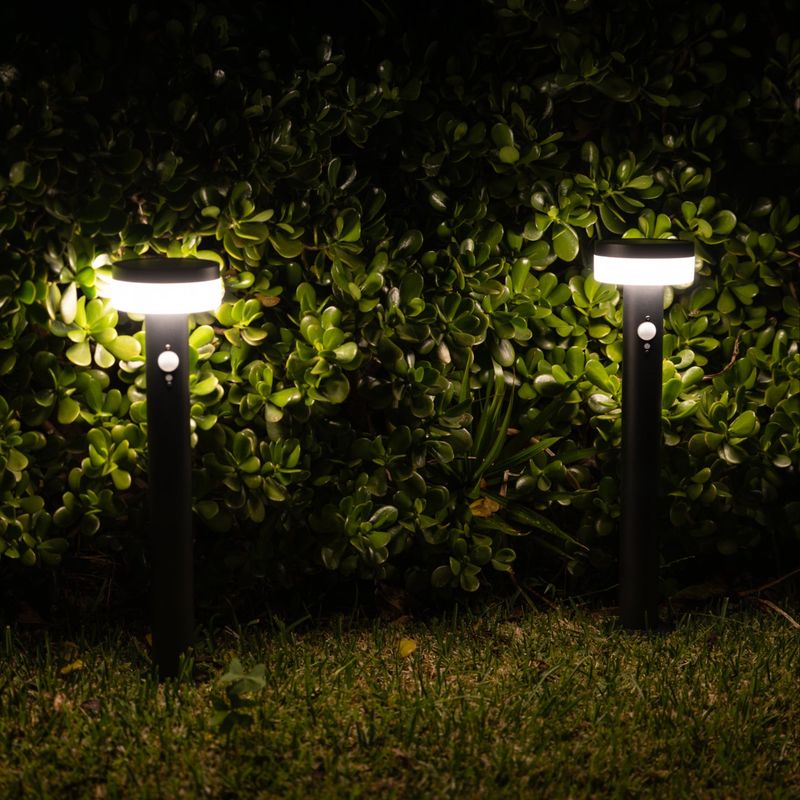
Bright outdoor lighting does more harm to nighttime wildlife than most people realize. Floodlights, string lights left on all night, and harsh white security lights can disrupt the behavior of moths, beetles, and other insects that bats depend on for food.
Many insects are drawn to bright light sources and end up clustering around your porch lamp rather than moving through the garden where bats can hunt them effectively.
Switching to motion-activated lights reduces unnecessary nighttime illumination while still giving you the safety coverage you need around entries and walkways.
Choosing warmer-toned bulbs, such as amber or soft yellow LEDs, is less disruptive to insects than cool white or blue-white light sources.
Shielding fixtures so light points downward rather than spreading horizontally also reduces light pollution in the surrounding yard and garden area.
The section of your yard designed to support bats and native insects should stay as dark as practical after sunset. You do not need to leave your entire property pitch black.
A targeted approach works well: light the areas where people walk and gather, and let the garden beds, tree lines, and open lawn areas stay dim.
Darker garden zones give bats a comfortable corridor to hunt through on summer nights without competing with artificial light sources.
9. Remove Standing Water To Reduce Mosquito Breeding
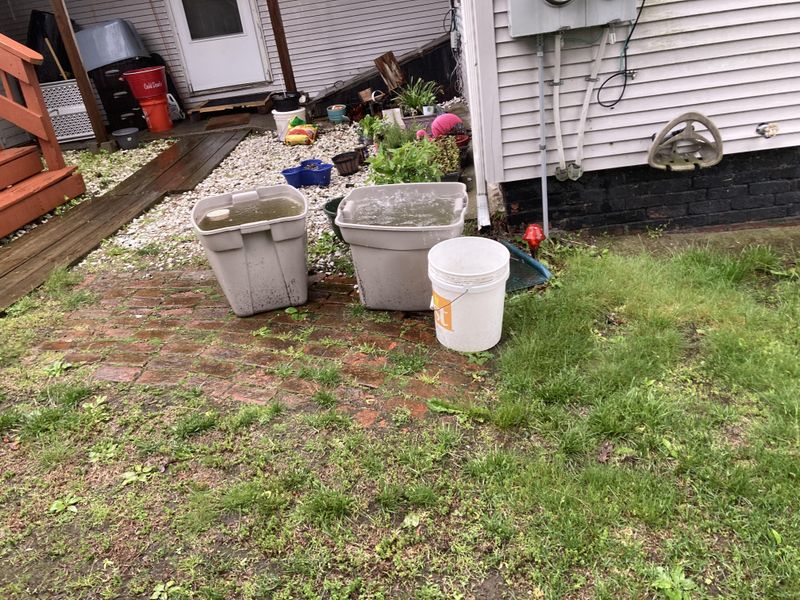
No bat house or native plant garden can compete with a yard full of standing water when it comes to mosquito pressure. Female mosquitoes lay eggs in still water, and they do not need much of it.
A bottle cap full of water left sitting for a week can produce a new generation of mosquitoes. Removing or refreshing standing water is the single most direct action any homeowner can take to reduce the mosquito population around their property.
Walk your yard after every rain and look for the usual suspects: clogged gutters, plant saucers under containers, buckets, toys, tarps with puddles, low spots in the lawn, wheelbarrows, and birdbaths that have not been refreshed.
All of these are potential breeding sites.
Cleaning gutters at least twice a year, in spring and fall, removes one of the most overlooked mosquito nurseries on any property.
Bat habitat and mosquito prevention work best as partners, not substitutes for each other. Bats can reduce the number of adult mosquitoes flying around your yard on any given night, but they cannot stop mosquito larvae developing in a bucket behind your shed.
Combining bat-friendly habitat with consistent standing water removal gives you the most realistic shot at noticeably fewer mosquitoes through summer.
10. Expect Fewer Bugs Without Expecting A Mosquito Free Yard

Setting realistic expectations is genuinely part of good garden planning.
A bat-friendly Ohio yard, designed with native plants, reduced pesticide use, darker nights, a bat house, and clean water management, can support natural insect balance and may reduce the number of mosquitoes and other night-flying insects you encounter.
Noticeably fewer bugs on a July evening is a real and achievable outcome over time.
A completely mosquito-free yard is not a realistic promise any garden design can make. Mosquitoes breed in your neighbors’ yards, in nearby wetlands, in storm drains, and in low-lying areas across the neighborhood.
Ohio summers bring warm, humid conditions that favor mosquito reproduction, and no amount of planting or bat activity can fully override that pressure. What you can control is your own yard and how welcoming or hostile it is to both bats and mosquitoes.
The combination approach works better than any single fix. Native plantings support the food web.
Reduced pesticides protect beneficial insects. A well-placed bat house adds roosting habitat.
Darker nights let bats hunt without interference. Removing standing water cuts off mosquito reproduction at the source.
Stick with all of these practices together, stay patient through the first season or two, and your Ohio garden has a genuine chance of feeling noticeably more comfortable on warm summer nights.