How To Care For A Florida Fig Tree After The Last Figs Are Picked
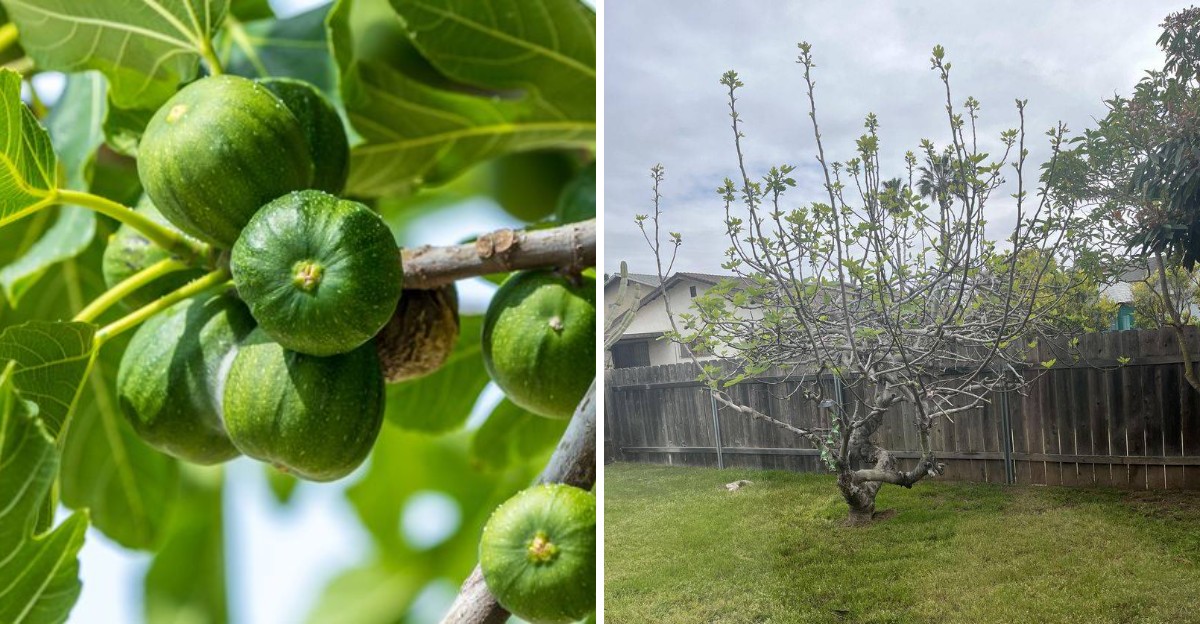
The last fig is gone, the branches look bare, and it feels like the job is done. Your tree would like a word.
What you do in the weeks after harvest decides next summer’s crop. Fig trees spend this stretch banking energy, and the habits you pick now either help or quietly hurt that effort.
Florida adds its own twists to the picture. Warm days, wet spells, and the occasional cold snap all change the game.
Copy advice from a northern gardening guide and you may do more harm than good.
A short list of chores separates a tree that bounces back from one that sulks. None of them take long, and most gardeners skip every one.
Give your fig a little attention while it rests. Next season’s harvest starts right here.
1. Prune Right After Harvest, Not In Winter
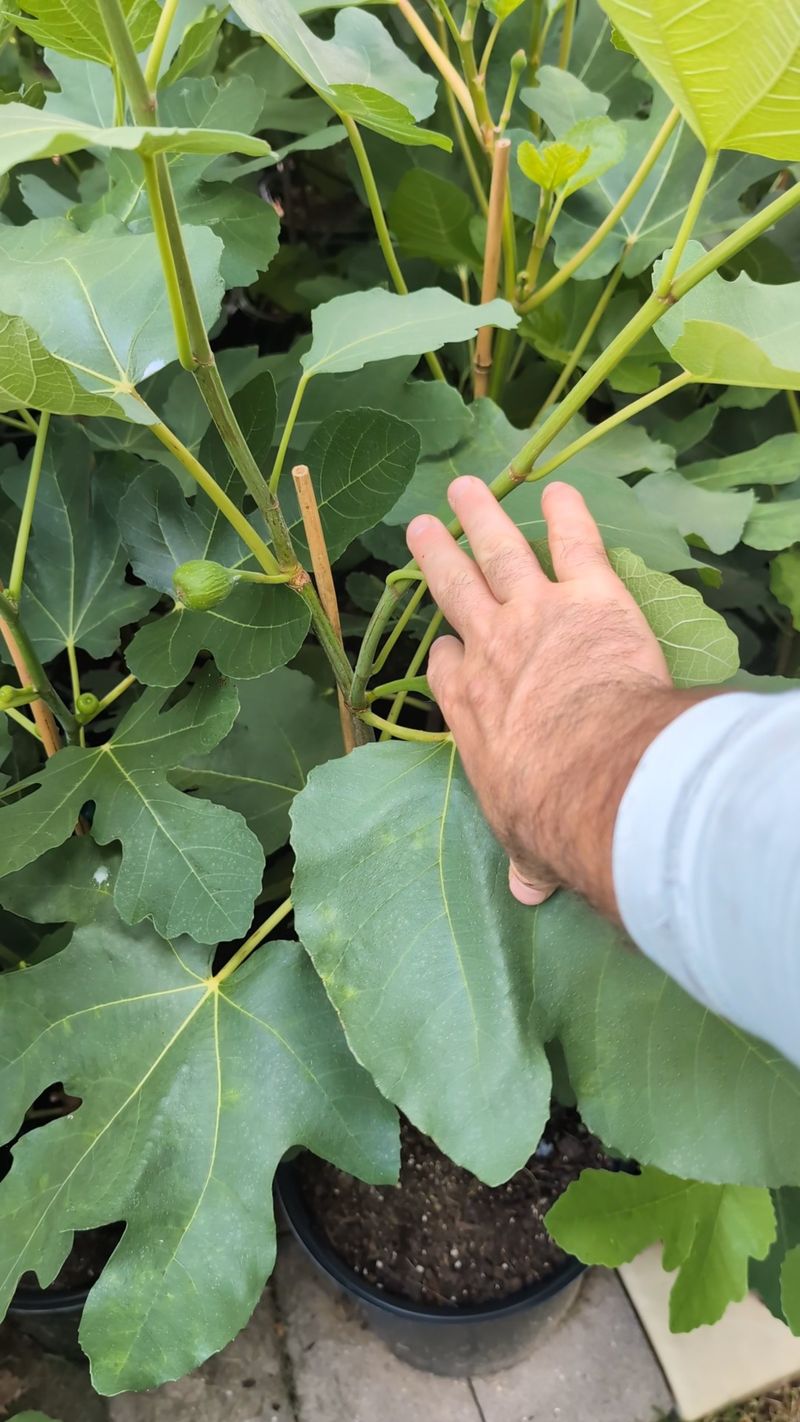
Picture your fig tree just after its last big show. It has spent months pushing out fruit, and now it is ready for a trim.
In Florida, the best time to prune is late summer, right after harvest. Cut away broken, weak, or unproductive branches while the tree is still growing.
This sends energy into fresh shoots that can carry next year’s crop.
Winter pruning sounds handy, but it can backfire. Heavy cuts in the cold months can shrink the next season’s harvest by a lot.
You may lose many of the branches that would have made figs.
Here is a sneaky detail most folks miss. Sap carries stored sugars, and the tree saves those sugars for its spring growth spurt.
Big cuts at the wrong time drain that energy bank. A weaker tree is easier for pests and diseases to bother.
Think of it like skipping breakfast before a long hike.
Florida figs often grow more like big shrubs than tall trees. Cold snaps can hurt the trunk and main limbs, so many gardeners keep several stems.
Use clean, sharp pruners for smooth cuts. Wipe the blades with rubbing alcohol between trees to avoid spreading germs.
Wear gloves too, since fig sap can irritate skin.
2. Thin The Center For Better Airflow
Ever walked into a stuffy room on an August afternoon? A crowded fig canopy feels the same way to its leaves.
Florida humidity hangs around like an uninvited guest. When branches pile up in the middle, damp air gets trapped.
Leaves stay wet for hours, and fungus loves that.
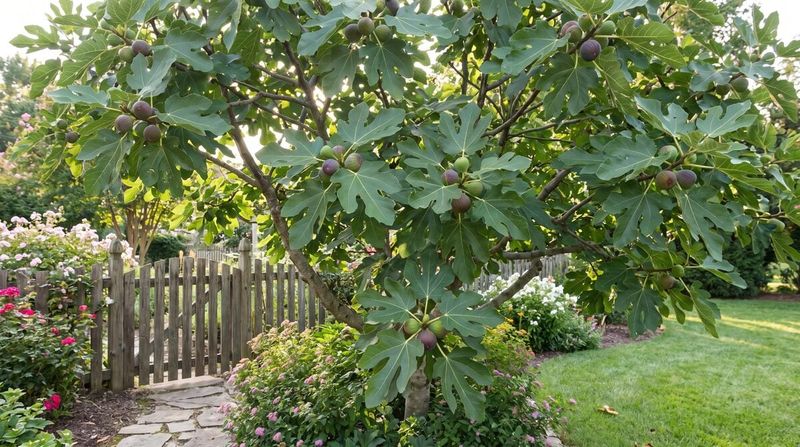
The fix is simple. Remove a few interior branches so air and light can slip through the center.
You want a tree that looks open, almost like a bowl or vase.
Start with branches that cross or rub against each other. Next, take out shoots growing straight inward toward the trunk.
Then step back and look before cutting more.
A helpful rule is to remove no more than about a quarter of the canopy at once. Too much cutting can stress the tree.
Small, steady trims work better than one wild haircut.
Better airflow brings other perks too. Sunlight reaches inner branches, which helps them grow stronger.
Your Florida Garden Changes Every Week. Your Plan Should Too.
Gardening in Florida changes quickly throughout the season. Every Friday you’ll receive a simple weekly plan showing exactly what to plant, prune, fertilize, harvest, and protect so you never miss the right timing.
Leaves dry faster after rain or morning dew.
Fun fact: a fig’s big, fuzzy leaves can trap moisture longer than smooth leaves. That makes a breezy canopy even more helpful.
Check your tree again in a few weeks. If new shoots crowd the middle, pinch them early while they are still soft.
3. Rake Up Fallen Leaves To Fight Fig Rust
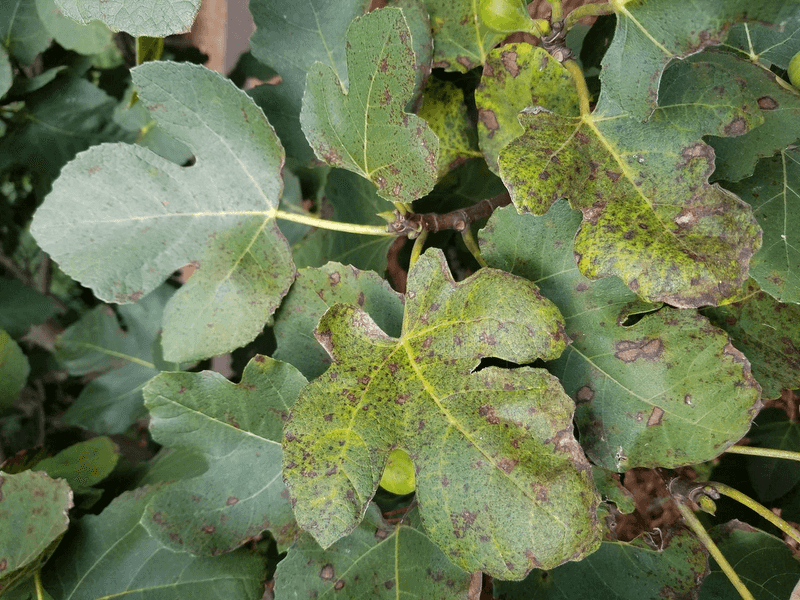
Small orange freckles on fig leaves might look harmless at first. Sadly, they are often the first sign of fig rust, a common fungus.
Fig rust shows up in late summer and early fall. You will spot yellow to orange dots on top of leaves.
Flip a leaf over, and you may find reddish-brown bumps underneath.
As it spreads, leaves turn yellow and fall early. Most trees bounce back, but bad cases can strip a tree bare.
Here is the tricky part. Rust spores can spend the winter hiding in fallen leaves on the ground.
When spring rains splash, those spores hop right back onto new growth.
So grab a rake and get busy. Gather dropped leaves every week or so during fall.
Bag them up and toss them in the trash.
Skip the compost pile for these leaves. Home compost often does not get hot enough to wipe out spores.
You could end up spreading rust all over your garden.
Raking also helps you spot problems early. You may notice pests, rotting fruit, or odd spots you missed before.
Make it a family job if you can. Kids love filling bags, and the yard looks tidier too.
Your fig will thank you next spring.
4. Early Leaf Drop Can Trigger Risky Winter Growth
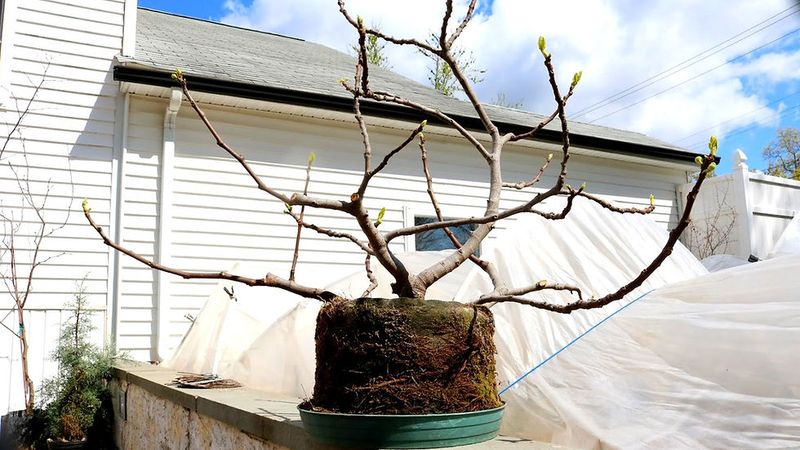
A fig tree losing leaves in September is a bit like a bear waking up in December. The timing is all wrong, and trouble can follow.
Fig rust is a big cause of early leaf drop. Heat stress, uneven watering, pests, and poor nutrition can also make leaves fall too soon.
Here is what happens next. A tree without leaves may think spring has arrived.
It pushes out soft, fresh shoots late in the season.
Those new shoots have not had time to toughen up. When a cold snap rolls in, frost can damage them fast.
Branch tips may brown and shrivel back over winter.
So how do you help? Keep watering steady during dry spells, and clean up rusty leaves.
Watch for bugs and treat issues early.
Hold off on fertilizer in late summer and fall. Feeding at this time acts like an alarm clock, waking the tree up when it should rest.
If new growth appears anyway, stay calm. Many Florida winters are mild, and shoots may survive just fine.
Keep an old sheet handy for chilly nights. Drape it over a small tree before a frost, then remove it in the morning sunshine.
5. Spread 2 To 3 Inches Of Mulch Under The Canopy
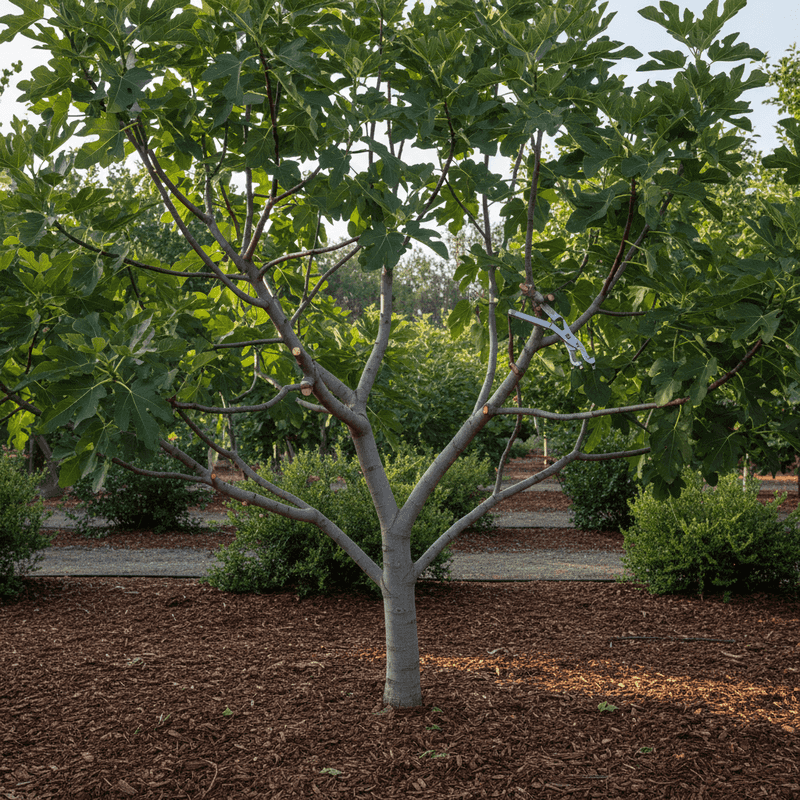
Think of mulch as a cozy blanket for your fig’s roots. It keeps them cool in summer and a little warmer when cold air sneaks in.
Fig roots grow close to the surface, so they feel heat and cold quickly. A layer of mulch evens out those swings.
It also holds moisture in sandy Florida soil.
The magic number is 2 to 3 inches deep. Spread it across the whole area under the canopy, not just a tiny circle.
Pine bark, wood chips, or shredded leaves from healthy plants work well.
Leave a gap of about 6 inches around the trunk. Mulch piled against bark traps moisture and invites rot and pests.
Gardeners call those piles mulch volcanoes, and they are best avoided.
More is not better here. Going deeper than 3 inches can block rain and irrigation from reaching roots.
It can also keep soil too soggy.
Mulch brings bonus benefits as well. Weeds struggle to poke through, so you spend less time pulling them.
Heavy rain is less likely to wash soil away.
As it breaks down, mulch feeds the soil with organic matter. Top it off once or twice a year to keep the layer fresh and even.
6. Mulch Also Helps Deter Root-Knot Nematodes
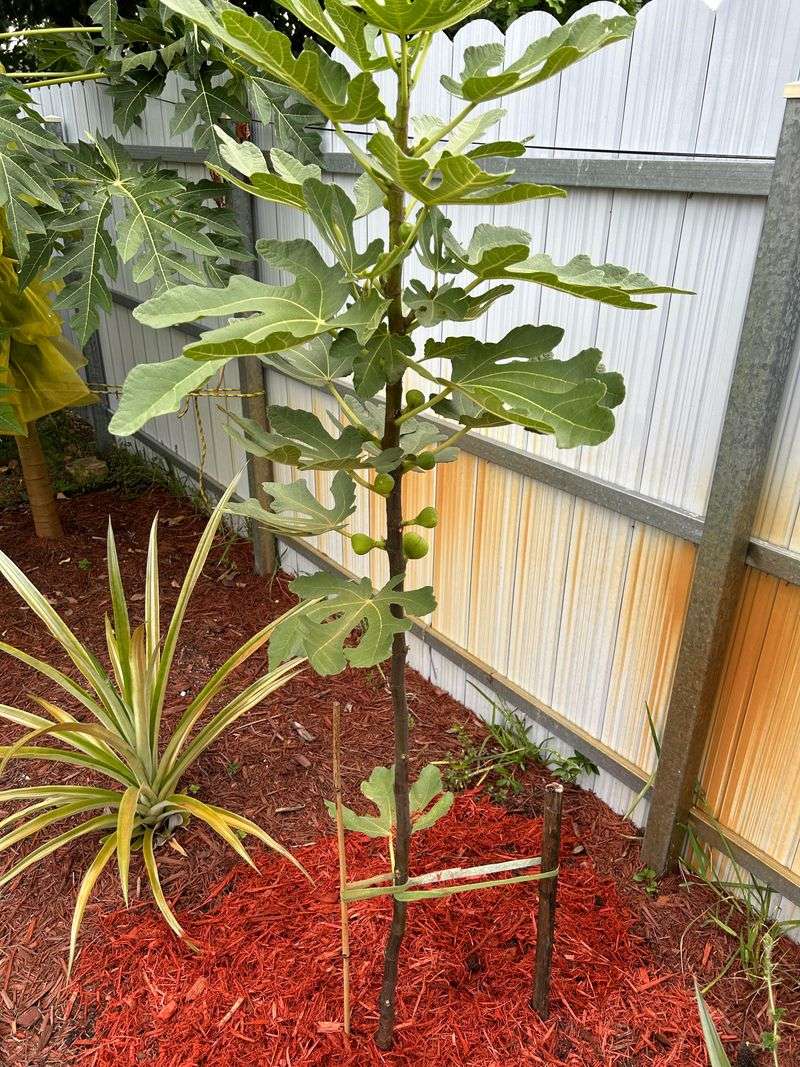
Some of the worst fig troublemakers are too tiny to see. Root-knot nematodes are microscopic worms that live in soil and chew on roots.
Florida’s sandy soil is a favorite home for them. They burrow into roots and cause swollen bumps called galls.
Those knots make it hard for the tree to drink water and take in food.
A tree with nematodes may look thirsty even after watering. Growth slows, leaves turn pale, and figs stay small.
Over time, the tree can slowly decline.
Here is where mulch shines again. Organic mulch and compost feed helpful soil life, including fungi and bacteria.
Many of those good organisms compete with or attack nematodes.
Rich soil also helps roots grow stronger and spread wider. A healthy root system can handle some damage without struggling as much.
Did you know? Fig growers in the state have dealt with nematodes for over a hundred years.
Old-timers often planted figs near buildings, where roots could reach under foundations and escape some pests.
Keep adding organic material each year. Shredded leaves, aged compost, and wood chips all help.
If you suspect a problem, dig gently and look at a few small roots. Knobby bumps are a strong clue, and your county extension office can test the soil.
7. Skip Overhead Watering That Wets The Leaves
Sprinklers spraying across a lawn look refreshing. For a fig tree, though, that shower can open the door to disease.
Wet leaves are a welcome mat for fungus, including fig rust. When leaves stay damp overnight, spores have time to settle in and spread.
Evening sprinkling is the riskiest habit of all.
Aim water at the soil instead. Point a hose at the ground under the canopy, or lay down a soaker hose.
Drip irrigation works great too.
Timing matters as much as aim. Water in the morning so any splashes dry quickly in the sun.
By noon, the leaves should be dry and happy.
Go for deep, less frequent soaks rather than quick daily sprinkles. Deep watering coaxes roots to grow down where soil stays moist longer.
Shallow watering keeps roots near the surface, where they dry out fast.
How do you know when to water? Push a finger about two inches into the soil.
If it feels dry, it is time for a drink.
Florida rain can do much of the work in summer. In drier fall months, check more often.
A rain gauge helps you track how much water nature already gave your tree each week.
8. Figs Need Only Minimal Fertilizer
Good news for busy gardeners: figs are not picky eaters. In decent soil, they grow well with very little extra food.
Too much feeding can cause more harm than good. Extra nitrogen makes a tree grow lots of leaves but fewer figs.
It can also push soft shoots that struggle when the weather cools.
So when should you feed? An established tree usually needs just one small dose in early spring.
That timing matches its natural growth burst.
Choose a balanced fertilizer like 8-8-8 or 10-10-10. Organic, slow-release types are a smart pick.
They feed roots slowly instead of all at once.
Heavy summer rains can wash nutrients right through sandy soil. Granular, slow-release products hold up better than liquid ones here.
You waste less, and the tree gets a steadier meal.
Some trees do need a little more help. Poor soil or nearby grass and shrubs competing for food can leave a fig hungry.
Pale leaves and weak growth are clues.
Is your fruit slow to ripen? Try cutting back on fertilizer.
Many growers find their figs ripen better with less.
After harvest, put the fertilizer bag away. Let your tree rest through fall and winter without a late snack.
9. Wait For Spring Regrowth Before Cutting Freeze Damage
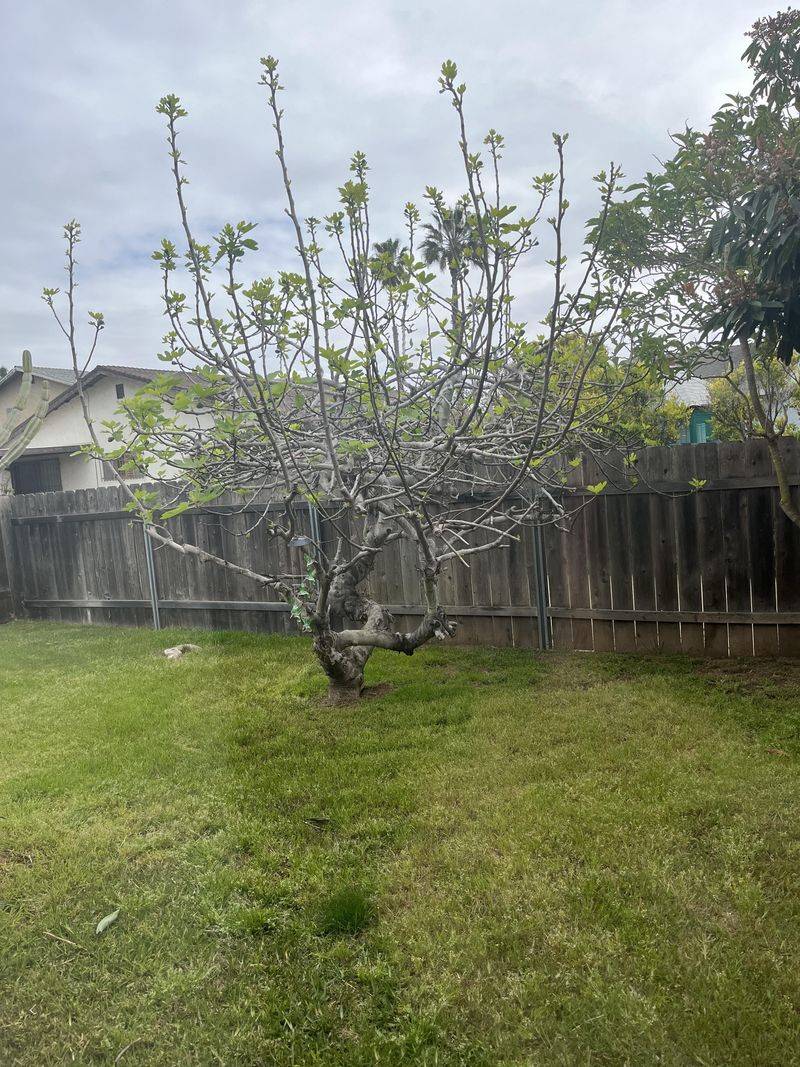
A hard freeze can leave your fig looking rough. Brown tips and droopy branches tempt you to grab the shears right away.
Patience pays off here. Wait until spring growth begins before cutting anything.
Once new leaves appear, you can see which parts are healthy and which are not.
Cutting too soon is a common mistake. Branches that look lifeless in January may sprout happily in March.
You could remove perfectly good wood by accident.
Most mature figs handle temperatures down to about 18 degrees Fahrenheit. Young trees in the ground can be hurt below 20 degrees.
That is one reason so many Florida figs grow as multi-stemmed shrubs.
Try the scratch test while you wait. Gently scrape a bit of bark with your thumbnail.
Green underneath means the branch is still going strong.
When spring arrives, remove wood that stayed brown and brittle. Also cut branches that block healthy main stems.
Make clean cuts just above a bud or side branch.
Avoid leaving stubby nubs behind. Stubs can rot and let decay organisms sneak inside the tree.
Here is a happy thought. Figs are tough plants, and many bounce back from the roots after a rough winter, ready to fruit again.