How To Care For Indoor Succulents And Cacti In Texas This Spring
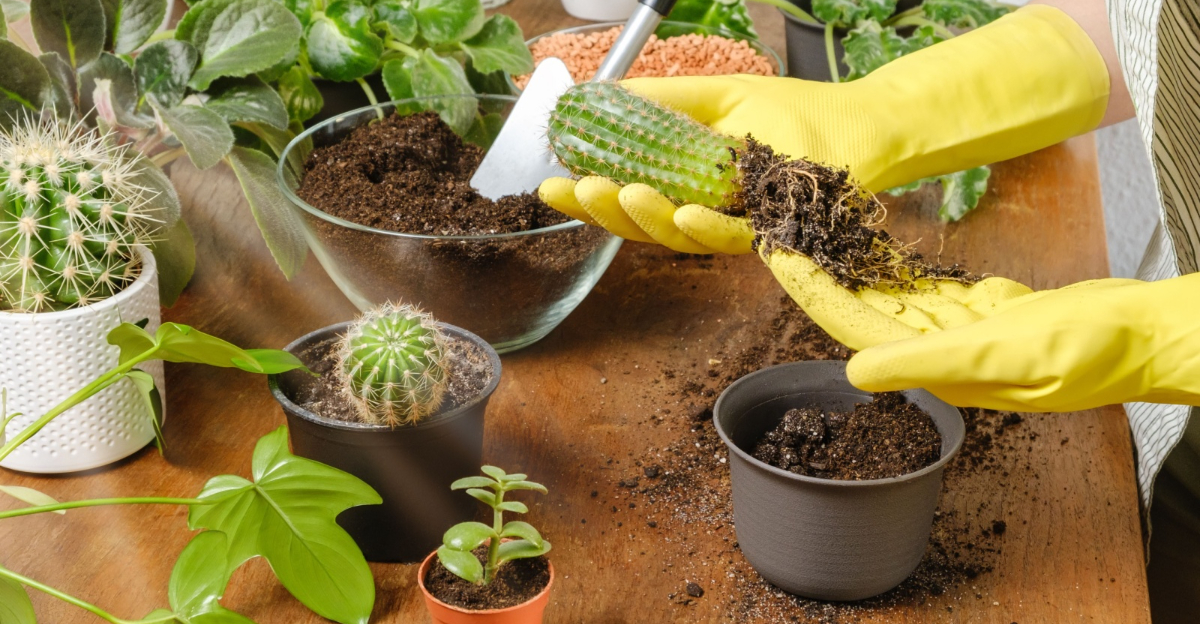
Spring is the time when everything comes to life in Texas, and your indoor succulents and cacti are no exception.
After months of slower growth in the cooler weather, these plants start waking up and pushing out new growth as the days lengthen and temperatures rise.
They respond quickly to the seasonal shift, and that means their care routine needs to shift too.
Texas weather can swing from mild to intense in a matter of days, and spring sunshine often feels stronger than expected indoors.
A few thoughtful adjustments make a noticeable difference. The right balance of light, water, and timing will help your succulents and cacti grow stronger, fuller, and ready to handle the heat of the coming months.
1. What Your Succulents And Cacti Need As Texas Spring Begins
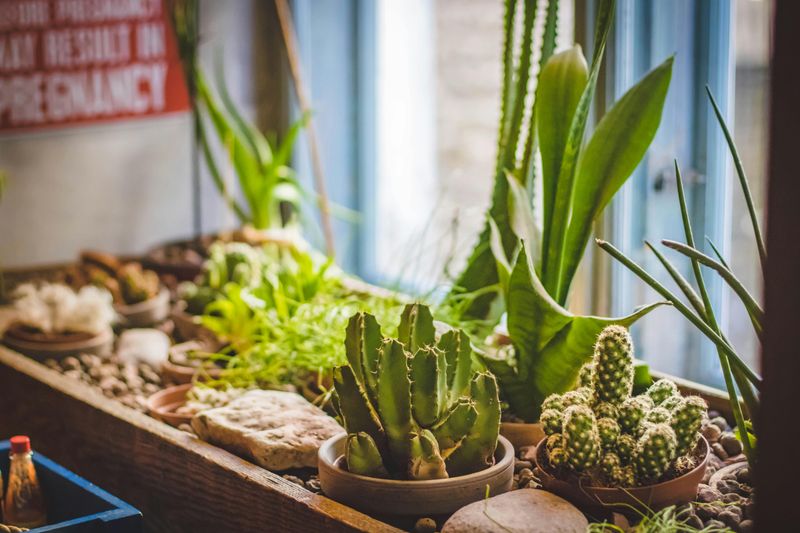
Spring is basically a wake-up call for succulents and cacti. After spending winter in a slower, low-energy state, these plants sense the longer days and warmer temperatures and shift into active growth mode.
In Texas, that transition can happen fast, so it pays to be ready.
Start by checking on your plants closely. Look at the soil, the roots peeking through drainage holes, and the overall shape of each plant.
If a succulent looks a little flat or dull, it might be signaling a need for better conditions. Cacti may show new growth at the tips, which is a great sign that spring care is working.
Good airflow is something many indoor gardeners overlook. Texas homes can get stuffy, especially before air conditioning kicks in for the season.
A small fan set on low near your plant shelf helps mimic the natural breeze these desert plants enjoy. Fresh air reduces the risk of fungal issues and keeps foliage looking clean.
Spring is the best time to reset your entire care routine, from light placement to watering schedules, so your plants can make the most of the growing season ahead.
2. Finding The Perfect Indoor Temperature For Texas Spring
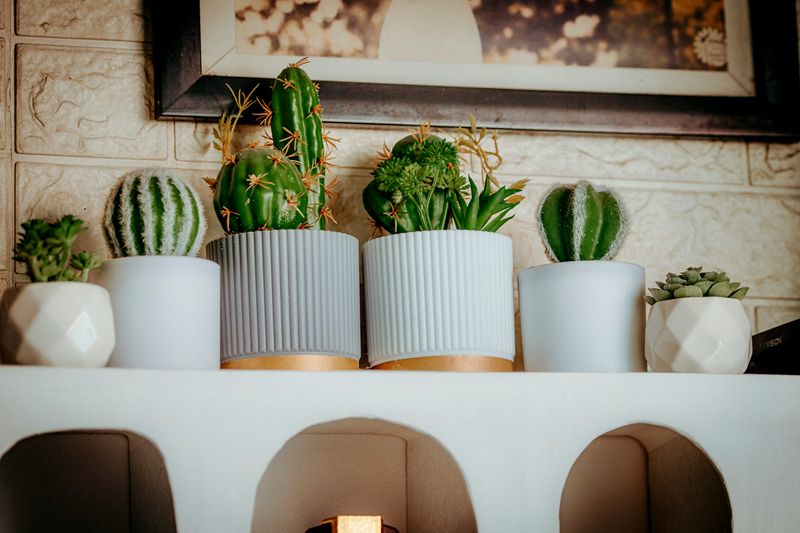
Temperature plays a much bigger role in succulent and cactus health than most people realize. These plants evolved in environments where daytime heat and nighttime coolness create a natural rhythm.
Mimicking that rhythm indoors helps them grow stronger.
During Texas spring, daytime indoor temperatures between 70°F and 85°F are ideal. Most Texas homes fall right in that range once the weather warms up, which works in your favor.
The challenge comes from air conditioning vents and drafty windows, which can create cold spots that stress your plants unexpectedly.
Keep your succulents and cacti away from AC vents, which can blast cool air directly onto leaves and cause discoloration or stunted growth.
South-facing rooms in Texas homes tend to stay warmer and brighter throughout the day, making them excellent spots for plant shelves.
If nighttime temperatures near your windows drop below 50°F during early spring cold snaps, move your pots a few feet inward.
Texas weather is known for surprising temperature swings, even in March and April, so staying flexible with plant placement is a smart habit to build from the start of the season.
3. How Much Sun Is Too Much For Succulents And Cacti
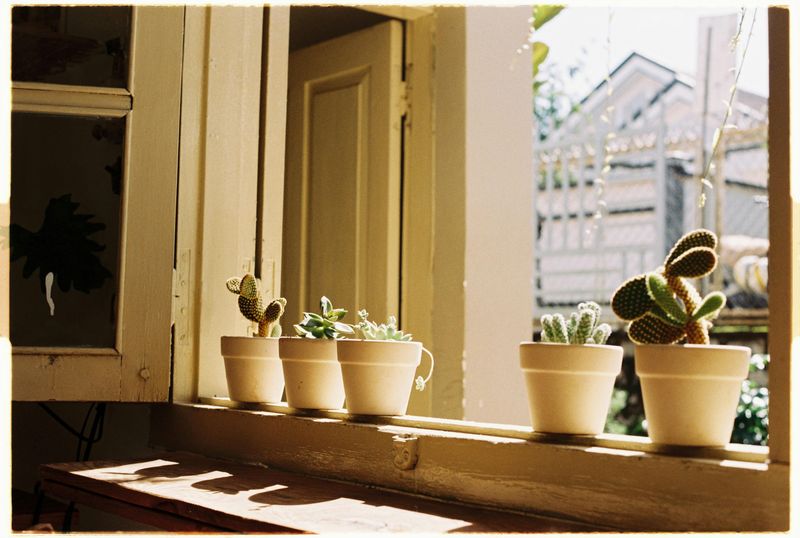
Sunlight is one of the most misunderstood parts of indoor succulent care. People often assume that because these plants come from hot deserts, they can handle any amount of direct sun indoors.
That assumption can lead to scorched leaves and stressed plants, especially in Texas, where spring sun intensity ramps up quickly.
Most succulents and cacti do best with four to six hours of bright, indirect light each day. A south-facing or west-facing window in a Texas home is usually a solid choice.
However, glass intensifies sunlight, meaning the rays hitting your plants through a window are stronger than they might seem.
During late spring in Texas, that can become a problem for sensitive varieties like Echeveria or Haworthia.
Watch for signs like white or tan patches on leaves, which indicate too much direct exposure. Rotating your pots a quarter turn every week ensures all sides receive even light and prevents lopsided growth.
If your home does not get enough natural light, full-spectrum grow lights are a reliable alternative. Set them on a timer for about twelve hours a day to simulate natural spring daylight.
Getting the light balance right is one of the most rewarding adjustments you can make for your plants.
4. Are You Overwatering? Here’s How To Get It Just Right
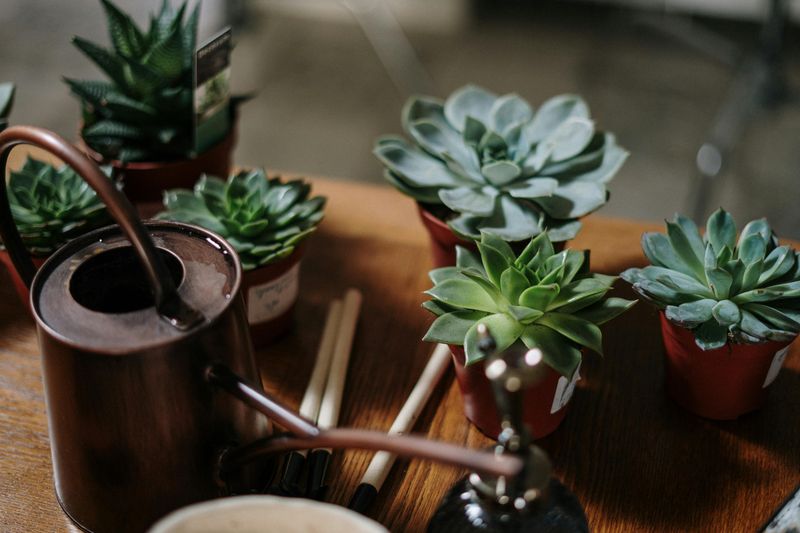
Overwatering is the number one reason indoor succulents and cacti struggle, and Texas spring weather can make it even trickier to get right.
As temperatures rise and humidity shifts, your plants start drinking more, but that does not mean they need water every few days.
The best method is the soak-and-dry approach. Water your plants thoroughly until water flows out of the drainage holes, then wait until the soil is completely dry before watering again.
During spring in Texas, that cycle typically lands somewhere between every seven and fourteen days, depending on pot size, soil type, and how much sunlight the plant receives.
Stick your finger about an inch into the soil before each watering session. If you feel any moisture at all, hold off for a few more days.
Terracotta pots are helpful because they allow soil to dry out faster than plastic or ceramic containers. Yellow, mushy, or translucent leaves are classic signs that a plant has received too much water.
On the flip side, wrinkled or shriveled leaves suggest the plant is thirsty.
Learning to read these signals takes a little practice, but once you get it, watering becomes one of the easiest and most satisfying parts of plant care in Texas.
5. The Secret To Choosing Soil Your Plants Will Love
Soil might not be the flashiest topic in plant care, but it is absolutely foundational.
Succulents and cacti have roots that are highly sensitive to excess moisture, so the wrong soil mix can cause problems that no amount of careful watering can fix.
The good news is that the right mix is easy to put together. Standard potting soil holds too much water for these plants.
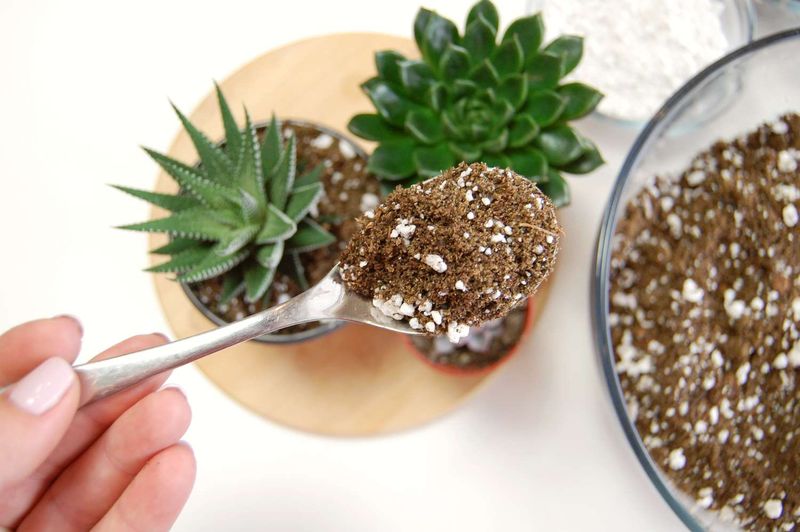
A better option is a mix made from one part quality potting soil, one part perlite or pumice, and one part coarse sand or fine gravel.
This combination drains quickly, allows air to reach the roots, and dries out at a pace that suits desert plants perfectly.
Many Texas garden centers carry pre-made cactus and succulent mixes, which are a convenient starting point you can further amend with perlite.
Avoid soils that contain added moisture-retaining crystals or heavy amounts of peat, as these can stay wet for far too long in Texas spring conditions.
When repotting, always start fresh with new soil rather than reusing old mix that may have compacted or lost its drainage ability over time.
Good soil is the foundation of a healthy plant, and investing a little time in getting it right pays off through the entire growing season.
6. Keeping Pests Away Before They Become A Problem
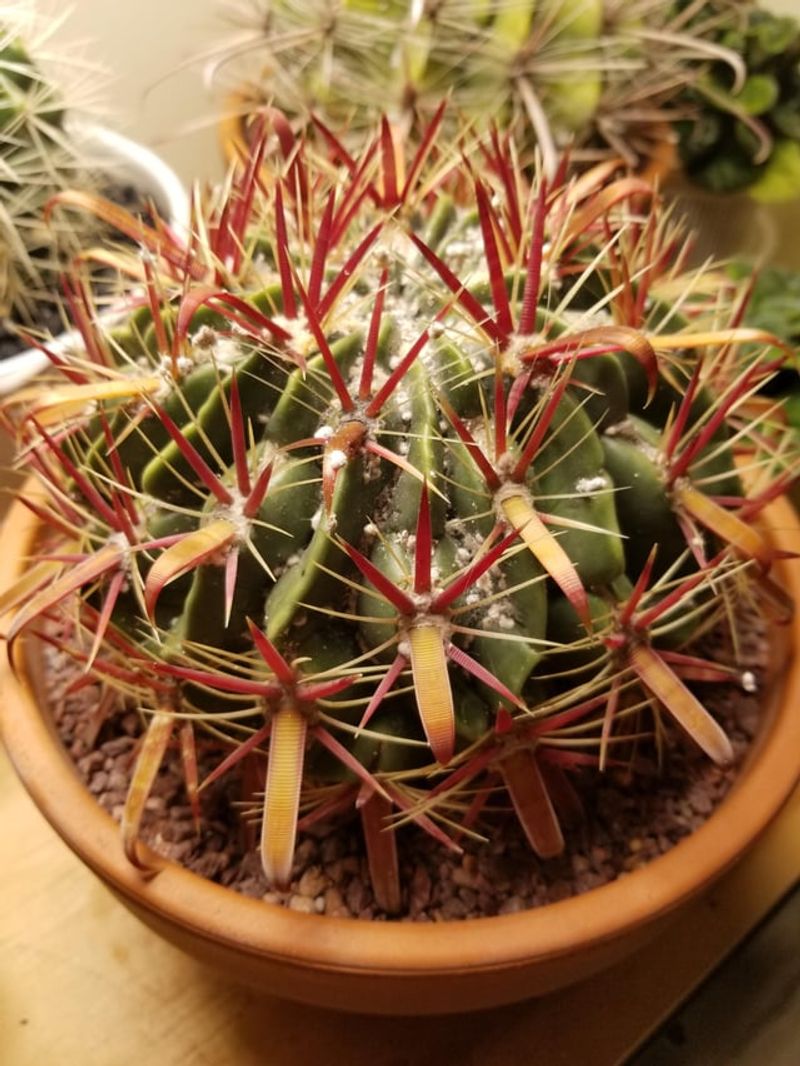
Spring warmth does not just wake up your plants, it also stirs up pests.
Mealybugs, spider mites, and fungus gnats are among the most common invaders for indoor succulents and cacti in Texas, and catching them early makes a huge difference in how quickly you can get the situation under control.
Mealybugs look like tiny white cotton clusters tucked into the joints and crevices of your plants. Spider mites leave fine webbing and cause leaves to look dull or stippled.
Fungus gnats hover around the soil surface and are a telltale sign of consistently moist soil, which is why proper watering habits directly support pest prevention as well.
A simple inspection routine goes a long way. Every week or two, flip leaves over, check the base of stems, and look along the soil line.
If you spot mealybugs, a cotton swab dipped in rubbing alcohol works well for spot treatment. Neem oil diluted in water is a gentle and effective spray for broader infestations.
Keeping plants clean and well-spaced also reduces the chances of pests spreading between pots.
In Texas, where warm spring air can encourage rapid pest reproduction, staying proactive is far easier than dealing with a full-blown infestation later.
7. Is It Time For A Bigger Pot? Here’s How To Tell
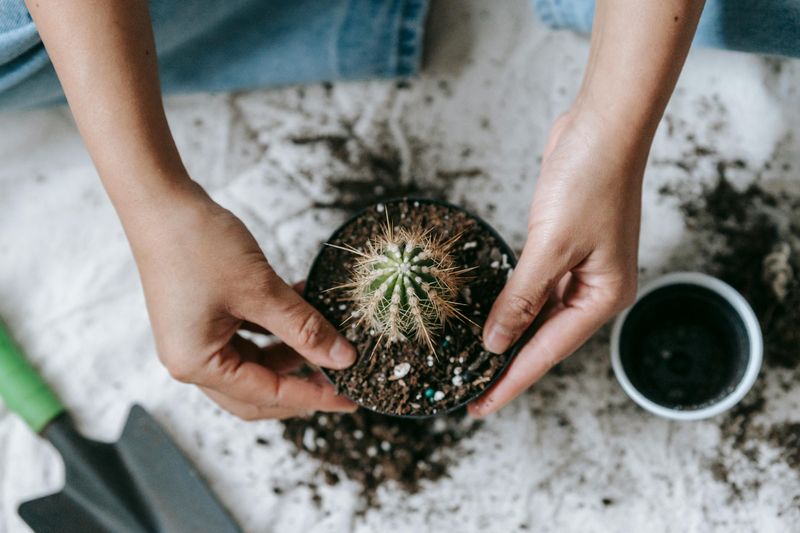
Spring is the ideal season for repotting succulents and cacti, and Texas gardeners have a natural advantage because the warming temperatures encourage roots to settle into new containers quickly.
But how do you know when a plant actually needs more space?
The most obvious sign is roots growing out of the drainage holes at the bottom of the pot. Another clue is a plant that tips over easily because it has grown too top-heavy for its container.
Some succulents will also stop producing new leaves or look crowded when multiple offsets have filled up the available soil space. These are all signals that it is time for an upgrade.
When choosing a new pot, go only one size up, which usually means about one to two inches larger in diameter.
Jumping to a much bigger pot is tempting, but it leaves too much soil around the roots, which holds moisture longer and increases the risk of root rot.
Always make sure the new pot has drainage holes. After repotting, wait about a week before watering to give any damaged roots time to heal.
Spring repotting sets your plants up for a full season of healthy growth, and it is one of the most satisfying tasks you can do as a Texas plant parent.
8. Do Succulents And Cacti Need Fertilizer In Spring
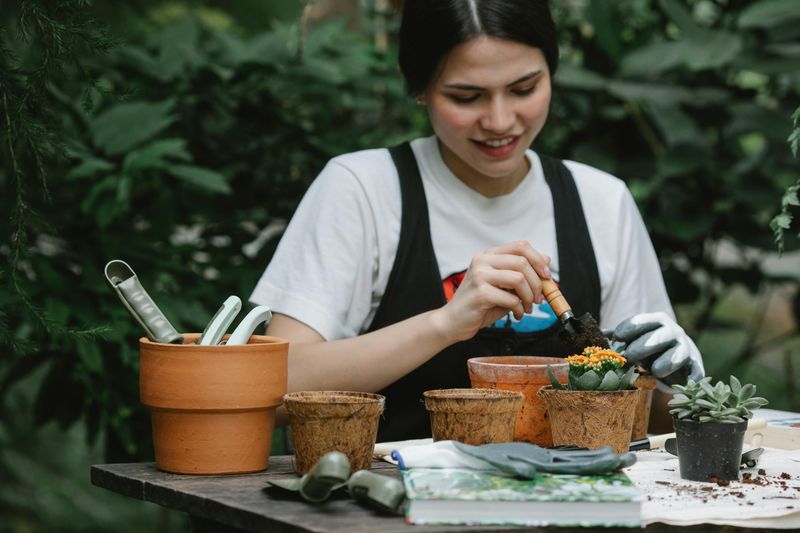
Fertilizing is one of those topics that confuses a lot of new plant owners. Succulents and cacti have a reputation for being low-maintenance, which leads some people to assume they never need any nutrients added to their soil.
In reality, a light feeding during spring can genuinely boost growth and even encourage blooming in some species.
Spring is the right time to start fertilizing because your plants are actively growing and can actually use the extra nutrients. A balanced liquid fertilizer diluted to half the recommended strength works well for most succulents.
For cacti, look for a formula higher in phosphorus, which supports root development and flowering.
Apply once a month from spring through early summer, then pause during the hottest Texas summer months when growth naturally slows.
Avoid over-fertilizing, as too many nutrients can cause weak, stretched-out growth that looks unhealthy and becomes more susceptible to pests.
Always fertilize after watering, not on dry soil, to prevent root burn.
Organic options like diluted worm castings or fish emulsion are gentler choices that release nutrients slowly over time.
In Texas, where spring growing conditions can be quite favorable, even a modest fertilizing routine can result in noticeably fuller, more vibrant plants by the time summer arrives.
9. Warning Signs Your Succulent Or Cactus Is Stressed
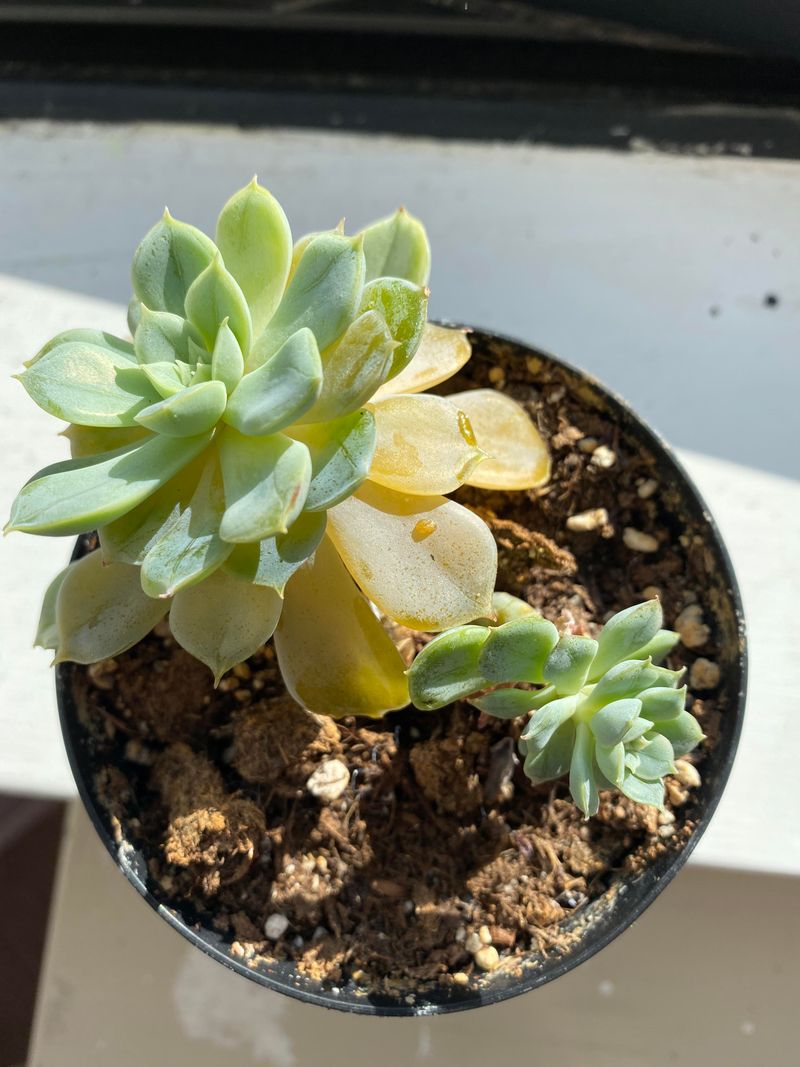
Plants cannot talk, but they absolutely communicate. Succulents and cacti send out clear visual signals when something is off, and learning to read those signals early can save a plant that might otherwise decline past the point of recovery.
Texas spring conditions, with their fluctuating humidity and unpredictable temperature swings, can create stress in even well-cared-for plants.
Yellowing leaves that feel soft or mushy usually point to overwatering or poor drainage. Leaves that shrivel or pucker while the soil is dry suggest the plant needs water.
A cactus that looks pale or leans dramatically toward a light source is not getting enough sun. Stretched, elongated growth, sometimes called etiolation, happens when a plant reaches for light it cannot quite find.
Brown, crispy leaf tips on succulents often mean the air is too dry or the plant received too much intense, direct sun through a window.
Sudden leaf drop can signal temperature shock, which is especially relevant in Texas where air conditioning can create dramatic indoor temperature changes in spring.
If you notice any of these signs, adjust one variable at a time rather than changing everything at once.
Patience and careful observation are the most valuable tools you have as an indoor plant caretaker in Texas.
10. Turning Your Home Into The Perfect Little Desert Retreat
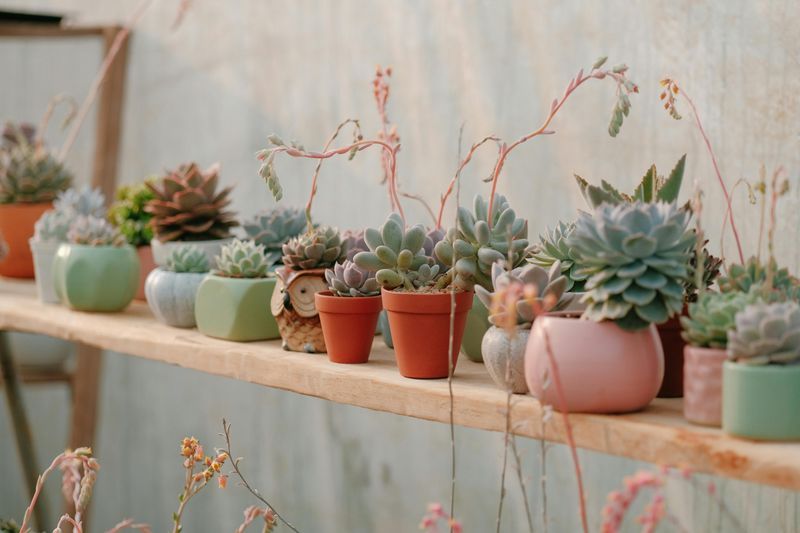
Growing succulents and cacti indoors is about more than just keeping plants alive. For many Texas homeowners, it is a chance to bring a little piece of the state’s stunning natural landscape right into the living room.
With some thoughtful arrangement and the right accessories, your indoor plant setup can become a genuinely beautiful desert-inspired retreat.
Group plants together in clusters of varying heights to create visual interest. Mix textures by pairing spiky cacti with smooth rosette-shaped succulents.
Terracotta pots, wooden trays, and white or sand-colored ceramics all complement the earthy tones of desert plants beautifully.
A collection of river stones or decorative gravel spread across the soil surface adds a polished look while also helping reduce moisture evaporation.
Think about how natural light moves through your space throughout the day and use that to guide where you place your most light-hungry plants. Open shelving near south or west-facing windows makes a stunning display that also keeps plants healthy.
Adding a few native Texas plants to your collection, such as small specimens of Agave or Aloe, deepens the regional connection. Creating a cohesive indoor desert space does not require a big budget or a perfectly designed home.
It just takes curiosity, care, and a genuine love for the remarkable plants that call Texas home.