How To Care For Your Succulent Terrarium In Arizona
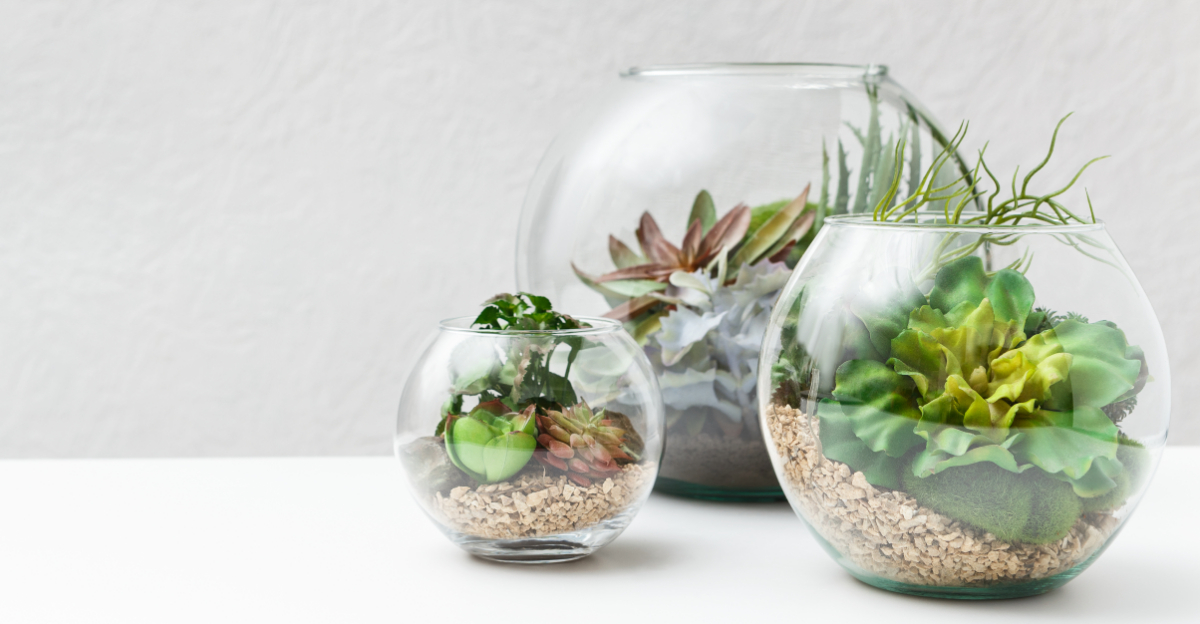
Arizona’s sun-drenched days can make gardening outdoors tricky, but bringing a little green inside with a succulent terrarium offers a simple, satisfying way to connect with plants. Many of us recall past attempts at indoor gardening that ended in overwatering or wilting leaves.
Succulent terrariums are perfect for windowsills or sunny counters, offering beauty without the fuss of a full garden.
With the right soil, controlled watering, and careful placement, these tiny landscapes flourish and add charm to your home.
They respond well to Arizona’s bright light and indoor warmth, giving gardeners a rewarding, hands-on project without demanding hours of work each week.
When sunlight hits just right and your succulents begin to grow, it’s clear these miniature gardens bring life to any space. Observing them thrive creates a playful, living display ready to brighten every room it touches.
1. Pick Succulents That Love Arizona Sun
Not every succulent is built the same, and choosing the right varieties for Arizona’s blazing temperatures and dry air can mean the difference between a thriving terrarium and a struggling one. Lucky for you, Arizona’s desert climate actually mirrors the natural habitat of many popular succulents, so you have plenty of great options to work with.
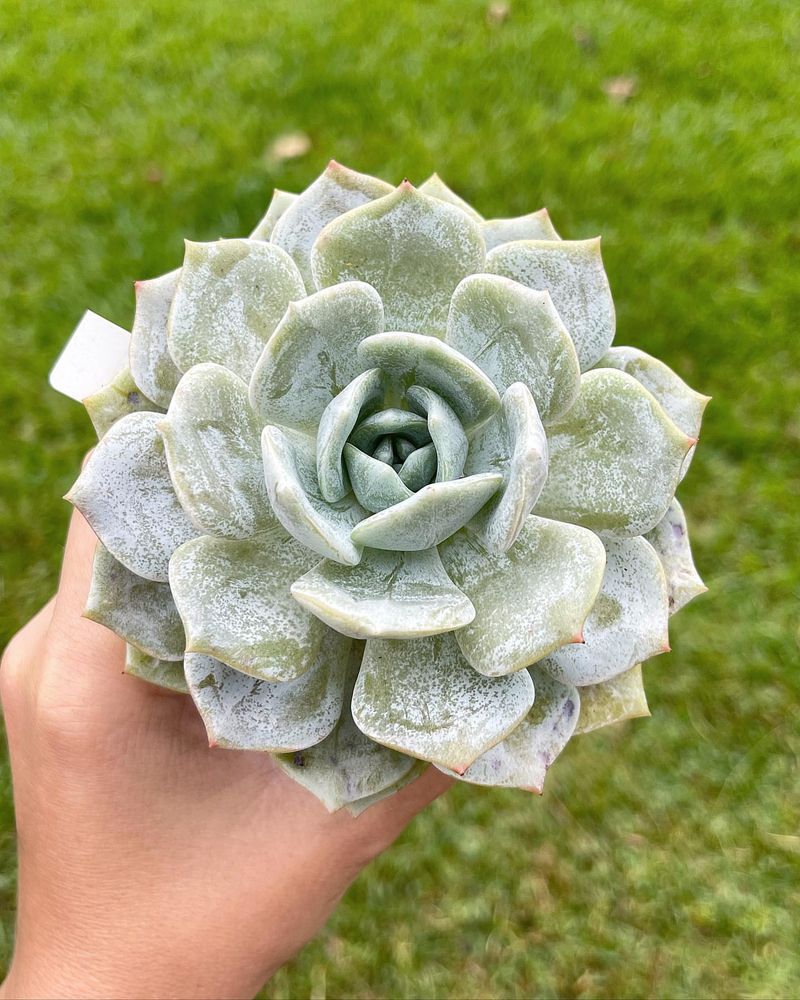
Echeveria is one of the most popular choices for indoor terrariums in Arizona. Its rosette shape and waxy leaves hold moisture well, making it perfectly suited for the low-humidity conditions found throughout the state.
Haworthia is another excellent pick because it tolerates lower light levels, which is helpful if your home does not always get bright natural sunlight.
Aloe vera is a classic Arizona favorite that is both beautiful and practical. It grows well in warm indoor environments and is famously tough.
Sedum varieties are also worth considering because they come in so many shapes and colors, giving your terrarium a fun, layered look.
When shopping for succulents in Arizona, try to visit local nurseries rather than big-box stores. Local growers often stock plants adapted to the regional climate, which may make them more resilient when brought indoors, though care requirements inside a terrarium still differ from outdoor conditions.
Mixing two or three different varieties together creates visual interest while keeping care requirements similar across all your plants. Always check that the varieties you choose have matching sunlight and watering needs before planting them together in the same container.
2. Choose A Container That Drains Fast
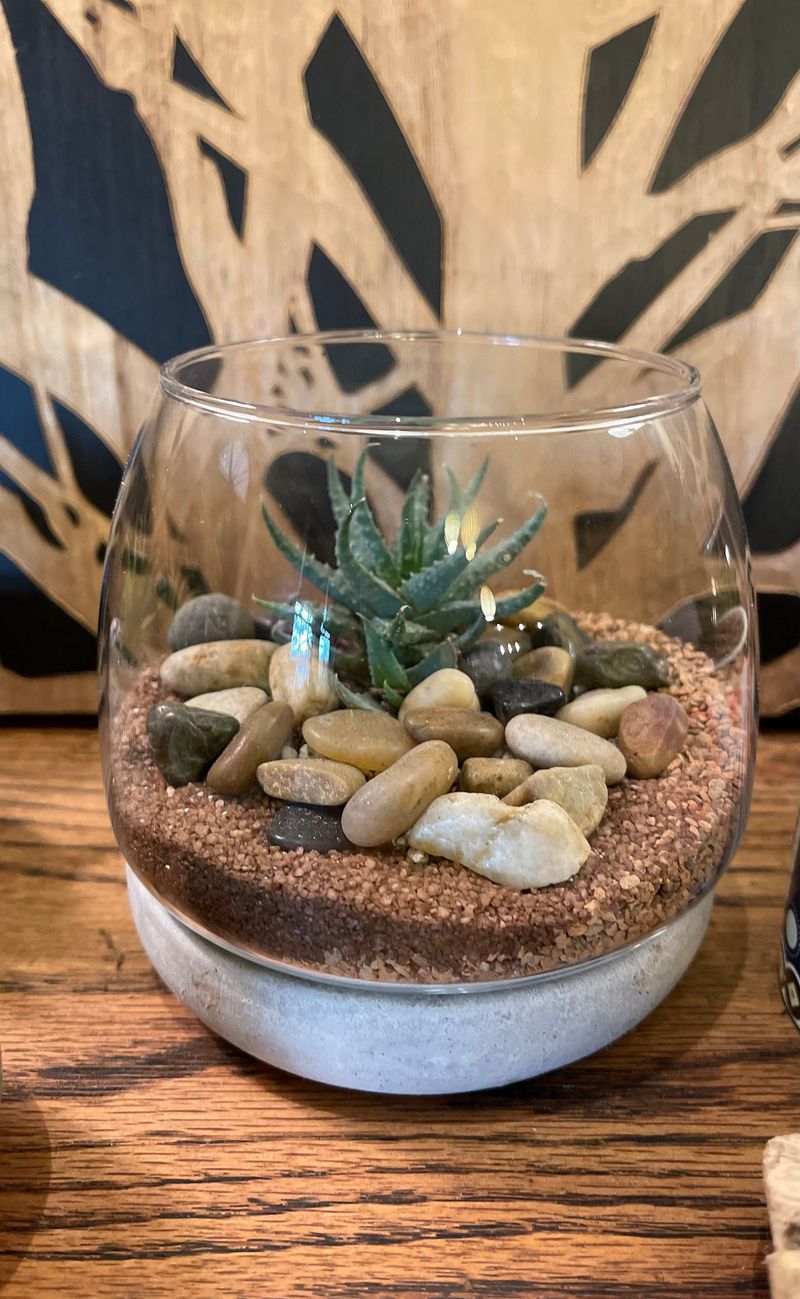
Ask any experienced plant enthusiast in Arizona, and they will tell you that the container you choose is just as important as the plants inside it. Succulents are sensitive to standing water, and in warm conditions trapped moisture increases the risk of root rot, so excellent drainage and careful watering are essential.
Open terrariums are far better suited for succulents than closed ones. A closed container traps humidity and slows evaporation, which works well for tropical plants but spells trouble for moisture-sensitive succulents.
An open glass bowl, a wide-mouthed jar, or a geometric glass frame terrarium all allow air to circulate freely around your plants.
Drainage holes are ideal, but many terrarium-style containers do not come with them. If yours lacks drainage holes, you can create a false drainage layer at the bottom using small pebbles, activated charcoal, and coarse sand.
This layering system helps excess water move away from the roots and reduces the risk of rot significantly.
The size of the container matters too. A container that is too small will crowd the roots and cause problems as the plants grow.
In warm indoor environments like many Arizona homes, pests such as fungus gnats and mealybugs can emerge if soil stays damp, so monitoring and good hygiene help prevent infestations. Look for containers made from glass or unglazed ceramic, as these materials breathe better than plastic and help regulate moisture levels more naturally inside your terrarium.
3. Use Soil That Keeps Roots Happy
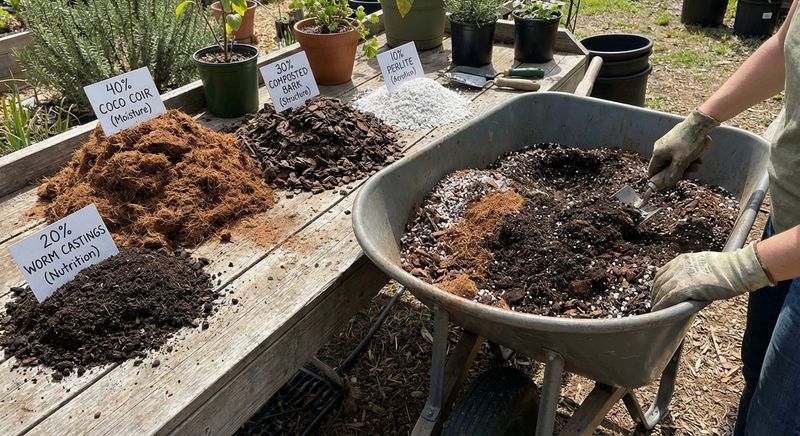
Soil might seem like a small detail, but getting it right is one of the most powerful things you can do for your succulent terrarium’s long-term health. Standard potting soil holds too much moisture for succulents, especially in Arizona where warm indoor temperatures can cause soil to stay damp longer than expected if the mix is too dense.
A proper succulent soil mix drains quickly and does not compact around the roots. Look for a commercial cactus and succulent potting mix at your local Arizona garden center.
These blends are specifically formulated to be gritty and fast-draining, which is exactly what your terrarium needs.
You can also make your own mix at home by combining regular potting soil with coarse sand and perlite in roughly equal parts. Perlite is a lightweight volcanic material that improves drainage and keeps the soil airy.
Coarse sand adds texture and prevents the mix from clumping together over time.
Adding a thin layer of activated charcoal beneath your soil layer is another smart trick for terrarium setups without drainage holes. Activated charcoal in terrarium layers can help reduce odors and improve drainage, though it is not a substitute for good soil mix and proper watering practices.
This is especially helpful in Arizona, where terrariums placed near windows can experience temperature swings that speed up bacterial activity in the soil. Refreshing the top layer of soil every six months to a year also helps maintain good structure and keeps your plants growing strong and healthy inside the terrarium.
4. Water Just Enough To Stay Safe
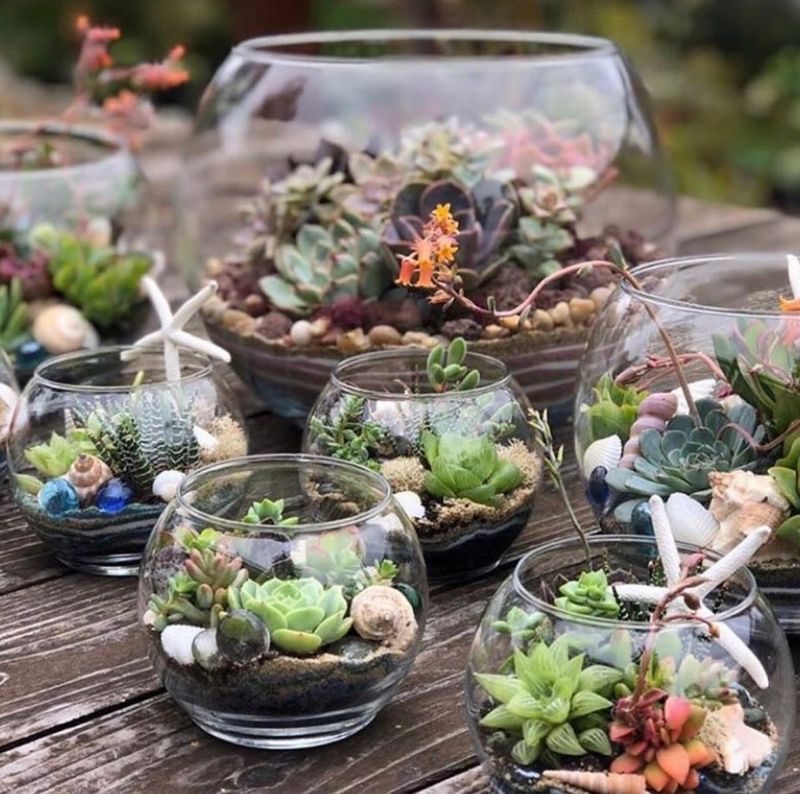
Overwatering is hands-down the most common mistake people make with succulent terrariums, and in Arizona’s warm climate, the consequences show up quickly. When succulents sit in wet soil for too long, their roots begin to soften and rot, which weakens the entire plant from the inside out.
A good rule of thumb for watering your Arizona terrarium is to let the soil dry out completely before adding any water at all. Depending on the season and how much sunlight your terrarium receives, this typically means watering every two to four weeks.
During Arizona’s hot summer months, the soil may dry more quickly in a terrarium, but watering frequency should always be guided by soil dryness rather than a fixed schedule.
Using a dropper, a small squeeze bottle, or even a turkey baster gives you precise control over where the water goes. Aim the water directly at the base of each plant rather than pouring it over the leaves.
Wet leaves in a warm Arizona environment can lead to sunburn spots or encourage mold growth inside the terrarium.
One helpful trick is to stick a dry wooden chopstick about an inch into the soil. If it comes out clean and dry, it is safe to water.
If it comes out with damp soil clinging to it, wait a few more days before checking again. Keeping a simple watering log or setting a reminder on your phone can also help you build a consistent schedule and avoid accidental overwatering throughout the year.
5. Position Your Terrarium For Perfect Light
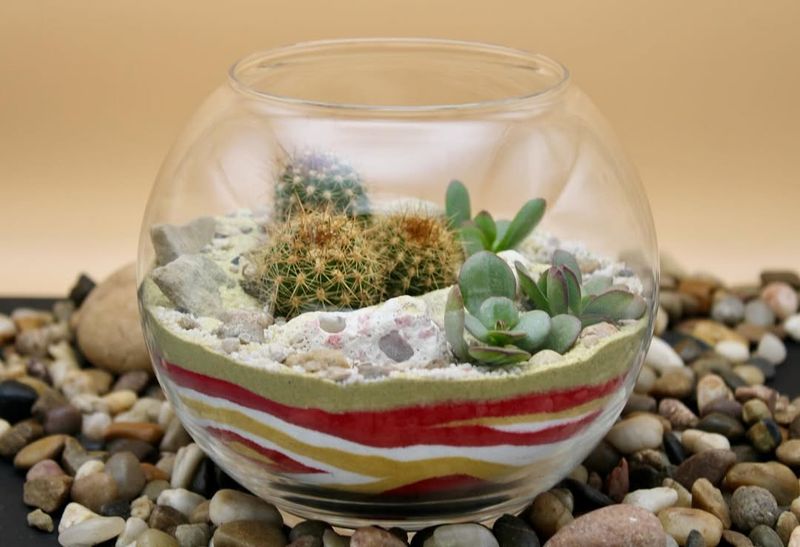
Sunlight in Arizona is no joke. The state gets more sunny days per year than almost anywhere else in the country, which is fantastic news for succulent lovers, but it also means you need to be thoughtful about exactly where you position your terrarium inside your home.
Succulents love bright light, but direct Arizona sun pouring through a window can actually scorch their leaves, especially when the glass of the terrarium acts like a magnifying lens. South‑ and west‑facing windows in Arizona can provide intense light that may scorch succulents; placing a terrarium slightly back from direct glass or filtering light can help protect plants while still offering brightness.
North-facing windows provide gentler, more diffused light that works well for shade-tolerant varieties like haworthia. East-facing windows offer soft morning sun that most succulents appreciate without the risk of leaf burn.
Rotating your terrarium every week or two ensures that all sides of your plants receive even light exposure and grow in a balanced, upright shape rather than leaning toward the light source.
If natural light is limited in your Arizona home, a full-spectrum grow light placed about six to twelve inches above the terrarium can fill in the gaps beautifully. These lights mimic natural sunlight and are especially useful during shorter winter days when even Arizona’s sunny skies can become less reliable.
Providing bright light, whether through natural exposure or supplemental grow lights for roughly ten to twelve hours per day, supports steady succulent growth without encouraging legginess.
6. Trim And Tend To Keep It Thriving
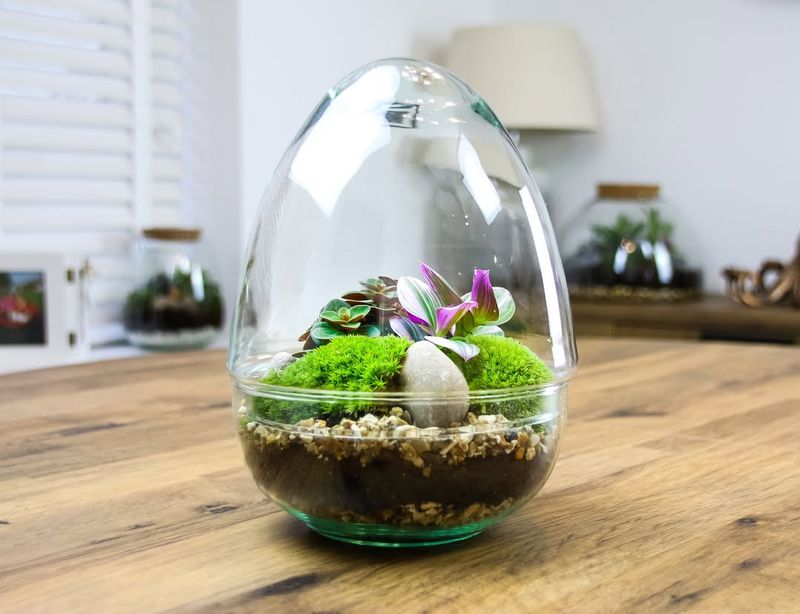
Keeping your succulent terrarium tidy is not just about looks. Removing old, dried-up leaves is actually one of the best habits you can build to maintain a healthy, long-lasting terrarium in Arizona’s warm environment.
Fallen leaves that sit on the soil surface can trap moisture and invite pests or mold, which spreads quickly in the enclosed space of a terrarium.
Most succulents naturally shed their lower leaves as they grow taller and produce new growth at the top. These dry, papery leaves are normal and nothing to worry about.
The key is to remove them promptly using a pair of small tweezers or your fingers, pulling them away gently from the base of the stem without tearing the healthy tissue underneath.
In Arizona, where warm indoor temperatures can be year-round, pests like fungus gnats and mealybugs tend to be more active than in cooler climates. Keeping the terrarium clean and free of decaying plant material dramatically reduces the chances of an infestation taking hold.
If you do spot small white fuzzy spots or tiny flying insects near your terrarium, act quickly by wiping affected areas with a cotton swab dipped in rubbing alcohol.
Light pruning of leggy stems is also helpful when your succulents start to stretch toward the light. Trimming back overgrown stems encourages fuller, more compact growth and keeps the overall shape of the terrarium looking neat and balanced.
A quick monthly check-up is all it takes to keep your Arizona succulent terrarium in beautiful shape throughout the entire year.