How To Create A Wildflower Meadow In Georgia And Why It Matters
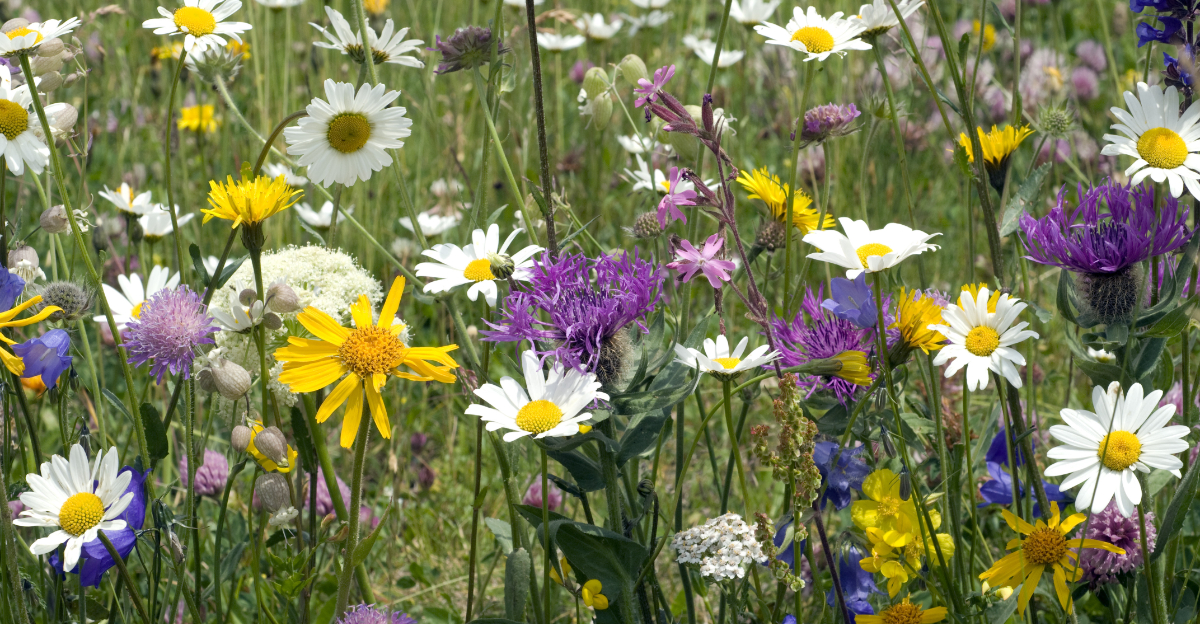
Grass alone can make a yard feel flat once summer arrives in Georgia. Wildflower meadows create a softer and more colorful look that changes throughout the season.
New blooms appear week by week, pollinators become more active, and the yard starts feeling less uniform without needing perfectly trimmed edges or carefully shaped flower beds.
Creating a meadow takes more preparation than many people realize at first. Existing grass often needs clearing before seeds can establish properly, and some wildflowers handle heat and humidity much better than others once summer temperatures rise.
Early growth can look uneven in the beginning. A few flowers bloom quickly while others spend more time developing roots before filling in later.
That gradual change is part of what gives wildflower meadows their layered appearance over time.
Well planned meadows continue shifting in color and texture as the season moves forward, which is one reason these plantings have started getting so much attention lately.
1. Choose A Sunny Area Before Scattering Seeds
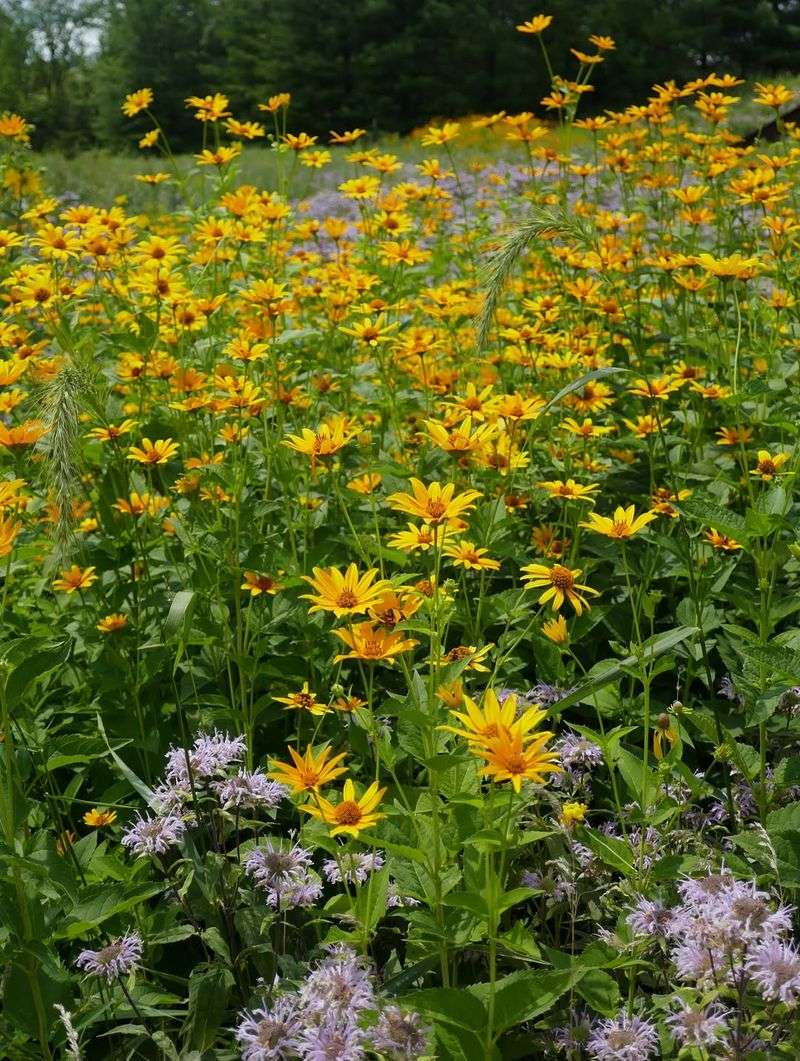
Sunlight is everything when it comes to wildflowers. Most native wildflower species need at least six to eight hours of direct sun each day to bloom well and stay healthy through the season.
Picking the wrong spot, even one with partial shade, can slow growth and reduce how many flowers actually open. Walk your yard at different times of the day before committing to a location.
Morning shade followed by afternoon sun is not the same as full midday exposure, and that difference matters more than most beginners expect. Watch for areas near trees or structures that might cast long shadows during peak hours.
Flat ground or a gentle slope works best for meadow planting. Steep slopes can cause seeds to wash away during heavy summer rains, which are common in many parts of Georgia.
A slight slope actually helps with drainage since wildflowers generally do not like sitting in soggy soil for long periods. South facing or east facing spots tend to get the most consistent light throughout the day.
Once you identify a strong candidate area, mark it out roughly and observe it for a few days before moving forward.
2. Remove Thick Grass Before Preparing The Soil
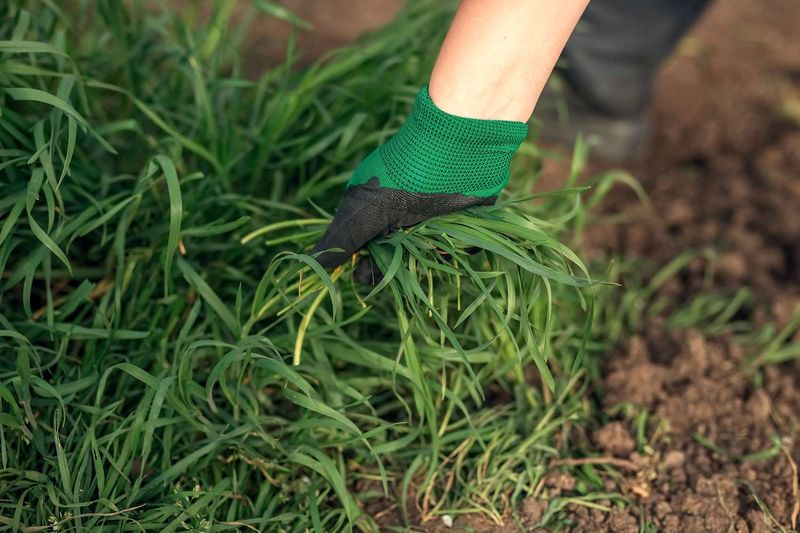
Grass is the number one reason wildflower seeds fail. Thick, established turf acts like a wall, blocking seeds from reaching soil and competing aggressively for nutrients and moisture.
Before anything else gets scattered, that grass needs to come out completely. Smothering is one of the gentler removal methods available.
Lay cardboard or thick layers of newspaper directly over the grass, wet it down, and cover it with a few inches of topsoil or compost. Over several weeks, the material underneath breaks down and the grass weakens without digging.
Patience is required here, but the results are usually worth it. For faster results, manual removal with a flat spade or sod cutter works well on smaller plots.
Cut the sod into manageable sections and roll it back, roots and all. You want to expose bare, workable soil underneath.
Your Georgia Garden Changes Every Week. Your Plan Should Too.
Gardening in Georgia changes quickly throughout the season. Every Friday you’ll receive a simple weekly plan showing exactly what to plant, prune, fertilize, harvest, and protect so you never miss the right timing.
Avoid tilling too deeply, since disturbing lower soil layers can bring up dormant weed seeds that will compete with your wildflowers later on. After clearing, rake the surface lightly to break up clumps and create a loose, even seedbed.
Heavy fertilizer is not necessary at this stage. Native wildflowers generally prefer lean soil and can struggle in overly rich ground, producing more leafy growth than blooms.
3. Use Wildflower Mixes Suited To Local Conditions
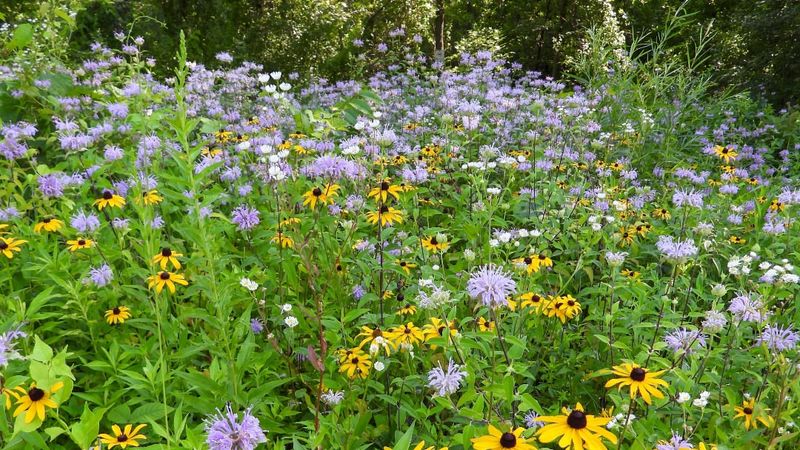
Not every wildflower seed packet sold at a garden center is right for Georgia.
Some mixes are formulated for the Pacific Northwest or the upper Midwest, and those species often struggle with the heat, humidity, and soil conditions found across much of the Southeast.
Reading the label carefully before purchasing makes a real difference. Look for mixes that specifically mention southeastern native species.
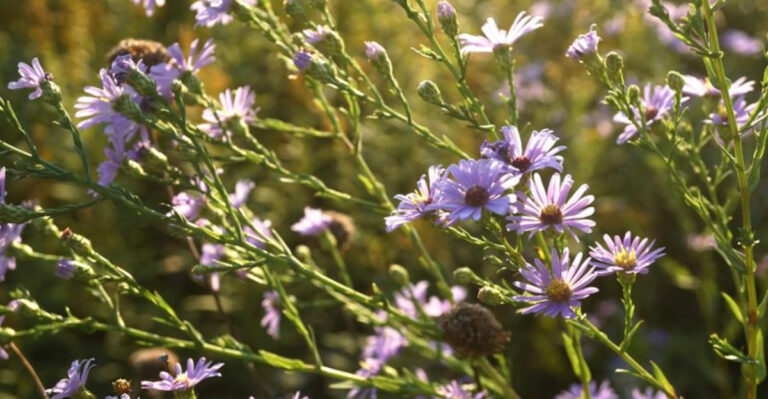
Black-eyed Susans, purple coneflowers, native blue mistflower, partridge pea, and lance-leaved coreopsis are all reliable performers in many parts of the state.
These plants evolved in this region and are naturally adapted to summer heat, occasional drought, and the red clay soils common across central and northern areas.
Coastal and southern regions have slightly different conditions, with sandier soil and heavier humidity. Blanket flower, tickseed, and native sunflowers usually handle those conditions well.
Choosing species matched to your specific growing area gives your meadow a much stronger start than relying on a generic national blend. Annual wildflowers bloom during their first season, while perennials take longer to establish but return year after year.
Mixing both types gives quicker color while helping build a longer lasting meadow over time.
4. Scatter Seeds During The Best Planting Window
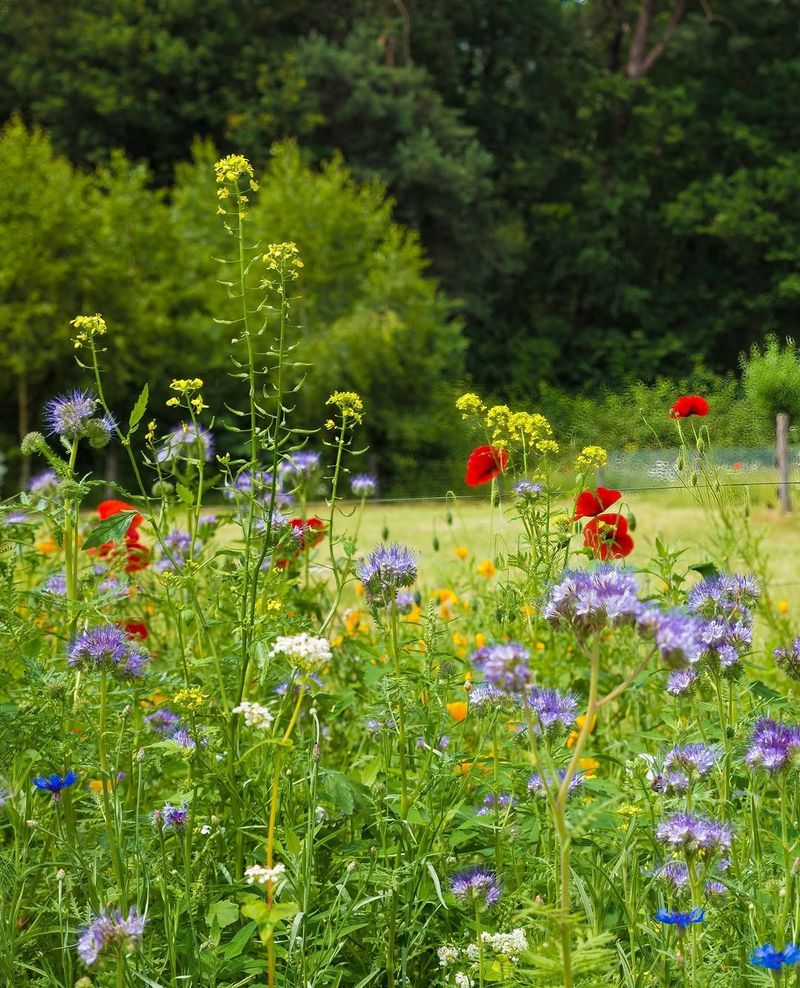
Timing matters more than most people realize when it comes to wildflower seeding. Scatter seeds at the wrong time of year and you might wait an entire season with little to show for it.
In Georgia, fall is usually the best planting window for most native wildflower species. Planting between mid October and late November allows seeds to go through a natural cold stratification period over winter.
Many native species actually need this chilling period to trigger germination once temperatures warm again in spring. Following the same cycle nature uses tends to produce much better results than rushing spring planting.
Spring seeding is still possible, but timing becomes more important. Aim for late February through March before soil temperatures rise too much.
Once summer heat settles in, newly germinated seedlings can struggle without regular watering and some protection from harsh afternoon sun. On planting day, mix wildflower seeds with dry sand at about a one to one ratio.
Sand helps spread the tiny seeds more evenly across the prepared area and makes it easier to see where seed has already been scattered.
After spreading, press the seeds lightly into the soil surface using a board or the flat back of a rake.
5. Water Young Seedlings Until Roots Become Stronger
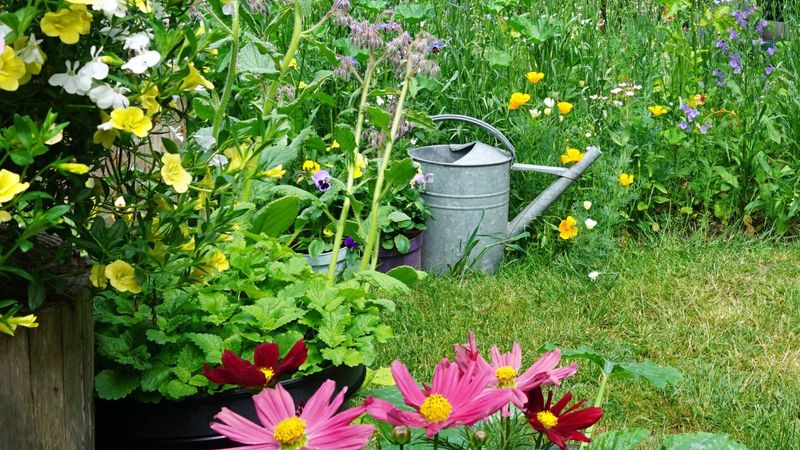
Seedlings are fragile, and the weeks right after germination are the most critical part of the entire growing process. Even drought tolerant native species need consistent moisture while their root systems are still developing.
Letting young plants dry out too soon can set the whole meadow back significantly. Water lightly but regularly during the first four to six weeks after germination.
A gentle spray from a watering can or a hose set to a mist setting works much better than a heavy stream, which can dislodge tiny seedlings from the soil surface.
Early morning watering is ideal since it gives foliage time to dry before evening, helping reduce fungal problems in Georgia’s humid climate.
In the warmer southern parts of the state, spring can shift into summer heat surprisingly fast. If soil starts drying out within a day or two during hotter stretches, increase watering frequency slightly instead of soaking the area heavily all at once.
Over time, deeper and less frequent watering encourages roots to grow downward, which helps improve drought tolerance later on.
Once plants reach around three to four inches tall and begin producing true leaves instead of just seed leaves, they become much more self sufficient.
6. Mow Carefully During The First Growing Season
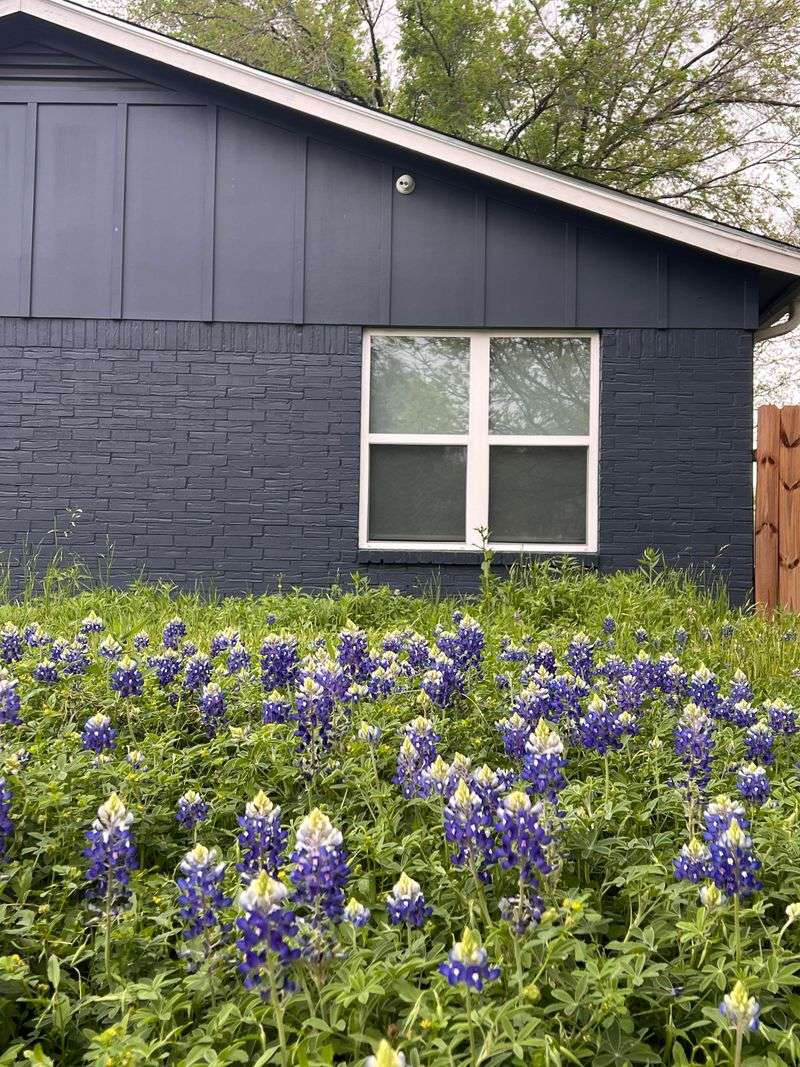
Mowing a wildflower meadow sounds counterproductive, but when done correctly during the first season it actually helps plants establish more successfully.
Weeds usually grow faster than wildflower seedlings early on, and one strategic mow can slow them down enough to give native plants a much better chance to settle in.
Set your mower blade to its highest setting, usually around four inches. Mow the entire seeded area once when weeds reach roughly eight to ten inches tall but before they begin producing seed.
Cutting at this height removes the tops of taller weeds without damaging most wildflower seedlings, which stay shorter and closer to the ground during early growth.
After that first mow, let the meadow continue growing without further cutting through the rest of the season.
Try not to mow again just because the area starts looking uneven or a little messy. Native wildflowers need time to build strong root systems, and repeated cutting during the first year can weaken plants before they fully establish.
In later years, a single annual mow in late winter is usually all an established meadow needs in Georgia.
7. Wildflower Meadows Help Support Pollinators And Wildlife
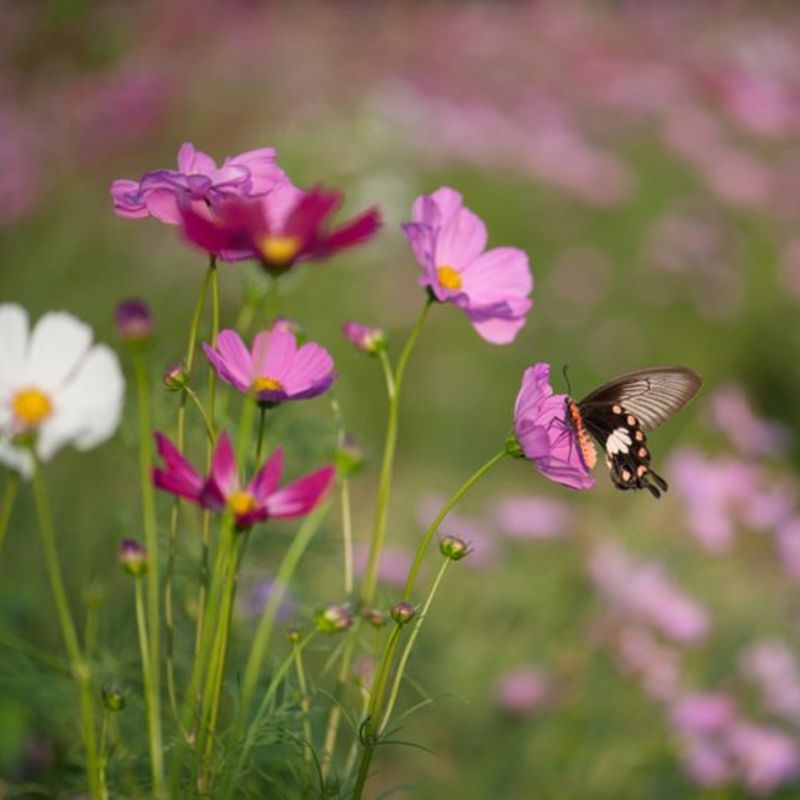
A wildflower meadow does far more than simply look beautiful.
In Georgia, native bee populations, monarch butterflies, and many other pollinator species face growing pressure from habitat loss and the spread of traditional lawns that provide very little food or shelter.
Even a small meadow can help change that in a meaningful way. Native wildflowers and native pollinators evolved together over thousands of years.
Plants like purple coneflower and partridge pea provide the exact pollen and nectar sources many native bees rely on, often in ways non native ornamental flowers cannot fully replace.
Yards with even small patches of wildflowers usually support noticeably higher pollinator activity compared to standard turf lawns.
Birds benefit as well, especially seed eating species like goldfinches and native sparrows. Leaving flower heads standing through fall and winter creates an important food source during months when natural options become harder to find.
Tall stems and thicker plant growth also provide nesting material and cover for ground nesting birds and small mammals. Beyond individual yards, connected patches of wildflower habitat across neighborhoods help create corridors where wildlife can move, feed, and reproduce more successfully.