These Are The North Carolina Garden Pests That Show Up Every June And How To Stop Them
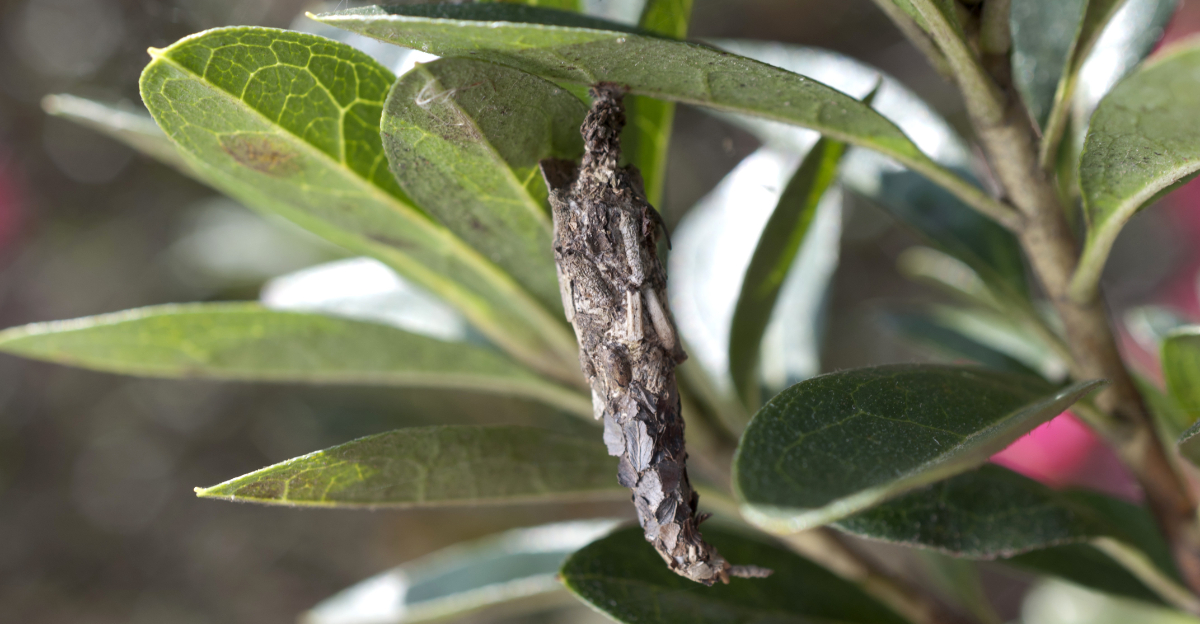
June brings reliable warmth to North Carolina gardens and, right alongside it, a predictable wave of pest activity that experienced gardeners know to expect.
The same insects and larvae that caused problems last June will show up again this year on roughly the same schedule, targeting the same crops and ornamentals they always do.
Knowing what is coming before it arrives is the most practical advantage a North Carolina gardener can have.
Early identification shortens the response time, and a fast response keeps damage contained before populations build into something harder to manage.
Several of the most damaging garden pests in North Carolina reach peak activity in June, and the steps that actually stop them are straightforward once you know what you are dealing with and when to act.
1. Squash Vine Borers
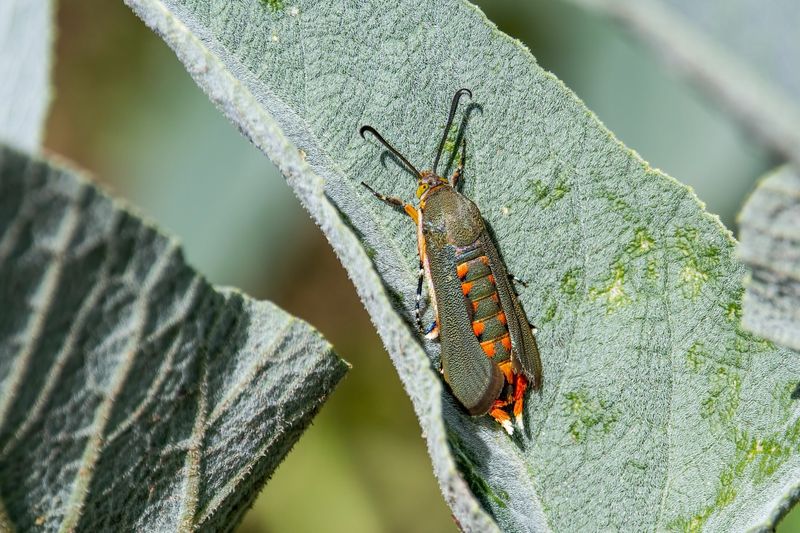
Something sneaky happens in North Carolina squash gardens every June, and most gardeners do not notice it until real damage is already done.
The squash vine borer, known scientifically as Melittia cucurbitae, is a moth whose larvae tunnel directly into the stems of Cucurbita spp. plants, including zucchini, yellow squash, and pumpkins.
Once inside, they feed on the inner stem tissue and block the flow of water and nutrients.
The first warning sign is sudden, dramatic wilting, even when the soil is moist. Look closely at the base of your squash stems and you may spot small entry holes surrounded by greenish or yellowish sawdust-like frass.
That frass is a telltale clue that larvae are already feeding inside. Adult moths become active in early summer when temperatures warm up consistently, and they lay their flat, reddish-brown eggs directly on stems near the soil line.
Catching eggs before they hatch is one of the best ways to stay ahead of this pest. Check stems every few days starting in early June.
Row covers placed over transplants right after planting are highly effective, but you must remove them when flowers appear so pollinators can do their job. Crop rotation also helps because it disrupts the overwintering cycle in the soil.
Try planting squash in a different bed location each year. Butternut squash tends to show more resistance than zucchini, so mixing varieties can also reduce overall plant losses during a heavy borer season.
2. Aphids
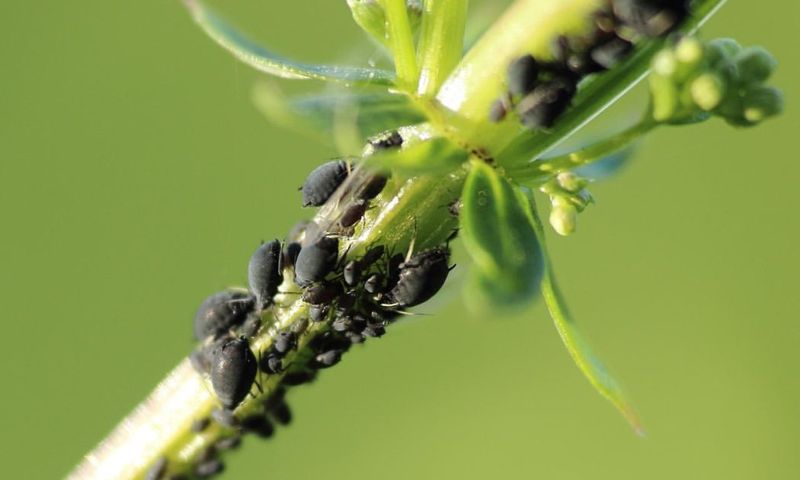
Tiny but seriously troublesome, aphids are one of the most common June garden problems across North Carolina. These soft-bodied insects from the family Aphididae gather in large groups on the undersides of leaves, sucking out plant sap and weakening stems over time.
Warm spring weather combined with lush, nitrogen-rich growth gives aphid populations everything they need to multiply at an astonishing rate.
Curled or puckered leaves are usually the first thing gardeners notice. Flip a leaf over and you will likely find clusters of small, pear-shaped insects in green, yellow, black, or even pink depending on the species.
Another clue is a sticky, shiny coating called honeydew on leaves or nearby surfaces, which can eventually lead to sooty mold growth.
Ants are actually a sneaky signal too. They farm aphids for that honeydew and will protect them from natural predators, so spotting a trail of ants marching up your plants is worth investigating.
Your North Carolina Garden Changes Every Week. Your Plan Should Too.
Gardening in North Carolina changes quickly throughout the season. Every Friday you’ll receive a simple weekly plan showing exactly what to plant, prune, fertilize, harvest, and protect so you never miss the right timing.
Ladybugs, lacewings, and parasitic wasps are natural enemies that help keep aphid numbers in check when given the chance.
A strong blast of water from a garden hose knocks aphids off plants quickly and is surprisingly effective as a first line of defense. Avoid over-fertilizing with high-nitrogen products because that produces the soft, tender growth aphids love most.
Insecticidal soap spray works well for heavier infestations and is safe for most beneficial insects when applied carefully in the early morning or evening hours.
3. Cucumber Beetles
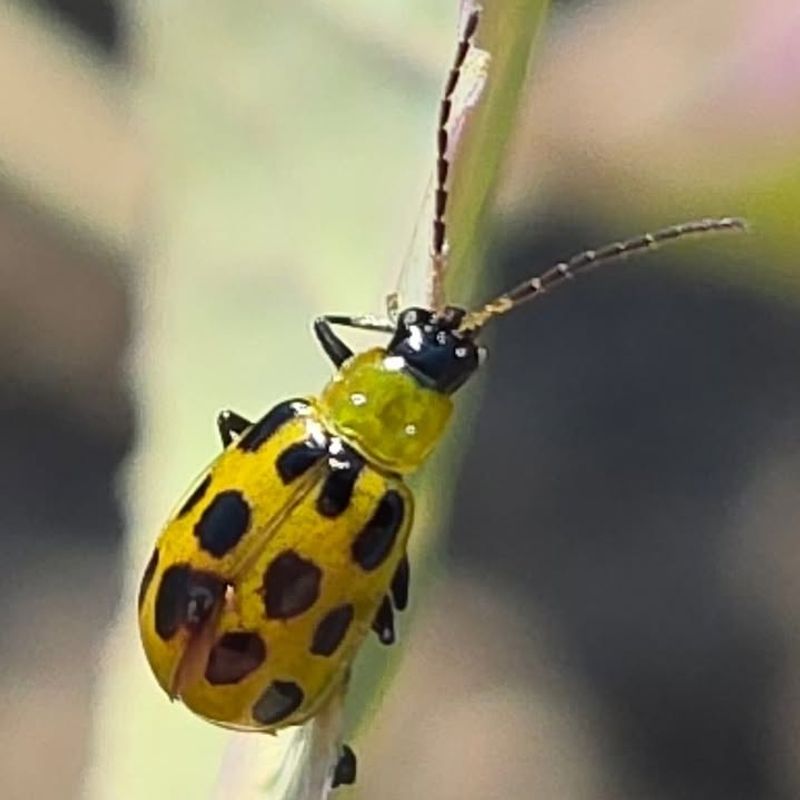
Few pests are as frustrating for North Carolina vegetable gardeners as cucumber beetles, and June is exactly when they move in fast.
Two species cause the most trouble: the striped cucumber beetle (Acalymma vittatum) and the spotted cucumber beetle (Diabrotica undecimpunctata).
Both target cucumbers, melons, and squash, feeding on leaves, flowers, and stems right when plants are hitting their stride.
Beyond the chewing damage, these beetles carry a much bigger threat. They spread bacterial wilt disease, caused by Erwinia tracheiphila, which spreads through their feeding and can cause entire Cucumis sativus plants to collapse within days.
Once bacterial wilt takes hold, there is no reversing it, which makes prevention far more important than reaction.
Row covers are one of the most reliable tools available to home gardeners. Place them over transplants or seedlings immediately after planting and keep them in place until flowers appear.
At that point, pollinators need access, so remove covers during bloom time and monitor closely for beetle activity each morning.
Yellow sticky traps help you track beetle populations and give you an early warning before numbers get out of hand. Crop rotation is also worth doing every season because cucumber beetles overwinter in garden soil and leaf debris.
Planting resistant varieties where available adds another layer of protection. For heavy infestations, kaolin clay applied to plant surfaces creates a physical barrier that makes it harder for beetles to feed and lay eggs without harming beneficial insects in the process.
4. Japanese Beetles
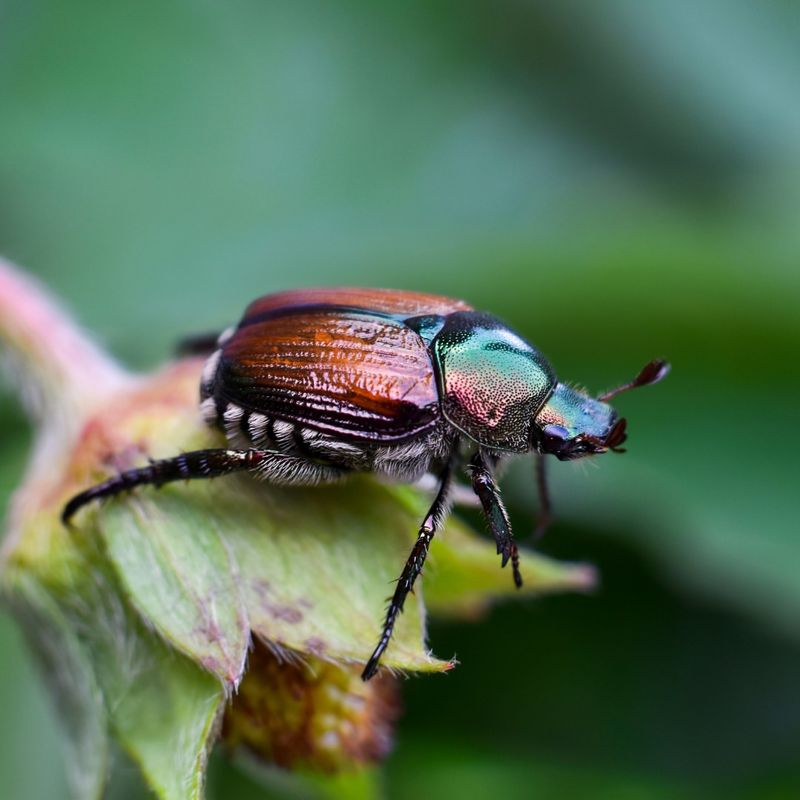
When Japanese beetles arrive in June, they are impossible to miss. Popillia japonica adults are shiny, copper-winged beetles with a metallic green head, and they show up in groups that can quickly strip the foliage right off roses, grapes, fruit trees, and ornamental shrubs.
The lacy, skeletonized leaves they leave behind are one of the most recognizable signs of insect damage in any North Carolina summer garden.
Adult beetles are most active during warm, sunny days, feeding heavily between late morning and early afternoon. They release aggregation pheromones as they feed, which actually signals other beetles to join in, turning a small problem into a large one surprisingly fast.
Early morning, when temperatures are cooler, is the best time to find them sitting still on plants.
Hand removal is one of the most effective strategies available, and it works better than many gardeners expect. Simply hold a container of soapy water beneath a beetle-covered branch and tap it gently.
Beetles drop straight down as a reflex and land right in the water. Doing this daily during peak season makes a noticeable difference over time.
Many gardeners reach for Japanese beetle traps, but research consistently shows that traps can actually attract more beetles into your yard than they capture. If you use them, place traps well away from the plants you want to protect.
Neem oil applied to foliage in the early morning acts as a feeding deterrent and is a practical organic option for managing moderate infestations on roses and ornamental plants throughout June.
5. Flea Beetles
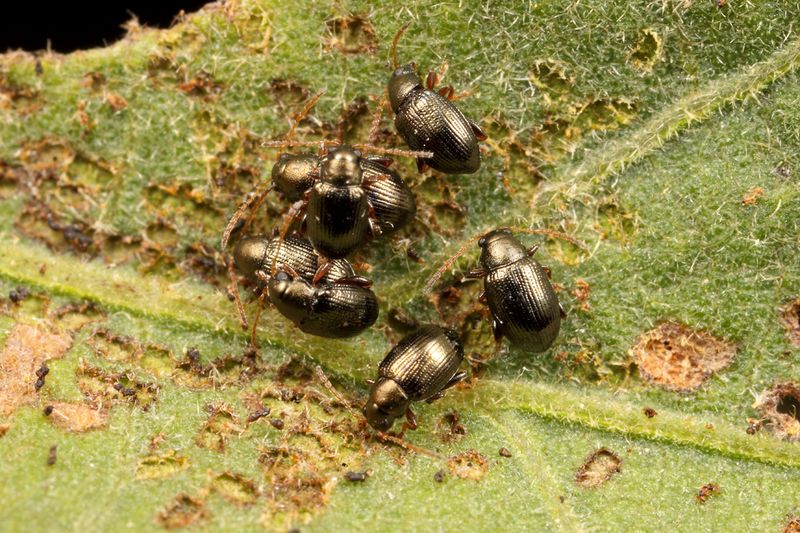
Walk past your eggplant on a warm June morning and you might notice the leaves look like someone took a tiny hole punch to them.
That is the signature of flea beetles, small jumping insects from the tribe Alticini that chew countless little holes through foliage in a pattern called shot hole damage.
Solanum melongena, or eggplant, is a favorite target, but tomatoes, peppers, and leafy greens also take a hit.
Flea beetles are fast and hard to catch in action. Touch a plant and they scatter instantly, leaping away like tiny fleas, which is exactly how they got their name.
Adults overwinter in garden soil and leaf litter, then emerge in spring and ramp up activity as June temperatures climb. Young transplants are especially vulnerable because the damage can seriously stunt their early growth.
Row covers placed right at transplanting time create a physical shield that keeps flea beetles off plants during the most vulnerable stage.
Once plants are established and growing strongly, they generally handle some feeding pressure much better without major setbacks.
Mulching around the base of plants also helps by creating a barrier that makes it harder for beetles emerging from the soil to reach stems.
Keeping plants well-watered and healthy is one of the most underrated strategies because vigorous plants outgrow flea beetle damage faster. Sticky yellow traps help monitor population levels throughout the season.
Diatomaceous earth sprinkled around the base of plants works as a natural deterrent, and kaolin clay applied to leaf surfaces reduces feeding by making plants less appealing to these persistent little pests.
6. Spider Mites
Hot, dry weather in June creates ideal conditions for one of the most overlooked garden threats in North Carolina.
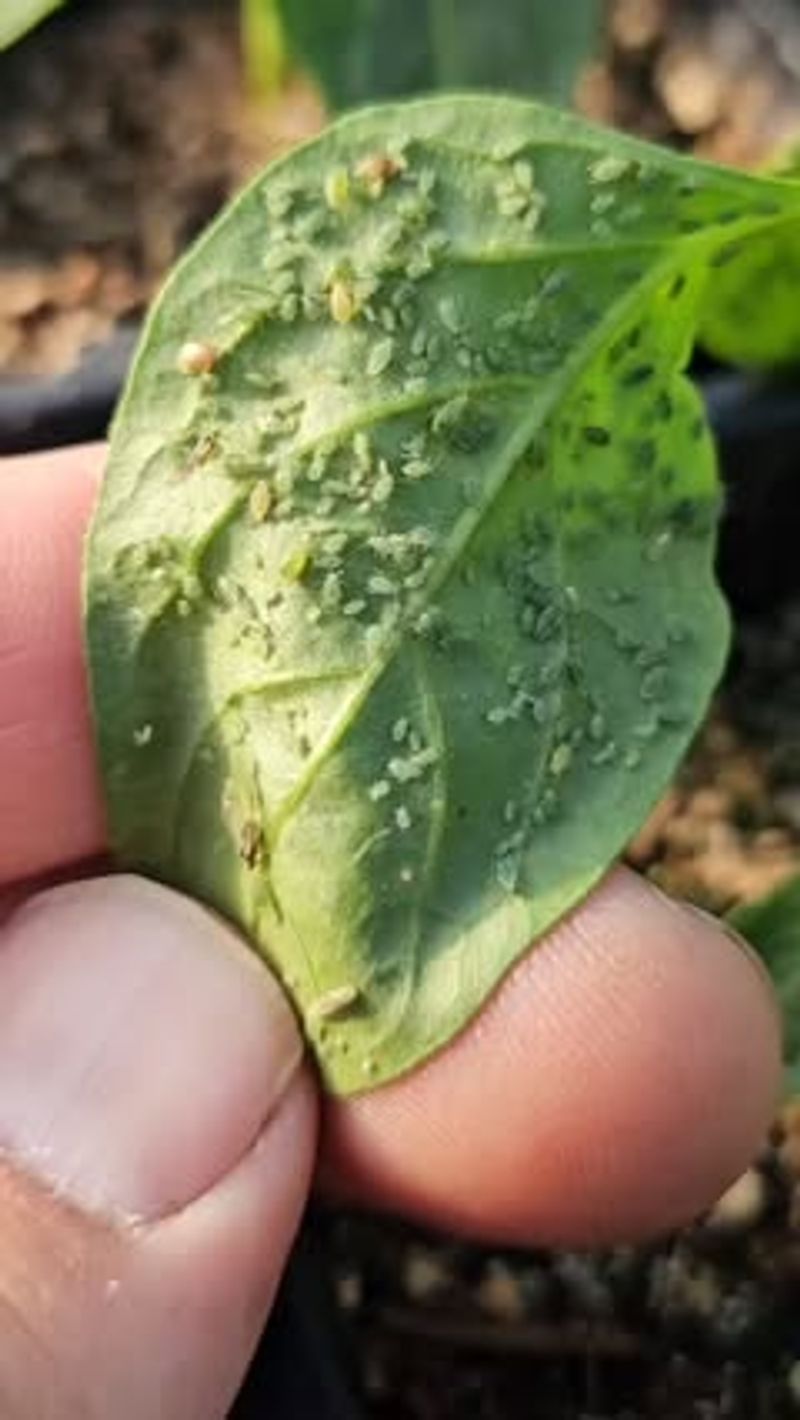
Spider mites, members of the family Tetranychidae, are not insects at all but rather tiny arachnids that feed on plant cells by piercing leaf tissue and draining the contents.
They are so small that most gardeners never actually see them, only the damage they leave behind.
Stippled, yellowish foliage is the classic warning sign. Hold a leaf up to the light and you will see a dusty, pale spotting pattern across the surface.
As populations grow, fine silky webbing appears between leaves and along stems, which is when infestations become harder to manage. Stressed, dry plants are far more attractive to spider mites than well-watered, healthy ones.
Consistent watering is genuinely one of the best preventive strategies available. Mites thrive when plants are struggling, so keeping soil moisture steady throughout June reduces plant stress and makes your garden much less inviting.
Overhead watering or misting foliage also raises humidity around plants, which mites strongly dislike.
Check the undersides of leaves regularly, especially on tomatoes, beans, cucumbers, and ornamental plants like roses and marigolds. A simple magnifying glass makes it easy to spot mite activity before it spreads.
For active infestations, insecticidal soap or neem oil applied directly to leaf undersides works well.
Avoid broad-spectrum pesticides during mite problems because they often wipe out predatory mites and beneficial insects that naturally keep spider mite populations balanced throughout the summer garden.
7. Bagworms
There is something almost camouflaged about bagworms, and that is exactly what makes them so easy to miss until real damage has already happened.
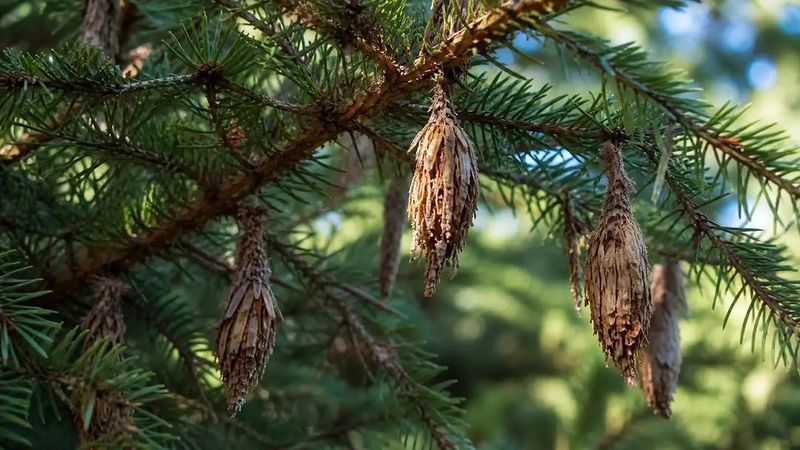
Thyridopteryx ephemeraeformis larvae construct small, spindle-shaped bags from silk and pieces of the host plant’s own foliage, making them blend in almost perfectly with branches.
By June, these bags are small and easy to overlook, but the feeding happening inside them is steady and relentless.
Arborvitae, Junipers, and Leyland Cypress are the most commonly affected plants in North Carolina landscapes, though bagworms will also feed on a wide range of deciduous trees and shrubs.
Each larva stays inside its bag throughout its entire development, dragging the bag along as it moves and feeds.
On dense evergreens, early infestations can go unnoticed for weeks while the damage quietly adds up branch by branch.
June is actually the best time to take action because the larvae are still small and much more vulnerable to control measures than they will be later in the summer. Walk around your evergreens carefully and inspect branches from the inside out.
Small bags, often just a half inch long at this stage, will be attached to twigs with silk threads and may look like tiny pine cone clusters.
Hand removal right now is extremely effective. Pull each bag off by hand and drop it into a bucket of soapy water, making sure to remove the silk attachment thread so it does not girdle the twig over time.
For larger or taller shrubs where hand removal is not practical, Bacillus thuringiensis (Bt) applied as a spray works very well on young larvae and is completely safe for birds, pollinators, and beneficial insects in the surrounding garden.