How To Fix A Leaning Palm Tree In Texas Without Root Damage
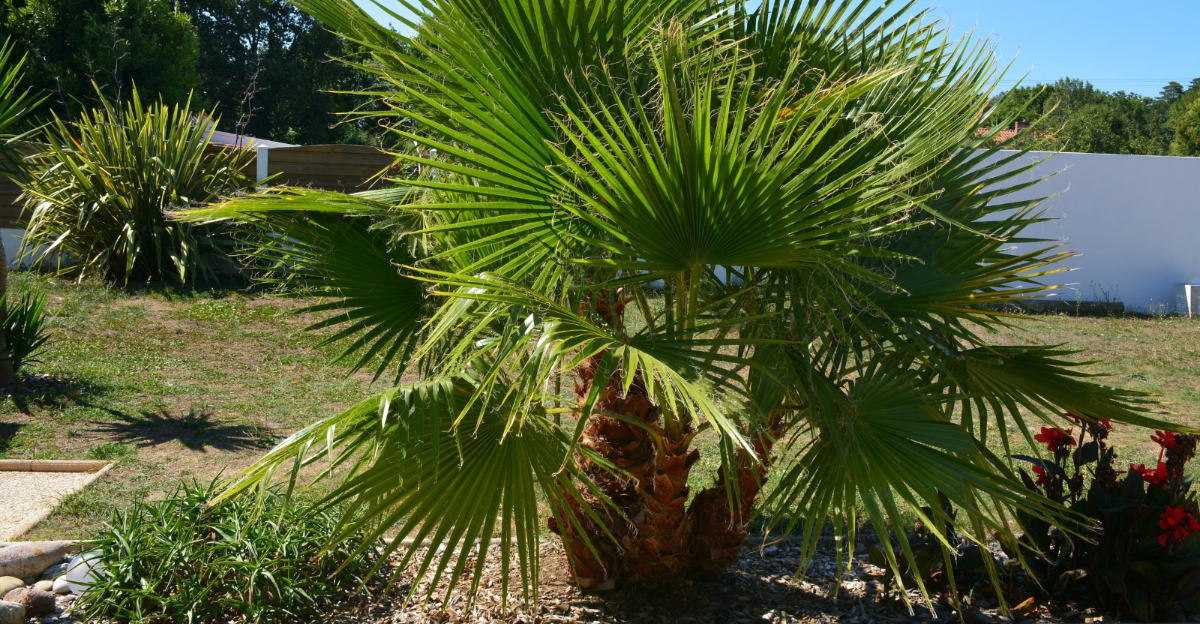
A leaning palm tree in a Texas yard instantly grabs attention, especially when everything else around it still looks perfectly planted and upright.
What starts as a slight tilt often worsens after storms, heavy rain, or sudden growth spurts common in warm Texas conditions.
Many homeowners freeze in uncertainty, unsure whether touching the tree will help or quietly make the situation worse.
Palms behave differently from shade trees, and their root systems respond poorly to rushed corrections.
Texas soil shifts, wind patterns, and watering habits all influence why palms lean and how they recover. Fixing the problem means working with those forces instead of fighting them.
Pulling or forcing a palm upright often creates stress below ground long before any damage becomes visible.
The real challenge lies in restoring balance while letting roots re-anchor naturally.
Handled the right way, palms can correct themselves over time without setbacks.
This is one of those situations where the method matters far more than speed, and small choices decide whether the palm stabilizes or continues drifting off-center.
1. Why Palm Trees Lean In Texas Landscapes
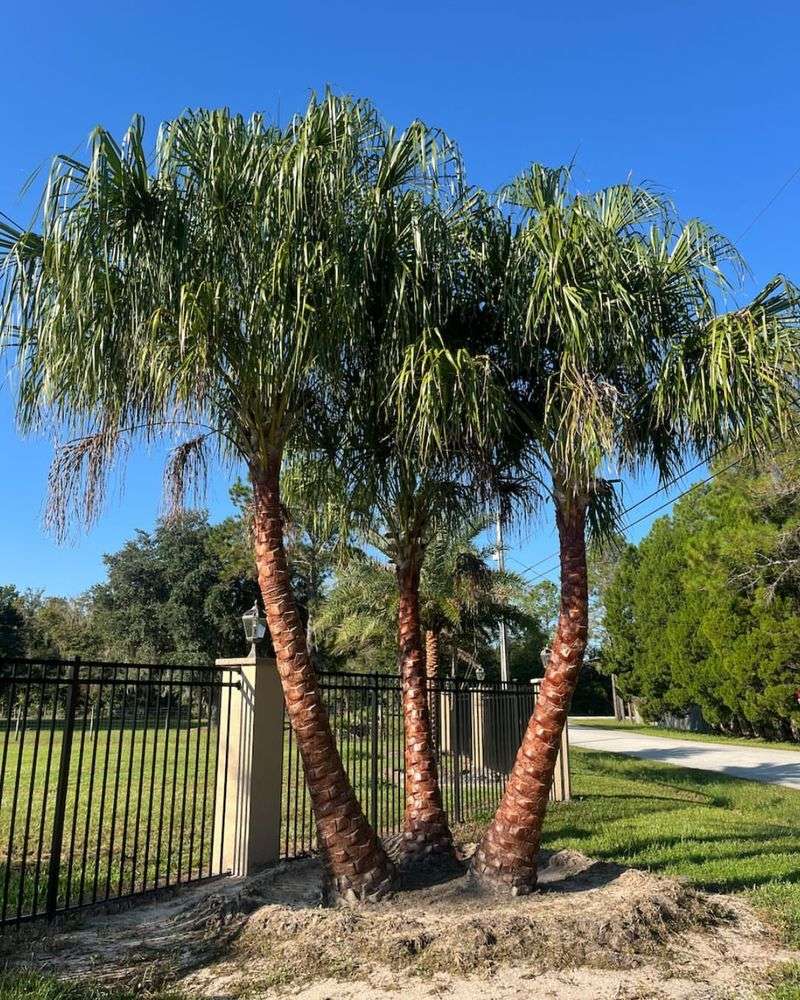
Strong winds across Texas often push young palms off balance before their root systems fully anchor them. Heavy rainfall softens the ground, making it easier for trunks to shift sideways under their own weight.
Uneven watering on one side encourages roots to grow more densely in certain areas, which pulls the tree in that direction over time.
Palms planted too shallow don’t establish a stable base, especially in sandy or loose Texas soils. Construction work or foot traffic near the trunk compacts soil unevenly, weakening support on one side.
Fast-growing varieties sometimes develop top-heavy crowns that lean toward sunlight if planted in partial shade.
Container-grown palms moved into the ground may retain their nursery lean if roots don’t spread evenly after transplant. Lawn equipment bumping the trunk repeatedly can gradually tilt a palm, particularly when it’s still young and flexible.
Recognizing these causes helps you address the root problem instead of just treating the symptom.
Texas landscapes vary widely, so soil conditions and weather patterns differ from region to region. Coastal areas face salt spray and hurricane-force gusts, while inland zones deal with clay soil and summer droughts.
Understanding your local environment makes correction strategies more effective and prevents future leaning issues from developing again.
2. Check Soil Moisture Before Correcting The Lean
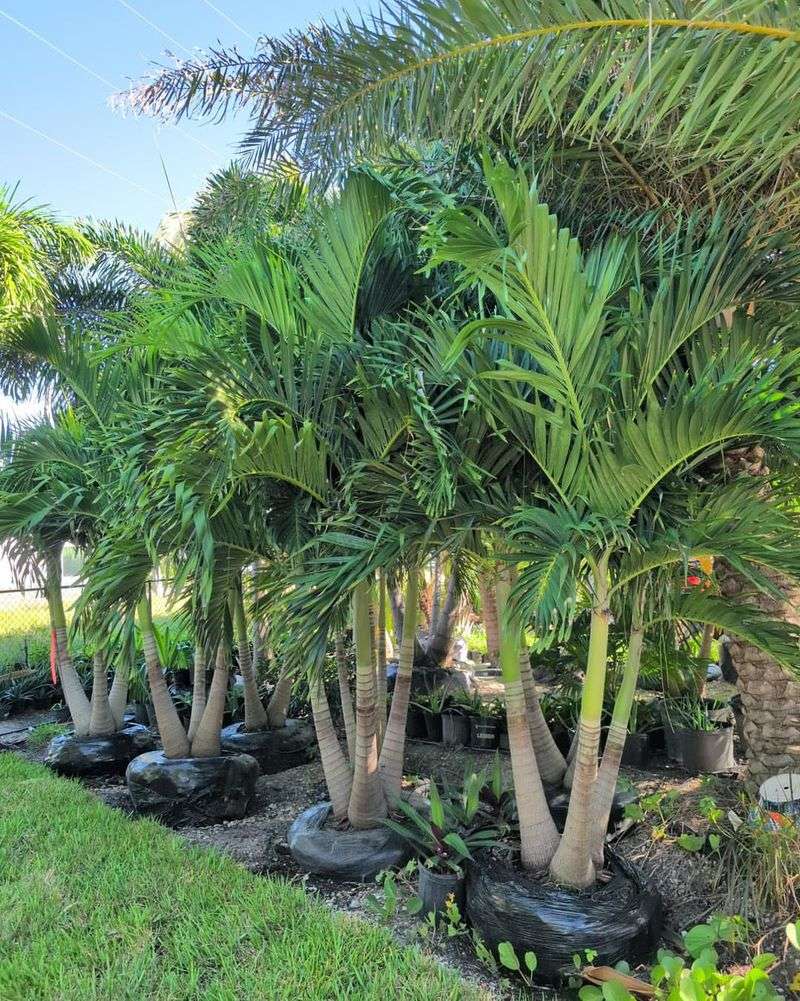
Wet soil behaves like soft clay, making it much easier to reposition a palm without tearing delicate feeder roots. Dry, compacted earth resists movement and can snap smaller roots when you try to straighten the trunk.
Testing moisture levels with your finger or a soil probe tells you whether the ground is ready for adjustment.
Water the area around your Texas palm thoroughly one or two days before you plan to work on it. This gives the soil time to absorb moisture evenly without becoming muddy or waterlogged.
Muddy conditions make the tree unstable and harder to secure in its new upright position.
Sandy soils common in parts of Texas drain quickly, so you might need to water twice to reach deeper layers where the roots sit. Clay-heavy ground holds water longer, meaning you should wait an extra day to avoid overly soggy conditions.
Checking moisture at different depths ensures the entire root zone is pliable and safe to manipulate.
Roots flex more easily in moist soil, reducing the chance of breakage during straightening. Proper hydration also helps the palm recover faster once you’ve corrected the lean.
Texas heat can dry out soil rapidly, so plan your work for early morning or late afternoon when temperatures are cooler and moisture levels stay more consistent.
3. Straighten The Palm While Roots Are Still Flexible
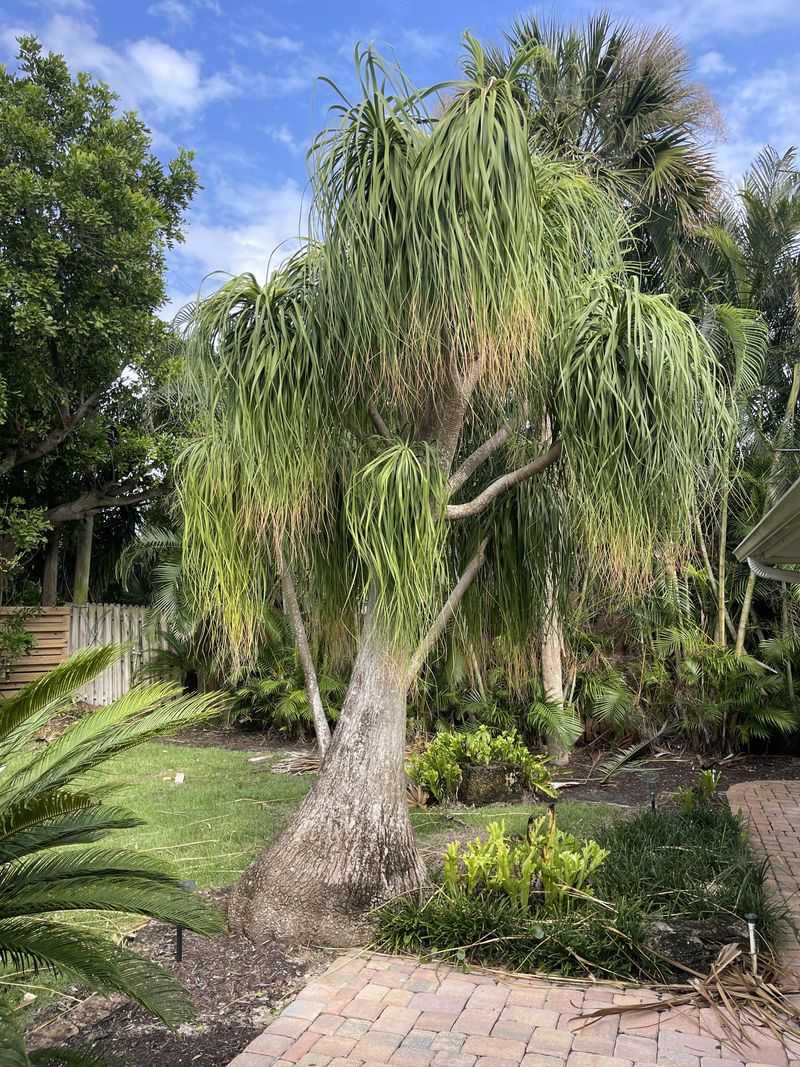
Young palms under three years old have root systems that adapt quickly to new positions, making them ideal candidates for correction. Older, established trees develop rigid root structures that resist movement and can suffer serious damage if forced upright.
Flexibility decreases as the palm matures, so acting early saves you effort and protects the plant.
Gently rock the trunk back and forth to loosen compacted soil around the root ball before pulling it upright. This motion creates small gaps in the earth, allowing roots to shift without snapping.
Work slowly and listen for cracking sounds, which signal you’re moving too fast or the soil is too dry.
Use your body weight to push the trunk gradually toward vertical, checking the angle from multiple sides as you go. A helper makes this task easier, especially with taller palms that require more force to reposition.
Texas winds can be unpredictable, so choose a calm day to avoid fighting gusts while you work.
Stop if you feel significant resistance, as forcing the tree can tear the root ball apart. Flexible roots bend and resettle naturally once the palm is upright, but brittle ones break under pressure.
Patience during this step prevents long-term damage and gives your palm the best chance to thrive in its corrected position.
4. Use Temporary Supports Instead Of Tight Ties
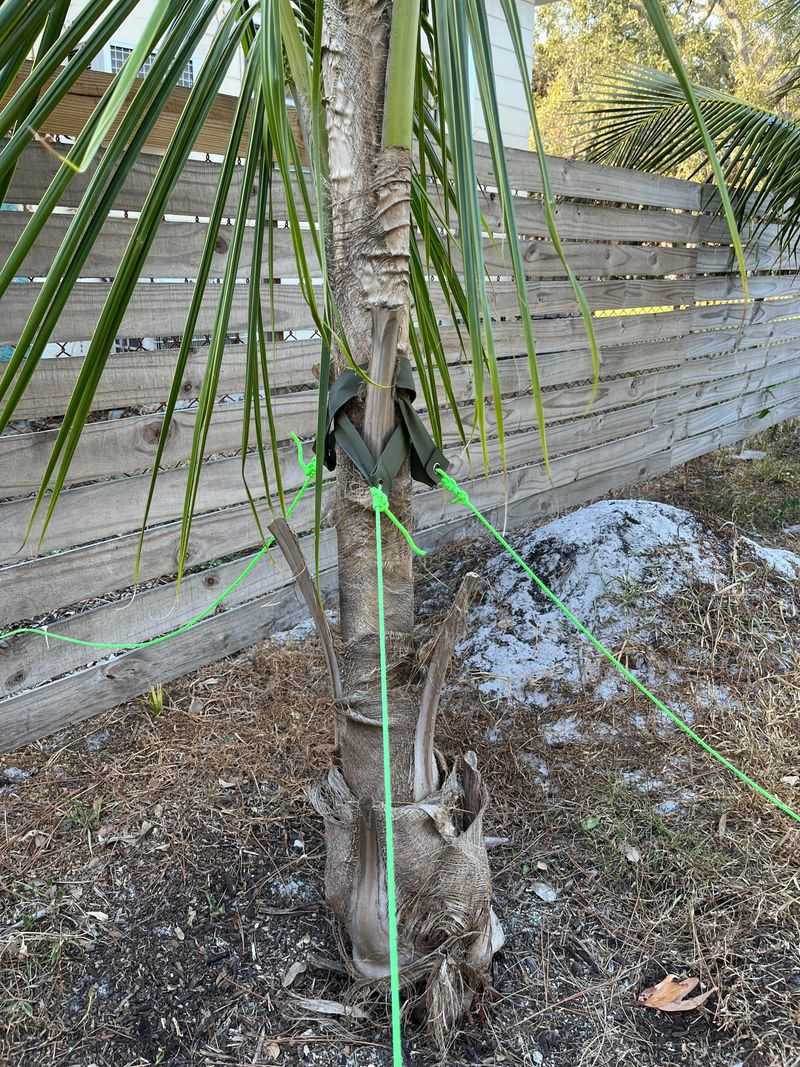
Wooden stakes or metal posts placed around the palm create a stable framework without constricting the trunk. Tight ties cut into the bark as the tree grows, leaving scars and restricting nutrient flow through the vascular system.
Loose supports allow the trunk to move slightly in the breeze, which actually strengthens the root system over time.
Drive two or three stakes into the ground at equal distances around the palm, positioning them outside the root zone. Attach soft straps or wide strips of fabric to the trunk, then secure them to the stakes with enough slack to permit gentle swaying.
Rubber hose sections or foam padding prevent the straps from rubbing against the bark.
Texas summers bring intense heat, so avoid using rope or wire that can absorb warmth and burn the trunk. Materials like canvas or nylon tree straps work well because they distribute pressure evenly and resist weathering.
Check the supports every few weeks to make sure they haven’t shifted or tightened as the palm settles into place.
Temporary supports should stay in position just long enough for roots to anchor the tree firmly, usually several months to a year. Leaving them too long can weaken the trunk by preventing natural movement.
Regular inspections help you decide when the palm is stable enough to stand on its own in the Texas landscape.
5. Avoid Digging Too Close To The Root Ball
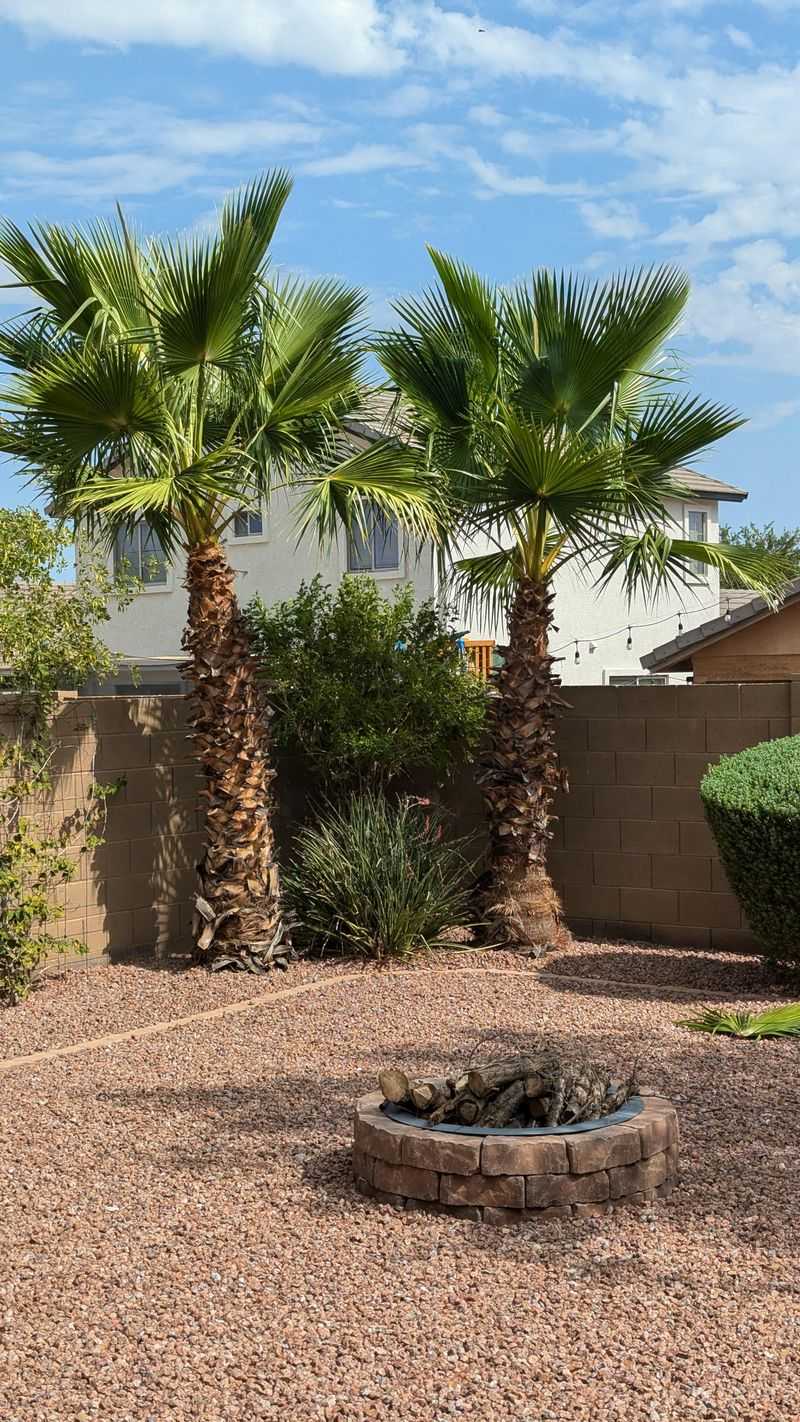
Palm roots spread outward in a dense mat just below the surface, and cutting them reduces the tree’s ability to absorb water and nutrients. Digging within two feet of the trunk severs critical feeder roots that keep the palm healthy and upright.
Respecting this zone protects the root ball and ensures the tree recovers quickly after straightening.
If you need to adjust the soil around the base, use a hand trowel or your fingers to gently loosen the top layer. Heavy tools like shovels or spades can slice through roots before you realize they’re there.
Working carefully in small sections minimizes accidental damage and keeps the root system intact.
Texas soil types vary, so some areas have rocky or clay-packed ground that tempts you to dig aggressively. Resist the urge and take your time, even if progress feels slow.
Damaged roots struggle to regenerate, and a palm with a compromised root ball may lean again or develop other health issues.
Observe the natural edge of the root flare where the trunk meets the ground, and stay outside that boundary when digging. This flare marks the outer limit of the densest root growth.
Keeping your work area clear of the root ball ensures the palm has all the resources it needs to stabilize itself in its new upright position.
6. Repack Soil Properly To Stabilize The Trunk
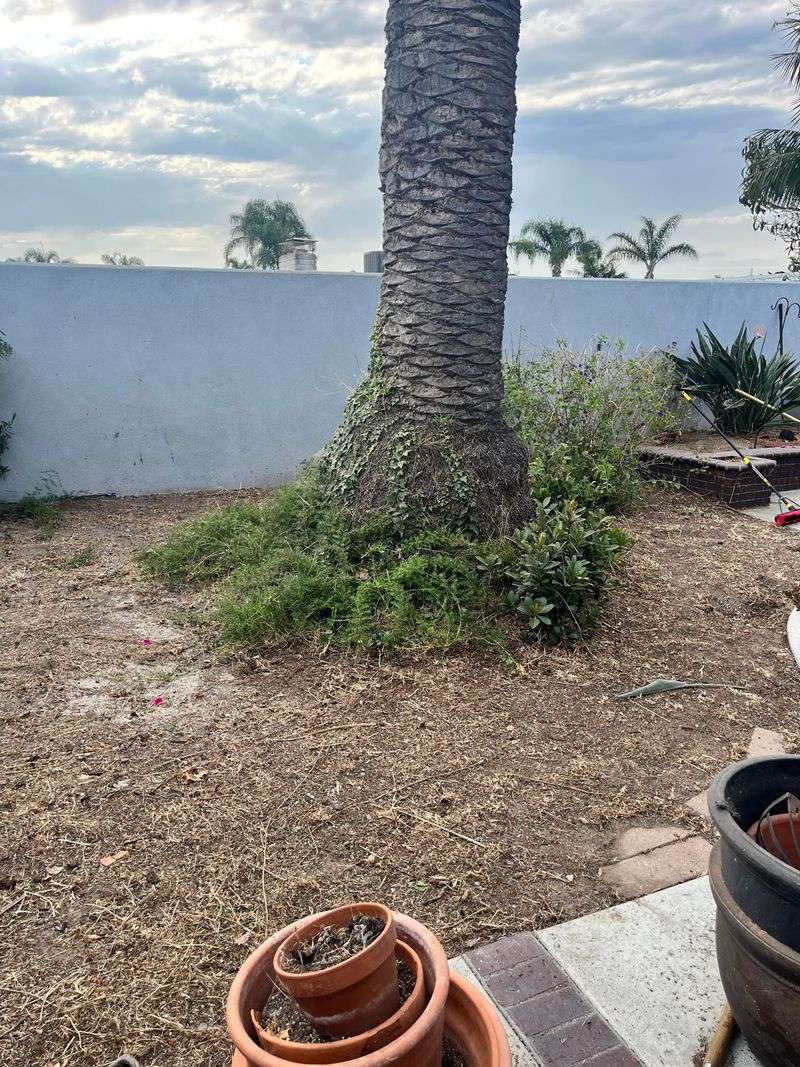
Loose soil around the base leaves air pockets that let the palm shift again after you’ve straightened it. Firm packing eliminates these gaps and gives the root ball solid contact with the surrounding earth.
Pressing the soil down gently with your foot or a flat tool creates a stable foundation without compacting it so much that roots can’t breathe.
Add native Texas soil back into any voids around the trunk, avoiding heavy amendments that alter drainage patterns. Palms prefer the same soil they were growing in before correction, so stick with what’s already in your yard.
Mixing in too much compost or sand can create layers that trap water or dry out unevenly.
Water the repacked area lightly as you work, which helps the soil settle naturally and bond with the root ball. This technique reveals hidden air pockets that you can fill before finishing.
Avoid flooding the zone, as overly saturated soil loses its structural integrity and won’t support the palm effectively.
Tamp the surface gently in a circular pattern around the trunk, working from the outside inward. This method ensures even pressure and prevents the tree from leaning in a new direction.
Properly repacked soil holds the palm steady while roots reestablish their grip in the Texas ground.
7. Water Correctly After Repositioning The Palm
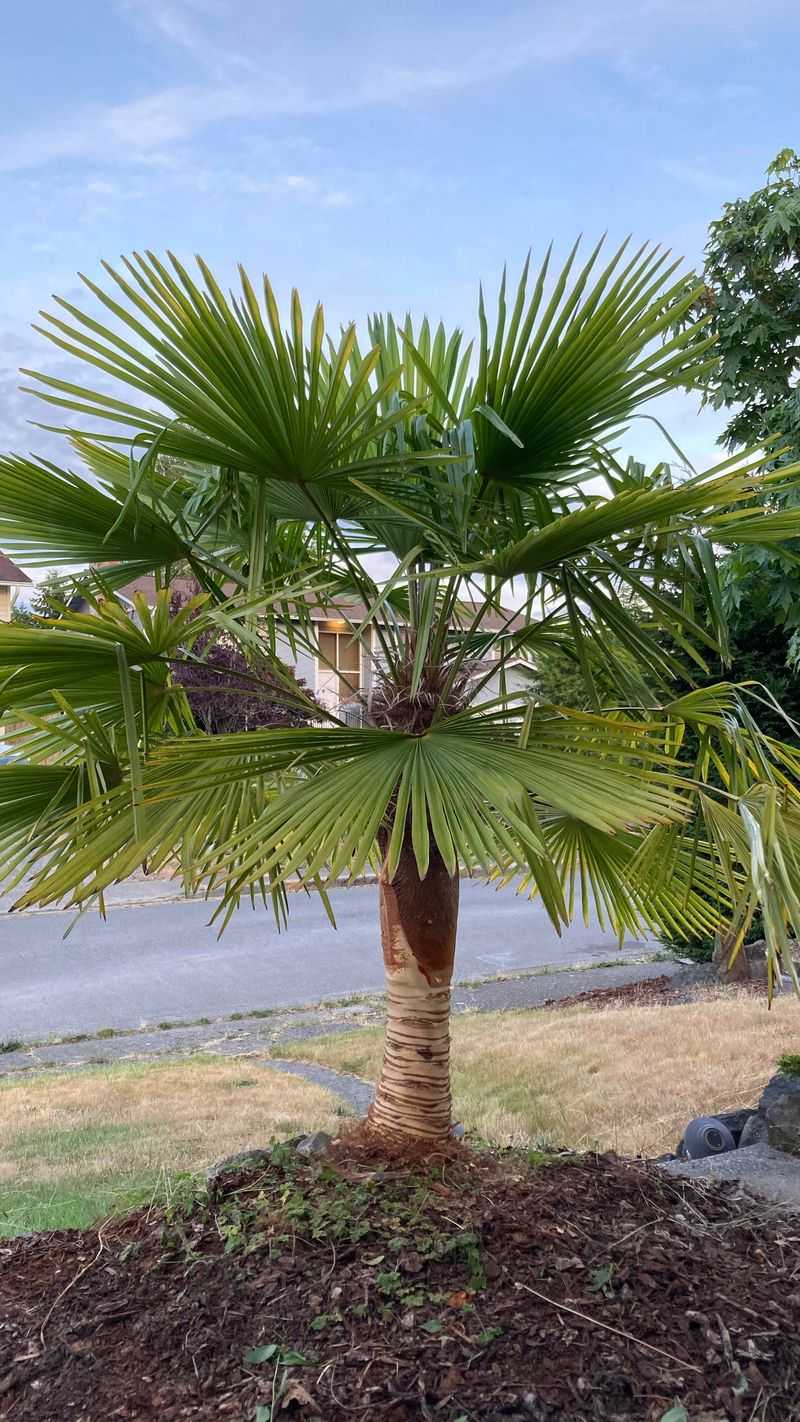
Newly straightened palms need consistent moisture to help roots recover from the stress of repositioning. Deep watering encourages the root system to grow downward and outward, anchoring the tree more securely in the Texas soil.
Shallow, frequent watering keeps roots near the surface, where they provide less stability and dry out faster in hot weather.
Apply water slowly around the base in a wide circle, letting it soak in rather than running off. This method ensures moisture reaches the entire root zone instead of pooling in one spot.
A soaker hose or drip irrigation works well for palms, especially during the intense Texas summer when evaporation rates are high.
Check the soil every few days by digging down a few inches to see if it’s still moist. Palms in sandy soil may need watering twice a week, while those in clay can go longer between sessions.
Adjust your schedule based on rainfall and temperature, as conditions change throughout the year.
Avoid overwatering, which can suffocate roots and cause them to rot in poorly drained areas. Palms prefer soil that stays evenly moist but never soggy.
Proper watering after correction helps the tree establish a strong root system that keeps it upright and healthy in the Texas landscape for years to come.
8. Remove Stakes At The Right Time
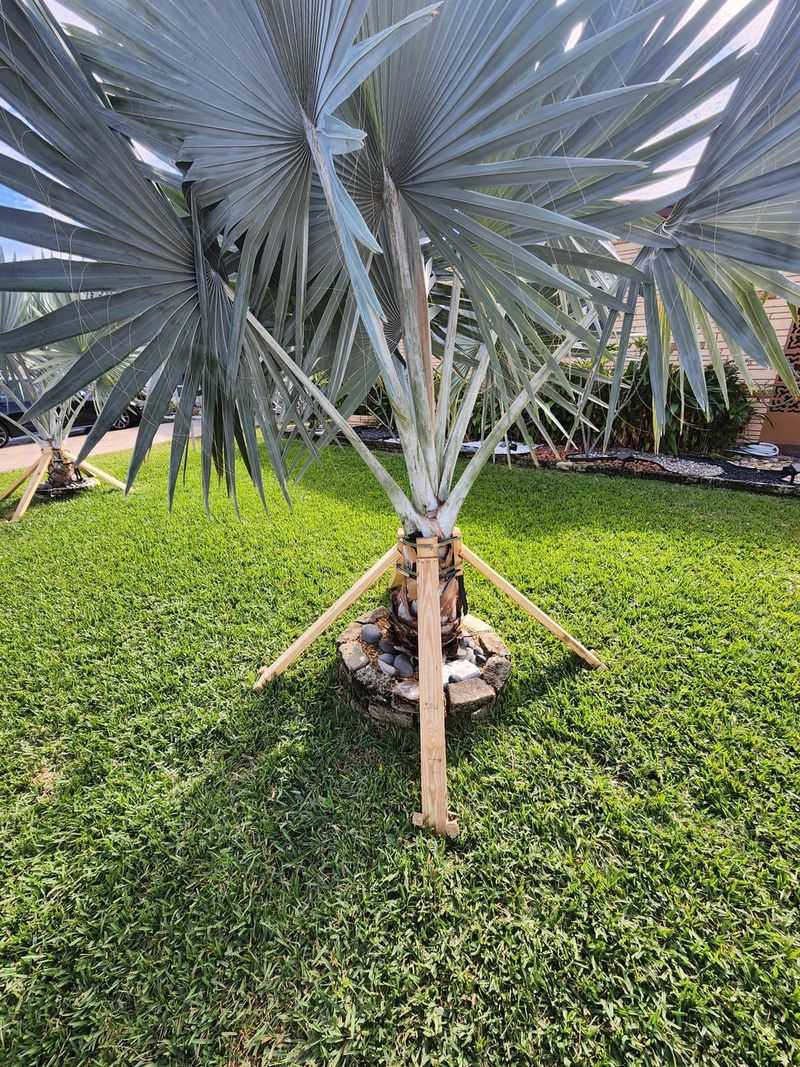
Supports left in place too long prevent the trunk from developing the natural strength it needs to stand alone. Palms that rely on stakes for years grow weaker and may lean again once you remove the framework.
Timing the removal correctly ensures the tree is stable but has also built enough resilience to handle Texas winds on its own.
Gently push the trunk from different directions after a few months to test how much it moves. If the palm stays upright and the root ball feels solid, it’s ready to lose the supports.
A little sway is normal and actually beneficial, so don’t expect the tree to be perfectly rigid.
Start by loosening the straps and leaving the stakes in place for another week or two. This transition period lets the palm adjust gradually without the sudden shock of losing all support at once.
Monitor the tree during this time to make sure it doesn’t start tilting again.
Remove the stakes during calm weather, avoiding stormy periods when high winds could knock the palm over. Texas weather can be unpredictable, so choose a stable forecast window.
Once the supports are gone, keep an eye on the tree for several weeks to confirm it remains upright and healthy without assistance.
9. How To Prevent Leaning Problems In The Future

Planting palms at the correct depth from the start gives them a solid foundation that resists leaning. The top of the root ball should sit level with the surrounding soil, not buried too deep or left exposed.
Proper placement encourages roots to spread evenly and anchor the tree securely in the Texas ground.
Choose a location with good drainage and protection from the strongest prevailing winds in your area. Palms planted in low spots where water collects often develop weak root systems that can’t support the trunk.
Observing wind patterns and water flow before you plant saves you from correction work later.
Water new palms consistently during their first year to encourage deep root growth. Inconsistent watering leads to shallow roots that don’t provide enough stability.
Mulching around the base helps retain moisture and regulates soil temperature, which benefits root development in Texas heat.
Avoid planting palms too close to structures, driveways, or other trees that limit root expansion. Crowded roots grow unevenly and can pull the tree off balance.
Giving your palm plenty of space ensures it develops a strong, symmetrical root system that keeps it upright for years. Regular inspections help you spot early signs of leaning so you can address problems before they become serious.