How To Get Fishbone Cactus To Bloom Faster In North Carolina Homes
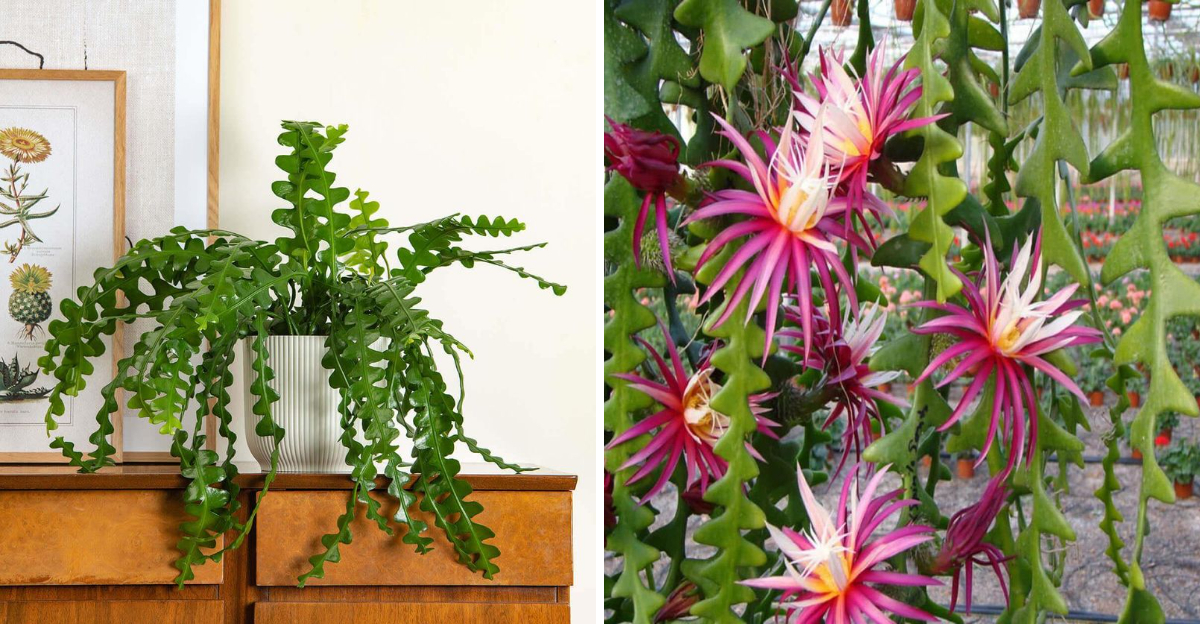
Fishbone cactus is a unique and eye catching plant, but getting it to bloom indoors in a North Carolina home can take some patience. Many people enjoy its zigzag leaves for years without ever seeing flowers, which can feel a bit frustrating.
The plant needs the right balance of light, warmth, and care before it will start producing buds. North Carolina’s climate can be helpful during parts of the year, but indoor conditions still need to be just right to encourage blooming.
Small changes in how you care for it can make a noticeable difference over time. From adjusting light exposure to fine tuning watering habits, each step helps the plant stay healthy and ready to bloom.
With the right setup, your fishbone cactus can move beyond just foliage and reward you with blooms sooner than you might expect.
1. Give Bright Indirect Light Daily
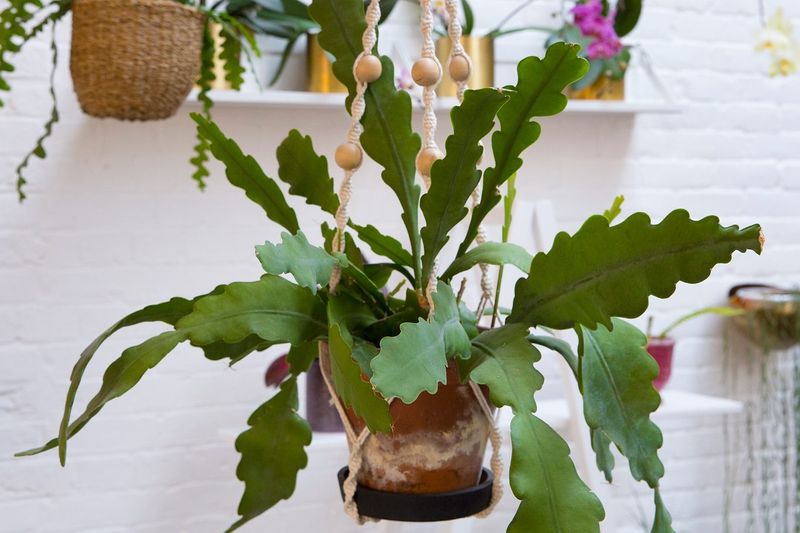
Most people assume cacti love blazing sun, but the fishbone cactus is different from your typical desert plant.
Known scientifically as Disocactus anguliger, it actually comes from shaded forest canopies in Mexico, which means it craves bright but filtered light rather than direct rays.
In North Carolina homes, the best spot is usually near an east-facing window where morning sun is gentle and consistent. A south-facing window also works beautifully as long as sheer curtains soften the light before it hits those lovely zigzag stems.
Without enough brightness, the plant simply will not produce buds, no matter how well you care for it otherwise.
Strong, indirect light is the single biggest trigger for flowering. Think of it as the green light your plant needs to shift from growing leaves to making blooms.
Plants placed in dim corners tend to stay in survival mode, pushing out foliage but never quite committing to flowers.
Moving your fishbone cactus to a brighter spot in your North Carolina home, even just a few feet closer to the window, can make a noticeable difference within a single growing season.
Consistency matters too, so aim for at least four to six hours of bright indirect light every single day.
2. Keep The Roots Slightly Confined In The Pot
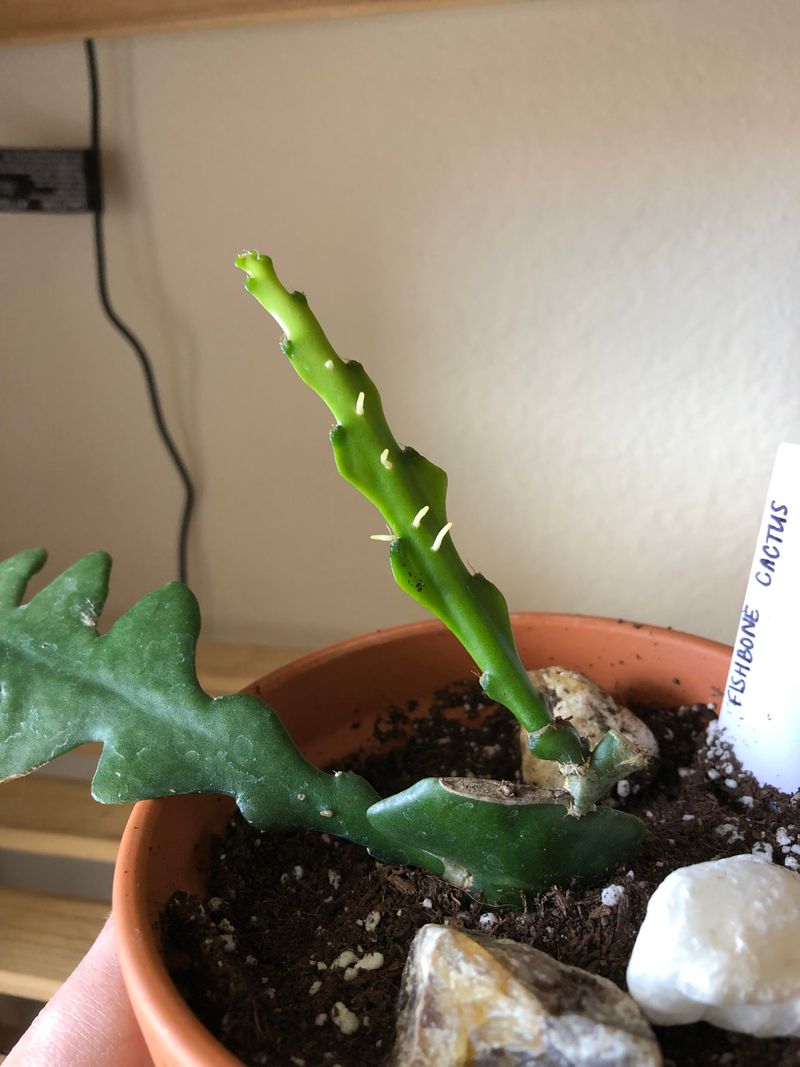
Here is something surprising that trips up a lot of plant owners: a fishbone cactus actually blooms better when it feels a little cramped.
When roots fill most of the available space in a pot, the plant gets a natural signal that it is time to reproduce, which means producing flowers.
Repotting too frequently into larger containers disrupts this process and encourages the plant to focus on root and foliage growth instead of blooming.
Many North Carolina gardeners make the mistake of sizing up every single year, thinking bigger pots equal happier plants. For this species, that logic works against you.
A good rule is to wait until roots are visibly creeping out of the drainage holes before considering a new pot. Even then, move up only one pot size, roughly one to two inches wider.
Terracotta pots work especially well because they allow the soil to breathe and dry out faster, which also supports the blooming cycle. If your fishbone cactus has been sitting in the same pot for two or three years and still looks healthy, resist the urge to repot it.
Your North Carolina Garden Changes Every Week. Your Plan Should Too.
Gardening in North Carolina changes quickly throughout the season. Every Friday you’ll receive a simple weekly plan showing exactly what to plant, prune, fertilize, harvest, and protect so you never miss the right timing.
That slight confinement you are worried about is actually your plant gearing up to put on a show. Patience with pot sizing pays off beautifully in North Carolina homes.
3. Let The Soil Dry Out Between Waterings
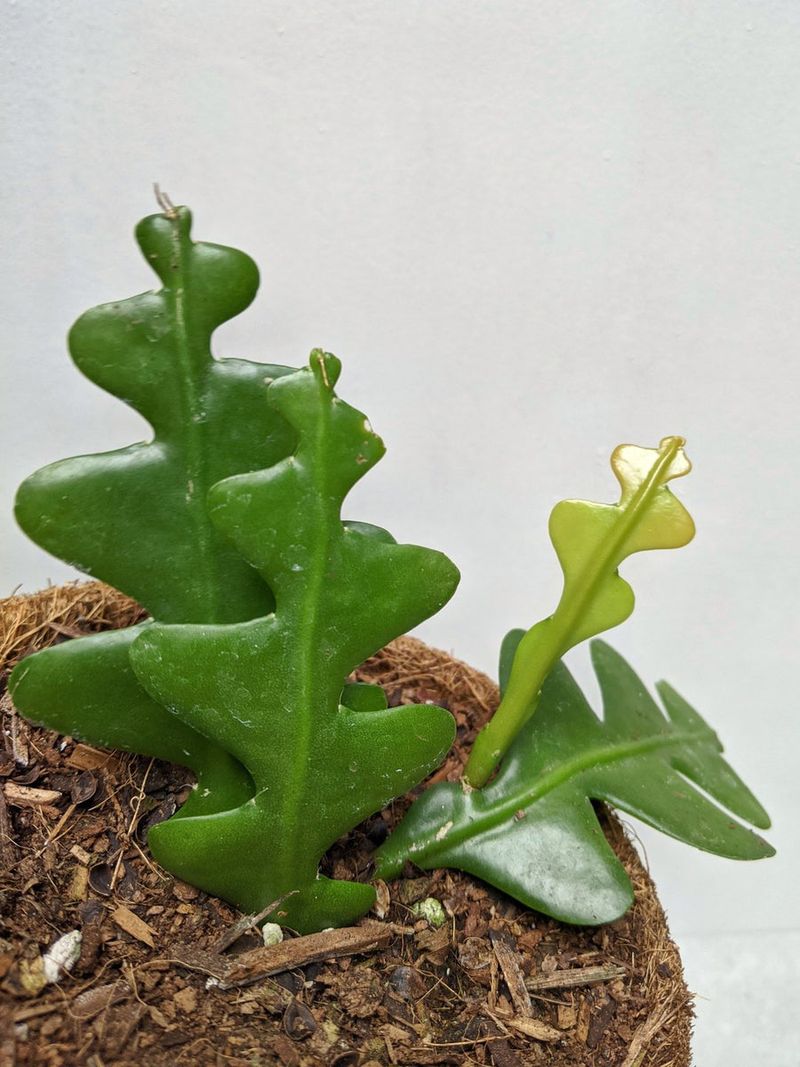
Watering is one of the most misunderstood parts of fishbone cactus care, and getting it wrong can seriously delay blooming. Even though this plant is not a true desert cactus, it still needs the soil to dry out between waterings to stay healthy and flower-ready.
During spring and summer, water when the top one to two inches of soil feel completely dry to the touch. In the warmer North Carolina climate, this might happen every seven to ten days depending on your home’s humidity and pot size.
Overwatering is one of the fastest ways to prevent blooming because soggy roots stay stressed and focused on survival rather than reproduction.
Think of it this way: a little dry stress actually nudges the plant toward flowering. When moisture levels drop, the fishbone cactus interprets that as a signal to prepare for the next phase of its growth cycle.
Always use a pot with drainage holes so excess water can escape freely, and never let the plant sit in standing water. During fall and winter in North Carolina, cut back watering even further to mimic the plant’s natural dry rest period.
A moisture meter is a handy tool that takes the guesswork out of this entirely, making it much easier to nail the watering schedule and keep your plant on track for blooms.
4. Give It A Cool Rest Period In Fall And Winter
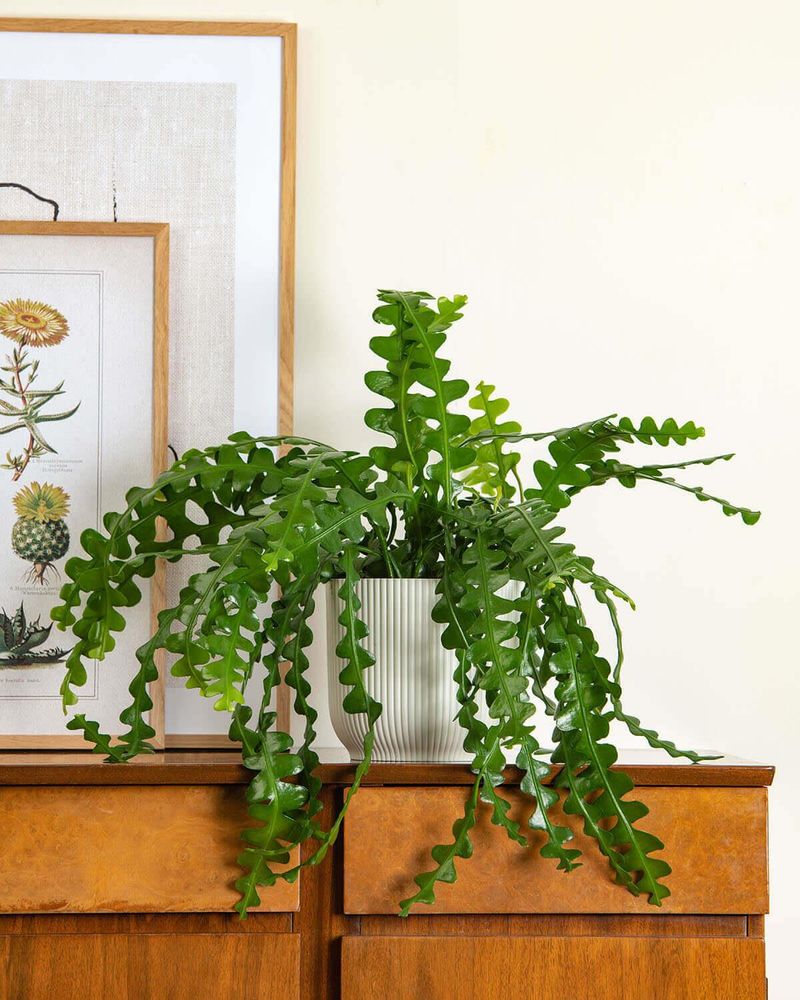
One of the most powerful tricks for triggering fishbone cactus blooms is also one of the simplest: cool it down a little during fall and early winter.
Nighttime temperatures between 50 and 60 degrees Fahrenheit send a clear biological message to the plant that the blooming season is approaching.
In North Carolina, this is actually easier to achieve than in warmer southern states because fall nights here naturally drop into that ideal range.
Placing your plant near a slightly drafty window or in a cooler room from October through January can make a real difference in bud formation.
Just be sure to keep it away from heating vents, which blast warm dry air and confuse the plant entirely.
During this rest period, also pull back on watering and stop fertilizing altogether. The combination of cooler temps, reduced water, and no fertilizer mimics the plant’s natural dry season in its native habitat.
When spring arrives and temperatures climb again, the plant responds by pushing out buds with impressive enthusiasm. North Carolina homeowners who skip this rest period often wonder why their plant looks lush but never blooms.
The cool-down phase is not optional for consistent flowering. It is the reset button your fishbone cactus needs to build up the energy and hormonal signals that make those beautiful, fragrant flowers possible each year.
5. Feed Lightly During Spring And Summer Only
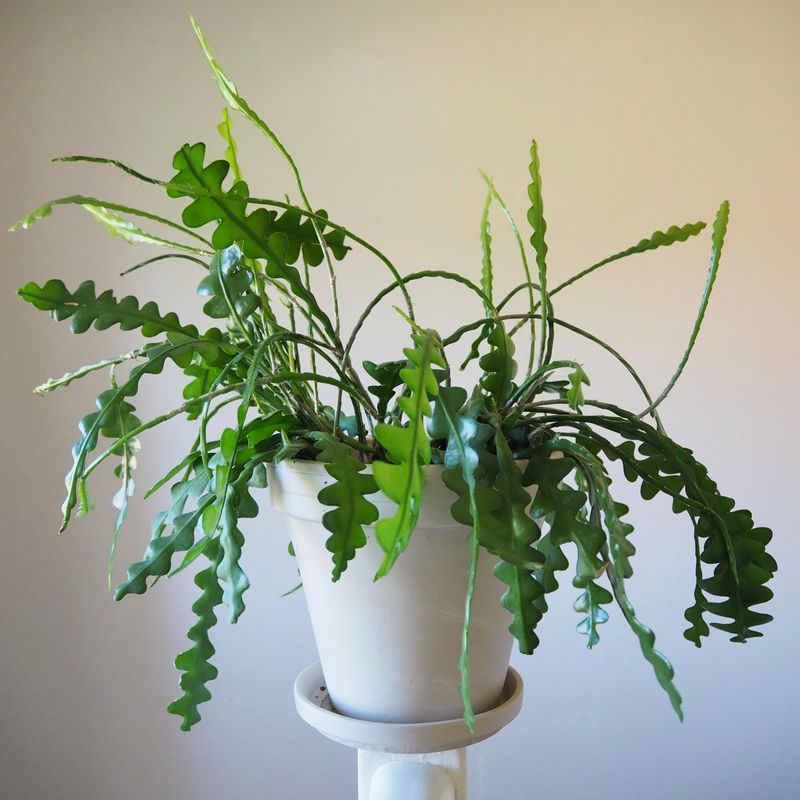
Fertilizing your fishbone cactus is a bit like seasoning food: a little goes a long way, and too much ruins everything.
During the active growing season of spring and summer, light feeding gives the plant the nutrients it needs to build strong stems and eventually push out buds.
A balanced water-soluble fertilizer diluted to half strength works best, applied every three to four weeks from March through August.
Some North Carolina growers also like using a low-nitrogen fertilizer during late summer to shift the plant’s focus from leafy growth toward flower production.
High-nitrogen formulas encourage lush green stems but tend to suppress blooming, which is the opposite of what you want.
Stop fertilizing completely by late August or early September to allow the plant to enter its natural rest cycle. Feeding during fall and winter keeps the plant in active growth mode and actually delays the cool-down period it needs to set buds.
Think of the growing season as your window of opportunity to build up the plant’s strength, and the rest period as the time when all that hard work pays off in blooms.
North Carolina’s warm summers give your fishbone cactus plenty of energy to store up, so take advantage of that seasonal rhythm and feed smartly rather than generously for the best flowering results possible.
6. Boost The Humidity Around Your Plant
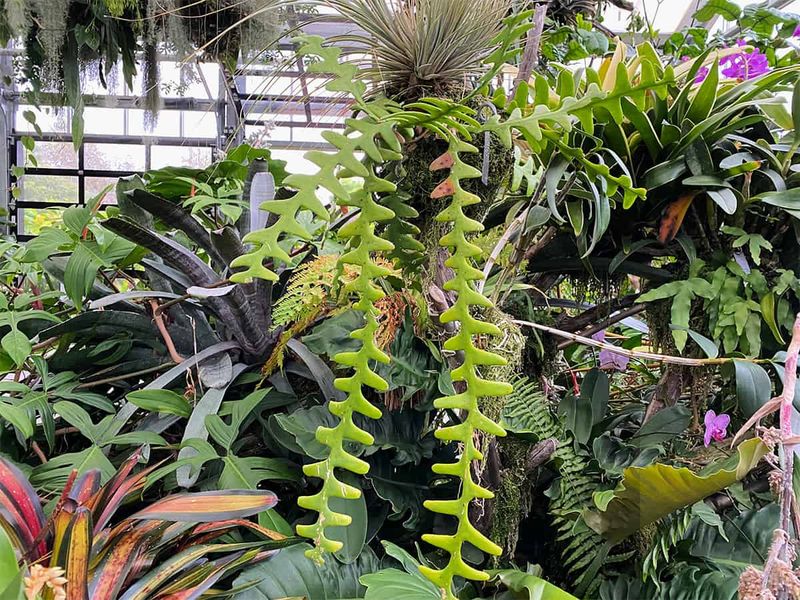
Unlike the cacti you picture growing in dry desert landscapes, the fishbone cactus is native to humid tropical forests.
That background means it genuinely thrives when the air around it holds a bit of moisture, which also supports healthy bud development and overall plant vigor.
In North Carolina, indoor humidity levels can drop significantly in winter when heating systems run constantly. A simple pebble tray filled with water placed just beneath the pot is one of the easiest ways to maintain moisture in the air around your plant.
As the water evaporates, it creates a small humidity zone that the plant absolutely loves. Just make sure the bottom of the pot sits above the waterline so roots never soak.
Grouping your fishbone cactus with other houseplants is another clever trick because plants naturally release moisture through their leaves, raising the humidity for everyone nearby.
A small humidifier placed in the same room is also highly effective, especially during dry North Carolina winters.
Aim for humidity levels between 50 and 60 percent for the best results. Avoid misting directly onto the stems too frequently, as this can encourage fungal issues if water sits on the plant surface too long.
Consistent moderate humidity keeps your fishbone cactus relaxed, well-nourished, and far more likely to reward you with those spectacular blooms you have been waiting for.
7. Stop Moving The Plant Once Buds Appear
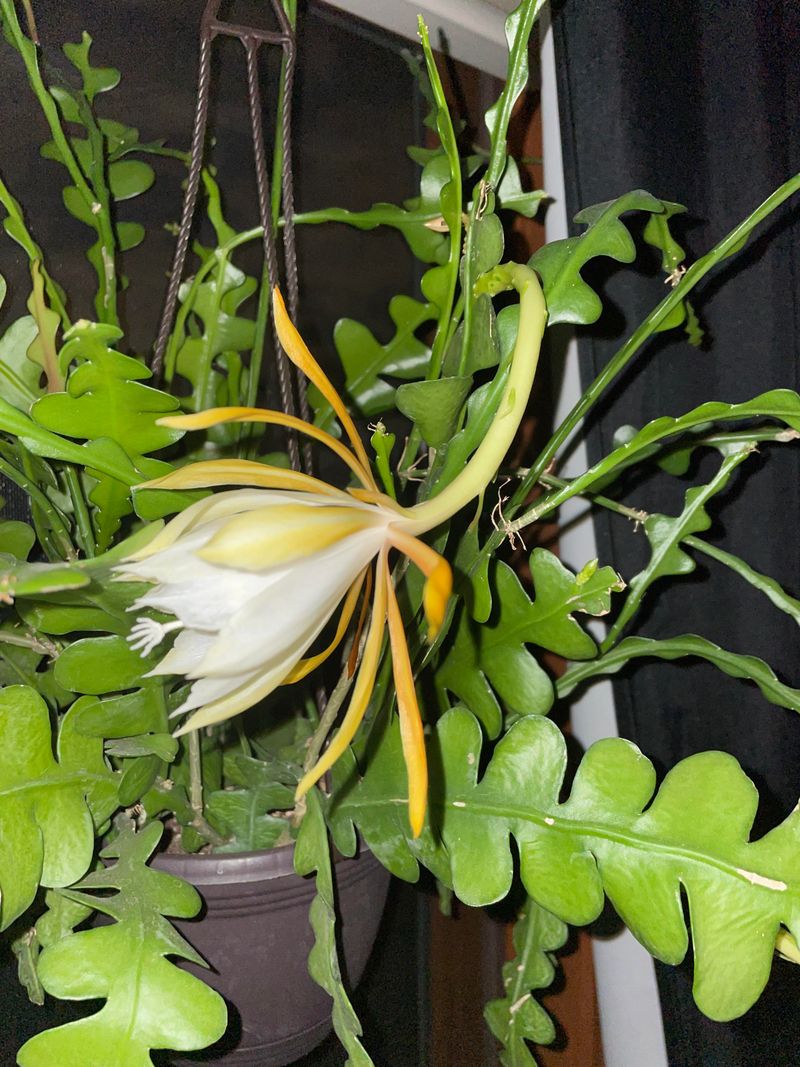
Budding is one of the most exciting moments in fishbone cactus care, and it is also one of the most fragile.
Once you spot those tiny flower buds forming along the stems, the worst thing you can do is move the plant to a different spot, even if you think a new location might be better.
Fishbone cacti are surprisingly sensitive to environmental changes during bud development.
A sudden shift in light direction, temperature, or airflow can cause the buds to drop before they ever open, leaving you with nothing but bare stems and disappointment.
North Carolina homes with central air or heating can be tricky environments because vents create invisible temperature zones that shift throughout the day.
Once buds appear, treat the plant like it is in its final position permanently. Do not rotate it for even light distribution, and do not move it to a sunnier window out of good intentions.
The plant has already calibrated itself to its current environment, and stability is exactly what it needs to carry those buds all the way to full bloom. Place a small sticky note near the plant as a reminder for everyone in the household to leave it alone.
This simple act of restraint is one of the most underrated tips for North Carolina plant owners who want to actually see their fishbone cactus bloom from start to finish.
8. Use A Well-Draining And Airy Soil Mix
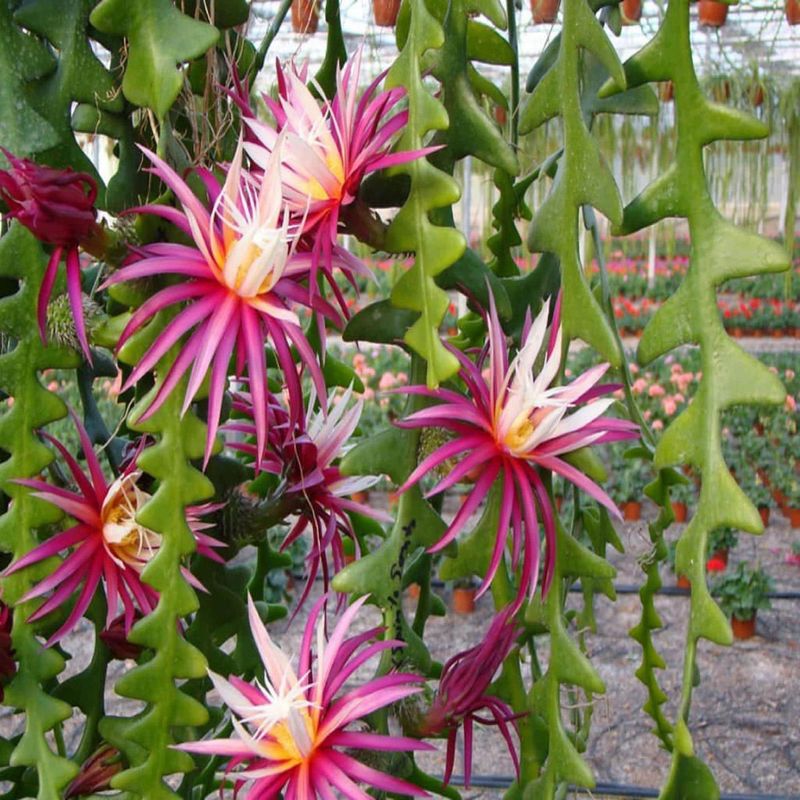
The soil your fishbone cactus grows in has a bigger impact on blooming than most people realize.
Since this plant is naturally epiphytic, meaning it grows on trees in the wild rather than in the ground, it needs a loose and airy mix that drains quickly and never stays soggy for long.
A standard potting mix straight from the bag is usually too dense and holds too much moisture for this species. Instead, blend cactus or succulent soil with orchid bark and perlite in roughly equal parts.
This combination creates the fast-draining, oxygen-rich environment that fishbone cactus roots absolutely thrive in. Healthy roots translate directly into a healthier plant with more energy available for flowering.
North Carolina summers can bring high humidity, which means even well-draining soil can stay moist longer than expected. Adding extra perlite or coarse pumice to your mix helps offset this by improving airflow around the roots even during humid stretches.
Repotting into fresh soil every two to three years also helps because old soil breaks down over time, becoming compacted and less effective at draining. Good soil structure is the foundation everything else builds on, from watering habits to fertilizing schedules.
Get this part right from the beginning and your fishbone cactus will have the strong root health it needs to channel all its energy into producing those gorgeous, show-stopping blooms.