Four Plants Still Sold In Missouri Garden Centers Become Off-Limits To Nurseries On January 1, 2027
Missouri garden centers in early fall smell like mulch, pumpkins, and sweet potting soil after rain. Shoppers wander the aisles with wagons, grabbing mums and searching happily for one more green treasure.
Some of those leafy bargains, though, are about to lose their place on the shelf for good. A new rule changes what nurseries can sell, and a few familiar favorites are heading for the exit.
These plants look polite in their tidy pots, but they behave like houseguests who refuse to leave. After planting, they creep past fences, climb trees, and show up in places nobody invited them to visit.
Across Missouri, woods and pastures have been quietly dealing with these escape artists for many long decades. Conservation crews pull them, mow them, and spray them, yet the plants often return with fresh enthusiasm.
A Law Signed In 2025 Sets The New Sales Cutoff
Picture a garden center manager flipping a calendar page and realizing several shelves need new residents soon. In 2025, Missouri lawmakers passed a measure that the governor signed, setting a firm date for change.
Starting January 1, 2027, nurseries and garden centers across the state can no longer sell four specific invasive plants. The same law also covers burning bush and Callery pear, but those two have a later deadline of January 1, 2029. The rule focuses on new sales, so plants already growing in your yard are not suddenly illegal.
Lawmakers chose this path because these plants spread far beyond the flower beds where people first put them. Stopping sales is a simple way to slow new plantings while crews work on existing patches.
Many states have taken similar steps, and Missouri is joining a growing list of places tightening plant sales. Neighbors like Illinois and Kansas already restrict certain invasive species, so the idea is far from new.
For shoppers, early October is a smart time to read plant tags closely before buying anything leafy. Some stores may run clearance sales on these plants, but a cheap price can bring expensive headaches later.
Nursery owners have had time to plan, since the law lets sellers move existing stock until January 1. Asking staff about the change can lead to helpful suggestions and maybe a friendly chat about soil.
Think of the January deadline as a fresh start for Missouri gardens rather than a punishment for gardeners. Small choices made at the checkout counter can protect woods, streams, and pastures for years to come.
The Four Plants On The Restricted List
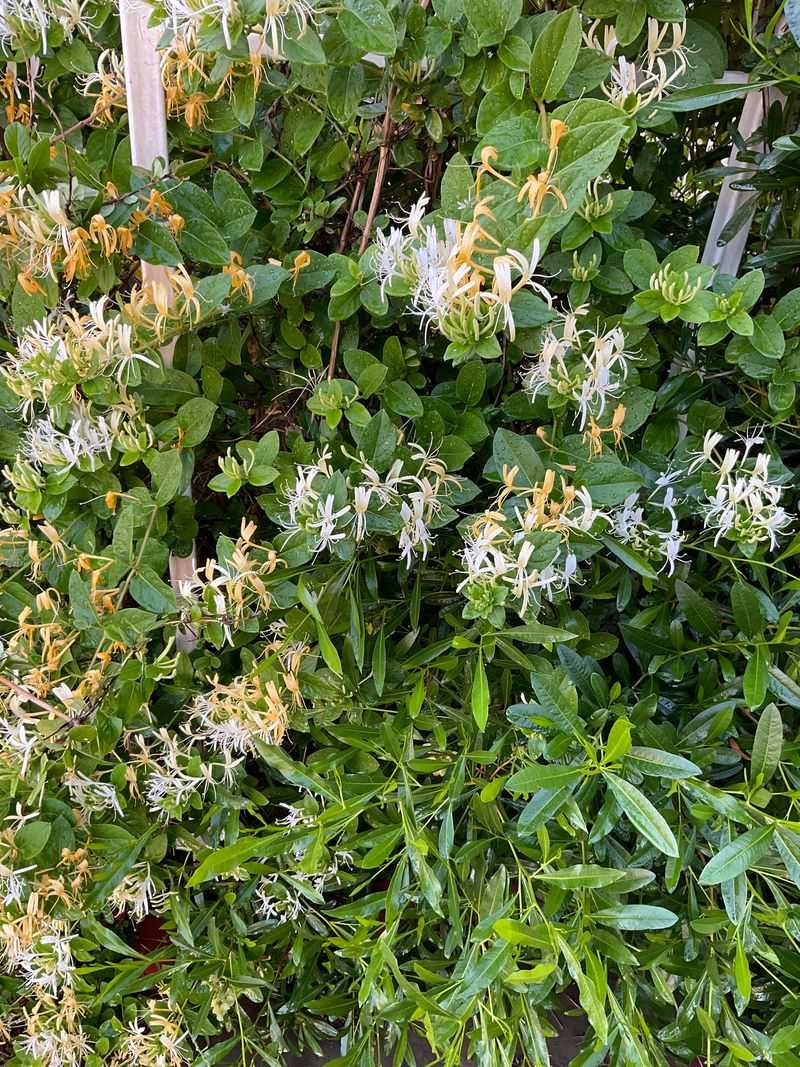
Meeting these four plants in a store, you might think they look harmless, even charming in their pots. Each one earned its spot on the list by spreading aggressively and crowding out plants that belong here.
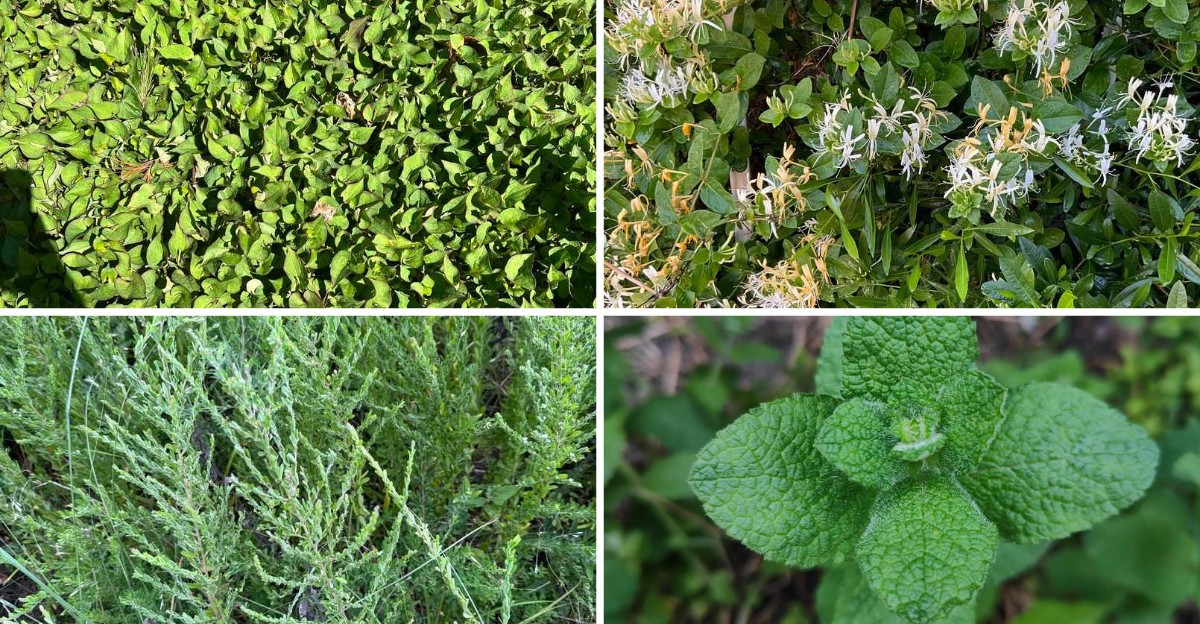
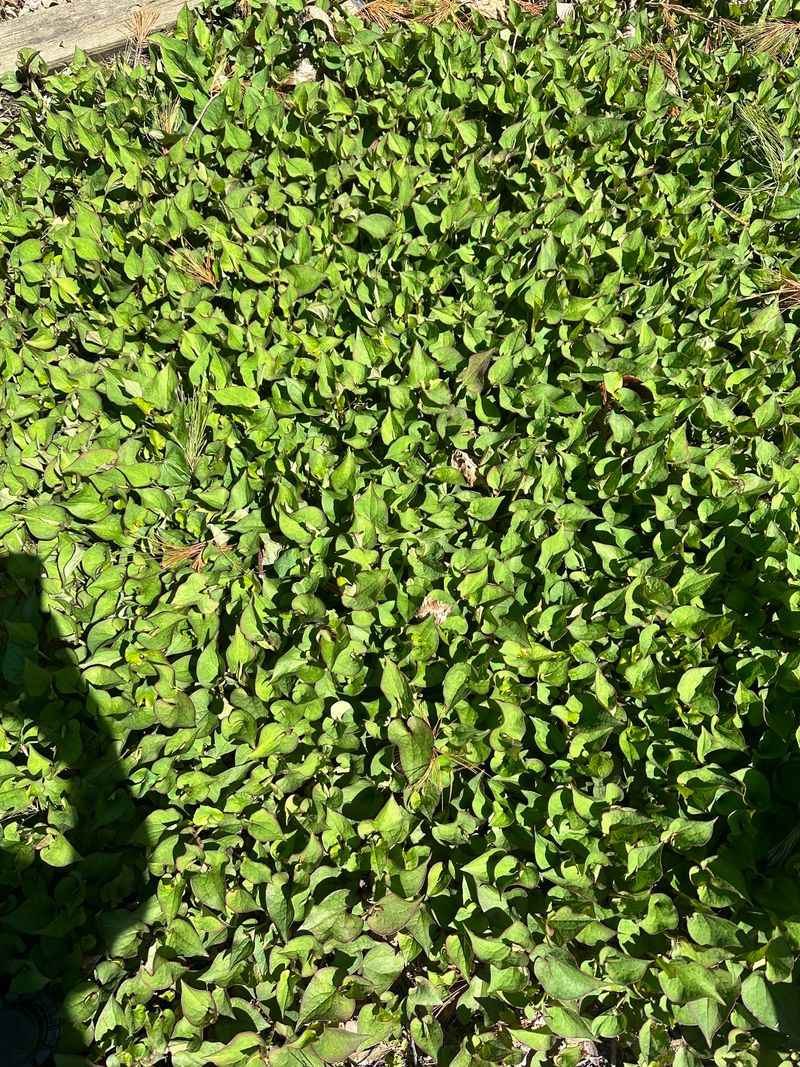
Wintercreeper ‘Coloratus’ is an evergreen groundcover with leaves that turn a rich purple once cool weather arrives. It was often sold for shady slopes, but it climbs tree trunks and blankets forest floors quickly. Only the ‘Coloratus’ variety is on the list.
Japanese honeysuckle charms people with sweet-smelling white and yellow flowers that kids love to sip for nectar. Behind that perfume hides a twining vine that wraps around shrubs and small trees, sometimes covering them so thickly that they struggle to get light.
Your Missouri Garden Changes Every Week. Your Plan Should Too.
Gardening in Missouri changes quickly throughout the season. Every Friday you’ll receive a simple weekly plan showing exactly what to plant, prune, fertilize, harvest, and protect so you never miss the right timing.
Sericea lespedeza is a shrubby legume once planted for erosion control along roadsides and on mine land. Today it takes over prairies and pastures, producing huge numbers of tiny seeds that last for years.
Perilla mint, sometimes called beefsteak plant, has purple-tinged leaves and a strong minty, slightly spicy scent. It thrives along shady edges and drops plenty of seeds, so one plant quickly becomes a crowd.
Fun fact: perilla is a popular herb in Korean and Japanese cooking, where leaves wrap rice and meat. That kitchen fame surprises many Missouri hikers who spot the same plant along shady trails each fall.
If any of these four already grow in your yard, early fall is a fine time to identify them. Snap a photo, compare it with Missouri Department of Conservation plant profiles, and plan your next steps calmly.
Traits That Let These Plants Escape Missouri Gardens
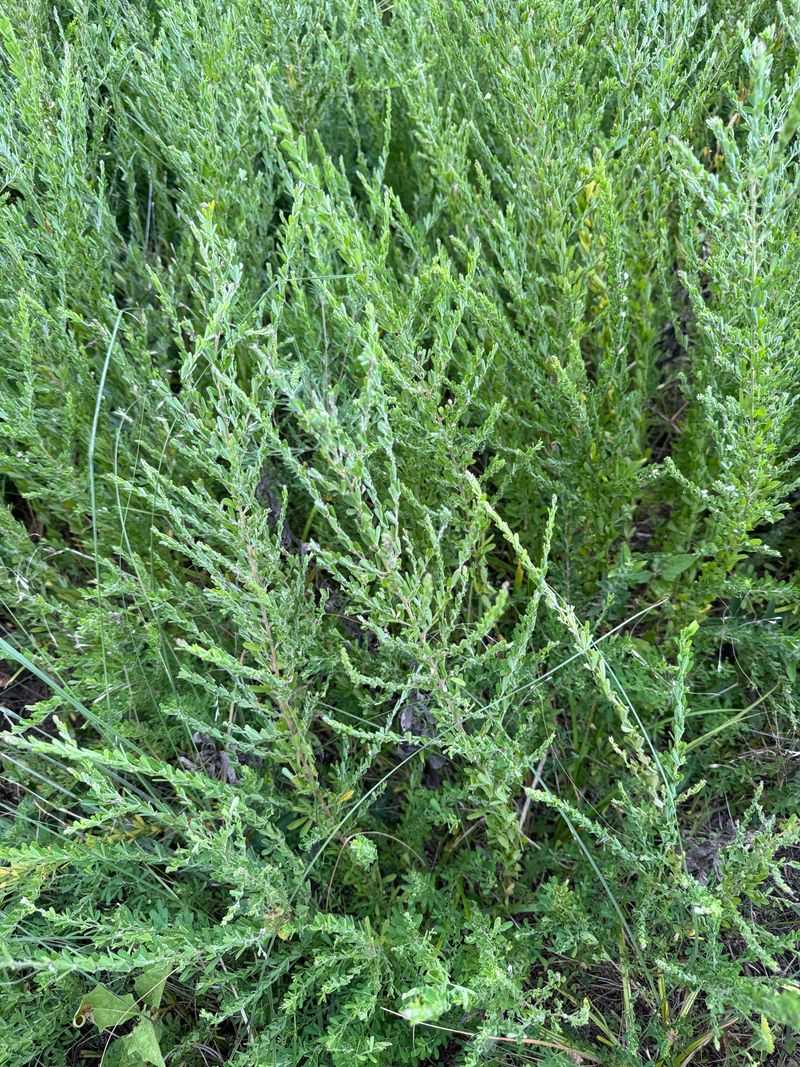
Some plants stay where you put them, like a cat napping in a sunny window all afternoon. These four act more like curious puppies, slipping under fences and racing off to explore the neighborhood.
Seeds are the first big trick, since birds eat honeysuckle berries and drop the seeds far from the parent plant. Sericea lespedeza produces huge amounts of seed, and those seeds stay viable for many years.
Runners and rooting stems give wintercreeper another advantage, letting it sprout new roots wherever stems touch soil. Honeysuckle does the same, so a single vine can form a thick mat across a hillside.
Timing helps too, because Japanese honeysuckle and wintercreeper keep their leaves long after native plants go dormant. Walk through Missouri woods in late fall, and those green patches stand out against the brown leaves.
Few local insects feed heavily on these plants, so they face far less nibbling than native species do. Perilla also produces strong-smelling compounds that make it unappealing to many grazing animals.
Toughness rounds out the list, since these plants handle shade, drought, poor soil, and rocky ground. Gardeners loved that hardiness at first, but the same grit makes them hard to remove later on.
Keep an eye on fence lines and shady corners this October, where sneaky seedlings often hide first. Pulling young plants while soil is soft after fall rain is much easier than removing tangled roots.
Pressure On Native Plants In Missouri Woodlands
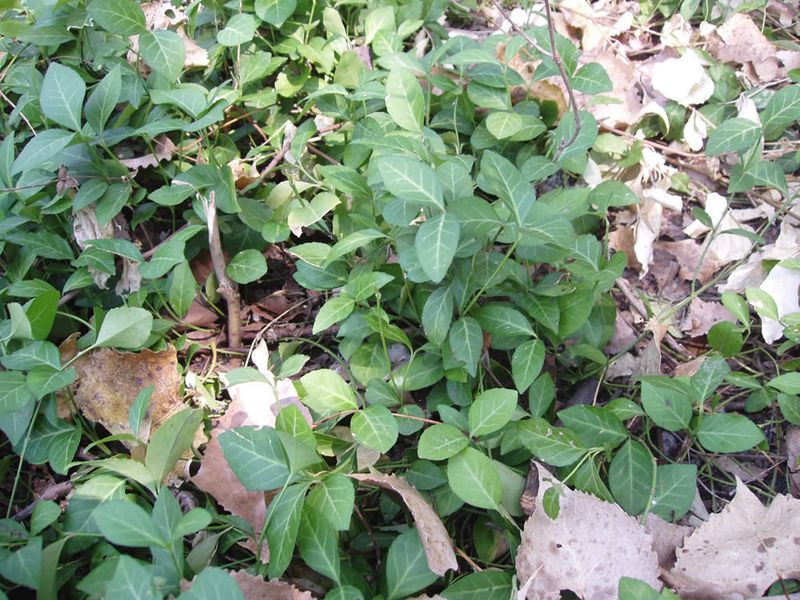
Imagine a forest floor that once held trillium, bluebells, and mayapples, spread out like a colorful quilt. Now picture that same ground covered by a single green carpet of wintercreeper, thick and oddly quiet.
That swap happens in many Missouri woodlands, where invasive groundcovers shade out wildflowers before they can sprout. Tree seedlings struggle too, so fewer young oaks and hickories grow up to replace the older giants.
Japanese honeysuckle adds another layer, twisting around saplings so tightly that the bark can become scarred. Heavy vines also pull down branches, letting in extra sunlight that helps more weeds move in fast.
Wildlife feels the shift as well, because native insects rely on native plants for food and shelter. Fewer caterpillars means fewer meals for songbirds, and one nest of chickadees can need hundreds of caterpillars daily.
Perilla mint creeps along shady trails and stream banks, crowding out native herbs that pollinators depend on. It is also toxic to cattle and horses that nibble it, adding one more worry for nearby farms.
Conservation teams across the state spend countless hours each fall cutting vines and treating stumps in parks. Volunteers help too, and joining a workday is a fun way to learn plant names outdoors.
Every patch removed gives native seeds a chance to wake up and reclaim their old neighborhood. Many woodlands recover well once the pushy newcomers are cleared and stop spreading.
Pasture Problems Linked To Two Of The Plants
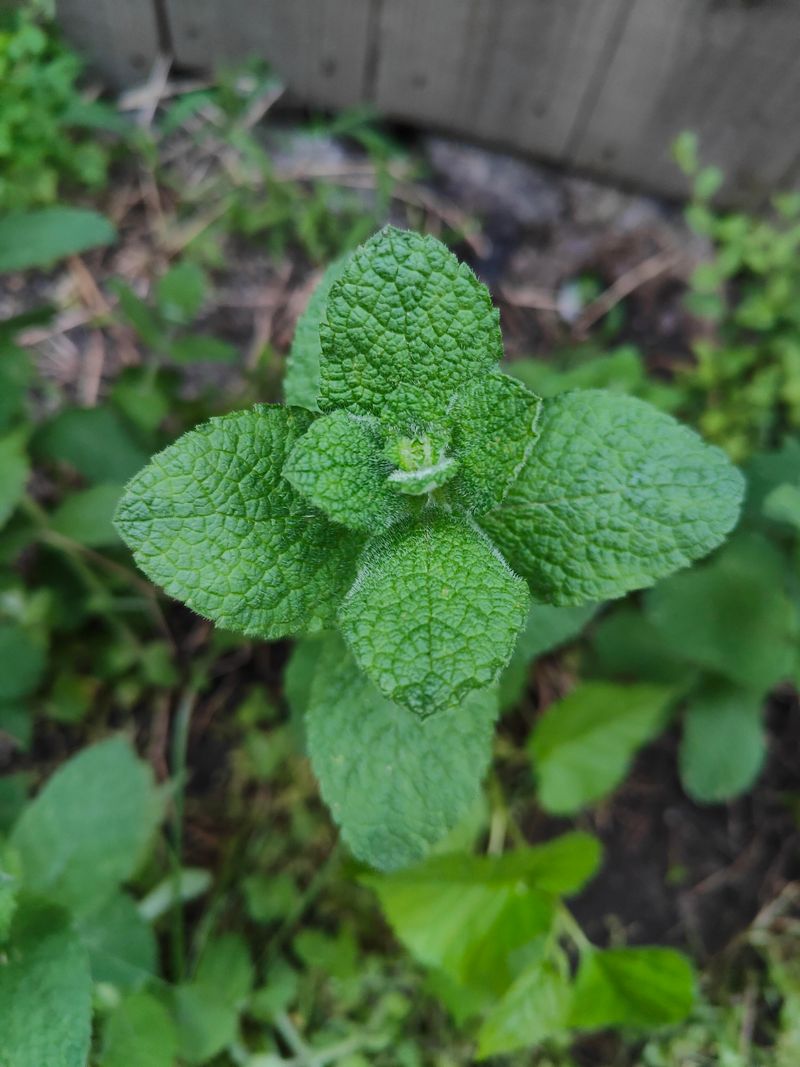
Ask a Missouri cattle farmer about sericea lespedeza, and you might get a long sigh before an answer. Along with perilla mint, it causes headaches on grazing land that go far beyond ordinary weed trouble.
Sericea lespedeza is packed with tannins, bitter compounds that make the plant taste unpleasant to most livestock. Cattle usually avoid it, so the plant spreads freely while tasty grasses get grazed down to stubs.
Over time, a pasture can shift from rich forage to a stiff, woody stand that feeds almost nothing. Farmers then buy more hay or rent extra land, and those costs add up quickly each year.
Perilla mint brings a different danger, because its leaves contain compounds that can harm cattle lungs badly. Problems often spike in late summer and early fall, when pastures dry out and hungry animals explore.
Right now in early October, perilla is often flowering or setting seed along shady fence rows. Walking pastures to spot and pull these plants before seeds drop can reduce next year’s crop.
For sericea, many farmers use a mix of mowing, targeted herbicides, and grazing goats that tolerate tannins. Goats seem to enjoy the bitter snack, which makes them furry little helpers on stubborn hillsides.
Local extension offices offer free advice on timing treatments, so a quick phone call can save money. Ending garden center sales means fewer new seeds sneaking toward farms, which should help people who raise animals.
Native Alternatives Worth Planting Instead
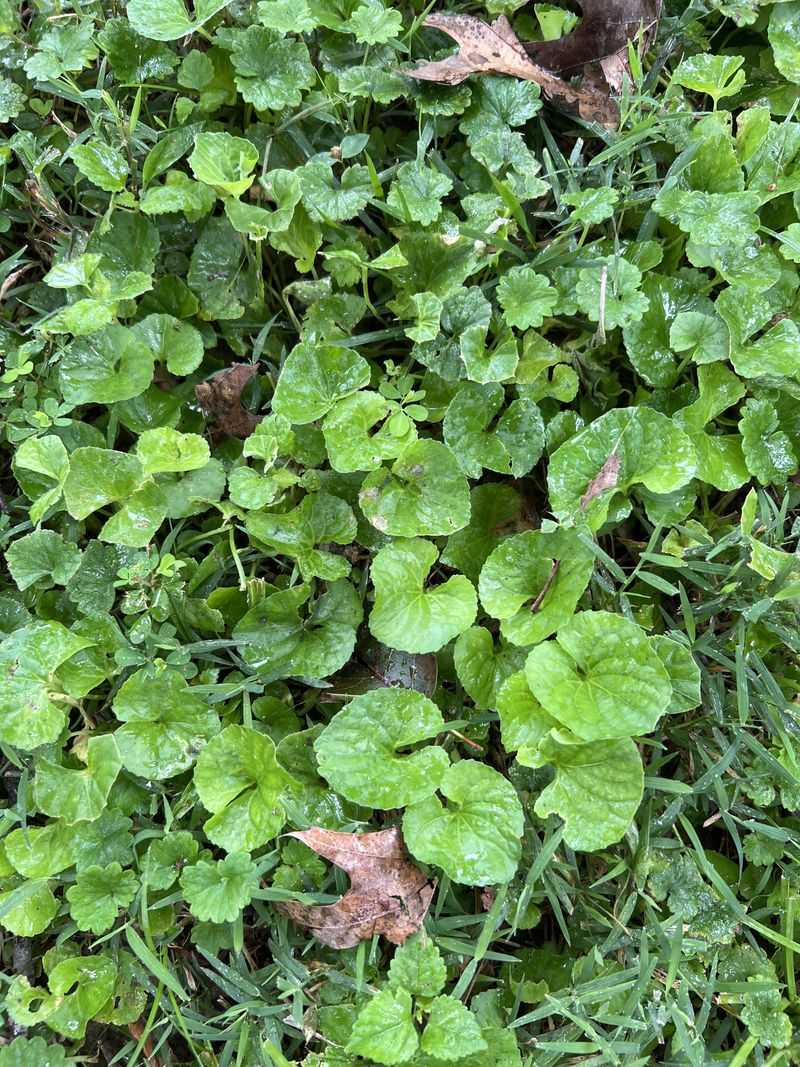
Giving up a favorite plant stings a little, kind of like losing your lucky socks on game day. Missouri natives can fill those empty spots, and many of them offer just as much color and charm.
Instead of wintercreeper, try wild ginger or Pennsylvania sedge for a soft green carpet under shady trees. Both handle Missouri summers well and stay politely in place without climbing up your oak trunks.
Swap Japanese honeysuckle for coral honeysuckle, a native vine with bright red tubular flowers hummingbirds adore. Crossvine is another cheerful option, with orange trumpet blooms that climb fences without swallowing the whole yard.
Where sericea lespedeza once covered slopes, native round-headed bush clover or little bluestem can hold soil nicely. Little bluestem turns a gorgeous copper color in fall, lighting up when the low sun hits.
Fans of perilla’s purple leaves might enjoy wild bergamot or mountain mint, both packed with pleasant fragrance. Pollinators swarm mountain mint in midsummer, turning a plain garden corner into a buzzing little festival.
Early October is a great planting window in Missouri, since warm soil helps roots settle before winter. Many native plant sales happen this month, so check nature centers and local nurseries for fall events.
Water new plantings weekly until the ground freezes, and add a light layer of shredded leaf mulch. By next season, your yard can feel livelier, with birds and butterflies stopping by like regular customers.