How To Get Your Hydrangeas Ready For Winter (And What Not To Do)
Many of next summer’s big blue flower clusters are already hiding inside fat buds on stems this fall. One careless snip with your pruners can quietly remove a whole season of color before winter even arrives.
I skipped a summer of flowers once because I tidied my shrubs a little too eagerly in October. The stems looked neat and tidy all winter, but the following June brought nothing but plain green leaves.
Turns out the right fall routine depends on knowing which kind of shrub you actually planted years ago. You build next year’s show with simple chores like watering and mulching, plus a few smart moments of restraint.
Some popular autumn habits feel helpful in the moment but quietly work against your plants all winter long. So which fall jobs truly matter, and which tempting ones should you happily skip this year?
Deep Watering Keeps Hydrangea Roots Strong Into Winter
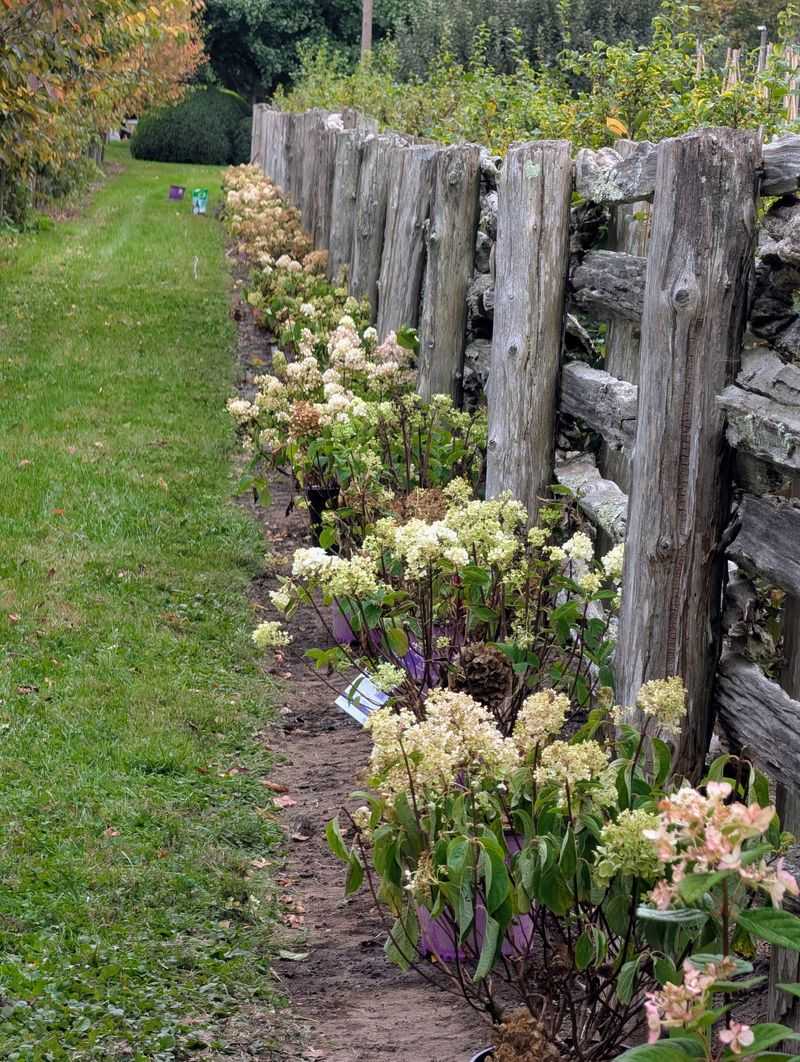
Big hydrangea leaves lose a surprising amount of water, even on crisp autumn afternoons with soft, gentle sunshine. I learned this the hard way when my shrubs looked limp in October after a dry stretch.
Roots keep growing in fall as long as the soil stays unfrozen and reasonably moist around them. Well-watered plants head into winter with plumper stems and buds that handle cold, drying winds much better.
Aim for roughly one inch of water each week, counting any rain that falls on your garden. A cheap rain gauge stuck in the bed takes the guesswork out of that weekly math problem.
Water slowly at the base with a hose or soaker line rather than spraying the leaves overhead. Wet foliage on cool nights gives leaf spot fungi an easy place to settle in and spread.
Keep this routine going until the ground freezes, which happens at very different times across the country. Gardeners in warmer southern zones may keep watering on and off through much of the winter season.
Potted hydrangeas dry out even faster, so check them with a finger poked two inches into the soil. If it feels dry at that depth, give the pot a long, slow drink until water drains out.
A Fluffy Mulch Blanket Protects Hydrangea Roots
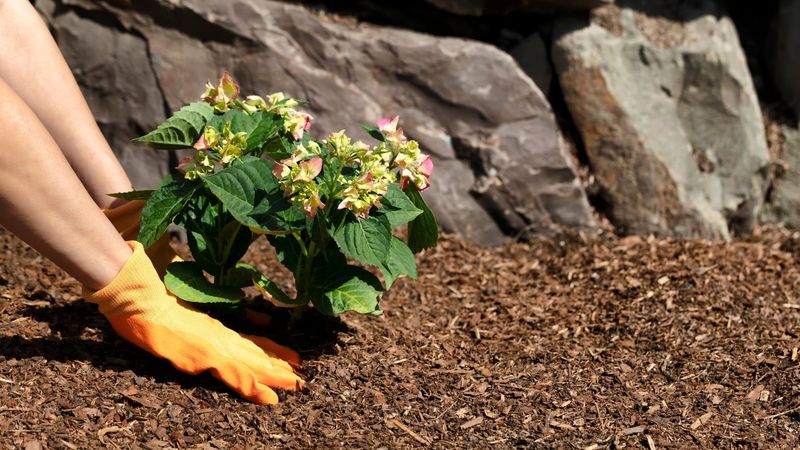
Freeze and thaw cycles can actually push shallow roots up out of the soil like toast popping from a toaster. A cozy layer of mulch keeps soil temperatures steadier, so those roots stay snug and settled all winter.
My favorite choices are shredded bark and chopped leaves, which I gather for free from my own lawn. Both break down slowly and feed the soil as they decay over the following spring and summer.
Spread the mulch two to four inches deep across the root zone, reaching out toward the branch tips. Wider coverage protects more of the feeder roots, which spread farther than most gardeners expect them to.
Timing matters too, so wait until the soil has cooled after a few hard frosts in your area. Mulch applied after the soil cools helps hold that chill steady instead of trapping lingering summer warmth.
Pull the mulch back a few inches from the stems, leaving a small ring of bare ground. That little gap lets the base breathe and discourages hungry voles from tunneling right up to the bark.
Pine needles are a lovely option because they stay fluffy and rarely mat down into a soggy crust. You might notice your shrubs waking up healthier in spring after just one season of this simple habit.
Snip Only Spent Hydrangea Flowers On Old Wood Bloomers
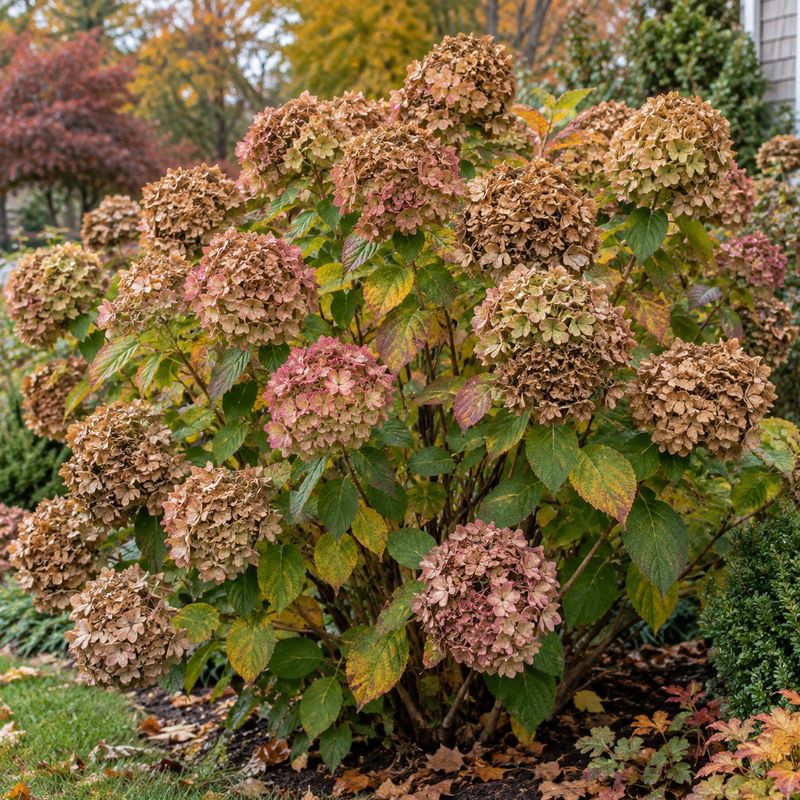
Next summer’s flowers on bigleaf and oakleaf hydrangeas are already formed inside the buds you see right now. Those plump buds sit at the stem tips, waiting patiently through winter for warm weather to return.
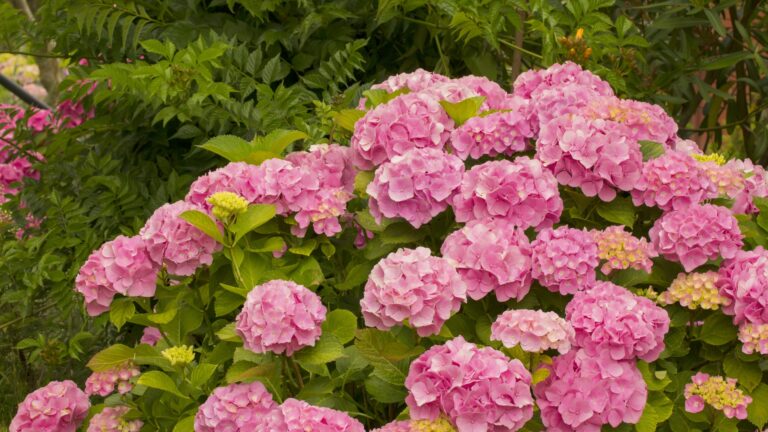
Bigleaf types, known as Hydrangea macrophylla, include the classic mopheads and lacecaps that shift between pink and blue shades. Oakleaf hydrangea, Hydrangea quercifolia, follows the same habit and sets its buds on last year’s stems too.
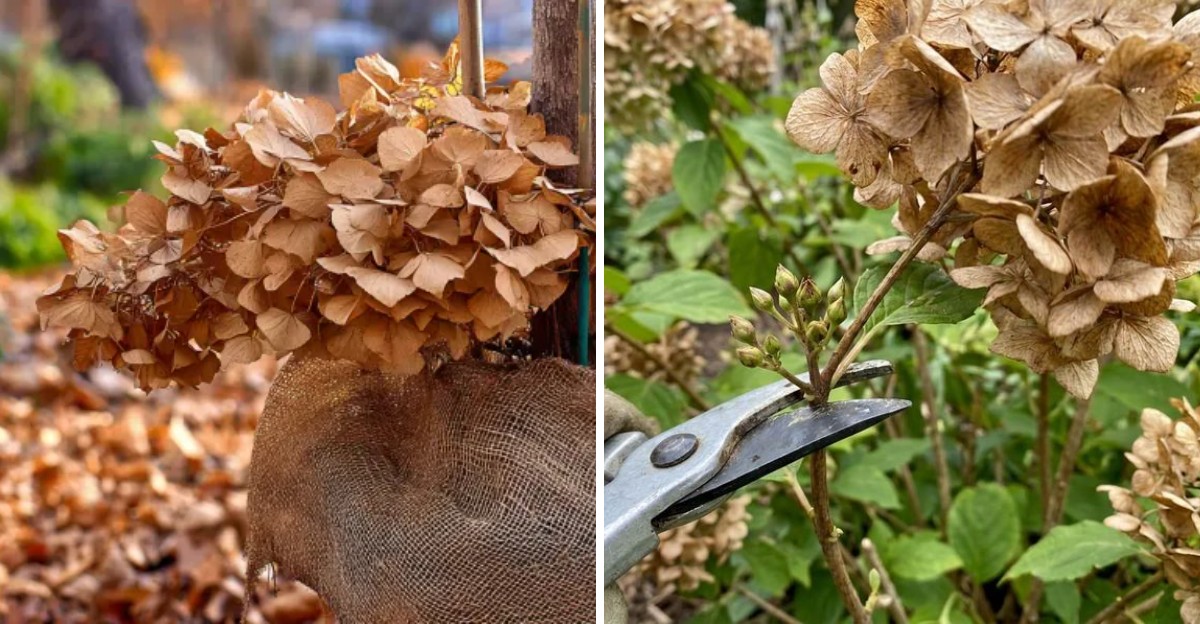
For these shrubs, fall pruning should stay very light, almost like a quick haircut instead of a makeover. Remove only broken stems or branches that look brittle and hollow, cutting back to healthy green tissue.
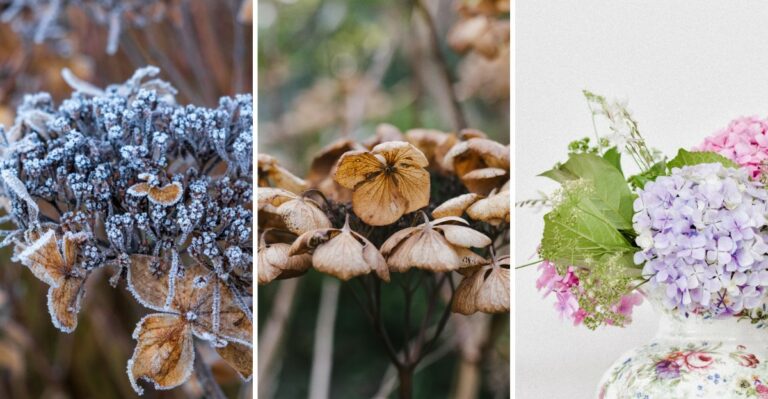
If old flower heads bother you, snip them just above the first pair of fat, healthy buds below. Many gardeners leave the papery blooms in place, since they look charming dusted with frost or snow.
I love how the faded mopheads turn soft shades of antique rose and muted green as weather cools. They also make lovely dried arrangements for a kitchen table, so cutting a few is a fun bonus.
Wash your pruners with soapy water or a household disinfectant between plants to reduce the spread of disease. Sharp, clean blades make neat cuts that heal much faster than the ragged tears left by dull tools.
Burlap Wraps Shield Tender Bigleaf Hydrangea Buds
Bigleaf hydrangea flower buds can be harmed by deep cold even when the roots and stems survive just fine. That explains why some gardeners in colder regions see lush green leaves but very few blooms each summer.
Extension experts note these buds often struggle in USDA zone 5 and colder spots, plus windy exposed yards. Reblooming types like the Endless Summer series help, because they also flower on new wood grown each spring.
A simple cage of chicken wire around the shrub, filled loosely with dry leaves, makes a cozy shelter. Oak leaves work nicely because they resist matting and stay airy even after a heavy rain.
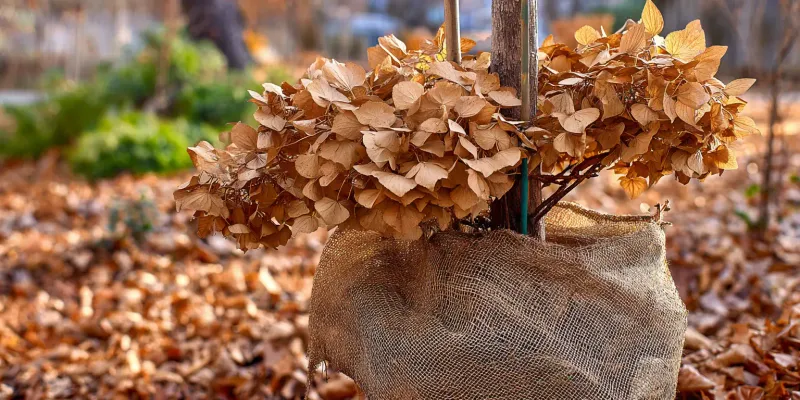
Another option is wrapping the plant loosely in burlap, which blocks drying winds while still letting air through. Skip plastic sheeting, since it traps moisture and can heat up quickly on sunny winter afternoons.
Install your protection after the plant goes dormant and the weather turns reliably cold in late fall. Remove it gradually in spring, ideally on a cloudy day, once the danger of hard frost has passed.
After I tested this on one shrub, it bloomed beautifully while its unwrapped neighbor produced only leaves. That side-by-side comparison convinced me the extra effort was worth every scratched knuckle along the way.
Raking Fallen Hydrangea Leaves Keeps Disease Away
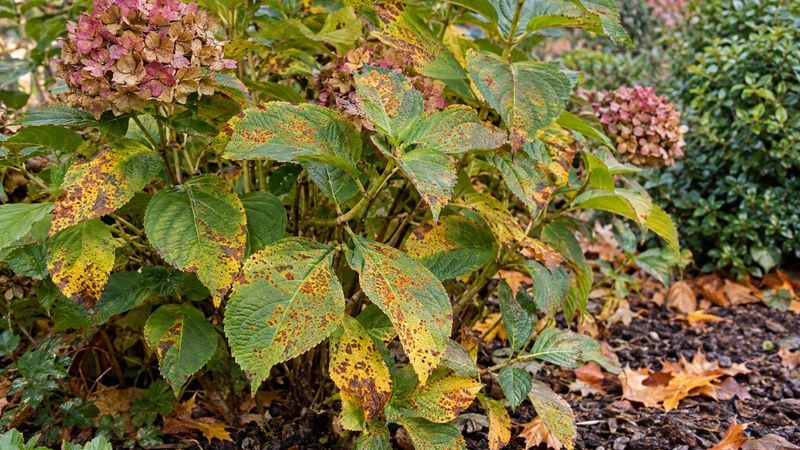
Those crinkly brown leaves piled under your hydrangea might look harmless, but fungal spores love hiding there. Leaf spot diseases like Cercospora can survive the winter on fallen foliage and splash back up in spring.
Rake up the spotted leaves around the base and bag them instead of tossing them in compost. Many home compost piles do not get hot enough to reliably break down disease spores over winter.
Healthy leaves without spots can stay in the garden, since they make excellent mulch once shredded. I run mine over with the lawn mower first, which turns a big pile into fine, crumbly bits.
Clearing the area also improves air flow around the lower stems, which helps foliage dry faster next season. Better airflow means fewer damp pockets where powdery mildew and other fungal troubles like to settle in.
While you are down there, pull any weeds that crept in during late summer when you were busy. Weeds compete for water and nutrients, and some even shelter insect pests through the colder months.
A tidy bed makes it easier to spot problems early, like cracked stems or signs of hungry rodents. I find this chore oddly relaxing, especially on a cool afternoon with the smell of damp earth around.
Heavy Fall Pruning Steals Next Summer’s Hydrangea Blooms
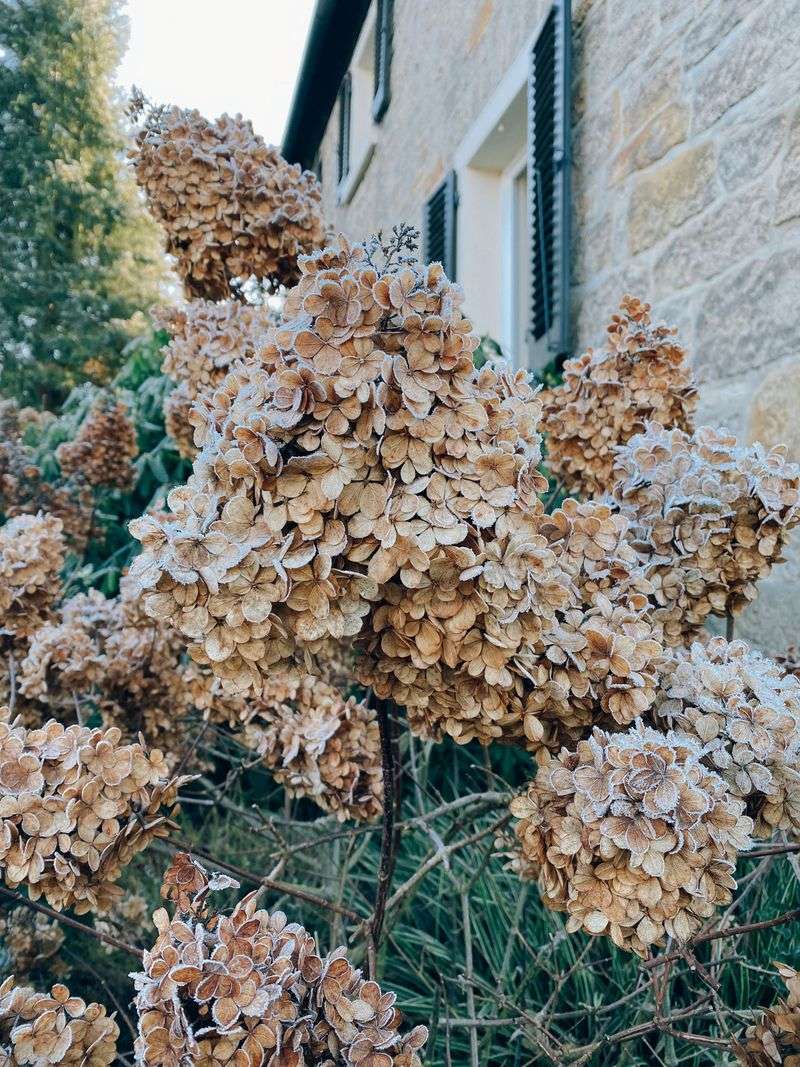
Nothing stings quite like waiting all summer for blue mopheads and getting only a tidy mound of green leaves. Heavy fall pruning on old wood bloomers is the most common reason this disappointing scene plays out.
Bigleaf and oakleaf hydrangeas form their flower buds in late summer and early fall on current stems. Cutting those stems back by half in October removes the buds that would have opened next June.
If your shrub truly needs shaping, the best time is right after it finishes flowering in summer. That timing gives new stems a few weeks to grow and set fresh buds before cool weather arrives.
Overgrown old shrubs can be renewed slowly by removing a few of the oldest canes at ground level. Taking about one third each year keeps the plant flowering while gradually refreshing its overall shape.
I gave up major fall pruning a few years ago, and my bloom count has improved noticeably since then. Patience felt strange at first, but those heavy, nodding flower clusters made the wait feel worthwhile.
When the pruning itch strikes in autumn, redirect that energy toward raking leaves or cleaning your garden tools. Your hydrangeas will reward that restraint with far more color than any neat fall haircut could provide.
Late Season Fertilizer Pushes Tender Hydrangea Growth
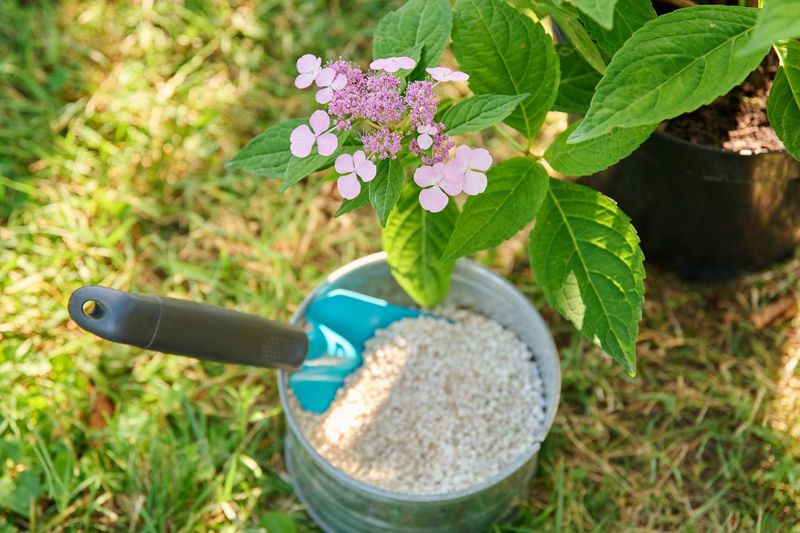
Feeding a hydrangea in fall feels generous, like offering a snack before bedtime, yet it often backfires. Fertilizer can trigger soft new shoots that have no time to toughen up before freezing weather arrives.
Those tender stems are easily injured by frost, and the damage sometimes travels down into healthier wood. Many extension services suggest finishing hydrangea feeding by mid to late summer for this exact reason.
As days shorten, the shrub naturally slows its growth and starts storing energy in its roots for winter. Extra nitrogen now mostly goes unused, and much of it can wash away into nearby streams and groundwater.
A better plan is applying a balanced, slow release fertilizer in spring as fresh leaves begin to unfold. Follow the label carefully, because too much nitrogen can produce huge leaves at the expense of flowers.
A soil test through your local extension office reveals exactly what your garden needs before you buy anything. Many hydrangeas growing in decent, well amended garden soil need surprisingly little fertilizer to bloom well each year.
Compost is the exception I happily make, since it feeds soil life gently without pushing sudden growth spurts. Spread a thin layer around the root zone and let worms carry it down over the winter months.
Mulch Piled Against Hydrangea Stems Invites Trouble
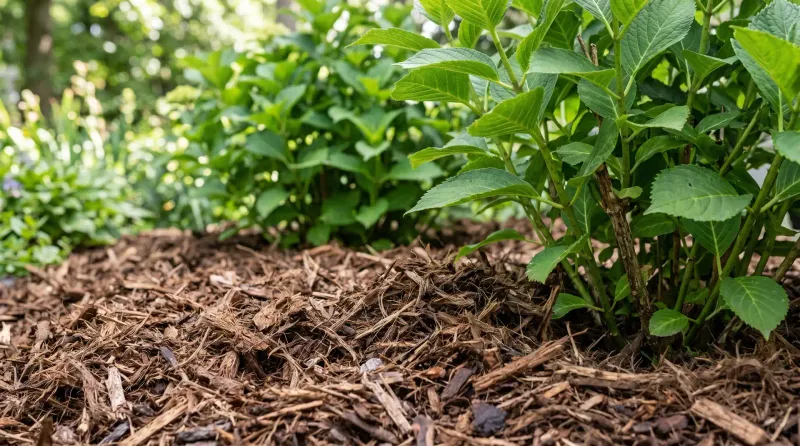
A tall cone of mulch hugging the base of a shrub is often called a mulch volcano by arborists. It looks tidy and generous, but that soggy pile can cause real problems for hydrangea stems over time.
Mulch pressed against bark keeps it constantly damp, which encourages rot and fungal infections at the crown. Voles and mice also love that sheltered pocket, where they can nibble stems safely out of sight.
Spreading mulch too early in fall is another common slip that catches many eager gardeners off guard. Warm soil under a thick layer may stay active longer, delaying the natural slowdown your shrub needs.
Wait until after a few hard frosts, then spread a layer about two to four inches deep. Going deeper than that can smother roots by limiting the oxygen they need to stay healthy and active.
I fix mulch volcanoes by pulling the material back with my gloved hands until the stem base shows. A three inch gap around the stems is plenty, and the shrub looks neater with that clean ring.
Fresh wood chips straight from a tree service can also tie up nitrogen near the soil surface briefly. Let them age for several months first, or stick with shredded bark that has already started to break down.
Knowing Your Hydrangea Type Prevents Pruning Disasters
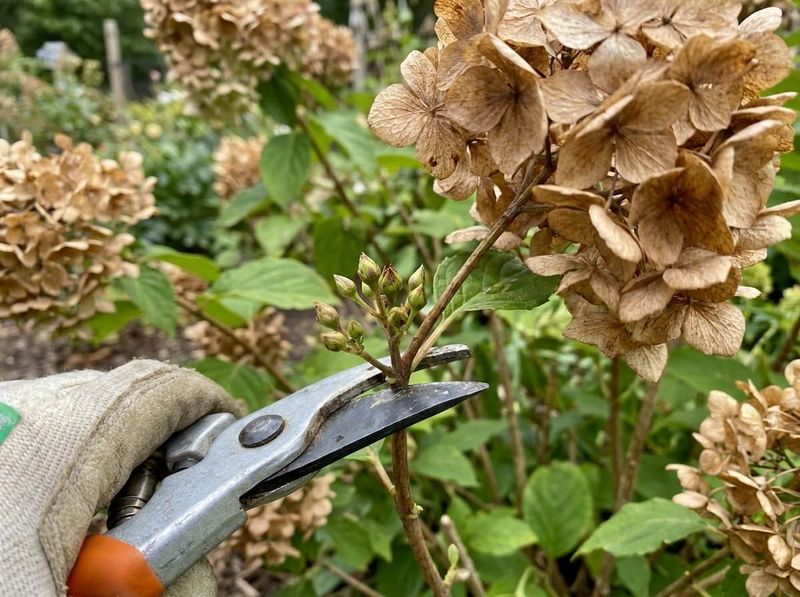
Panicle hydrangeas and bigleaf hydrangeas can look like cousins in the garden, yet they need opposite pruning plans. Treating every hydrangea the same way is a quick route to a summer with very few flowers.
Panicle types like Limelight and smooth types like Annabelle bloom on fresh stems that grow each spring. These two tolerate hard pruning in late winter or early spring without losing a single summer flower.
Bigleaf and oakleaf hydrangeas belong to the old wood group, so their buds need protection rather than trimming. Reblooming varieties carry buds on both old and new stems, giving you a backup if winter turns harsh.
To identify yours, check the plant tag or study the leaves and flowers closely this fall. Oakleaf types have lobed leaves shaped like oak foliage, while panicle types grow cone shaped flower clusters.
Bigleaf types have broad, glossy leaves and round mophead or flat lacecap flowers in pink or blue. If you are unsure, snap a photo and ask your local extension office or a trusted garden center.
I keep a little notebook listing each shrub and its pruning group, taped inside my shed door. That small habit saved me from at least one costly mistake when my memory got fuzzy last fall.