How To Get Your Spider Plant Bushier By March In Florida
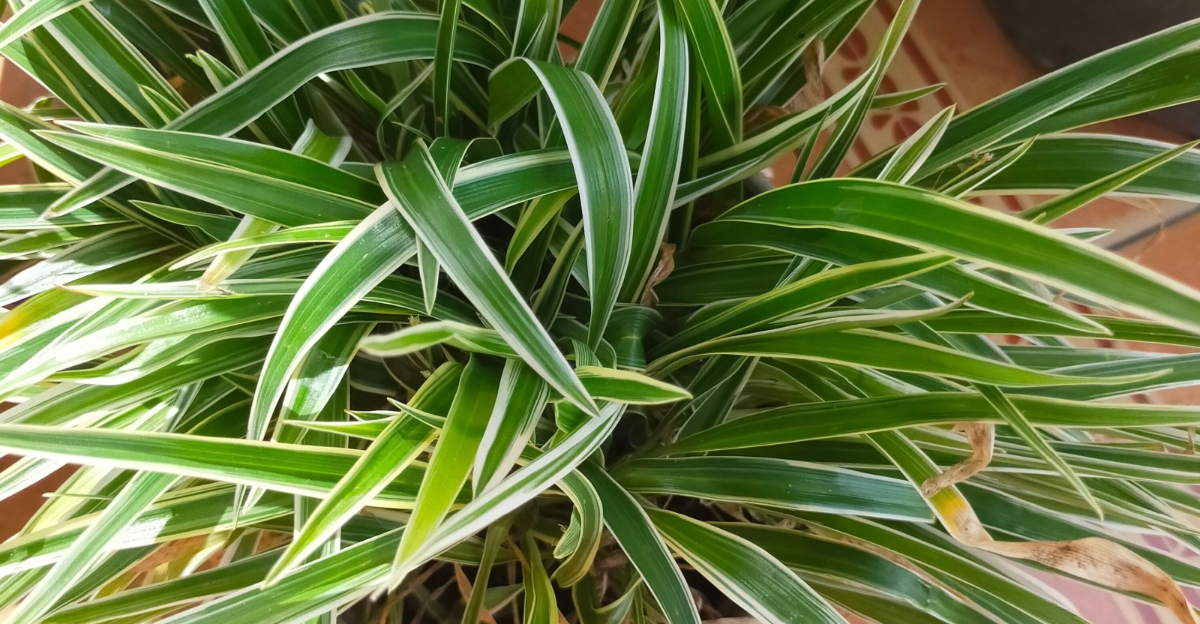
Why do our spider plants stay thin while Florida homes fill with warm winter light? We care for them, water them, place them near bright windows, yet you still notice gaps instead of that rich, flowing shape by March.
I faced the same frustration in my Florida home until one overlooked detail changed everything. Florida gives us steady warmth, long bright days, and roots that never truly sleep, which means your plant already has the advantage.
Growth can shift faster than expected once the right condition clicks into place. Thin structure gives way to stronger crowns, fresh shoots begin to rise, and fullness starts building from the center outward.
The change does not demand complicated care, only the right focus at the right moment.
With Florida conditions on your side, a sparse spider plant can move toward thick, balanced, vibrant growth well before spring arrives.
1. Bright Indirect Light Builds Fuller Growth
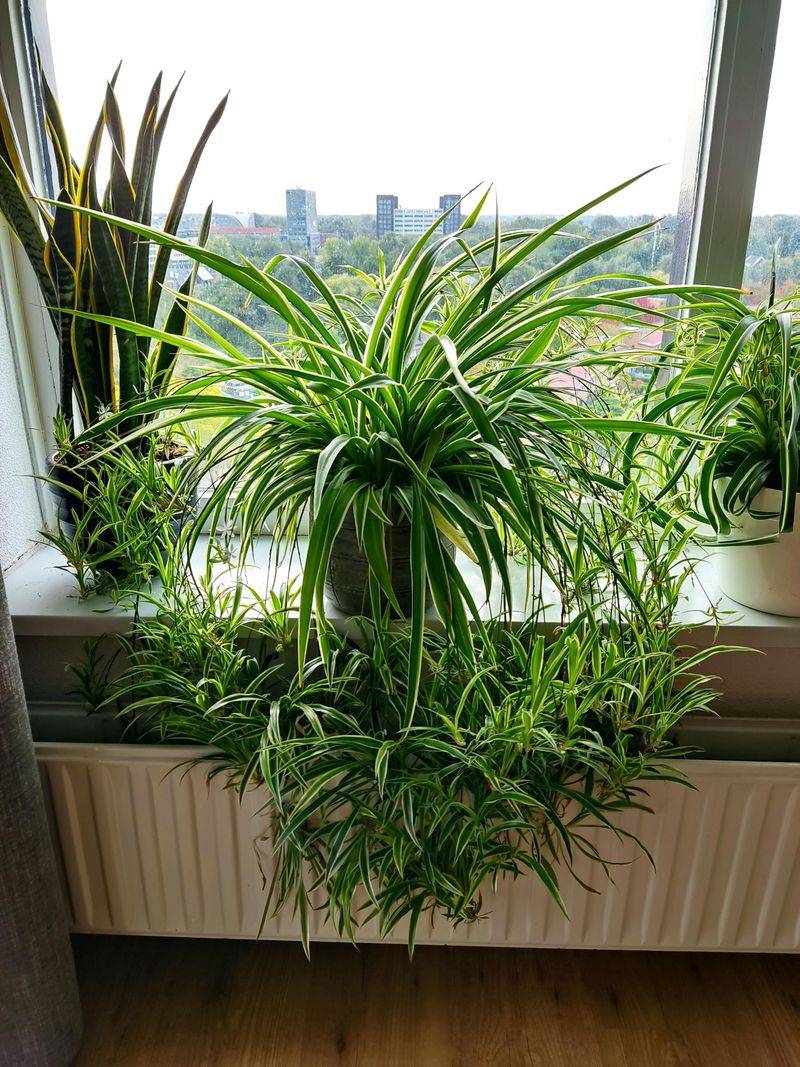
Natural light is the foundation of a fuller, healthier spider plant. Without enough brightness, your plant will stretch toward the nearest light source, creating long, thin leaves instead of compact, bushy growth.
In Florida, winter sunlight can still be strong near south- or west-facing windows, so filtered light is usually safest.
Position your plant within a few feet of an east or north-facing window where it can soak up gentle morning or filtered light throughout the day. If you only have south or west-facing windows, use a sheer curtain to diffuse the stronger afternoon rays.
Spider plants thrive when they receive several hours of bright but indirect light daily, which signals them to produce more chlorophyll and push out new leaves from the center.
As February transitions into March, the increasing daylight hours naturally encourage your plant to grow more actively. You might notice fresh shoots emerging from the crown, and existing leaves becoming greener and more vibrant.
Consistent light exposure helps the plant allocate energy toward leaf production rather than stretching awkwardly toward a distant light source.
Avoid placing your spider plant in a dim corner or far from windows, as low light leads to sparse, weak growth that never quite fills out no matter how well you care for it otherwise.
2. Trim Leggy Leaves For A Thicker Plant
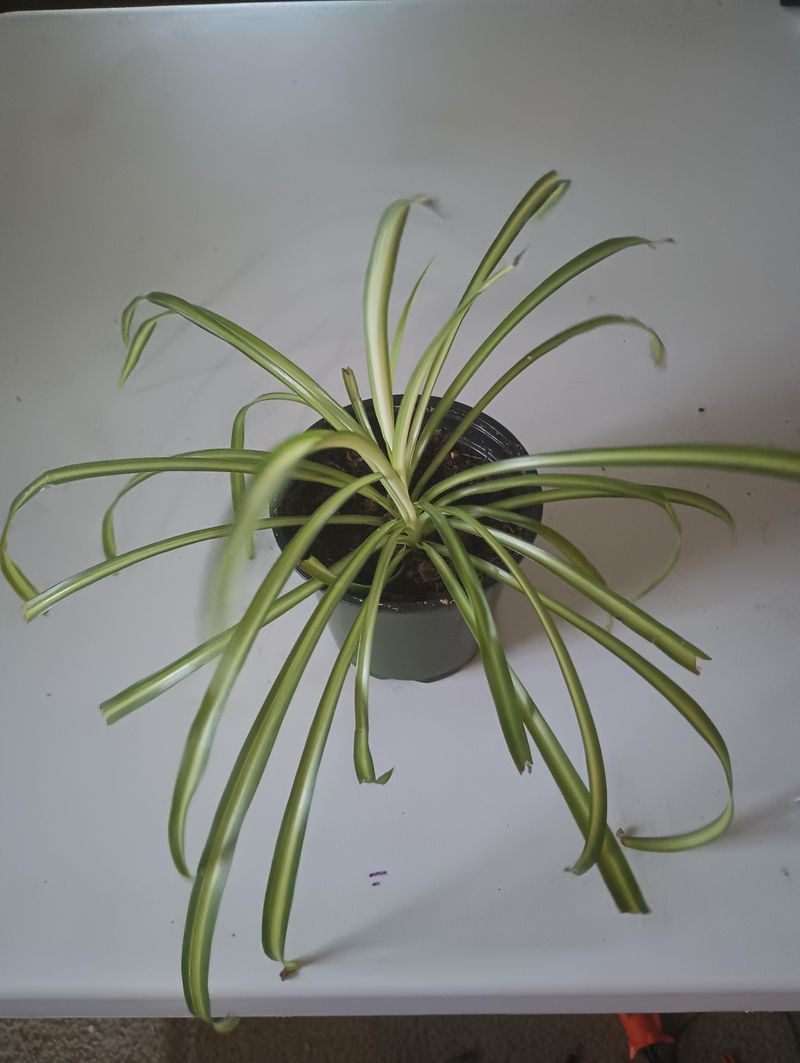
Leggy, overgrown leaves can make your spider plant look thin and straggly instead of full and lush. These older outer leaves often develop brown tips or fade in color, drawing energy away from the plant’s ability to produce fresh, vibrant foliage.
Trimming them back encourages the plant to focus its resources on generating new growth from the center, which naturally leads to a denser appearance.
Use a clean pair of scissors or pruning shears to snip off any leaves that look pale, damaged, or excessively long. Cut each leaf at the base where it meets the soil line, rather than halfway up, to keep the plant looking tidy and to prevent unsightly stubs.
Pruning removes damaged leaves and helps the plant focus on healthy growth, improving fullness over time.
Late winter is an ideal time to prune because your spider plant is gearing up for its active spring growth phase. Removing the old, tired leaves now gives the plant a head start, allowing it to channel energy into producing thick, healthy foliage by March.
You might be surprised at how quickly new shoots appear once you clear away the clutter.
Regular trimming also improves air circulation around the base, reducing the chance of moisture-related issues in Florida’s humid indoor environments.
3. Cut Runners To Encourage Bushy Growth
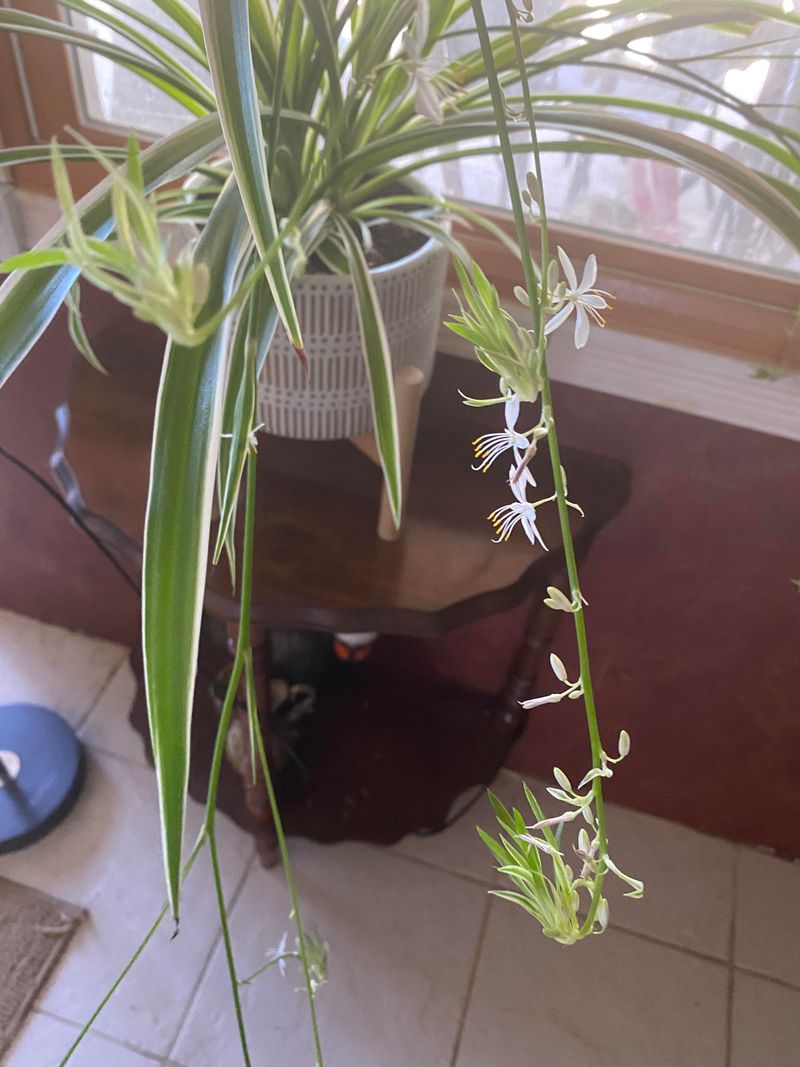
Those long, arching stems that dangle from your spider plant and produce baby plantlets are called runners, and while they look charming, they also divert significant energy away from the main plant. If your goal is a fuller, bushier mother plant by March, removing these runners is one of the most effective steps you can take.
Each runner requires nutrients and water to sustain itself and the babies attached to it, which means less fuel for the central crown to produce new leaves.
Snip off runners at their base using clean scissors, cutting as close to the main plant as possible without damaging the crown. You can propagate the baby plants in water or soil if you want to grow new spider plants, or simply discard them if you prefer to focus solely on the parent.
Removing runners can help redirect some energy toward leaf growth, though the effect is usually moderate.
Florida’s indoor conditions in late winter provide a great environment for this kind of growth redirection. With more daylight and warmer temperatures on the horizon, your spider plant will respond quickly to the removal of runners by pushing out multiple fresh leaves from the center.
The result is a compact, voluminous plant rather than a sprawling one with energy scattered across many offshoots.
Repeat this process every few weeks if new runners appear, maintaining the plant’s focus on building density.
4. Repot To Unlock Fresh Growth Energy
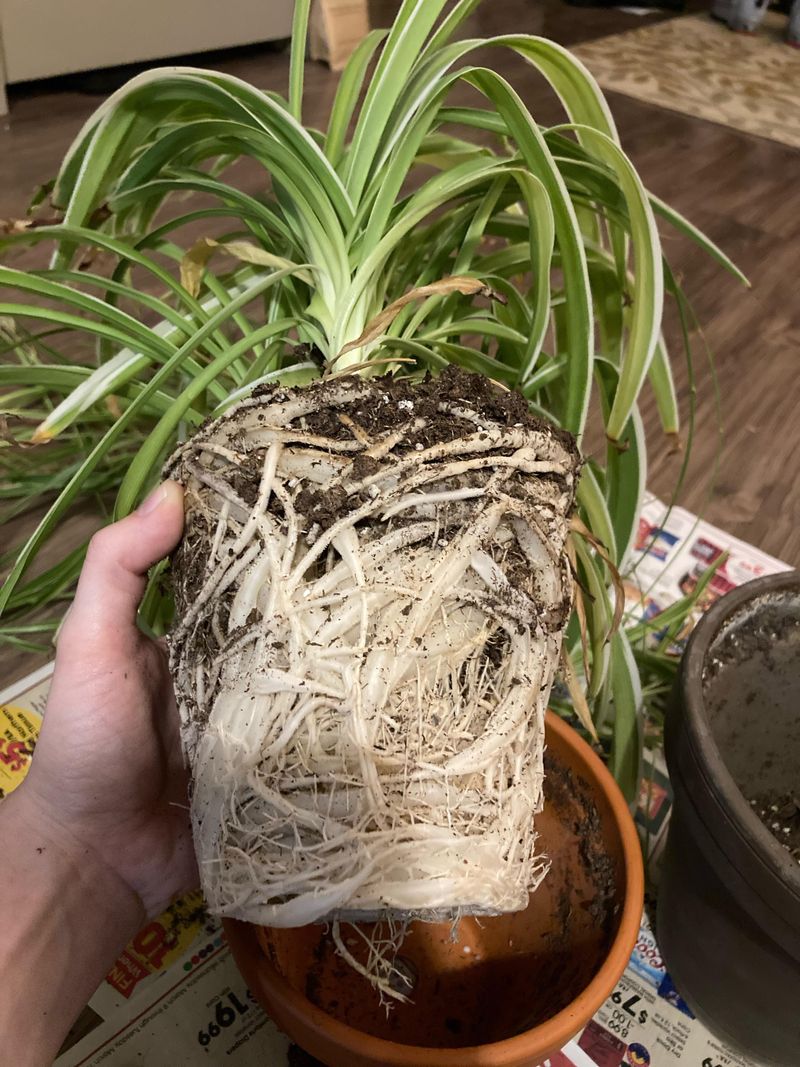
A root-bound spider plant struggles to access the nutrients and water it needs to support lush, bushy growth. When roots circle tightly around the inside of the pot with little room left for soil, the plant’s ability to expand and produce new leaves slows dramatically.
Repotting into a container just one or two inches larger can unlock a surge of fresh growth as the roots spread into new soil rich with nutrients.
Check your plant by gently lifting it from its current pot. If you see a dense mass of white or tan roots with very little soil visible, it’s time to repot.
Choose a pot with drainage holes and fill it with a well-draining potting mix designed for houseplants. Loosen the root ball gently before placing it in the new container, then fill in around the sides with fresh soil, pressing lightly to eliminate air pockets.
Late winter is an excellent time to repot because your spider plant is about to enter its most active growth period. The combination of new soil, more root space, and increasing daylight hours creates ideal conditions for the plant to fill out quickly.
Within weeks, you’ll likely see multiple new leaves emerging from the crown, contributing to a fuller, bushier appearance by March.
Water thoroughly after repotting, allowing excess to drain completely, and resume your regular care routine.
5. Light Feeding Fuels Dense New Leaves
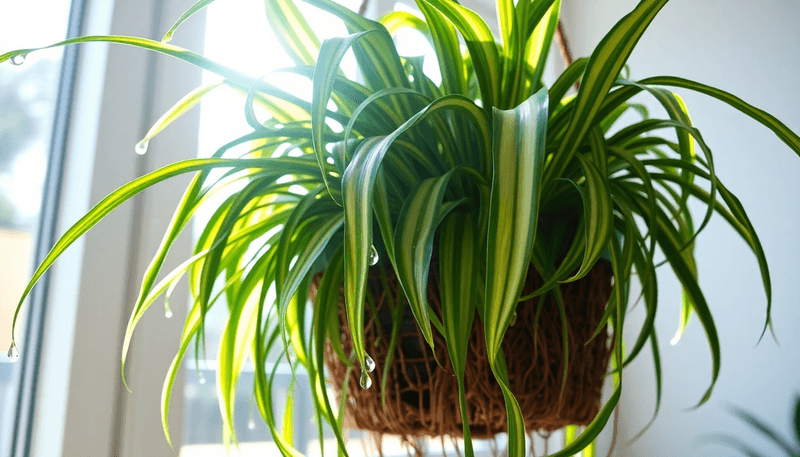
Fertilizer provides the essential nutrients your spider plant needs to produce thick, vibrant leaves and maintain vigorous growth. While these plants are not heavy feeders, a light application of balanced liquid fertilizer during late winter can give them the boost they need to fill out beautifully by March.
Without adequate nutrients, even a well-watered and well-lit spider plant may produce pale, thin leaves that lack the density you’re aiming for.
Use a balanced houseplant fertilizer diluted to half the recommended strength, and apply it about once a month during late winter and early spring. Water the plant lightly before feeding to prevent root burn, then pour the diluted fertilizer over the soil until it begins to drain from the bottom.
This gentle feeding schedule supports steady leaf production without overwhelming the plant or causing fertilizer buildup in the soil.
In Florida, where indoor temperatures stay relatively warm even in winter, spider plants often continue growing slowly throughout the cooler months. A modest nutrient boost helps them take full advantage of the lengthening days and encourages the crown to push out multiple new leaves at once.
You’ll notice the foliage becoming greener, stronger, and more abundant as the plant responds to the added nutrition.
Avoid overfeeding, as excess fertilizer can lead to brown leaf tips and stunted growth rather than the lush fullness you want.
6. Consistent Watering Supports Lush Growth
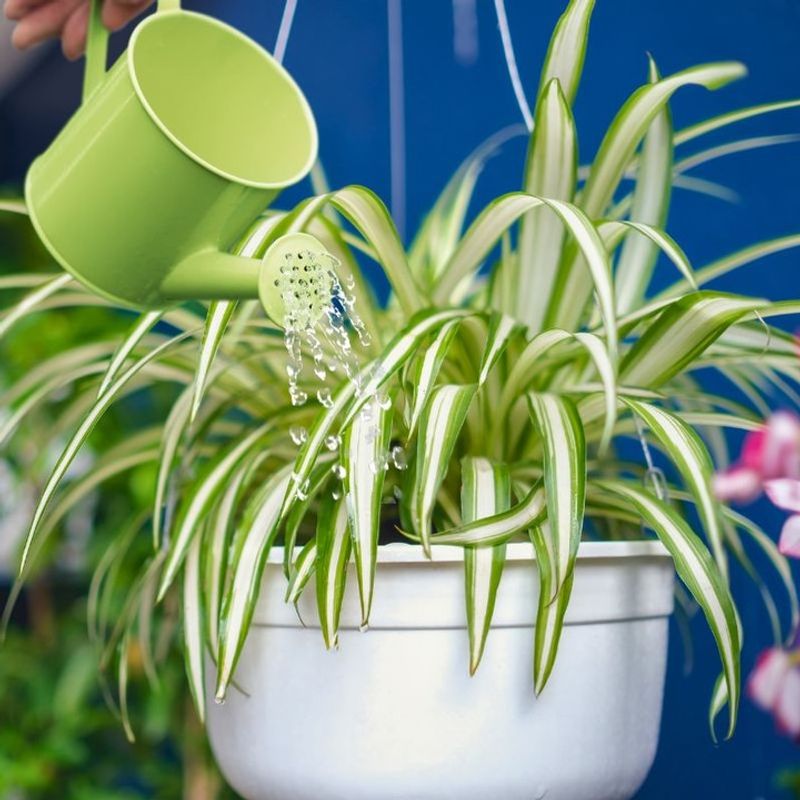
Watering consistency plays a major role in how full and healthy your spider plant looks. These plants prefer evenly moist soil that never stays soggy or dries out completely for long periods.
When watering is erratic, the plant struggles to maintain steady growth, often resulting in sparse foliage and stressed-looking leaves. Establishing a regular watering routine now will help your spider plant build the lush, bushy appearance you want by March.
Check the soil every few days by sticking your finger about an inch deep. If it feels dry at that depth, it’s time to water thoroughly until excess drains from the bottom of the pot.
In Florida’s indoor environment, water when the top 1–2 inches of soil feel dry, rather than following a fixed weekly schedule. Avoid letting the soil dry out to the point where it pulls away from the sides of the pot, as this stresses the roots and slows new leaf production.
Consistent moisture allows the plant to focus energy on growing dense, healthy foliage rather than conserving resources to survive drought stress. You’ll see the difference in how quickly new leaves emerge and how vibrant they look compared to a plant that experiences frequent dry spells.
Use room-temperature water to avoid shocking the roots, and always ensure proper drainage to prevent waterlogged soil.
Adjust your schedule as needed based on seasonal changes and your plant’s specific needs.
7. Boost Humidity For Healthier Fuller Foliage
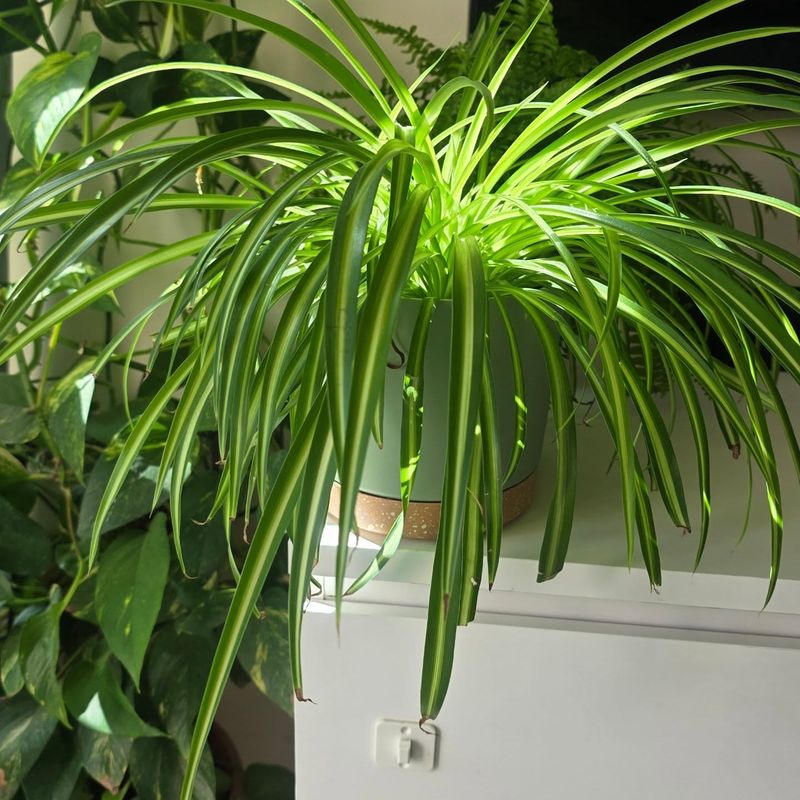
Spider plants appreciate moderate humidity, and while they tolerate dry air better than many houseplants, boosting moisture levels can lead to healthier, fuller foliage. In many Florida homes humidity is already moderate to high, so extra humidity is only helpful if indoor air becomes unusually dry.
Increasing humidity around your spider plant encourages it to produce broader, greener leaves and reduces the likelihood of brown, crispy tips that detract from a lush appearance.
One easy method is to place your plant on a tray filled with pebbles and a shallow layer of water. As the water evaporates, it creates a humid microclimate around the leaves without waterlogging the roots.
You can also group several houseplants together, as they naturally release moisture into the air and benefit from each other’s transpiration. Misting the leaves lightly a few times a week is another option, though it’s less effective than the tray method.
Higher humidity supports the plant’s ability to photosynthesize efficiently and grow more vigorously as daylight increases heading into March. The leaves will look plumper, more vibrant, and less prone to the browning that makes a plant appear sparse or unhealthy.
In particularly dry rooms, consider running a small humidifier nearby to maintain steady moisture levels.
Avoid placing your spider plant near heating vents or drafty windows, as these spots tend to have the driest air and can stress the plant unnecessarily.
8. Rotate Weekly For Even Bushy Shape
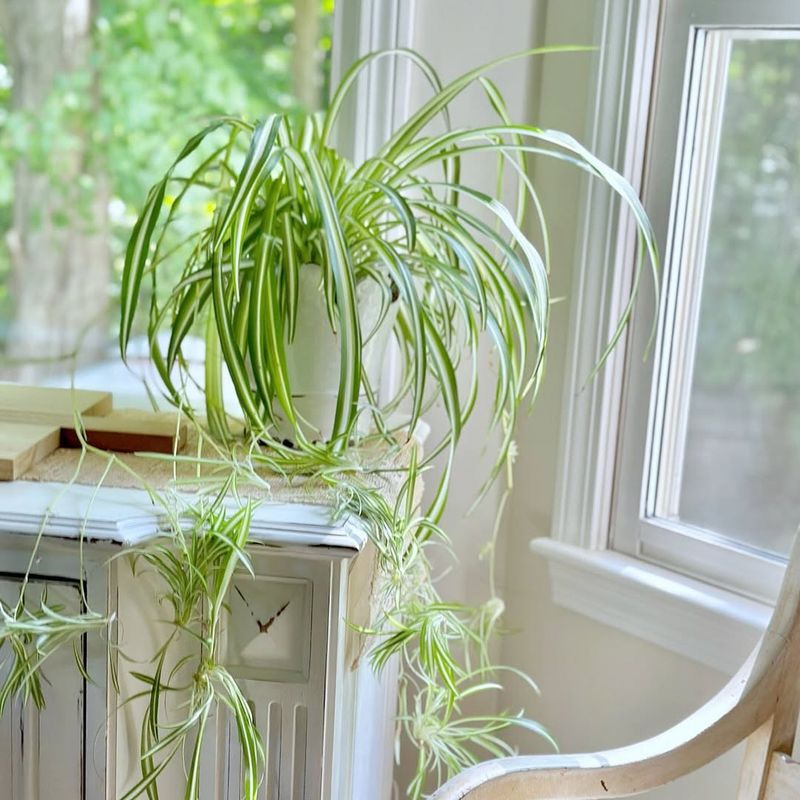
Spider plants naturally grow toward their light source, which can result in lopsided, uneven foliage if left in one position for too long. Rotating your plant regularly ensures that all sides receive equal light exposure, encouraging balanced growth and a symmetrical, bushy shape.
This simple habit takes only a few seconds each week but makes a noticeable difference in how full and attractive your plant looks by March.
Turn your spider plant a quarter turn each week, moving it in the same direction each time so all sides gradually face the window. This prevents the plant from leaning heavily in one direction and promotes even leaf production all around the crown.
You’ll notice that the side facing away from the light begins to catch up in fullness once it gets its turn in the brightest spot, creating a more uniform appearance overall.
In Florida, where indoor light can vary depending on the season and time of day, rotation becomes especially important during late winter as the sun’s angle shifts. A well-rotated spider plant develops a dense, circular canopy rather than a sparse, one-sided look.
The practice also helps you spot any issues early, such as pests or damaged leaves, since you’re regularly examining the plant from all angles.
Combine rotation with your other care steps for the best results, and you’ll see your spider plant transform into a full, balanced beauty.