How To Grow A Plum Tree That Produces Delicious Fruit Every Season In Utah
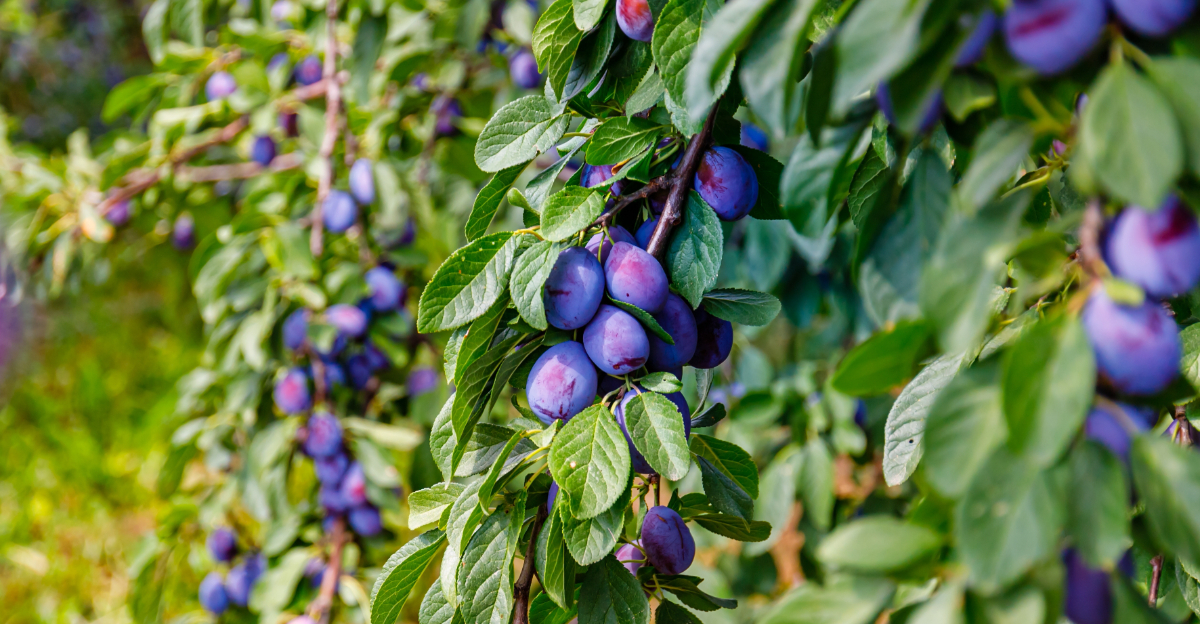
Most people think plums demand warm, gentle weather to flourish. Utah quietly rewrites that theory with every frosty winter. Freezing temperatures trigger dormancy that plums genuinely require.
You benefit directly from that deep seasonal cold. Sunlight intensifies here, concentrating sugar inside every ripening plum. Altitude shifts flavor chemistry in ways most guides skip.
Nobody mentions pollination windows until your harvest disappoints completely. Certain varieties struggle here while others thrive without effort. Soil composition across Utah decides what your tree tolerates.
Watering errors weaken more plum trees than any pest. Pruning choices made now shape harvests for years ahead. Your specific climate zone determines exact planting timing.
Real results demand precision, patience, deliberate strategy. Spacing mistakes limit roots and slow future fruit production. Disease resistance varies significantly between rootstocks you might choose.
Timing your early cut determines everything that follows next. What happens next determines whether your tree thrives for years.
1. Choose A Variety Suited To Utah’s Climate
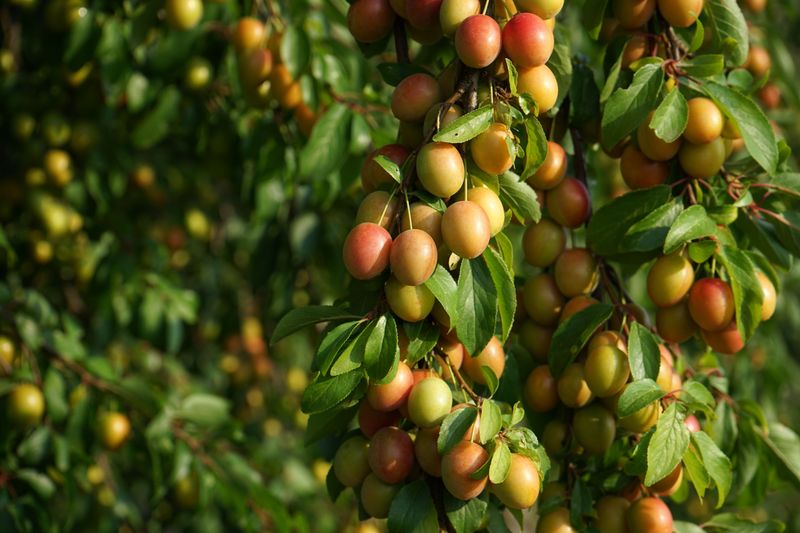
Not every plum thrives in the same soil or sky. Utah has cold winters and hot, dry summers, so picking the wrong variety is a fast track to frustration. The good news? Several plum varieties absolutely love these conditions.
Japanese plums like Methley and Santa Rosa do well in warmer Utah valleys, producing sweet, juicy fruit with minimal fuss.
European varieties like Italian Prune and Stanley are tougher and handle colder mountain areas beautifully. These types also tend to be self-fertile, meaning you may not need a second tree for pollination.
That said, planting two compatible varieties always boosts your harvest significantly. Cross-pollination encourages heavier fruit sets and more consistent production each year.
Check with your local extension office or nursery before buying. They know which varieties perform best in your specific county or elevation zone.
A tree planted in the wrong climate zone will struggle every season, no matter how well you care for it.
Choosing the right variety is one of the most important decisions you will make when learning how to grow a plum tree in Utah. Get this step right, and everything else becomes much easier from day one.
2. Plant In A Spot With Full Sun
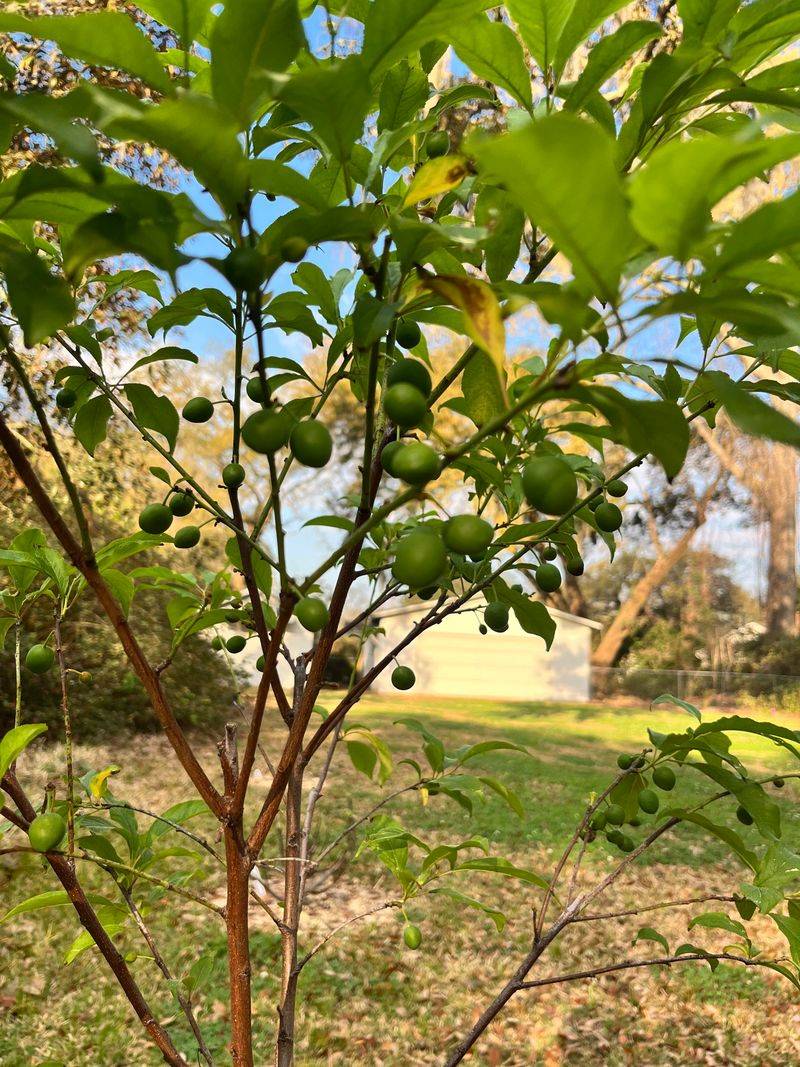
Sunlight is the engine that powers a plum tree’s entire season. Without enough of it, your tree will grow slowly and produce weak, flavorless fruit.
Plums need at least six to eight hours of direct sun every single day. In Utah, the sun is generous from late spring through early fall, which is a huge advantage for backyard growers.
Pick a spot away from tall fences, large structures, or shade trees that could block morning or afternoon light. South-facing or west-facing locations in your yard tend to offer the best sun exposure throughout the growing season.
Avoid low-lying areas where cold air pools overnight. These frost pockets can damage early blossoms, even when the rest of the yard feels perfectly fine.
A slightly elevated planting spot encourages better air circulation around the branches. Good airflow reduces the risk of fungal diseases that love cool, damp conditions hiding in shaded corners.
Your Utah Garden Changes Every Week. Your Plan Should Too.
Gardening in Utah changes quickly throughout the season. Every Friday you’ll receive a simple weekly plan showing exactly what to plant, prune, fertilize, harvest, and protect so you never miss the right timing.
Walk your yard at different times of day before choosing a location. You want to watch how shadows move from morning to evening so you can spot the sunniest patch available.
Full sun is not negotiable for a productive plum tree. Plant it in the brightest corner of your yard, and the tree will reward you with a stunning harvest worth every bit of planning.
3. Ensure Well-Drained Soil Before Planting
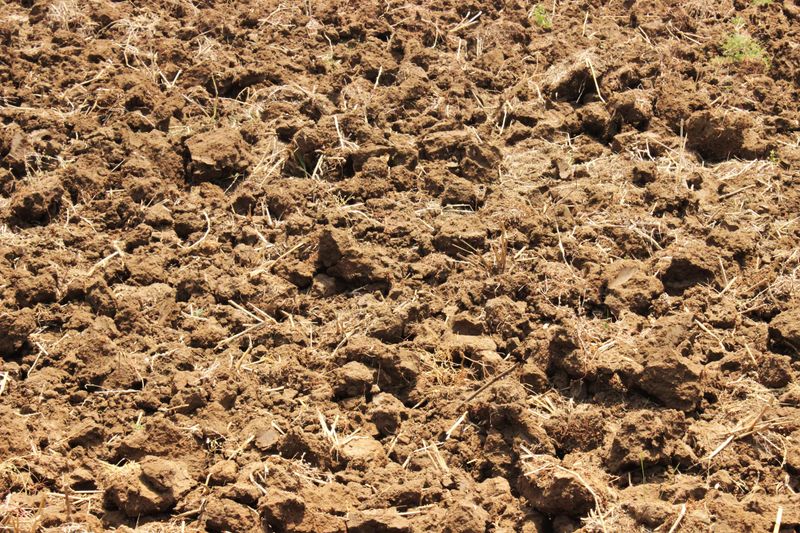
Soggy roots are one of the biggest threats to a plum tree. Before you plant anything, you need to know exactly what kind of soil you are working with.
Soil in some Utah valley areas, including parts of Salt Lake and Utah counties, can be heavy with clay, but composition varies significantly by specific location, so testing your own soil is essential.
Clay holds water too long and starves roots of oxygen, which stunts growth and reduces fruit production significantly.
A simple drainage test tells you everything. Dig a hole about one foot deep, fill it with water, and watch how long it takes to drain completely.
If the water disappears within an hour, your drainage is solid and you are good to plant. If it sits there for several hours, you have a problem that needs fixing before the tree goes in the ground.
Amend heavy clay soil by mixing in compost and coarse sand to improve its structure. Raised beds or mounded planting areas also solve drainage issues without major landscaping work.
Sandy soils drain fast but dry out quickly, so adding organic matter helps them retain just enough moisture. The goal is loamy, well-balanced soil that holds water briefly but never stays waterlogged after rain.
Testing your soil pH is also smart before planting. Plum trees prefer a pH between 6.0 and 6.5, and a simple test kit from any garden center gives you accurate results in minutes.
4. Water Deeply During The Growing Season
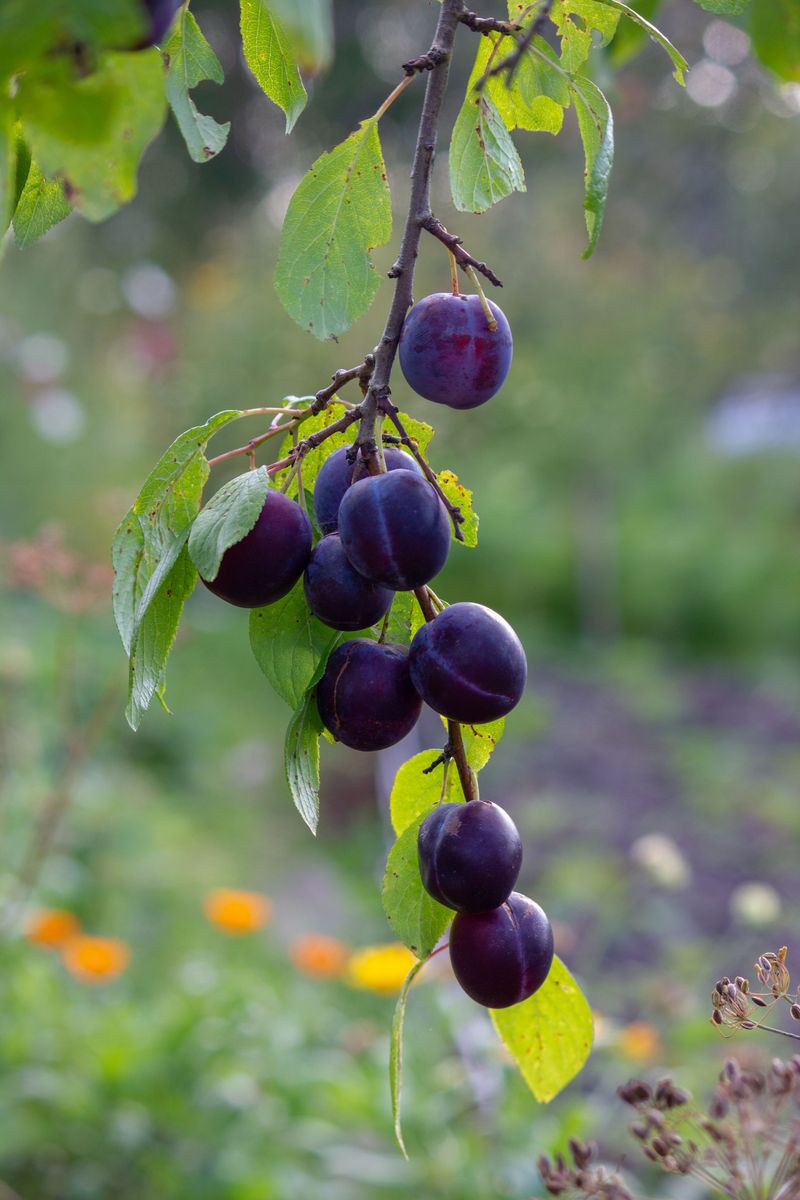
Shallow watering creates shallow roots, and shallow roots create weak trees. Plum trees need deep, consistent moisture to anchor themselves and push out full, flavorful fruit.
During the growing season, aim to water your tree once or twice a week depending on heat and rainfall. Utah summers are hot and dry, so your tree will need more water in July and August than in cooler spring weeks.
Slow, deep watering is far better than frequent light sprinkles. When you water slowly, moisture penetrates deep into the soil and encourages roots to follow it downward.
Drip irrigation is one of the best methods for plum trees in dry climates. It delivers water directly to the root zone without wetting the trunk or foliage, which reduces disease risk considerably.
Mulching around the base of the tree also makes a big difference. A three to four inch layer of wood chips or straw slows evaporation and keeps the soil cooler during peak summer heat.
Keep mulch a few inches away from the trunk to prevent moisture buildup against the bark. Too much moisture at the base can lead to rot and other bark problems over time.
Watch your tree for signs of water stress like curling leaves or dropping fruit early. Adjust your watering schedule quickly when you see those signals, and your plum tree will bounce back fast.
5. Prune Annually To Shape And Open Canopy
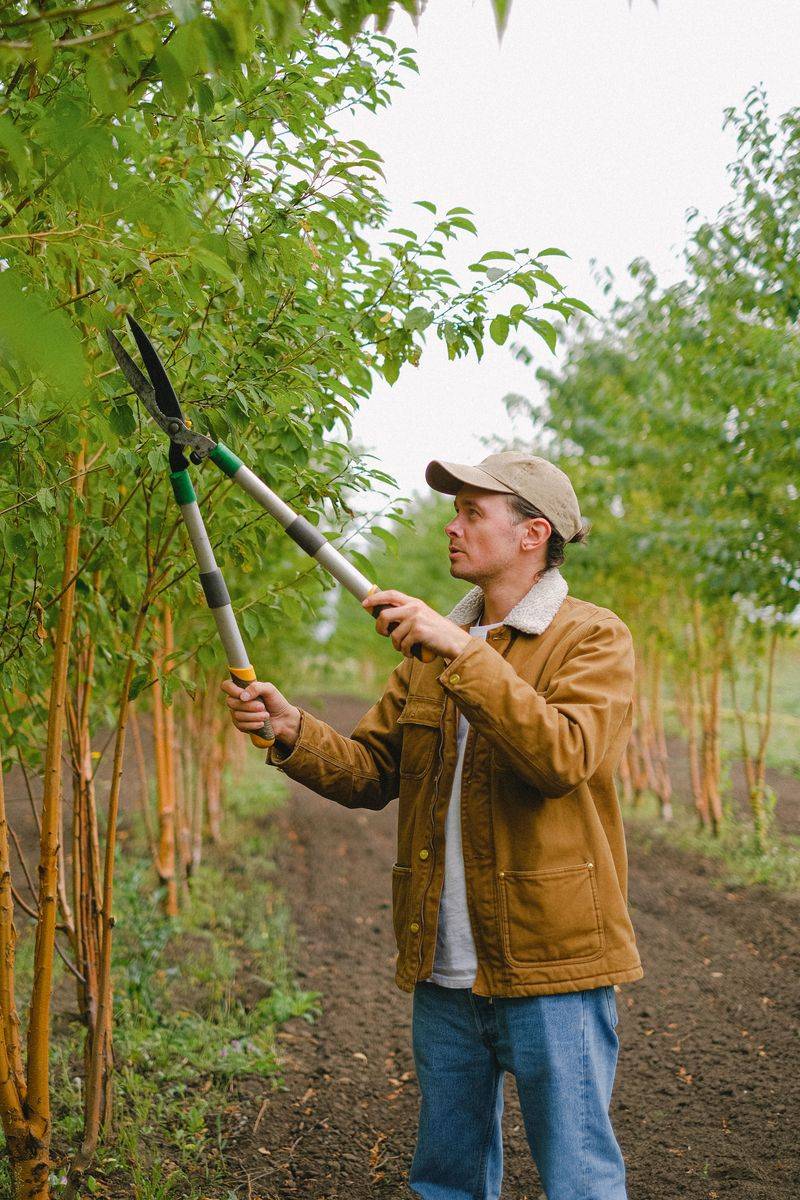
A crowded canopy reduces fruit quality and yield. When branches tangle together, sunlight cannot reach the inner fruit, and air cannot circulate where it needs to go.
Annual pruning keeps your plum tree open, healthy, and productive season after season. The best time to prune in Utah is late winter, just before the buds begin to swell and open.
Start by removing any damaged or crossing branches first. These problem branches drain the tree’s energy and create entry points for pests and disease if left in place.
Aim for an open-center or vase shape, which allows light to flood every part of the canopy. This style encourages even ripening across all the fruit, not just the branches facing the sun.
Avoid removing more than one-third of the tree’s total growth in a single season. Heavy pruning stresses the tree and can delay fruiting or trigger excessive leafy growth instead.
Sharp, clean tools make cleaner cuts that heal faster and resist infection. Wipe your blades with rubbing alcohol between cuts if you suspect any disease on the branches.
Young trees need shaping cuts that guide their structure from the beginning. Mature trees need maintenance cuts that keep the canopy open and the fruiting wood fresh and productive year after year.
6. Fertilize In Early Spring For Steady Growth
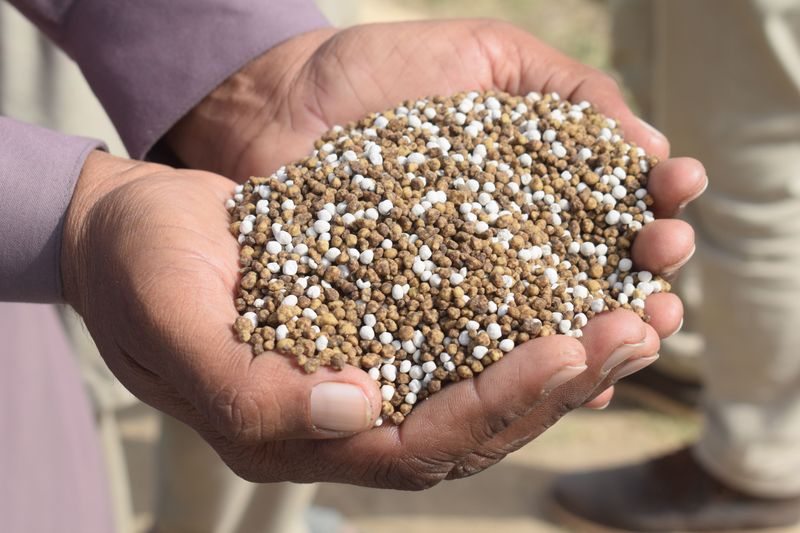
Under-fed trees typically produce smaller fruit. Fertilizing at the right time gives your plum tree the nutrients it needs to push out strong growth and a generous harvest.
Early spring is the sweet spot for feeding plum trees in Utah. As soon as you see the first signs of bud swell, the tree is waking up and ready to absorb nutrients from the soil.
A balanced granular fertilizer with equal parts nitrogen, phosphorus, and potassium works well for most plum trees. Nitrogen drives leafy growth, phosphorus supports root strength, and potassium improves fruit quality and disease resistance.
Spread the fertilizer in a wide circle around the tree, starting a few inches from the trunk and extending to the drip line. The drip line is roughly where the outermost branches end above the ground.
Water the area thoroughly after applying fertilizer to help it absorb into the root zone. Dry fertilizer sitting on the surface can burn roots if rain or irrigation does not move it into the soil.
Avoid fertilizing after midsummer, as late feeding pushes tender new growth that cannot harden before cold weather arrives. That soft growth is especially vulnerable to early frost damage in Utah’s unpredictable fall season.
A soil test every few years helps you fine-tune your fertilizing approach. Knowing what your soil already has prevents over-feeding, which can cause as many problems as under-feeding your tree.
7. Protect Blossoms From Late Spring Frosts
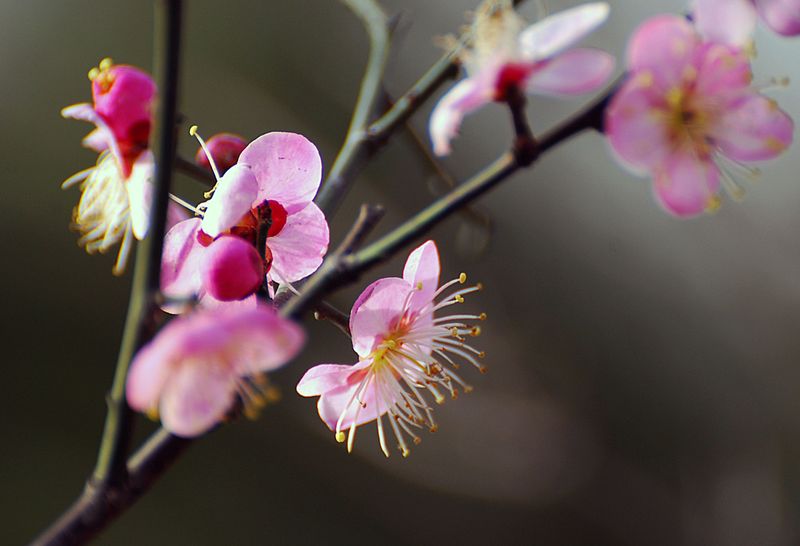
A single hard frost can significantly reduce or nearly end a season’s fruit. Late spring frosts in Utah are sneaky, arriving after warm weeks that trick both gardeners and trees into relaxing.
Plum trees bloom early, often in March or April depending on the variety and elevation. That early bloom is beautiful but risky, because a hard freeze can damage or destroy most of the blossoms on the tree.
Covering your tree with frost cloth or old bedsheets on cold nights is the simplest and most effective protection. Drape the fabric all the way to the ground to trap ground heat underneath the canopy.
Remove the cover during the day so bees and other pollinators can access the blossoms freely. Pollinators are essential during bloom time, and blocking them for too long reduces fruit set dramatically.
Overhead sprinklers set to run just before a freeze can also protect blossoms with a thin coating of ice. This sounds counterintuitive, but the ice actually insulates the delicate flower tissue from colder air temperatures.
Planting your tree in a slightly elevated spot with good cold air drainage reduces frost risk naturally. Cold air flows downhill like water, so trees on gentle slopes often escape the worst freezes unharmed.
Checking overnight forecasts from late March through May is a smart habit for any Utah grower. A little vigilance during bloom season significantly improves your chances of protecting the harvest you worked all year to produce.
8. Thin Fruit To Prevent Overloaded Branches
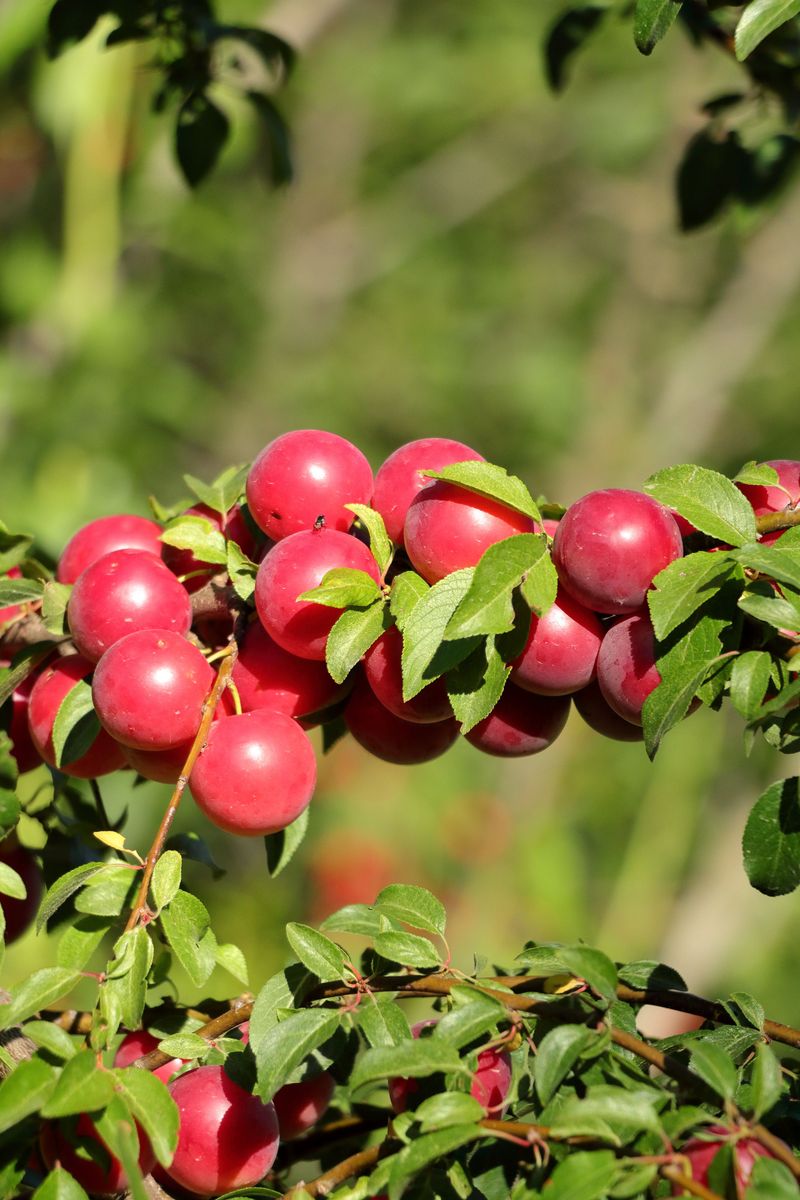
A branch with too many plums may seem ideal, but it can reduce fruit quality. Overcrowded fruit competes for the same nutrients, and the result is a bunch of small, bland plums instead of big, sweet ones.
Thinning is the practice of removing excess fruit early in the season so the remaining plums have room and resources to grow properly. Most growers thin their plum trees when the fruit is about the size of a marble.
Space remaining fruit about three to four inches apart along each branch. This spacing gives each plum enough access to water, sunlight, and nutrients to develop full size and rich flavor.
Use your fingers or small scissors to remove the extras, choosing the smallest or most damaged fruit first. Leave the largest and healthiest looking plums behind so they become your best harvest.
Thinning also protects the tree’s structure. A branch supporting too much weight can crack or split, causing serious damage that takes years of recovery to overcome.
Some gardeners hesitate to remove fruit they worked hard to grow, but thinning genuinely benefits the tree’s long-term health and productivity. Fewer plums per branch means a healthier tree that produces reliably for many seasons ahead.
Learning how to grow a plum tree in Utah means understanding that less fruit now leads to more fruit long-term. Thin your crop with confidence, and your harvest will be sweeter and heavier every passing year.