The Beaded Black-And-Orange Lizard Of Southern Utah Is Venomous And Illegal To Pick Up
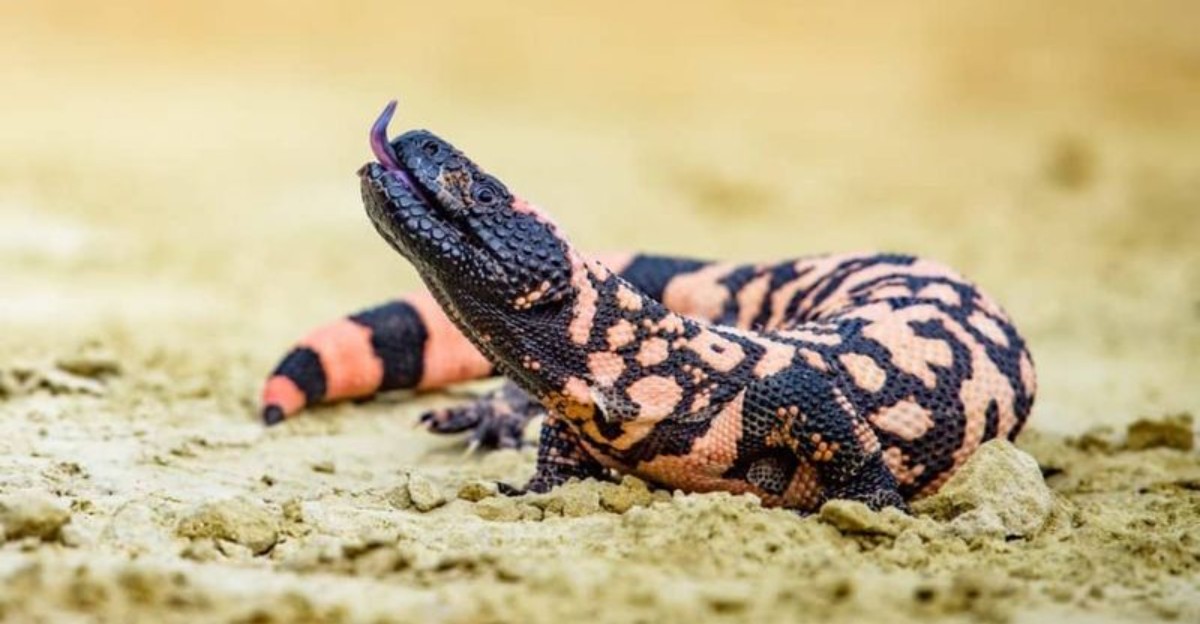
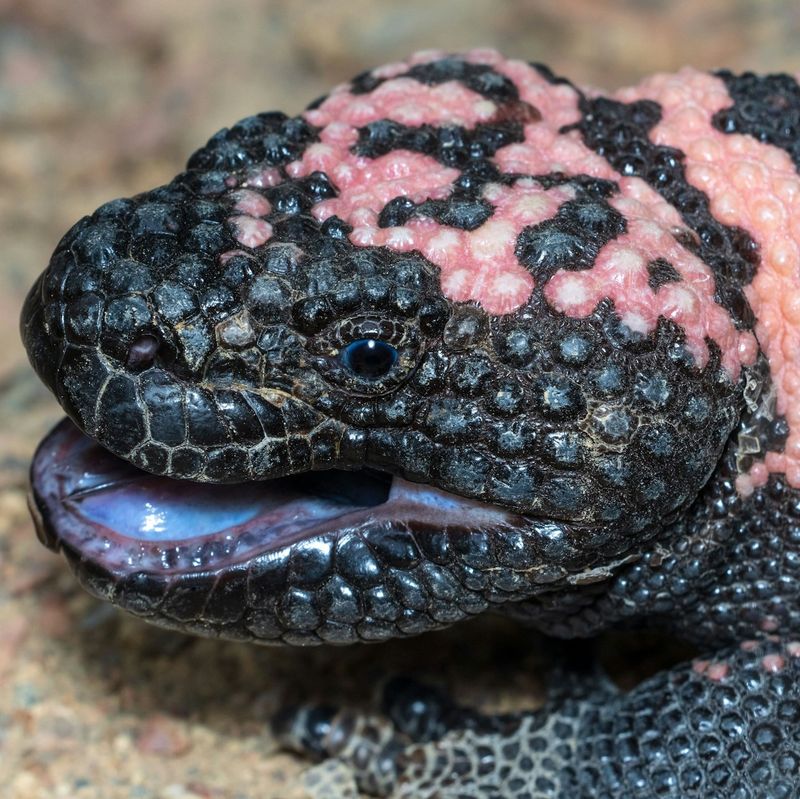
A chunky desert lizard in the far southwest corner of Utah spends roughly 95 percent of its life hidden underground. When it does show up, it looks like someone glued tiny orange and black beads over every inch of its body.
I’ll admit it, my first thought was that it looked like a handmade toy. Then I learned it carries venom and chews it into a bite instead of striking like a snake.
Here’s what gets me most. The state picked this slow, secretive reptile as its official state reptile, yet very few residents have spotted one in the wild.
You might be tempted to scoop one up for a quick photo if it wanders past your garden wall. Trust me, that urge deserves a second look, because the law and the lizard both have strong opinions about it.
That Beaded Orange-And-Black Desert Lizard Has A Famous Name
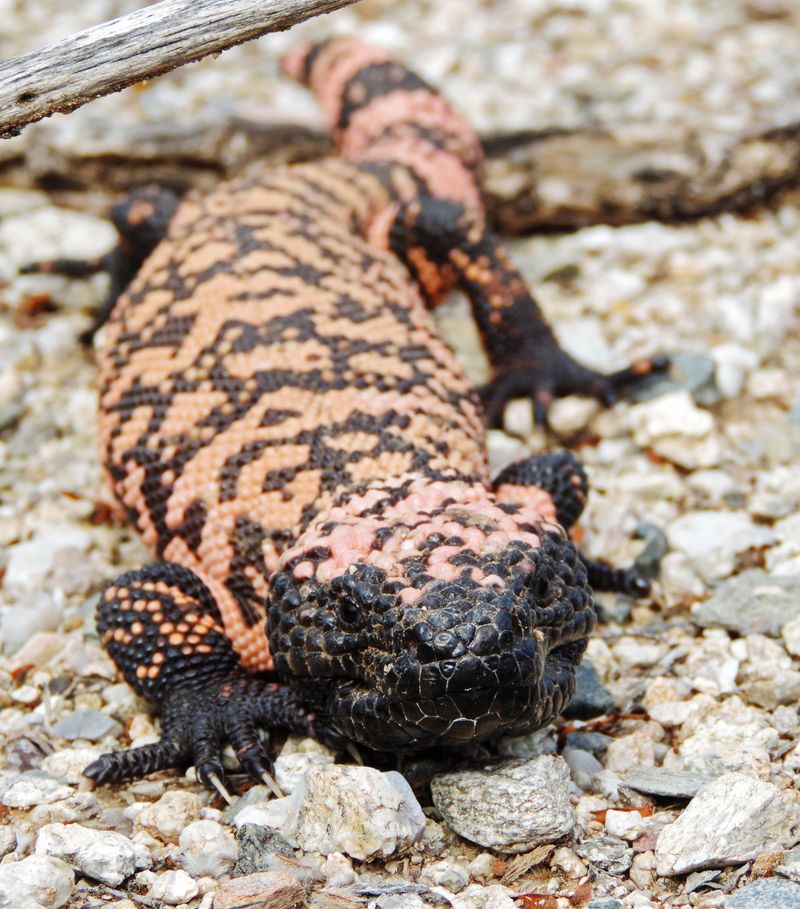
Utah lawmakers made it official in 2019. The beaded lizard of the red rock country became the state reptile, and its name is the Gila monster.
It goes by the scientific name Heloderma suspectum. It also holds a rare title as the only venomous lizard native to the United States.
Spotting one is a bit like winning a small lottery. Adults usually measure 18 to 22 inches long and weigh around 3 to 5 pounds, so they look hefty next to a typical fence lizard.
Those famous beads are actually bony scales called osteoderms. They give the skin a pebbly texture that looks almost stitched together.
Colors mix black with pink, orange, or yellow. Some animals show a net-like pattern, while others wear bold bands across the back.
Look for a broad head, short strong legs with digging claws, and a thick tail. That chubby tail works like a pantry, storing fat for lean times.
Once you know these clues, you will rarely confuse this lizard with anything else. A chuckwalla or desert spiny lizard may sit on the same rocks, but neither wears that beaded orange and black outfit.
Picking Up A Gila Monster Breaks Utah Law
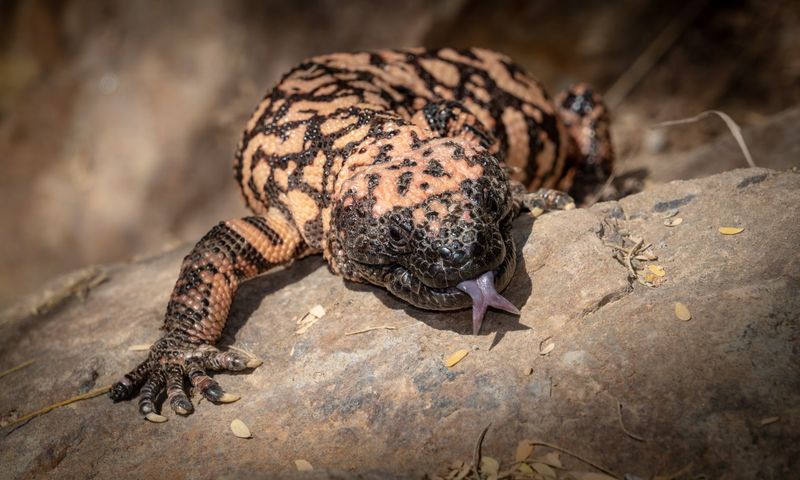
Short answer first. Grabbing a wild Gila monster is illegal in Utah, full stop.
State law protects the species, and the Utah Division of Wildlife Resources requires a Certificate of Registration to possess one. You cannot collect, capture, possess, harass, injure, or relocate one found in the wild.
Relocating surprises a lot of folks. Moving a lizard from your yard to a nearby wash feels kind, but it still counts as a violation.
Only a Certificate of Registration from the Utah Division of Wildlife Resources allows possession. Those permits mostly go to educational groups and institutions, not curious homeowners.
Every other state where the lizard lives protects it too. So a road trip to Arizona or Nevada will not change the rules.
What should you do if one appears near your patio? Keep pets and kids back, give the lizard room, and let it amble off on its own schedule.
If it seems stuck in a pool, garage, or window well, call the Division of Wildlife Resources. Trained staff can handle the situation safely and legally.
A photo from a few steps away makes a better souvenir anyway. It costs nothing and keeps everyone out of trouble.
Gila Monster Venom Works Through A Slow, Chewing Bite
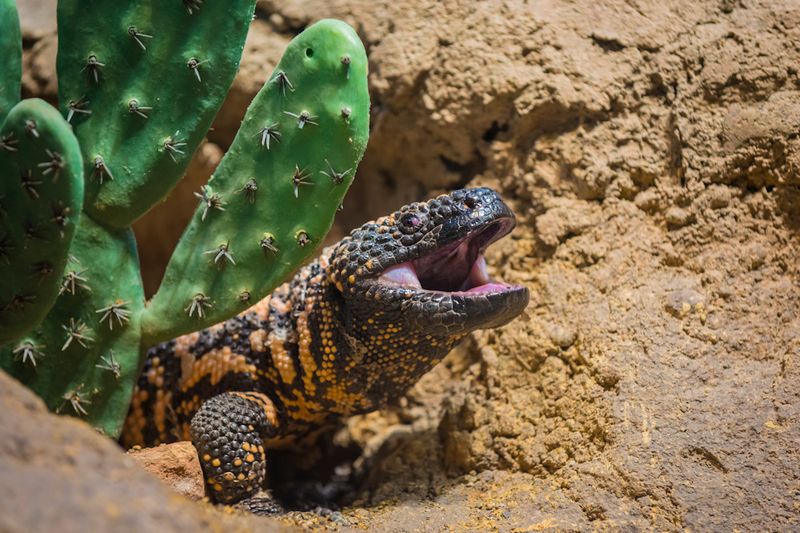
Snakes get all the attention for venom delivery. Gila monsters do things their own odd way.
Instead of hollow fangs, they have enlarged grooved teeth in the lower jaw. When they bite, they hang on and chew, letting venom seep into the wound along those grooves.
Researchers say the venom itself is about as toxic as a western diamondback rattlesnake’s. The amount delivered, though, is fairly small.
Not going to lie, the bite is famously painful. It can cause swelling, tissue damage, nausea, and a racing heart, so it counts as a true medical emergency.
Serious outcomes in healthy adults are rare. There is also no antivenom, so doctors treat symptoms and manage pain.
If a bite happens, call 911 or get to an emergency room quickly. Remove rings or watches near the bite before swelling sets in.
The lizard may grip tightly, so stay as calm as you can while help arrives. Pulling wildly can tear the skin and make the wound worse.
Fair warning, almost every bite on record involved someone handling the animal. Keeping your hands to yourself remains the simplest form of prevention.
A Hissing Gila Monster Is Giving You A Polite Warning
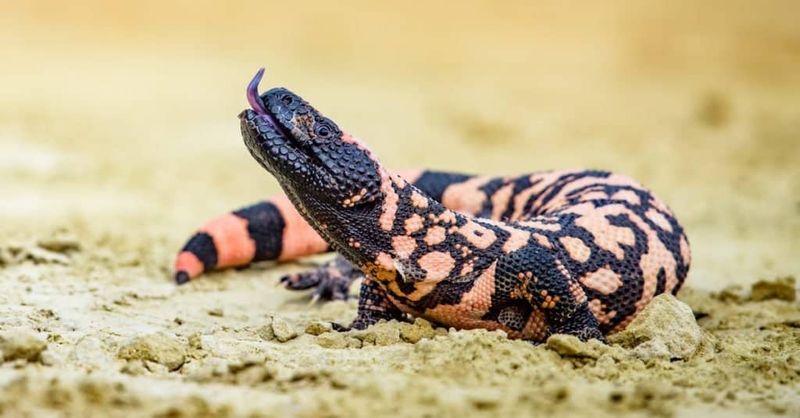
Slow and steady describes this reptile perfectly. Top speed lands around 1.5 miles per hour, which most toddlers can outpace.
That sluggish pace shapes its whole personality. A Gila monster would much rather avoid you than pick a fight.
Trouble usually starts when people poke, prod, or try to lift one. Cornered lizards often open their mouths, hiss, and swing their heads toward the threat.
Take that hiss seriously. It is the animal’s way of saying back off before things escalate.
Here are a few simple habits for desert yards and trails:
Watch where you place your hands when moving rocks, firewood, or garden debris. Wear sturdy gloves and boots during spring yard work.
Keep dogs leashed on trails near St. George, because curious noses invite bites. Vet bills from a Gila monster encounter can be steep.
Step back several feet if you meet one. Then wait, watch, and enjoy a rare show from a safe spot.
I find it oddly charming how unbothered they look. They seem to know nobody wins a race against patience.
Washington County Rocks And Washes Are Prime Gila Monster Country
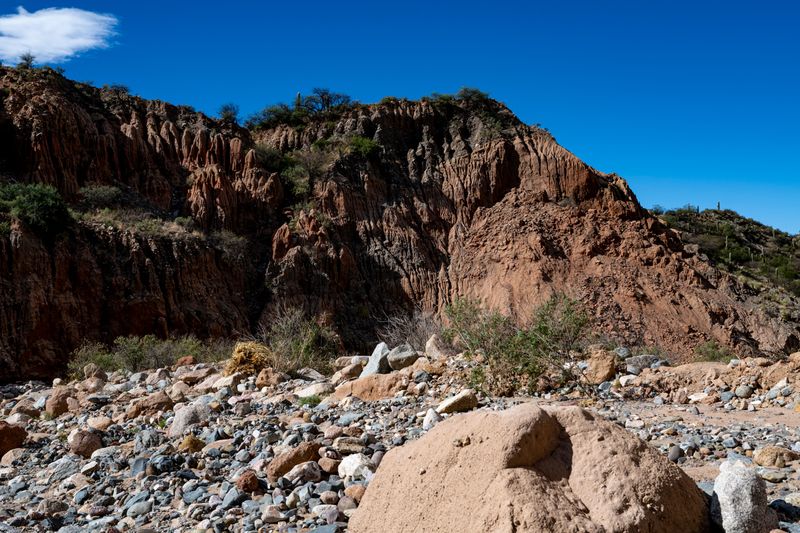
Location matters a lot with this lizard. In Utah, it lives almost exclusively in the southwestern corner, mostly in Washington County.
That area marks the northern edge of the species’ range. The Mojave Desert reaches up here, bringing warm temperatures and the right kind of rugged ground.
Favorite spots include rocky foothills, sandy washes, arroyos, and desert scrub. Open flats and farm fields tend to stay off the menu.
Hikers often mention sightings at Red Cliffs Desert Reserve and Snow Canyon State Park. The BLM Red Cliffs recreation area also turns up reports.
Red Cliffs Desert Reserve was created partly to protect desert tortoises. Gila monsters share that habitat, so the reserve helps them too.
Homeowners near these areas may get an occasional visitor. A rock wall, shady shrub, or burrow under a shed can look like a great hideout.
Native landscaping with rocks and desert plants helps local wildlife overall. Just expect that a scaly guest might stop by now and then.
Gardeners elsewhere in Utah, like Salt Lake or Cache Valley, will not find them. Those regions get too cold for this desert specialist.
Spring Mornings Bring Gila Monsters Out Of Their Burrows
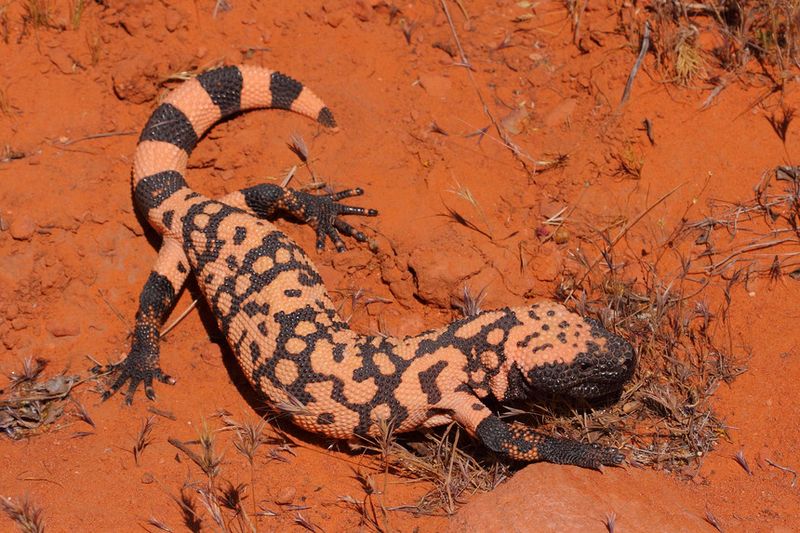
Most of the year, you would walk right past one without knowing. These lizards spend about 95 percent of their lives tucked away in burrows or rock crevices.
Spring changes the picture. From roughly April into early summer, they come out on mornings to hunt, mate, and swap shelters.
Warm summer nights can bring them out too. Midday heat sends them back underground fast.
By late fall and winter, they are mostly inactive. So a November hike probably will not turn one up, though a sunny warm spell can surprise you.
Here’s a fun detail. They might eat big meals only a handful of times a year, sometimes swallowing up to a third of their body weight at once.
Their menu includes bird eggs, nestlings, small mammals, lizards, frogs, insects, and carrion. They track food mostly by smell, flicking that forked tongue like a sniffing dog.
That fat-stuffed tail carries them through lean months. It works a bit like a camel’s hump.
If you garden in the region, plan rock moving and brush clearing with care in spring. A quick glance before reaching under things goes a long way.
Gila Monster Venom Helped Create A Diabetes Medicine
Who knew a desert lizard could change modern medicine? Scientists found a compound in Gila monster venom called exendin-4.
That peptide helps regulate blood sugar. Researchers developed it into a medication for Type 2 diabetes, called exenatide.
It opened doors for a whole family of related drugs. Some of today’s most talked-about diabetes and weight medicines trace part of their story back to this research.
I love this twist. A creature many people once feared turned into a quiet helper for millions of patients.
It also shows why protecting wild species matters. You never know which plant or animal holds the next big discovery.
Gila monsters live long lives too. They can reach about 20 years in the wild and more than 30 in zoos.
Long lives and slow breeding make populations sensitive to losses. Every lizard taken from the wild or struck on a road can matter.
So the next time someone calls this reptile scary, you have a great comeback. That beaded lizard helped science make real medical progress.
Not bad for an animal that spends most of its time napping underground.
Report Your Gila Monster Sighting And Let It Wander On
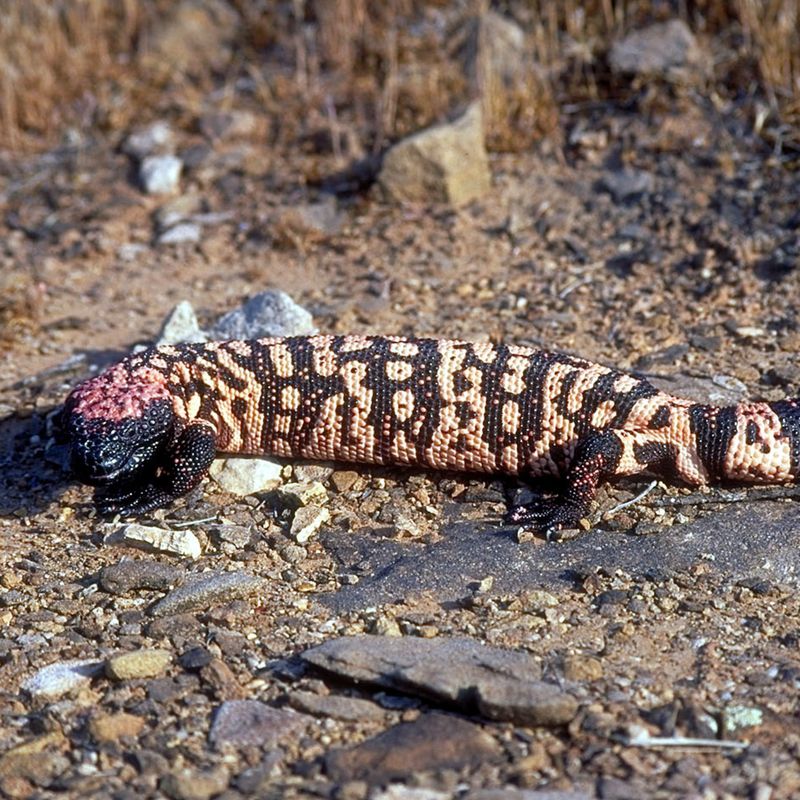
So you finally spotted one. Congratulations, many longtime locals never get that chance.
Start by giving it plenty of space. A few big steps back keeps both of you relaxed.
Snap a photo with your zoom instead of leaning closer. Note the date, time, and general location.
Biologists value these reports because the animals are so secretive. The Utah Division of Wildlife Resources and local reserve staff track sightings to understand population health.
Drive with care on desert roads near St. George in spring and early summer. Slow-moving lizards crossing pavement face real risk from traffic.
Around your home, try these steps:
Keep pets supervised outdoors in warm months. Seal gaps under sheds if you prefer fewer reptile visitors.
Leave native rocks and shrubs in wilder corners of the yard. Avoid poisons that harm the rodents and insects wildlife depends on.
If one ends up somewhere unsafe, call the wildlife agency rather than moving it. That keeps you safe and within the law.
My takeaway is simple. Admire it, report it, and let this beaded neighbor carry on with its quiet desert routine.