How To Grow A Spilling Wandering Jew Indoors Or Outdoors In Florida
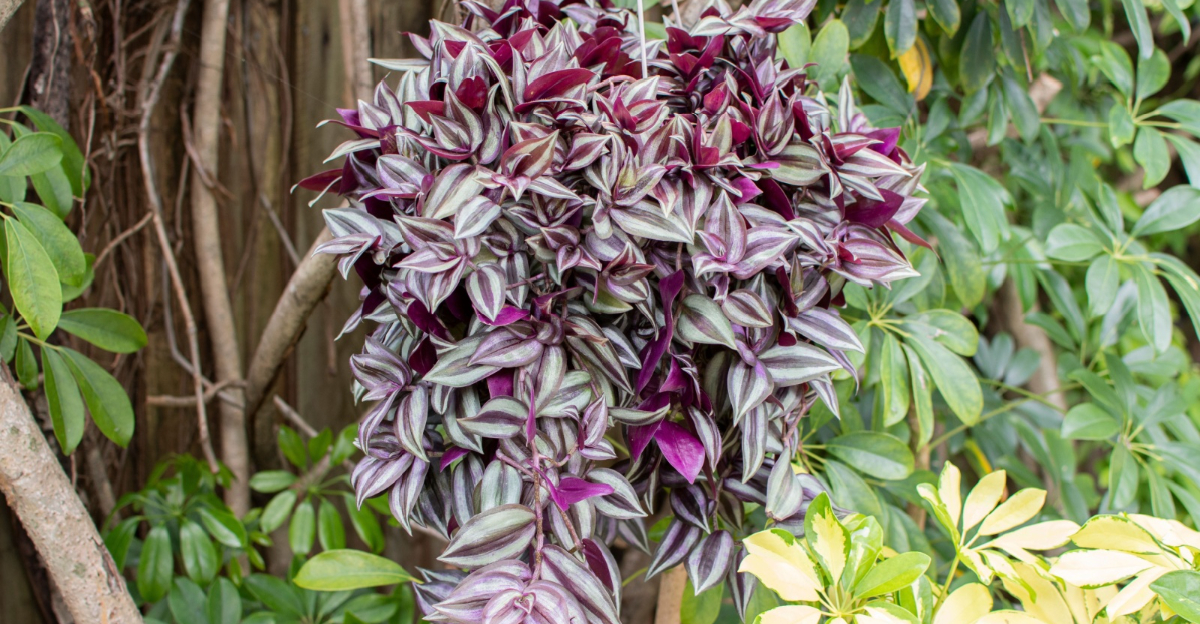
There’s something instantly eye catching about a Wandering Jew spilling over the edge of a pot, its bold stripes and rich color cascading in every direction.
In Florida, this plant seems to grow with confidence, adding movement and texture to patios, porches, and bright indoor spaces.
It can trail from hanging baskets, drape over planters, or spread across garden beds with dramatic effect. Still, many people find theirs looking thin, dull, or uneven after a while, unsure why it no longer has that full, flowing look.
The difference between a scraggly plant and a lush waterfall of foliage often comes down to a few simple shifts. Get it right and you will have a vibrant, spilling display that turns heads indoors and out.
1. Bright Light Keeps Color Strong
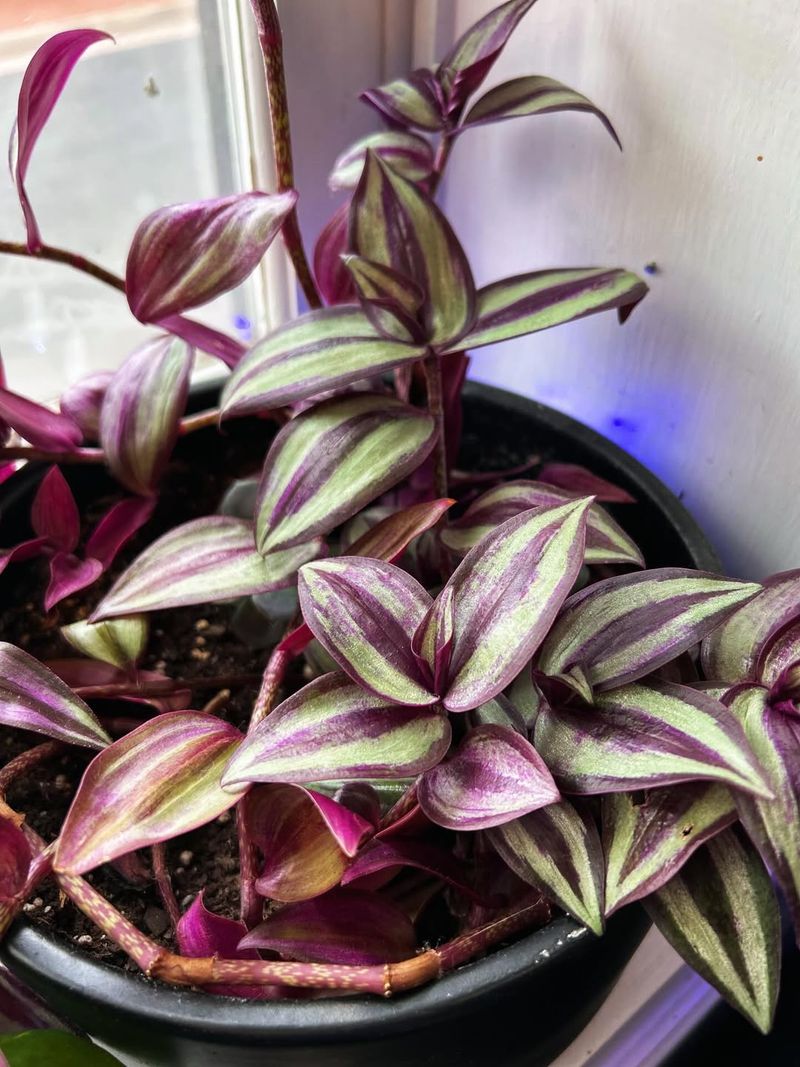
Vivid purple, silver, and green stripes look their boldest when plants receive plenty of bright light throughout the day. Direct harsh sun can fade or scorch leaves, but strong filtered light or bright indirect exposure maintains those eye-catching colors that make this plant so popular.
Florida growers often place containers near east-facing windows indoors or under covered patios where light stays bright but filtered.
Outdoors, morning sun with afternoon shade works beautifully across most of Florida. Too little light causes colors to fade to dull green and growth becomes stretched and sparse instead of compact and full.
You’ll notice vines growing faster and fuller when light levels stay consistently bright.
Indoor spots near south or west windows with sheer curtains provide excellent conditions year-round. Rotate hanging baskets occasionally so all sides receive equal exposure and growth stays balanced.
Brighter light also encourages faster trailing, creating that desirable spilling effect more quickly.
If colors start looking washed out or pale, moving the plant to a brighter location usually restores vibrancy within a few weeks as new growth emerges with richer tones.
2. Fast-Draining Soil Prevents Root Stress
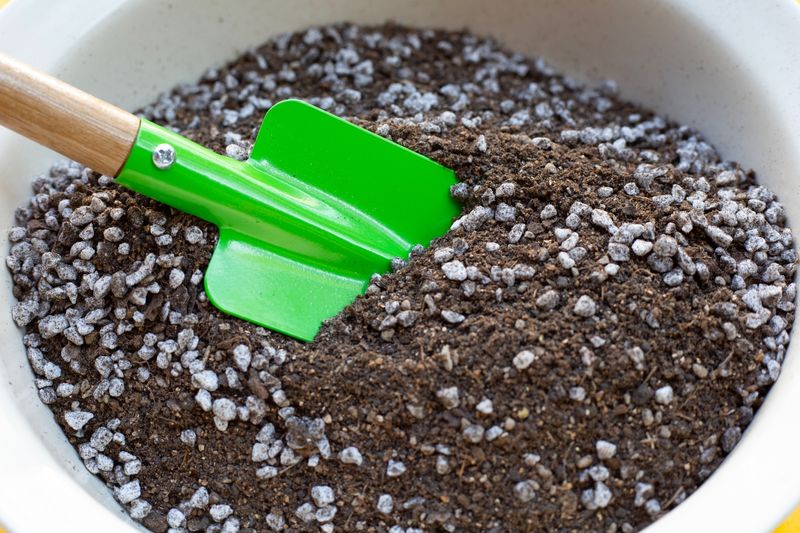
Loose, airy soil that drains quickly after watering keeps roots healthy and prevents common problems that slow growth. Standard potting mix works well, but adding extra perlite or coarse sand improves drainage even more.
Florida’s high humidity combined with heavy soil creates conditions where roots struggle and growth slows noticeably.
Well-draining mix allows water to flow through easily while still holding enough moisture for active growth. Containers should always have drainage holes so excess water escapes freely.
Soggy soil sitting around roots for extended periods creates stress that shows up as yellowing leaves, slower growth, and less vibrant colors.
Repotting into fresh mix once a year keeps soil structure open and prevents compaction. As plants grow quickly, roots fill pots fast and old soil breaks down, holding more water than ideal.
Refreshing soil annually supports continued healthy trailing growth.
For outdoor containers in Florida, especially during rainy summer months, excellent drainage becomes even more critical. Elevating pots slightly off surfaces helps water drain completely.
Indoor growers benefit from checking that saucers don’t hold standing water after watering sessions.
3. Water Light And Avoid Soggy Soil
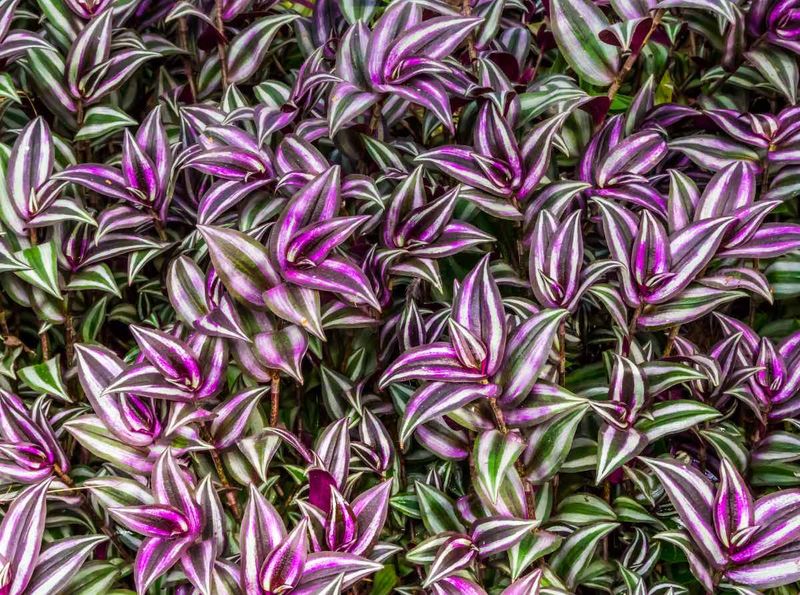
Balanced watering means letting the top inch of soil dry slightly between waterings rather than keeping it constantly moist. These plants enjoy regular moisture but don’t tolerate sitting in wet soil for long periods.
Florida’s humid air means soil stays moist longer than in drier climates, so checking before watering prevents overwatering problems.
Stick your finger into the soil up to the first knuckle. If it feels dry at that depth, water thoroughly until liquid drains from the bottom.
During Florida’s hot summer months, hanging baskets may need water every two to three days, while winter watering might stretch to once weekly.
Indoor plants typically need less frequent watering than outdoor ones since they’re protected from wind and direct sun. Smaller pots dry faster than large containers, and terracotta pots dry quicker than plastic.
Learning your specific plant’s rhythm takes a few weeks of observation.
Yellow leaves or mushy stems signal too much water, while browning leaf tips suggest slightly too little. Adjust your schedule based on what the plant shows you rather than following a rigid routine regardless of conditions.
4. Prune Often For Thick Spilling Growth
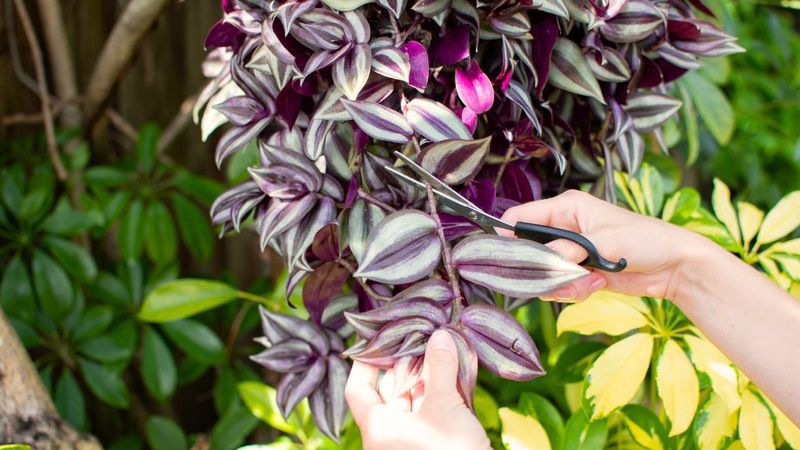
Regular pinching and trimming creates fuller, bushier plants with multiple trailing stems instead of sparse, stringy growth. Wandering Jew plants respond enthusiastically to pruning by sending out new shoots from cut points, quickly filling in bare spots.
Florida’s warm growing conditions mean plants recover from pruning within days and new growth appears rapidly.
Pinch stem tips back by an inch or two every few weeks during active growing seasons. This simple action encourages branching and creates that lush, cascading look that makes these plants so attractive.
Use clean scissors or simply pinch soft stem tips between your fingers.
When vines grow too long or sparse, cut them back by one-third to one-half their length. This might seem drastic, but plants bounce back quickly with denser, more colorful growth.
Save healthy cuttings for propagation rather than discarding them.
Removing any brown or faded leaves keeps plants looking fresh and directs energy toward healthy growth. Outdoor plants in Florida may need more frequent trimming during summer when growth accelerates.
Indoor plants grow slower but still benefit from regular pinching to maintain compact, attractive form.
5. Light Feeding Boosts Color And Spread
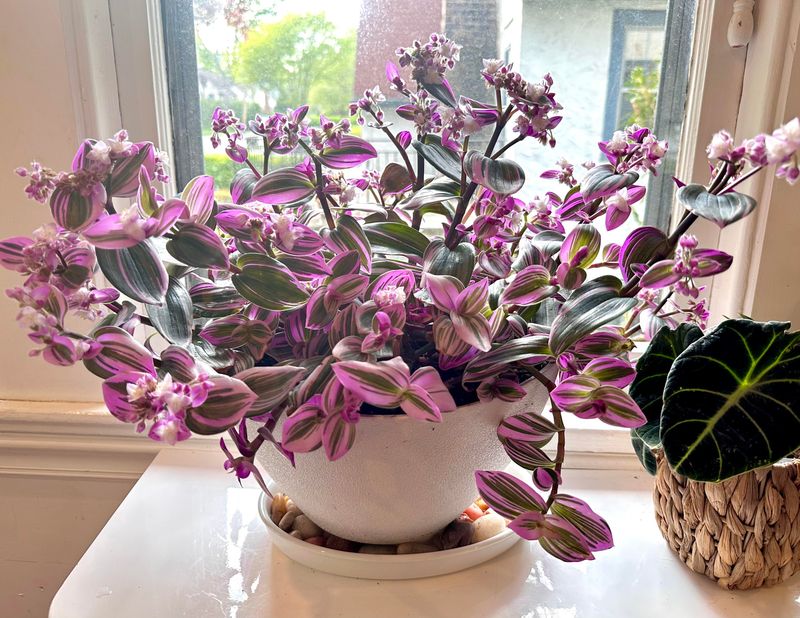
Gentle fertilizing during growing months supports steady growth and richer leaf colors without causing excessive stretching. These plants aren’t heavy feeders, so a light touch works better than aggressive fertilizing schedules.
Florida’s long growing season means plants benefit from consistent light feeding from spring through fall.
Use a balanced liquid fertilizer diluted to half strength every four to six weeks during active growth. Too much fertilizer causes rapid but weak growth with pale colors and leggy stems.
Indoor plants need less frequent feeding than outdoor ones since they grow more slowly.
Organic options like diluted fish emulsion or compost tea work beautifully and release nutrients gradually. Outdoor container plants in Florida may benefit from slightly more frequent feeding since frequent watering leaches nutrients from soil faster.
Always apply fertilizer to moist soil, never dry, to prevent root burn.
Stop or reduce fertilizing during cooler winter months when growth naturally slows. Resume regular feeding when temperatures warm and new growth appears more vigorously.
Healthy leaf color and steady trailing growth indicate proper feeding levels, while overly long spaces between leaves suggest reducing fertilizer amounts.
6. Warm Shade Encourages Healthy Growth
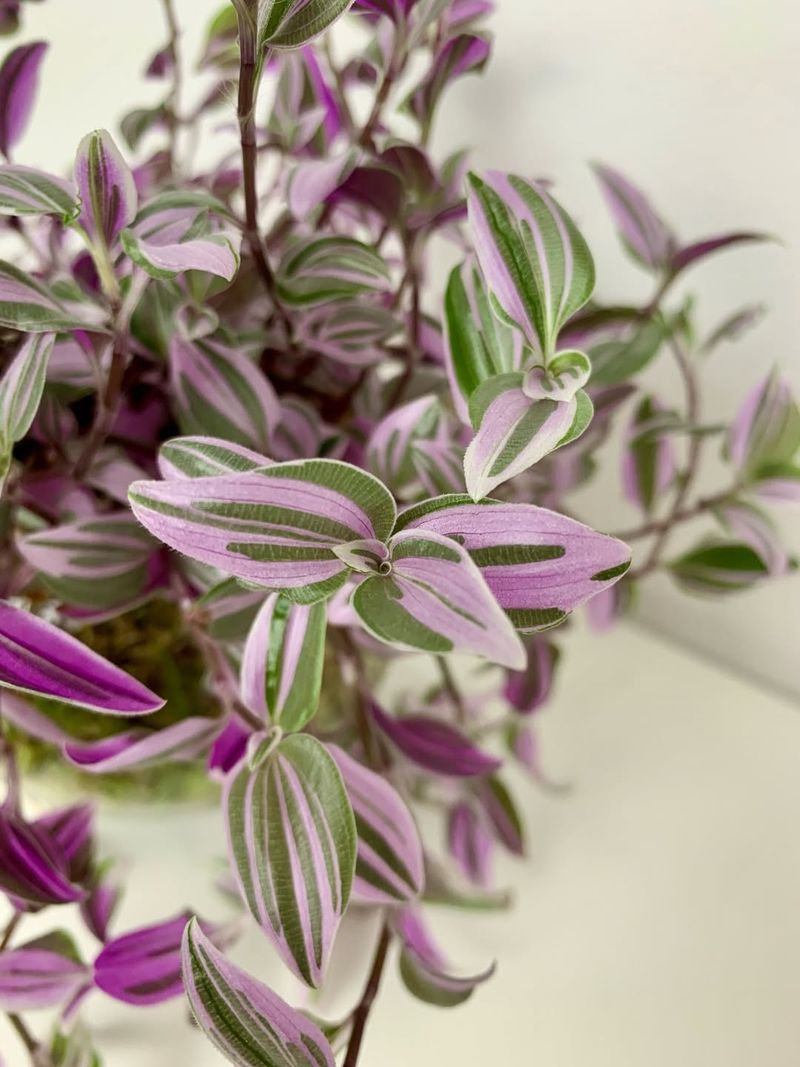
Filtered light or bright shade provides ideal outdoor growing conditions across Florida, protecting leaves from harsh afternoon sun while maintaining strong growth. Under trees, covered patios, or screened porches offer perfect spots where light stays bright but diffused.
Full direct sun, especially during Florida’s intense summer months, often scorches leaves and fades colors quickly.
Morning sun with afternoon shade creates excellent conditions that balance light needs with protection from heat stress. North-facing locations or spots shaded by buildings during the hottest parts of the day work wonderfully.
Plants grown in appropriate shade develop richer colors and lusher growth than those struggling in too much direct sun.
Dappled light filtering through tree canopies mimics natural growing conditions and produces beautiful results. Watch how light moves across your space throughout the day before choosing permanent locations.
If leaves show brown crispy edges or faded colors, the spot likely receives too much direct sun.
Indoor growers near bright windows can achieve similar results with sheer curtains that filter harsh rays while maintaining overall brightness. Finding that sweet spot between too much and too little light makes all the difference in growth quality and color vibrancy.
7. Protect From Cold And Sudden Chills
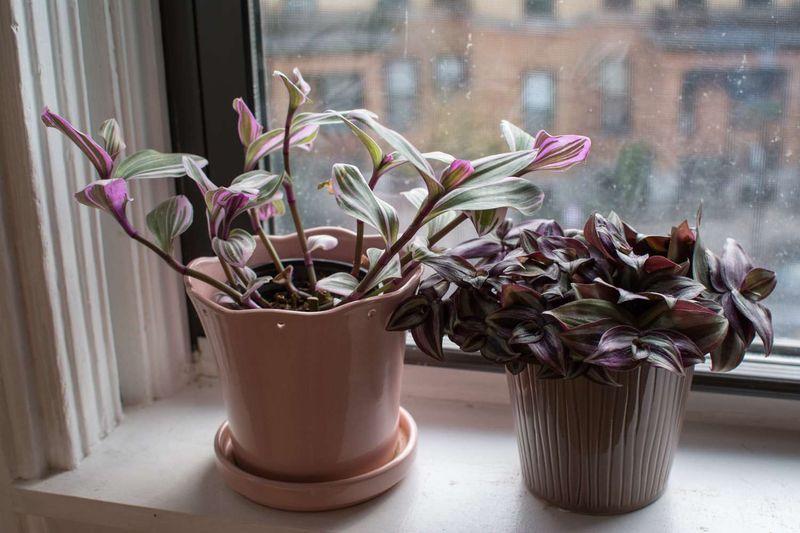
Sensitivity to cold temperatures means Florida growers need to protect plants when temperatures drop into the mid-40s or lower, especially during cold snaps. These tropical plants slow their growth considerably in cool conditions and can suffer damage from frost or prolonged cold exposure.
Central and South Florida growers rarely face serious cold concerns, but North Florida gardeners should stay alert during winter months.
Bring outdoor containers inside or move them to protected locations when cold weather threatens. Covered porches, garages with windows, or bringing plants fully indoors keeps them safe during brief cold periods.
Even a few hours of frost can damage tender foliage and set growth back significantly.
Indoor plants should stay away from cold drafts near doors, windows, or air conditioning vents. Sudden temperature drops stress plants and cause leaf browning or slowed growth.
Maintaining consistent warmth between 65 and 80 degrees keeps plants actively growing and looking their best.
After cold exposure, damaged leaves won’t recover but new growth emerges healthy once warmth returns. Trim off any cold-damaged foliage and resume normal care.
Florida’s generally warm climate means most growers only deal with occasional cold protection rather than extended winter challenges.
8. Cuttings Root Fast And Fill Pots Quickly
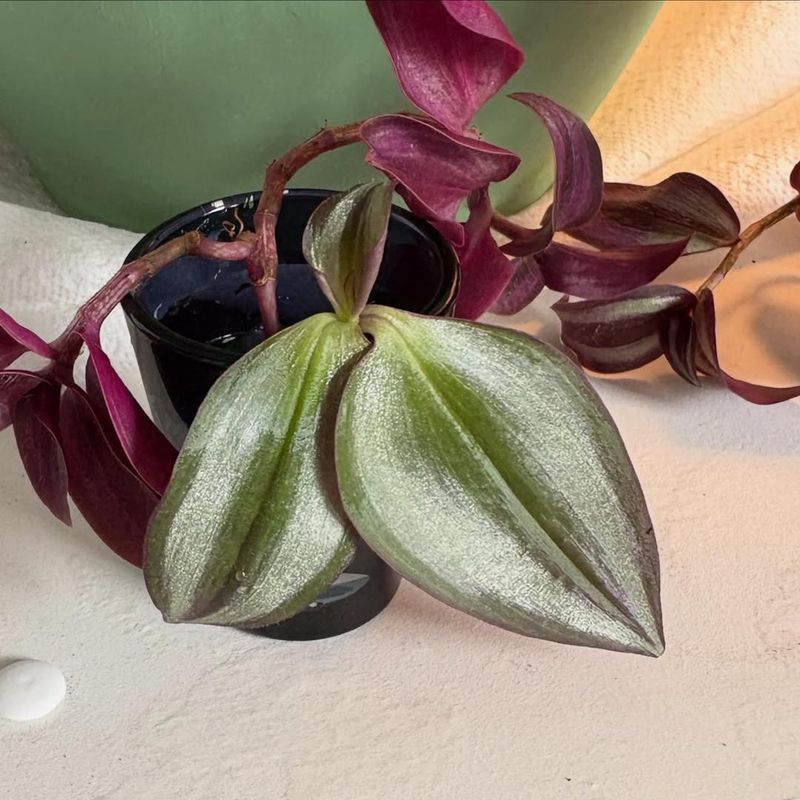
Simple stem propagation creates new plants within weeks and provides an easy way to fill containers quickly with lush growth. Cut healthy stems about four to six inches long just below a leaf node, remove lower leaves, and place in water or moist soil.
Florida’s warm conditions speed rooting dramatically, with new roots often visible within a week in water.
Multiple cuttings placed around the edges of a hanging basket create instant fullness rather than waiting for a single plant to fill in. This technique works beautifully for replacing sparse growth or starting fresh containers.
Cuttings root so reliably that success rates stay high even for beginning gardeners.
Water propagation lets you watch roots develop, making it easy to know when cuttings are ready for planting. Once roots reach one to two inches long, transfer to soil and keep evenly moist until established.
Soil propagation works equally well, with cuttings pushed directly into moist potting mix and kept in bright indirect light.
Rooted cuttings grow quickly into full plants, often trailing within a month or two. This easy propagation means you can share plants with friends, expand your collection, or refresh older containers inexpensively whenever desired.
9. Fix Leggy Growth With Simple Tweaks
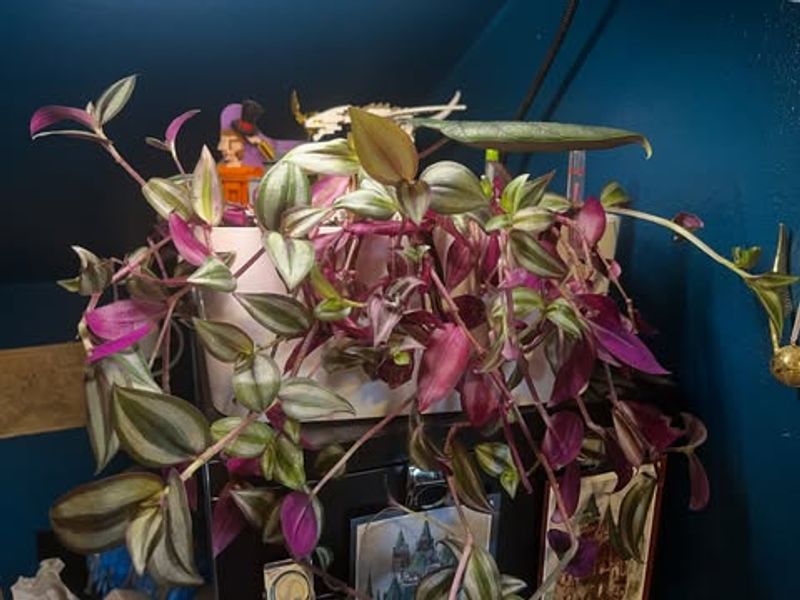
Restoring dense growth to stretched, sparse plants involves improving light exposure, pruning back long stems, and adjusting watering and feeding routines. Leggy growth typically results from insufficient light, causing stems to stretch with large gaps between leaves.
Moving plants to brighter locations stops further stretching and encourages more compact new growth.
Cut leggy stems back by half their length to stimulate branching and fuller development. This seems severe but works remarkably well, with multiple new shoots emerging from cut points within days in Florida’s warm conditions.
Use those cuttings to fill in bare spots or start new containers.
Reduce fertilizer if plants have been fed heavily, as too much nitrogen promotes rapid elongated growth rather than compact form. Ensure watering stays consistent without keeping soil overly wet, which can contribute to weak stretched growth.
Pinch new growth regularly as it develops to maintain density.
Outdoor plants that became leggy in too much shade benefit from relocation to brighter filtered light. Indoor plants near dim corners need moves closer to windows.
Improvements appear within a few weeks as conditions change, with new growth showing tighter spacing and richer colors indicating healthier development overall.
10. Hanging Pots Create The Best Spill Effect
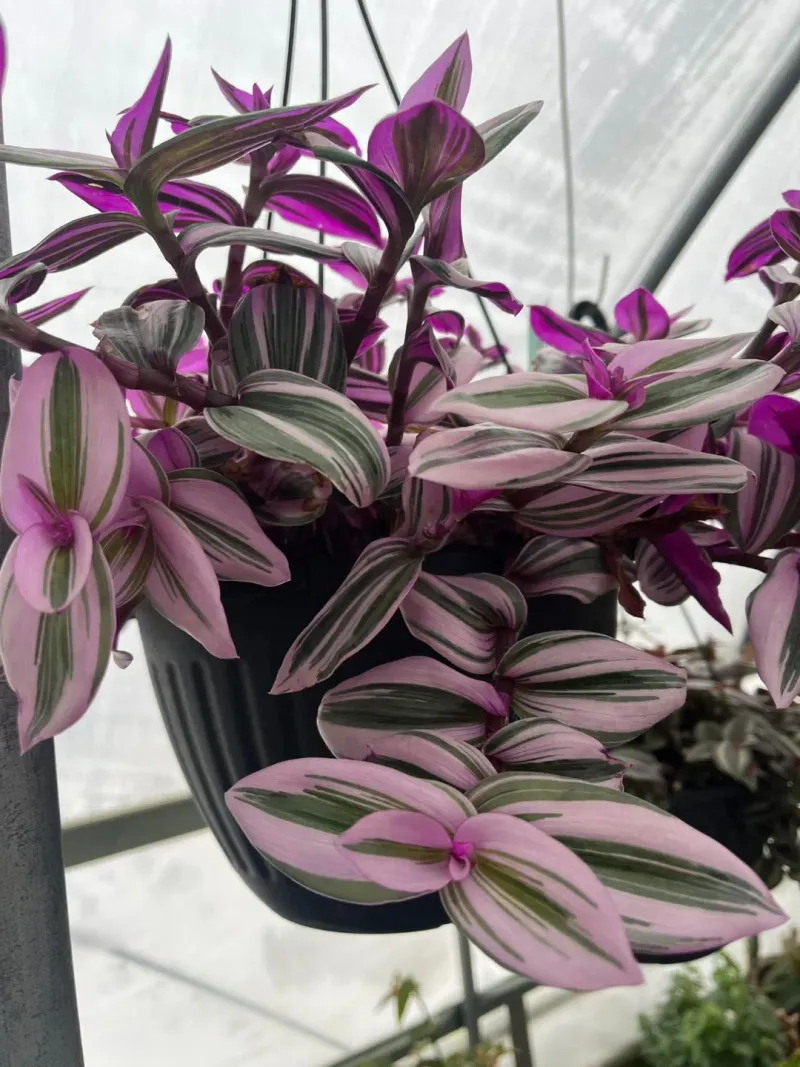
Elevated containers showcase trailing vines perfectly, allowing growth to cascade naturally and create stunning vertical interest in Florida gardens and indoor spaces. Hanging baskets, wall-mounted planters, or containers placed on tall stands display the plant’s natural spilling habit far better than pots sitting at ground level.
Vines can grow several feet long, creating dramatic flowing displays when given room to trail freely.
Choose containers with excellent drainage and consider lightweight materials for easier hanging installation. Coconut coir baskets, plastic hanging pots, or ceramic containers with attached hangers all work well.
Position hangers where you’ll enjoy the view and where plants receive appropriate light for their location.
Indoor hanging spots near bright windows create living curtains of colorful foliage. Outdoor locations on covered patios, under pergolas, or hanging from porch ceilings add instant tropical appeal.
Florida’s warm climate allows year-round outdoor display in most regions, with plants growing actively and trailing impressively.
As vines lengthen, they create increasingly dramatic effects, with multiple stems cascading in different directions for full, lush appearance. Regular pinching keeps growth dense rather than sparse, and occasional rotation ensures even development on all sides.
This growing method truly highlights why these plants remain such popular choices for Florida gardeners seeking easy, colorful, fast-growing options.