How To Grow Asparagus Successfully In Arizona Gardens
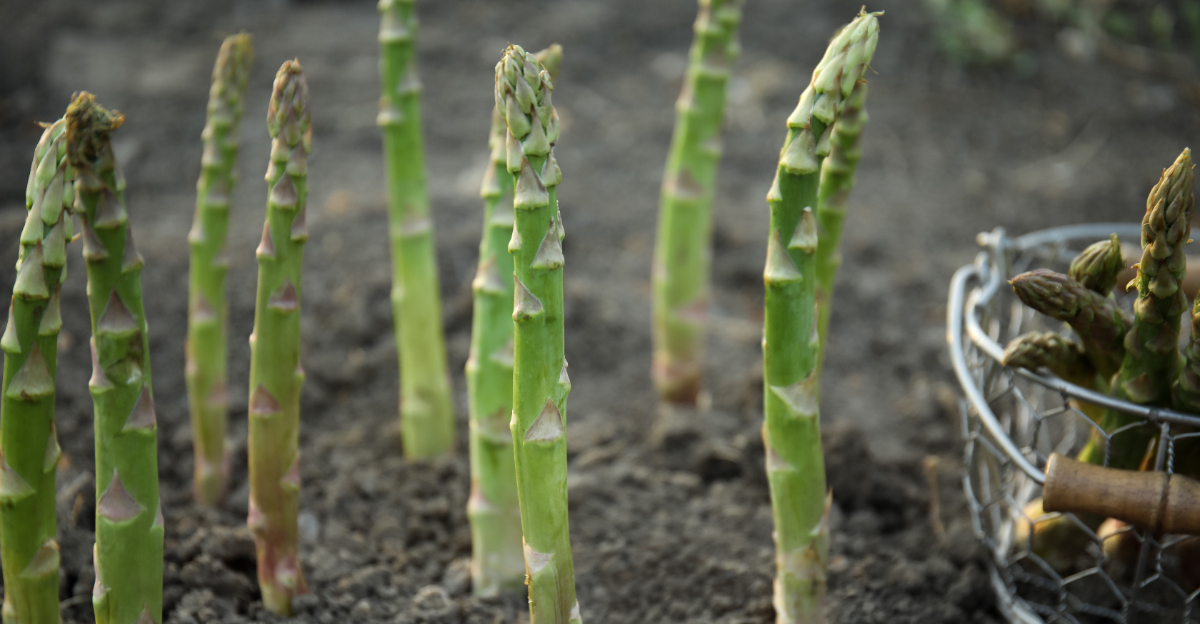
Asparagus surprises a lot of people the first time they grow it. Nothing about it feels fast at the beginning.
Young plants spend more time building roots than producing harvests, and that slow start makes many gardeners think something is going wrong.
Then a healthy bed suddenly starts sending up fresh spears year after year with far less effort than expected.
Arizona heat changes how asparagus grows once temperatures begin climbing. Dry soil, shallow watering, and too much afternoon sun can weaken young plants quickly before roots fully settle in.
Early care matters because asparagus stays in the same spot for a very long time once established.
Harvest timing also causes problems for beginners. Picking too heavily during the first seasons can slow growth and leave plants struggling later when summer stress increases outside.
Strong asparagus beds usually come from patience early on. Plants given enough time to establish often become one of the most dependable vegetables in the garden.
1. Start With Crowns Instead Of Seeds For Faster Growth
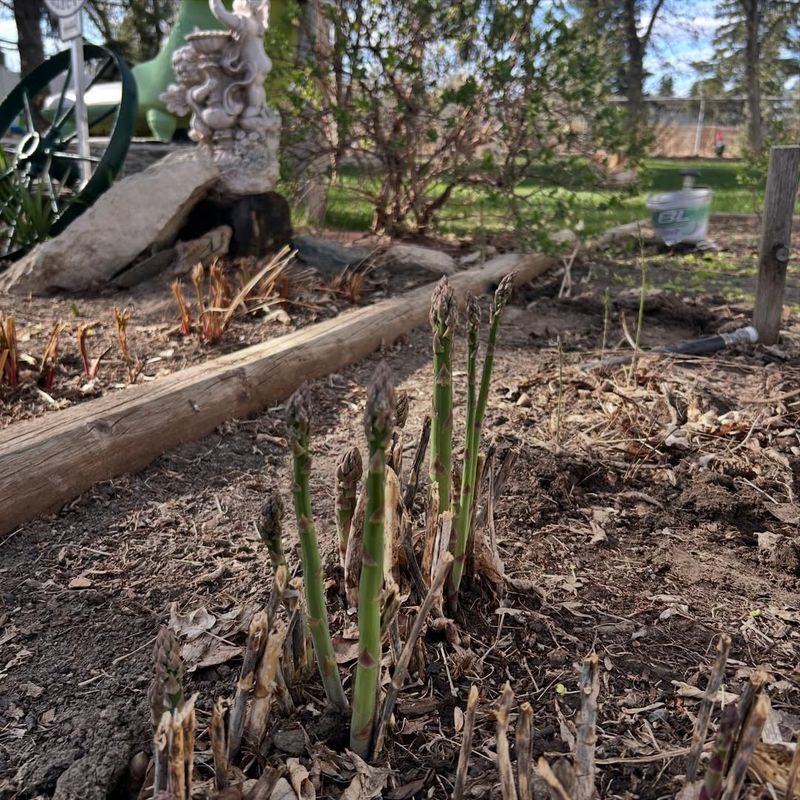
Skipping seeds is one of the smartest moves you can make when growing asparagus in Arizona.
Seeds can take two full years just to reach the point where crowns start producing properly, and that time gap matters when working with a short planting window in a hot climate.
Asparagus crowns are basically one or two year old root systems that are already developed and ready to establish quickly. You can usually find them at local nurseries or order them online in late winter, which lines up well with the planting season.
Look for crowns that feel firm and plump without mold, dryness, or soft spots. Planting crowns gives your bed a major head start, and in a climate where summer heat arrives fast, that extra time makes a noticeable difference.
Aim to plant them between late January and early March in the low desert, or from February through April in cooler northern areas. Soil should be workable and loose but not overly wet.
Jersey Knight and UC 157 are two varieties that consistently perform well across much of the state.
2. Choose A Spot With Full Sun And Good Drainage
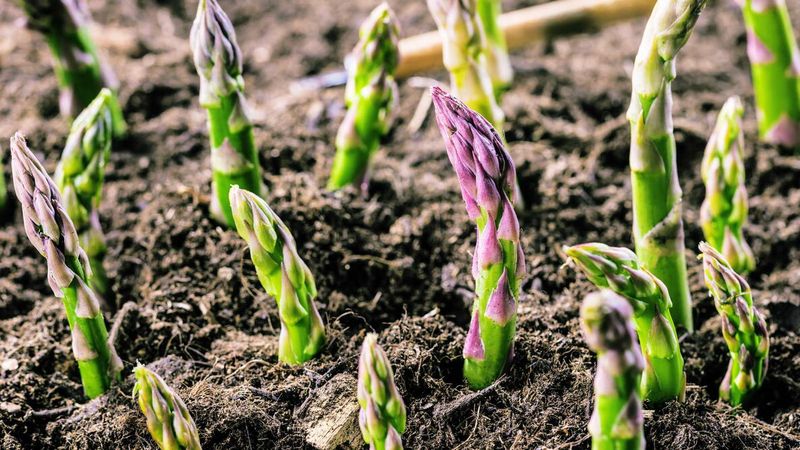
Location can make or break an asparagus bed, and in Arizona, sunlight and drainage matter more than almost anything else.
Asparagus needs at least eight hours of direct sun each day to produce strong spears, and the intense desert sun usually provides that easily.
Poor drainage is where problems begin quickly. Asparagus crowns sitting in soggy soil often rot before they have a chance to establish, especially during monsoon season when heavy rain can arrive suddenly.
Raised beds are popular because they allow much better control over soil structure and drainage. If planting directly in the ground, pay close attention to how water moves through the yard after a strong storm.
Avoid low areas where puddles remain for long periods. Slight slopes or naturally sandy sections of the yard can actually work in your favor.
In lower desert areas, south or east facing spots can become extremely hot by midsummer, so a little afternoon protection from a nearby wall or tree may help asparagus ferns last longer through the season.
Your Arizona Garden Changes Every Week. Your Plan Should Too.
Gardening in Arizona changes quickly throughout the season. Every Friday you’ll receive a simple weekly plan showing exactly what to plant, prune, fertilize, harvest, and protect so you never miss the right timing.
Cooler northern parts of the state usually allow more flexibility with placement because summer temperatures are less extreme.
3. Improve Soil Before Planting New Crowns
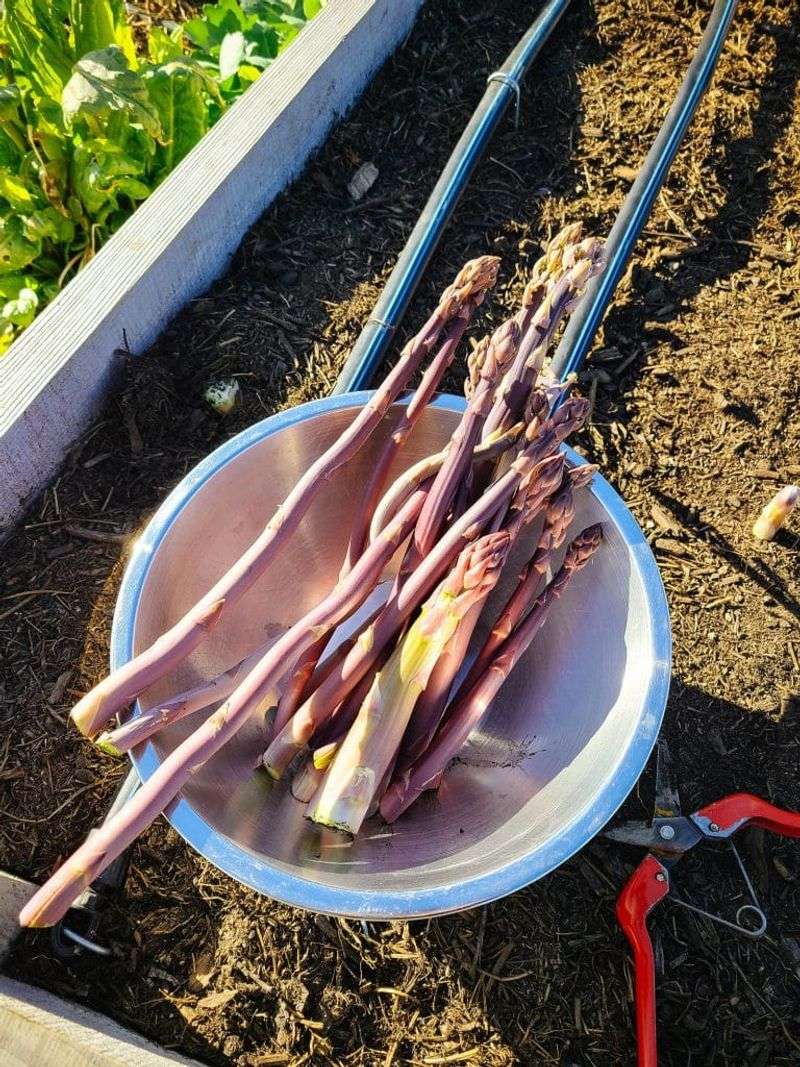
Native desert soil needs serious improvement before asparagus can settle in well. Much of Arizona has heavy clay, alkaline caliche, or coarse sandy soil that either holds too much water or drains too quickly.
Asparagus roots need something in between, with loose texture, good drainage, and enough organic matter to support a perennial crop for many years. Start by digging the trench or bed about twelve to fifteen inches deep.
Work in several inches of aged compost to improve drainage in clay soil and help sandy soil hold moisture longer. Adding a balanced granular fertilizer at this stage gives crowns nutrients as they begin establishing.
Asparagus prefers soil with a pH between 6.5 and 7.5, and many parts of the state naturally run alkaline. A simple soil test kit from a garden center can show where your soil stands before planting.
If the pH is too high, sulfur can help lower it gradually over time. Avoid placing fresh manure directly in the planting trench because it can damage tender new roots.
Aged or composted manure is much safer and adds useful nutrients without the same risk.
4. Water Deeply During Dry Spring Weather
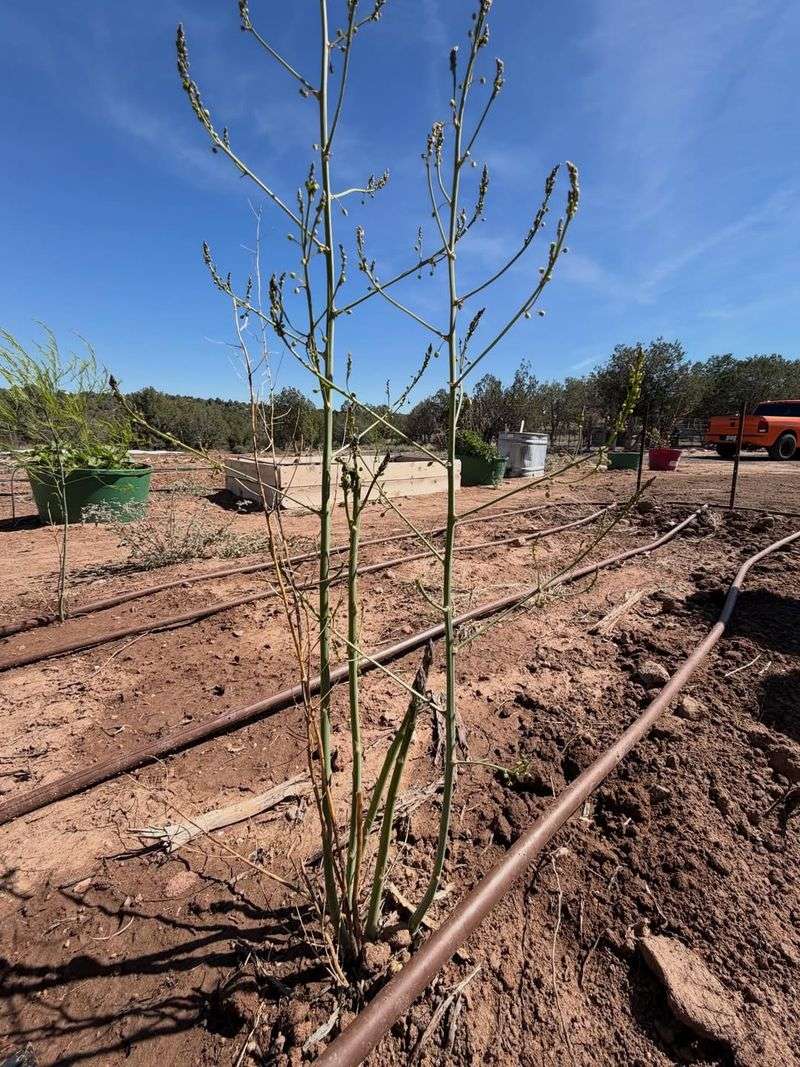
Spring can feel mild on the surface, but soil often dries out faster than expected between rain events.
Young asparagus crowns establishing their root systems during this period need steady moisture to produce strong spears and healthy fern growth later in the season.
Deep watering works much better than frequent shallow watering with asparagus. Shallow watering keeps roots near the surface, where they become more vulnerable to heat stress once summer temperatures rise.
Watering deeply once or twice a week encourages roots to grow farther down into cooler and more stable soil layers, which is especially important in desert climates. Drip irrigation is one of the most efficient ways to water asparagus beds.
It delivers moisture directly to the root zone, reduces evaporation, and helps keep foliage dry, lowering the risk of fungal problems. Run the system long enough to moisten the soil at least eight to ten inches deep.
Checking soil moisture by hand is still one of the most reliable methods no matter what irrigation setup you use. Push a finger a few inches into the soil near the plants.
If the soil feels dry about two inches down, it is usually time to water.
5. Add Mulch Before Summer Heat Intensifies
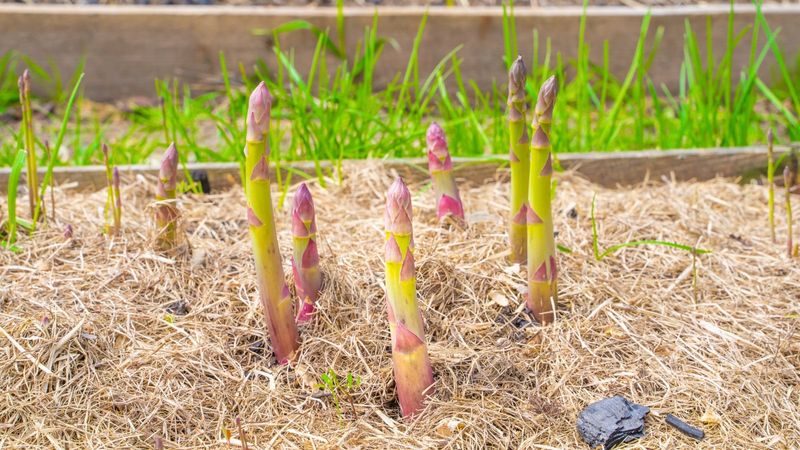
Summer in the desert Southwest is no joke, and asparagus ferns need protection from the brutal soil temperatures that build up between June and September.
Mulch is your best tool for keeping root zones cooler, locking in moisture, and reducing how often you need to water during the hottest months.
Apply a three- to four-inch layer of organic mulch around the base of your plants before temperatures start climbing past 100 degrees. Straw, shredded wood chips, or dried grass clippings all work well.
Avoid piling mulch directly against the crown base, which can trap excess moisture and lead to crown rot in an already stressed plant.
Mulch also breaks down slowly over time, adding organic matter back into the soil. In a desert environment where organic content is naturally low, this slow decomposition is genuinely useful and saves you from having to add compost as frequently.
Replenish the layer as it breaks down throughout the season.
Gardeners in the low desert regions often find that even with mulch, fern foliage struggles to stay green past late June or early July. That’s completely normal here.
Once the ferns start yellowing from heat stress rather than natural senescence, the plant is essentially going dormant to protect itself.
6. Avoid Harvesting Spears Too Early
Patience is genuinely one of the hardest parts of growing asparagus, especially after all the work you put into preparing the bed.
Most gardeners want to harvest every spear they see poking up, but cutting too early in the plant’s life can seriously weaken the root system and reduce future harvests.
During the first year after planting crowns, skip harvesting entirely. Let every spear grow out into full fern foliage.
Those ferns are doing critical work, capturing sunlight and sending energy back down into the roots to build up the crown for future seasons. Cutting them short-circuits that process at the worst possible time.
In the second year, a light harvest is acceptable. Take only the thickest spears for a period of no more than two weeks, then let the rest go to fern.
By year three, your bed should be strong enough to handle a four- to six-week harvest window, which is much more rewarding and sustainable long-term.
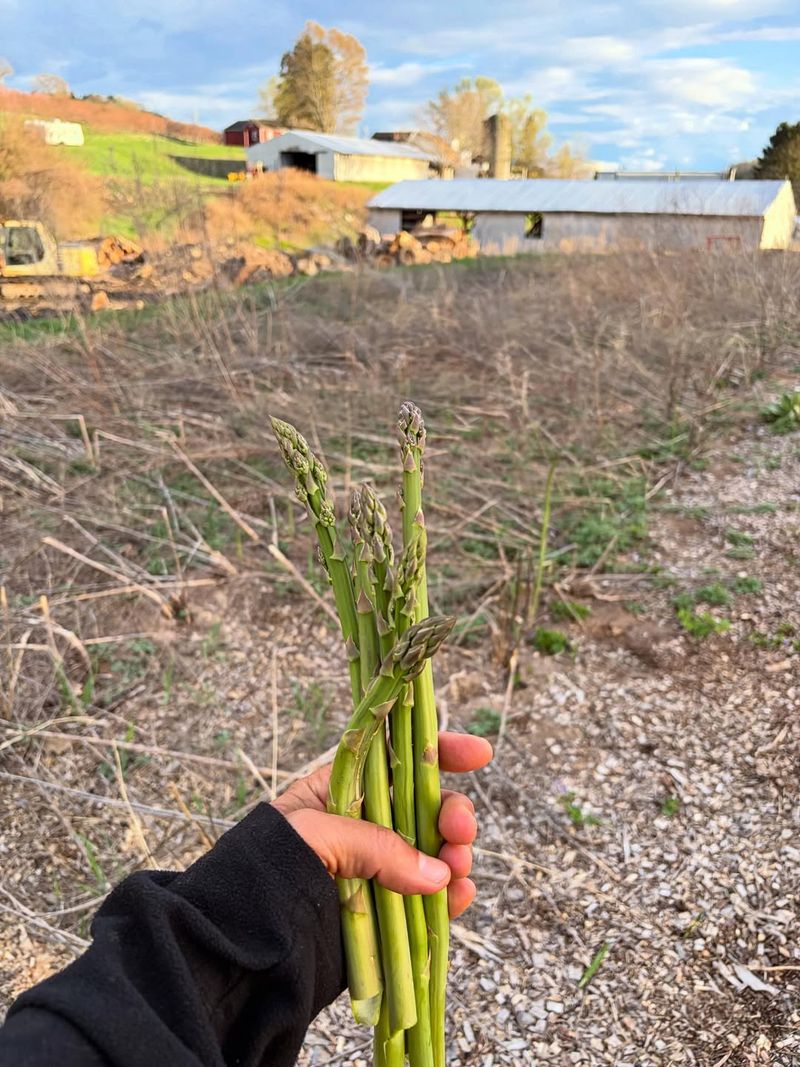
Spears are ready to cut when they reach about six to eight inches tall with tight, compact tips. Once the tips start to open and feather out, the spear has passed its eating window and should be left to fern up.
7. Cut Back Ferns After They Fully Turn Brown
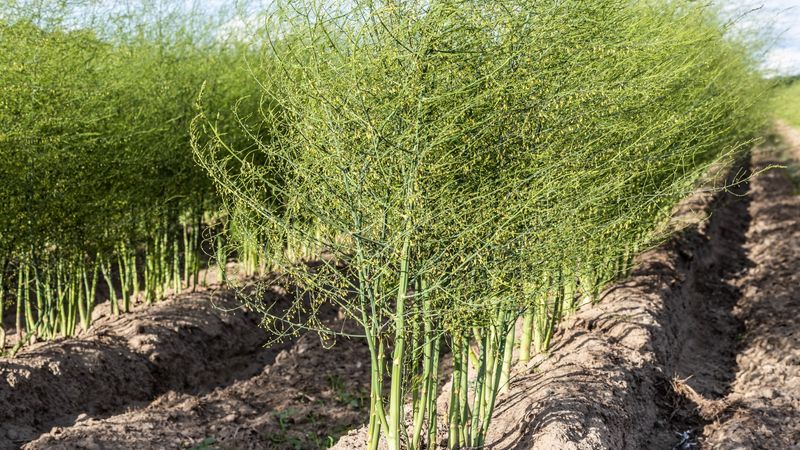
Knowing when to cut back asparagus ferns is something many first time growers get wrong, and it is an easy mistake to make.
Ferns can start looking rough or yellow by midsummer in low desert areas, but that does not mean they are ready to be removed yet.
Cutting green or partly yellow ferns too early removes stored energy the crowns still need for future growth. Wait until the ferns turn completely brown and dry before cutting them back to about two inches above ground level.
In lower desert regions, this often happens sometime between October and December depending on how the season went. Cooler northern areas usually reach that stage earlier, often closer to October or November.
After cutting the ferns back, remove the old plant material from the bed instead of leaving it around the crowns.
Old debris can hold pests and fungal spores that may carry into the following growing season.
Keeping the bed clean going into late fall helps crowns start fresh the next year. Once cleanup is finished, it is also a good time to top dress the bed with a couple inches of compost and a balanced fertilizer.