Match The Right Natural Fertilizer To The Ohio Plants That Need It Most
The wrong amendment in the wrong bed does not just underperform. It can waste an entire season of effort and leave you wondering what went wrong with plants you were doing everything else right for.
Ohio gardeners are not short on organic options, but access to good materials is only half the equation. The other half is knowing where each one actually belongs.
Some natural fertilizers do something remarkable for one type of plant and very little for another. Some push leafy growth when what you really needed was fruit production.
These are not rare mistakes. They happen in well-tended gardens every season because the matching piece of the puzzle gets skipped.
This guide makes sense of the whole thing, pairing each natural fertilizer with the specific plants that respond to it best. Stop spreading amendments on faith and start putting them exactly where they earn their place.
1. Compost Coffee Grounds Before Using Them Near Azaleas And Rhododendrons
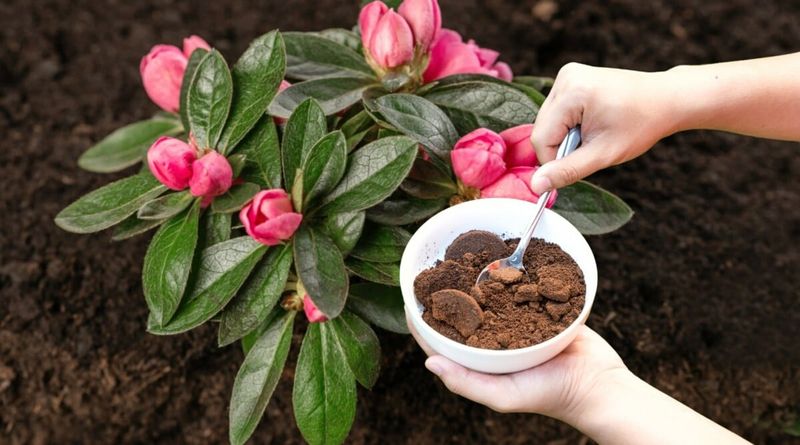
Few things in a backyard garden are as striking as a well-grown azalea in full bloom. Keeping those shrubs happy starts with understanding what kind of soil they actually prefer.
Azaleas and rhododendrons thrive in acidic, well-drained soil that is rich in organic matter.
In many parts of this state, native soils can lean toward clay or neutral pH, which is not always ideal for these ornamental shrubs.
Spent coffee grounds are sometimes suggested as a way to acidify soil, but that idea deserves some caution. Research from university extension programs has found that coffee grounds do not reliably lower soil pH on their own.
What they can do is add a bit of organic material to the soil when used sparingly. Mixing them into compost or scattering a very thin layer around your plants is a reasonable way to use them without overdoing it.
One of the most important warnings for azalea and rhododendron growers is to avoid piling coffee grounds thickly around the base of plants.
Wet grounds tend to clump and mat together, which can hold excess moisture right against the shallow roots these shrubs depend on.
That kind of moisture buildup creates conditions that invite root problems, not prevent them.
If you are genuinely trying to lower your soil pH to better suit these plants, a soil test is the right starting point. Ohio State University Extension recommends testing garden soil before adding any amendment meant to adjust pH.
A test will tell you exactly where your soil stands and what, if anything, actually needs to change. Sulfur-based amendments are typically more effective for pH correction than coffee grounds.
Your local extension office can help you read the results and choose the right path forward for your specific planting area.
2. Fish Emulsion For Tomatoes And Peppers
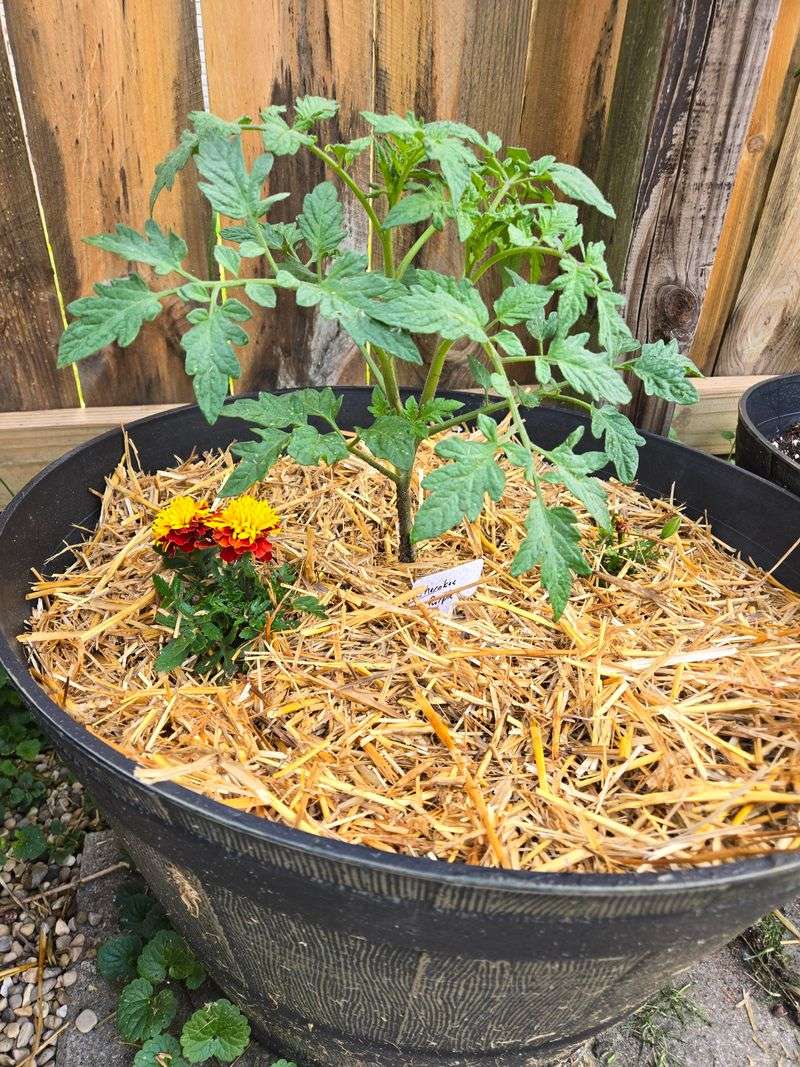
Tomatoes and peppers are two of the most popular vegetables in home gardens across this state. Both are heavy enough feeders that midseason nutrition can make a real difference in how well they perform.
Fish emulsion is a liquid organic fertilizer made from processed fish material. It delivers a moderate dose of nitrogen along with some trace nutrients that can support active plant growth.
Your Ohio Garden Changes Every Week. Your Plan Should Too.
Gardening in Ohio changes quickly throughout the season. Every Friday you’ll receive a simple weekly plan showing exactly what to plant, prune, fertilize, harvest, and protect so you never miss the right timing.
One reason fish emulsion works well for these crops is that it acts relatively quickly compared to dry amendments. During the warm summer months, tomatoes and peppers grow fast and set fruit.
A light application can give plants a gentle lift without the kind of sudden nitrogen surge that pushes leafy growth at the expense of flowers and fruit. That balance matters a lot with fruiting vegetables.
Container-grown tomatoes and peppers tend to benefit from fish emulsion more noticeably than in-ground plants. Containers limit the total soil volume, and nutrients can run short faster.
For garden beds, fish emulsion works best as a midseason supplement after plants are well established and already flowering. Applying it too early or too heavily can tip the balance toward leaves instead of fruit, which is the opposite of what most gardeners want.
Always follow label directions for dilution rates. Fish emulsion smells strong, so applying it in the morning gives it time to absorb before foot traffic or outdoor gatherings.
In local gardens, the best window for use is typically after transplants have settled in during late May or June and are actively pushing new growth in warm soil.
A soil test beforehand can also help you understand whether nitrogen is actually the limiting factor or whether another nutrient may be holding your plants back.
3. Blood Meal For Leafy Greens
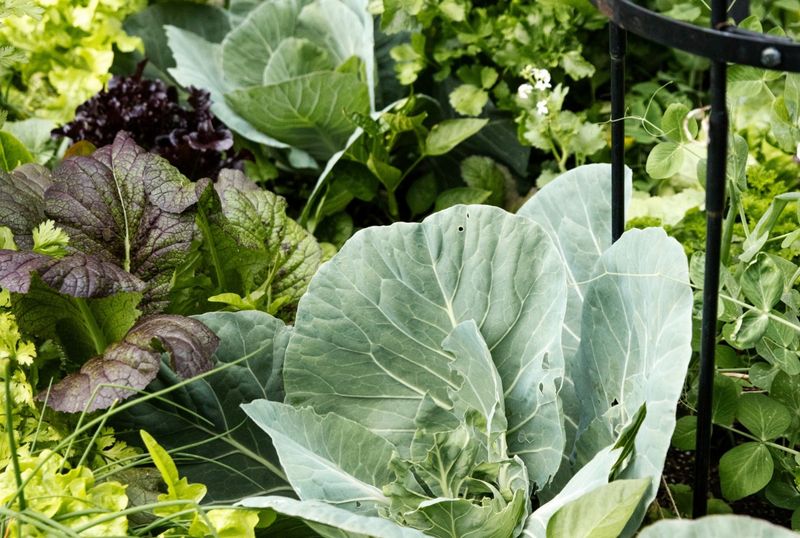
Leafy greens are grown for their leaves, and leaves are mostly built from nitrogen. That simple fact explains why crops like lettuce, spinach, kale, collards, mustard greens, and Swiss chard tend to respond well to nitrogen-rich soil.
Blood meal, a dry amendment made from dried animal blood, is one of the most concentrated natural nitrogen sources available to home gardeners.
Spring and fall are the main growing windows for leafy greens in much of this state. Cooler temperatures slow the breakdown of some soil nutrients, which can leave plants looking pale or growing slowly.
A careful application of blood meal before planting can help give these crops the nitrogen boost they need. You can also work it lightly into the top few inches of soil during those cooler periods.
The word careful matters here because blood meal is strong. It is easy to apply too much, and excess nitrogen can lead to overly soft, fast growth that is less flavorful and more vulnerable to stress.
Always read the label and start with the lower end of the suggested rate, especially if you have not done a soil test recently. More is not better with this amendment.
Blood meal also breaks down and releases nitrogen relatively quickly. That is useful, but it means it does not feed plants over a long season the way a slow-release option might.
Gardeners who want steady nutrition through a full season may want to combine it with compost or other organic matter that builds soil over time.
A soil test is still useful before adding amendments, especially for pH, phosphorus, and potassium, but nitrogen is trickier because it moves and changes quickly in soil.
For leafy greens, pale color and slow growth in otherwise healthy, well-watered plants can suggest a nitrogen gap, but blood meal should still be used carefully and lightly.
4. Bone Meal For Bulbs And Garlic
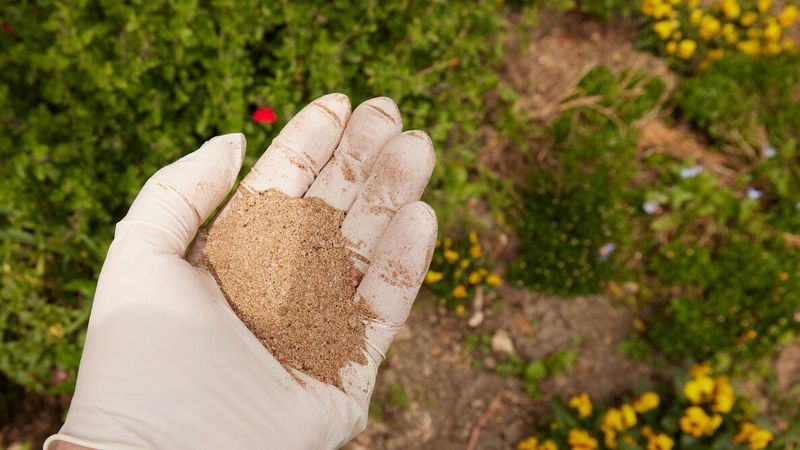
Planting bulbs and garlic in the fall is one of those satisfying garden rituals that pays off the following spring and summer. Bone meal has long been recommended as a planting-time amendment for bulbs.
It does have a legitimate role to play, but only when the soil actually needs what it offers. Bone meal is high in phosphorus, the nutrient most associated with root development and flowering, and it also contains calcium.
Bulbs and garlic both need loose, well-drained soil. Soggy, compacted conditions create serious problems for these crops.
This is especially true over a cold winter, when standing water around bulbs can cause them to rot before they ever get a chance to grow. Improving drainage and soil structure with organic matter is often more important than adding any specific fertilizer.
Here is where soil testing becomes especially important. Many vegetable and garden soils in this state already contain adequate or even excess phosphorus from years of fertilizer applications.
Adding more phosphorus when it is not needed does not help plants and can contribute to nutrient runoff. OSU Extension and other land-grant university programs consistently recommend testing soil before applying phosphorus-based amendments like bone meal.
If a soil test shows that phosphorus is low, bone meal can be worked into the planting hole or blended into the top several inches of soil before bulbs go in. Avoid dumping it on top of the soil surface where it will not be accessible to developing roots.
Garlic planted in fall in well-prepared, fertile soil with good drainage often performs well with minimal amendment. Think of bone meal as a targeted tool for a specific soil gap, not a routine addition that every bulb bed automatically needs every season.
5. Worm Castings For Herbs
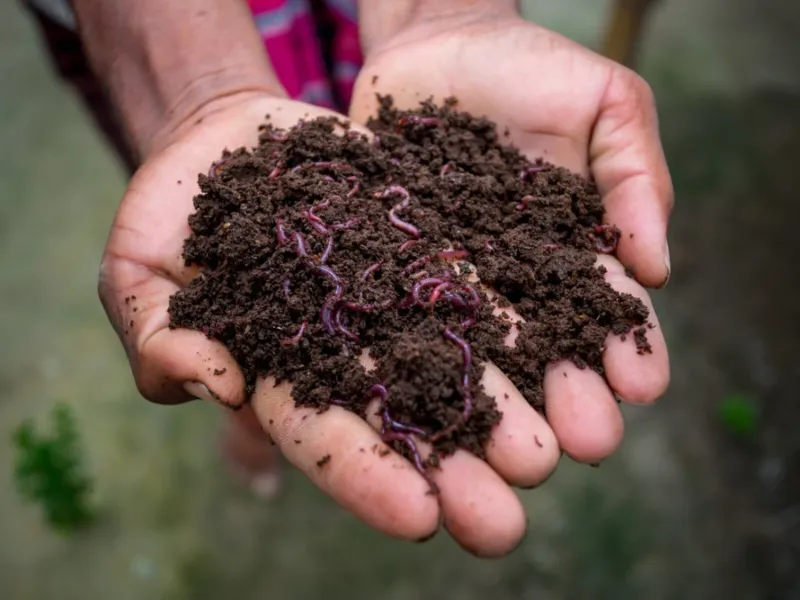
Herbs have a reputation for being low-maintenance, and for good reason. Many of the most popular culinary herbs actually prefer lean soil over rich, heavily fertilized ground.
Worm castings fit the herb garden well precisely because they are mild. They release nutrients slowly and gently, without overwhelming plants that prefer to grow in conditions that are more restrained than a typical vegetable bed.
Mediterranean herbs like thyme, oregano, rosemary, lavender, and sage are the clearest examples of plants that do not want heavy feeding. These herbs evolved in rocky, sharply draining soils with low fertility.
Too much nitrogen makes them grow fast and soft, which reduces the concentration of essential oils that give them their flavor and fragrance.
Using worm castings sparingly around these plants is a way to add a little organic matter without pushing them into overfed, weak growth.
Basil, parsley, cilantro, dill, and chives are a bit more flexible. They can handle richer soil and steadier moisture than their Mediterranean cousins.
They may respond more noticeably to a light top-dressing of worm castings worked into the soil at planting time or added to container mix. Even so, restraint is still the right approach.
Overfed basil, for example, can become leafy and lush but loses some of its classic bold flavor.
Container herbs are probably where worm castings shine most consistently. Potting mixes tend to lose nutrients faster than garden soil.
Worm castings can be blended into the mix at a modest rate to provide a slow, steady trickle of nutrition throughout the growing season.
A general guideline from composting resources suggests using castings at around ten to twenty percent of total container mix volume.
Starting on the lower end is always the safer choice for herbs that prefer lean conditions.
6. Aged Manure For Heavy-Feeding Vegetables
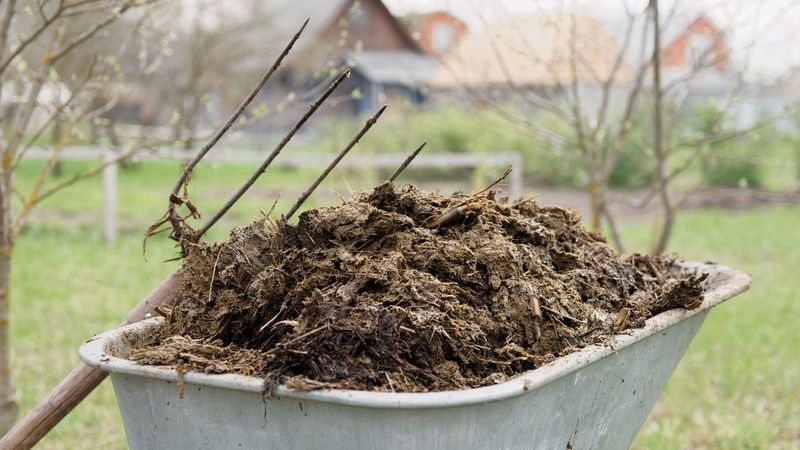
Some vegetables are simply hungry plants. Corn, squash, cucumbers, pumpkins, melons, and cabbage-family crops like broccoli, cabbage, and kale all tend to push hard growth.
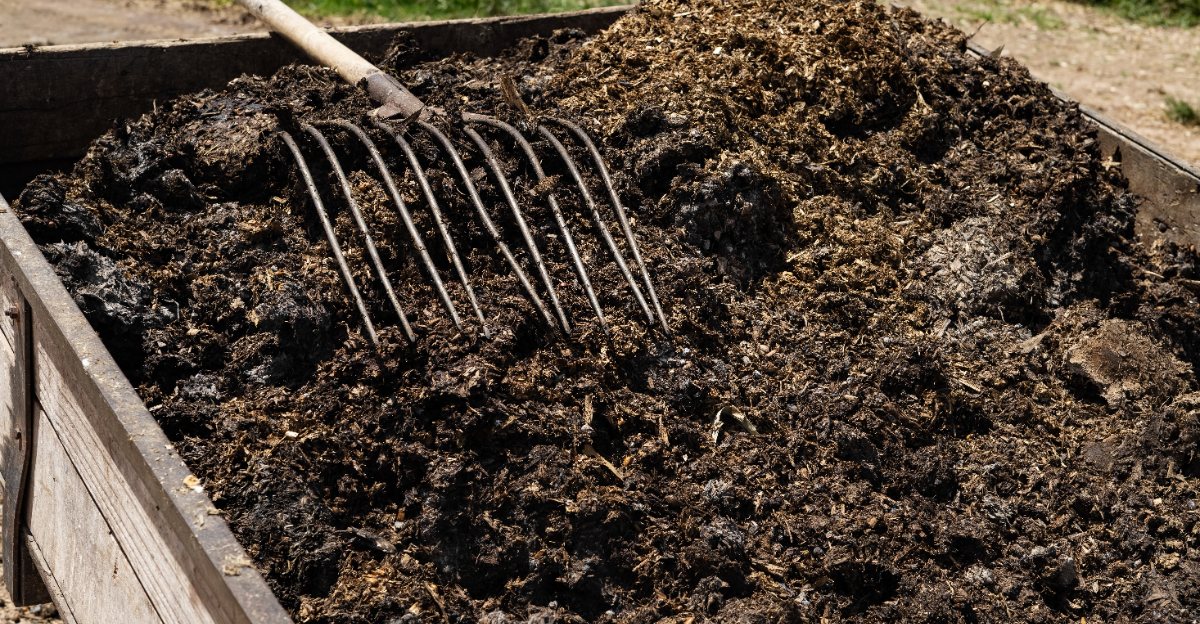
They benefit from fertile, organically rich soil. Properly composted manure can build fertility and organic matter in heavy-feeding vegetable beds, but food safety matters, so use a trusted, fully composted product and avoid fresh or questionable manure around edible crops.
The key word in that sentence is aged. Well-rotted or properly composted manure has broken down enough that it no longer poses the same concerns as fresh material.
Fresh manure around edible crops raises food safety issues and can also burn plants with excess nitrogen and ammonia.
Aged manure, on the other hand, has mellowed into a crumbly, dark material that feeds soil biology and improves texture alongside providing nutrients.
Timing matters with this amendment. Many experienced vegetable gardeners prefer to work aged manure into beds in fall or early spring, giving it time to settle into the soil before planting season begins.
For edible crops, it is safest to work fully composted manure into beds well before planting rather than using fresh or uncertain manure as a midseason side-dress.
Even with a natural amendment like aged manure, a soil test is worth doing periodically. Repeated applications over several years can raise nutrient levels beyond what plants need, particularly phosphorus and potassium.
Local extension offices across the state offer affordable soil testing services. The results can tell you whether your vegetable beds need more fertility or whether your soil is already ready to grow a strong crop without any additional input this season.
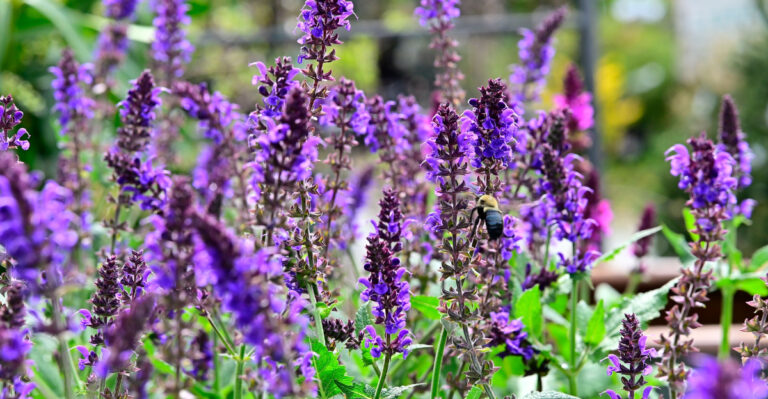
7. Alfalfa Meal For Roses And Perennials
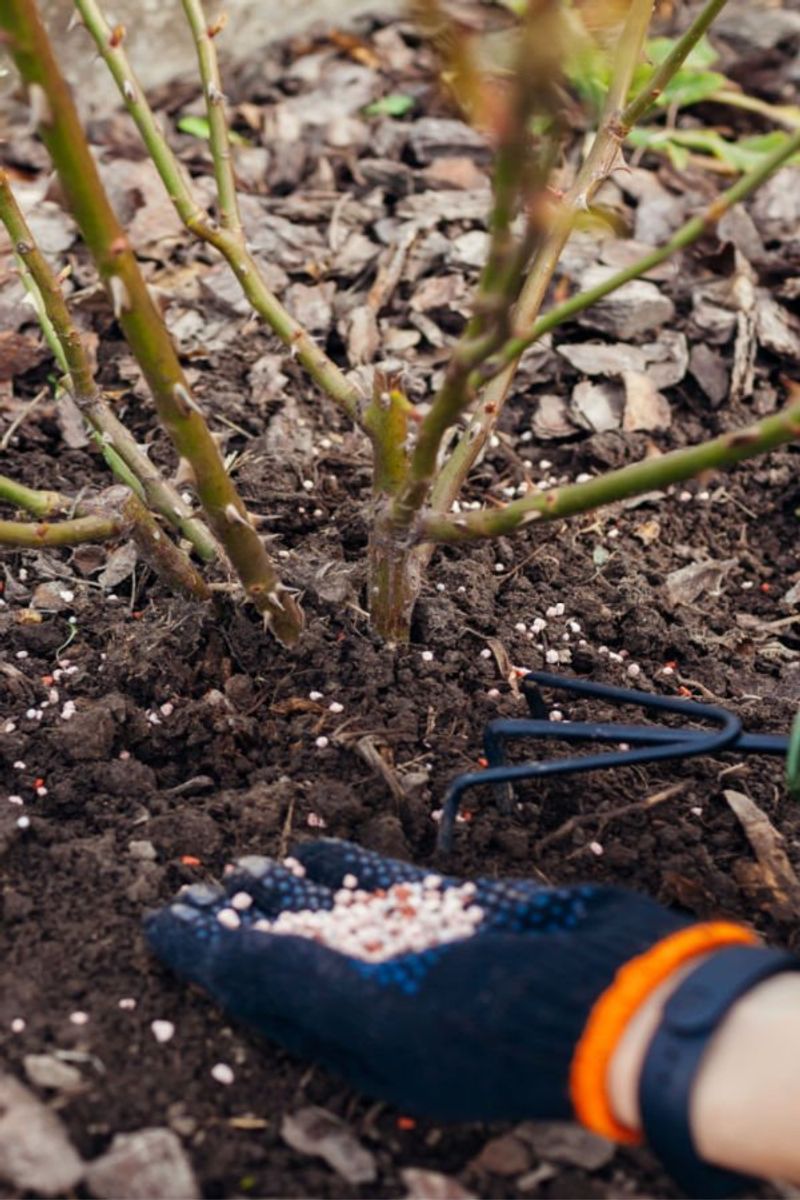
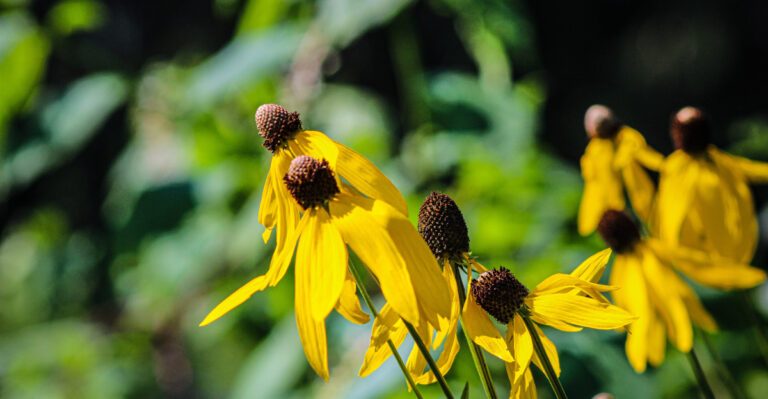
Roses have a reputation for being demanding. Flowering perennials like daylilies, coneflowers, phlox, and black-eyed Susans may also need better nutrition to keep performing year after year in a mixed border.
Alfalfa meal is a natural, plant-based amendment that feeds soil biology and releases nutrients slowly. That makes it a reasonable choice for gardeners who want to support these plants without reaching for a synthetic quick-fix product.
What makes alfalfa meal interesting for roses in particular is that it contains a natural compound called triacontanol. Some research suggests this compound may support plant growth responses.
It is not a dramatic fertilizer, and it should not be treated like one. Think of it as a gentle seasonal boost that works over weeks, not days, as soil microbes break it down and release the nutrients it contains.
Flowering perennials in established borders often benefit more from soil improvement over time than from any single fertilizer application. Alfalfa meal contributes organic matter along with modest amounts of nitrogen, phosphorus, and potassium.
Apply it when plants are actively growing in spring or early summer. It can support healthy foliage and steady flowering without causing the kind of fast, soft growth that leaves plants more vulnerable.
Avoid applying alfalfa meal late in the growing season in frost-prone areas of the state.
Encouraging new growth in late summer or fall gives that tender growth less time to harden off before cold weather arrives, which can set plants back heading into winter.
Keep applications away from plant crowns and do not pile the material thickly against stems. A light, even application worked into the top inch of soil or laid on the surface as a thin top-dressing is enough.
It gives roses and perennials a reliable, low-key nutritional foundation through the growing season.