How To Grow Award-Winning Roses In Florida This Year
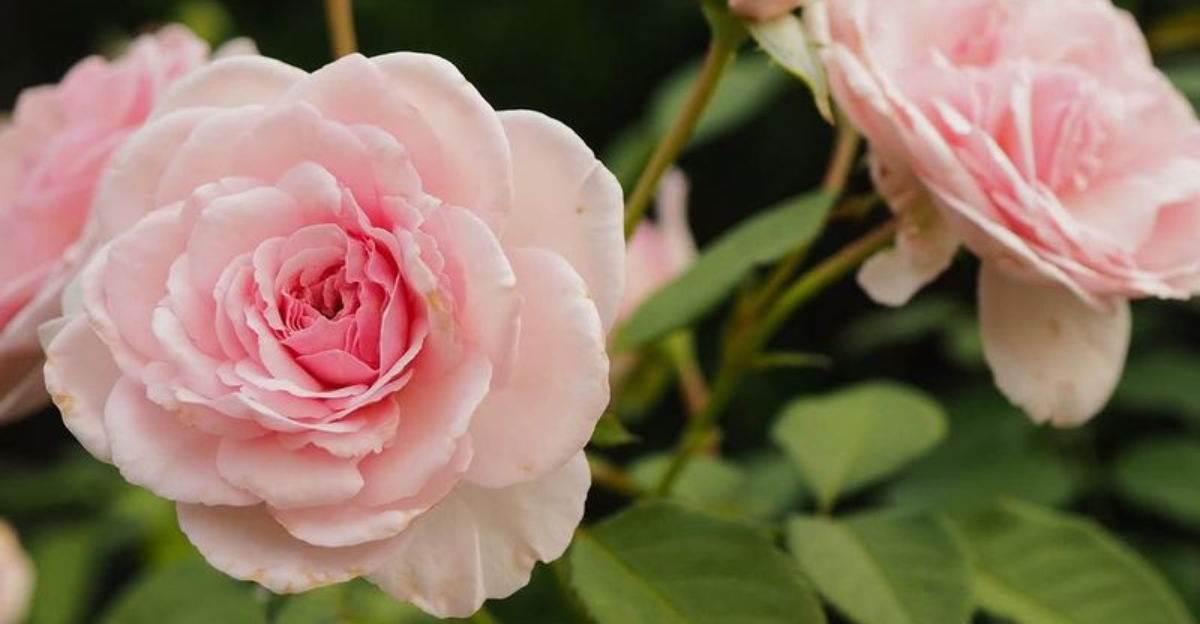
Growing roses in Florida can feel like a gamble. One season they look stunning, the next they’re stripped bare by black spot, heat, or relentless rain.
Many gardeners blame themselves, but the truth is that Florida’s climate plays by different rules than the rest of the country. Humidity hangs in the air, summer storms arrive daily, and winter never really gives roses a chance to rest.
The secret to success isn’t spraying more or working harder. It’s choosing roses that have already proven they can thrive under pressure.
Award-winning roses earn their reputation by surviving years of testing in harsh conditions that mirror Florida’s heat, humidity, and unpredictable weather. These varieties bloom longer, resist disease better, and bounce back faster after stress.
When you start with roses bred to handle Florida life, gardening becomes more rewarding and far less frustrating. Instead of constant problem-solving, you get healthier plants, fuller blooms, and a garden that looks good even during the toughest months.
1. Why Award-Winning Roses Perform Better In Florida
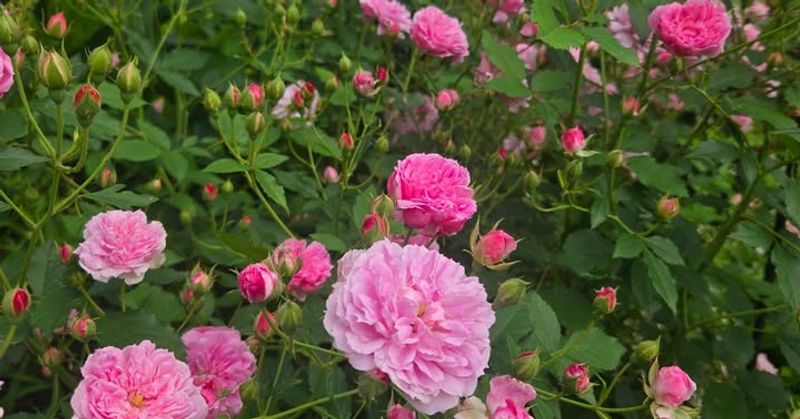
Award-winning roses earn their recognition through years of testing across different climates, and that includes humidity, heat, and unpredictable rainfall patterns just like yours. Organizations like the American Rose Society and Earth-Kind® programs evaluate thousands of roses for disease resistance, bloom production, and adaptability before granting awards.
When you choose these varieties, you benefit from all that research without guessing which plants will thrive in your yard.
Florida gardeners face unique challenges that standard rose care books often overlook, including black spot pressure from summer rains and nematodes in sandy soils. Award-winning roses have proven they can handle these stresses while still producing show-quality flowers.
Their genetic resilience means less spraying, fewer replacements, and more time enjoying your garden instead of fighting problems.
North Florida gardeners enjoy slightly cooler winters that allow certain hybrid teas to rest and rebloom vigorously in spring. Central Florida offers the longest bloom season, where roses like Knock Out® and Belinda’s Dream perform almost year-round.
South Florida heat tests even tough roses, but Earth-Kind® selections such as Caldwell Pink shine in zones 10 and 11 without constant intervention.
2. Earth-Kind® Roses That Thrive In Heat And Humidity
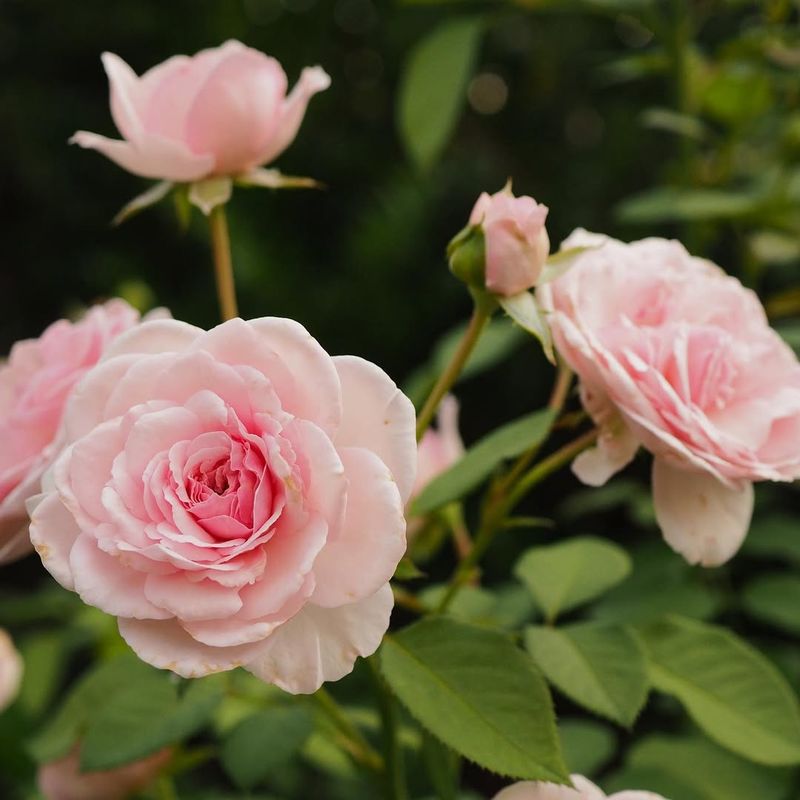
Earth-Kind® roses undergo rigorous trials at Texas A&M University and other southern research stations, where they must survive without fungicides, pesticides, or frequent watering. This makes them perfect companions for Florida gardens where humidity breeds fungal diseases and water restrictions limit irrigation.
Varieties like Knock Out®, Belinda’s Dream, and Caldwell Pink have proven themselves in conditions remarkably similar to ours.
Knock Out® roses dominate Florida landscapes because they bloom continuously from spring through fall, even when temperatures soar above 95 degrees. Their natural resistance to black spot means you can skip the chemical sprays that other roses demand during our rainy season.
Belinda’s Dream offers fragrant pink blooms that hold up beautifully in Central Florida heat, while Caldwell Pink thrives in South Florida’s intense sun without burning or fading.
North Florida gardeners should plant Earth-Kind® roses in full sun locations with good air circulation to minimize any lingering moisture after morning dew. Central Florida residents can expect nearly year-round blooms with just occasional deadheading and light fertilization.
South Florida growers will find these roses handle salt spray near coastal areas better than traditional hybrid teas, making them ideal for beachside gardens.
3. All-America Rose Selections That Handle Florida Sun
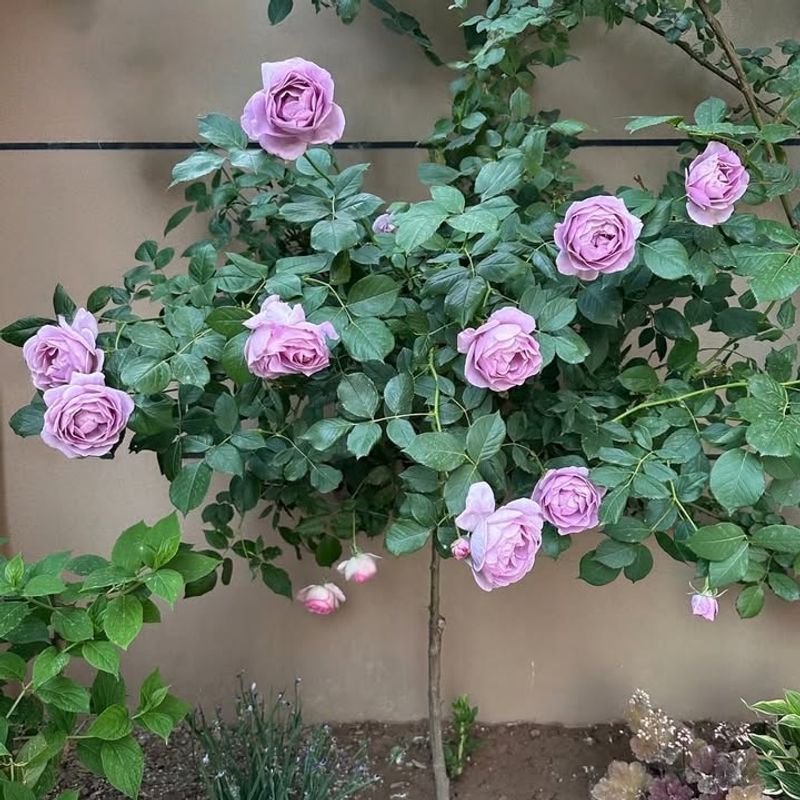
All-America Rose Selections (AARS) winners undergo two years of field testing in gardens across the United States, including sites that mirror Florida’s challenging climate. Winners like Easy Elegance® Grandma’s Blessing and Rainbow Knock Out® have demonstrated exceptional heat tolerance and disease resistance.
These roses give you the confidence that experts have already vetted them for performance in tough conditions similar to what you face every summer.
Easy Elegance® Grandma’s Blessing produces clusters of soft pink blooms that don’t fade even when afternoon temperatures climb into the high 90s. This AARS winner requires minimal care and rebounds quickly after pruning, making it perfect for busy gardeners who want beautiful results without constant maintenance.
Rainbow Knock Out® adds vibrant coral-pink flowers that transition to yellow centers, creating a stunning color display that lasts from March through November in most Florida regions.
North Florida gardeners should plant AARS winners in locations that receive at least six hours of direct sunlight for maximum bloom production. Central Florida landscapes benefit from these roses planted near patios or walkways where their continuous flowering creates visual interest throughout the growing season.
South Florida gardeners will appreciate how AARS winners like Sunny Knock Out® maintain their bright yellow color without bleaching, even under intense tropical sun.
4. Choosing Roses For North Florida Gardens
North Florida falls within USDA zones 8a through 8b, where winter temperatures occasionally dip into the low 20s, giving roses a natural dormancy period that encourages vigorous spring growth.
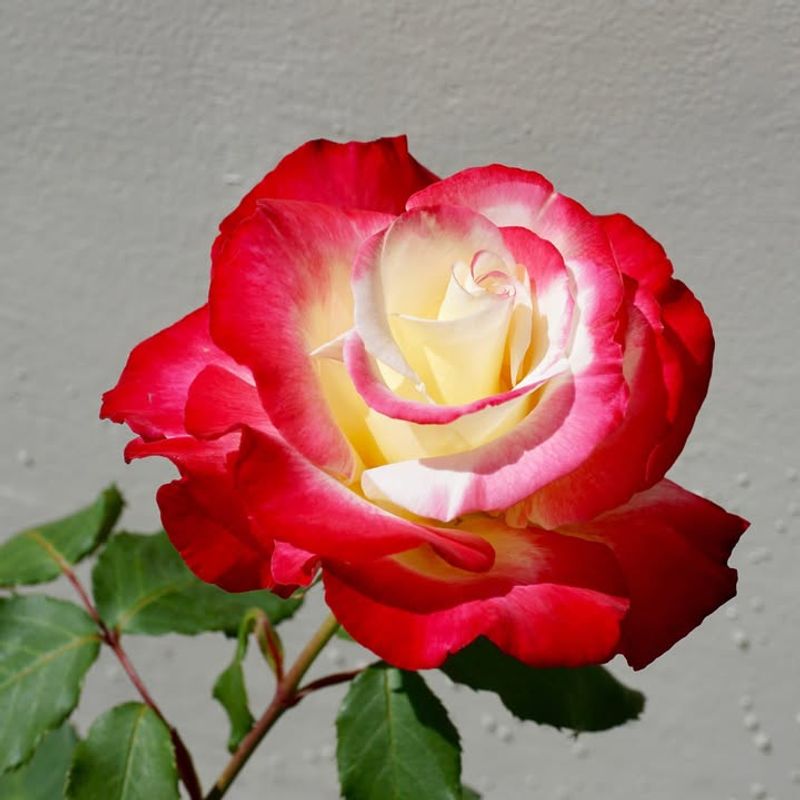
This cooler climate allows you to grow classic hybrid teas like Double Delight and Mister Lincoln alongside tougher shrub roses.
Your challenge lies in managing summer humidity while taking advantage of the longer cool season that other Florida regions lack.
Double Delight, an AARS winner, produces stunning bicolor blooms with creamy centers and raspberry-red edges that intensify as flowers mature in your spring and fall seasons. Mister Lincoln offers deep red, heavily fragrant flowers that perform best when your nights cool down between November and March.
Both varieties need good air circulation and morning sun to dry foliage quickly after dew, reducing black spot pressure during humid months.
Carefree Beauty, an Earth-Kind® rose, gives North Florida gardeners worry-free pink blooms that continue even through your hot summers without demanding constant attention. Plant hybrid teas in raised beds amended with compost to improve drainage in clay-heavy soils common around Tallahassee and Jacksonville.
Your longer bloom season means you can enjoy roses from late February through early December with proper variety selection and basic care.
5. Best Roses For Central Florida Landscapes
Central Florida occupies zones 9a and 9b, where mild winters rarely bring frost and roses can bloom almost continuously throughout the year. Your greatest advantage lies in this extended growing season, but summer heat combined with afternoon thunderstorms creates perfect conditions for fungal diseases.
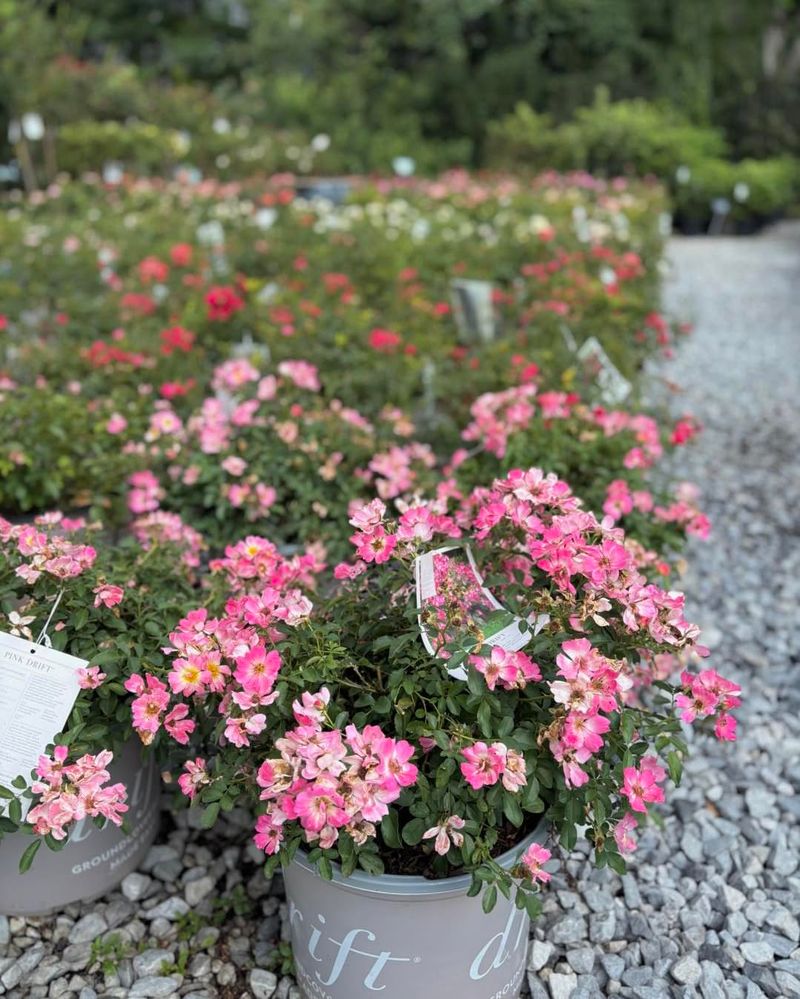
Selecting proven performers like Knock Out® series, Drift® roses, and Belinda’s Dream ensures success without constant chemical intervention.
Knock Out® roses have become the foundation of Central Florida rose gardens because they bloom relentlessly from February through November, taking only brief pauses during the hottest weeks of August.
Drift® roses work beautifully as groundcovers or container plants in Orlando, Tampa, and surrounding areas, offering continuous color in smaller spaces.
Belinda’s Dream produces fragrant, old-fashioned pink blooms that tolerate your intense summer sun while maintaining excellent foliage health through rainy season.
Plant roses where they receive morning sun and afternoon shade during peak summer months to reduce heat stress and extend bloom freshness. Your sandy soils require regular organic matter additions to improve water retention and nutrient availability for continuous flowering.
Mulch heavily around rose bases to moderate soil temperature fluctuations and reduce water needs during dry spells between your characteristic afternoon storms.
6. Roses That Excel In South Florida Conditions
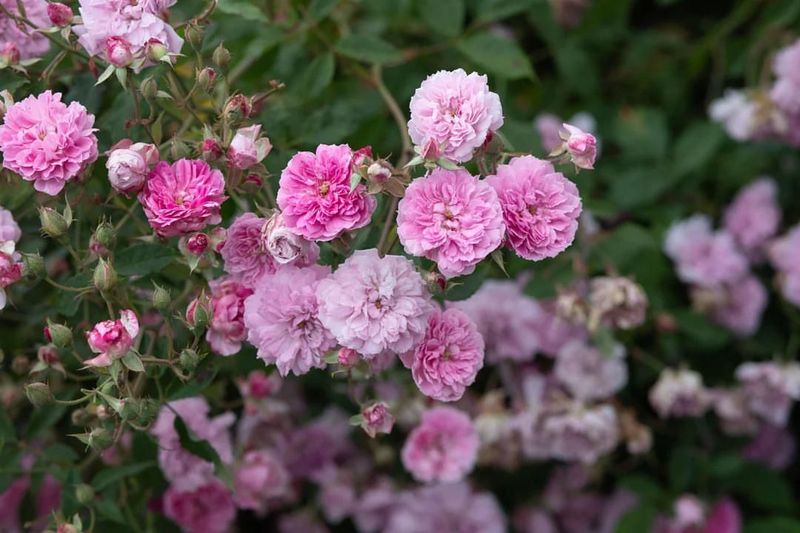
South Florida zones 10a through 11a present the most challenging rose-growing conditions in the state, with intense year-round heat, high humidity, and minimal winter dormancy.
Traditional hybrid teas struggle here, but tough selections like Caldwell Pink, Mutabilis, and Louis Philippe have proven themselves in Miami, Fort Lauderdale, and the Keys.
Your success depends on choosing roses bred for subtropical climates rather than fighting against your natural advantages.
Caldwell Pink, an Earth-Kind® winner, produces medium-pink blooms continuously in South Florida heat without showing the stress that defeats most other varieties.
Mutabilis offers a unique color-changing display as flowers age from yellow to pink to crimson, creating a butterfly-attracting spectacle in your garden.
Louis Philippe, an antique China rose, has survived South Florida gardens since the 1800s, proving its ability to handle your climate without modern chemical support.
Plant roses in locations with excellent drainage, as summer rains can waterlog roots in poorly prepared beds, leading to root health problems. Your lack of winter chill means roses never truly rest, so lighter fertilization throughout the year works better than heavy spring feeding.
Afternoon shade becomes essential for extending flower life and preventing petal burn from your intense tropical sun.
7. Planting Techniques Used By Winning Rose Growers
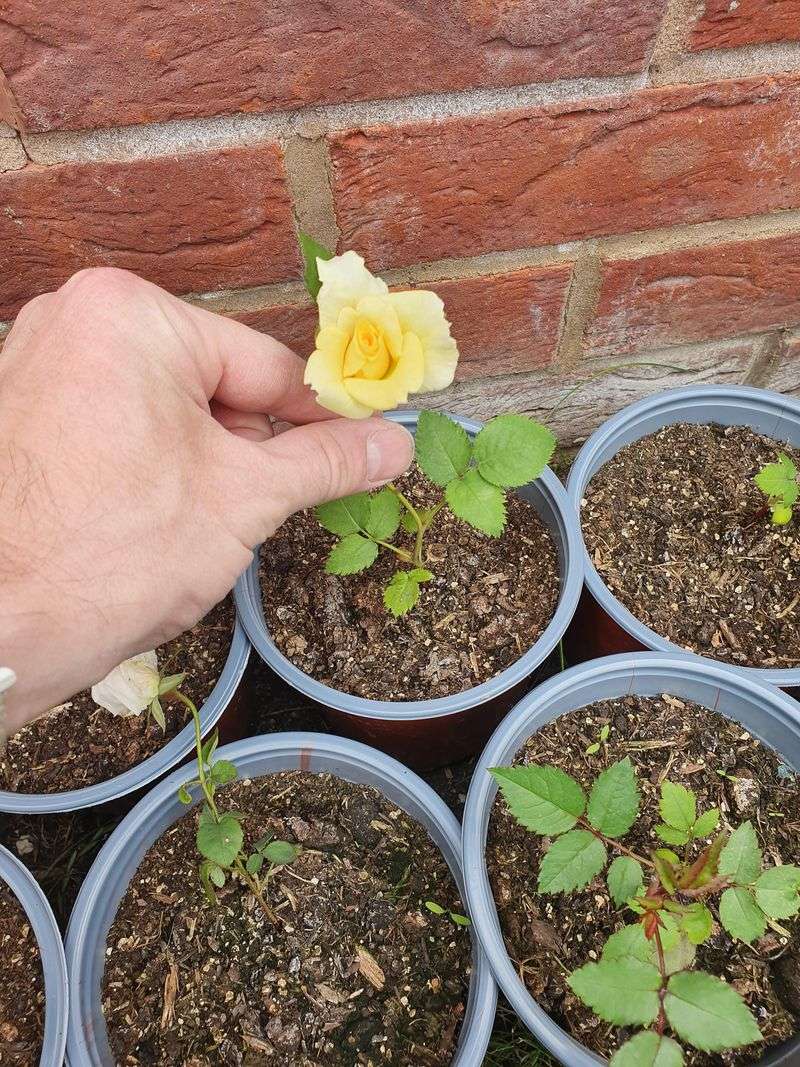
Award-winning rose growers across Florida start with proper site preparation, knowing that your initial planting decisions affect rose performance for years to come. Select locations receiving at least six hours of direct morning sunlight, as this allows foliage to dry quickly after dew or rain, reducing disease pressure.
Avoid planting near large trees or buildings that compete for water and nutrients or create excessive shade during critical growing periods.
Dig planting holes twice as wide as your rose’s root ball but no deeper, as roses need their bud union at or slightly above soil level in most Florida regions.
Amend your native sand with quality compost or aged manure at a ratio of one part organic matter to two parts existing soil, improving both water retention and nutrient availability.
Create a slight mound at planting to ensure excellent drainage, as standing water around rose roots leads to problems even with drought-tolerant varieties.
Water newly planted roses deeply every other day for the first two weeks, then gradually transition to twice-weekly deep soaking as roots establish. Apply three to four inches of organic mulch around each plant, keeping material several inches away from the stem to prevent rot.
Your planting timing matters too, with October through February offering the best establishment period before summer heat arrives.
8. Feeding Roses For Continuous Bloom Cycles
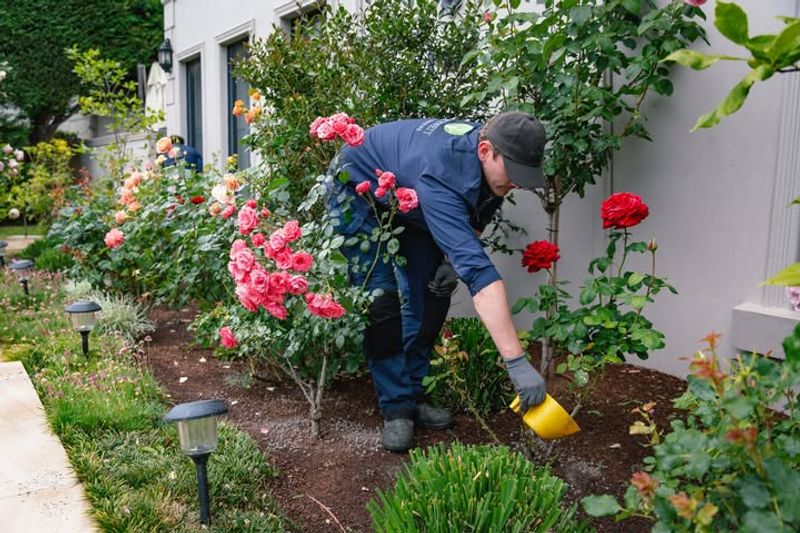
Continuous blooming demands consistent nutrition, and award-winning rose growers understand that Florida’s sandy soils and heavy rains leach nutrients faster than in other regions. Your roses need regular feeding throughout the growing season to maintain the energy required for producing show-quality flowers month after month.
Balanced approaches combining organic and synthetic fertilizers deliver the best results while building long-term soil health.
Start feeding established roses in early March as new growth emerges, using a balanced rose fertilizer with an NPK ratio around 10-10-10 or similar formulation. Apply fertilizer every six weeks through October in North and Central Florida, or year-round in South Florida where roses never stop growing.
Supplement chemical fertilizers with compost, aged manure, or fish emulsion monthly to add micronutrients and beneficial organisms that synthetic products lack.
Watch your roses for signs of nutrient deficiency, including yellowing leaves with green veins indicating iron chlorosis, common in Florida’s alkaline soils. Apply chelated iron or acidifying fertilizers specifically formulated for acid-loving plants to correct pH-related nutrient lockout.
Reduce feeding during the hottest weeks of summer when roses naturally slow their growth, then resume regular applications as temperatures moderate in September, triggering your spectacular fall bloom flush.
9. Pruning Methods That Improve Flower Quality
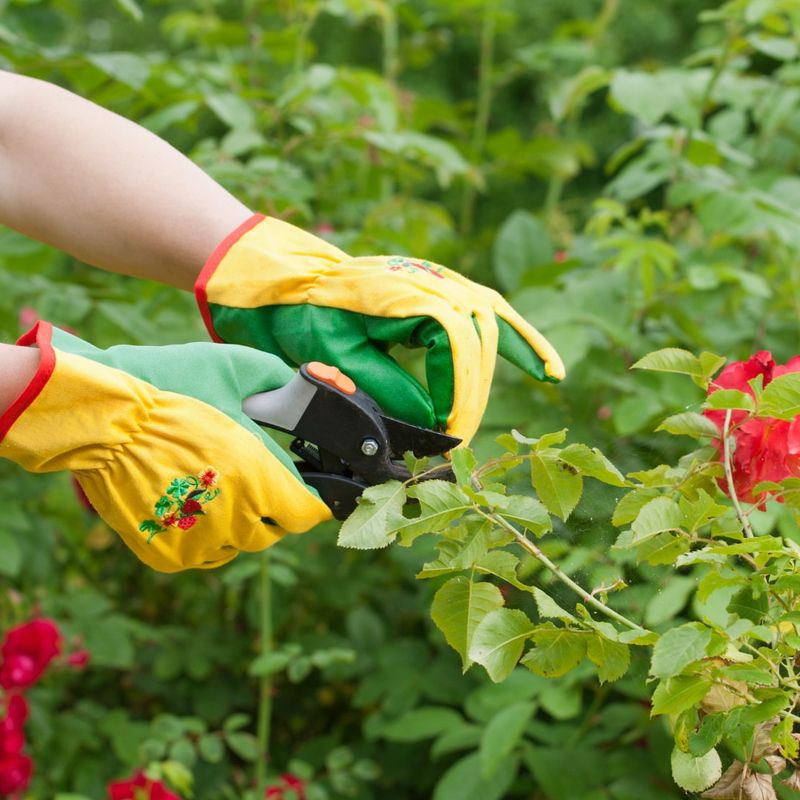
Strategic pruning transforms average roses into show-quality specimens by directing plant energy toward fewer, larger blooms with stronger stems and more vibrant colors. Florida’s mild winters change traditional pruning timing, as your roses may never fully go dormant like they do in northern states.
Understanding regional differences helps you prune at the right time for maximum bloom production without sacrificing plant health.
North Florida gardeners should perform major pruning in late January or early February when roses enter their brief dormant period, cutting canes back by one-third to one-half their height. Central Florida residents can prune in mid-February, removing about one-third of the plant and focusing on opening the center for better air circulation.
South Florida growers should prune lightly year-round, removing spent blooms and weak growth without the hard cutbacks that other regions require, as your roses never truly rest.
Always cut at a 45-degree angle about one-quarter inch above an outward-facing bud to encourage open growth habits that improve air movement through the plant. Remove any canes thinner than a pencil, as these rarely produce quality blooms and drain energy from stronger growth.
Deadhead spent flowers regularly by cutting back to the first five-leaflet leaf, promoting quicker rebloom cycles and maintaining tidy plant appearance throughout your extended growing season.
10. How Florida Gardeners Maintain Show-Ready Roses
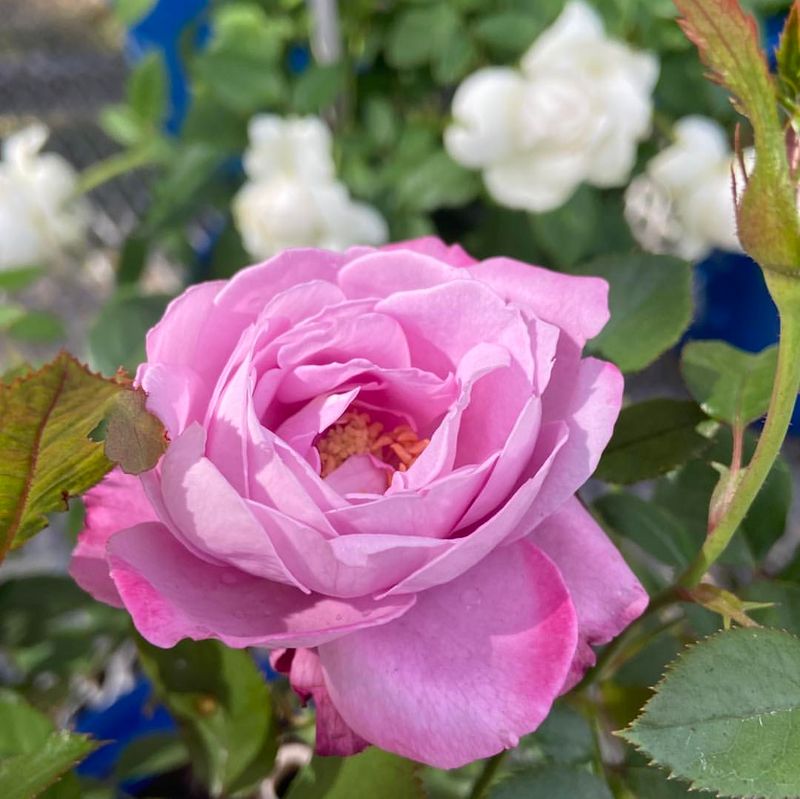
Maintaining show-quality roses throughout Florida’s challenging growing season requires consistent attention to watering, pest management, and disease prevention without becoming overwhelmed by garden maintenance demands.
Award-winning growers develop routines that catch problems early, when simple interventions prevent larger issues from developing.
Your success comes from regular observation and responding quickly to your roses’ changing needs as seasons shift.
Water deeply twice weekly during dry periods, providing one to one-and-a-half inches of water per session rather than frequent shallow watering that encourages weak surface roots.
Install drip irrigation or soaker hoses to keep foliage dry while delivering moisture directly to root zones, reducing black spot and powdery mildew pressure.
Monitor soil moisture between waterings, as Florida’s sandy soils dry quickly, but overwatering creates root problems even in drought-tolerant varieties.
Scout for pests like aphids, thrips, and spider mites weekly, treating small infestations with insecticidal soap or strong water sprays before populations explode. Remove any diseased foliage immediately and dispose of it in trash rather than compost to prevent spreading fungal spores.
Apply preventive fungicide sprays every two weeks during rainy season if growing hybrid teas, but Earth-Kind® and AARS winners rarely need chemical intervention when properly sited and maintained.