How To Grow Basil In Florida That Keeps Producing All Season Long
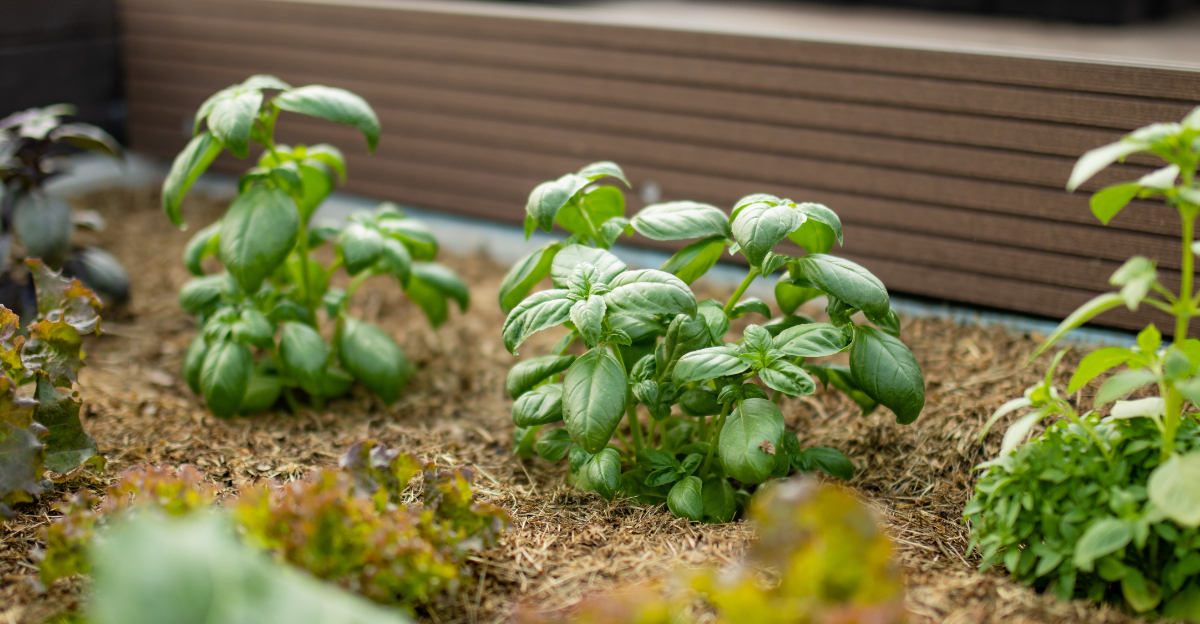
Basil in Florida has a reputation problem. Gardeners arrive with big plans, pop a few transplants in the ground, and within weeks the leaves turn yellow, the stems bolt straight to flower, and the whole thing falls apart before summer even hits its stride.
Then they write basil off entirely, convinced the climate just doesn’t cooperate. That’s the wrong conclusion.
Florida doesn’t punish basil growers. It punishes basil growers who treat it like a cool-season crop.
The timing, the pruning habits, the variety selection, the watering routine, every one of those details hits differently here than most people expect.
Get them right and basil doesn’t just survive a Florida season, it becomes one of the most productive plants in your entire garden.
Generous harvests, weeks of fresh leaves, and a plant that keeps bouncing back every time you cut it. That’s the version of Florida basil actually worth growing.
1. Start Basil In Warm Florida Soil
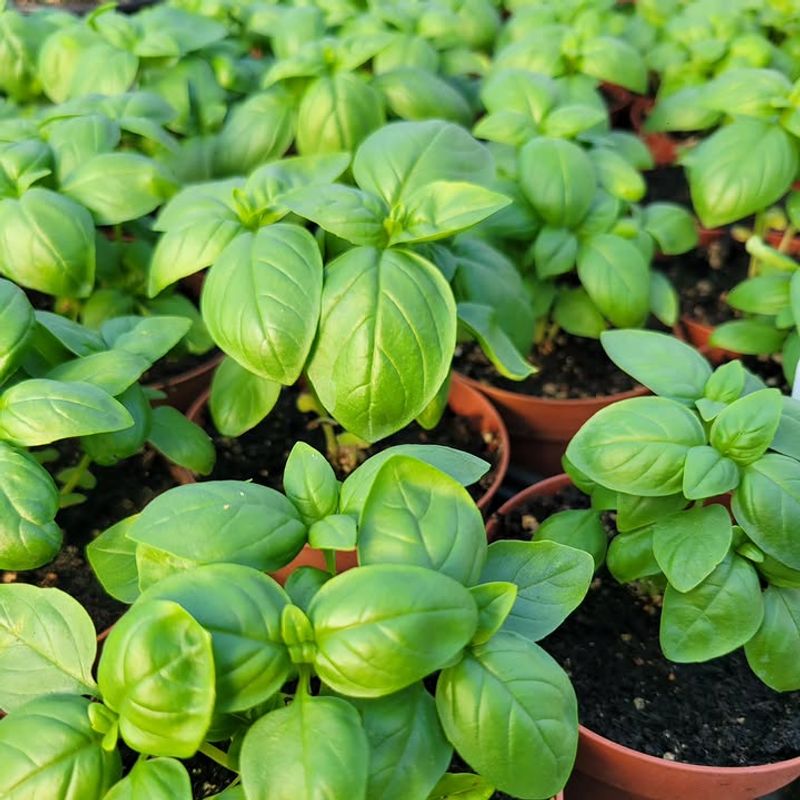
Timing your planting around soil temperature is one of the most overlooked steps in getting basil off to a strong start in Florida. Basil is tropical by nature and genuinely suffers when roots sit in cold, wet ground.
UF/IFAS recommends planting basil in Florida after all frost danger has passed and nighttime temperatures are consistently above 50 degrees Fahrenheit, which varies quite a bit depending on where you live in the state.
In North Florida, that window typically opens in late March through April for spring planting. Central Florida gardeners can often get started in mid-March, and sometimes earlier in a warm year.
South Florida has the longest opportunity, with basil doing well from late winter through early summer before peak rainy season humidity makes disease management much harder.
Transplants give you a head start over direct seeding, especially in late spring when the window before intense summer heat starts closing fast. If you prefer starting from seed, sow them indoors two to four weeks before your planned outdoor date.
Avoid planting in soil that stays soggy after rain, since basil roots need oxygen as much as moisture. Raised beds and containers with quality potting mix are smart options in areas with heavy clay or poorly draining sandy soil that compacts easily.
2. Give It Morning Sun And Afternoon Relief
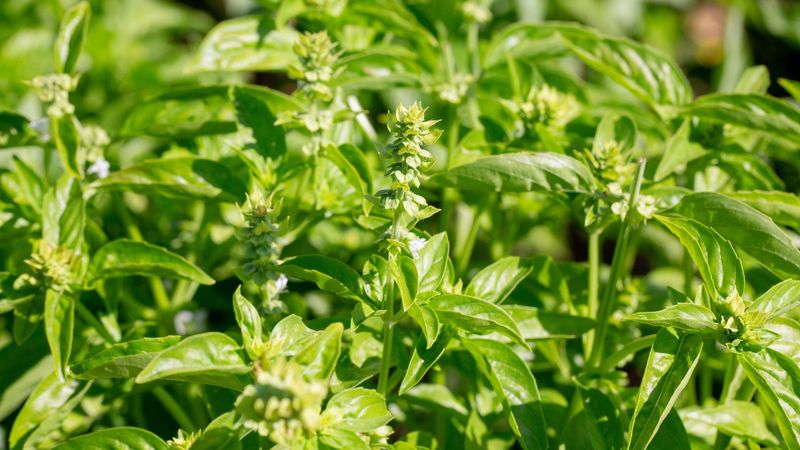
Basil craves sunlight, but Florida’s summer afternoon sun is a different beast from what most herb guides describe. Full sun in July in Tampa or Miami can push air temperatures well above 95 degrees, and container soil can heat up even further.
That kind of sustained heat causes wilting, scorched leaf edges, and stressed plants that bolt toward flowering much faster than they should.
Morning sun is the sweet spot. Six or more hours of direct light in the morning hours gives basil the energy it needs for strong, leafy growth, while positioning plants where a fence, trellis, or taller garden bed offers some filtering during the hottest part of the afternoon.
This approach works especially well in Central and South Florida from June through September.
Your Florida Garden Changes Every Week. Your Plan Should Too.
Gardening in Florida changes quickly throughout the season. Every Friday you’ll receive a simple weekly plan showing exactly what to plant, prune, fertilize, harvest, and protect so you never miss the right timing.
In North Florida during spring, or anywhere in Florida during the cooler months of October through February, basil can typically handle fuller sun exposure without the same stress risk. Watch your plants closely for clues.
Leaves that look dull, curl slightly at the edges, or develop pale spots are often reacting to too much direct afternoon heat.
On the other hand, stems that stretch long and thin between leaf sets, sometimes called leggy growth, are a sign the plant is reaching for more light and needs to be repositioned or moved to a brighter morning spot.
3. Keep The Roots Evenly Moist
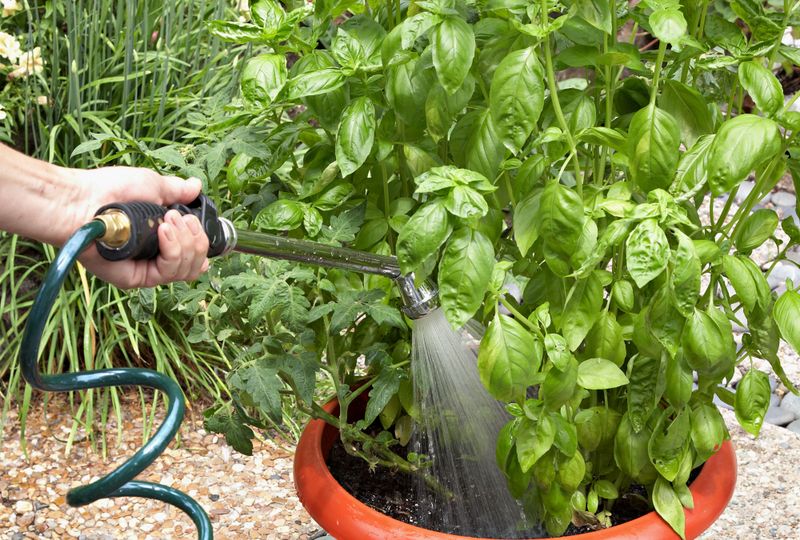
Basil has a strong preference for steady, consistent moisture, but it draws a hard line at soggy soil.
Florida’s sandy soil drains quickly, which means beds can dry out faster than you expect between waterings, especially during dry spells in spring or in the hot interior regions of the state.
Containers are even more vulnerable, sometimes needing water every day or every other day during the peak of summer.
The rainy season in Central and South Florida, typically June through September, flips the challenge entirely. Heavy daily downpours can keep soil saturated for hours, which stresses roots and opens the door for fungal problems.
Good drainage becomes critical during this stretch. Raised beds with amended soil and containers with drainage holes are much easier to manage than flat ground planting in low areas.
A light layer of mulch around in-ground basil, about one to two inches, helps hold moisture between waterings without trapping too much heat at the crown. Always check the top inch of soil before reaching for the hose.
If it still feels damp, hold off. If it feels dry and the leaves are just beginning to droop slightly in the morning, that is the signal to water deeply enough to reach the full root zone rather than just wetting the surface.
4. Pinch The Tips Before It Gets Leggy
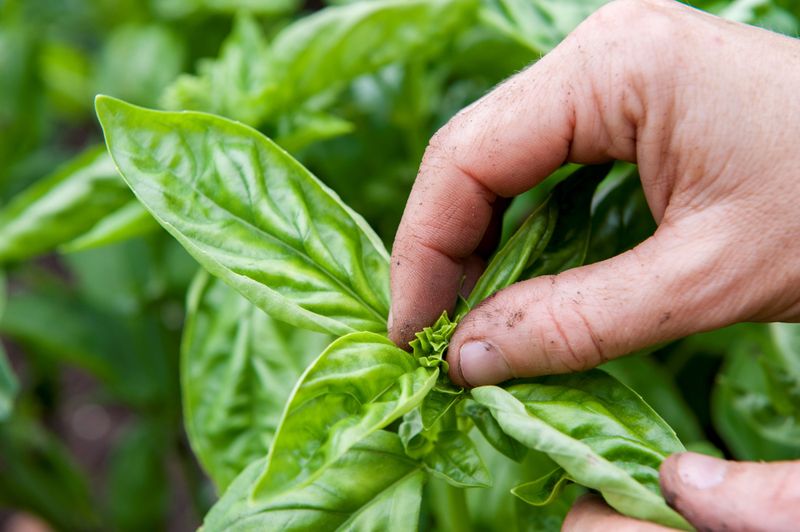
Young basil left to grow on its own in Florida’s warm conditions will often race straight up, putting out a tall central stem with sparse branching and fewer usable leaves. Pinching changes that pattern early.
The goal is to redirect the plant’s energy from upward growth into sideways branching, which creates a fuller, bushier shape that produces far more harvestable stems over the course of the season.
Start pinching once your basil has developed three to four sets of true leaves. Find the topmost growing tip, the small cluster of new leaves at the very center of the stem, and pinch or snip it off just above the next set of leaves below it.
Within a week or two, you will notice two new stems emerging from that node instead of one. Repeat the process on those new stems as they develop, and the plant keeps multiplying its productive tips.
Florida’s fast growth in warm weather means this process moves quickly. A basil transplant set out in April can need its first pinch within two to three weeks if conditions are warm and sunny.
Gardeners who skip this step and wait until the plant looks leggy are playing catch-up.
Cutting back a tall, overgrown stem works, but starting the pinching habit early produces a much more productive and manageable plant from the beginning.
5. Harvest Often To Push New Growth
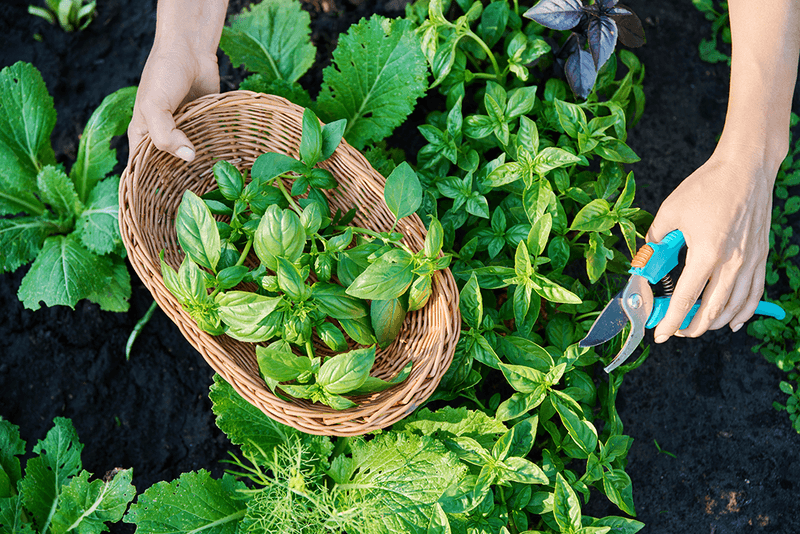
Regular harvesting is one of the simplest ways to keep basil producing through the long Florida warm season. Every time you cut a stem, the plant responds by pushing out new growth from the nodes below the cut.
Skip the harvest for too long, and the plant shifts energy toward maturing its stems and eventually setting seed, which reduces tender leaf production noticeably.
The best approach is to harvest small amounts frequently rather than waiting for a big batch. Cutting a few stems every week or ten days keeps the plant in an active growth cycle.
Always cut just above a set of leaves, leaving at least two to three leaf nodes on the stem below your cut. This gives the plant enough foliage to keep photosynthesizing and pushing new shoots quickly.
Morning is the best time to harvest. Leaves hold more moisture and aromatic oils early in the day before the afternoon heat draws them down.
Try to avoid stripping more than about one-third of the plant in a single session. Taking too much at once stresses the root system and slows recovery, especially during the hottest months when the plant is already working hard to manage heat.
A steady, moderate harvest rhythm keeps basil in productive mode much longer than occasional heavy cuttings followed by long rest periods between harvests.
6. Stop Flowers Before They Steal Flavor
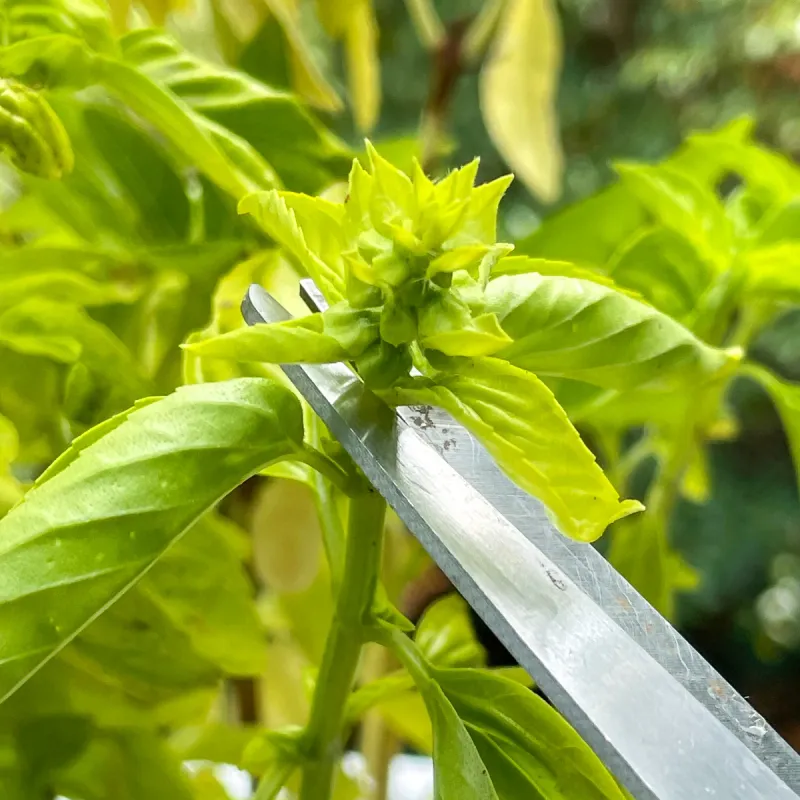
Basil has one biological priority above all others once it senses enough warmth and maturity: reproduce by setting seed. That drive toward flowering, called bolting, is triggered by heat, long days, and the natural aging of the plant.
In Florida’s climate, bolting can happen surprisingly fast, especially during the intense heat of June and July when temperatures stay high even overnight.
Once a basil plant shifts into flowering mode, the leaves it produces tend to be smaller, tougher, and noticeably more bitter than leaves harvested before the plant bolted.
The essential oils that give basil its signature fragrance and flavor concentrate in the foliage during the vegetative stage.
Flowering pulls resources away from that foliage and into seed production instead.
Catching flower buds early makes a real difference. Check your plants every few days during warm weather and pinch off any flower spikes the moment they appear at the tips of stems.
Increasing your harvest frequency also helps, since cutting back growing tips regularly mimics the effect of pinching and delays flowering.
If a plant has already flowered heavily and the stems have become thick and woody at the base, it may be more productive to start a fresh transplant rather than trying to coax the old one back into leafy growth.
Keeping a few replacement seedlings started in late summer extends your harvest into fall.
7. Feed Lightly For Steady Leaves
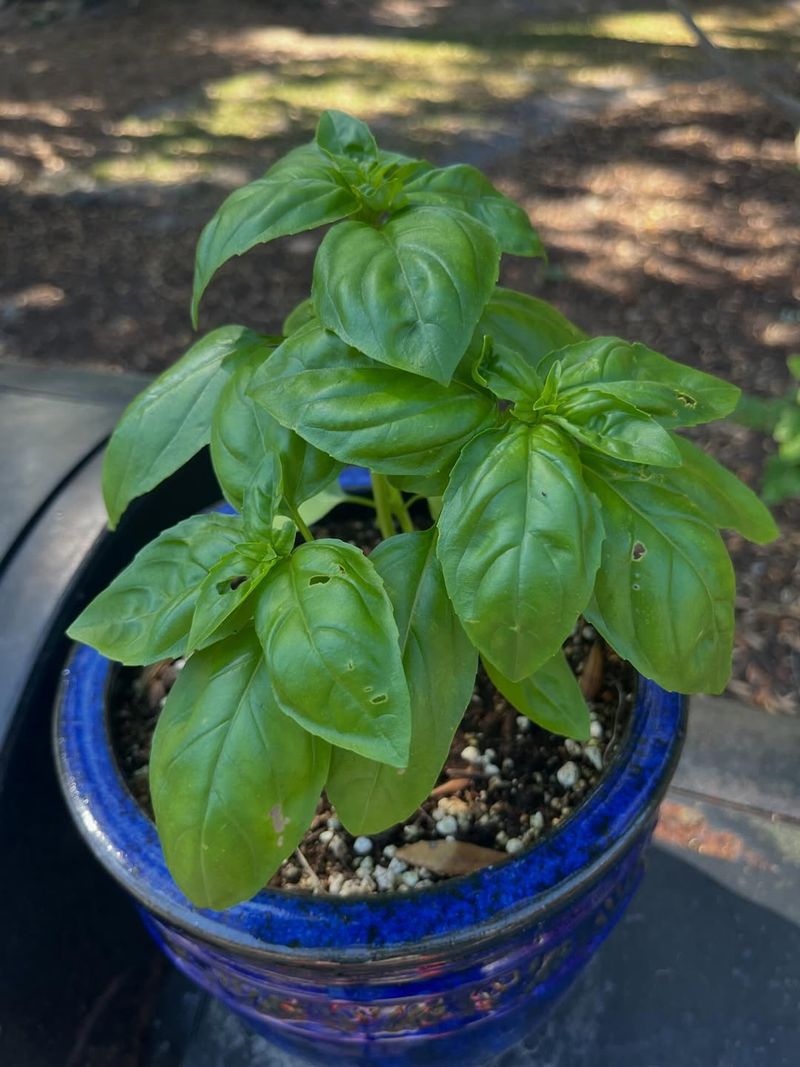
Sandy soil is the default in much of Florida, and it has one frustrating habit: nutrients move through it fast. Rain, especially the heavy daily downpours of the wet season, leaches nitrogen and other nutrients out of the root zone before the plant can fully use them.
That means basil growing in Florida ground beds or containers often needs more frequent, lighter feedings than a northern garden might require.
That said, overfeeding basil is a real risk. Too much nitrogen pushes fast, lush, watery growth that looks impressive but tends to be softer, more prone to fungal problems, and less flavorful than leaves grown with moderate nutrition.
The goal is steady, consistent feeding rather than heavy doses.
Compost worked into the soil at planting time gives an excellent foundation. For ongoing nutrition, a balanced slow-release granular fertilizer applied according to label directions at planting and again mid-season works well for in-ground beds.
Container basil benefits from a diluted liquid fertilizer every two to three weeks since nutrients flush out of pots even faster than garden beds. UF/IFAS herb production resources suggest keeping fertilization moderate and consistent rather than aggressive.
After heavy rain stretches during the wet season, a light supplemental feeding can help replace what leached away without pushing excessive soft growth that attracts pests.
8. Watch For Downy Mildew In Humid Weather
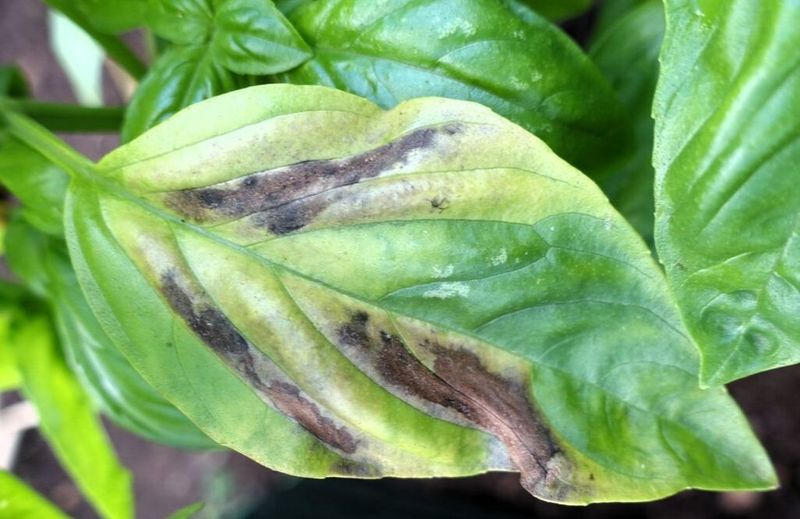
Basil downy mildew arrived in the United States around 2007 and has been a persistent challenge for Florida gardeners ever since.
The pathogen, Peronospora belbahrii, thrives in exactly the conditions Florida delivers most reliably: warm temperatures, high humidity, poor airflow, and frequent moisture on foliage.
Once it takes hold, it moves fast and can reduce a productive plant to a yellow, collapsing mess within days.
The early signs are easy to miss. Upper leaf surfaces develop a yellowish, slightly washed-out appearance that can look like a nutrient problem at first.
Flip the leaf over and look closely at the underside. A grayish or purplish fuzzy coating on the underside of affected leaves is the clearest sign that downy mildew is the culprit rather than a nutrition issue or pest damage.
Prevention is much more effective than trying to treat an established infection. Space plants at least 12 to 18 inches apart to encourage airflow between stems.
Water at the base of plants rather than overhead when possible, especially in the evening.
Remove and dispose of any affected plants promptly rather than leaving them in the garden where spores can spread.
Some newer basil varieties, including certain Genovese types and specialty cultivars, show improved resistance to downy mildew.
Choosing resistant varieties, especially in Central and South Florida where wet season humidity peaks, gives your planting a meaningful advantage from the start.