How To Grow Ginger From A Grocery Store Root In Your New York Apartment
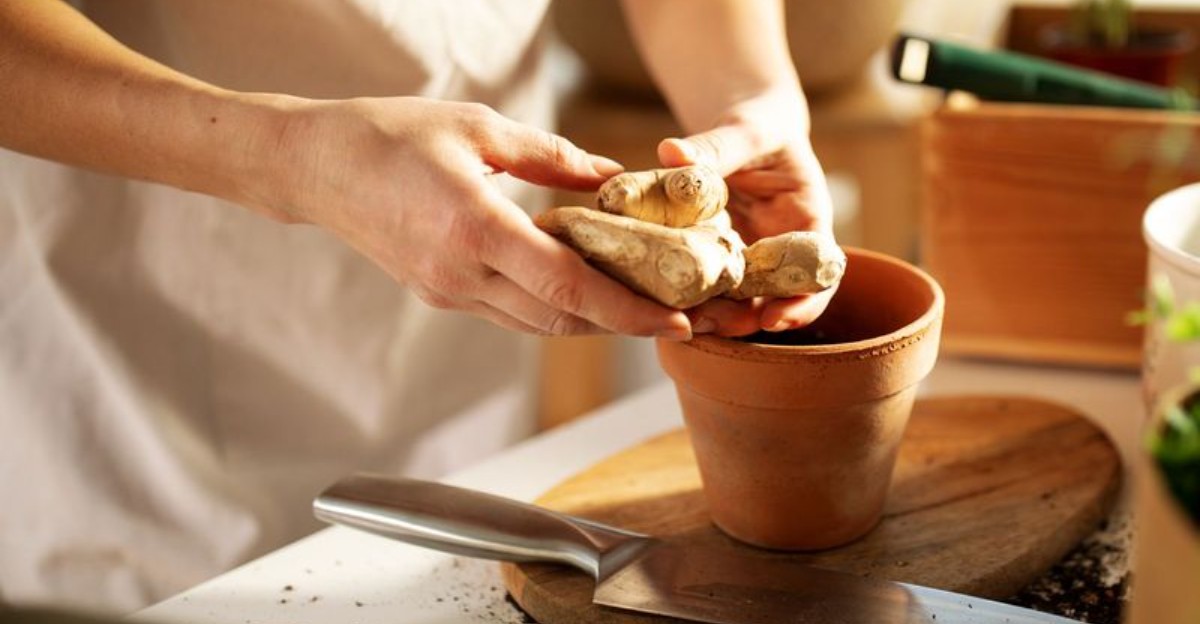
That knobby root rolling around your produce drawer has a secret life waiting to happen. With a little patience, a grocery store piece of ginger can become a leafy, tropical plant right in your New York apartment.
You don’t need a backyard, a greenhouse, or a gardening degree. A pot, some soil, a bright window, and a little trust in a lumpy rhizome will do.
City living can feel short on green space, but ginger is surprisingly happy indoors. Its tall, glossy shoots add a splash of green to a small room.
It does take patience, since a full harvest needs 8 to 10 months. A homegrown piece for tea, stir-fries, or cookies is worth the wait.
The steps below walk you through it, one at a time, in your own kitchen.
Choose Plump Pieces With Visible Eyes
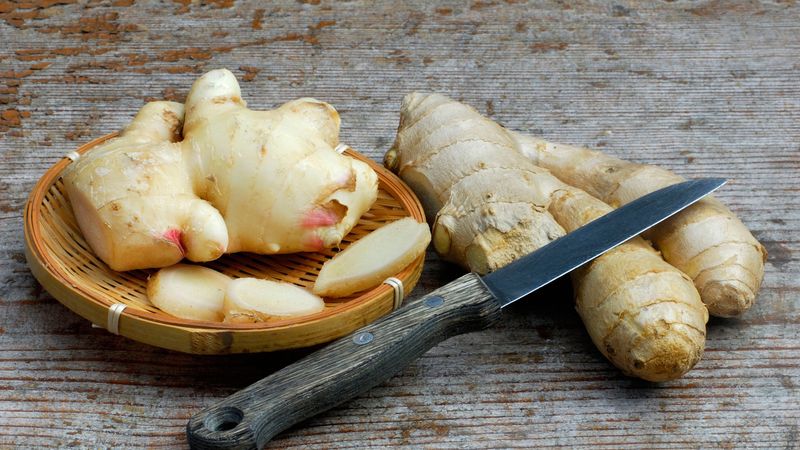
Picture yourself at the corner market, squeezing ginger like a ripe avocado. Your future plant starts right there, with a smart pick from the produce bin.
Look for a piece that feels firm and heavy for its size. Shriveled, soft, or moldy roots usually struggle to grow, so leave them behind.
Next, check the knobs for small bumps called eyes. They look a lot like the buds on an old potato.
Those little points are where new green shoots will push out. Some eyes look pale yellow, while others show a hint of green or pink.
Skin matters too, so aim for smooth and slightly shiny instead of wrinkled. Wrinkles often mean the root has been sitting around for weeks and lost moisture.
A longer piece with several fingers gives you more chances for success. You can cut it into sections later, as long as each part keeps an eye.
Shopping in New York gives you plenty of choices, from big chains to tiny neighborhood grocers. Asian markets in places like Flushing or Chinatown often carry very fresh ginger at low prices.
Fresh roots there tend to move quickly, so they spend less time in cold storage. That freshness can give your sprouts a stronger, faster start.
Here is a handy tip for picky growers. Buy two or three pieces, since not every root will sprout, and spares improve your odds.
Leftovers are never wasted, either. Any piece that refuses to grow can still flavor your dinner that week.
Organic Roots Sprout More Reliably
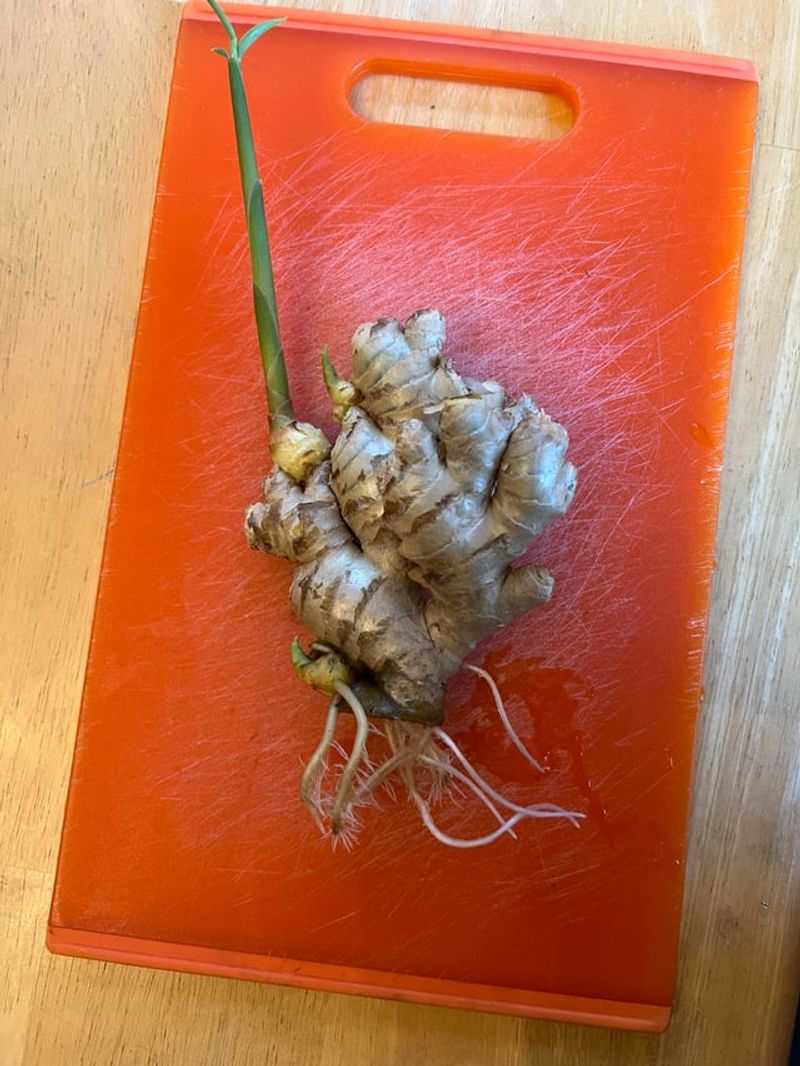
Here is a sneaky detail most shoppers miss. Some regular ginger gets treated with a growth inhibitor to keep it from sprouting on store shelves.
Stores like that because unsprouted ginger lasts longer and looks neater. For a home grower, though, it can mean waiting weeks with no results.
Organic ginger is less likely to carry those sprout-blocking treatments. As a result, it usually wakes up faster once you plant it.
Look for an organic sticker or a separate organic bin in the produce section. Many New York grocers, like Whole Foods or local co-ops, stock it year-round.
Organic roots may cost a dollar or two more per pound. Even so, you only need a small piece, so the extra spending stays tiny.
Your New York Garden Changes Every Week. Your Plan Should Too.
Gardening in New York changes quickly throughout the season. Every Friday you’ll receive a simple weekly plan showing exactly what to plant, prune, fertilize, harvest, and protect so you never miss the right timing.
Farmers markets are another great source when they carry it. Fresh young ginger sometimes appears at Union Square Greenmarket in late summer and fall.
Can regular ginger still grow? Sometimes it does, especially after a good soak to wash away surface treatments.
Results tend to be slower and less predictable, though. If you feel impatient, organic is the safer bet for a first try.
Fun fact: ginger rarely produces seeds when grown as a crop. Farmers around the world plant pieces of the root, just like you will.
So that knobby chunk in your cart is really a living starter plant. Treat it kindly, and it may reward you with fresh harvests for years.
Soak It Overnight Before Planting
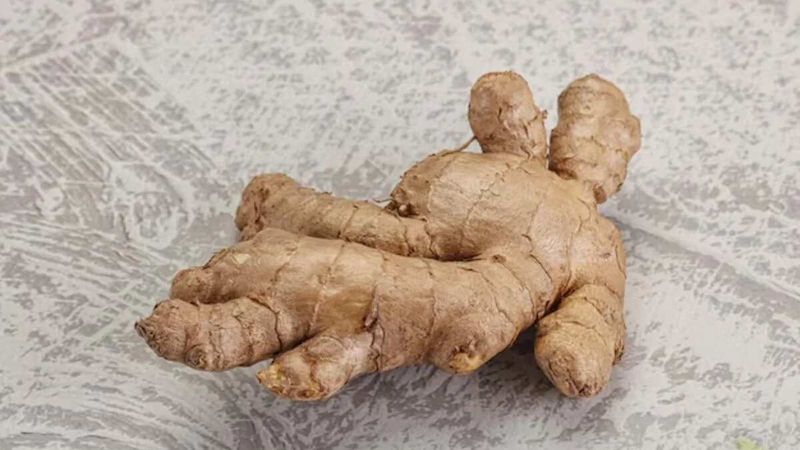
Think of an overnight soak as a wake-up call for sleepy ginger. A bowl of warm water can help the root shake off its long trip to the store.
Fill a bowl with warm, not hot, tap water. Drop in your ginger and let it sit for about 24 hours.
Soaking does two helpful things at once. It hydrates the root and rinses away some growth inhibitors that may sit on the skin.
Keep the bowl in a warm spot, away from drafty windows. In winter, the top of the fridge often works nicely.
Some growers skip soaking and use a damp paper towel method instead. They wrap the root, tuck it in a bag, and wait for sprouts.
Both paths can work, so pick the one that fits your space. Soaking is quick and simple when your counter is already crowded.
If you plan to cut the root, do it before or right after soaking. Make sure every piece holds at least one plump eye.
Let the cut ends dry for a day or two afterward. A dry, sealed end resists rot much better once it touches soil.
Small tip from experienced growers: change the water if it turns cloudy. Clean water keeps bacteria from getting a head start on your root.
Once the soak is done, pat the ginger dry with a towel. Now your little root is ready for its new home.
Plant It Shallow With Buds Facing Up
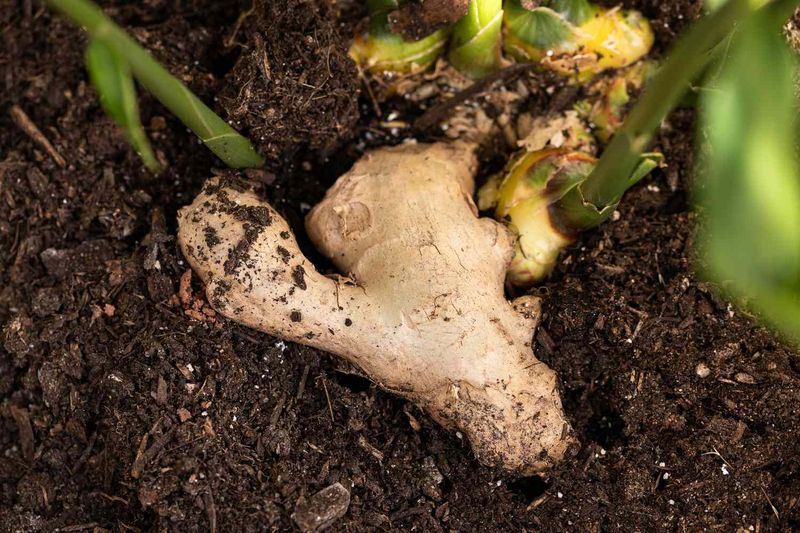
Ginger does not want to be buried deep like a treasure chest. It likes to sit near the surface, almost peeking out of the soil.
Fill your pot with loose, well-draining potting mix. A blend with compost adds gentle nutrients for the long months ahead.
Lay the root flat on its side, with the eyes pointing up toward the ceiling. Those buds need an easy path to reach the light.
Cover it with about one to two inches of soil. Some growers even leave a tiny bit of root showing, which is fine.
Planting too deep can cause slow growth or rot. Shallow placement keeps the root warm and lets air reach it more easily.
Spacing matters if you have several pieces. Leave about six to eight inches between them so the roots can spread.
Press the soil down lightly with your fingers. You want good contact, not a packed brick.
Give the pot one gentle watering to settle everything in place. After that, hold back while the root slowly wakes up.
For a fun twist, try labeling the pot with the planting date. Ginger moves slowly, and it is easy to forget when you started.
Many apartment growers keep a small notebook nearby, too. Tracking sprout dates, watering, and growth makes the waiting feel more like an adventure.
Warmth Is The Key To Getting It Going
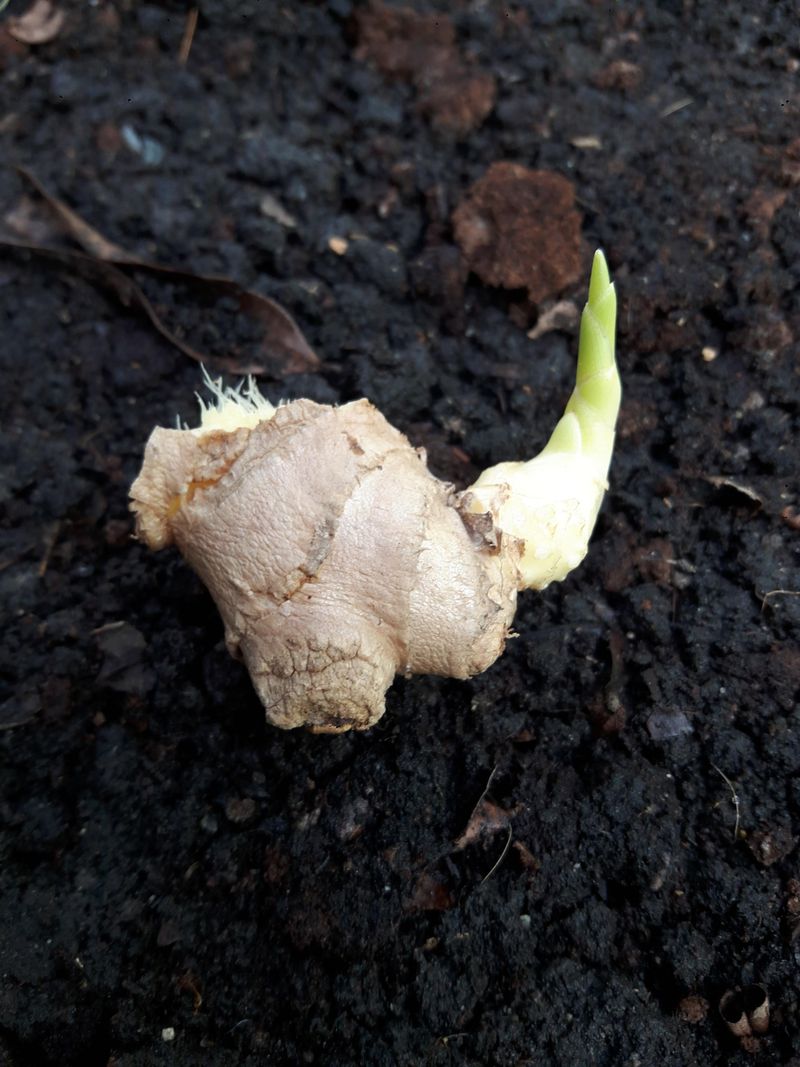
Back home in tropical Asia, ginger soaks up steamy, humid days. Your apartment needs to feel a little like that vacation spot.
Ginger grows best between 70 and 85 degrees Fahrenheit. Soil temperature matters most, and it should stay above 55 degrees for sprouting.
New York apartments can swing wildly in temperature. Some buildings blast radiator heat, while others feel chilly near drafty windows.
A seedling heat mat is a simple fix for cool rooms. Slide it under the pot, and the soil stays cozy day and night.
No mat? Try placing the pot near, but not on, a warm radiator.
The top of a refrigerator can also offer gentle, steady warmth.
Keep the pot away from cold glass in winter. Frosty window panes can chill the soil faster than you might expect.
Humidity helps too, since dry winter heat can stress young shoots. A small tray of pebbles and water under the pot adds moisture to the air.
Grouping plants together also raises humidity a little. Your ginger will enjoy the company of other leafy friends.
Spring planting often gives the fastest results. Longer days and warmer rooms nudge the root to sprout sooner.
Once summer arrives, you can even move the pot to a balcony or sunny ledge. Just bring it back inside before nights dip below 50 degrees.
A Wide, Shallow Pot Works Best
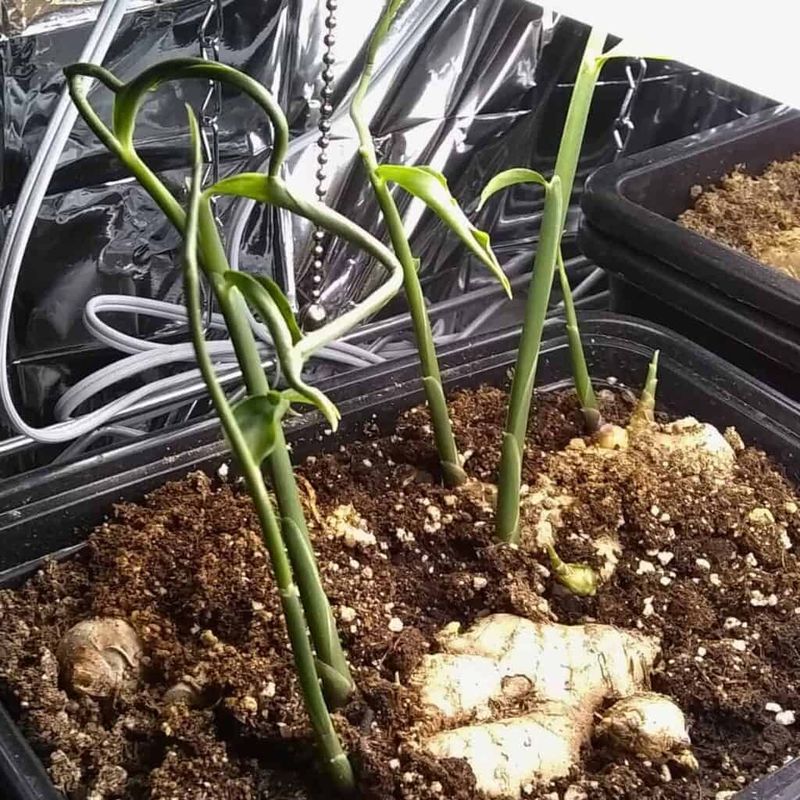
Ginger is a wanderer, not a digger. Its roots spread sideways under the soil, more like a crawling vine than a carrot.
That growth habit makes a wide pot far more useful than a tall one. Aim for something 12 to 18 inches across.
Depth still counts, but not as much as width. A pot about 10 to 12 inches deep gives roots enough room to stay comfortable.
Drainage holes are a must, so check the bottom before buying. Ginger strongly dislikes sitting in soggy, waterlogged soil.
Plastic pots hold moisture longer, which suits dry, heated apartments. Terracotta breathes better, though it dries out faster between waterings.
Fabric grow bags are another clever option for city growers. They are light, fold flat for storage, and let roots breathe easily.
Space is precious in a New York apartment, so think about shape. A rectangular window box can fit neatly along a sill.
Always set a saucer under the pot to protect floors. Downstairs neighbors will thank you for keeping drips off the radiator pipes.
Quick insight: a bigger pot leads to a bigger harvest over time. Cramped roots stop spreading once they hit the walls.
Start with the largest pot your space allows. Moving a crowded ginger plant later can damage tender new rhizomes.
Bright, Indirect Light Keeps It Happy
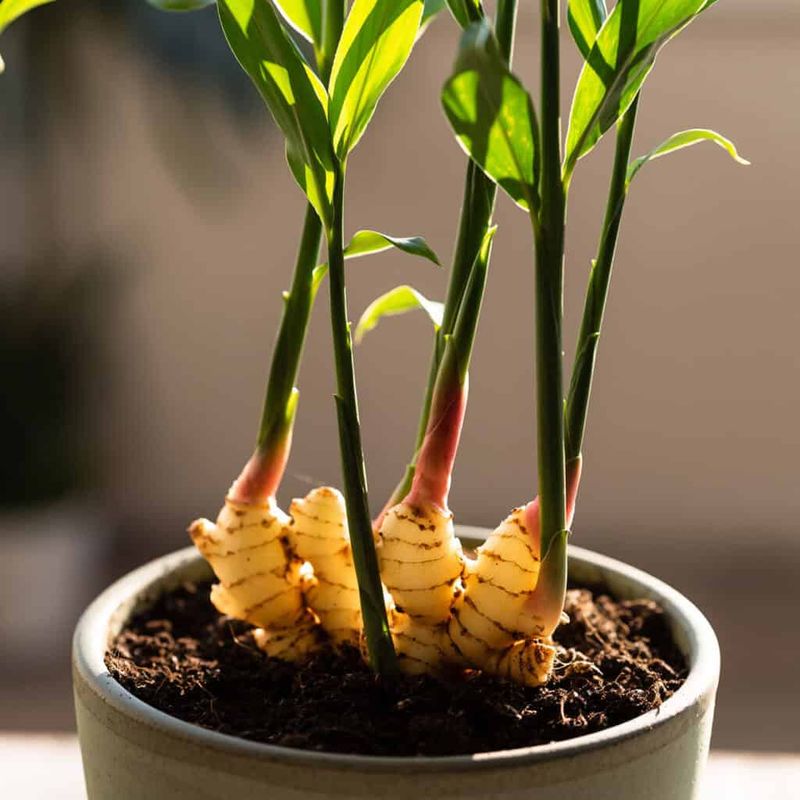
Out in the wild, ginger grows beneath taller trees. Sunlight reaches it in soft, dappled patches rather than harsh beams.
Copying that forest floor feeling is your goal indoors. Bright, filtered light keeps the leaves green and glossy.
An east-facing window gives gentle morning sun, which ginger loves. A north-facing window also works in many New York apartments.
South or west windows can feel too intense in summer. Hang a sheer curtain to soften the light, and the leaves stay safe from scorching.
Brown, crispy edges often mean too much direct sun. Pale, stretched stems usually mean the plant wants more light.
Tall buildings across the street can block a lot of daylight. If your apartment feels dim, a small LED grow light makes a big difference.
Set the grow light about a foot above the leaves. Run it for 12 to 14 hours a day during darker months.
Turn the pot a quarter turn every week or so. Shoots lean toward the light, and rotating keeps growth even.
Here is a fun bonus for patient growers. Healthy ginger can reach three feet tall indoors, with leaves like slender bamboo.
So your plant doubles as lovely decor while it grows. Guests may never guess that a grocery store root started it all.
Go Easy On Water Until Shoots Appear
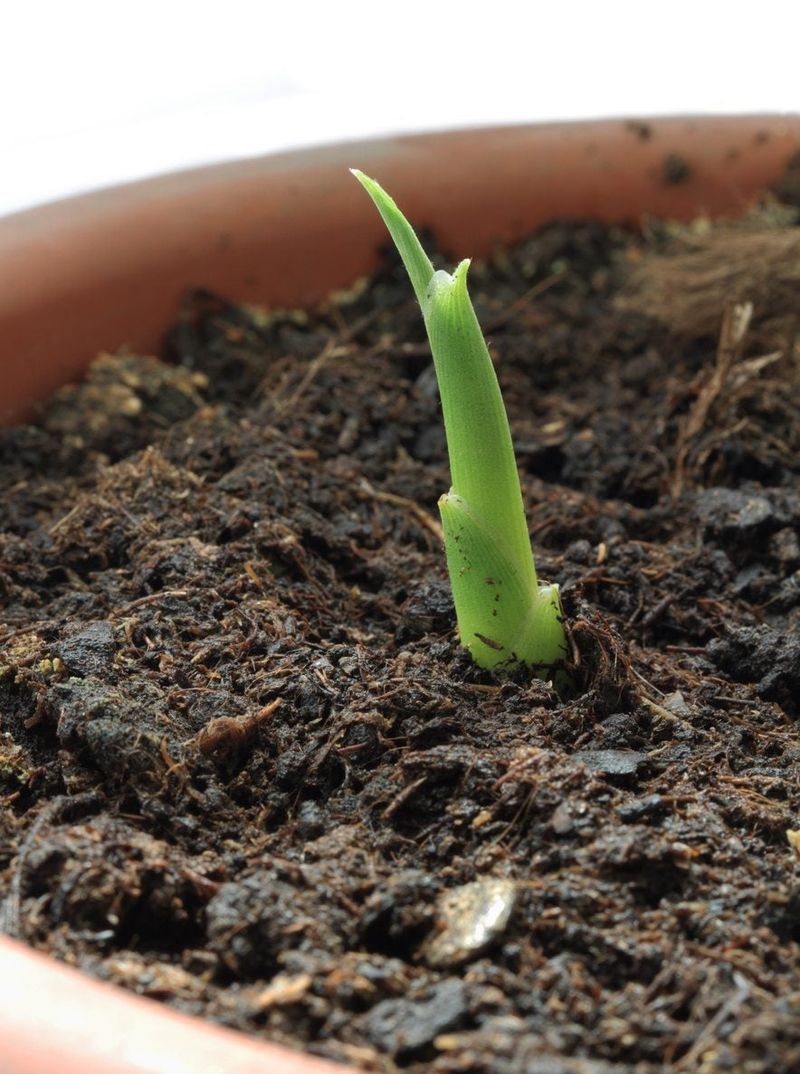
Overwatering is the most common mistake new ginger growers make. Kindness with a watering can sometimes does more harm than good.
Before shoots appear, the root has no leaves to use up water. Extra moisture just sits around it and invites rot.
Keep the soil barely moist during those early weeks. A light misting or small splash every few days is often enough.
Test with your finger before watering. If the top inch feels dry, give a little drink, and if damp, wait.
Sprouts can take anywhere from two to eight weeks to show. Patience feels hard, but a slow start is normal.
Once green shoots poke through, the rules change. Growing leaves need steady moisture, especially in warm summer weather.
Water deeply until it drains from the bottom holes. Then empty the saucer so roots do not sit in a puddle.
Heated apartments dry out soil quickly in winter. You may need to check the pot more often from December through March.
Room-temperature water is a gentle treat for tropical roots. Cold tap water can shock them, so let it sit out briefly first.
Many city growers fill a jug the night before watering day. By morning, the water feels comfortable and some chlorine has escaped too.
Expect A Long Wait For A Real Harvest
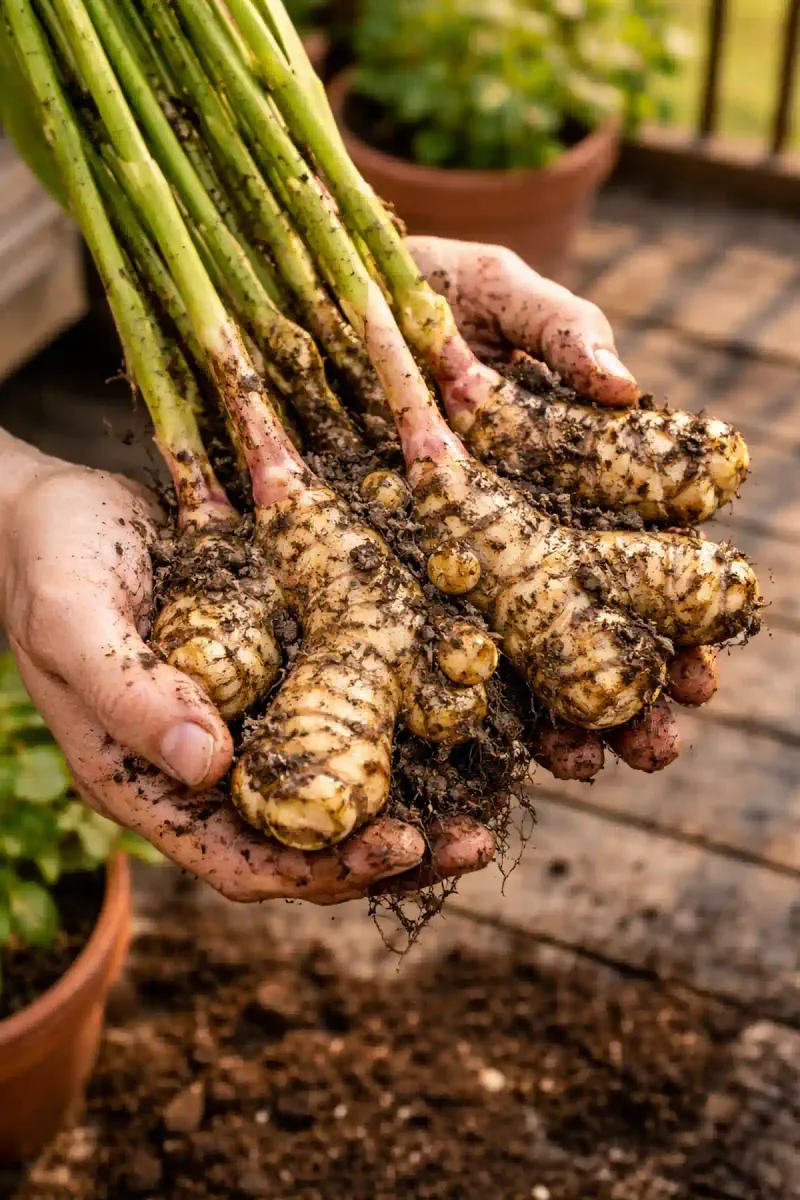
Good things come to those who wait, and ginger tests that saying. A full harvest usually takes eight to ten months.
That timeline surprises many first-time growers. Still, the steady growth makes the months feel rewarding rather than boring.
You can sneak an early taste after about four to six months. Young ginger, often called baby ginger, has thin pink skin and mild flavor.
Baby ginger needs no peeling, which is a nice perk. Slice it thin for pickles, salads, or a gentle cup of tea.
Mature ginger offers a stronger kick and tougher skin. It also stores longer once harvested.
Watch the leaves for your signal. When they start yellowing and drooping, the roots underneath are ready.
Feeding helps during the long wait. A balanced liquid fertilizer every few weeks in spring and summer keeps growth strong.
Planting in early spring lines up nicely with the seasons. By late fall, your harvest may be ready just in time for holiday baking.
Here is a historical tidbit to enjoy while you wait. Ginger has been grown for thousands of years and traveled the spice routes to Europe.
Ancient Romans prized it as a costly luxury. Now you are growing that treasure on a windowsill for pocket change.
Snap Off Pieces As You Need Them
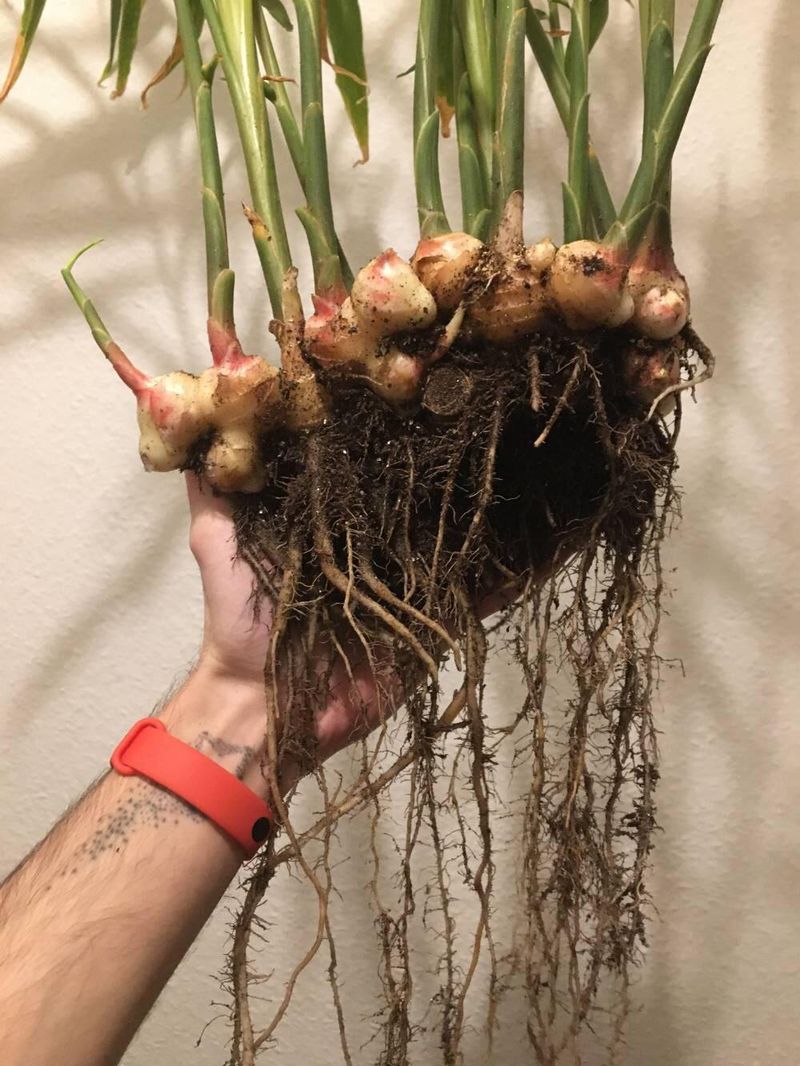
Imagine cooking dinner and reaching for your plant instead of the store. Fresh ginger is just a little digging away.
You do not need to pull up the whole plant. Partial harvesting lets your ginger keep growing while you enjoy its flavor.
Start by digging gently about two to four inches from the green stems. Use your fingers or a small spoon to find a rhizome.
Once you feel a plump knob, snap or slice off an end piece. Leave the main root and its shoots in place.
Fill the hole back in with soil afterward. Press it down lightly and water a bit to settle things.
The plant will keep producing new growth over time. Many growers enjoy small harvests for months this way.
Another option is lifting the entire plant at season’s end. Take what you want, then replant a section with at least two eyes.
That replanted piece starts the cycle all over again. One grocery store root can become a lasting kitchen garden.
Freshly dug ginger tastes juicier and brighter than store-bought. Its zing shines in stir-fries, smoothies, and warm winter tea.
Extra pieces freeze beautifully, too, and grate easily straight from the freezer. Your little apartment plot can keep your kitchen spiced up all year.