How To Grow Orange Trees Successfully In Containers In California
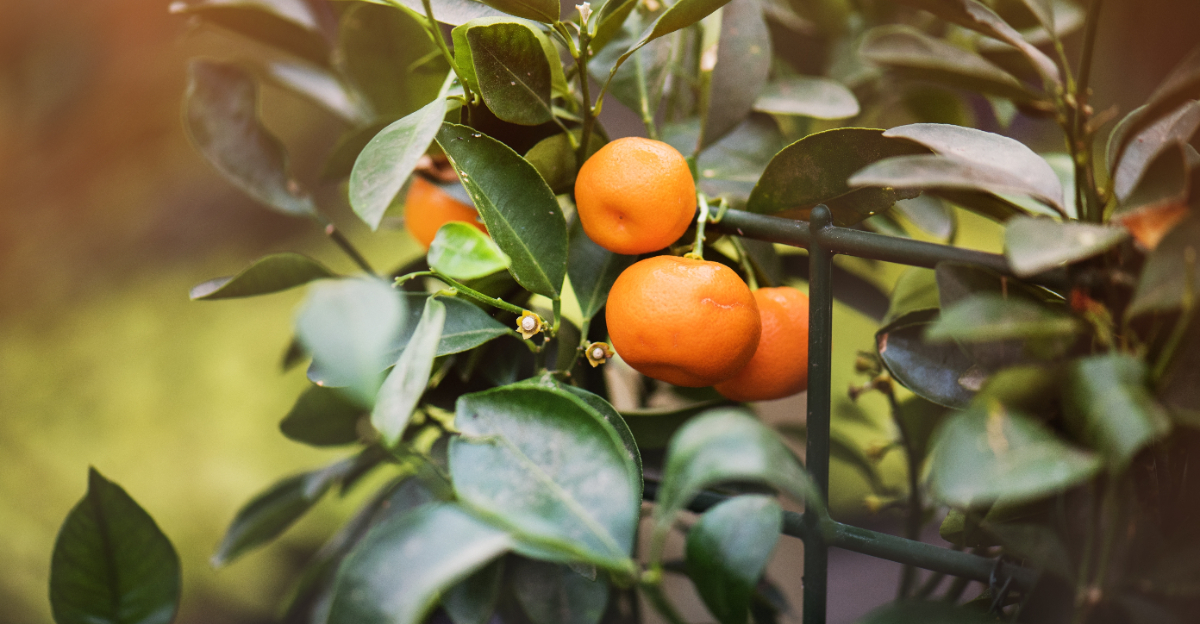
Orange trees in containers bring serious vacation energy to a California patio. Glossy leaves, sweet blossoms, bright fruit, and a pot you can move around like garden furniture with benefits?
Yes, please. Growing citrus this way is especially handy for small yards, balconies, renters, or gardeners dealing with soil that is less “dreamy orchard” and more “why is this clay fighting me?”
The secret is giving the tree a setup that feels roomy, sunny, and well-drained without turning its roots into a swamp.
A good container, quality citrus mix, steady watering, regular feeding, and smart pruning can make a big difference.
Even in a citrus-friendly state, potted trees need extra attention during heat waves, cold snaps, and windy spells.
Treat them right, and an orange tree can become the patio showoff that smells amazing, looks gorgeous, and occasionally hands you breakfast.
1. Choose A Dwarf Orange Tree
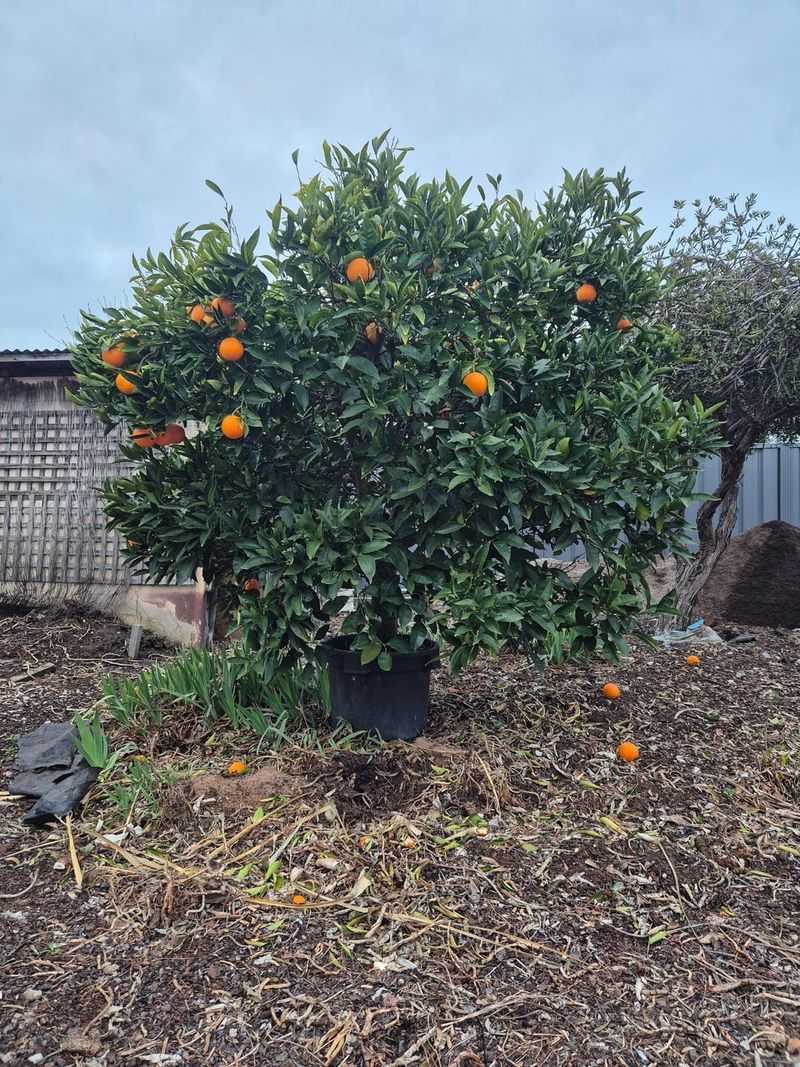
Not all orange trees are built for life in a pot, and picking the right one from the start makes everything easier. Dwarf orange trees are specially grown to stay compact, usually reaching just four to six feet tall.
That manageable size means they fit perfectly on patios and decks across California without taking over your space.
Some of the best dwarf varieties for containers include Calamondin, Dwarf Navel, and Trovita. Trovita is especially popular in Southern California because it handles heat really well.
Calamondin is great for smaller spaces and produces fruit almost year-round.
When shopping at your local California nursery, look for trees grafted onto dwarfing rootstock. This keeps the tree small while still producing full-sized, juicy fruit.
Ask the nursery staff which variety does best in your specific region, since conditions in San Diego differ from those in Sacramento. Starting with the right tree variety saves you a lot of trouble later on and sets the foundation for a thriving container garden.
2. Use The Right Container
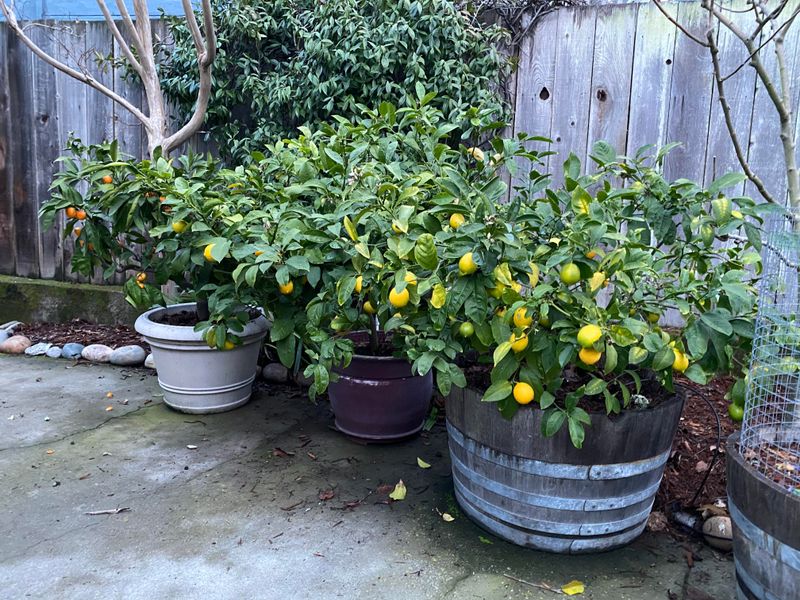
Believe it or not, the pot you choose can make or break your orange tree’s health. Orange trees need room to grow strong roots, so going too small is one of the most common mistakes California container gardeners make.
Start with at least a 15-gallon pot, and plan to move up to a 20 or 25-gallon container as your tree matures.
Drainage holes are non-negotiable. Without them, water sits at the bottom and causes root problems that are hard to fix.
Terra cotta pots look beautiful and help soil dry out between waterings, but they can crack in freezing temperatures, which does happen in parts of Northern California.
Plastic or resin containers are lightweight and durable, making them easy to move around your patio when the seasons change. Dark-colored pots absorb heat, which can be helpful during cooler California winters but may overheat roots in intense summer sun.
Consider wrapping dark pots with burlap or placing them in a slightly larger decorative pot to buffer the heat. The right container keeps roots healthy and gives your tree the best possible growing environment.
3. Pick A Sunny Patio Spot
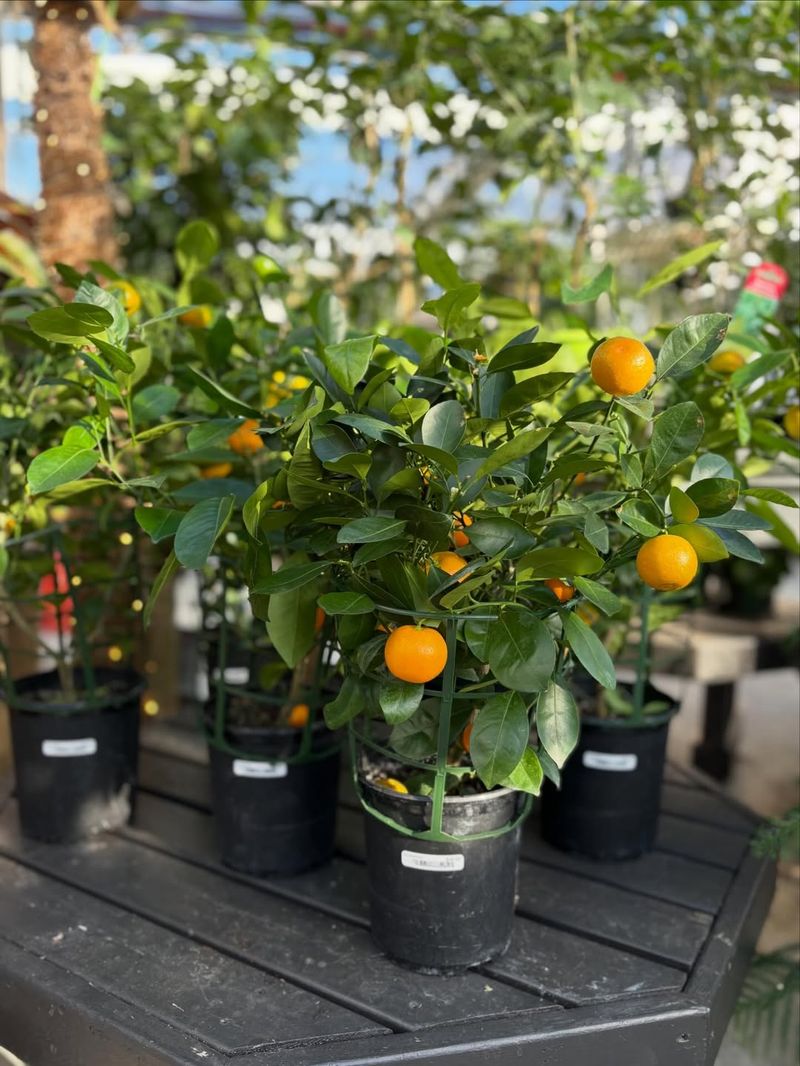
Sunlight is basically orange tree fuel. These trees need at least six to eight hours of direct sun every single day to grow well and produce sweet fruit.
Your California Garden Changes Every Week. Your Plan Should Too.
Gardening in California changes quickly throughout the season. Every Friday you’ll receive a simple weekly plan showing exactly what to plant, prune, fertilize, harvest, and protect so you never miss the right timing.
In California, finding that kind of sun is usually not hard, but placement still matters a lot.
South-facing patios and walls are ideal because they catch the most sun throughout the day. A west-facing spot works well too, especially in coastal California areas where mornings can be foggy.
Avoid north-facing walls or spots shaded by large trees or buildings, as low light leads to weak growth and little to no fruit.
One of the biggest perks of container growing is that you can move your tree. If one spot is not performing well, simply roll the pot to a sunnier location.
In the Central Valley, summer afternoons can get brutally hot, so a little afternoon shade there can actually protect your tree from scorching. Pay attention to how the sun moves across your outdoor space through the seasons.
California sun angles shift between summer and winter, so a spot that gets full sun in July might be shadier in December. Adjust accordingly to keep your tree thriving all year long.
4. Plant In Fast-Draining Mix
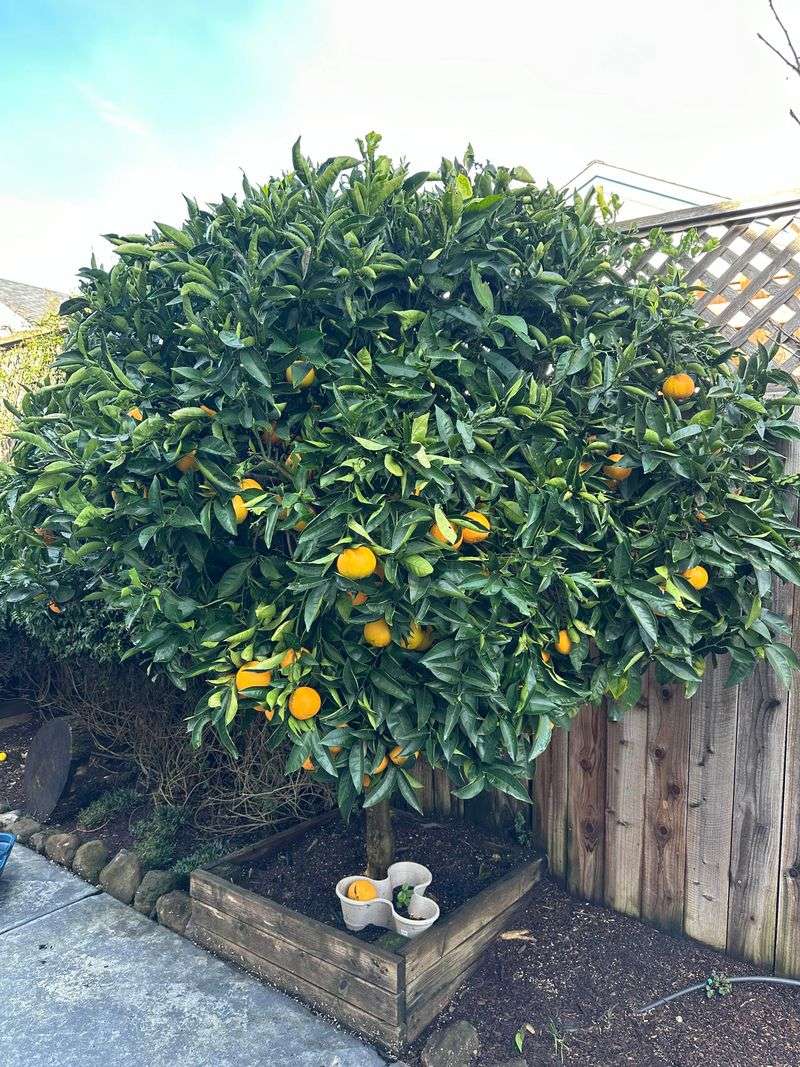
Regular garden soil is too heavy for containers. It compacts over time, blocks drainage, and suffocates roots.
Orange trees planted in the wrong mix will struggle no matter how much sun or water they get.
The best option is a quality citrus or cactus potting mix, which is designed to drain quickly while still holding enough moisture for roots to absorb. You can find these mixes at most California garden centers.
For even better drainage, mix in about 20 to 25 percent perlite or coarse sand to loosen things up.
Adding a layer of gravel at the bottom of the pot used to be popular advice, but modern research shows it can actually trap water. Just use a well-draining mix and make sure those drainage holes stay clear.
When you plant, set the tree at the same depth it was in its nursery container. Planting too deep buries the graft union, which can cause serious problems down the road.
Press the soil gently around the roots and water it in well right after planting. A good soil mix from day one means your tree has the best possible start in your California container garden.
5. Water Deeply But Carefully
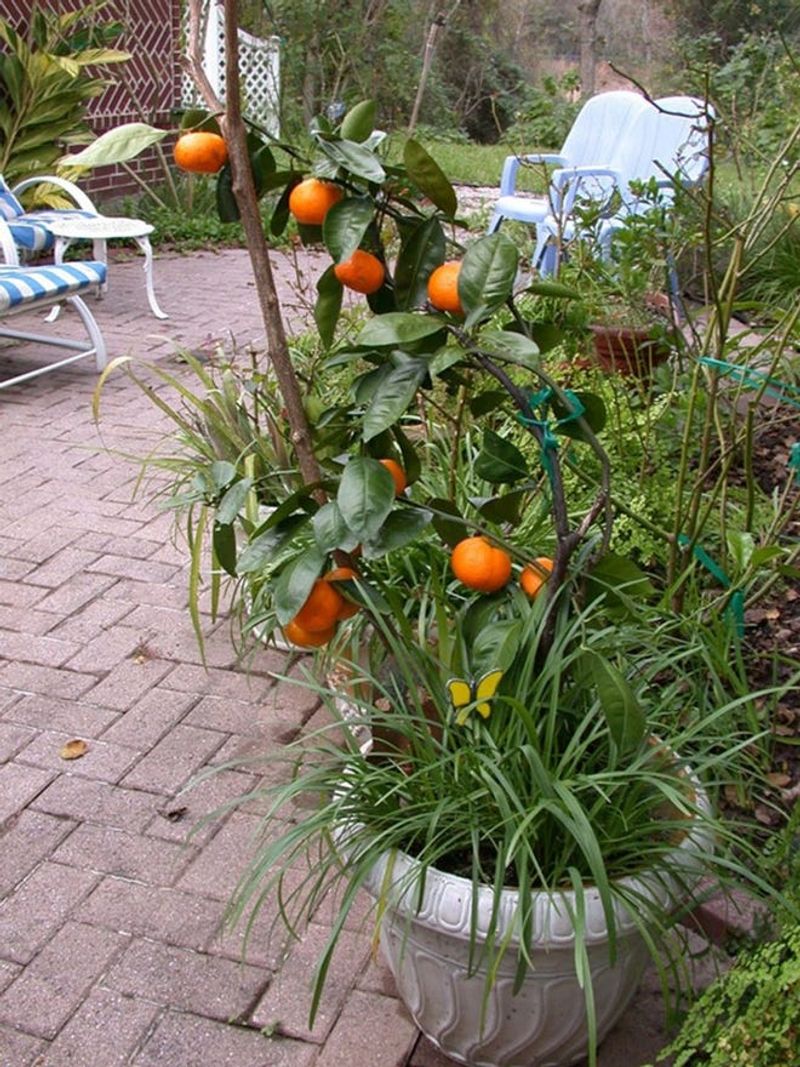
Watering container orange trees is all about balance. Too little water and the tree dries out and drops leaves.
Too much water and the roots rot. Getting this right is one of the most important skills for any California container gardener to develop.
The best method is to water deeply and then let the top two inches of soil dry out before watering again. Stick your finger into the soil to check.
If it feels dry two inches down, it is time to water. If it still feels moist, wait another day or two.
During hot California summers, especially in inland areas like the Inland Empire or the Sacramento Valley, container trees may need watering every one to two days. In cooler coastal regions or during winter, you may only need to water once a week.
Always water until it flows freely out of the drainage holes. This ensures the entire root zone gets moisture and also flushes out built-up salts from fertilizer.
Avoid letting the pot sit in a saucer full of water for extended periods. Consistent, thoughtful watering keeps your orange tree healthy and productive through every California season.
6. Feed During The Growing Season
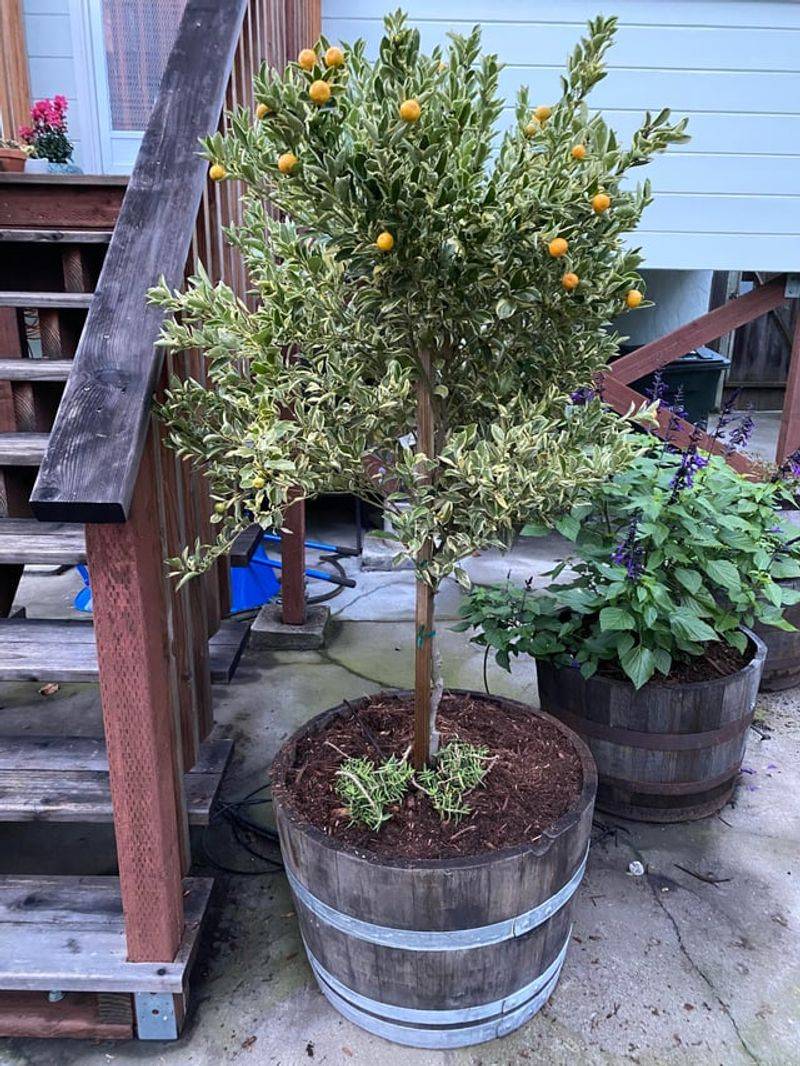
Container trees are hungry. Unlike trees planted in the ground, they cannot reach out for nutrients beyond their pot.
That means you have to bring the nutrients to them, consistently and on a smart schedule.
Use a fertilizer made specifically for citrus trees. These blends are formulated with the right balance of nitrogen, phosphorus, potassium, and trace minerals like iron and zinc that orange trees crave.
In California, the main growing season runs from late winter through early fall, roughly February to September.
During this period, fertilize your tree every four to six weeks with a slow-release granular fertilizer or every two weeks with a liquid citrus feed. Slow-release granules are convenient because you apply them less often.
Liquid fertilizers work faster and can help correct nutrient deficiencies quickly. You might notice yellowing leaves on your tree, which is often a sign of iron or nitrogen deficiency, both common in California’s alkaline water conditions.
A dose of chelated iron can fix that fast. Cut back on feeding in late fall and stop through winter when the tree is resting.
Resume in late February to give your tree the energy boost it needs to flower and fruit beautifully.
7. Protect Trees From Cold Snaps
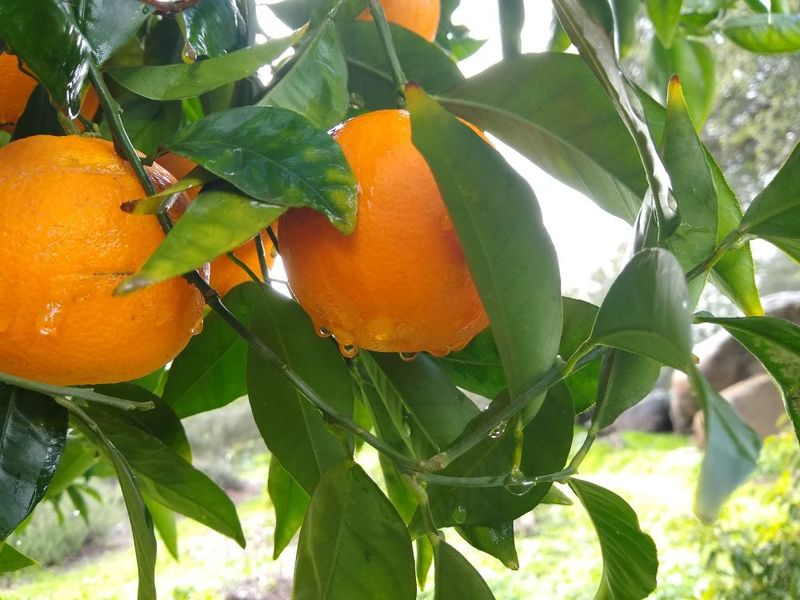
California has a reputation for warm weather, but cold snaps are real and they can sneak up on you. Parts of the state, including the Central Valley, the high desert areas near Palm Springs, and inland Northern California, regularly see freezing temperatures in winter.
Container trees are more vulnerable than in-ground trees because their roots have less insulation.
When temperatures are expected to drop below 28 degrees Fahrenheit, it is time to act. The easiest solution is to move your container tree indoors or into a garage.
This is one of the biggest advantages of growing in a pot rather than planting in the ground. A garage or enclosed porch can protect your tree from frost without you having to do much else.
If moving the tree is not practical, wrap the pot and lower trunk with burlap or frost cloth. You can also use outdoor string lights around the canopy to generate a small amount of warmth.
Water your tree the day before a frost since moist soil holds heat better than dry soil. Remove coverings once temperatures rise above freezing during the day.
With a little preparation, your California container orange tree can handle winter and come back strong in spring, ready to bloom and produce another gorgeous crop of fruit.