Why You Need To Add Pinecones To The Bottom Of Your Planter In Ohio
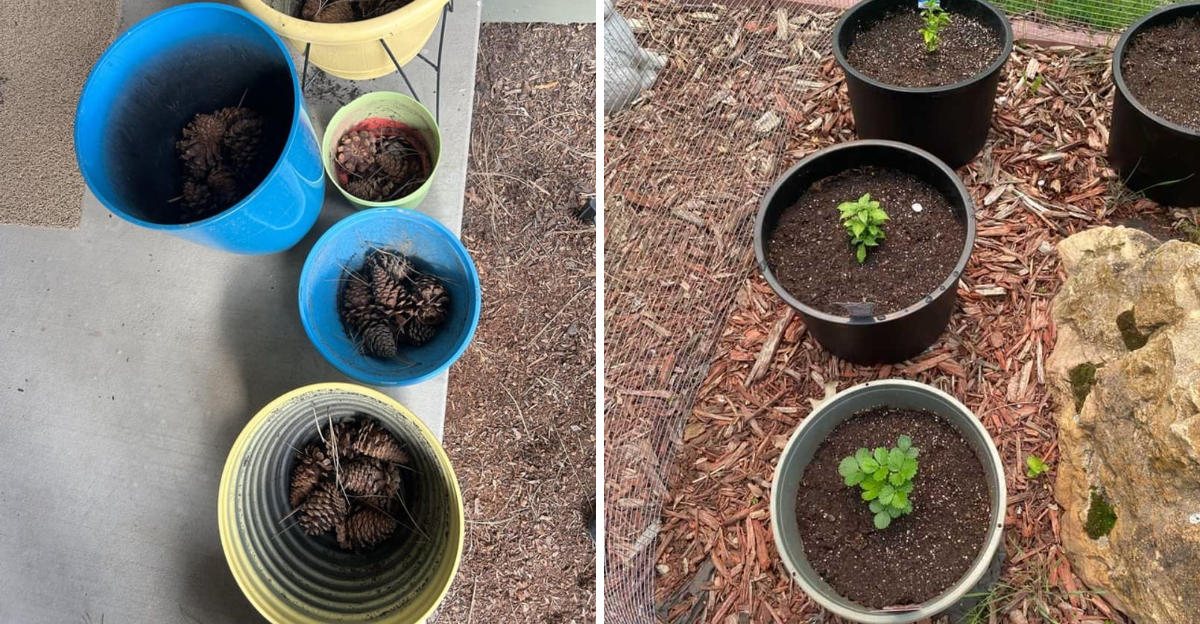
Pinecones are usually yard debris. Something to rake up, toss in a pile, or ignore until they disappear on their own.
Most Ohio gardeners walk past them without a second thought, which means they may be walking past a free filler for oversized containers.
Putting pinecones at the bottom of a planter sounds like one of those gardening tricks that circulates online without much behind it.
Used the right way, it is not. There is a practical reason some container gardeners use them, and once you understand what they can and cannot do inside the pot, it starts to make a lot more sense.
Ohio’s weather puts real demands on container plants. For anyone filling tall porch pots or oversized patio planters, that makes pinecones worth a second look.
1. Use Pinecones To Fill Deep Pots Without Wasting Soil
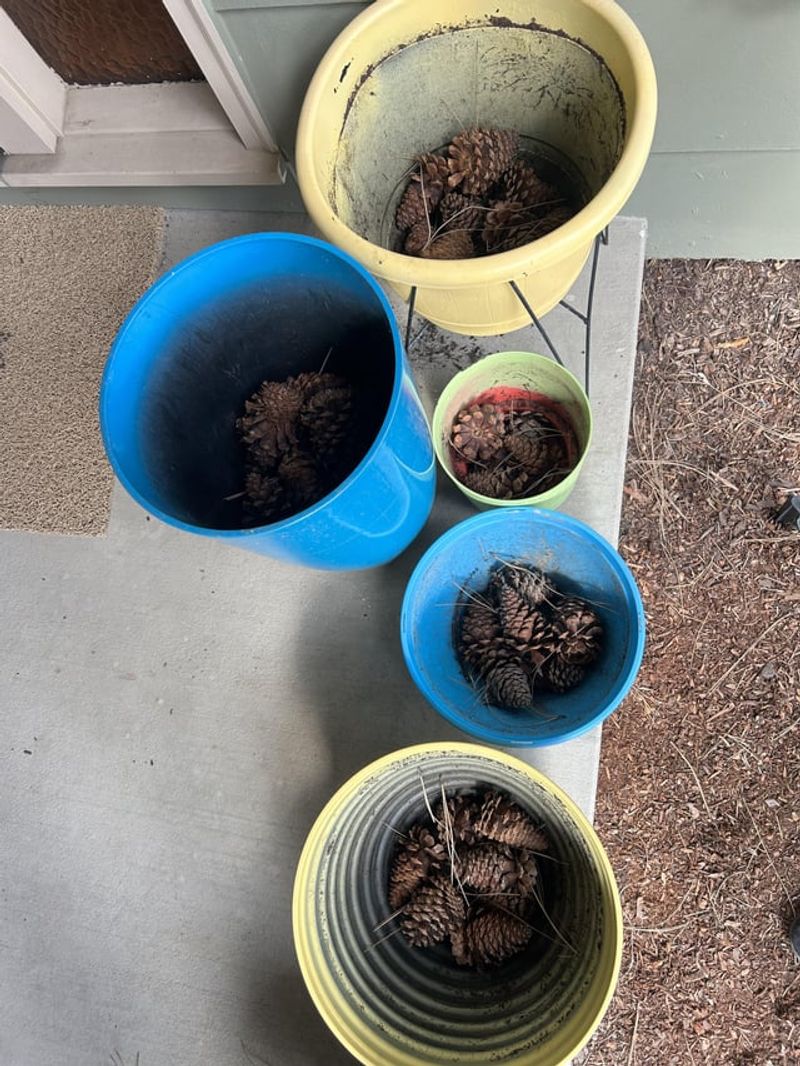
Big decorative planters are a staple on Ohio patios and front porches, but they come with a hidden cost. A single large pot can swallow an entire bag of premium potting mix before you even drop in your first plant.
Pinecones offer a practical way to fill that unused bottom space without reaching for another bag of soil.
The idea works best in very deep containers where the plant you are growing simply does not need all that depth. Many annual flowers and shallow-rooted ornamental plantings can grow well with twelve to eighteen inches of quality potting mix above the filler layer.
The space below those roots is essentially wasted, and filling it entirely with potting mix adds unnecessary weight and expense.
Placing a layer of dry pinecones at the bottom of a deep planter takes up that empty space efficiently. They are lightweight, easy to collect, and free if you have pine trees in your yard or neighborhood.
Ohio gardeners who grow petunias, geraniums, or coleus in tall decorative urns can benefit the most from this approach.
Pinecones are not fertilizer, and they will not make your plants grow faster or bigger on their own. Their job here is simple: reduce the volume of potting mix needed in a container that is deeper than your plant actually requires.
Think of them as a filler, not a soil amendment.
This approach can save money at the garden center and keep oversized planters lighter and easier to move. That alone makes it worth trying this spring.
2. Keep Them Below The Root Zone Where They Belong
Roots need room to breathe, stretch, and absorb water. That fact matters a lot when you are deciding how many pinecones to put in a planter and exactly where they should sit.
Pinecones belong at the very bottom of the container, well below the active root zone of whatever plant you are growing. Mixing them heavily through the main growing area is not a good idea.
Roots need consistent contact with potting mix to access moisture and nutrients, and large gaps created by pinecones can disrupt that contact in ways that stress your plant over a long season.
Your Ohio Garden Changes Every Week. Your Plan Should Too.
Gardening in Ohio changes quickly throughout the season. Every Friday you’ll receive a simple weekly plan showing exactly what to plant, prune, fertilize, harvest, and protect so you never miss the right timing.
Just keep enough potting mix above the filler layer so the roots never have to grow through large air gaps to find moisture. The roots of those plants rarely venture deep, so the bottom of the pot can safely hold non-soil material without affecting performance.
Vegetables, herbs, and perennials are a different story. Tomatoes, peppers, basil, and most perennial flowers develop deeper and more demanding root systems.
Ohio gardeners growing those plants should leave plenty of room for quality potting mix and keep any pinecone layer thin or skip it entirely.
A good rule of thumb is to match the depth of your pinecone layer to the actual root depth of your plant. If your plant roots typically reach eight inches deep, give it at least ten to twelve inches of potting mix above the pinecones.
The cones fill space below that zone, not within it. Protect the root zone first, and the pinecones will do their job without causing problems.
3. Start With Drainage Holes Before Adding Anything Else
Ohio gets real rain. Spring storms, summer downpours, and weeks of gray wet weather are part of gardening life in this state.
A planter that cannot drain properly will hold water at the root level, and that is a serious problem for most container plants.
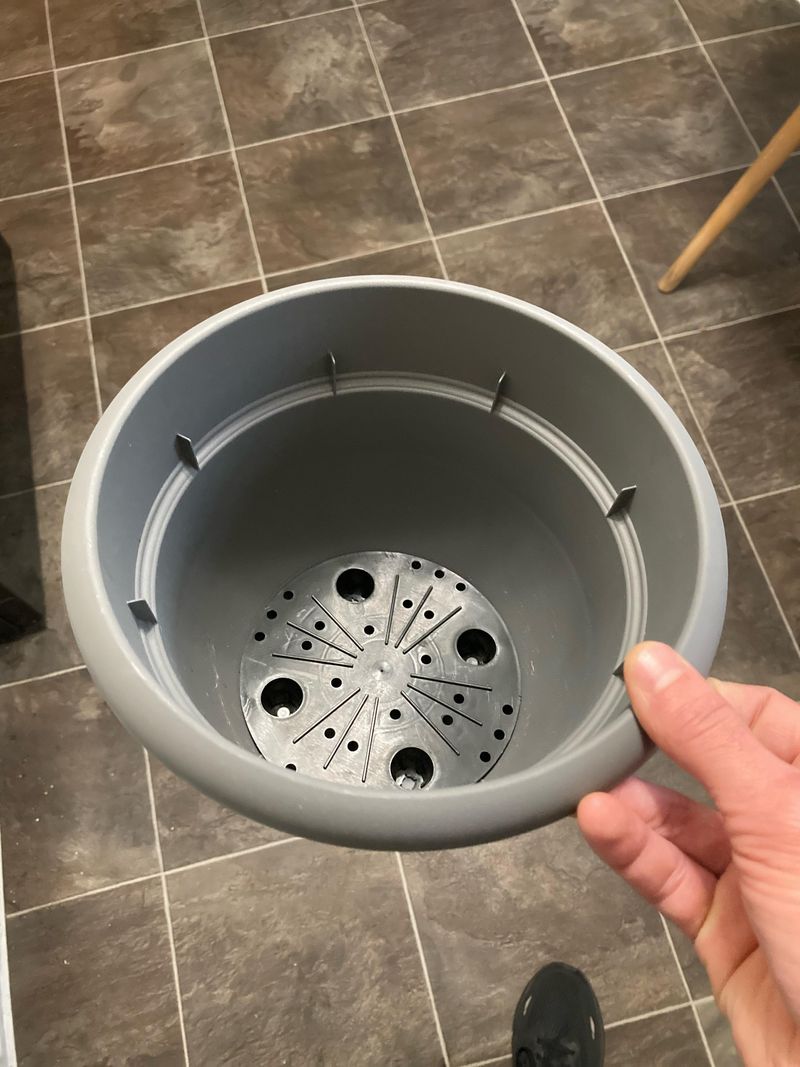
No amount of pinecones, gravel, or clever layering fixes a pot with no drainage holes. Drainage holes are the single most important feature of any container, and Ohio gardeners should check for them before buying or planting anything.
If your decorative pot does not have holes, either drill some or use it as a cachepot by slipping a smaller, properly draining container inside.
Pinecones placed in a pot with no drainage holes do not help water escape. They simply sit in standing water along with your plant’s roots.
The drainage function of a container depends on the holes at the bottom, the structure of the potting mix, and how the container is positioned, not on what filler material sits inside.
Ohio State University Extension consistently emphasizes that containers must have adequate drainage for healthy plant growth. Proper holes come before any other consideration, including soil choice, fertilizer, or filler layers.
Get the drainage right first, and everything else becomes much easier to manage.
If you are setting planters on a solid surface like a concrete porch or deck, make sure the pot is slightly elevated or positioned so water can actually flow out of those holes freely.
Pot feet, small risers, or even a couple of flat stones under the rim work well for keeping drainage clear through Ohio’s rainy seasons.
4. Cover The Holes Without Blocking Water Flow
Potting mix has a frustrating habit of washing straight out of drainage holes the first time you water. A little prevention goes a long way here, and the solution is simpler than most people expect.
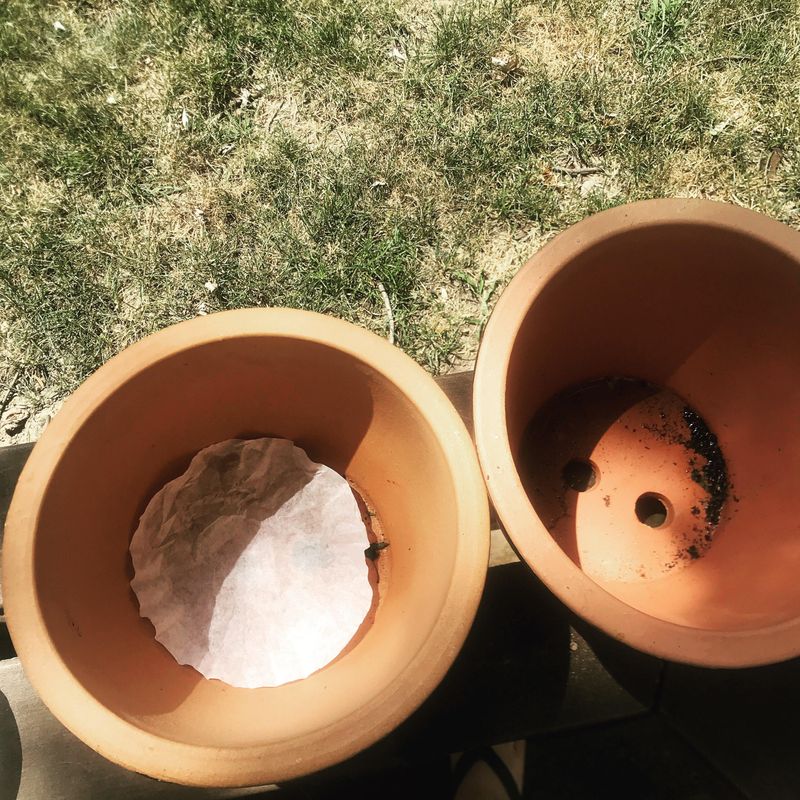
Placing a small piece of breathable material over the drainage holes before adding your filler layer keeps soil in the pot while still letting water flow freely. A scrap of window screen, mesh, or another breathable barrier works well for this purpose.
The goal is not to seal the hole but to act as a barrier between the soil and the opening.
Coffee filters are a popular choice among container gardeners because they are cheap, easy to cut to size, and break down slowly enough to last through a full growing season.
Window screen scraps are reusable and work especially well in larger pots where a single coffee filter would not cover the area.
If you are using pinecones as a bottom filler layer, place your breathable barrier over the drainage holes first, then add the pinecones on top of it. After the cones are in place, add your potting mix.
Avoid packing the pinecones so tightly that water cannot move through and around them toward the holes below.
The whole point of this step is to keep your setup working the way it should. Soil stays in the container where roots can use it.
Water moves down and out through the holes without pooling. Keeping those two things balanced is what healthy container gardening in Ohio looks like in practice.
5. Choose Clean Dry Cones From Untreated Areas
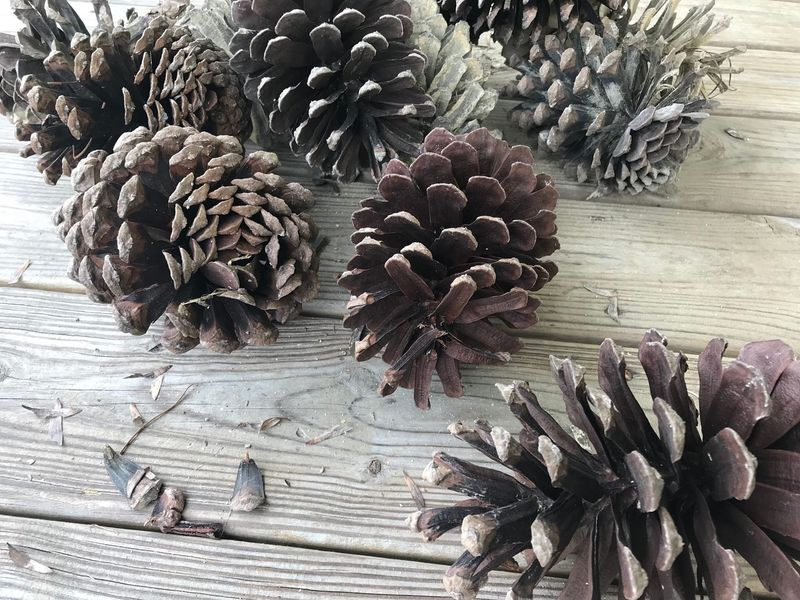
Not every pinecone is a good candidate for your planter. Where and how you collect them matters more than most gardeners realize, especially if you are growing edibles or plants in close quarters with kids and pets.
Pinecones picked up along roadsides can carry residue from road salt, vehicle exhaust, and runoff from treated pavement. Salt is particularly problematic for container plants because it builds up in potting mix and damages roots over time.
Ohio winters are hard on roads, and the salt used to manage ice does not stay neatly on the pavement.
Cones gathered from lawns or landscaped areas that have been treated with herbicides, pesticides, or synthetic fertilizers should also be avoided.
Even dried residue on the surface of a cone can be a concern, particularly in a confined container environment where concentrations can build up differently than in open ground.
The safest cones come from your own yard in an area you know has not been chemically treated, or from a natural wooded area away from roads and maintained landscapes. Brush off any loose dirt, debris, or insects before bringing them inside or near your garden.
Let the cones dry completely before placing them in a planter, since wet or green cones can introduce mold or break down faster than expected.
Many Ohio neighborhoods have pine or spruce trees, and collecting cones from your own untreated yard is often easy. A quick walk after a windy day in fall will usually turn up more than enough.
Just be selective about where you gather them, and your planters will be better for it.
6. Skip This Trick For Small Pots And Thirsty Plants
Every gardening trick has its limits, and this one is no different. Pinecones as a bottom filler only make sense in specific situations, and knowing when to skip them is just as useful as knowing when to use them.
Small pots simply do not have space to spare. A six-inch or eight-inch container filled with potting mix gives plant roots barely enough room as it is.
Replacing any of that volume with pinecones reduces the soil your plant can actually use, and that shows up quickly as slower growth, faster drying, and less vigorous flowering or fruiting.
Plants that need consistent moisture are another reason to leave the pinecones out entirely. Ferns, astilbe, certain hostas, and other moisture-loving plants rely on a steady supply of water held in their growing medium.
Reducing potting mix volume in their containers means less water-holding capacity, which leads to more frequent wilting between waterings.
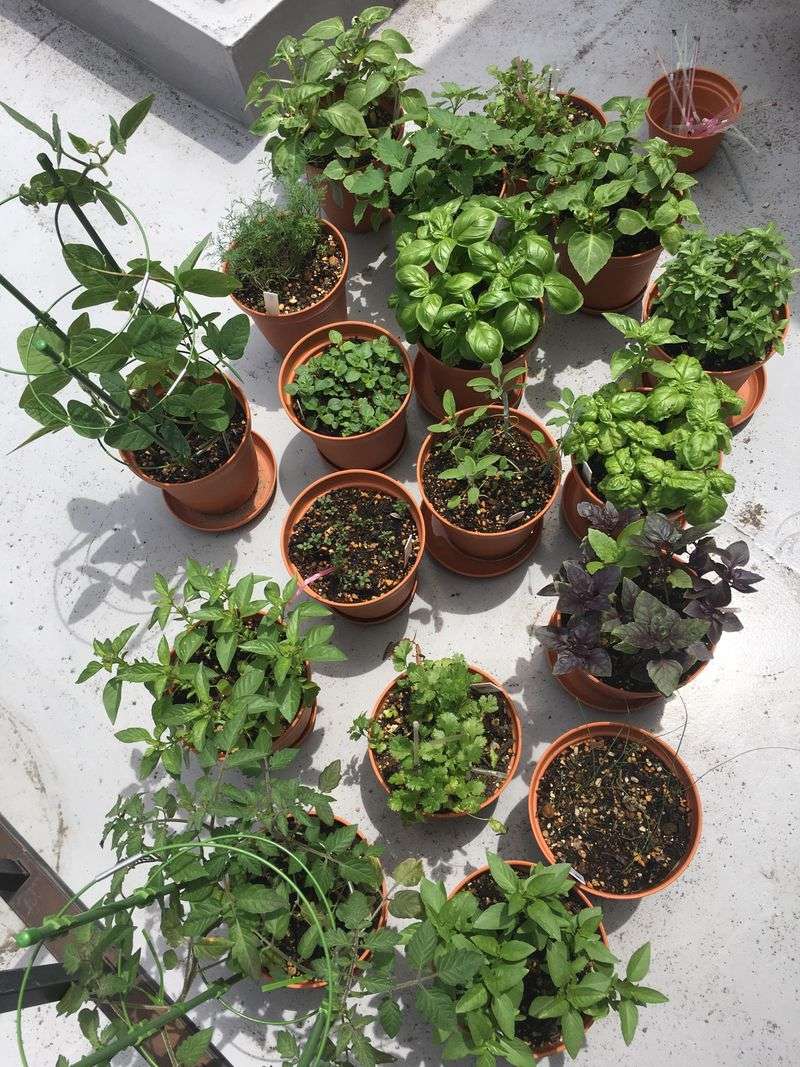
Vegetables and herbs almost always perform better with the full container volume filled with quality potting mix. Tomatoes, cucumbers, zucchini, basil, and peppers are heavy feeders and drinkers.
Ohio gardeners who grow those crops in containers already face the challenge of keeping up with watering through hot July and August stretches. Cutting back on soil volume makes that challenge harder, not easier.
The pinecone trick is genuinely useful in the right situation. A very deep decorative urn planted with a shallow-rooted annual is a great match.
A twelve-inch pot of cherry tomatoes on a Columbus balcony is not. Match the method to the plant, and you will get better results all season long.
7. Refresh The Planter As Pinecones Break Down
Fall cleanup is a real part of container gardening in Ohio, and it is the perfect time to check on what is happening at the bottom of your deep planters. What you find down there might surprise you.
Pinecones are organic material, which means they break down over time. In the moist environment of a planter that gets watered regularly through spring, summer, and fall, the cones will eventually soften, settle, and begin to lose their structure.
How fast that happens depends on the size of the cones, how wet the container stays, and how long they have been sitting there.
There is no fixed timeline for how long pinecones last in a planter. Some gardeners find them largely intact after one season.
Others notice significant breakdown after two years. Checking them when you empty and refresh your containers is the most reliable approach, rather than assuming they are still in good shape.
When you pull out old potting mix at the end of the growing season, dig down to the bottom layer and take a look. If the cones have collapsed, turned mushy, or blended into a dark soggy mass with old soil, scoop them out and toss them in your compost pile.
Partially broken-down pinecones are a fine compost addition and will finish breaking down quickly in a warm active pile.
Fresh dry cones can go back in for the next planting season if the container and plant combination still calls for a bottom filler layer.
Treat it like any other part of your spring container reset, and your planters will stay healthy and well-structured year after year across Ohio’s changing seasons.