How To Keep Potted Citrus Trees Thriving Indoors During Florida Winters
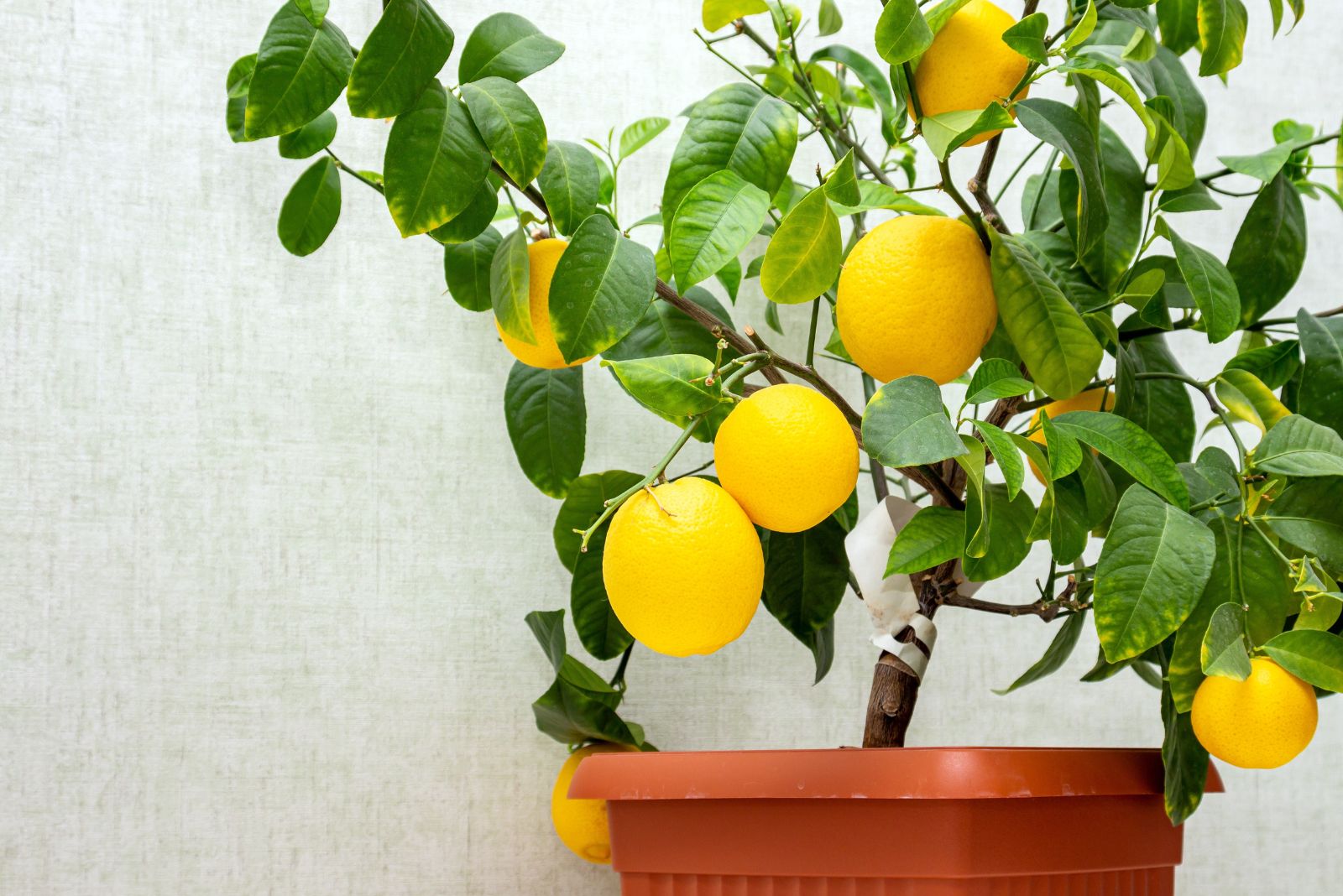
Florida winters may be mild on paper, but indoor conditions can still throw potted citrus trees for a loop.
Once these sun-loving growers move inside, they face dry air, shifting light, and warm rooms that confuse their natural rhythm.
A tree that thrived outdoors can start dropping leaves or losing color as it tries to adjust.
Still, citrus plants have a stubborn streak and bounce back fast when given the right setup.
Bright light, steady warmth, and a touch of extra humidity can turn a living room or sunroom into a mini oasis that keeps them feeling right at home.
Each small tweak helps the tree settle in, hold its leaves, and keep pushing out fresh growth through the cooler months.
With a bit of attention and a careful eye, potted citrus trees can stay healthy, fragrant, and full of life until outdoor weather calls them back.
Indoors becomes a safe haven that carries them smoothly through the season.
1. Position Trees Near The Brightest Windows Available
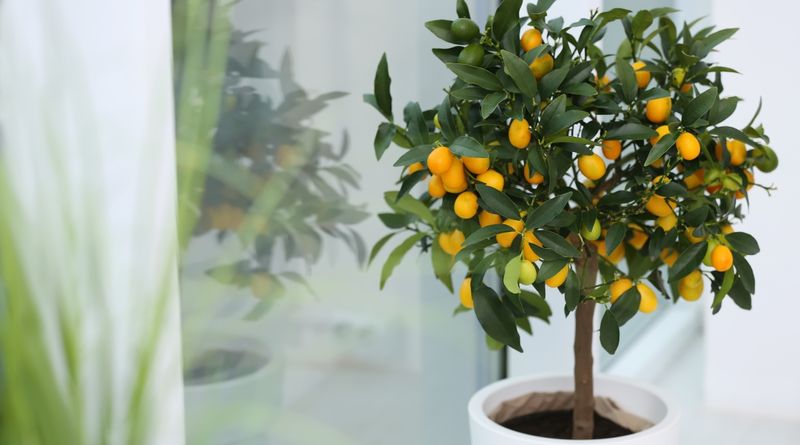
Sunlight remains the most critical factor for citrus health, even when your trees come indoors for winter protection.
Most citrus varieties need at least six to eight hours of direct light daily to maintain their energy production and overall vigor.
Without adequate brightness, leaves start yellowing, growth slows dramatically, and your tree enters a weakened state that makes it vulnerable to pests and other problems.
South-facing windows typically provide the strongest light throughout Florida’s shorter winter days.
East-facing windows work as a second choice, offering gentle morning sun that won’t scorch leaves.
West-facing spots can get intensely hot during afternoon hours, so monitor your tree carefully if that’s your only option.
North-facing windows rarely provide enough intensity for citrus trees to flourish.
Keep leaves clean by wiping them monthly with a damp cloth, since dust blocks light absorption.
Rotate your container a quarter turn each week so all sides receive equal exposure.
If your home lacks sufficiently bright windows, you’ll need to supplement with grow lights.
This becomes especially important during cloudy stretches when natural light diminishes.
Watch for signs of insufficient lighting, including leaf drop, stretched-out growth, or branches reaching desperately toward windows.
Florida’s winter sun, though less intense than summer rays, still provides valuable energy when you position trees strategically throughout your indoor space.
2. Adjust Watering Frequency For Indoor Conditions
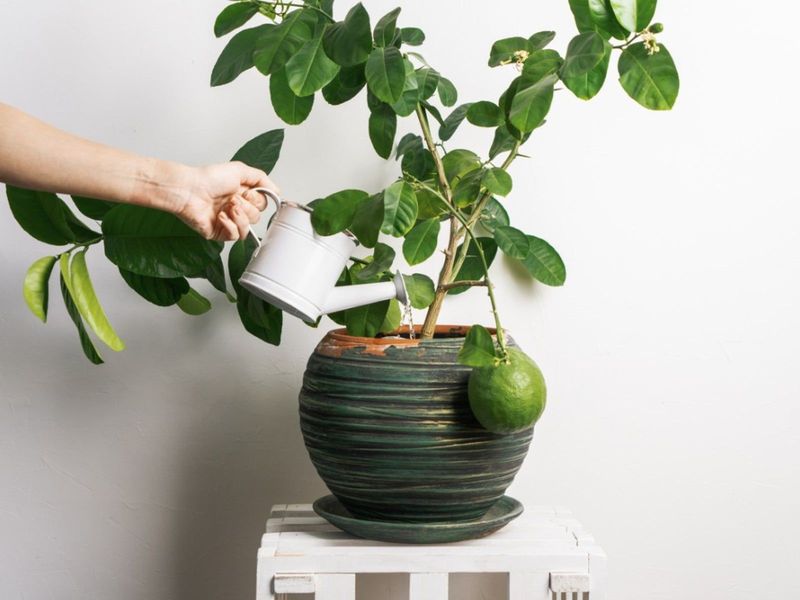
Water needs change dramatically when citrus trees move from outdoor humidity to indoor environments.
Many gardeners make the mistake of keeping the same watering schedule they used outside, which often leads to soggy roots and serious health issues.
Indoor trees typically need less frequent watering because they’re not exposed to wind, intense sun, or rapid evaporation that happens outdoors in Florida.
Check soil moisture by sticking your finger two inches deep into the potting mix.
Water thoroughly only when the top layer feels dry to the touch.
During winter months, this might mean watering every seven to ten days rather than every three to four days like summer.
The exact timing depends on your home’s temperature, humidity levels, and how much light your tree receives.
Always water until liquid drains from the bottom holes, ensuring the entire root system gets moisture.
Empty saucers after fifteen minutes to prevent roots from sitting in standing water.
Citrus trees particularly dislike wet feet, which can lead to root rot and other fungal problems.
Yellow leaves often signal overwatering, while brown, crispy edges indicate underwatering.
Florida’s indoor heating systems can dry out soil faster than expected, so stay observant.
Room temperature water works best, as cold water can shock roots.
Consistency matters more than strict schedules, learn to read your specific tree’s signals rather than following a rigid calendar.
3. Maintain Adequate Humidity Around Your Trees
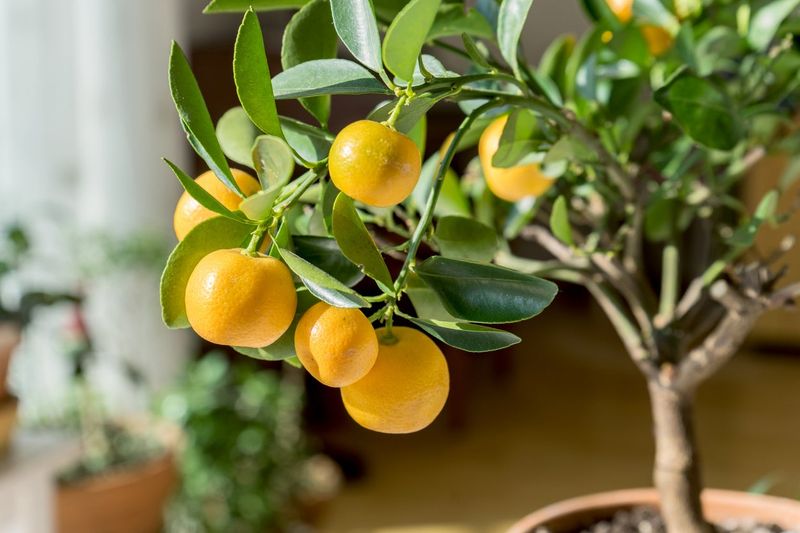
Citrus trees evolved in subtropical regions where humidity stays relatively high year-round.
When you bring them into heated Florida homes during winter, the dry indoor air can stress them significantly.
Central heating systems strip moisture from the atmosphere, creating desert-like conditions that cause leaf browning, bud drop, and increased susceptibility to spider mites.
Creating humidity doesn’t require expensive equipment or complicated setups.
Fill a wide, shallow tray with pebbles or decorative stones, then add water until it reaches just below the top of the rocks.
Place your potted tree on this platform, ensuring the container bottom doesn’t touch the water directly.
As liquid evaporates, it creates a humid microclimate around the foliage.
Misting leaves provides temporary relief but isn’t a complete solution, since moisture evaporates within hours.
If you choose to mist, do it in the morning so leaves dry before evening, preventing fungal issues.
Grouping several plants together also raises humidity levels, as they collectively release moisture through transpiration.
Bathrooms and kitchens naturally have higher humidity from showers and cooking, making them good locations if they have adequate light.
You can also run a small humidifier near your citrus trees during particularly dry periods.
Aim for humidity levels between forty and sixty percent.
Florida’s coastal areas naturally have more moisture than inland regions, so adjust your efforts based on where you live and your home’s specific conditions.
4. Monitor Temperature And Protect From Cold Drafts
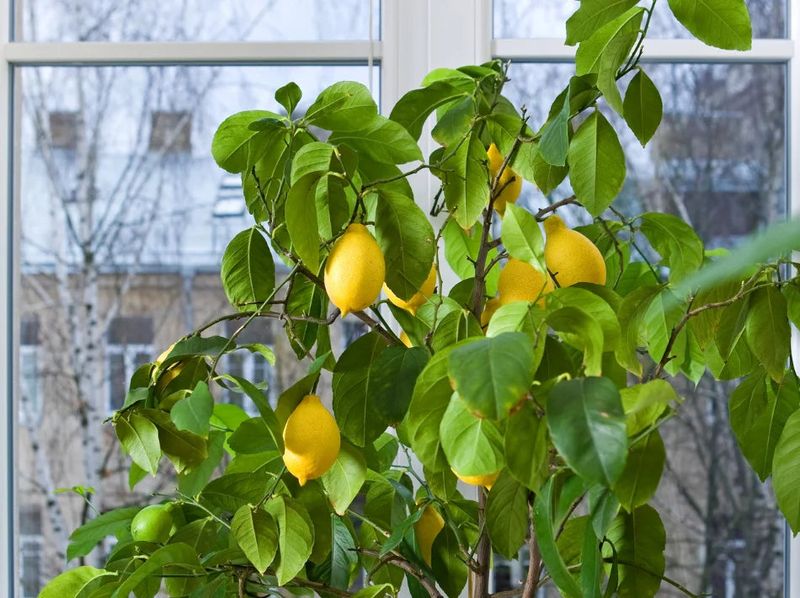
Temperature consistency helps citrus trees adjust to indoor life during Florida’s unpredictable winter months.
Most citrus varieties prefer temperatures between sixty and seventy degrees Fahrenheit at night and seventy to eighty degrees during daytime hours.
Sudden fluctuations stress trees more than steady, slightly cooler conditions.
Cold drafts from windows, doors, or air conditioning vents can damage tender leaves and cause unexpected leaf drop.
Even in Florida, nighttime temperatures can plunge when cold fronts move through, and single-pane windows transmit that chill directly to nearby plants.
Check for drafts by holding your hand near windows and doorways on cold evenings, you’ll feel the temperature difference immediately.
Move trees away from drafty spots or hang heavy curtains to insulate windows during the coldest nights.
Avoid placing citrus near heating vents, which blast hot, dry air that quickly dehydrates foliage.
The warm air might seem beneficial, but the rapid temperature swings and moisture loss cause more harm than good.
If you live in northern Florida where winters get colder, consider the room temperature carefully.
A bright, unheated sunroom might seem perfect, but if temperatures regularly drop below fifty degrees, your tree will suffer.
Southern Florida residents have an easier time maintaining appropriate temperatures, though air conditioning can still create problems.
Use a simple thermometer to track conditions near your tree’s location, adjusting placement as needed throughout the season.
5. Reduce Fertilizer Application During Dormant Period
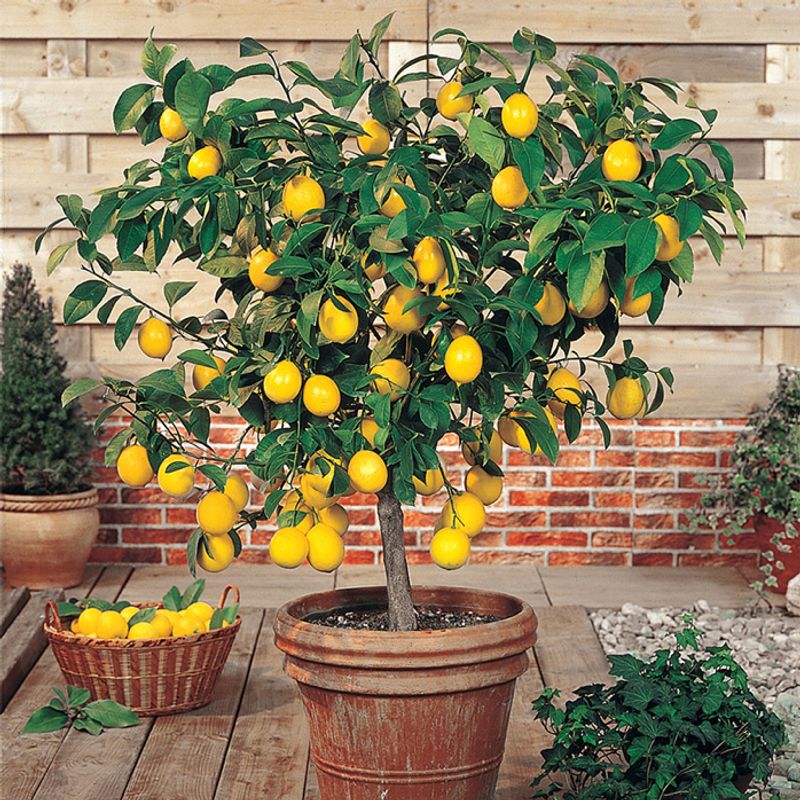
Growth naturally slows when citrus trees spend winter indoors with reduced light and cooler temperatures.
Continuing heavy fertilization during this rest period can actually harm your tree rather than help it.
Excess nutrients accumulate in the soil when roots aren’t actively growing, potentially burning tender root hairs and creating salt buildup that damages the entire root system.
Cut back fertilizer applications to once monthly or stop completely from December through February if your tree shows clear signs of dormancy.
Use a diluted citrus-specific fertilizer at half the recommended strength when you do feed.
Look for formulas with micronutrients like iron, manganese, and zinc, which citrus trees need for healthy foliage even during slower growth periods.
Some Florida citrus growers prefer organic options like fish emulsion or compost tea during winter months.
These gentler fertilizers provide nutrients without the risk of chemical burn.
Watch your tree’s signals, if new growth appears and the plant seems active, you can maintain regular feeding.
However, if leaves darken and growth stops, that’s nature’s way of saying your tree needs rest.
Flush pots with plain water every six to eight weeks to prevent salt accumulation from fertilizers.
Let water run through the container for several minutes, washing away excess minerals.
This becomes especially important in Florida where tap water often contains dissolved solids.
Resume normal fertilization schedules when spring arrives and you notice increased growth activity and new leaf development.
6. Inspect Regularly For Pests And Address Problems Quickly
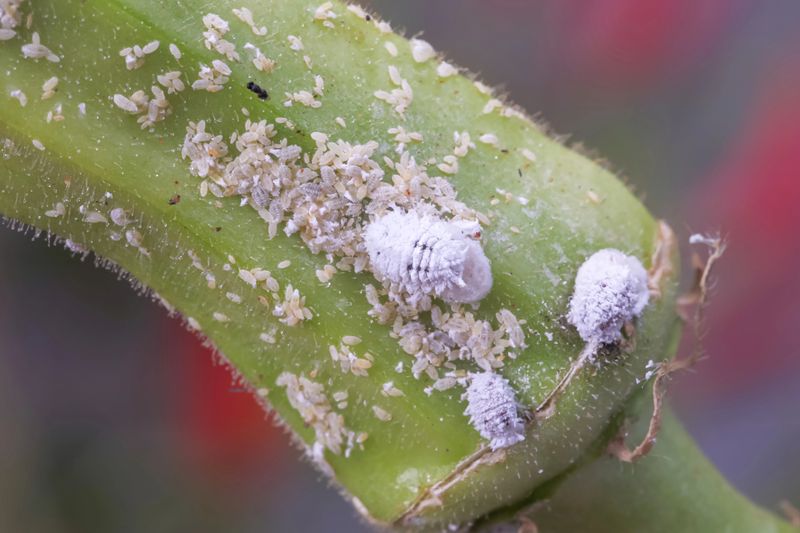
Indoor environments create perfect conditions for certain pests that rarely bother outdoor citrus trees in Florida.
Spider mites, scale insects, and mealybugs thrive in the warm, dry air of heated homes.
Without natural predators like ladybugs and lacewings, these pests multiply rapidly and can seriously weaken your tree before you notice the infestation.
Examine leaves weekly, checking both upper and lower surfaces for tiny insects, sticky residue, or webbing.
Spider mites appear as tiny moving dots and create fine webs between leaves and stems.
Scale looks like small brown or tan bumps stuck to branches and leaf undersides.
Mealybugs resemble tiny cotton balls clustered in leaf joints and along stems.
Catch problems early by wiping leaves during your regular inspections.
A damp cloth removes dust while letting you spot pest activity before populations explode.
If you find insects, start with the gentlest treatment that works.
Insecticidal soap spray effectively controls most soft-bodied pests without harsh chemicals.
Spray thoroughly, covering all leaf surfaces and stems, then repeat weekly until pests disappear completely.
For stubborn infestations, neem oil works as both a pesticide and fungicide.
Mix according to package directions and apply in the evening to avoid leaf burn.
Isolate affected trees from other houseplants to prevent pest spread throughout your Florida home.
Good air circulation helps prevent pest problems, so don’t crowd plants together too tightly.
Healthy, properly cared-for trees naturally resist pest damage better than stressed specimens.
7. Provide Supplemental Lighting When Natural Light Falls Short
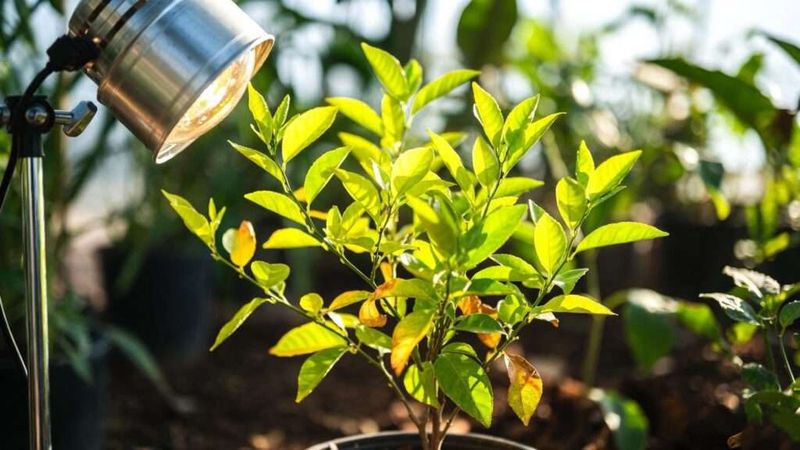
Even the brightest Florida windows sometimes can’t provide enough light during short winter days, especially during extended cloudy periods.
Citrus trees suffering from light deprivation show telltale signs, pale new growth, leaf yellowing, and branches that stretch awkwardly toward light sources.
Supplemental lighting bridges the gap between what your windows offer and what your tree actually needs.
LED grow lights have become affordable and energy-efficient options for home gardeners.
Look for full-spectrum bulbs that emit both blue and red wavelengths, which plants use most effectively for photosynthesis.
Position lights twelve to eighteen inches above your tree’s canopy, adjusting height as growth continues.
Most citrus trees benefit from twelve to fourteen hours of combined natural and artificial light during winter months.
Timing matters as much as light intensity.
Set lights on automatic timers to maintain consistent schedules, turning on at dawn and off at dusk to extend the natural day length.
This regularity helps your tree maintain normal metabolic rhythms even when Florida’s winter weather turns gloomy.
You don’t need expensive commercial systems, simple shop lights with LED bulbs work surprisingly well for small trees.
Fluorescent tubes provide another budget-friendly option, though they’re less efficient than LEDs.
Watch your tree’s response over several weeks.
Healthy green growth and sturdy new branches indicate your lighting setup works effectively.
Adjust height, duration, or intensity if problems persist, and remember that supplemental lighting becomes less necessary as spring approaches and natural daylight increases.